LIFESTYLE
Why Care Feels Lighter When It’s Shared – My Morning Fresh Story


I sighed and stepped outside, trying to catch the smallest hint of evening breeze. The heat in my apartment was unbearable. Suddenly, an uproar of cheers and cackles erupted from below. Irritated, I leaned over the railing, ready to scold everyone responsible – until I saw it.
Bubbles.
Just like that, I was eight years old again. That day, I threw a tantrum in front of my mother’s guests after she ordered me to wash the dishes everyone had used. She scolded me and insisted that as the last
born, I would still wash the plates whether I liked it or not. My elder sister Mofe – who had just returned from university and was ever the peacemaker – took my arm and marched me to the kitchen to help.
I filled a bowl, grabbed the detergent, and attempted to pour half of it in. Sister Mofe stopped me, pulled out a white bottle with green markings, and added just a little of the green liquid.
“It’s not enough,” I grunted, still smarting from the scolding. She chuckled and told me to prepare another bowl for rinsing.
“Why are you still frowning when I’m already helping you?” she asked. When she saw I wasn’t budging, she set down the plate and said, “come, let me show you
something.”
She took the dishwashing liquid, poured a little into her palm, rubbed her hands
together, then slowly pulled them apart. A perfect bubble floated between them. “Wowwww,” I exclaimed, my eyeballs nearly popping out of their sockets. “How did
you do that?” Sister Mofe just chuckled and said, “Let’s finish washing.”
Just then, Mother called out to her and she left. I side-eyed the two oily takeaway plates left to wash. With a heavy sigh, I lazily started scrubbing one, but to my surprise, the oil actually came off. I couldn’t believe it. I hurriedly finished and brought it to my nose; lemon fresh scent, not egusi. I rinsed off the suds, and just then, Sister Mofe returned.
I showed her the plate with excitement. “See! It’s not oily anymore.” She took it from me and inspected it carefully. “You’re right,” she said. “Powerful enough for the toughest grease, that’s Morning Fresh for you.” After the dishes, we made enough bubbles to last a lifetime.
Now, standing at the railing, watching kids giggle over bubbles of their own, a wave of nostalgia hit me. I sorely missed those days when I had my sister to share the care with me, and I didn’t have to deal with bills and adult responsibilities. I returned to my kitchen, faced the pile of dishes, and reached for the familiar bottle.
As the bubbles rose, I smiled and dialed my sister who now lived abroad.
“Bobo?” she answered, surprised but warm. “Long time!”
“Yeah,” I said, smiling despite myself. “I’m doing dishes and… I remembered. The bubbles. That day you helped me.”
She laughed, that same light chuckle. “You mean the day you threw a tantrum and I had to bribe you with soap bubbles?”
“Exactly,” I said, already feeling lighter. “You made it easier. Less lonely.” There was a pause. Then she said, “Put me on video call.” I did. And there she was, smiling at me from across the ocean.
“Alright,” she said, dramatically rolling up her sleeves. “Let’s do this together. You
wash, I’ll supervise. Just like old times.” I laughed, really laughed, for the first time in weeks. As I poured the Morning Fresh onto the bowl of water and watched the bubbles rise, I realized something: care
wasn’t lost. It could still be shared, even from a distance.
“See?” Sister Mofe said, watching me work. “You’re not alone. You never were.”
And she was right. Because some things, like care, are always better when they’re shared. As Morning Fresh rolls out The Care We Share movement, I’m inviting you too. Show us the moments – big or small – where care is shared in your home. Share your stories, your bubbles, your memories. Follow @MorningfreshNG and join the conversations with the hashtag #TheCareWeShare
Because some things, like care, truly shine brighter when we do them together.
Sponsored Content


Sign up to our free Living Well email for advice on living a happier, healthier and longer life
Live your life healthier and happier with our free weekly Living Well newsletter
Live your life healthier and happier with our free weekly Living Well newsletter
The UK Health Security Agency (UKHSA) says a new strain of mpox has been found in England.
Experts say the infection, found in a person who had recently returned from Asia, is the latest evidence for how the virus is circulating globally and evolving.
So what is mpox, and should we be worried about it?
What is mpox?
“Mpox, previously known as monkeypox, is a rare infection most commonly found in parts of central and east Africa,” says Dr Michael Brady, national advisor for LGBT Health at NHS England, and consultant in Sexual Health and HIV at King’s College Hospital in London.
“Mpox can be passed on from person to person through any close physical contact with mpox blisters or scabs.
“Once infected with mpox, it usually takes between five and 21 days for the first symptoms to appear.”

open image in gallery
The virus is ‘zoonotic’ (Alamy/PA)
Dr Jon Roberts, professor of Health Protection at the University of the West of England, said mpox was “first seen in the late 1950s in laboratory monkeys with a human case noted in 1970”.
“The virus is ‘zoonotic’ – meaning it can affect different animals, including humans, although cases in humans have been rare.”
What are the symptoms?
“The first symptoms of mpox include a high temperature, headache, muscle aches and backache, swollen glands, shivering, exhaustion and joint pain,” says Brady.
“A rash usually appears one to five days after the first symptoms and can be on any part of the body.”
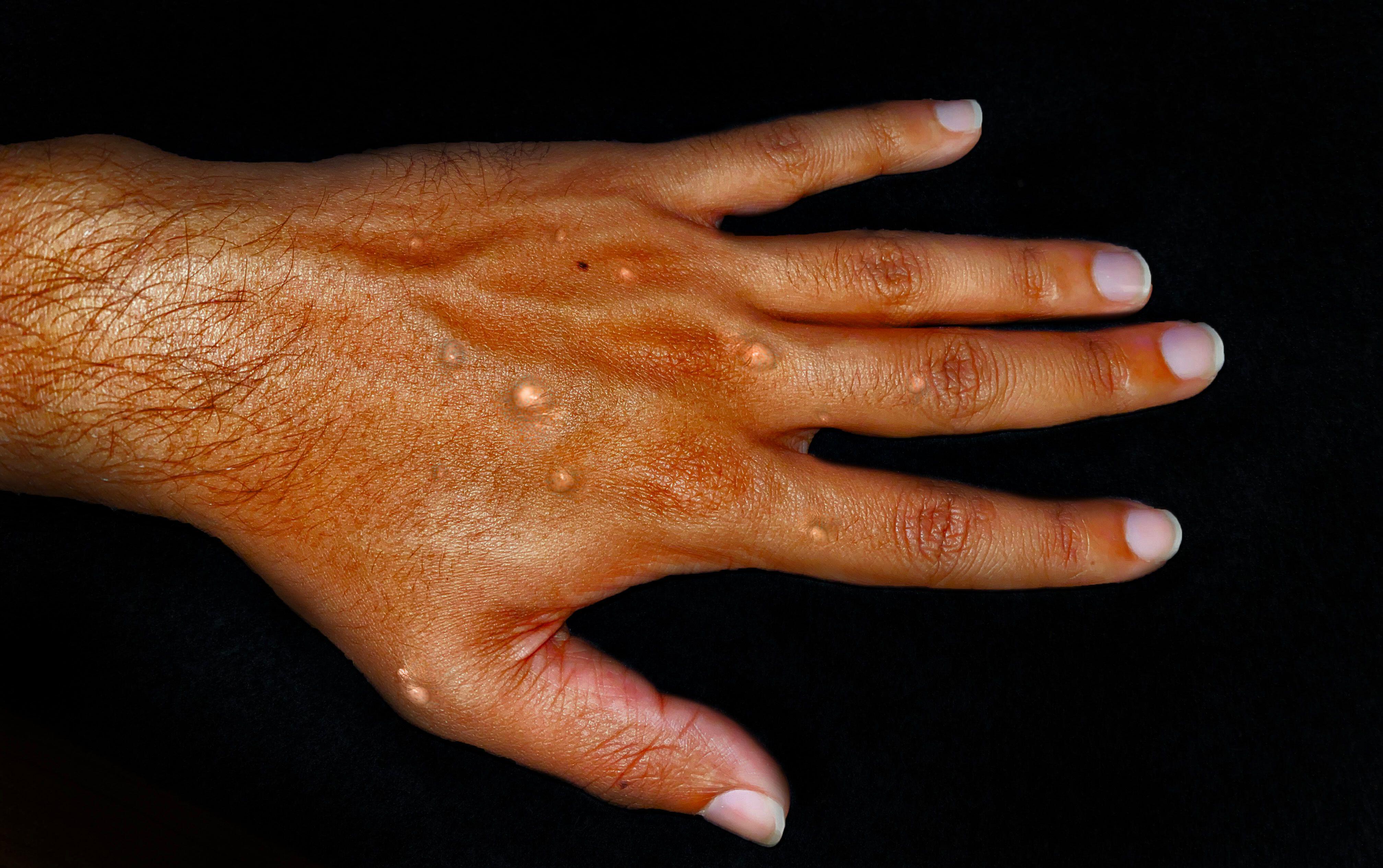
The rash then progresses from flat lesions to raised bumps, then fluid-filled blisters, which are often mistaken for chicken pox, and finally, scabs that eventually fall off.
Mpox can develop into more serious conditions, particularly in certain immunocompromised individuals, because they are more likely to experience severe symptoms and complications.
open image in gallery
Rash and blisters on a hand from a mpox infection (Alamy/PA)
“While most cases of mpox are mild, individuals with weakened immune systems, pregnant people, or those with underlying health conditions are at higher risk for severe complications,” says Dr Bruno Silvester Lopes, lecturer in microbiology at Teesside University, and researcher in pathogen spread and molecular epidemiology.
“Potential complications include secondary infections, where bacterial infections can occur in lesions or blisters due to scratching or improper care.
“And, in rare cases, the infection can lead to systemic complications like sepsis.”
Who is most at risk?
Dr Kathryn Basford at ASDA Online Doctor said those most at risk are “in close contact with someone with mpox, including household members, sexual partners, as well as healthcare workers, men who have sex with men, people with weakened immune systems, and individuals in regions where mpox is spreading.”
“People who have recently travelled to, or who have been in close contact with someone who has recently travelled to, areas of central or east Africa where there are outbreaks of mpox, are at higher risk of catching mpox.”
How can the symptoms be treated?
“Use over-the-counter pain relievers like acetaminophen or ibuprofen to reduce fever and alleviate body aches,” advises Lopes. “Keep the rash clean and covered to prevent infection and avoid scratching to reduce the risk of scarring and further infection.”
If symptoms flare up, it’s also important to stay hydrated and see your GP.
“Drink plenty of fluids to stay hydrated, especially if experiencing fever or if the rash affects eating or drinking,” recommends Lopes. “Consult your GP to seek medical advice for specific treatment options, and to discuss the potential use of antiviral medications if symptoms are severe.
“And, most importantly, follow isolation guidelines to prevent spreading the virus to others until you are no longer contagious.”
How likely am I to catch it in the UK?
“The risk to members of the public in the UK is low,” clarifies Roberts.
“Returning travellers from countries experiencing cases should be mindful and report symptoms to a healthcare professional, especially if they have been in direct contact with a known or suspected case.”
Should I be worried about mpox while travelling?
“It is important to follow general advice on safe travel to the country visiting,” says Roberts. “If travelling to an affected country, there are specific precautions recommended and can be found on the NaTHNac website.
“Anyone travelling to work in healthcare in an affected country should register with the UKHSA returning workers scheme.“

Dear Remi,
Now playing “Somebody That I Used to Know” by Gotye.
I walked into the bank, and my nostrils immediately flared. The air felt different; unfamiliar yet disturbingly familiar. The atmosphere had been quietly corrupted with memories I had worked so hard to bury. Something in me paused. And for a moment, I allowed myself to remember; to remember why this particular scent always carried weight. To remember what it meant.
I almost turned around and asked, “Who is wearing that perfume?”
It was as if it were urgent. Like I needed to know or something sinister would happen.
As if it mattered.
For one brief second, I wondered if he could suddenly be in Lagos. The last time I saw him was in Abuja, and we didn’t get to say a proper goodbye. He isn’t even in the banking sector, so it made no sense, but the thought still crossed my mind, uninvited.
In Akure, I found it too.
I would sniff the air like a dog following the scent of its owner. Until a corper wee dared to violate my memories. She wore the scent every day, and when I could not fight it anymore, I found comfort in it. I would compliment her every day. If she found it odd, she never showed any displeasure. It hurt then. Every sniff I took was torture to my lungs and heart. But it was the only thing I had left of him.
But Remi, it didn’t hurt today. Not in that bank hall.
It didn’t tug at me or crack me open. It didn’t send me spiralling into old emotions. It simply made me remember his name, his face, the ghost of a laugh we once shared.
For the longest time, I thought losing him would mean losing breath itself. I thought I would never be able to move on, that life would dim without him in it.
Yet here I am, confronted by the very fragrance that used to undo me, and all it does is stir a calm memory. The air felt rich with that sweet, intoxicating aroma (like candies mixed with something deeper, something I still can’t quite place), but it did not move me to sorrow. It only reminded me of what once was.
We used to be friends for several years before emotions rose like a storm and tried to destroy what we had. And even as the thread of our friendship frayed, I clung to it with a desperate loyalty, gripping it tightly with both hands, as if letting go would mean a kind of personal extinction.
I cannot remember the last thing we said to each other. I cannot recall the last conversation or the last silence. His face fades behind the shadows of the walls I have built carefully, intentionally, brick by brick. And still, in the deepest dark of my imagination, I can always make out that small scar on his forehead. Strange how one detail survives when an entire person dissolves.
So what am I really trying to say, Remi?
Maybe I forget with the same urgency with which I love. Maybe I let go with the same ferociousness with which I cling. I don’t know if it is a good thing. But for someone susceptible to repeated emotional onslaught, it is the safest thing.
Remi, why can’t I have them both?
***
Featured Image by Sora Shimazaki for Pexels.

Caraway Africa Nigeria Limited with two of its flagship brands Tasty Tom and De Rica within the Tomato mix category has unveiled the Millionaire Splash Promo. These brands are household names in the Nigerian culinary space.
The Tasty Tom x De Rica Millionaire Splash promo which aims to reward participating consumers with airtime and cash prizes while reinforcing the everyday relevance and presence of the brands, is available across the following product SKUs; Tasty Tom Tomato Mix (55g, 210g, 400g) and De Rica Tomato Mix (55g). The promo kicked off on the 15th of November 2025 and will run till 15th January 2026. Thus far, over 60 cash prize winners have been selected in the first seven days of the promotion and more customers are expected to win more.
To participate in the promo, customers are required to buy either Tasty Tom Tomato Mix (55g, 210g or 400g) or De Rica Tomato Mix (55g) promo pack, find the unique pin inside the pack and dial *8011*2*UNIQUE PIN#.
Each text guarantees a prize. Instant airtime and a chance to qualify for a daily or weekly draw to win 50,000 naira, 100,000 naira or the grand prize of 1 Million naira.
Entries will be identified by the mobile number of participants and the unique PIN. Airtime reward will be instantly disbursed and cash prize winners will be picked electronically. Five winners of 50,000 naira will emerge daily, Five winners of 100,000 naira will emerge daily and Two winners of 1 Million naira will emerge weekly.
Terms & Conditions Apply!
Connect with Tasty Tom Nigeria on Instagram, Facebook, YouTube or promo website for more information.
Sponsored Content

Stay ahead of the curve with our weekly guide to the latest trends, fashion, relationships and more
Stay ahead of the curve with our weekly guide to the latest trends, fashion, relationships and more
Stay ahead of the curve with our weekly guide to the latest trends, fashion, relationships and more

Starbucks may be giving fans another chance to score a viral bear cup this holiday season.
After the initial release of the $29.99 glass cold cup sent fans into a frenzy when they immediately sold out and were then being resold for triple the price on sites like eBay, the coffee chain posted a cryptic message Sunday to Instagram teasing another opportunity to purchase.
“Your chance is in the Starbucks app. Tomorrow, 12/8,” the caption read as a video played revealing a bear cup.
The Independent has reached out to Starbucks for additional information.
Fans already frustrated by the bear cup saga were not happy Monday morning when the Starbucks app was not revealing more information as promised.
“Anyone else checked the app and saw nothing,” one commented on the Instagram post while another wrote, “Im in the app right now! I don’t know what im looking for.”
“May the odds be in your favor,” someone else wrote.
Launched in early November alongside the return of Starbucks’ holiday menu, the 20-ounce cup is made for cold drinks — and crafted in the shape of an adorable bear, complete with black eyes and a nose on the front. A knitted green hat featuring the Starbucks logo tops the bear, and a matching green-and-white straw completes the festive look.
The drinkware also comes with a knitted green hat, featuring the Starbucks logo, on the bear and a matching green and white straw.
Upon launching, the bear cups were only available in stores, prompting customers to line up hours in advance to try to score one, but many were left disappointed. Some fans claimed only one or two cups were being sold in each store. The backlash was so loud that Starbucks was forced to issue an apology.
“The excitement for our merchandise exceeded even our biggest expectations and despite shipping more Bearista cups to coffeehouses than almost any other merchandise item this holiday season, the Bearista cup and some other items sold out fast,” a spokesperson for Starbucks said in a statement to The Independent. “We understand many customers were excited about the Bearista cup and apologize for the disappointment this may have caused.”
The company also told customers that “more exciting merchandise [is] coming this holiday season.”
More to follow
LIFESTYLE
U.S. Mission Nigeria Announces Nationwide “Made in America, Loved in Nigeria” Skit Contest

The U.S. Mission Nigeria has just dropped something exciting for creatives across the country — and it’s giving big opportunities. Say hello to the “Made in America, Loved in Nigeria” Social Media Skit Contest, a fun nationwide challenge celebrating how American products, ideas, and innovations show up in our everyday Nigerian lives.
From 1–8 December 2025, young Nigerians are invited to bring their creativity to life in short, punchy 90-second vertical skits. It could be how a gadget helps you stay productive, how a tool boosts your hustle, or how a cool idea from across the Atlantic fits perfectly into your daily flow. Whether it’s business, education, tech, creativity, or even your community — the theme is wide open, and the U.S. Mission wants to see your spin on it.
All you need to do is post your video publicly on YouTube, Facebook, or Instagram, tag @USinNigeria, and use the hashtags #MadeInAmericaLovedInNigeria and #TradeThatTransforms. The contest is open to Nigerians aged 18 to 45, and of course, everything must be completely original. You’ll also need to fill out the entry form and upload your eligibility and release form — nothing too stressful.
Your skit will be checked to make sure it meets the rules, then judged on creativity, storytelling, relevance to the theme, technical neatness, and audience engagement. Winners will be announced on 12 December 2025 on the U.S. Mission Nigeria social pages.
Now, to the part everyone wants to know: the prizes. The top creators will walk away with major gear — from a Sony A7 IV creative bundle to a Sony A7 III or even an iPhone 16 with a handheld gimbal. Plus, winners also get mentorship and features on U.S. Mission Nigeria’s platforms. So yes, it’s definitely worth shooting your shot.
If you want to get all the details, including the forms and rules, head over to madeinamericalovedinnigeria.com or send an email to [email protected].
Sign up to our free Living Well email for advice on living a happier, healthier and longer life
Live your life healthier and happier with our free weekly Living Well newsletter
Live your life healthier and happier with our free weekly Living Well newsletter
When I worked on the latest Global Burden of Disease cancer study, a global project that tracks cancer patterns and deaths across countries, I found myself pausing as the numbers loaded on the screen. Even as a scientist used to large datasets, the scale was hard to process.
Behind every line of code was a family who might lose a parent or child to a cancer that could have been prevented or treated earlier. The projections for South Asia and sub-Saharan Africa were especially stark.
It was clear that millions of people would be living and dying with avoidable cancers in the decades ahead unless something changed.
Infectious outbreaks or antimicrobial resistance are often labelled as global health crises. Yet a quieter crisis has been gathering force for decades. Cancer is rising across every region of the world, and the steepest increases are now occurring in countries with the fewest resources.
As part of the Global Burden of Disease 2023 Cancer collaboration, a worldwide partnership of scientists who produce comprehensive estimates of disease and mortality, I co-authored a large study tracking cancer trends from 1990 to 2023 and projecting what the world could face by 2050.
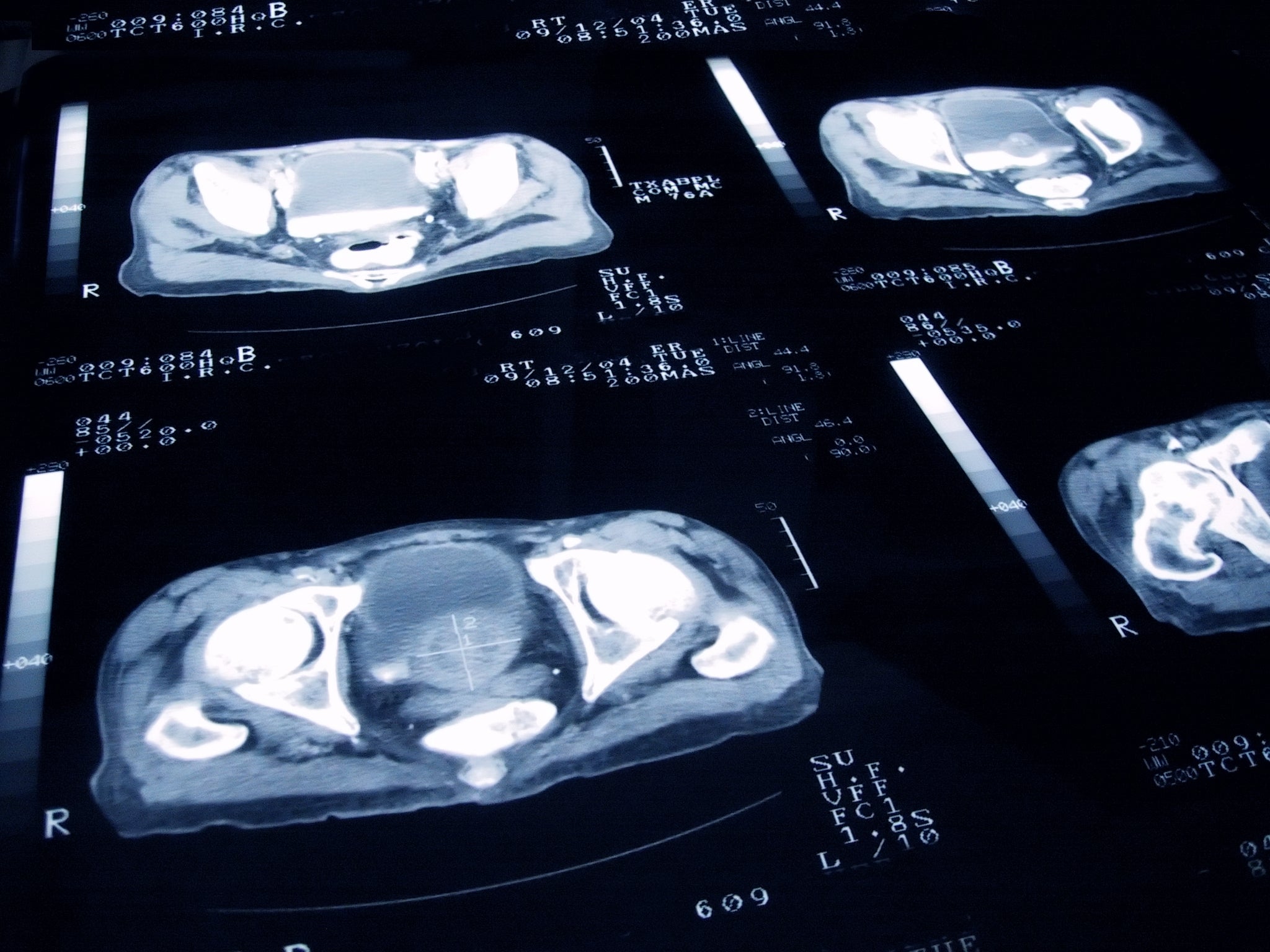 Scientists now know that cancer affects all regions (Getty/iStock)
For many years, cancer was widely viewed as a disease of affluence, concentrated in high-income countries. Scientists now know that it affects all regions and that an increasing proportion of the burden falls on low and middle-income countries.
Many of these countries are now experiencing rapid lifestyle and environmental changes along with ageing populations, but without the parallel development of screening, diagnostic or treatment capacity. Our analysis highlights how quickly this transition is unfolding.
In 2023, our analysis estimated 18.5 million new cancer cases and 10.4 million deaths across 204 countries. Nearly one in six global deaths was caused by cancer. More than two-thirds of these deaths occurred in low- and middle-income countries, reflecting the scale of the challenge in regions where access to screening, pathology and treatment remains limited.
In our study, 41.7% of cancer deaths in 2023 were attributable to modifiable risks. Tobacco, alcohol, unhealthy diets, high body mass index, air pollution and harmful workplace or environmental exposures all contributed.
Millions of cancers could be prevented each year if governments strengthened public health policies and made healthier choices easier. Prevention is not only about people’s actions. It is shaped by political decisions about what people can afford, breathe, eat and encounter in their environments.
Using more than three decades of data, we modelled future cancer trends. By 2050, the world could be facing 30.5 million new cancer diagnoses every year and 18.6 million annual deaths, almost double today’s figures.
About the author
Vikram Niranjan is an Assistant Professor in Public Health in the School of Medicine at the University of Limerick.
This article was first published by The Conversation and is republished under a Creative Commons licence. Read the original article.
Population growth and ageing play a part, but broader shifts in lifestyle, urbanisation, air quality and economic development are also increasing exposure to cancer risks. Without major interventions, these trends will continue.
Addressing this crisis requires more than isolated initiatives. By investing in early diagnosis, governments can proactively offer screening for cancers such as breast, cervical and colorectal cancer saves lives but remains rare in much of the world. Prevention must be treated as a global priority.
Tobacco control, air-quality regulation, obesity prevention and workplace protections are well evidenced and urgently need strengthening. Health systems also require significant expansion, from pathology labs and trained oncology staff to reliable access to affordable treatments. High-quality data is essential too. Countries cannot plan or measure progress without robust cancer registries.
Cancer is no longer a condition that mainly affects older adults. In many regions, younger people are increasingly diagnosed with cancers historically seen later in life. For them, the consequences ripple far beyond health.
Education, employment, relationships and financial stability can all be disrupted overnight. Cancer becomes a societal issue as well as a medical one. It already touches many families and, without action, will affect many more in the coming decades.
The future is not fixed. Our projections are warnings rather than certainties. Policymakers, communities and people still have the chance to influence what the world will face in 2050. The next 25 years are critical. We have the knowledge to change course. What we need now is the collective will to act.

Yesterday’s premiere of “Behind the Scenes” was the sort of beautiful chaos we genuinely love. Beautiful, because everywhere you looked, someone was blooming in something delightful. Chaos, because choosing even five favourites felt impossible — the style moments were simply too many to keep up with.
The theme, Bloom Elegance (Evening Glam with Floral Accents), set the tone, and the stars truly bloomed in their own ways. Everyone brought something different to the carpet — floral touches, garden-inspired details, lively colours, and looks that felt personal yet perfectly aligned with the theme.
And it wasn’t just the outfits. The accessories did their own storytelling — bold earrings, colourful shoes, and pieces that added personality to each look. If the red carpet had a voice last night, it would still be talking.
We already admitted that narrowing this down to a top five would be unfair, so instead, here are the looks currently stealing our hearts
Ini-Dima Okojie
Kiekie
Chimezie Imo
Vee Iye
Akin Faminu
Mercy Eke
Kola Omotoso
Liquourose
Uche Montana
Toke Makinwa and Shaffy Bello

Sign up to our free Living Well email for advice on living a happier, healthier and longer life
Live your life healthier and happier with our free weekly Living Well newsletter
Live your life healthier and happier with our free weekly Living Well newsletter
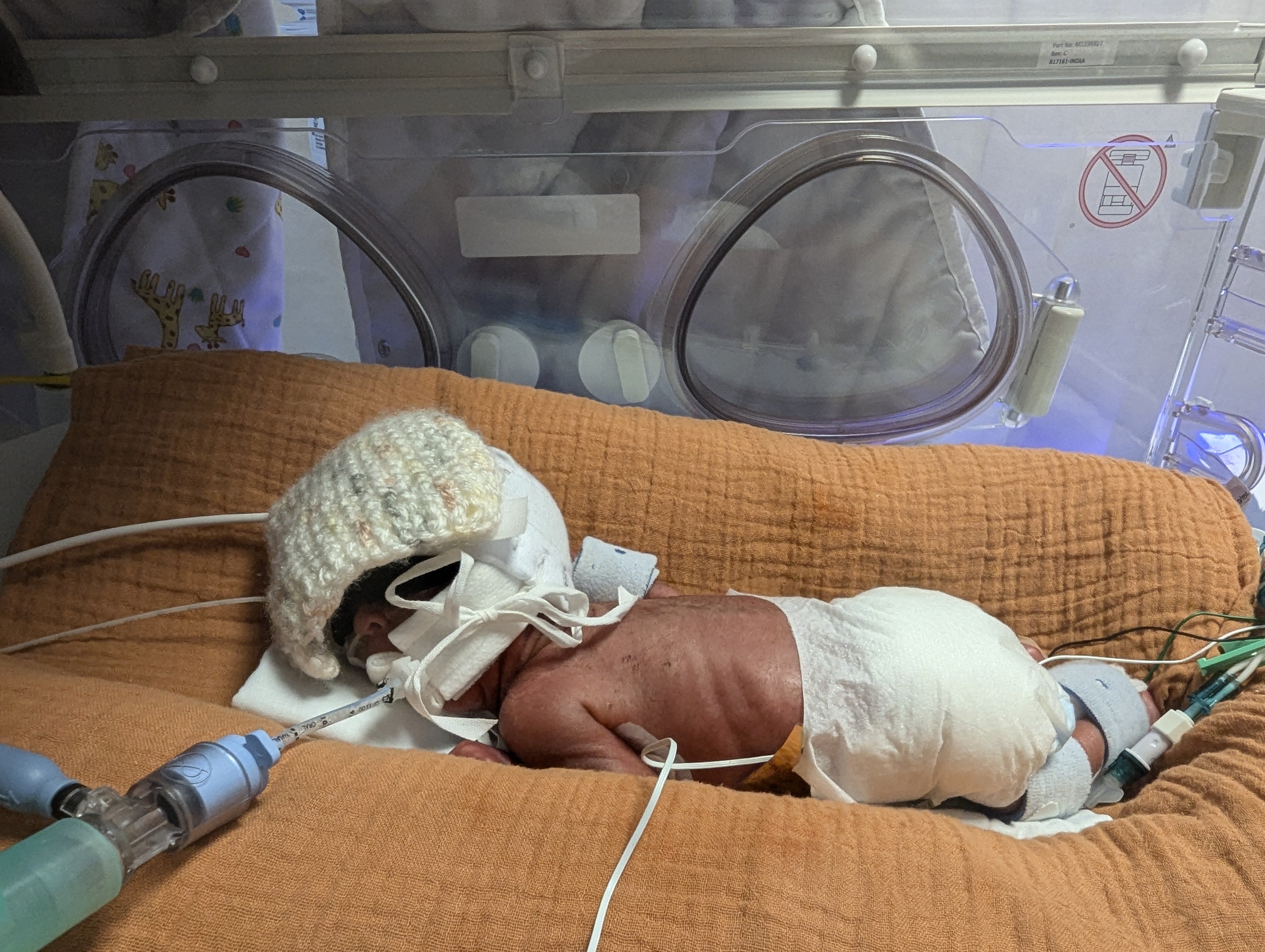
A couple whose son was born at just 23 weeks, weighing a mere 800g, and who faced repeated warnings about his survival, have now celebrated his first birthday.
Adam, the son of Anita Ibrahim-Goddard and Paul Goddard, has consistently defied expectations since his birth on December 1 2024.
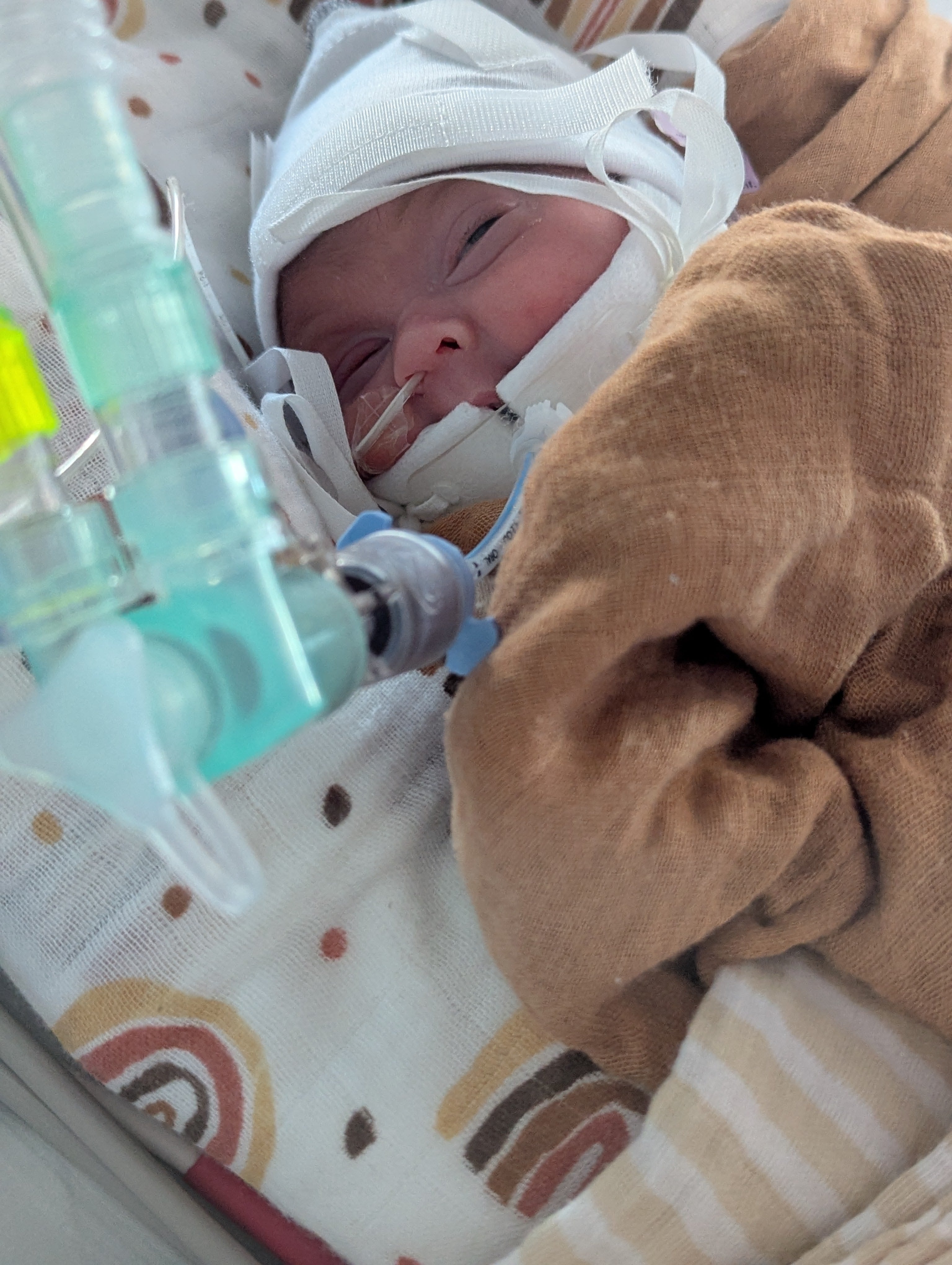
He arrived with a grade two brain bleed, chronic lung disease, and a hole in his heart.
Complicating matters, a breech birth resulted in a damaged and dislocated arm.
Adam endured 114 days in hospital, requiring 19 blood transfusions, aggressive ventilation, morphine, sedatives, and numerous invasive procedures.
Ms Ibrahim-Goddard, 45, who works in tech inclusion, reflected on the ordeal, stating: “We nearly lost him a few times.”
open image in gallery
Anita Ibrahim-Goddard and Paul Goddard’s son Adam in hospital after his premature birth (PA)
Given the couple, from London, had spent the previous eight years trying to conceive, trying various IVF methods and suffering miscarriages, falling pregnant with Adam felt “miraculous” – so when doctors continued to say that Adam might not survive, it was “heart-wrenching”.
However, after receiving treatment in three separate hospitals, Adam started to make improvements and was discharged on his original due date – March 23 this year – and now he is “smiling and loving life” and recently celebrated his first birthday.
Although Adam has limited movement in his left arm because of nerve damage and will experience developmental delays as a result of his premature birth, Ms Ibrahim-Goddard and her husband, 36, who is a tech consultant, are now focused on enjoying every moment with their son.
Ms Ibrahim-Goddard told PA Real Life: “When you look at how he is as a baby today, I absolutely attribute it to how heroic he was when he was in hospital.
“He’s been through the wars already, now he just wants to enjoy life.
“It’s almost like he was fighting to be here, he absolutely wanted to be here.”
Ms Ibrahim-Goddard had been trying to fall pregnant for eight years, but without success.
This included the couple trying to conceive naturally, along with multiple rounds of IVF, some of which resulted in miscarriage.
The couple then tried IVF with donor eggs. This process is similar to an IVF cycle, except that donor eggs are mixed with the male partner’s sperm to create embryos for transfer into the female partner.

open image in gallery
Adam suffered various complications following his very premature birth (PA)
“We did that in Spain, and I fell pregnant the first time,” Anita said.
“It was something that we’d ummed and ahhed about because it’s something that you do have to consolidate – is that the right route? Is that the right journey for us? But I do not regret it for a second.”
Apart from a heightened sense of smell, Ms Ibrahim-Goddard said her pregnancy was “totally fine” and she even started a new “dream job”.
At the end of November last year, the couple were about to head to the Cotswolds for a relaxing “babymoon” when Ms Ibrahim-Goddard started experiencing stomach pains, which she initially attributed to “trapped wind”.
“I could just feel my tummy doing weird stuff, but I’m only 23 weeks pregnant, so never did it occur to me that these were contractions,” she explained.
As the pains continued, Ms Ibrahim-Goddard said they reminded her of what she experienced during a previous miscarriage, but she told herself to stop “catastrophising”.
Still, she decided to call the hospital, and she was called in for a check-up, and this is when she was told: “You’re in labour, you’re dilated. You are having this baby.”
open image in gallery
Anita Ibrahim-Goddard and Paul Goddard’s son Adam in hospital after his premature birth. He weighed just 800g when he was born. (PA)
Ms Ibrahim-Goddard continued: “I was like, what? I still didn’t believe them.
“I think the part of me that didn’t want to speak it into existence was that I’d had miscarriages before, so I thought… we’re going to lose the baby.”
Ms Anita Ibrahim-Goddard was given steroids and intravenous magnesium sulphate, which is offered to women in established pre-term labour, and she said this felt like “lava” running through her veins.
She was then blue-lighted to Royal London Hospital in Whitechapel, and she was induced and gave birth to Adam in the early hours of December 1 2024.
“They took him straightaway and they were working on him for what felt like ages,” she said.
“I could hear them conferring with each other, and I guess this was the do or die moment. Is my baby going to be able to be intubated? Will they be able to get him to breathe?
“Doctors told us he had only around a 40 per cent chance of survival.”
Ms Anita Ibrahim-Goddard and Paul Goddard’s son Adam in hospital after his premature birth said the next few days were a blur, but she vividly remembers seeing the neonatal intensive care unit (NICU) and hearing the constant “beeps” of machines.
“He had everything that premature babies would have – the bleed on the brain, hole in his heart, bad eyes, bad lungs, he had everything – and one by one, they were treating those things,” she said.
“During that December period, we nearly lost him a few times… and Christmas Day is where it all culminated, as we were called in to say goodbye.
“But Christmas Day wasn’t just the day we almost lost Adam – it was the day he decided to stay.”
Thankfully, Adam “pulled through” a few hours later and the couple were able to stay in Stevenson House, a “home from home” run by The Sick Children’s Trust, next to the hospital.

open image in gallery
The family at home after Adam’s difficult start in life (PA)
Although there was fear and heartache, Anita said there were milestones that she will never forget, including holding Adam for the first time at 14 days old and “hearing his tiny cry at 19 days”.
Although doctors continued to say “he is probably not going to make it”, the couple remained hopeful – and as he improved, he was transferred to Queen Charlotte’s and Chelsea Hospital, followed by Watford General Hospital.
Incredibly, after 114 days in hospital, Anita said Adam was discharged on his original due date on March 23.
Ms Anita Ibrahim-Goddard said she is determined for their son not to be held back by events that “he didn’t choose”, and with her new outlook on life, she is ready for this next chapter.
For more information and support, visit The Sick Children’s Trust’s website at www.sickchildrenstrust.org.
LIFESTYLE
A City Transformed: Maltina’s Happiness Train Tours and City Light-Up Thrill Ibadan Residents

Olufunmilayo Mary Odebiyi, Nigerian Breweries Plc Distributor, Adeleke Mary O. Ventures; Seun Akinwale, Brewery Manager Ibadan, Nigerian Breweries Plc; Lucky Oiwoh, Zonal Business Manager West, Nigerian Breweries Plc; His Excellency Governor Oluwaseyi Makinde, Governor, Oyo State; Maria Karaseva, Finance Director, Nigerian Breweries Plc; Honorable Dr. Wasiu Olatunbosun, Commissioner for Culture and Tourism, Oyo State; at the Legendary Christmas Maltina Light-Up Ceremony held at Liberty Stadium Junction, Ibadan, Oyo State on Thursday, December 4th 2025.
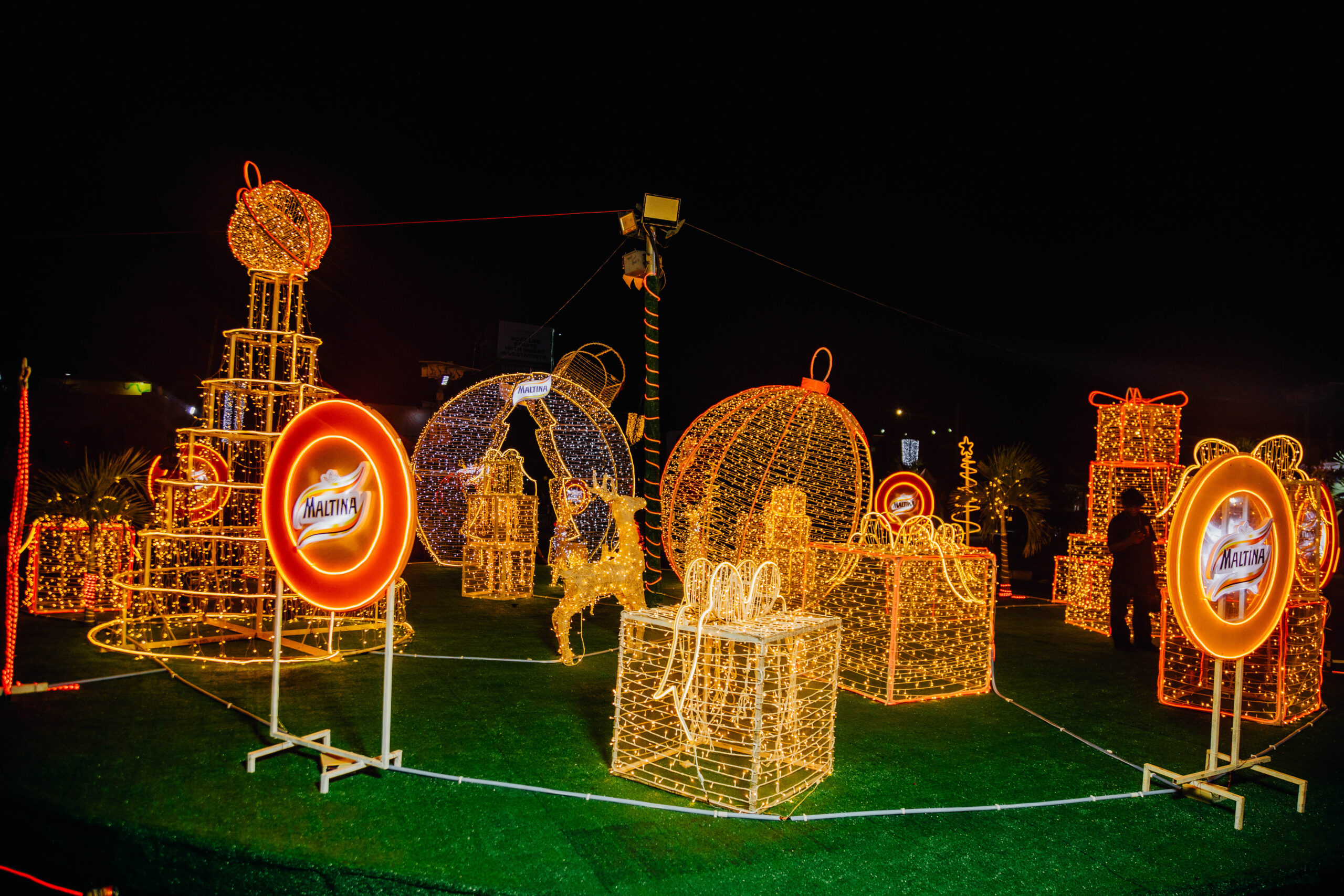
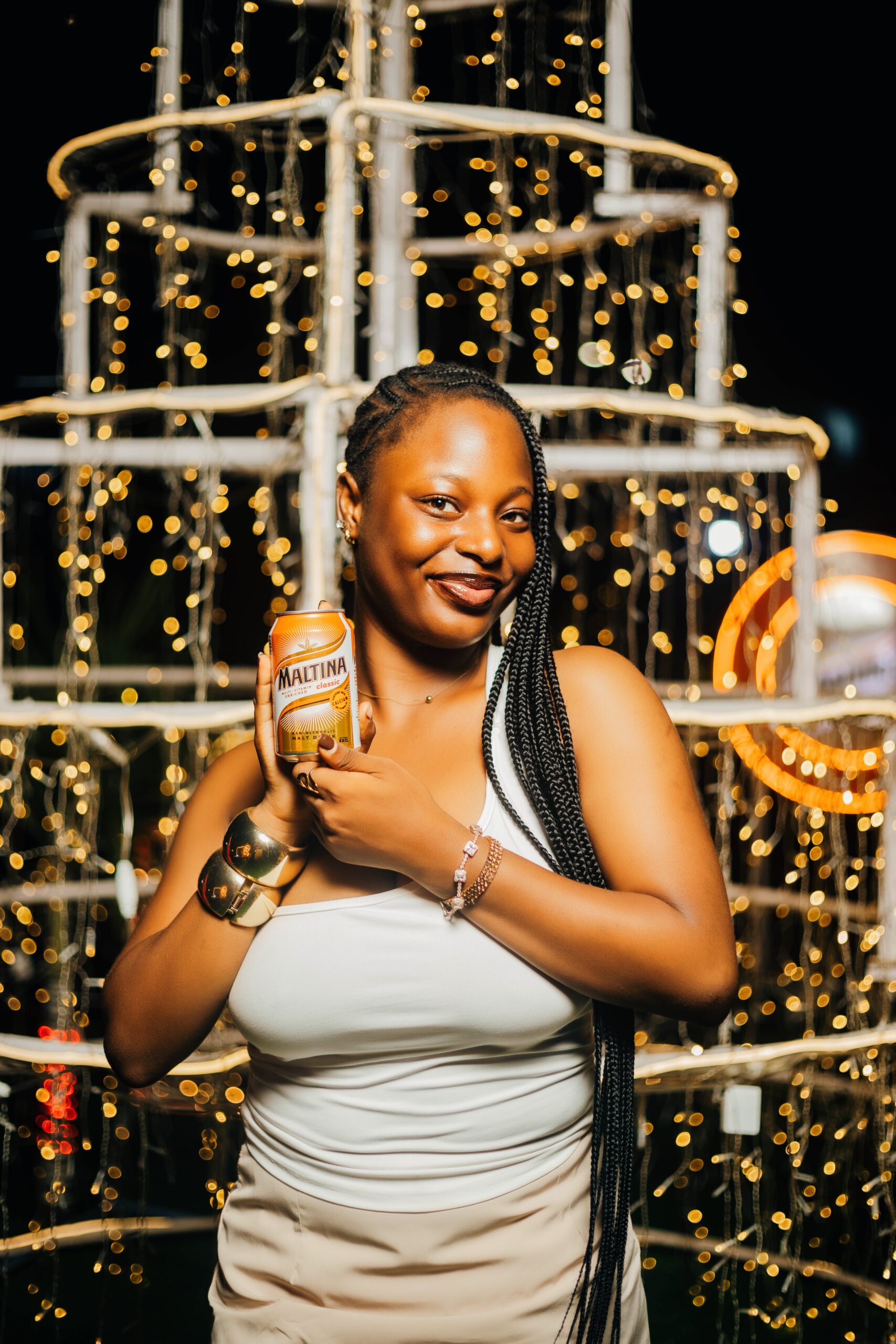
Maltina brought the essence of Christmas to the ancient city of Ibadan with its just concluded spectacular Light-Up event. As part of the Nigerian Breweries Legendary Christmas campaign, this event gathered families and friends to reconnect under dazzling festive lights, encouraging them to live the season even in challenging times.
The Ibadan edition of the Light-Up series, held at ShopRite on the 4th of December, brought a soft, cheerful glow to the city. Ibadan’s warmth and cultural pride made it the perfect setting for Maltina’s mission to inspire happiness this season. Each installation nodded to the city’s rich heritage, blending its history with the vibrance of today. A standout moment was the unveiling of the Maltina Happiness Train, introduced as a core highlight of the celebration and set to begin its city-wide tour, spreading even more nourishing happiness along the way.

KieKie, Brand Ambassador
Formany who had already witnessed the Lagos and Abuja Light-Up ceremonies earlier in the week, expectations for the Ibadan edition were high and the excitement palpable. Led by the ever vibrant Oluwabukunmi Adeaga-Ilori, popularly known as KieKie, and a guest appearance made by musician, Oshamo, the event embraced the authentic cultural flavour of Ibadan, creating moments of humour and connection that delighted the audience.
His Excellency, Governor Oyo State, Engr. Oluwaseyi Makinde, Finance Director, Nigerian Breweries Plc, Maria Karaseva; Brewery Manager Ibadan, Nigerian Breweries Plc, Seun Akinwale; Zonal Business Manager West, Nigerian Breweries Plc, Lucky Oiwoh; Commissioner for Culture and Tourism, Oyo State, Honorable Dr. Wasiu Olatunbosun; and Portfolio Manager, Beyond Beer, Nigerian Breweries Plc, Sampson Oloche performed the symbolic “switch-on,” accompanied by confetti and pyro effects.
Speaking at the event, the Governor of Oyo State, Engr. Seyi Makinde, commended Nigerian Breweries Plc for its continued contribution to the state’s internally generated revenue. He noted that his presence at the ceremony was a show of support for the company’s positive impact on Oyo State. He added that the occasion held personal significance, as his birthday falls on Christmas Day.
“Before I turn on the switch, let me take this opportunity to wish everyone a merry Christmas and a happy new year in advance,” he said.

Oshamo, Musician
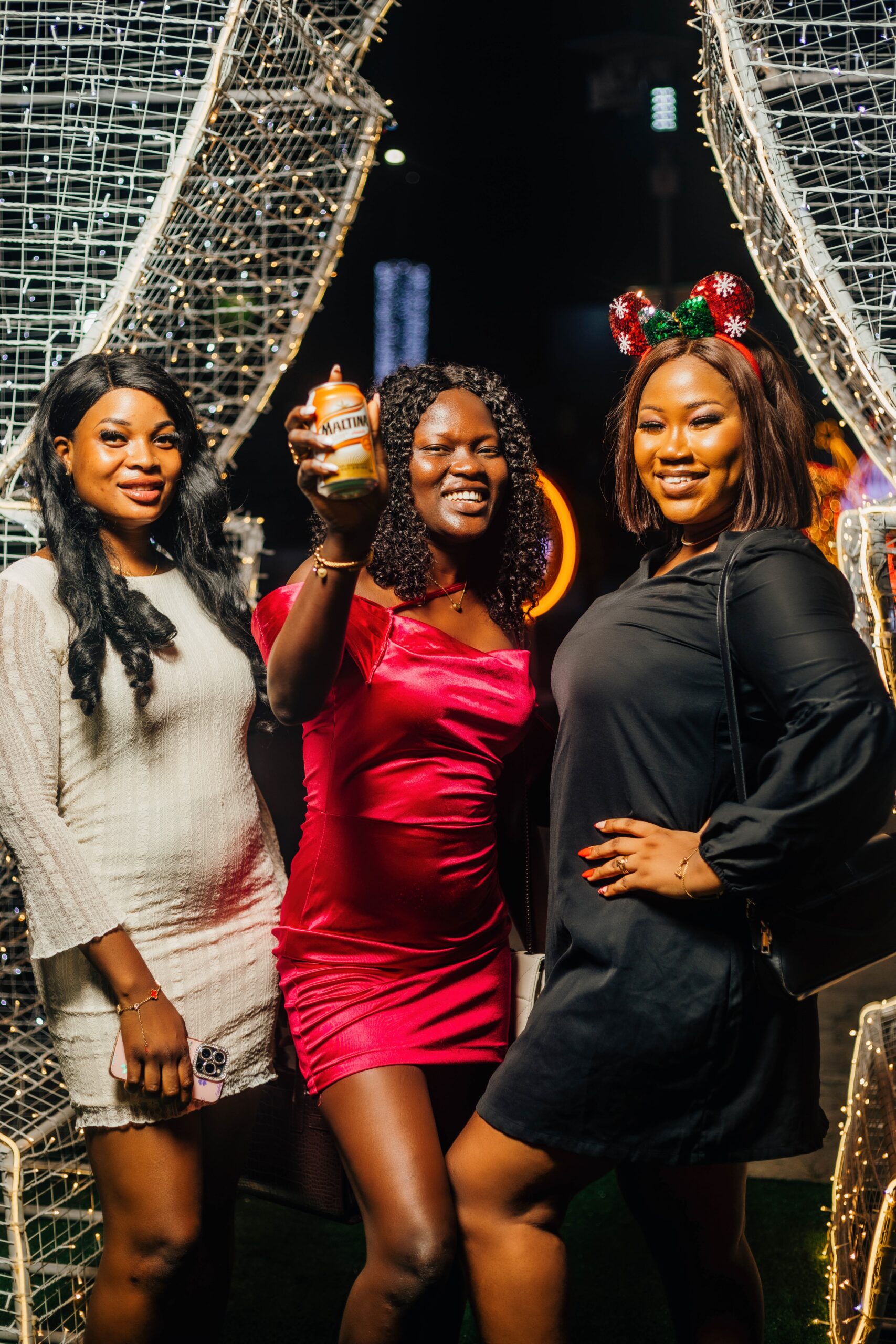
TheIbadan Light-Up event, attended by families, celebrities, influencers, cultural leaders, and excited fans, not only illuminated the city streets but also lit up the collective spirit of the people. The experience was truly remarkable, with attendees describing the Light-Up as deeply moving and delightful.
By lighting up Ibadan, Maltina not only reinforced its commitment to spreading nourishment and happiness across Nigeria but also created a unifying experience that will remain in the hearts of its people long after the lights fade. This celebration reminded everyone in attendance that, even in tough times, joy in community is abundant.


Sponsored Content

Stay ahead of the curve with our weekly guide to the latest trends, fashion, relationships and more
Stay ahead of the curve with our weekly guide to the latest trends, fashion, relationships and more
Stay ahead of the curve with our weekly guide to the latest trends, fashion, relationships and more
Have you ever fantasised about restructuring the workday around the rest of your life? Maybe you’d log in at 6am and do a couple of hours, then take the kids to school and hit a yoga class, before logging back on at 10am and working until lunch. Maybe you’d take a two-hour lunch break to run errands, do a few hours of Zoom meetings in the afternoon, and spend the evening with family before catching up on emails after dinner.
If so, you’re not alone. Two-thirds of UK workers are hankering for this kind of flexible working, according to a poll of 2,000 people commissioned by the collaboration technology firm Owl Labs. It’s being called “microshifting” – for what workplace trend worth its salt doesn’t have a buzzy new bit of terminology attached to it – and the practice is all about working in short, flexible blocks, tailored to balance workplace needs with the employee’s individual duties and productivity. As long as the hours get done – or, far more importantly, the work gets done – an employee is trusted to splice the day up as they see fit, moulded around their energy patterns and lifestyle.
The Owl Labs research found that Gen Z and millennials were the most enthused about the idea, with 72 per cent expressing interest compared to 45 per cent of Gen-Xers and 19 per cent of baby boomers. Deputy, a management platform for hourly work, recognised that this emerging trend was being similarly driven by young people in the US in its 2025 report, The Big Shift: How Gen Z is Rewriting the Rules of Hourly Work.
Microshifting is already making its way into staff recruitment conversations, says Sam Collier, head of marketing at the talent acquisition and intelligence consultancy Talent Insight Group. “We’re seeing a rise in our clients talking to candidates about flexibility within each day, as well as hybrid working patterns,” she says. “Whether that’s start times and end times or the ability to do the school run, it’s an approach that says no to micromanaging and puts the emphasis on output over being sat at a desk from nine to five.”
But though this kind of working style is increasingly appealing to job seekers, particularly in a post-pandemic world that has seen a rise in remote and hybrid working, many businesses have been slow to adapt.
“Demand for flexible working is currently higher than what companies are offering,” explains Peter Duris, CEO and co-founder of the AI CV-building service Kickresume. Recent data from the Chartered Institute of Personnel and Development (CIPD) includes some “striking statistics”, he adds: 18 per cent of UK employers say they’ve seen an increase in staff requesting flexible working, and 20 per cent of employees surveyed said they would use flexitime if their organisation offered it. However, access to flexible working “is not equal”, according to the CIPD. Two-fifths of employers say that just some (28 per cent) or a few (12 per cent) employees are able to work flexibly.

open image in gallery
Microshifting can enable workers to fit in an afternoon exercise class rather than being constrained by set working hours (Getty)
One company that already offers microshifting has swiftly seen the benefits. Riannon Palmer, founder of B Corp PR agency Lem-uhn, says the business embraced various forms of flexible working upon going fully remote in 2023 – most recently, microshifting.
“I usually do an hour of work in the morning from 6.45-7.45am, then I’ll go to the gym and then I’ll work from a café for the morning,” she tells me. “I’ll have a shorter lunch and then quite often go out in the afternoon. I’ve actually started playing padel on Tuesdays in the middle of the day.”
For Palmer, the biggest advantage is not about achieving the hallowed “work-life balance” so much as it is about harnessing peak productivity. “I know I work a lot better when I do those short chunks of work, whereas if I was to sit at my desk for eight hours, I’m not very productive,” she says. “It’s about working with my brain.”
In fact, offering microshifting can potentially benefit employers as much as employees. Aside from boosting productivity by working with, instead of against, an individual’s specific needs, it can also enable a company to extend its service beyond the 9-5. For example, an employee who is more of a night owl and prefers to log an hour or two before bed might be well-placed to answer queries from different time zones.
I know I work a lot better when I do those short chunks… It’s about working with my brain
Riannon Palmer, Lem-uhn founder
Unlike the campaign for the four-day week, which is increasingly gaining traction, Collier points out that microshifting “allows organisations to maintain coverage throughout the full working week, making it a good option for leaders hesitant to implement a reduction in the working week”.
In a landscape in which 44 per cent of workers say they would be prepared to reject a role that does not offer flexible hours, and in which half of people cite the pursuit of a better work-life balance as the top reason for changing jobs, “soft” benefits like microshifting could also be key to attracting and retaining staff. Especially at a time when many businesses are struggling to financially reward staff with bonuses or higher pay.
Multiple surveys have shown that British workers prize flexibility above cash. In one LinkedIn poll by People Management, three-quarters said flexible working was more important to them than a pay rise when considering a new role. And almost half would reject a 15 per cent pay increase in favour of retaining workplace flexibility, according to a poll by Payfit.
It’s not just about people who’d like to play tennis in the middle of the afternoon. Workers are also frequently parents to young children, children of elderly parents, or relatives of people with disabilities and additional needs. An estimated 5.8 million people in the UK have unpaid caring responsibilities, and these will inevitably sometimes fall within standard office hours.

open image in gallery
Night owls can shift their working pattern to accomplish more in the evening instead (Getty)
Meanwhile, Mental Health UK’s Annual Burnout report found that one in three (34 per cent) of adults experiences high or extreme levels of pressure or stress “always” or “often”. Those aged 18 to 24 were most likely to be absent due to poor mental health caused by stress, and most likely to report high stress due to problems such as having to regularly work unpaid overtime.
This is one major risk of microshifting – that unless boundaries are firmly held by both employer and employee, it simply becomes another part of the toxic “always on” culture in which people take their work home with them and do extra hours for free.
“As with all flexibility, the devil is in the detail,” warns Penelope Jones, a workshop leader and career coach. “On the surface, it sounds lovely, and empowered, and gives a cute name to something people (women) have been doing for some time – often out of necessity as much as desire – that feels more ‘now’ than work-life balance.” But it potentially jeopardises our ability to switch off and fully disconnect from work, she says, or to ever feel fully present in one mode or another.
So how can businesses establish microshifting that supports, rather than damages, work-life balance? “Boundaries have to be explicit,” says Duris. “Managers and colleagues need to know clearly when someone is and isn’t available, and there should be a simple policy for what happens if something ‘urgent’ comes up while they’re off shift.” Despite being the founder of her company, Palmer doesn’t allow work emails or notifications on her phone, for example, to ensure the lines between work and leisure time don’t get blurred.
As with all flexibility, the devil is in the detail
Penelope Jones, career coach
Workers who finish later because of breaks during the day should also make clear that their colleagues aren’t expected to be online after-hours, says Duris. This could be as simple as adding a line to their email signature explaining that they don’t expect replies outside the normal working day. He also recommends setting core hours when everyone should be available for team meetings and collaboration; the Lem-uhn team has implemented this strategy between 9am and 3pm.
So, is microshifting going to go mainstream in 2026? The jury’s out. While some businesses are embracing ever-more-flexible approaches attuned to modern life, others are going in the opposite direction entirely. Almost half of UK companies want staff on site “all the time”, found one survey published this year; several banks and corporations have hit the headlines for upping return-to-office mandates. And then there are the tech startups giving employees bonuses if they live within 15 minutes of the office or demanding a 9-9-6 work schedule (9am to 9pm, six days a week).
Regardless, it might be too late to put the flexible working genie back in the bottle. Whether it’s sanctioned or not, 51 per cent of employees confessed in one survey that they already schedule personal appointments during work hours. And the companies that do embrace microshifting could end up reaping the rewards. “It’s something that you can do that’s free and that’s going to increase the happiness and productivity of your employees,” says Palmer. “It’s a real no-brainer.”