
SCIENCE
Breakthrough Discovery Could Make Rice Cheaper, Healthier, Cleaner


International research co-led by UMass Amherst offers strong potential to address three major global challenges: a growing population, the effects of climate change, and the increasing economic and environmental pressures facing agriculture. Rice cultivation, which supports more than 3.5 billion people worldwide, carries significant environmental, climate, and financial burdens. New research from scientists at the […]
SOURCE PAGE

When it comes to greenhouse gas emissions, carbon dioxide gets the lion’s share of global attention.
But methane is the second-largest contributor to human-caused global warming. A high proportion of methane emissions comes from the energy sector, often from concentrated “point sources” such as flare stacks, coal vents and open-pit mines. To help reduce those emissions, we must first identify the major culprits — and new satellite data is helping us do just that.
You may like
“This is the first global gridded estimate of annual methane emissions from facility-scale measurements, an advancement in measurement-based accounting that is due to the comprehensive scale of GHGSat’s satellite constellation to measure methane worldwide,” said Dylan Jervis of GHGSat Inc., lead author of a new study on the findings published Dec. 11 in the journal Science.
“This information will be useful to improve understanding and predictions of methane emissions, and, therefore, provide information that is useful to direct mitigation efforts,” Jervis told Space.com.
Traditionally, scientists have measured methane emissions with a mix of bottom-up inventories, which estimate emissions based on industry activity but can miss short-term fluctuations like leaks, and top-down atmospheric measurements, which detect methane concentrations directly but lack the resolution to pinpoint specific sources. Neither can paint a very precise picture of global methane emissions from the energy sector. But the GHGSat constellation, run by the Canadian company GHGSat, bridges that gap by combining meter-scale spatial resolution with global coverage.
Analyzing GHGSat observations of methane plumes collected in 2023, the team estimated annual methane emissions from 3,114 oil, gas and coal facilities worldwide that totaled about 9 million tons (8.3 million metric tons) per year.

Example GHGSat methane plumes, detected from a coal vent, oil & gas flare stack, and open-pit coal mine. (Image credit: GHGSat)
Geographically, the biggest emitters stood out clearly in the satellite data. “The countries where we measure the largest oil and gas methane emissions are Turkmenistan, the U.S., Russia, Mexico and Kazakhstan,” said Jervis. “The countries where we measure the large coal emissions are China and Russia.”
While bottom-up inventories are fairly good at estimating methane emissions on such large scales as countries, they aren’t nearly as precise when you zoom in. “We found moderate agreement between GHGSat-measured emission estimates and bottom-up inventory predictions at the country level, but very little agreement at 0.2 degree x 0.2 degree [about 20 by 20 kilometers] spatial resolution,” Jervis said. Thus, effective change may need to happen at the facility level, not at the country level.
The researchers tracked how often individual facilities emitted detectable methane plumes, a metric they call persistence.
“Persistence of emissions depends more on sector than region,” said Jervis. For coal facilities, methane plumes were detected about half the time on average. Oil and gas sites, by contrast, were far more intermittent, emitting detectable methane in only about 16% of satellite observations on average. That variability makes oil and gas emissions especially difficult to capture with infrequent monitoring.
For the most accurate and actionable methane estimates, detailed surveys like the ones provided by GHGSat are crucial — which is why GHGSat is growing its constellation. Two new satellites were launched in June, and two more in November, bringing the company’s total to 14 satellites. “This will enable better coverage, both spatially and temporally, allowing us to detect more emissions and monitor them more frequently,” said Jervis.
SCIENCE
30 models of the universe proved wrong by final data from groundbreaking cosmology telescope

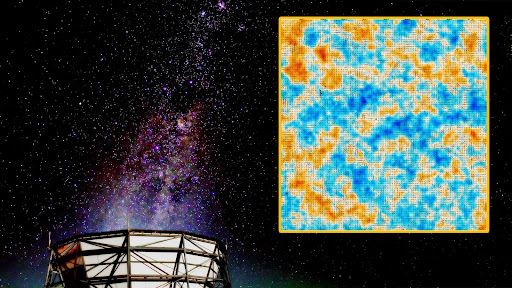
After a multi-decade-year mission to understand the nature of the universe, a telescope perched in the mountain plateaus of northern Chile said goodbye in 2022. Now, its final data release is revealing the telescope’s legacy: a field in tension.
In October 2007, the Atacama Cosmology Telescope (ACT) saw its first light. But it was not light from a star, or even a distant galaxy. Instead, ACT was designed to hunt for microwaves, especially the kind of microwaves left over from some of the earliest epochs of the universe. This “fossil” light, known as the cosmic microwave background (CMB), was emitted when the universe was just 380,000 years old.
You may like
ACT was especially good at looking at the CMB’s polarization, which tells us a lot about the state of the early universe. If you change the amount of dark matter in the cosmos, how it’s distributed, how many neutrinos there are, or any of another dozen or so properties of the cosmos, you change what the CMB’s light looks like.
Final ACT
In November, the ACT team released their sixth and final public dataset as three articles published in the Journal of Cosmology and Astroparticle Physics. While cosmologists will continue to mine the data for many years to come, the core team also provided their final suite of analyses and studies before saying farewell for good.
Their findings matched what surveys like Planck had already identified: that something funny is going on with the expansion of the universe. Measurements of the present-day expansion rate, known as the Hubble rate or Hubble constant, taken with early-universe probes like Planck and ACT, reveal a number that is quite a bit slower than estimates based on nearby measurements, like supernova dimming.
This discrepancy has come to be known as the Hubble tension, and it is perhaps the greatest unsolved mystery in modern cosmology. But ACT didn’t just confirm the existence of the tension; it also destroyed some very good ideas.
A map of microwave intensity (orange to blue) overlaid with the direction of magnetic polarization in those microwave emissions. Studying the cosmic microwave background (CMB) is helping astronomers fine tune measurements of the universe’s expansion. (Image credit: The Atacama Cosmology Telescope collaboration)
ACT axes 30 cosmic models
Cosmologists have been busy concocting many theoretical explanations for the Hubble tension. Many of these are called “extended” cosmological models, since they take the standard cosmological picture and add a few extra ingredients or forces to the universe.
But these ingredients and forces don’t just exist today; they also must have existed when the CMB was first emitted. So ACT’s exquisite view of the CMB allowed the team to put many of these models — around 30, in fact — to the test.
All of them failed.
But in science, you only lose if you don’t learn anything, and ACT’s negative results help cosmologists in their search. In other words, you can only know the right answer once you’ve crossed off all the wrong answers.
SCIENCE
Ghosts, sharks and Norse mythology: US Space Force unveils new names for satellites and space weapons


The U.S. Space Force is turning to some unlikely sources of inspiration for naming its spacecraft and space weaponry.
At the 3rd Annual Spacepower Conference, held in Orlando, Florida from Dec. 10 to Dec. 12, Chief of Space Operations Gen. Chance Saltzman told attendees that Space Force is adopting new naming schemes for each of its different mission areas that will “cement the identities of space weapon systems” much like the names of iconic aircraft, such as the A-10 Thunderbolt II or F-22 Raptor, have done for the U.S. Air Force.
You may like
Seven different naming categories were chosen, one for each of Space Force’s mission areas:
After announcing the new naming scheme, Saltzman explained two specific names that had been chosen for specific spacecraft. The first, a communications satellite in geostationary orbit previously known as the Ultra-High Frequency Follow-On system, will now be known as as Ursa Major.
“The Big Dipper — as you all know, part of the Ursa Major constellation — famously points to Polaris, our north star, always linking us to our most important missions,” Saltzman said.
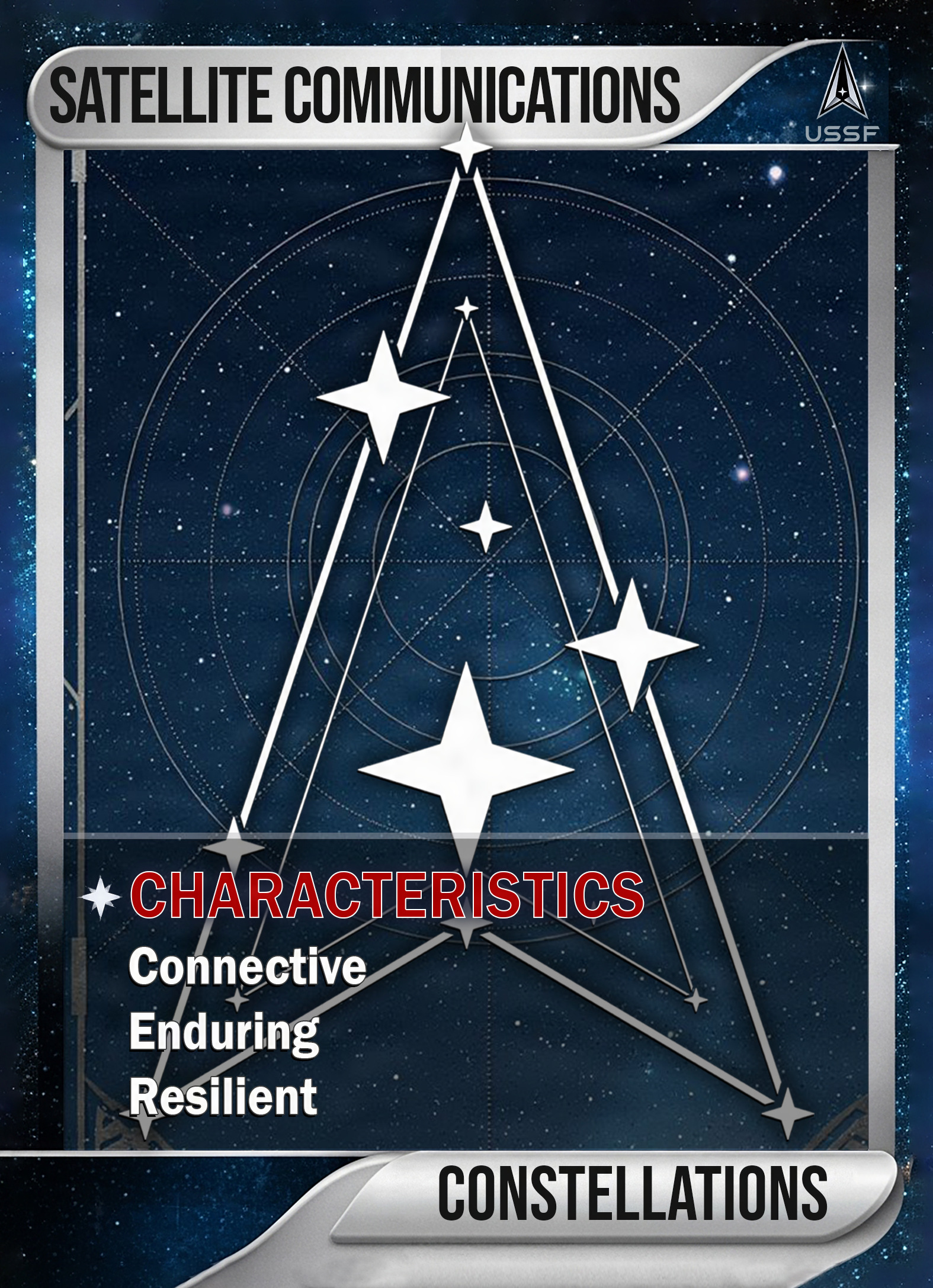
An illustration of a constellation in the shape of the Space Force Delta, the official logo of the U.S. Space Force. (Image credit: US Space Force/Airman 1st Class Chauncey Glenn)
Another spacecraft operated by Space Force’s 1st Space Operations Squadron (1 SOPS) used to track satellites in high orbits will now be taking a name from Norse mythology: Bifrost.
“Bifrost is a bridge between Earth and the realm of the gods,” Saltzman explained, “just as the Bifrost system in low Earth orbit bridges the divide between the Earth and the higher geostationary orbit of the other 1 SOPS systems.”
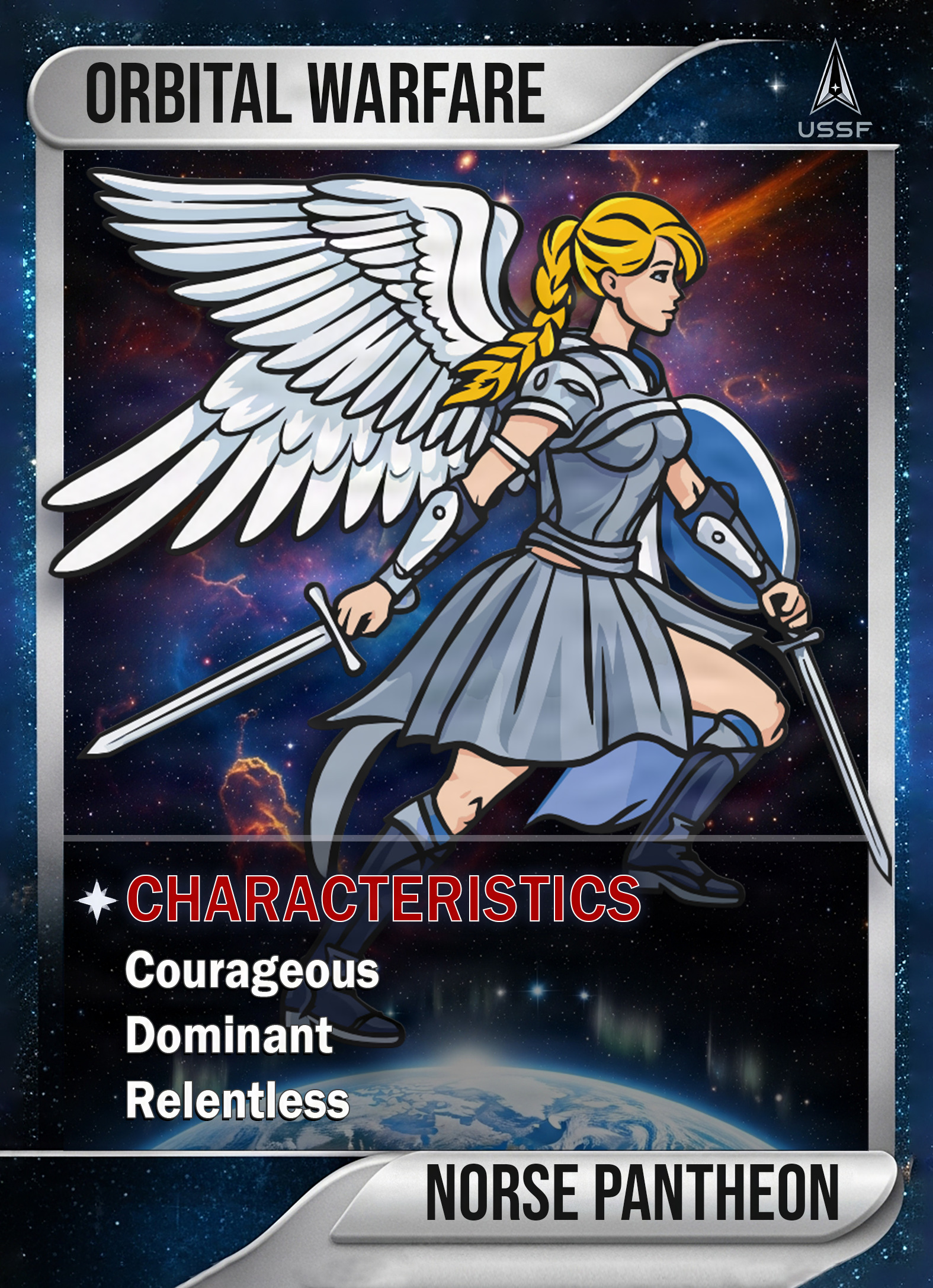
An illustration of a Valkyrie, a powerful being in Norse mythology that guides the souls of slain warriors to Valhalla. The U.S. Space Force will now use the names of figures from Norse myths for its orbital warfare platforms. (Image credit: US Space Force/Airman 1st Class Charlotte Taylor)
Saltzman stressed that the new naming scheme will help the newest branch of the U.S. military establish its own identity. “These symbols conjure the character of the systems, the importance of their mission, and the identity of the Guardians who employ them,” Saltzman said. The new names will serve as “a way to own the identity of our space systems as they enter the joint fight,” he added.
Unlike the U.S. Air Force’s iconic aircraft or the U.S. Army’s ground vehicles such as tanks, the public rarely gets a glimpse at Space Force’s assets in orbit. This is partly by design; many of Space Force’s spacecraft are highly classified, which can make it difficult for the service to communicate its missions and capabilities both to the public and throughout the U.S. armed services.

A sea raiders’ boat that sank off the coast of Denmark 2,400 years ago has been hiding a fingerprint, as well as several chemical clues that are now helping researchers uncover just where these raiders came from millennia ago, a new study finds.
The vessel, known as the Hjortspring boat, is the oldest known wooden plank boat in Scandinavia, and is currently on display at the National Museum of Denmark. But its origins have long been an enigma.
You may like
About 2,400 years ago, about 80 sea raiders on an armada including this boat and three others attacked the island of Als, off the coast of what is now Denmark. But the raiders lost. In giving thanks for their victory, the people on Als sank the boat as an offering along with the attackers’ weapons and shields.
The sinking of the boat in the fourth century B.C. helped preserve it over the centuries, as water is a low-oxygen environment. After its discovery in the 1880s, the boat was later excavated from the bog of Hjortspring Mose in the 1920s (earning the ship its name).
“But at the time, we lacked the modern scientific methods that we needed to answer the mystery of where these attackers came from,” Fauvelle said in a video about the research.
Recently, the researchers decided to take a fresh look at the boat. Before it was put on display in the museum, the boat had been chemically preserved. So, the team sifted through archives and old records in multiple museums in an effort to uncover parts of the boat that had been left untouched.
Finally, they found several fragments of caulking tar and rope, including a piece of tar that had the ancient fingerprint of someone who likely helped repair the vessel, a finding that Fauvelle called “really fantastic.”
“This remarkable fingerprint provides a direct link to the ancient seafarers who used this boat,” the researchers wrote in the study, which was published on Dec. 10 in the Journal PLOS One.
A caulking fragment (left) from Hjortspring boat that shows a fingerprint, and the high-resolution x-ray tomography scan (right) of the fingerprint region. (Image credit: Photography by Erik Johansson; 3D model by Sahel Ganji; CC BY 4.0)
To study the caulking tar, the researchers used gas chromatography and mass spectrometry, techniques that examine the chemical makeup of samples. They found that the waterproof tar was a mixture of animal fat (likely tallow) and pine pitch, a sticky and stretchy substance also known as resin.
You may like
“This suggests the boat was built somewhere with abundant pine forests,” Fauvelle said in the statement.
The new finding throws cold water on an old idea that the boat originated near modern-day Hamburg, Germany, as previous analyses had found that the vessel carried wood containers that looked like ceramics from the Hamburg region. It now appears that the boat may have come from much farther away in the Baltic Sea region, which has pine forests.
“Pine forests only existed in certain parts of northern Europe at this time,” Fauvelle said in the video, adding “we suggest that they came from somewhere along the coast of the Baltic to the east of the modern day island of Rügen [in Germany].”
If this idea is accurate, it suggests that the attackers sailed a great distance over open sea for the raid, Fauvelle said.

Cordage, or rope fragments from the Hjortspring boat. (Image credit: Mikael Fauvelle; CC BY 4.0)
Researchers also used carbon dating to study rope from the boat. Analyzing the lime bast cordage, which comes from the inner bark of trees, the team confirmed the boat’s previously determined timeline of between 400 B.C. and 101 B.C., which falls in the pre-Roman Iron Age of Scandinavia. The researchers carbon dated the boat to between 381 and 161 B.C., which is the first direct date from the boat’s material. The researchers also worked with rope makers to create replicas of the cordage and study the rope-making process.
Using X-ray tomography to scan the caulking and cordage in sections, the team made digital 3D models, which enabled them to study the fingerprint. Analyzing the print’s ridges didn’t narrow down the sex or identity of who made the print, however.
Going forward, Fauvelle hopes to extract human DNA from the tar to learn more about the people who made and used the boat. Understanding faraway raids such as this one could help explain ancient maritime warfare and Iron Age trading systems.
Fingerprint of ancient seafarer found on Scandinavia’s oldest plank boat – YouTube


An entomologist at Anglia Ruskin University has discovered seven new species of leafhopper. A researcher at Anglia Ruskin University (ARU) in Cambridge, England has identified seven previously unknown species of a frog-like insect. The newly described insects are leafhoppers belonging to the genus Batracomorphus and were discovered by Dr. Alvin Helden during field research in […]
SOURCE PAGE

Fallout Season 2 is almost here, so now is the perfect time to start a little online nuclear war of our own by ranking all the Fallout games from worst to best. Not even Vault-Tec can save you from this one.
Sure, you could just — and maybe should just — play through all the Fallout games in order, but that’s a tall order given that your average Fallout game takes around 30 hours minimum, and closer to 100 hours if you want to complete everything. So, we’re here to help you prioritize, while also throwing some of our spicy opinions out into the wasteland.
You may like
8. Fallout Tactics: Brotherhood of Steel
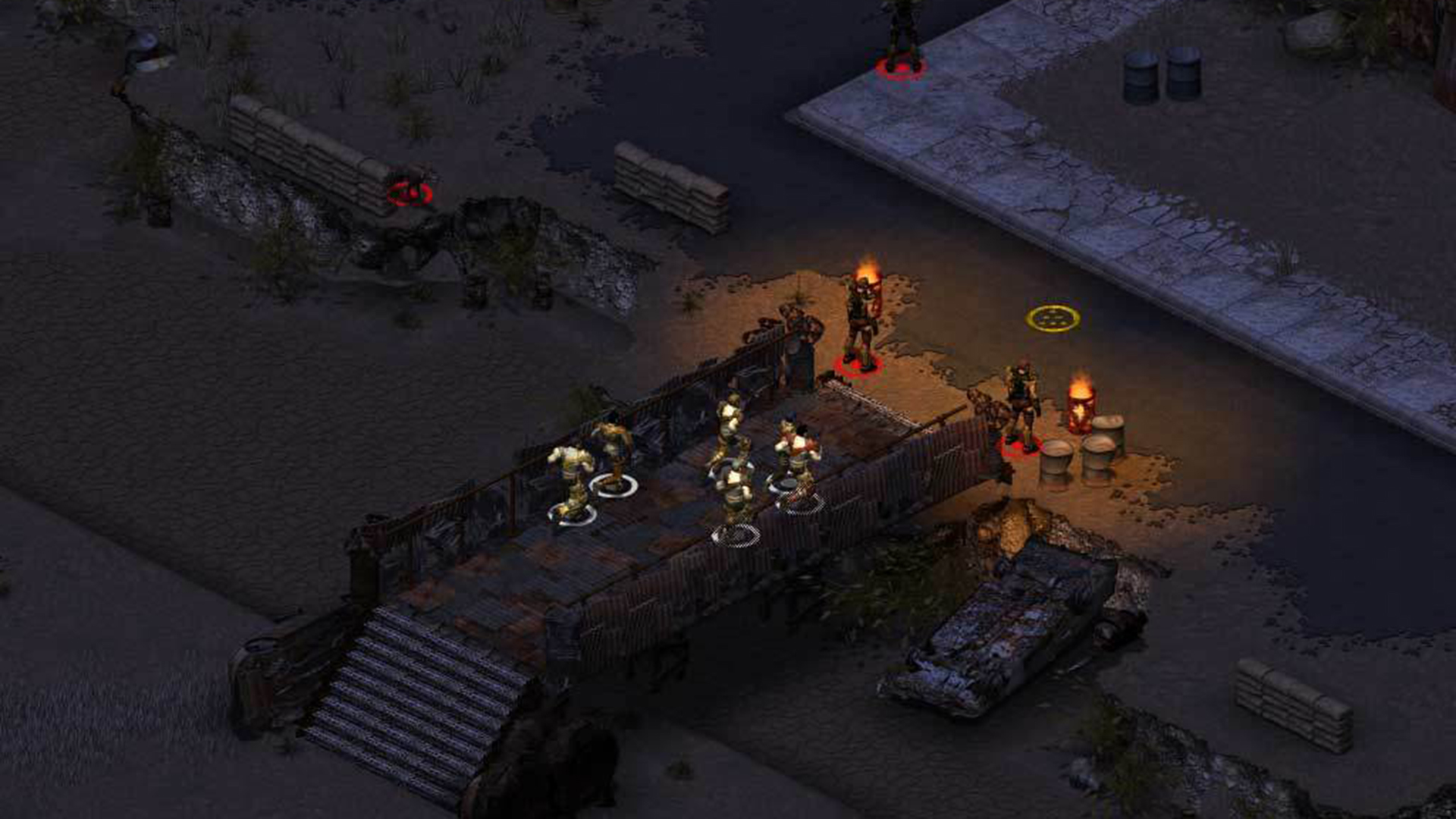
(Image credit: Bethesda Softworks)
Release date: March 15, 2001 | Platforms: PC | Developer: Micro Forté, 14 Degrees East
As the name implies, Fallout Tactics: Brotherhood of Steel was a tactical combat game that played more like X-COM than the other Fallout games. While we appreciate them trying something new, developers Micro Forté didn’t quite stick the landing.
Don’t get us wrong, it’s a solid game that reviewed well at the time, but the linearity of the experience and the attempts to mimic the classic Fallout experience with RPG-lite elements left it feeling odd. Honestly, it felt more like a mod for Fallout 2 than a bold new strategy game.
Neither the strategy nor the RPG systems were meaty enough to leave a lasting impression. Add a razor-thin Brotherhood of Steel-centric narrative (that has since been contradicted by mainline entries), and you’re left with a curiosity that only the most eager of diehard Fallout fans should unearth.
7. Fallout Shelter

(Image credit: Bethesda Softworks)
Release date: June 14, 2015 | Platforms: PC, iOS, Android, PS4, Xbox One, Nintendo Switch | Developer: Bethesda Game Studios
You may like
It might look like another mobile gaming money-grabber — and that’s not entirely wrong — but Fallout Shelter is also far better than it has any right to be.
Mobile spin-offs of massive console/PC video games are often terrible, but Fallout Shelter gets the satisfying strategy and management sim gameplay loop right from the get-go. Moreover, it never feels overly impaired by the progression limits and microtransactions. It’s not even tied to mobile platforms either, as you can also play it on consoles and PC too.
At first, you’re limited to your underground shelter, but the game soon expands and takes your dwellers topside, shaking things up with tense encounters and shiny loot, slowly turning your naïve vault dwellers into hardened survivors.
Back home, things are cozy most of the time, but keeping everyone in check is harder than it looks, especially when mutant horrors and other menaces come knocking on the door. Even in its more relaxed and bite-sized form, the Fallout universe is rough and unpredictable.
6. Fallout 76
(Image credit: Bethesda Softworks)
Release date: November 14, 2018 | Platforms: PC, PS4, Xbox One | Developer: Bethesda Game Studios
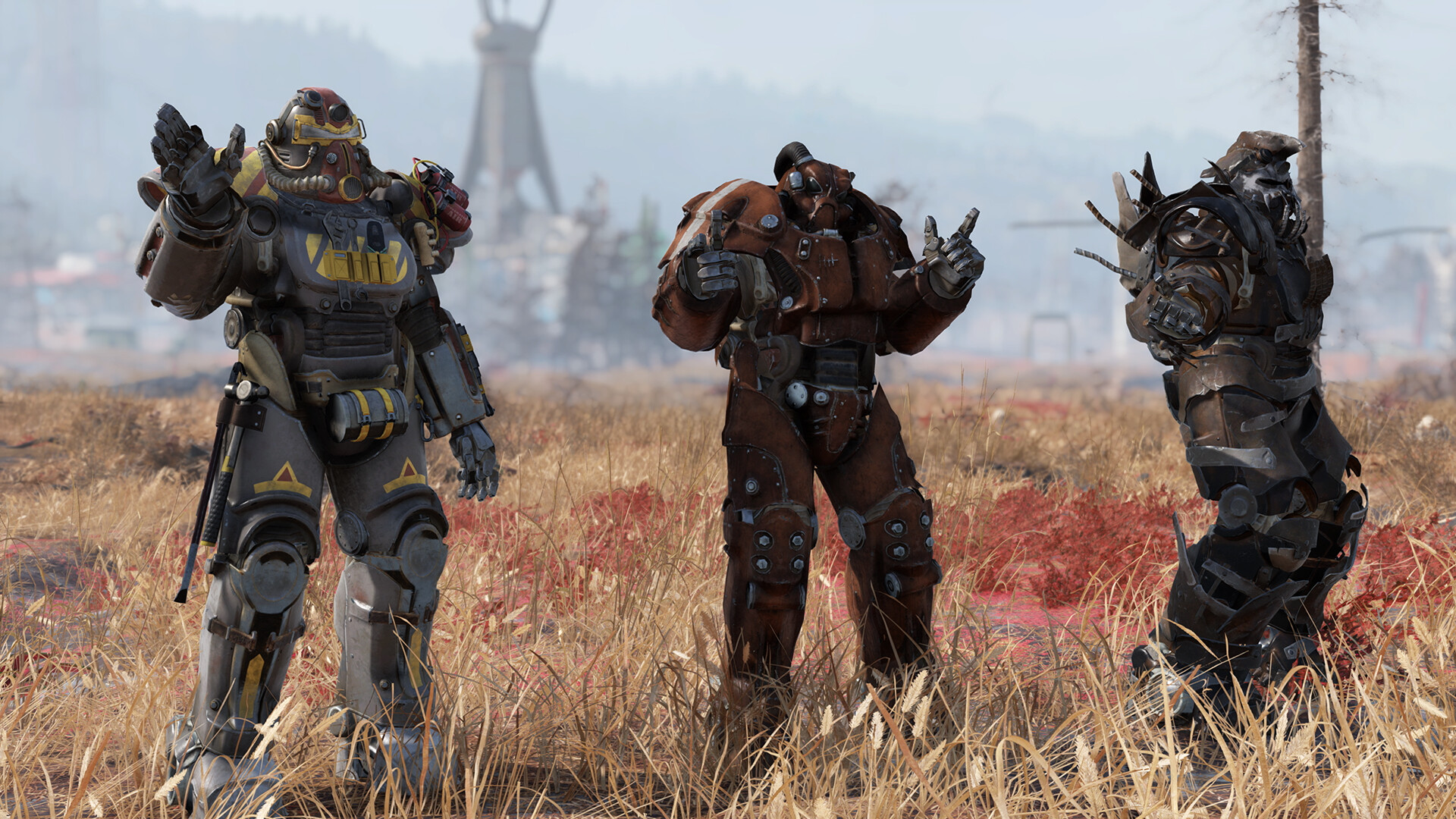
After an admittedly weak launch in 2018, it’s hard to stay mad at Bethesda Game Studios for Fallout 76, considering how much the game has improved. How did they fix it? By dropping most of its ‘survival-crafting online game’ pretense and embracing the ‘Fallout online’ angle fans wanted in the first place.
Nowadays, Fallout 76 is still trucking along as a radically different online experience. It’s still an MMO, sure, but it’s casual and even solo-friendly, all while packing a whole lot of endgame content and seasonal challenges for those looking to really get into it.
After a bleak early life devoid of interactable non-player characters, Bethesda added a proper main quest and plenty of side missions built around settlers, bandits, and colorful groups that have been expanded with each content update. Still, Fallout 76’s cracks show the more time you spend with it; the central narrative and traditional RPG systems feel a bit tacked-on (because they were), and the Creation Engine clearly wasn’t built for an ambitious MMO-ish world.
It’s a solid game, but it could have been so much more.
5. Fallout 4
(Image credit: Bethesda Softworks)
Release date: November 10, 2015 | Platforms: PC, PS4/5, Xbox One/Series X|S | Developer: Bethesda Game Studios
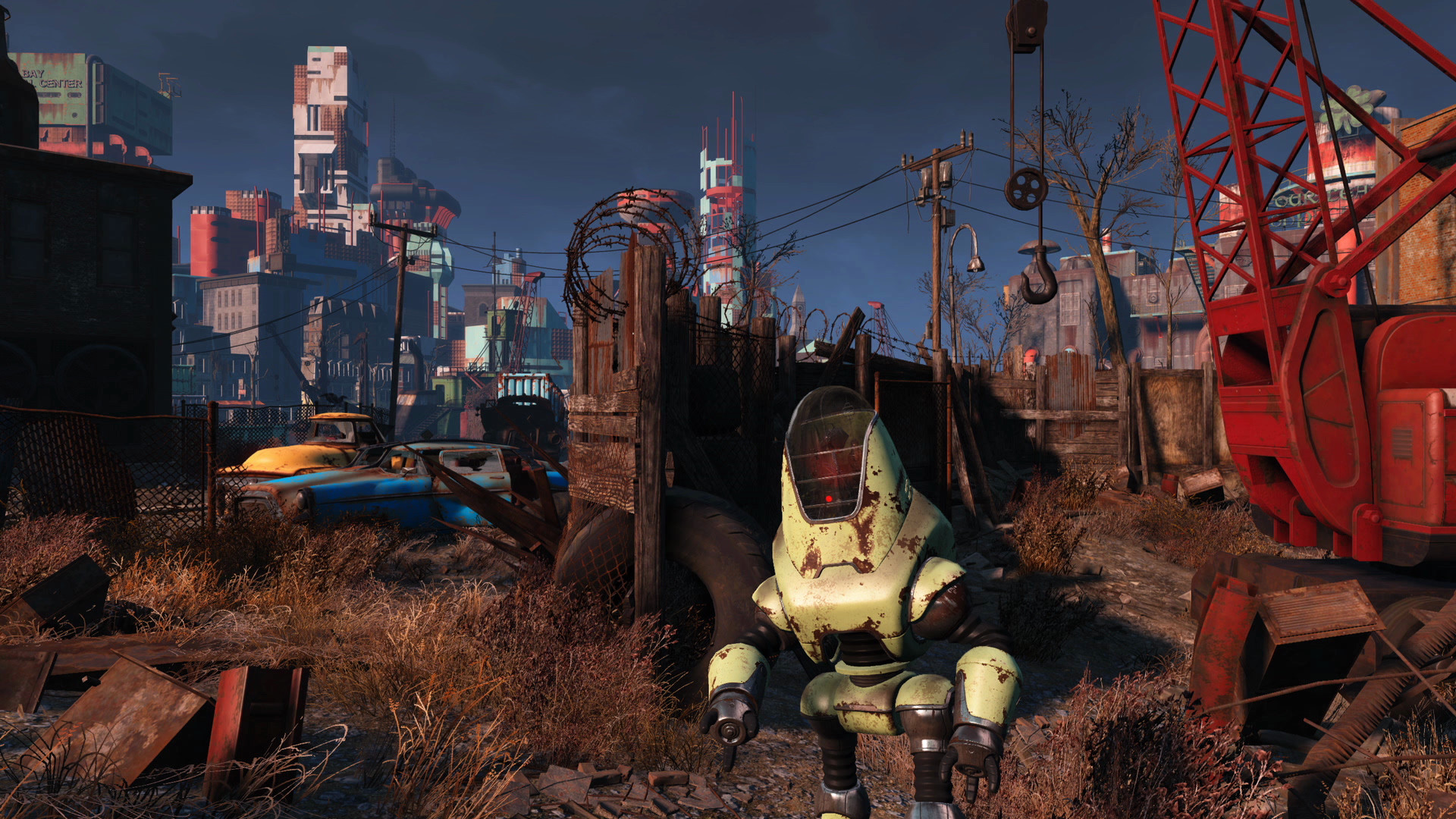
The most recent mainline Fallout game, Fallout 4, was a big hit when it dropped in 2015, and it’s still receiving support from the devs — and modders — to this day. It also marked Bethesda’s first move towards putting user-friendly creative tools into its games. When we think about Fallout 4, our mind instantly goes to all the NPC-filled settlements you can build and develop into flourishing communities.
But what about the main questline, secondary quests, factions, and the Commonwealth as another giant map to explore and conquer? Well… It’s alright.
Bethesda Game Studios catches some deserved flak for narrative shortcomings of Fallout 4, which really wants its central narrative (Find and save your son!) to be urgent, but that clashes with almost everything else in the game.
In a toybox full of diversions and engaging side systems, the main quest largely falls flat, and the payoffs don’t really live up to all the early promise. The Mass Effect-like wheel for dialogue and RPG choices also felt like a step down, taking away much of the nuance and fun found in earlier games. Fallout 4 is a fine game we love to return to, but it’s a shallow RPG experience overall.
4. Fallout 2

(Image credit: Bethesda Softworks)
Release date: September 30, 1998 | Platforms: PC, macOS | Developer: Black Isle Studios
OK, things are going to get tense from here on in. Any of our top four Fallout games could top this list — it largely depends on your preference for the new or older style — but we’re putting Fallout 2 at the bottom of the unqualified “good” Fallout games.
There are plenty of reasons to choose 2 over 1; we’ll admit that. It’s bigger and far more refined as an isometric RPG, and the jump in the timeline allowed it to establish a legacy built on top of the first game’s story.
At the same time, it often loses the plot and, even if you stick to the main questline, runs in circles. Since the second game also kicked things off with urgency (like 1 and 4), the loose structure and overcrowded plot end up ruining the pacing for us, which brings the final result down a notch.
3. Fallout
(Image credit: Bethesda Softworks)
Release date: October 10, 1997 | Platforms: PC, MS-DOS, macOS | Developer: Interplay Productions
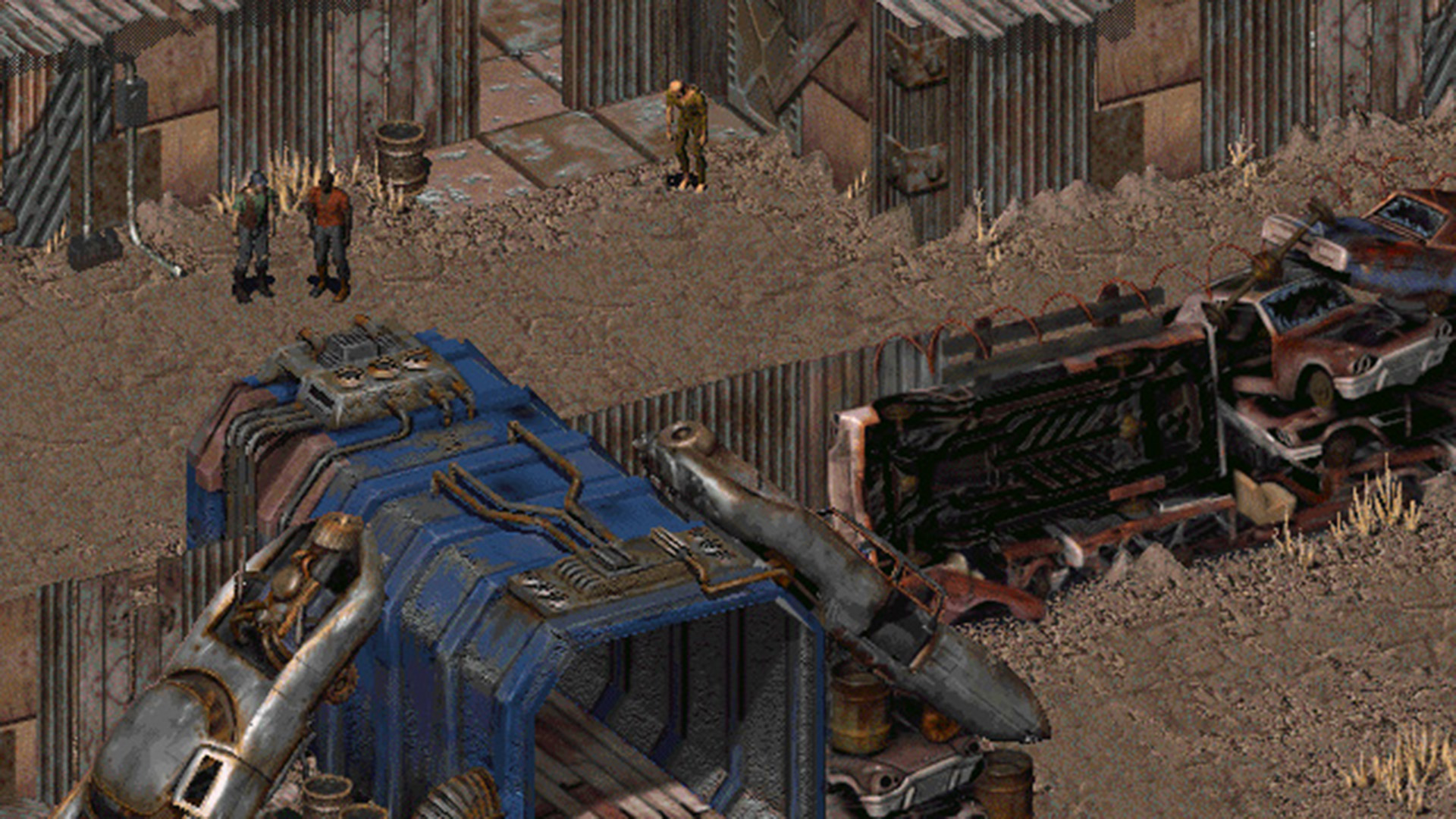
The original Fallout made waves when it launched, and even after 28 years, you can see why: Its post-apocalyptic world felt unlike anything else in the market, and it offered innovative character creation and skill systems that weren’t too interested in paying homage to previous RPG classics. Instead, Tim Cain and the Interplay team focused on their own ideas to create a gritty and nuanced world that still had a satirical sense of humor.
What sets it apart from the sequel — and gives it a small advantage in our eyes — is how welcoming to newcomers the setup and narrative hook are. An underground nuclear shelter in the far future is running out of drinkable water, and you’re tasked with finding the part that can fix the water supply system. No more knowledge of the world is needed, and even as the plot develops, Fallout stays on target, while offering side possibilities that don’t take away from the core experience.
Sure, it’s an old ass game, and admittedly obtuse in ways that follow-up fixed, but there’s a magic to Fallout that few other games can match. It’s unforgiving until you do all of your homework, but it’s well worth the effort.
2. Fallout: New Vegas
(Image credit: Bethesda Softworks)
Release date: October 19, 2010 | Platforms: PC, PS3, Xbox 360 | Developer: Obsidian Entertainment
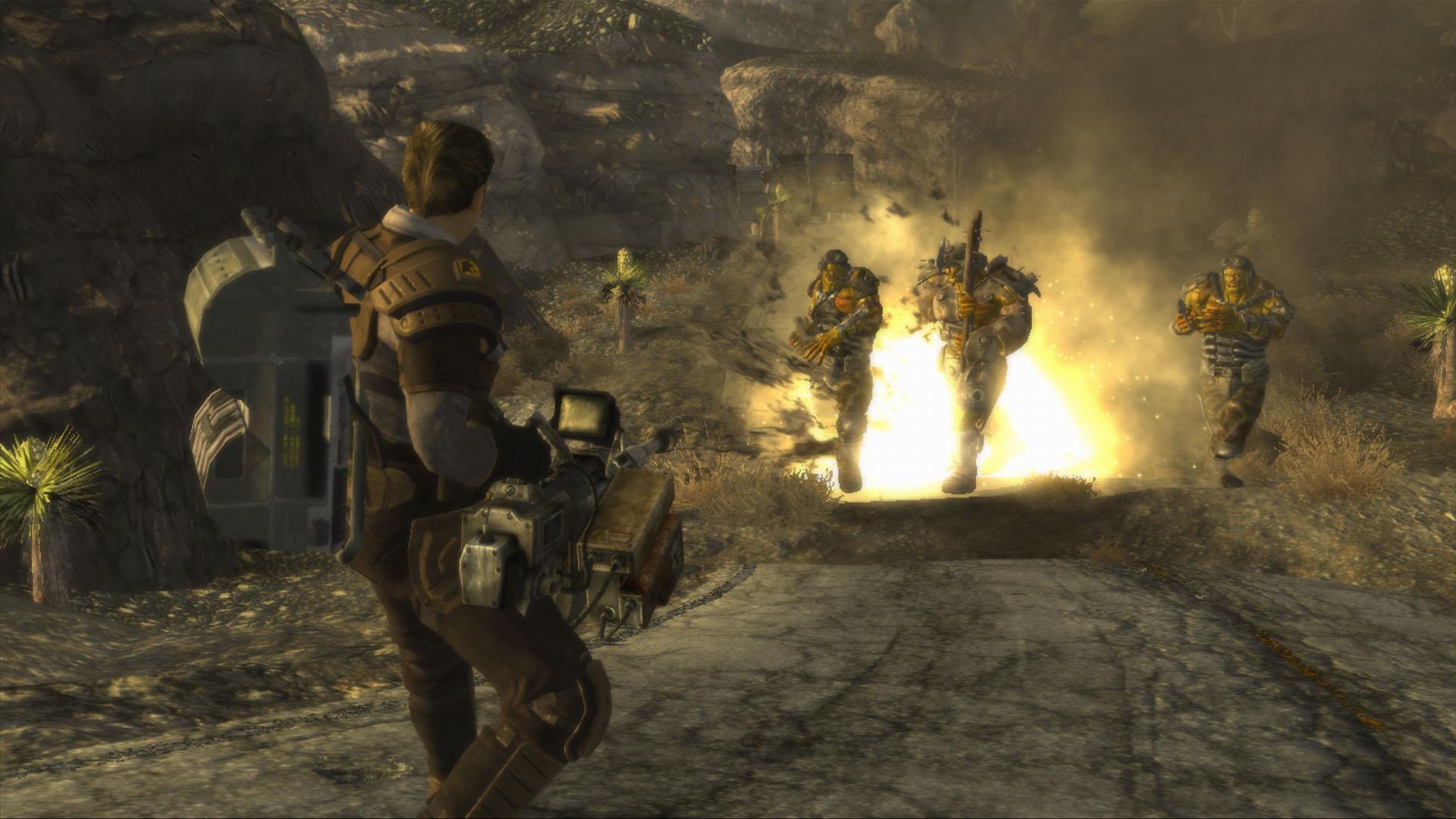
On paper, Fallout: New Vegas has it all. New Vegas itself is the series’ most iconic setting (so much so that Fallout Season 2 is going to be set there), it offers tons of freedom to the player, and the actual roleplaying and factions are the best-written in the entire series. So, why isn’t it at the top of our list?
Well, for starters, it was a buggy, unfinished mess when it launched, and even the modern, fully patched-up version of the game shows signs of a game rushed over the finish line. Despite all its strengths, we can’t shake the feeling that New Vegas is an excellent 80% of a game.
A lot of the appeal of the Fallout games is the open world, where you’re free to go anywhere and do anything. While Obsidian made New Vegas, it was built with Fallout 3’s structural bones and technology, and that structure was all about exploring and player freedom. New Vegas still follows that ethos on paper, but stray away from its excellent scripted content, and the open world it presents feels a little lacking compared to our top pick. It’s still an all-timer and one of the best RPGs ever made, but there’s one more game that we prefer (just a little bit).
1. Fallout 3
(Image credit: Bethesda Softworks)
Release date: November 14, 2018 | Platforms: PC, PS4, Xbox One | Developer: Bethesda Game Studios
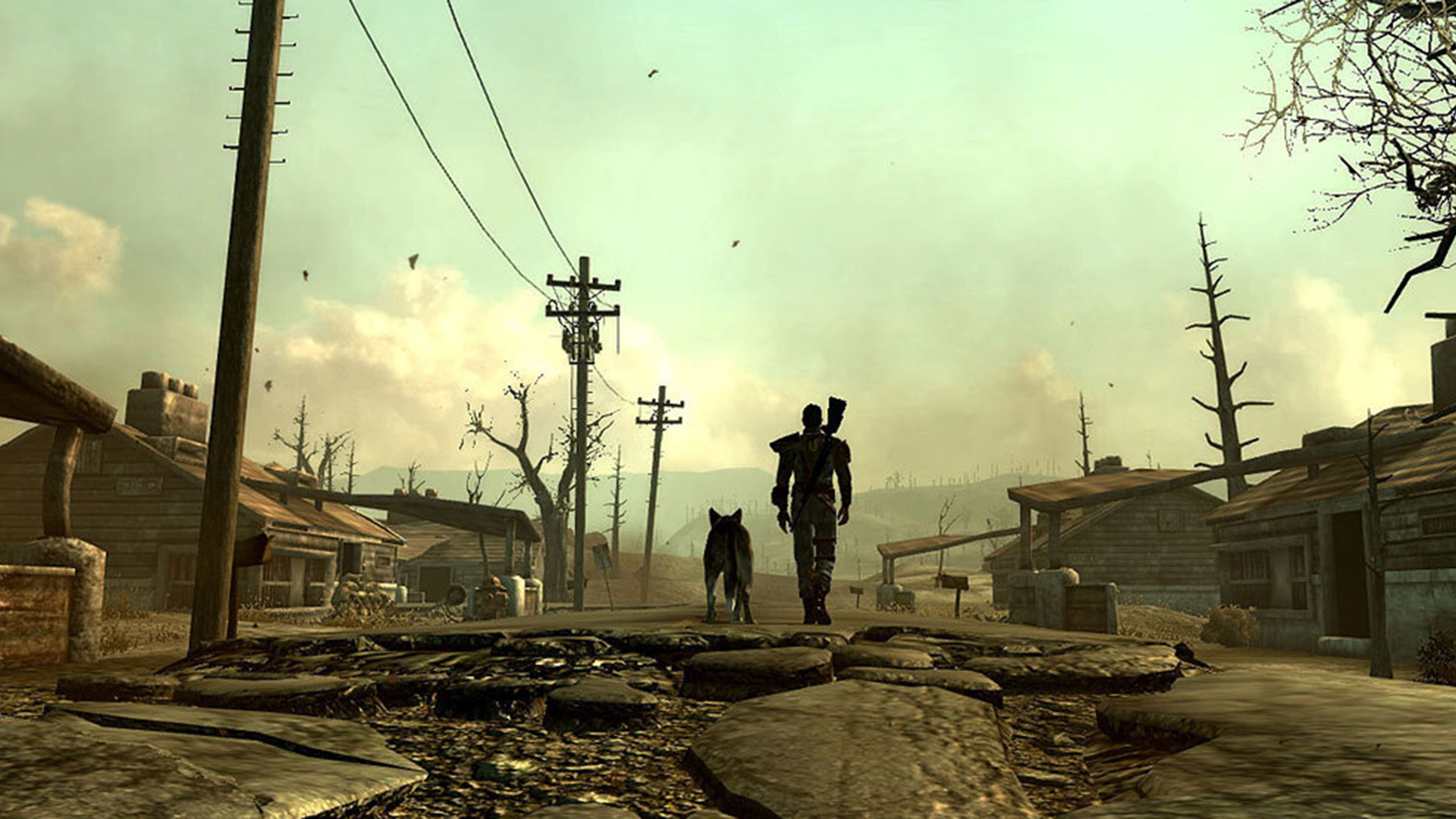
It might not have been for diehard fans of the first two games, but in our humble opinion, Fallout 3 was a masterpiece. It was a near-perfect entry point into the franchise, while also respecting and expanding upon the already-established world. Bethesda could have easily rebooted everything when they took the reins, but instead, they chose to bridge the gap, and it paid off big time.
Built on the technological and game design foundations of The Elder Scrolls IV: Oblivion, Fallout 3’s shift to first-person and streamlined mechanics opened the series up to a mainstream crowd, while keeping most of the core RPG elements that the original games were known for. Was it as deep and layered as Fallout 1 or 2? No, but that didn’t matter because of how memorable and fun the Capital Wasteland was — and still is — to explore.
From its irradiated shores to hidden valleys to many underground labyrinths, Fallout 3 showed us how a dense but believable post-apocalyptic open world could be as exciting as Tamriel‘s fantasy lands. Sure, the main quest was short, and most role-played choices were too morally black-and-white, but it was a rip-roaring adventure that blasted the Fallout series into the mainstream.

The largest genetic analysis of psychiatric disorders to date shows that most relevant genetic variants are linked to multiple mental health conditions rather than just one.
The study found that 14 psychiatric disorders can be classified into five major groups, depending on the genetic variants associated with them. For instance, the findings group together anorexia nervosa, obsessive-compulsive disorder (OCD) and Tourette’s syndrome according to their shared genetic profile.
You may like
Chunyu Liu, a professor of psychiatry and behavioral sciences at SUNY Upstate Medical University who was not involved in the study, said the findings make sense based on existing research.
“Even before seeing the results, this is generally expected,” Liu told Live Science in an email. “The shared genetics between schizophrenia and bipolar disorder pointed us in this direction [as a field].”
He agrees with the study authors’ conclusion that shared genetics point to shared biological mechanisms. However, Liu noted that the study does not explain why clinical symptoms vary so widely between these disorders, even when the underlying genetics overlap.
“It is an important paper, but still a small step toward understanding the disorders,” he said.
Genes aren’t the whole story
The study showed that many of the genetic variants linked to psychiatric disorders are also linked to other traits, including intelligence; sleep problems like insomnia; personality; social behaviors like aggression; and socioeconomic status.
“Not all of these links are negative,” Abdel Abdellaoui, a geneticist at the University of Amsterdam who was not involved in the study, wrote in a commentary article for Nature. For example, the genetic overlap between schizophrenia and bipolar disorder is also associated with traits that can support academic success, such as creativity and persistence.
This nuance matters because embryos used for in vitro fertilization (IVF) are sometimes screened for psychiatric risk factors, which are measured via the embryo’s genetics. Parents-to-be then have the option to select embryos with lower “risk scores” for psychiatric disorders. But this choice isn’t necessarily clear-cut, Abdellaoui argued. Carrying certain genetic traits doesn’t guarantee a disorder will emerge, and the same genes can influence positive traits, such as creativity or resilience, he noted.
You may like
Abdellaoui said psychiatric disorders often appear at the extreme ends of a natural range of genetic variation, especially when combined with certain life experiences. In other words, a person can have a genetic predisposition for a given disorder but not ultimately develop it unless they encounter certain adverse events, whether trauma or environmental hazards.
“This should reframe mental illness not as defective biology, but as the unfortunate intersection of natural variation and environmental stress,” he said.
The five groupings
To study which genetic variants are unique to each disorder and which are shared across disorders, Andrew Grotzinger, an assistant professor at the Institute for Behavior Genetics at the University of Colorado Boulder and his colleagues analyzed genetic information from more than 1 million people who primarily had European ancestry.
Disorders that share many genetic variants were dubbed “genetically correlated.” Using these correlations, the scientists found that the 14 disorders fell into five genomic factors:
Five genomic factors
- Compulsive: Anorexia, OCD, Tourette’s
- Neurodevelopmental: Autism, ADHD
- Internalizing: Depression, PTSD, anxiety
- Substance use: Alcohol, cannabis, nicotine and opioid dependence
- Schizophrenia-bipolar
Each genetic factor showed a unique biological pattern, in terms of how the associated genes behave in the brain. For example, genes linked to the schizophrenia-bipolar factor are strongly active in excitatory neurons, which push other neurons to activate, and in brain areas involved in interpreting reality.
Genes linked to the internalizing factor are associated with glia, the brain’s support cells. Glia serve as immune protection and maintain connections between neurons, among other roles. This implies that these disorders may relate more to these support cells than to neurons, Abdellaoui said.
The substance-use factor included gene variants that encode the enzyme responsible for breaking down alcohol, and others that encode the receptors that respond to nicotine.
Liu cautioned that these genetic links to psychological disorders should be interpreted carefully. “Genes or biological pathways statistically associated with a disorder should not be interpreted as causal without additional evidence supporting a direct mechanistic role,” he said. In short, correlation does not imply causation.
“There are multiple alternative explanations for why a gene is associated with a disorder,” he said, “or why two disorders exhibit overlapping genetic signals.”
This article is for informational purposes only and is not meant to offer medical advice.
SCIENCE
Finding the point of no return: Sun’s shifting, spiky atmospheric boundary mapped in detail for 1st time

Scientists have created the first detailed maps of the outer edge of the sun’s atmosphere, a shifting boundary where solar material breaks free of the sun’s magnetic grip and streams out into space.
The new maps, built using close-up measurements from NASA’s Parker Solar Probe along with data from more distant spacecraft, show that this boundary grows larger, rougher and more jagged as the sun becomes more active, periods in its cycle that are marked by increased sunspots and solar flares.
You may like
“Before, we could only estimate the sun’s boundary from far away without a way to test if we got the right answer,” study lead author Sam Badman, an astrophysicist at the Center for Astrophysics ∣ Harvard & Smithsonian (CfA) in Massachusetts, said in a statement. “But now we have an accurate map that we can use to navigate it as we study it.”
“And, importantly, we also are able to watch it as it changes and match those changes with close-up data,” he added. “That gives us a much clearer idea of what’s really happening around the sun.”
The boundary, known as the Alfvén surface, marks the point where the outward flow of the solar wind becomes faster than magnetic waves that would otherwise carry material back toward the sun. Beyond this “point of no return,” solar particles can no longer fall back and instead stream permanently into interplanetary space.
Scientists knew that this boundary shifts with the sun’s roughly 11-year activity cycle — expanding and becoming more complex during solar maximum, and shrinking during quieter solar minimum periods. Until now, however, they lacked direct confirmation of what those changes actually looked like.
“That’s actually what we predicted in the past, but now we can confirm it directly,” Badman said in the statement.
To build the new maps, the researchers combined close-up measurements from the Parker Solar Probe, which repeatedly plunged through the sun’s outer atmosphere during record-breaking close passes as the solar cycle ramped up toward its peak, with data from the European Space Agency’s Solar Orbiter and NASA’s Wind mission, both of which reside about 1 million miles (1.5 million kilometers) from Earth.
Using an instrument onboard Parker called the Solar Wind Electrons Alphas and Protons (SWEAP), the team directly sampled the region beneath the Alfvén surface, confirming that the maps correctly show where the sun’s magnetic influence fades and the solar wind escapes, according to the statement.
You may like
“This work shows without a doubt that Parker Solar Probe is diving deep with every orbit into the region where the solar wind is born,” study co-author Michael Stevens, an astronomer at the CfA and the principal investigator of the SWEAP instrument, said in the statement.
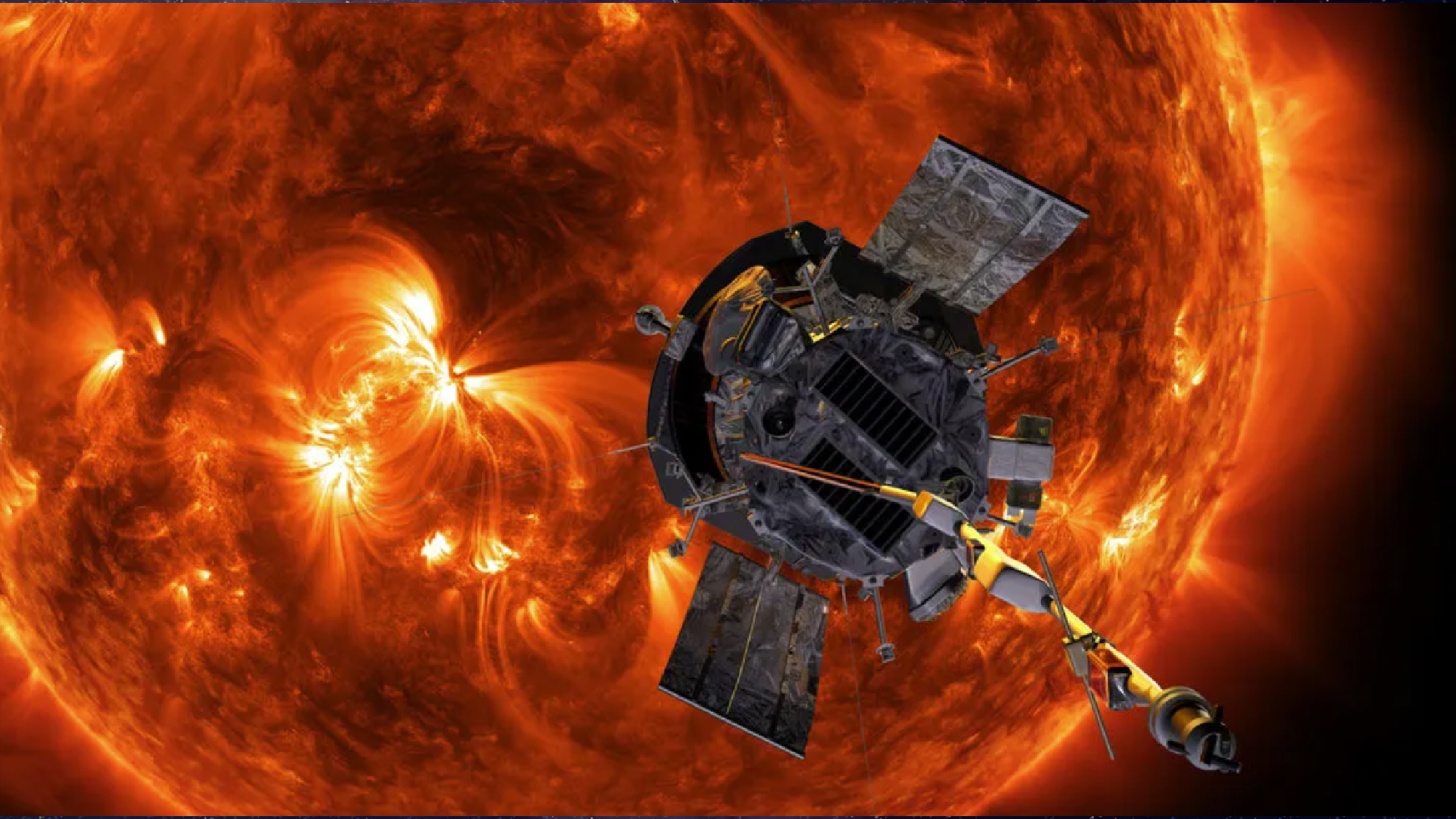
An artist’s illustration of NASA’s Parker Solar Probe spacecraft during one of its close flybys of the sun. (Image credit: NASA/Johns Hopkins APL/Steve Gribben)
Pinpointing where and how the solar wind escapes the sun is essential to answering some of the biggest open questions in solar physics, including why the sun’s corona gets hotter the farther it extends away from the solar surface.
Understanding exactly where this boundary lies is also critical for improving space weather forecasts, which help protect astronauts in space, and satellites and power grids on Earth from disruptive solar storms, scientists say.
During the next solar minimum, the Parker Solar Probe will again plunge deep into the sun’s atmosphere, allowing scientists to watch how this boundary evolves over a complete solar cycle, according to the statement.
“There are still a number of fascinating physics questions about the sun’s corona that we don’t fully understand,” said Stevens.
SCIENCE
These incredible birdwatching binoculars are at their lowest price just in time for Christmas

If you are thinking of treating yourself or a loved one to a good pair of binoculars this Christmas, the Celestron Regal ED 8×42 are their lowest price ever, 10 days before Christmas — perfect timing.
Get the Celestron Regal ED 8×42 for $244.95 at Amazon right now.
Image 1 of 1
They come with accessories and a good quality carry case.(Image credit: Celestron)
If you’re into birding or wildlife observation and want genuinely sharp views without jumping to premium-priced optics, the Celestron Regal ED 8×42 is a smart buy — especially at this price. They suit people who spend real time outdoors, whether that’s woodland walks, nature reserves or coastal paths, and those who care about color accuracy and edge-to-edge clarity.
They use ED glass to keep color fringing under control, which really shows on high-contrast subjects like birds against the bright sky. The 8x magnification is steady and easy to hand-gold, while the 42mm objectives let in plenty of light for early mornings and late evenings. You also get a wide field of view that makes tracking moving wildlife easier. They’re fully waterproof, nitrogen-purged to prevent fogging and feel reassuringly solid without being bulky or cumbersome.
A standout feature is their flat-field technology, which keeps the image sharp right out to the edges instead of softening or blurring. In practice, that means you don’t have to constantly re-center your subject to see fine details. We noticed a substantial difference this made during our group test of 10x42s — the view felt immersive and crystal clear.
Key features: 8x magnification, 42mm objective lens diameter, nitrogen-purged and waterproof, 420ft field of view, 22.5mm eye relief, phase & dielectric coated prisms, ED glass.
Price history: Before now, the cheapest we’ve seen them was for $268 back in March of this year.
Price comparison: Walmart: $369.95
Reviews consensus: We awarded them 5 stars in our full Celestron Regal ED 10×42 review. They’re impeccably sharp, a pleasure to use and have excellent specs for birdwatching.
Featured in guides: Best binoculars for birdwatching, Best binoculars
✅ Buy it if: You want edge-to-edge sharpness across the entire image circle.
❌ Don’t buy it if: You prioritize stargazing and want a pair with a higher magnification. In that case, buy a pair of the best binoculars for stargazing.
Check out our other guides to the best telescopes, binoculars, cameras, star projectors, drones, lego and much more.
Today’s best Celestron Regal ED 8×42 deals
SCIENCE
Geminid meteor shower 2025 thrills skywatchers with an end-of-year celestial firework show (photos)

Canon EOS R7 camera
(Image credit: Future/Kimberley Lane)
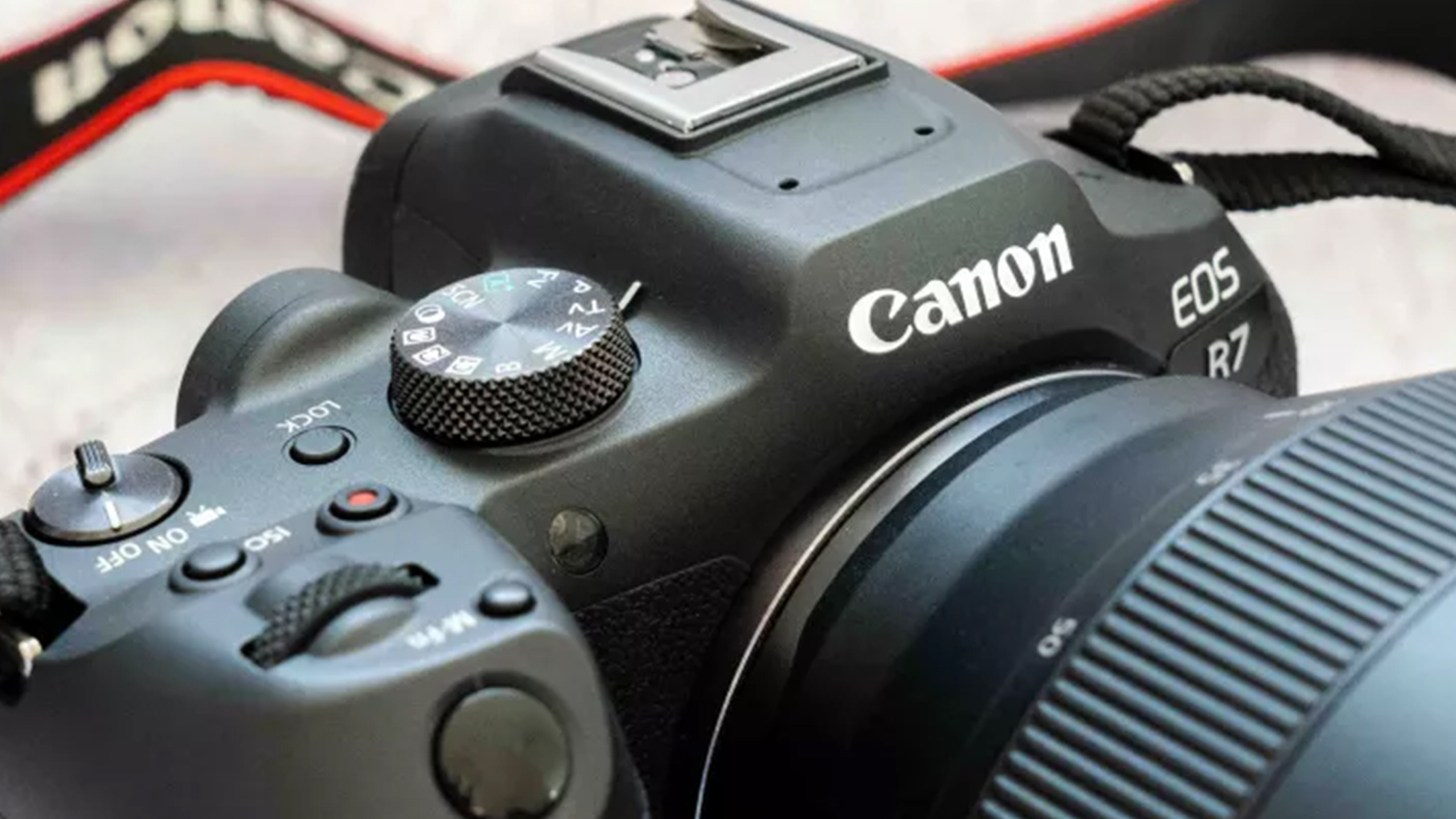
Want to capture shooting stars? The Canon EOS R7 is the best camera for beginners, featuring all the tools to help a novice master photography. Read our full Canon EOS R7 review for more.
The Geminid meteor shower put on a dazzling cosmic firework show when it peaked overnight on Dec. 13 as shards of the solar system asteroid (3200) Phaethon collided with Earth’s atmosphere, forging fiery paths that illuminated the December night sky.
Read on to see a selection of gorgeous images revealing the splendour of the 2025 Geminid meteor shower as seen through the lenses of talented astrophotographers from around the world.
You may like
Want to capture your own images of shooting stars? Then be sure to check out our guide to photographing meteor showers, along with our picks of the best cameras and lenses for astrophotography to ensure that you’ll be ready for the next big skywatching event.
The 2025 Geminid meteor shower in pictures
Photographer Tayfun Coskun captured a stunning shot of a Geminid streaking through the starry sky above the Yosemite National Park in California on Dec. 14, as the Hyades and Pleiades open star clusters shone above a glowing tunnel embedded in the tree-lined hillside.

A Geminid shooting star caught in the skies over the Yosemite National Park in California. (Image credit: Photo by Tayfun Coskun/Anadolu via Getty Images)
Coskun was able to grab another view of a shooting star running parallel to the dense starfield of the Milky Way that same night, while also capturing the ancient light of the Andromeda Galaxy close to a tree near the silhouetted horizon. Two dense collections of stars known as the Perseus Double Cluster are also visible in the center of the shot, representing a population of stars that are far younger and hotter than the sun.
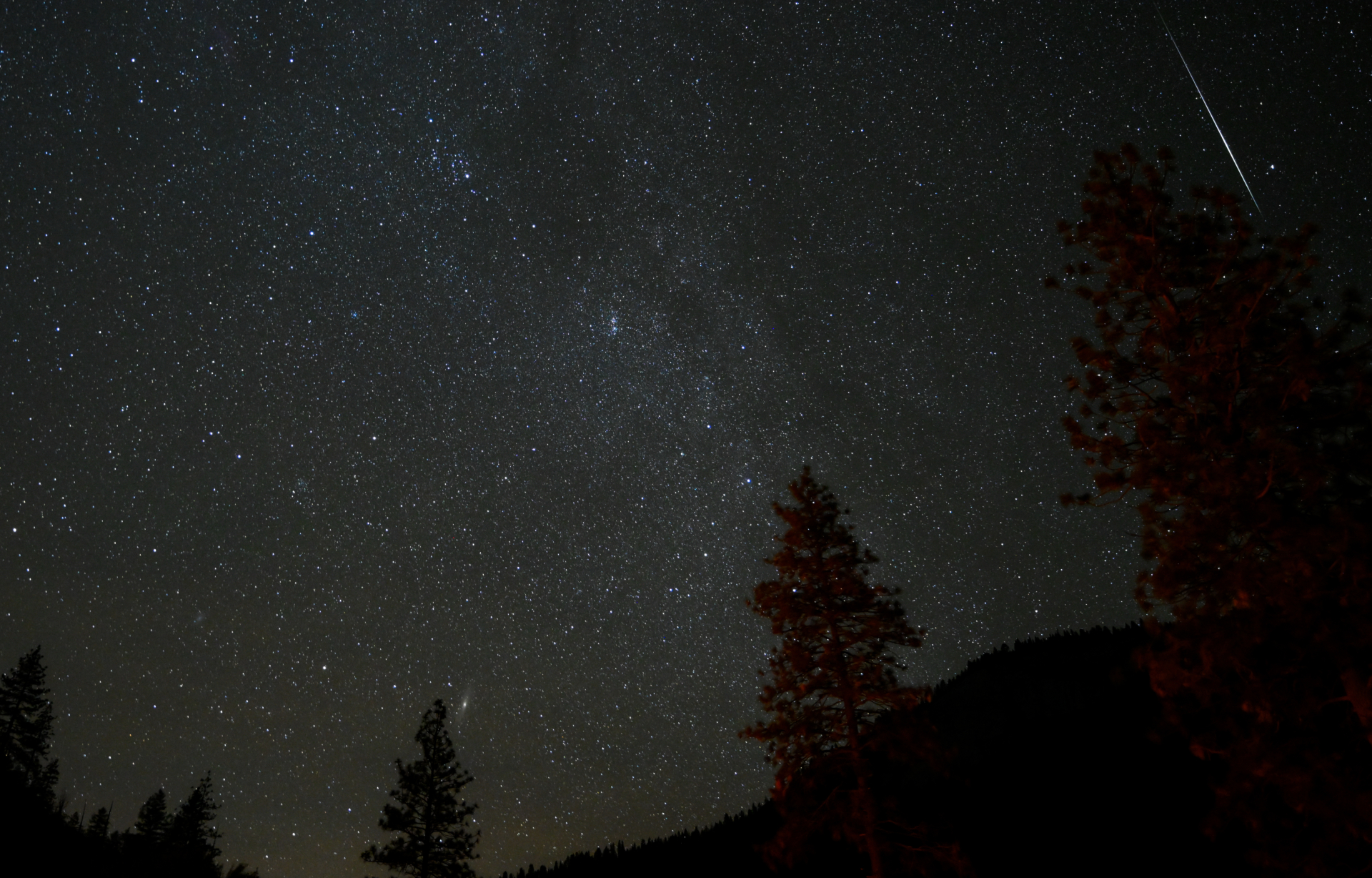
A Geminid shooting star blazes a path alongside the Milky Way. (Image credit: Photo by Tayfun Coskun/Anadolu via Getty Images)
This shot of a Geminid blazing a trail below the three stars of Orion’s Belt was captured on Dec. 13 in the skies over the Shandong province of China, a moment before it pierced the glowing patch of light representing the Orion Nebula — one of the closest stellar nurseries to Earth.
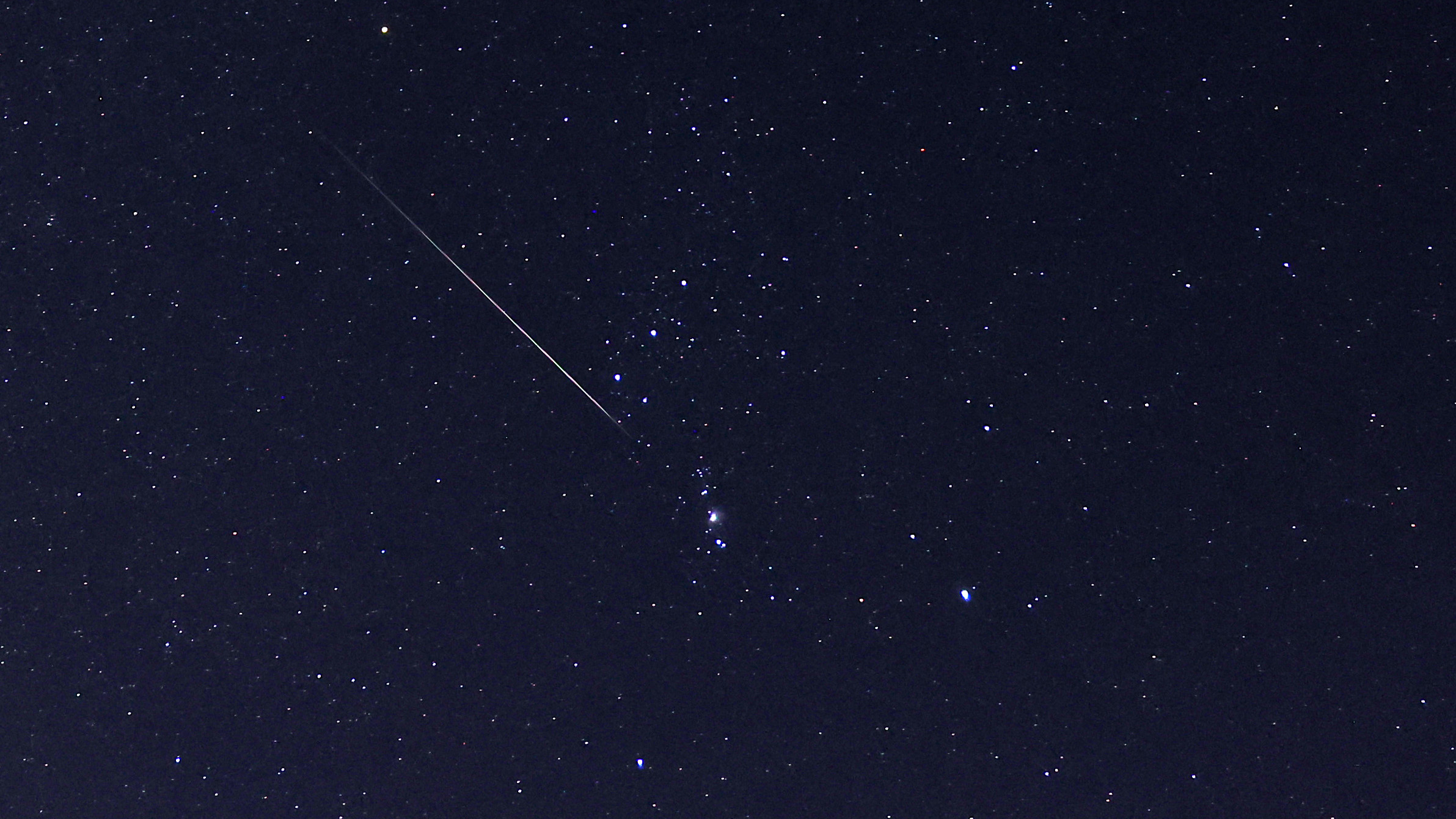
A Geminid captured moments before piercing the Orion Nebula. (Image credit: Photo by VCG/VCG via Getty Images)
A meteor was also captured brightening the sky over the snowy landscape of Ulanqab, in the Inner Mongolia Autonomous Region of China, on that same night.
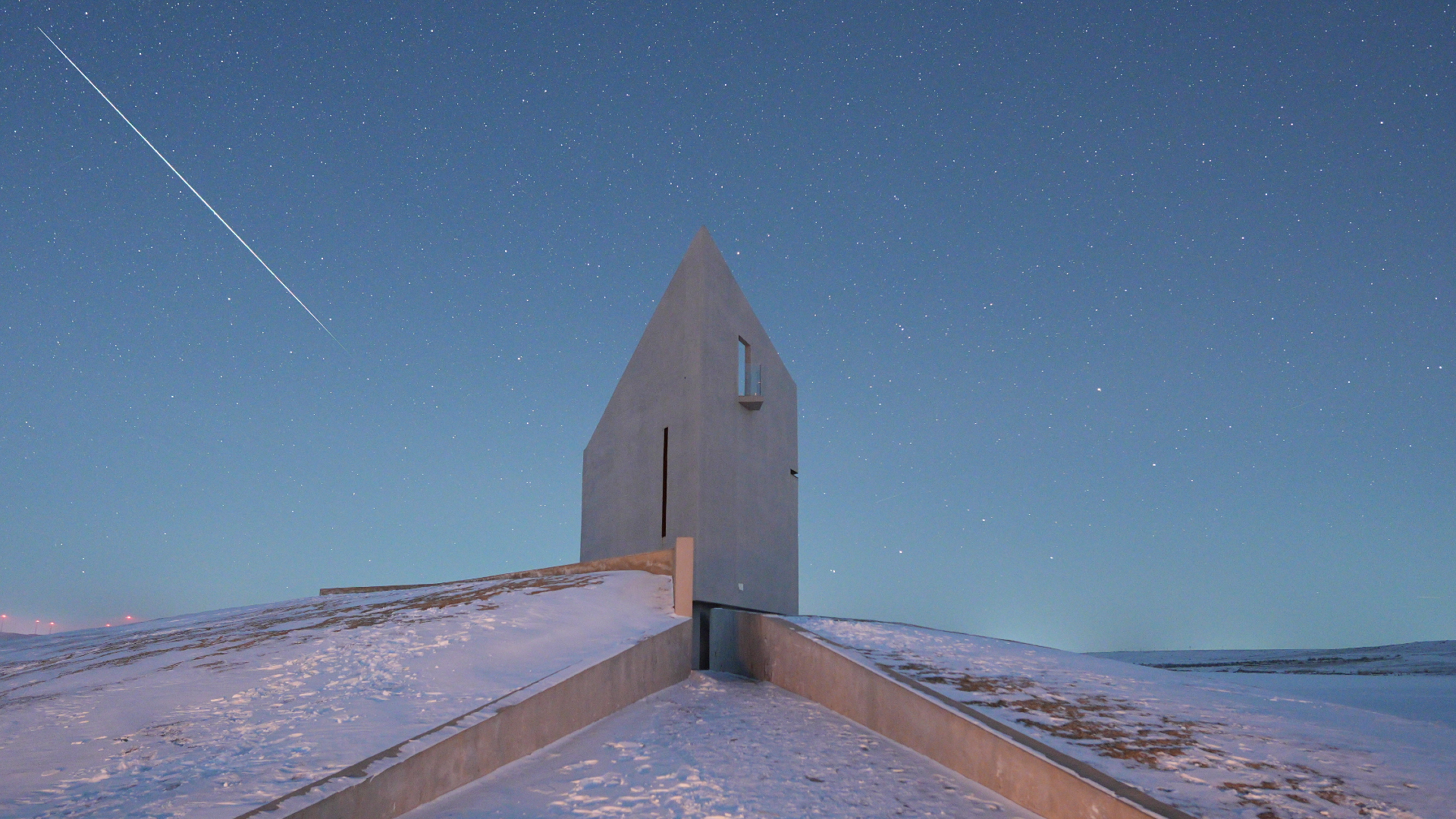
A Geminid meteor shines above a solitary structure in the Inner Mongolia Autonomous Region of China. (Image credit: Photo by VCG/VCG via Getty Images)
Photographer Fu Yujianglin immortalized a different shooting star as it speared Earthwards through the night sky, towards the snow-peaked mountains of the Garzê Tibetan Autonomous Prefecture in Sichuan Province, China.
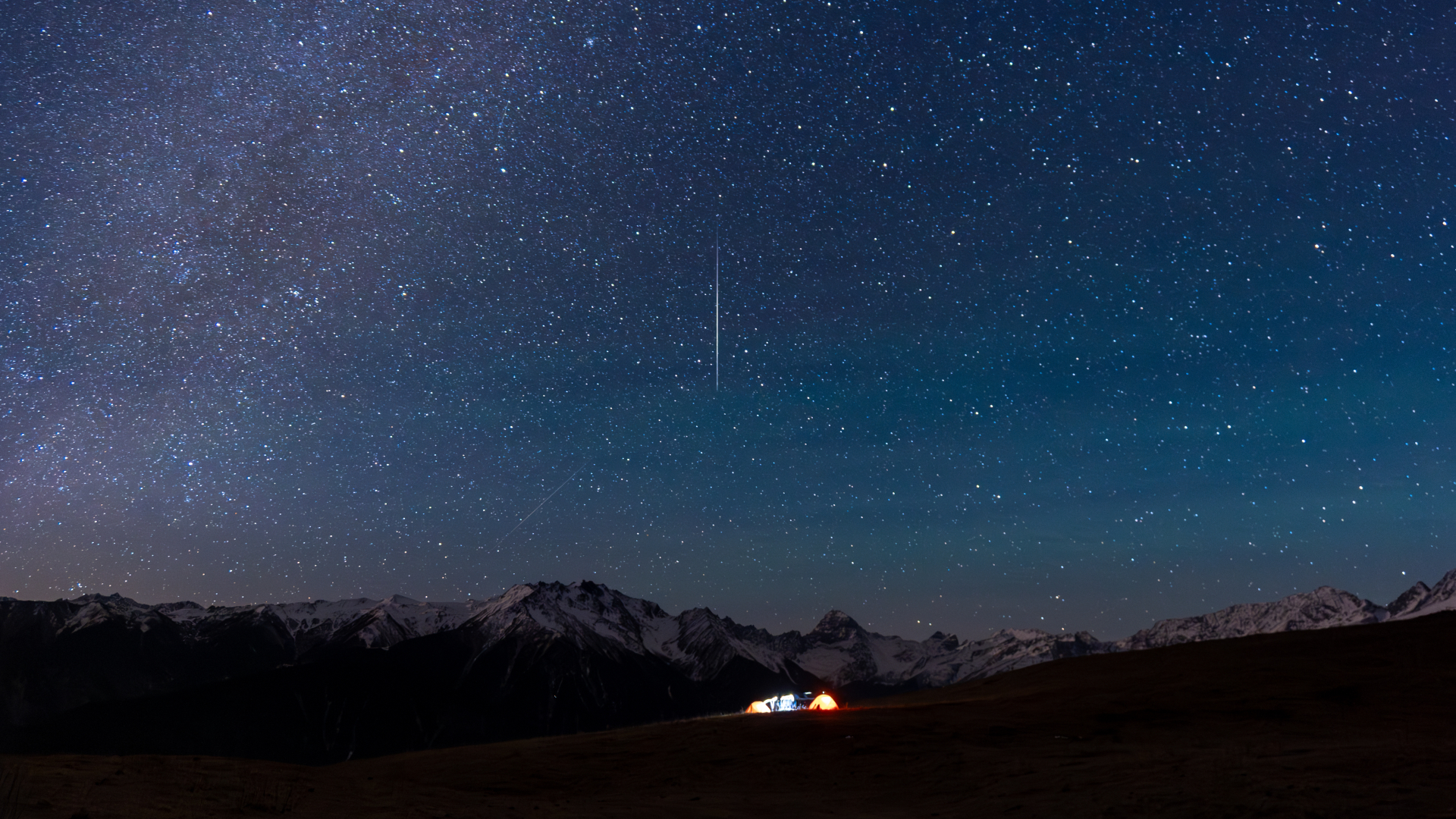
A meteor streaks towards a snowy mountain range in the Garzê Tibetan Autonomous Prefecture in Sichuan Province, China. (Image credit: Photo by Fu Yujianglin/VCG via Getty Images)
Storm photographer and X user LoriGraceWX captured another spectacular meteor image as a shooting star tore through the sky over the Organ Mountains in New Mexico using a 24 mm lens.
You may like
The brightest Geminid meteorite I captured last night thankfully ffamed itself nicely over the top of the Organ Mountains east of Las Cruces, New Mexico. At least 45 captured on this 24mm lens, still have to go through the other 700 images with the wider 16mm angle. #Geminids pic.twitter.com/yJ8fzrxBgODecember 14, 2025
Wouter van Bernebeek, meanwhile, took a breathtaking composite image from an altitude of 1,140 meters (3,740 feet) atop the Brocken Mountain in Germany, as shooting stars brightened the night sky alongside the glowing band of the Milky Way.
☄️ Het was een weergaloos weekend met de meteorenzwerm #Geminiden! Vanaf de Brocken (1140m) in het midden van Duitsland, stonden we de hele nacht bóven alle wolken en mist. Hier mijn eerste plaatje van de vele honderden vallende sterren die we mochten zien. Een unieke ervaring… pic.twitter.com/XinKMVUm9cDecember 15, 2025
Photographer Matt Lantz combined 9 separate shots to reveal Geminid meteors streaking away from Jupiter and the bright stars Castor and Pollux in the sky above a picturesque church near Seymour, Texas, on the night of the peak.
Last night’s Geminid Meteor shower as seen near Seymour, Texas. DFW was clouded over, so it was worth a couple hours drive northeast to clear skies. This image is 9 photos merged into one. #GeminidMeteorShower #txwx pic.twitter.com/l2mRQug5aPDecember 14, 2025
Finally, northern lights chaser Jeremy Rand captured several Geminid shooting stars as they raced through the constellation Orion, which rested approximately 40 degrees away from the shower’s radiant, where meteor trails were at their longest.
Feeling inspired to explore the night sky? Then why not browse our picks of the best telescopes and binoculars for imaging the night sky and be sure to check out our guide featuring expert advice for new stargazers if you’re taking the first steps in your astronomy journey this winter!
Editor’s Note: If you would like to share your meteor photos with Space.com’s readers, then please send your photo(s), comments, and your name and location to spacephotos@space.com.