
LIFESTYLE
Dry December: I’ve given up drinking this party season and this is how it’s made me feel


Stay ahead of the curve with our weekly guide to the latest trends, fashion, relationships and more
Stay ahead of the curve with our weekly guide to the latest trends, fashion, relationships and more
Stay ahead of the curve with our weekly guide to the latest trends, fashion, relationships and more

“Why don’t I try doing Christmas party season sober?”
I regret these words the instant they leave my mouth. I’m not even sure where they came from, as surprising as they are spontaneous. Surely this isn’t something I’m seriously considering? Dry December?? What a horrifying prospect!
And yet those words did come out of my mouth, at a pitch meeting no less. Though unplanned, the notion must have been bubbling somewhere at the back of my brain before forcing its way out. The fact that I have said it out loud – have suggested, unasked, that I commit to writing about a booze-free festive period – means that I must want accountability. Some part of me, however small or subconscious, wants a reason to try.
It might have something to do with last December, a month in which I drank daily for at least 31 consecutive days. This wasn’t intentional, more a natural byproduct of the non-stop carousel of Christmas soirees. Lurching between being tipsy and groggily hungover was inevitably accompanied by appalling sleep and further excess, resulting in the kind of nutritional choices whose natural endpoint was surely gout (deep-fried cheese, anyone?). By the time I reached the New Year, I felt so rancid that I embarked upon the most spartan health kick of my life, adopting a whole foods diet and cutting all sugar and alcohol for the next 10 weeks.
Looking down the barrel of another December, I just wasn’t sure I could handle putting my body – and, more specifically, liver – through all that again. I didn’t want to feel controlled by alcohol either, to experience the uneasy sense that booze, rather than me, was the one in the driving seat. And yet the idea of spending party season completely off the sauce was mildly terrifying.

open image in gallery
Practice stealthy sobriety with a mocktail or non-alcoholic drink in a wine glass (Getty Images/iStockphoto)
Like great swathes of Britons, I have a, shall we say… complex relationship with alcohol. The number of British binge drinkers went up by 13 per cent between 2016 and 2019, according to a World Health Organisation (WHO) report; more specifically, British women are now the biggest female binge drinkers in the world, OECD data revealed.
Very few people I know, myself included, would be classed as “moderate” drinkers by NHS standards, and yet no one I know would admit to having any kind of issue or dependency. In fact, a binge-drinking session is defined as consuming six (for women) or eight (for men) units of alcohol in one sitting, equating to just three pints or two large glasses of wine. By this definition, pretty much everyone I know is binge drinking several times a week.
“It’s such a part of the fabric of our society; we use alcohol to celebrate, commiserate, to drown our feelings, to build relationships,” points out Rosamund Dean, author of Mindful Drinking: How to Break Up with Alcohol. “Lots of us have grown up in a world in which we’ve never socialised sober, apart from when we were children.”
Whether child-free and heading out for bottomless brunch of a weekend or winding down every evening after the kids have gone to bed with a G&T, we have silently imbibed the message that alcohol is the correct response to any and all situations.
Knowing that you can enjoy yourself without drinking is such an empowering feeling
Rosamund Dean
And the holiday season is, undoubtedly, a much harder time to abstain than the rest of the year. The number of social engagements goes up alongside stress levels, as the pressure to have the “perfect” Christmas is coupled with the stark reality that many of us actually have very tricky relationships with our nearest and dearest. Drinking through the passive-aggressive comments or casual slights peppered throughout a festive meal with family can often feel like the only sane solution.
As Catherine Gray, the author of The Unexpected Joy of Being Sober and the upcoming Little Addictions: Freedom from Our Tiny But Mighty Compulsions, puts it: opting to go teetotal at this time of year “is like the bushtucker challenge of no drinking. It’s like skipping the 10km race and going straight to running a marathon”.
And yet December can actually be a good time to go on the wagon, counterintuitive as that may seem. After all, doing Dry January proves nothing other than that you’re able to resist “temptation” when spending a month indoors, skint and with little human contact. The real test lies in socialising minus the Dutch courage.

open image in gallery
‘Tis the season to drink excessively: Here’s how to avoid alcohol over the festive period (Getty Images)
“There’s always going to be an excuse: there’s always going to be a wedding, or a birthday party, or a work party,” says Kayla Lyons, the author of Soberish: The Science-Based Guide to Taking Your Power Back from Alcohol and founder of the Join Soberish and 1,000 Hours Dry online communities. “If you start now, then you are going to prove to yourself you can get through a really hard time, which is going to be a real confidence booster.”
So how can I up my chances of staying the course with temptation at every turn?
Figure out your ‘why’
The experts recommend interrogating the reasons for taking a break. Maybe it’s to swerve the crippling hangxiety that always follows an evening out; maybe it’s to ensure you feel sharp instead of fuzzy-headed at work; maybe it’s for health reasons or to improve your sleep. “Keeping that thing really, really clear in your mind – the reason why you want to drink less alcohol – is a powerful motivator,” says Dean.
Write yourself a letter
This is a clever technique to convince your brain that you’ve got this. Lyons recommends writing from the perspective of your future self. She says: “I’ll write, ‘Hey, Kayla, it’s Kayla 30 days from now – you just crushed it. I’m so proud of you. Who knew you could deal with Uncle Earl’s talk about how great Trump is for 30 minutes without downing the tequila?’” When you get to read that letter in a month, and it’s become a self-fulfilling prophecy, “you build self-love, self-discipline and self-control,” she adds. “It’s such a good feeling to make yourself proud.”
Visualise your night
Got an event? Picture yourself going out and the challenges that may arise. “If you’re put in a triggering situation, how are you going to handle it?” asks Lyons. “Because a lot of times when people end up taking a drink when they don’t mean to, it’s because they’re caught off guard and they feel obligated or anxious. Prepare yourself – visualise yourself saying no.” And picture yourself saying “yes”, too, followed by the poor decisions that will likely follow. “I call it the apology tour that you’ll be taking,” says Lyons. “All those little bad decisions that knock at your insecurities and your confidence.”
Get some accountability buddies
Having allies is key; tell your inner circle of trusted friends in advance that you’re going dry so that they can cheerlead and support, plus help deflect people trying to push alcohol on you. “If you talk about it in advance, you can be in it together,” advises Dean.
Always have a drink in hand
If you need to lie, then lie
Kayla Lyons
When we’re at a party or in a bar, we’re used to having a drink constantly in hand – and we’re used to sipping it frequently, because physiologically we feel thirsty when we’re nervous (a common side-effect of throwing ourselves into a new social setting). Gray refers to “incentive salience”, a process by which certain cues are associated with reward: “A big reason why we walk into a social setting and crave alcohol is that we’re surrounded by cues,” she explains. “There are wine glasses on tables, we can see the bar, hear the pour of drinks and pop of corks; it all triggers dopamine, which is the ‘wanting’ hormone.”
Having a glass permanently in your grasp is incredibly useful for avoiding temptation – plus it can avoid awkward conversations about why you’re not drinking. “You can order an alcohol-free gin and tonic, a lime and soda or a kombucha and have it in a wine glass, or an alcohol-free beer like a Lucky Saint,” says Dean. “You can do stealthy non-drinking.” When going to someone’s house, it’s all about preparation – buy your own booze-free drinks beforehand and take them along.
Get through the first 30 minutes
The initial half hour to 45 minutes at a social event is usually when the temptation to take the edge off is highest. Steel yourself for that part to be hard, knowing that if you can get through that, “the easier it becomes”, says Dean. Gray recommends stepping outside or going to the toilet and taking some deep breaths if you feel overwhelmed. “Parties are confronting when [you] don’t have a disinhibitor,” she advises. “Plan circuit breaks.”
Lie if you have to
Many of our friends and acquaintances may end up being more of a hindrance than a help when we go dry, responding antagonistically and piling on the judgement or peer pressure. In which case, there’s no harm in a little fib. “If you need to lie, then lie,” says Lyons. “Say, ‘I’m on antibiotics,’ or ‘I’m driving tonight,’ or ‘I’m getting over a virus.’ Whatever you need to do to protect your peace.”
Have an exit strategy
If you’re still at the party when you don’t want to be there any more, that’s a “danger point”, says Gray. Don’t rely on someone else to take you home and have a plan in place. Oh, and don’t feel the need to say goodbye when you want to leave, either. “Do a French exit,” she adds. “No one will notice.”
Practice self-binding
This is a term used in addiction circles, referring to behaviour that (hopefully) means you can’t drink. A good example is driving yourself to an event – you need to stay sober to get yourself home. You can also take steps that, while not quite “binding”, are certainly incentivising. Lyons recommends booking an early gym class or similar the morning after the night before. “Commit to it, sign up for that 7am class, and you’re probably going to go, because nobody wants to get charged,” she says.
Don’t beat yourself up if you fail
A big reason why we walk into a social setting and crave alcohol is that we’re surrounded by cues
Catherine Gray
Falling off the wagon doesn’t mean you should scrap the whole project – advice that comes in handy when I end up reneging on my pledge at the work Christmas party (it simply feels too daunting to spend five hours awkwardly dancing in front of colleagues without a drop of prosecco in my bloodstream).
But it’s not the failure that matters, says Lyons – it’s what you do next. “Give yourself grace,” she says wisely. “Remind yourself, I’m committing to this, I’m putting a brick in the wall every day to make a new foundation. You don’t need to sledgehammer the whole thing over one brick. You don’t get to put the brick in the wall that day; you get to sit and intentionally think, ‘Why did I drink? What did I learn?’ And then tomorrow, when you don’t drink, you get to put the brick in again.”
Remember the positives
Remind yourself of all the upsides to not drinking – and write them down if helpful. “You have your wits about you in a social situation when you’re not drinking,” says Dean. “You can remember people’s names, what’s going on in their lives. You can have more meaningful conversations, rather than just drunkenly talking over them or not really listening. It makes you a better friend and a better party goer.”
Then there’s skipping the next day, nausea, headaches and anxiety. And a whole new world opens up when one realises that, though initially challenging, socialising is totally doable while stone-cold sober. “Honestly, you will eventually feel like this is way better,” says Dean. “Knowing that you can enjoy yourself without drinking is such an empowering feeling.”
LIFESTYLE
Chipotle is giving away free meals to festive sweater-wearing customers. Here’s how to claim

Stay ahead of the curve with our weekly guide to the latest trends, fashion, relationships and more
Stay ahead of the curve with our weekly guide to the latest trends, fashion, relationships and more
Stay ahead of the curve with our weekly guide to the latest trends, fashion, relationships and more
Chipotle is celebrating the holiday season with a free meal for customers willing to lean into the Christmas spirit — ugly sweaters and all.
This weekend, the fast-casual chain will host an “Extra Sweater Day” buy-one-get-one-free deal as part of its ongoing Unwrap Extra holiday promotions taking place throughout December.
In honor of National Ugly Sweater Day on December 19, Chipotle is encouraging customers to wear a “festive or over-the-top sweater” when visiting participating locations on Saturday. Anyone who does so and purchases one entrée in-restaurant will receive a second entrée for free.
The offer applies to Chipotle’s core menu items, including burritos, burrito bowls, quesadillas, salads and tacos. The promotion will be valid from 4 p.m. until the restaurant’s closing time, with a limit of five free entrées per transaction.
The Extra Sweater Day deal is available in-store only and does not require customers to be members of Chipotle Rewards, though the brand has been using the holiday season to incentivize sign-ups through additional perks.
 To receive the free entrée promotion, customers must be wearing a ‘festive or over-the-top sweater’ (Getty Images)
Extra Sweater Day is the latest offer tied to Chipotle’s Unwrap Extra campaign. Earlier this month, the chain gave customers a free entrée with the purchase of a three-taco entrée on December 6, followed by another free entrée deal on December 13 for anyone who ordered a burrito.
Throughout December, Chipotle is also offering rotating bonuses to its Rewards members, including free sides of guacamole, chips, double protein or a complimentary drink. Those offers are delivered directly to customers’ Rewards accounts and vary by user.
Chipotle isn’t the only restaurant chain using holiday-themed deals to drive traffic during the busy end-of-year season. Burger King is currently running its “13 Days of Deals” promotion, offering daily discounts through December 24 via its mobile app.
Upcoming Burger King offers include a free Croissan’wich on December 18 and a free order of five-piece French Toast Sticks on December 19, both with a minimum $5 purchase.

Sign up to our free Living Well email for advice on living a happier, healthier and longer life
Live your life healthier and happier with our free weekly Living Well newsletter
Live your life healthier and happier with our free weekly Living Well newsletter

An explosive tell-all interview in Vanity Fair by Susie Wiles, the White House chief of staff, reveals her experience of what president Donald Trump and his inner circle are really like behind closed doors in Washington DC.
In the piece that was published on Tuesday, Wiles declares JD Vance has been a “conspiracy theorist for a decade”, and Elon Musk is an “odd, odd duck” and an “avowed ketamine [user]” who “sleeps in a sleeping bag in the EOB [Executive Office Building]”. But the big hitter? Trump, who is famously teetotal, has an “alcoholic’s personality” because he believes “there’s nothing he can’t do”.
Although Wiles has since distanced herself from the piece in a post on X, calling it “a disingenuously framed hit piece”, the Vanity Fair writer Chris Whipple, who met with Wiles 11 times over 11 months, says that “everything is on tape”.
Yet one thing is clear: Wiles, 68, who played a key part in Trump’s successful 2024 presidential campaign before becoming the first woman to be White House chief of staff, is in a position to label Trump an “alcoholic’s personality” – as am I.
As she explains in the interview, her own father, the legendary NFL broadcaster Pat Summerall, was an alcoholic who went through the Betty Ford Clinic in 1992 – and it makes her “a little bit of an expert in big personalities”. As Wiles put it: He “operates [with] a view that there’s nothing he can’t do. Nothing, zero, nothing.”
I am a recovering alcoholic who has been sober for over 20 years and I, like Susie, recognise the red flag “alcoholic’s personality” traits rather too vividly in Trump. For me, it’s a case of “if you spot it, you got it”.
This single-minded determination that Wiles is describing – that obsessive “it’s your way, or the highway” – is textbook “dry drunk” behaviour.
I should know. When I hit rock bottom and arrived in rehab at the Priory in my early twenties, as well as many other rehabs up and down the country, I was handed many books about the alcoholic personality to educate myself on my affliction.
Until then, I’d always thought that it was just alcohol that was my problem and that if I could just quit drinking, I’d be fine. I was misguided. As I realised when I gave up alcohol, it was only the tip of the iceberg. My alcoholic personality was always there on my shoulder, like a monkey, and could destroy me and everything around me like a train without brakes, with or without substances.
.jpeg)
open image in gallery
Donald Trump, with his father Fred, whose eldest son, Fred Jr, died in 1981 at the age of 42 from a heart attack brought on by excessive drinking (Bernard Gotfryd/Library of Congress)
Trump’s behaviour suggests that he is fearful of spiralling into addiction himself. He doesn’t drink at all. He was put off after he experienced its destruction in his much-loved older brother Fred, an alcoholic, who died in 1981 at the age of 42 from a heart attack brought on by excessive drinking.
Trump told Fox News after his election in 2016: “If you don’t start, you’re never going to have a problem. If you do start, you might have a problem. And it’s a tough problem to stop.”
But the truth is, as I have experienced, just because somebody doesn’t drink, doesn’t mean they aren’t riddled with the “isms” which can come out in relationships, shopping, sex, food, work, love and gambling – and many other ways.
In rehab, we learnt about “King Baby” (aka the alcoholic’s personality) – a term coined by Freud. The characteristics of a “King Baby” include difficulty accepting criticism or feedback; blaming others for problems or mistakes; expecting special treatment or believing normal rules do not apply to them; avoiding personal responsibility, a constant need for approval and validation from others; and all-or-nothing thinking and seeing situations in extremes.
“An alcoholic personality probably means somebody who is not drinking alcohol, but has an addictive personality that will manifest in all domains, in relationships, whether that is with people, food, sex, money, or shopping, and is driven by a need for more,” says Dr Cosmo Duff Gordon, an addiction specialist and founder of Chelsea Recovery Associates.
“Nothing is ever really going to be enough,” he adds. “In the same way, there is never enough alcohol for an alcoholic, for the alcoholic personality that is not drinking, that sense of not enough will express itself in all other areas of life.” Importantly, he says, it will be accompanied by a “disregard for other people” because he says “the alcoholic’s personality at root thinks he or she is the centre of the universe”.
“They are self-centred, obsessive, compulsive, impulsive – and typically in denial,” he adds.
The characteristics of a ‘King Baby’ aka ‘alcoholic’s personality’ include difficulty accepting criticism or feedback, blaming others for problems or mistakes, expecting special treatment, and believing normal rules do not apply to them
Likewise, the Alcoholics Anonymous Big Book describes the alcoholic’s personality as “selfishness – self-centredness!” “That, we think, is the root of our troubles. Driven by a hundred forms of fear, self-delusion, self-seeking, and self-pity, we step on the toes of our fellows.”
When I ended up in rehab, it was painful working out that the world didn’t revolve around me, as I was confronted in group therapy and forced to see my blind spots. I was clueless – and had never considered how anyone else might feel. I had to change my behaviour and thinking, or most likely, die.
Then I was driven by obsession and compulsion, sober. Even in romantic relationships, I was a love addict who was seeking a relationship to fill a void. I was often the last person to realise anything was wrong with my behaviour or thinking – because I was often in denial.
Now over 20 years sober, if I don’t continue to work on myself – and have self-awareness – I will end up with zero compromise and an authoritarian or inflexible stance, which is known in recovery circles as “self will run riot”, and it usually ends in tears.
It has taken me years of hard work to slow down enough not to react like a firecracker – and to look at my true motives. I have had to turn my life around by being of service to others rather than looking out for myself 24/7, and to learn how to sit with my feelings rather than constantly act out on them.
Mainly, I have had to learn to love myself, re-parent myself, and to apologise when my “alcoholic personality” cuts people off mid-sentence, and fails to see any other point of view than my own.
Many people believe a leopard never changes its spots, but this is dangerous thinking.
Change is the only way to survive alcoholism – or the alcoholic’s personality – but sadly, unless you hit a major rock bottom, change isn’t a priority. Being a “King Baby” without drinking is like being high on power, and it has its plus points. Nothing will get in your way, and failure is not an option. There is simply no time to do any deep soul searching when you’re stuck in that gear; you’re unstoppable – and are always the last person to realise you’re totally insane.
Stay ahead of the curve with our weekly guide to the latest trends, fashion, relationships and more
Stay ahead of the curve with our weekly guide to the latest trends, fashion, relationships and more
Stay ahead of the curve with our weekly guide to the latest trends, fashion, relationships and more
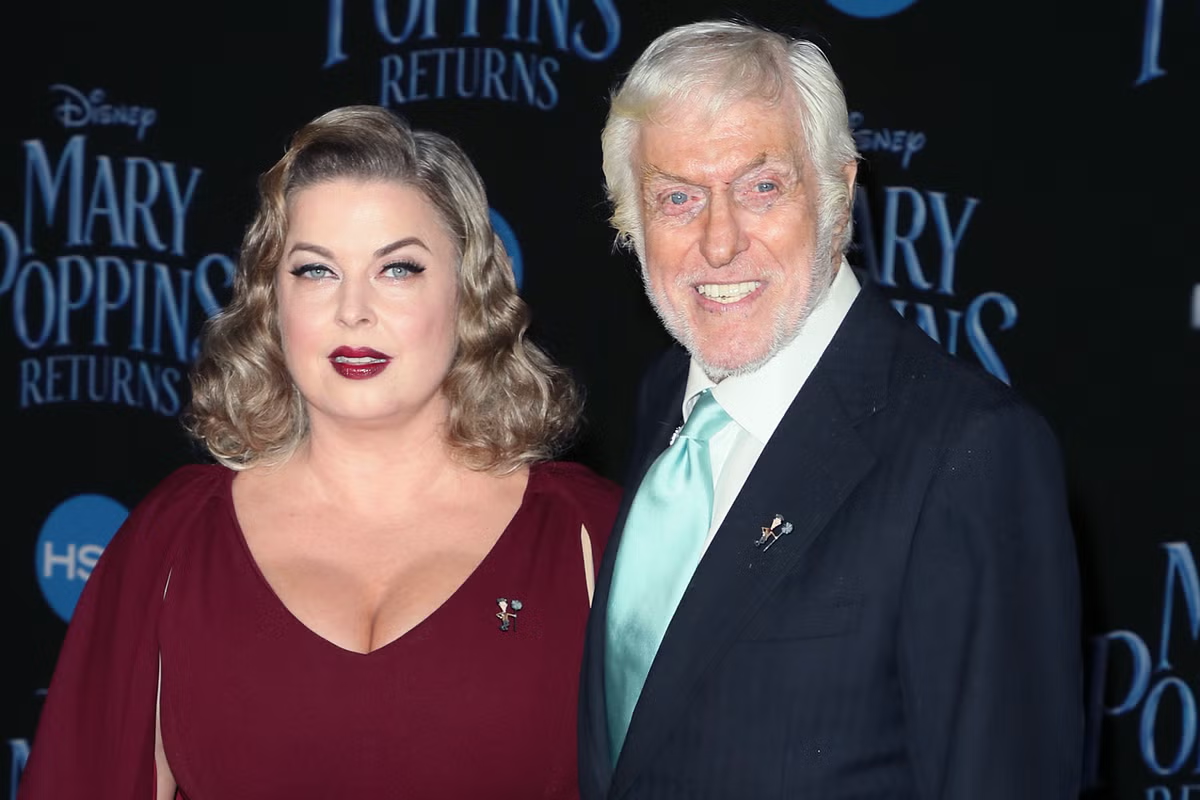
Arlene Silver has claimed that someone is stalking her around Malibu, where she lives with her husband, Dick Van Dyke.
The 54-year-old makeup artist expressed her safety concerns in an Instagram livestream Tuesday, noting that she didn’t go to her usual yoga class that day.
“There’s someone kind of stalking me around Malibu. I don’t feel comfortable even going out,” she told her followers.
Silver explained that the male stalker, whom she didn’t identify, has been “hanging around all the Dick Van Dyke stuff,” referring to her husband’s recent interviews about his new documentary, Dick Van Dyke 100th Celebration.
While Silver noted that she “said something” to the stalker — who has apparently been following her for a couple of months — she offered few details about the encounter, explaining that she didn’t want to “give him any attention.”
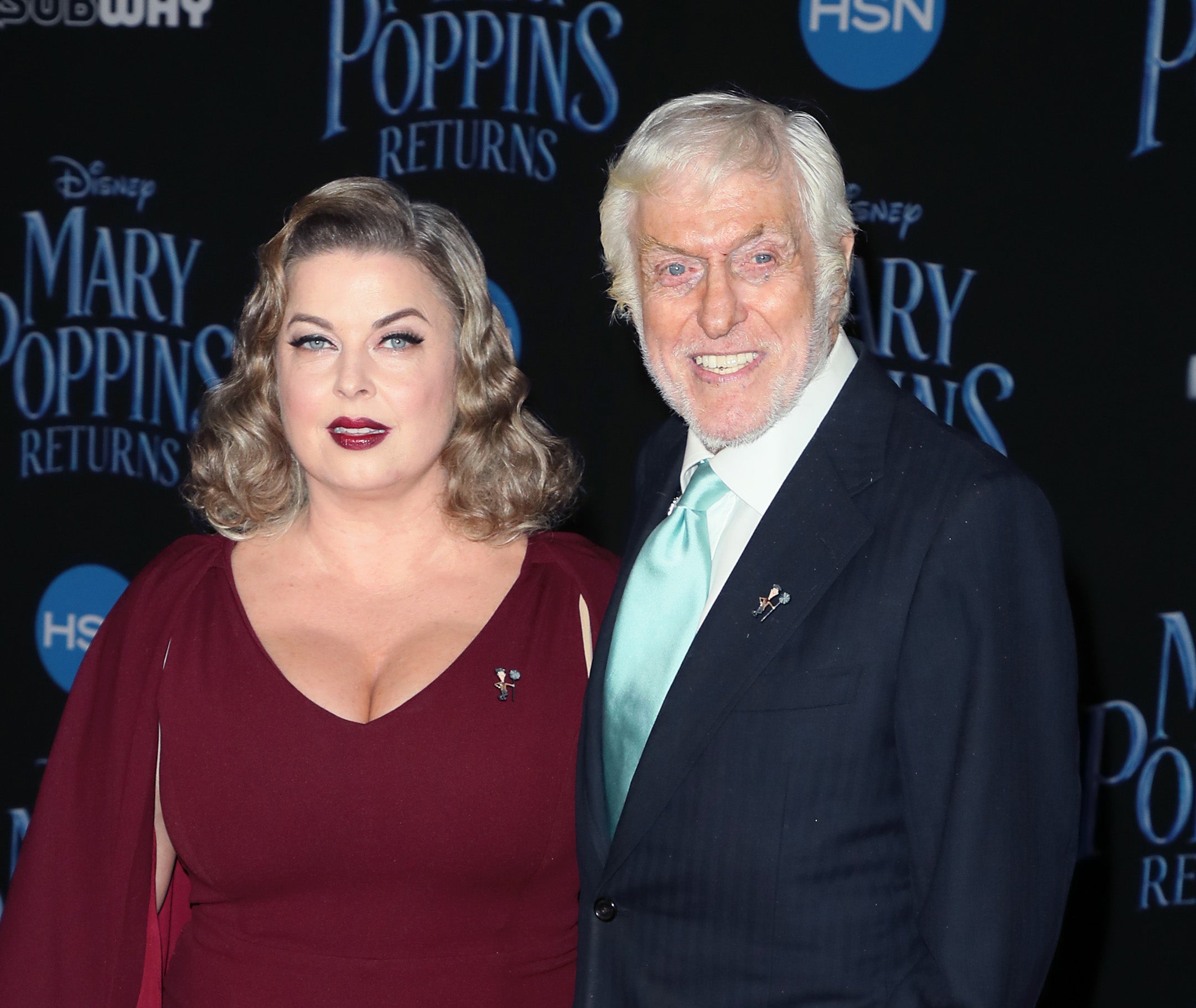 Dick Van Dyke’s wife Arlene Silver says there’s someone stalking her in Malibu (Getty Images)
She added: “Hopefully, he will go away, or else I’m gonna have to have a bodyguard escort me to my yoga class. Like, really?”
She also noted that her husband wanted to step in to protect her, explaining: “Dick was like, ‘I’m going to go there with you.’ And that’s probably what [the stalker] wants to start with, so I don’t think that’s going to help.”
However, later in the video, she said that when she recently confronted the stalker, he told her he was “just saying hi” to her, to which she responded: “No, you’re not. Beat it.”
“I think I am going to tell the police, because the police are across the street from my yoga,” she continued. “I’m going to stay in my gated community until I figure out how to handle this. He’s a creep and he’s doing things that are very weird. This behavior is very disturbing. I don’t feel comfortable about it. Neither does Dick.”
She said the situation is especially difficult because the yoga class is the only time she has to herself, away from her husband, who just turned 100.
“My yoga class is the one hour I leave Dick,” she added. “I don’t have anybody here. I live in Malibu. It’s an isolated place. I’m with Dick by myself a lot. I’m his sole caretaker. This is one hour I go do the yoga and there’s someone at the house [with Dick].”
The couple first crossed paths at the 2006 Screen Actors Guild Awards, where Silver was working and Van Dyke appeared during the ceremony. Despite their 46-year age gap — he was 81 and she was 35 — they didn’t begin a relationship until after Van Dyke’s longtime partner, Michelle Triola Marvin, died of lung cancer in 2009.
The Mary Poppins star celebrated his 100th birthday on December 13 with his family and friends during a party at their home in Malibu. The occasion also featured Silver leading a flash mob dancing to a medley of Van Dyke’s songs.
“It went so perfect — just everything,” she told People. “And he was so happy. His face, I love to make him have that face.”
However, Silver later acknowledged that she had complicated feelings about the celebratory weekend, after director Rob Reiner and his wife Michele were found dead in their home in Los Angeles Sunday.
“Such a weird, wonderful, awful weekend,” Silver said in an Instagram live Monday. “I can’t not talk about this horrible thing. Dick’s birthday was so amazing, over-the-top beautiful. I was relieved and happy and all that, and then this happened yesterday.”
LIFESTYLE
#BN2025Epilogues: Toyosi Onikosi Moved to Egypt in 2025 and Experienced a Thousand Little Miracles There

2025 began with one deliberate, hopeful decision: I had just graduated from Oxford the month before and chose—at my own urging—to take a secondment in Egypt. As part of a scholarship package I received at Oxford, the university was sponsoring me to any country I wanted to work, and sent me over in the first week of January, following my choice for the prestigious development finance bank in Cairo. At first, everything felt new and strange. I’d lived my whole life in countries with more liberal cultures, so working and settling into Egyptian routines took real adjustment. Some days, it was isolating, but the warmth of Cairo’s people made a difference.
My Uber drivers always asked where I was from, and one had even compared me to a goddess and asked if he could kiss my hands just before I alighted. Another time, a kid stared at me so hard that her mother encouraged her to come shake my hand. Unfortunately, I couldn’t understand a word of what she said, but I love kids and was really pleased to hug her. I blushed through my brown skin at some of these humbling experiences. Colleagues took genuine pride in teaching me Arabic, always amused and encouraging when I made progress. There were also some funny events, like a pharmacist who was concerned that my skin was dark and, in a very sincere and concerned manner, offered me skin-lightening products.
My assignment in Egypt was supposed to last six months, but fate had bigger plans. Just as I was preparing to head back to the UK, I was offered something transformative: a new, first-ever, history-making-type job. The timing felt miraculous, and the opportunity was more than I’d ever pictured for myself. Leaping to a semi-permanent life in Egypt was daunting, especially with rumours and accusations swirling about how I’d landed the job. I learned quickly that, even in proud moments, you sometimes have to withstand scepticism and just keep doing good work.
One thing I’ll always treasure, though, is the recognition I received for my work. The genuine commendations from colleagues and seniors gave me a new confidence that I had seemingly lost in the previous years. Also, for the first time, I really leaned into my femininity without apology. I started wearing bolder jewellery, experimented with makeup, accumulated way too many scents and perfumes and discovered a love for unapologetically high heels. Some days, I felt like I was strutting through the office and Cairo’s streets like Naomi Campbell herself. My colleagues even gave me an endearing nickname—ma poupée—which I learned means “my doll,” in French, because apparently, there was something pretty and doll-like about my style and presence. Those moments of affirmation made me stand taller, literally and figuratively.
This year, I pushed myself to learn new languages and habits, French and Egyptian Arabic in particular. I got so engrossed in languages that every new country I found myself and in conversations with friends and family, I was unconsciously switching between languages. I finally published my second children’s book, What Happens When I Read, which I dedicated to my unborn child(ren). Two years of work brought me thoughtful reviews and, for a few weeks, the small thrill of seeing it on the Amazon UK bestseller list. Plenty of my laughs this year were solo affairs—at myself, at TV characters, silly memories of various interactions and at the absurdity of it all.
There were setbacks: heartbreaks that left me exhausted (and had me trying a dry fast that nearly knocked me out), crying so hard at home into my friend’s shirt like a baby, letting go of a lot of memories and things I held dear and moments of being so worn down I forgot my own rules. Once, I accidentally broke my fast with my boss watching. I was so flustered that I spat water back out into the cup.
There was also joy. My best friend from Oxford surprised me in Cairo, and together we packed in all the experiences I’d been too tired or too shy to try alone: cruising the Nile, swimming in the Red Sea, taking in concerts and orchestra nights, and finally visiting the pyramids after months of calling Egypt home. I joined another Asian friend for an epic trip to Siwa Oasis (on the Libyan border), swimming in the salty oasis where the clear instructions were to not let the water touch your mouth, eyes or ears, sandboarding, burnfire and a late night dinner in the desert, giving out a lot of my candy to the village kids, antique shopping, being buried in salt as a relaxation technique, and a handful of close calls (including nearly drowning in said oasis so salty, I was just supposed to float). We also slept in fancy mud houses and wandered ancient ruins together. Moreso, I clocked 1000 days on my YouVersion Bible app streak!
By better judgment, I passed on creating highlight reels from my travels—living simply, working hard, and dancing when the mood struck (even joining Simi on stage once at a party in the Caribbean and gifting little Deja a signed copy of my book). Travelling as a Nigerian passport holder meant constant hurdles, even with diplomatic status. At a South African airport, even with a business class ticket, I was refused checking in and boarding until higher powers intervened, because the airline staff didn’t trust my diplomatic visa.
I also collected a whole lot of local currencies as mementoes of where I’d been, a new hobby I am really loving.
I met people from every imaginable background, tasted foods I’d never tried before, and tried (often in vain) to explain Nigerian banter and humour. Sometimes, it missed the mark, but it added new layers to how I move through the world. I watched my brother propose to one of the most remarkable women I’ve ever met, and friends take their own leaps into marriage, while I turned down proposals because I just didn’t feel ready. Interestingly, at work, I was accused =of not being Nigerian enough, even by Nigerians, and accused of sounding too Nigerian when I decided to deepen the accent and be a bit more boisterous.
Contacting a serious illness forced me to rethink everything, very unhappily adopting a restrictive gluten and lactose-free, low FODMAP diet (often checking ingredients in every edible thing before consuming), to how I handled daily routines. Green tea, green juice, and home-cooked food became my staples. I prayed a lot more (in the bathroom, in taxis, on the treadmill, in-flight, even while swimming). I offered encouragement to younger people, and received a lot of good news and unexpected, heartfelt feedback.
Somewhere along the way, I also became disenchanted with many people and things I’d once admired. Maybe it was the hard lessons, or maybe it was just growing up, but the year forced me to reconsider what truly mattered—and who I wanted close. So, I said goodbye to some friendships, learned to do more alone, and drifted toward simplicity with disposable plates and utensils to save my time and engage in more meaningful activities like reading philosophical books, crocheting and journaling.
Creativity flourished in 2025. I started sharing my writing in new ways and published two new short stories on BellaNaija, created a pseudonymous character (Yara) out of a short-lived misbegotten romance, and even managed runner-up in a top UK flash fiction contest, which came with a publication and prize money. Sleep became elusive, but prescribed remedies and a faith-based psychiatrist helped me through many restless nights.
In the end, all my plans unravelled in unpredictable ways. What kept me grounded was really praying so much, letting go, leaning into trust, dancing a lot and treating each moment as part of a much bigger, unfinished puzzle. I’m not sure I’d do it any other way.

Stay ahead of the curve with our weekly guide to the latest trends, fashion, relationships and more
Stay ahead of the curve with our weekly guide to the latest trends, fashion, relationships and more
Stay ahead of the curve with our weekly guide to the latest trends, fashion, relationships and more
Angelina Jolie has revealed her double mastectomy scars for the first time more than a decade after her surgery.
The Oscar-winning actor, 50, posed for a photoshoot with Time France to raise breast cancer awareness and to honor survivors of the deadly disease. Jolie showed her bare chest on the cover, revealing the mark from when she went under the knife in 2013.
“I share these scars with many women I love,” Jolie told the outlet in an interview published Monday. “I’m always moved when I see other women share theirs.”
The Lara Croft: Tomb Raider actor continued, “I wanted to join them, knowing that TIME France would be sharing information about breast health, prevention and knowledge about breast cancer.”
Jolie underwent the surgery to remove both of her breasts following the death of her mother, Marcheline Bertrand, from breast and ovarian cancer in 2007. The actor then tested positive for a mutation in the BRCA1 gene, which meant her chances of getting breast and ovarian cancers were significantly higher.

open image in gallery
Angelina Jolie had a double mastectomy in 2013 (Getty Images)
open image in gallery
Angelina Jolie revealed her double mastectomy scars for the first time on the cover of ‘Time France’ (Nathaniel Goldberg/H&K for Time France)
Two years after her double mastectomy and reconstruction surgery, the Maleficent star also removed her ovaries and fallopian tubes as a preventative measure.
Her decision went on to massively raise awareness for breast cancer in what was called the Angelina Jolie effect: an immediate uptick in screenings and more women seeking to understand their options for breast reconstruction.
“Every woman should always be able to determine her own healthcare journey and have the information she needs to make informed choices,” Jolie told Time France. She covered the magazine while promoting Alice Winocour’s film Coutures, out in February, where she plays a filmmaker who is diagnosed with breast cancer.
“Genetic testing and screening should be accessible and affordable for women with clear risk factors or a significant family history,” she added.

open image in gallery
Jolie wrote that she told her six children ‘that they don’t need to fear they will lose me to breast cancer’ (Tim P. Whitby/Getty Images)
Jolie wrote about her decision to have the surgery in a piece for The New York Times at the time of her procedure. The mom-of-six explained she had initially been given an estimated 87 percent risk of breast cancer and 50 percent risk of ovarian cancer.
“My chances of developing breast cancer have dropped from 87 percent to under five percent. I can tell my children that they don’t need to fear they will lose me to breast cancer,” she wrote.
“I went through what I imagine thousands of other women have felt. I told myself to stay calm, to be strong, and that I had no reason to think I wouldn’t live to see my children grow up and to meet my grandchildren.”
Breast cancer is the most common cancer diagnosed among American women, with about one in eight women being diagnosed in their lifetime.

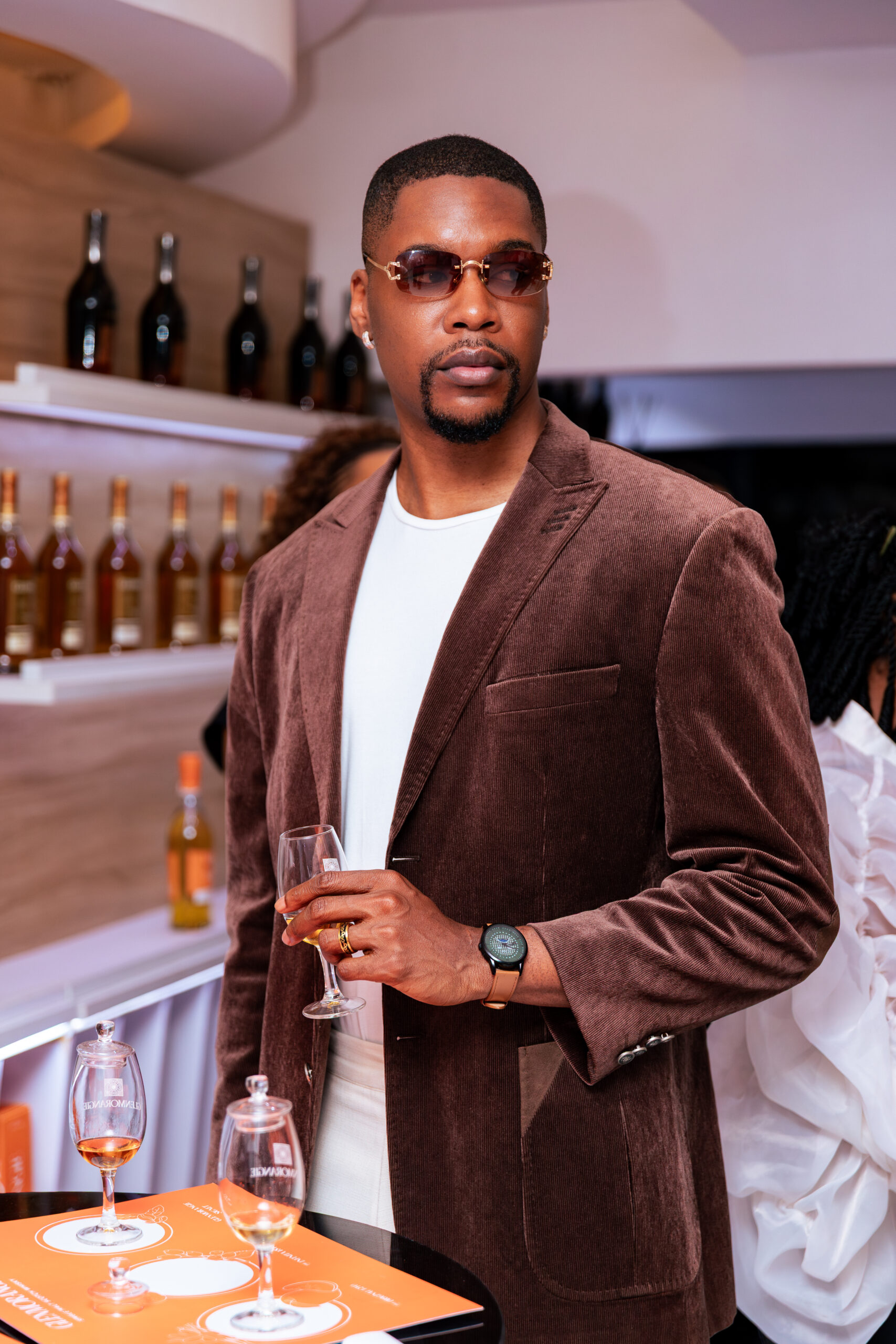
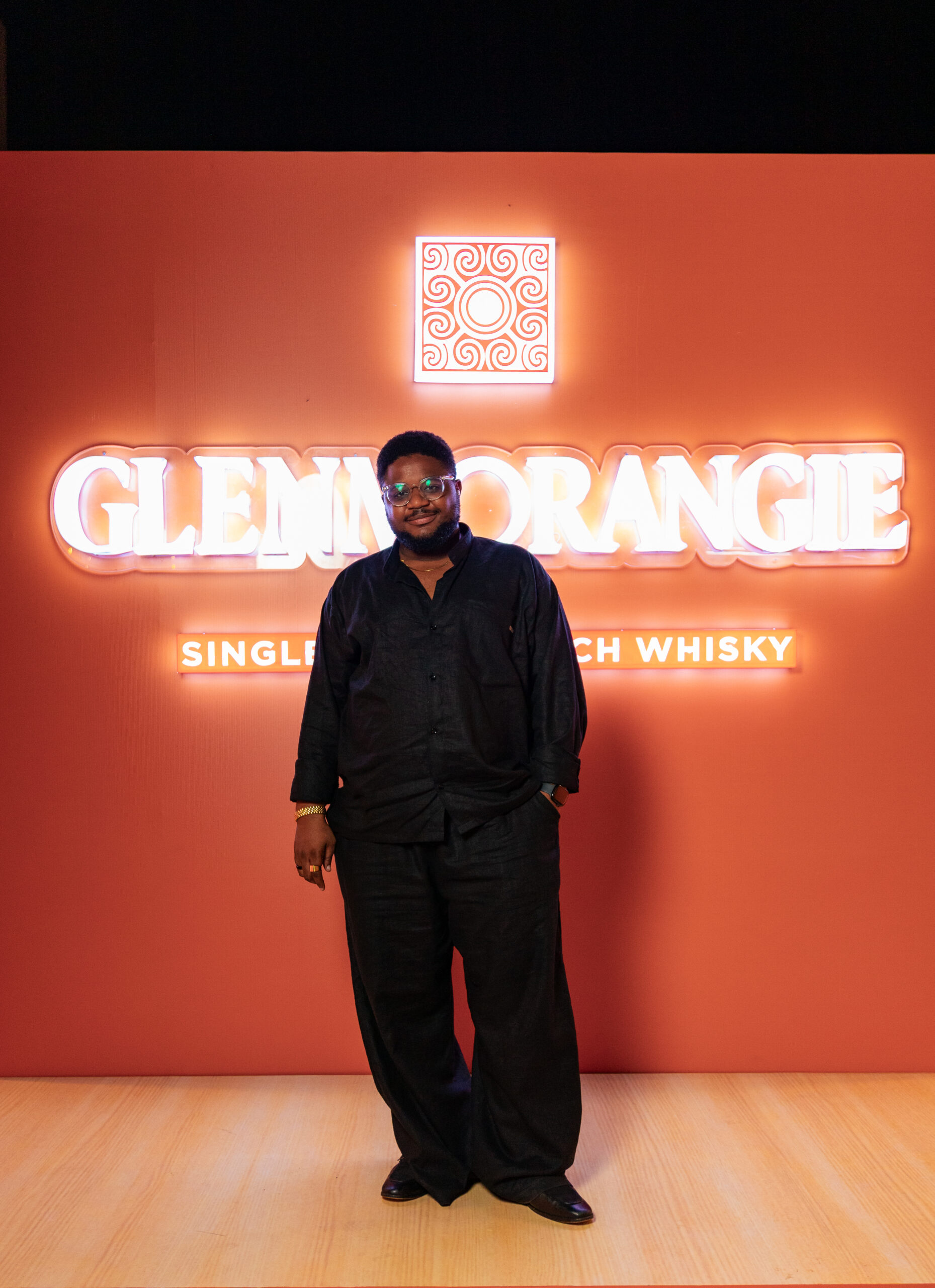
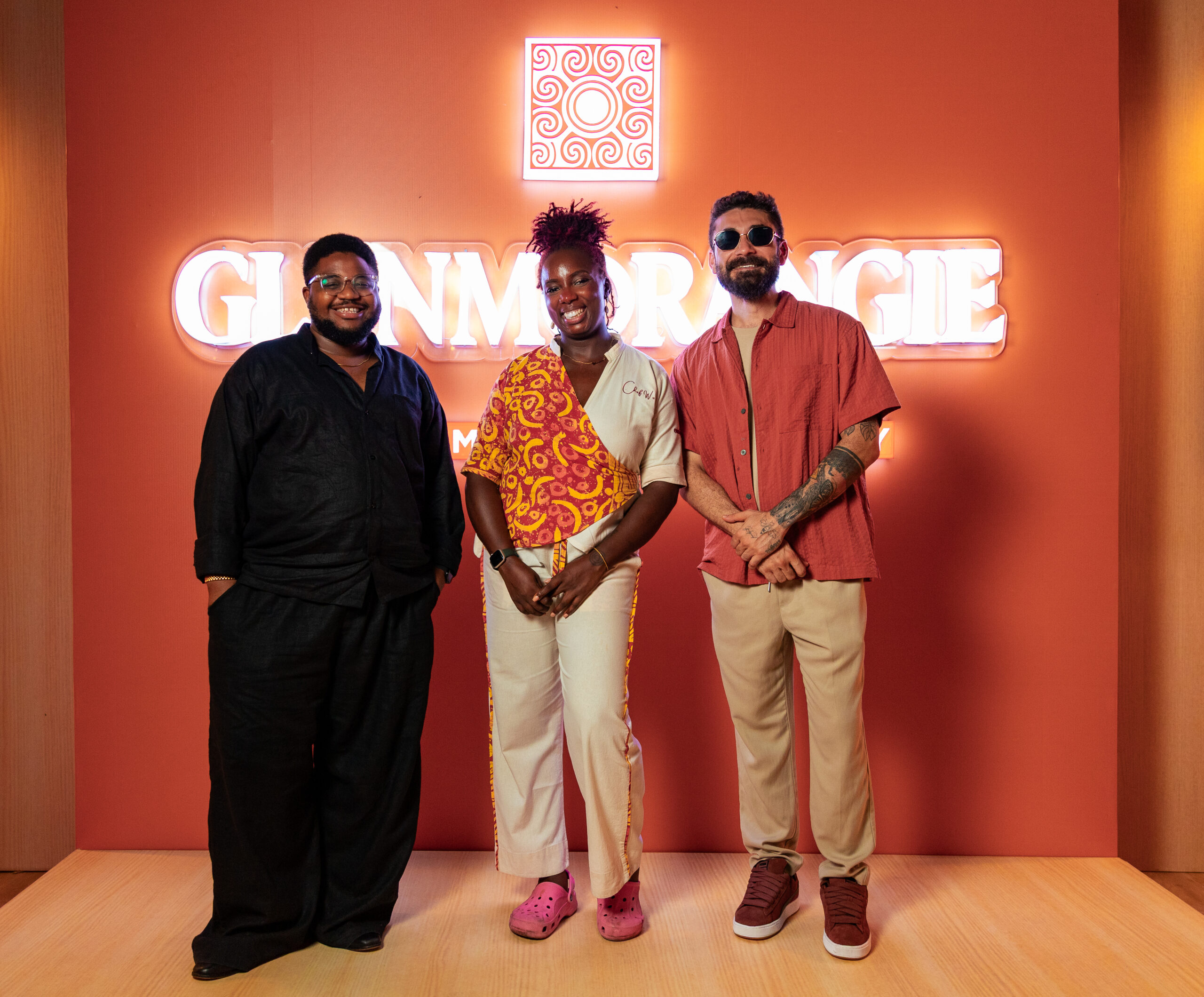
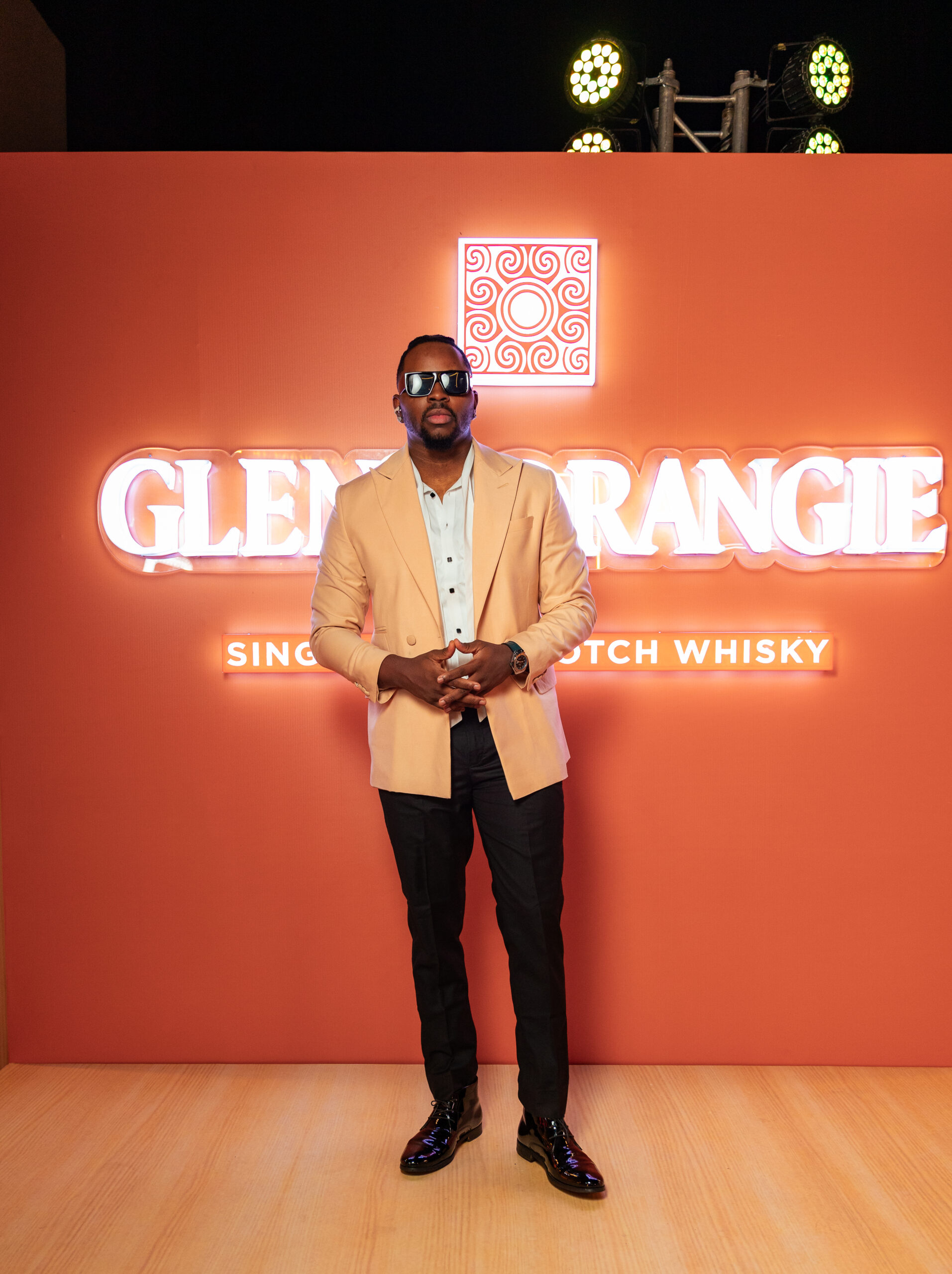
Glenmorangie deepened its engagement with Nigeria’s vibrant whisky community this November, hosting a series of expert-led experiences that blended education, artistry and the spirit of conviviality. From November 24th to 26th, the brand welcomed industry partners, trade professionals and friends of the house to a curated programme across Lagos.
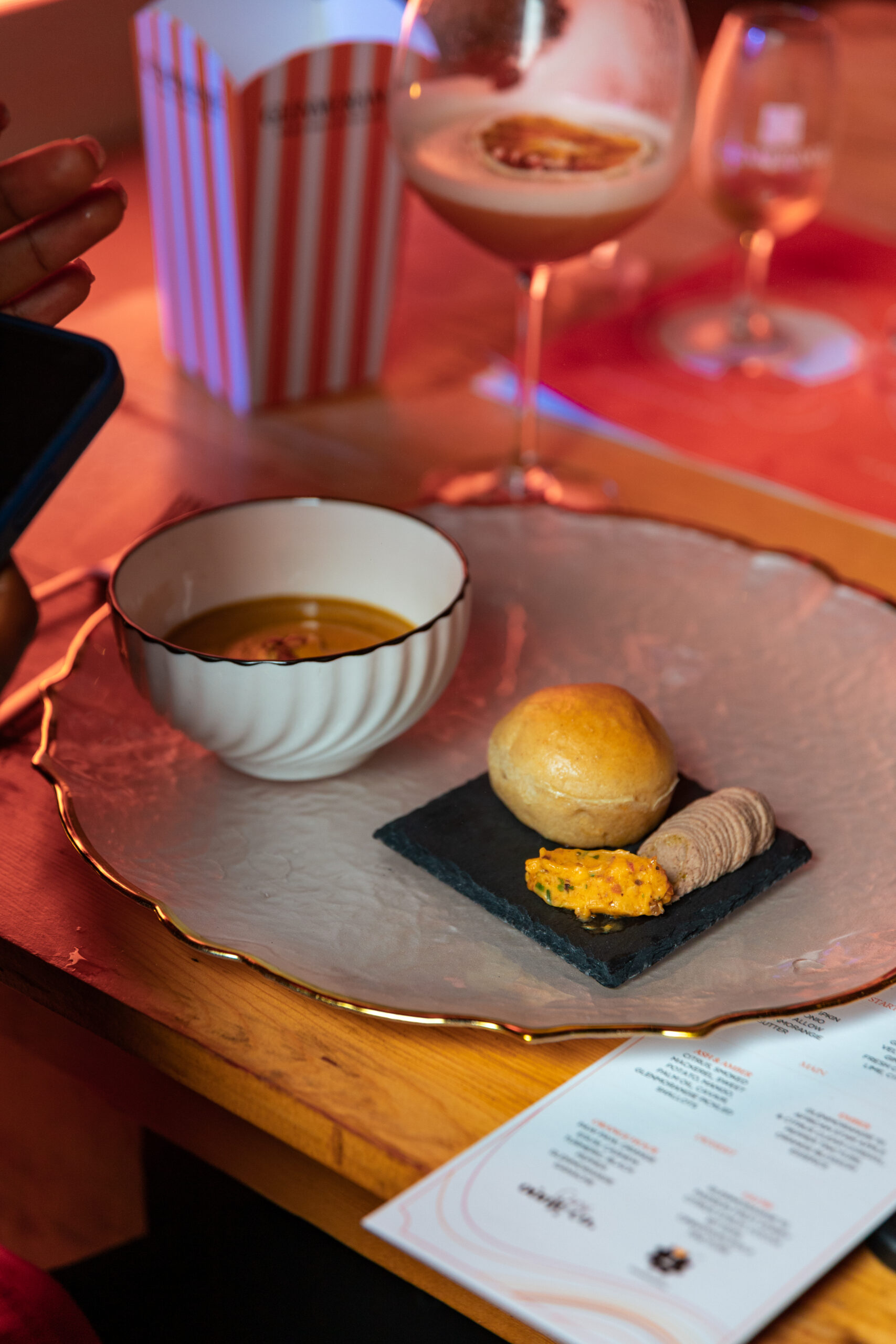
The week’s activities featured the ongoing “Inspired by Orange” digital series, first launched in May with Alex Ash’s evocative photography, alongside a show stopping three-course menu by Chef Wu and bespoke cocktails from mixologist Berg Baboyan. Each element was thoughtfully designed to elevate the Glenmorangie experience for trade partners, influencers and consumers, reinforcing the brand’s footprint in Nigeria’s dynamic market.
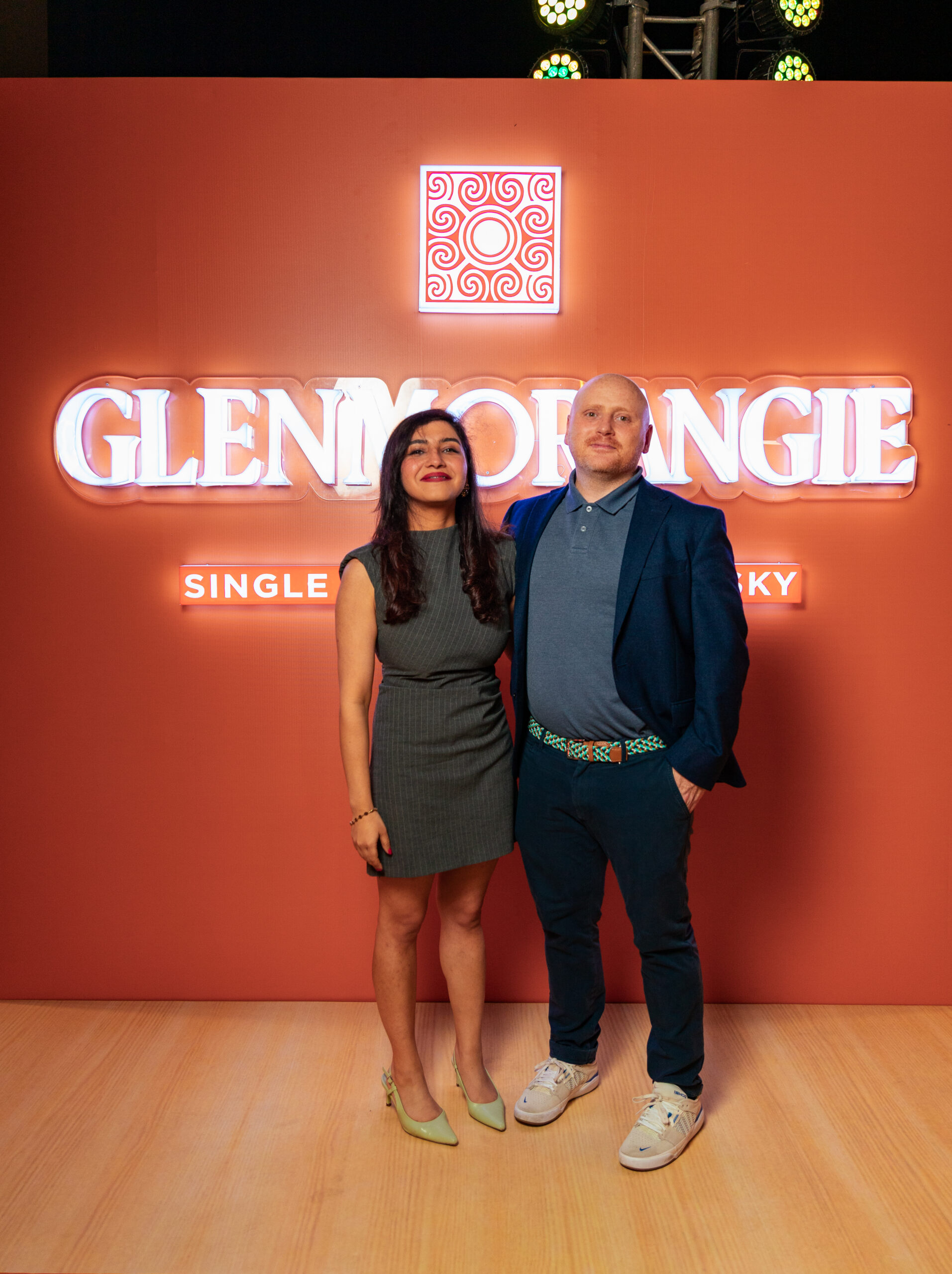
As part of the programme, Glenmorangie’s global team—including Global Brand Development Manager, Kritika Sahni, and Head of Exports, Middle East & Africa, Sean Oliver, joined Moët Hennessy Nigeria’s leadership team, for trade visits to select stores and outlets. These engagements underscored Glenmorangie’s commitment to deepening collaboration with distributors and enhancing its presence on shelves nationwide.
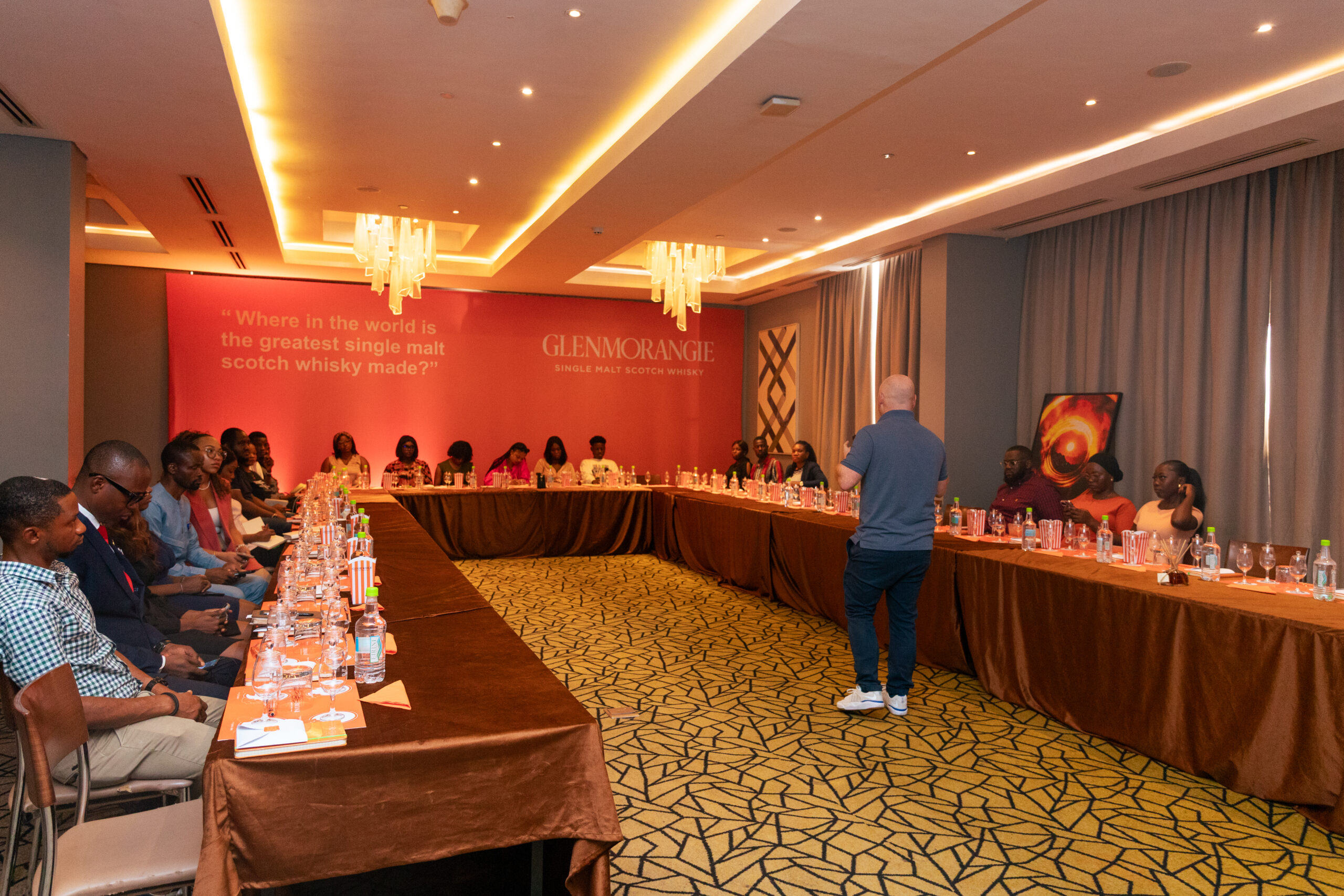
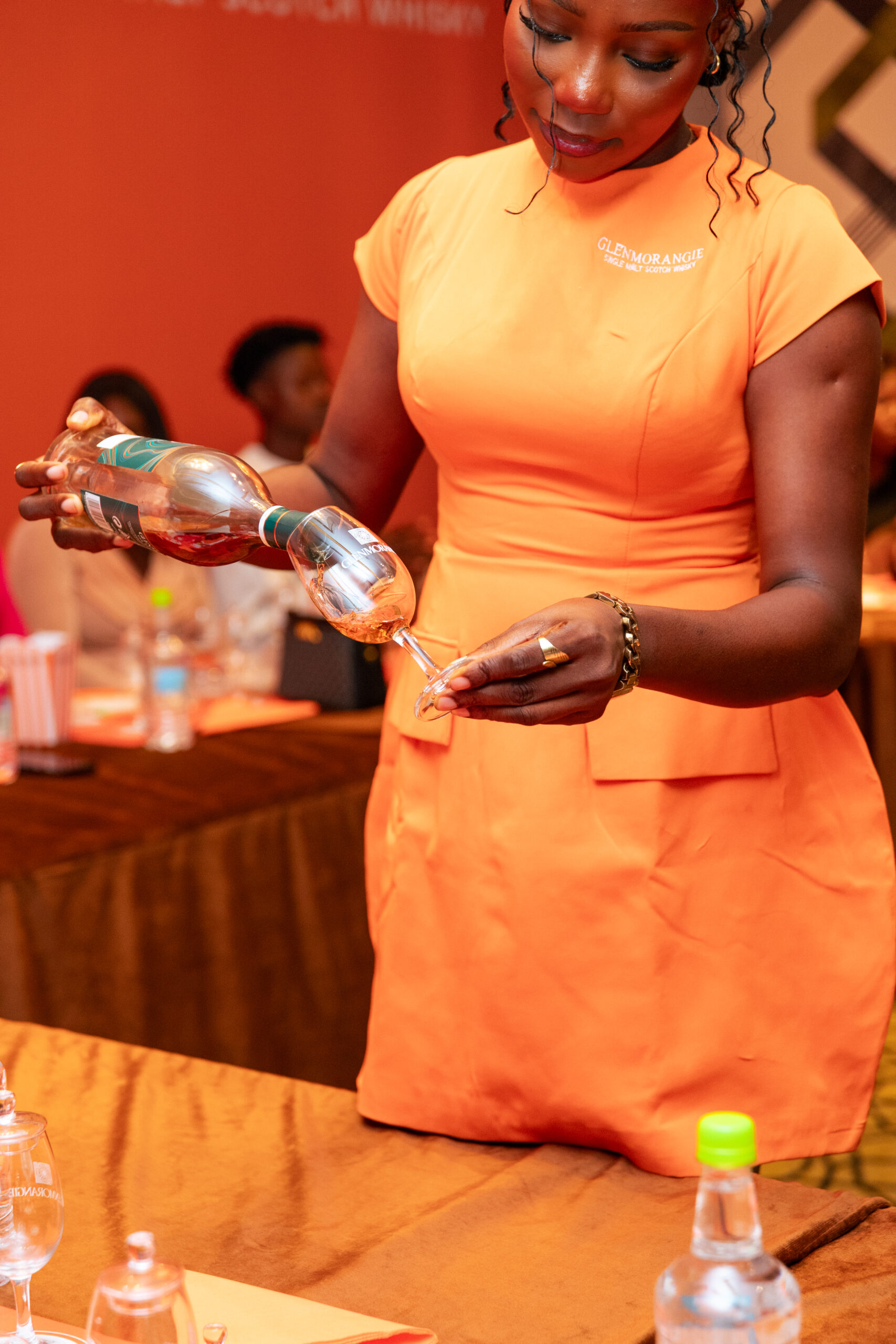
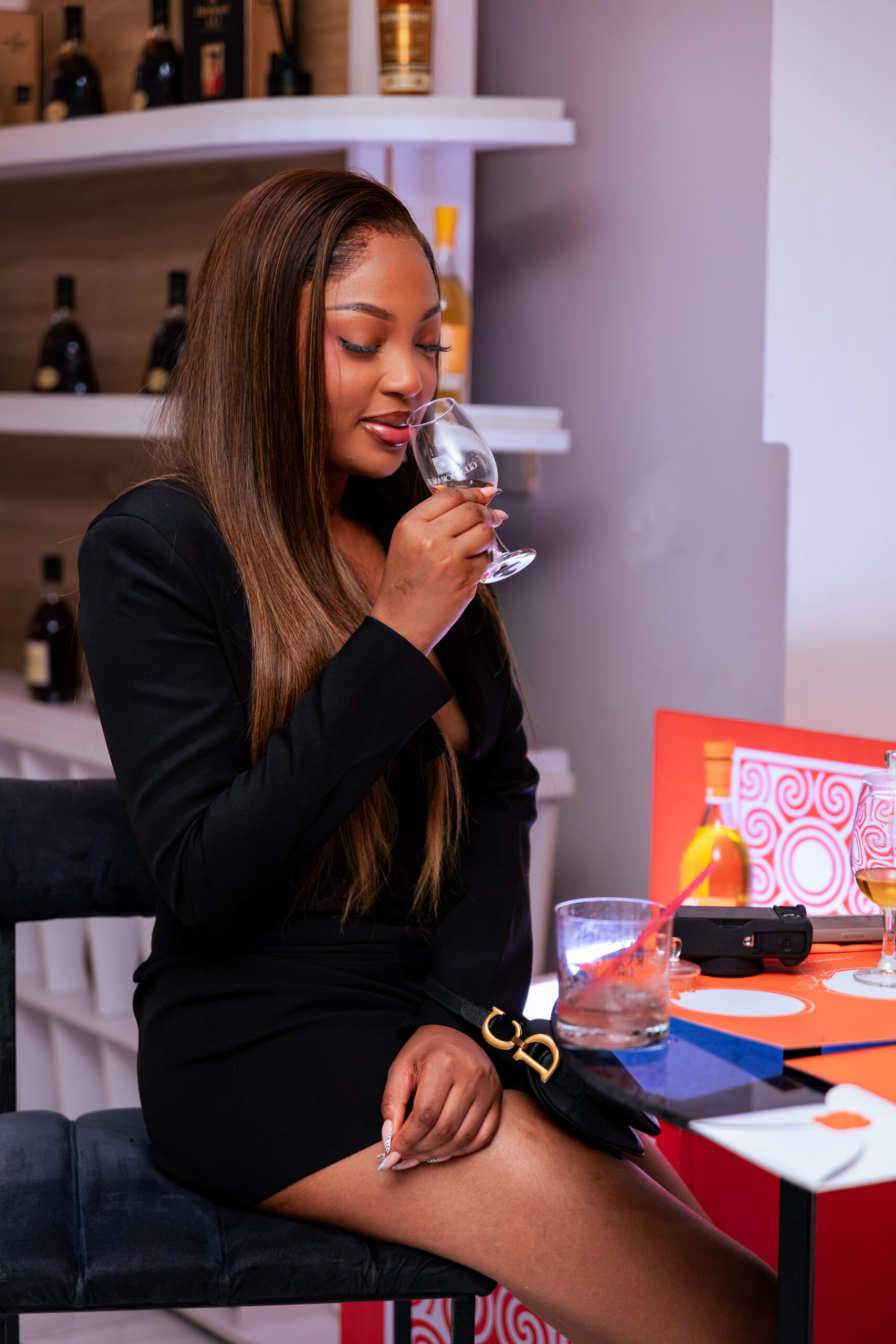
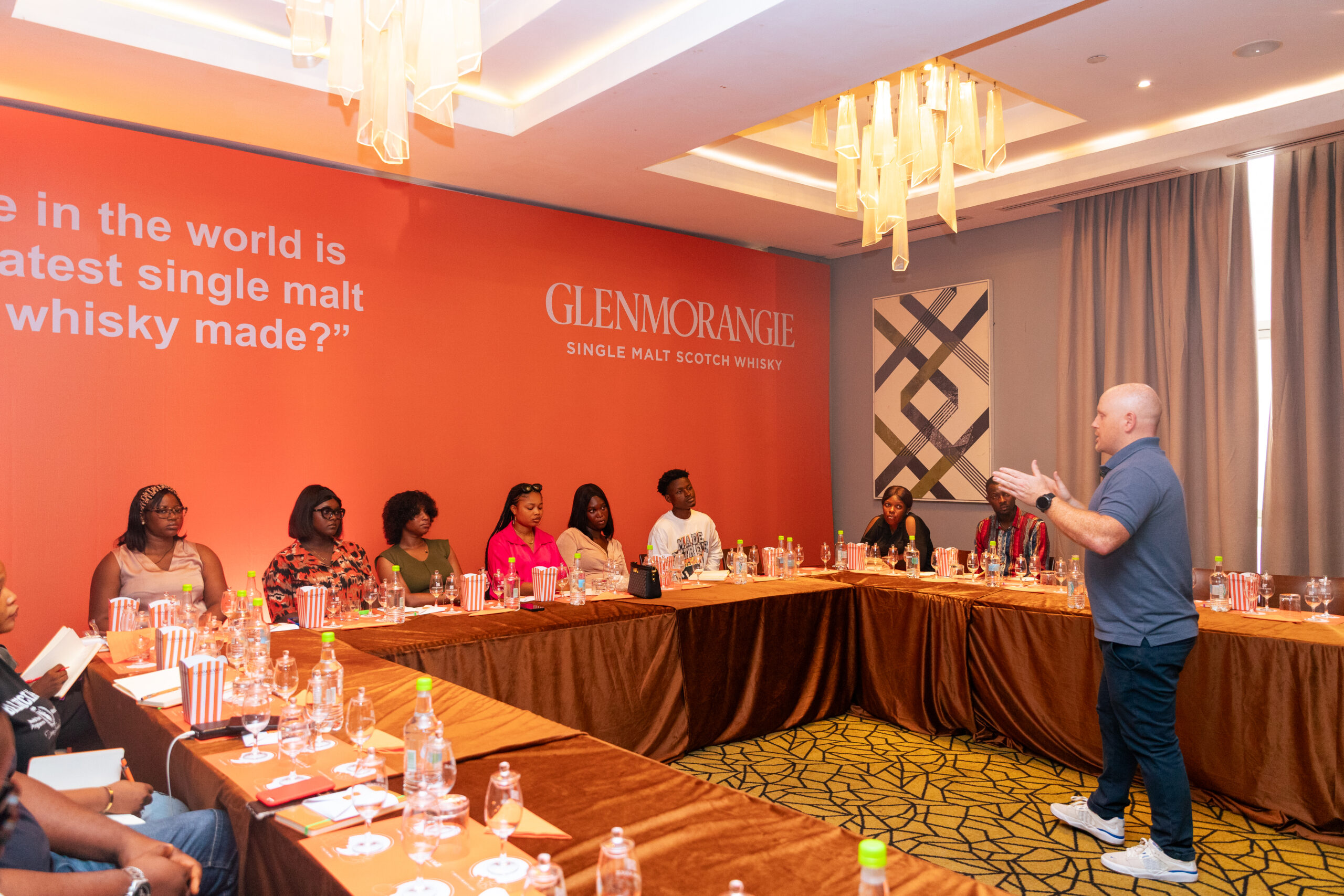
A highlight of the week was the “Train the Trainer” masterclasses at Radisson Blu, Ikeja, and at The Art Hotel, VI, where over 150 bartenders, mixologists and trade partners immersed themselves in Glenmorangie’s heritage, the artistry of whisky-making in Tain, Scotland and the nuanced craftsmanship behind each expression. The session culminated in a guided tasting led by Sean, exploring the aromas, flavours and stories that make Glenmorangie a favourite among Nigerian whisky lovers.
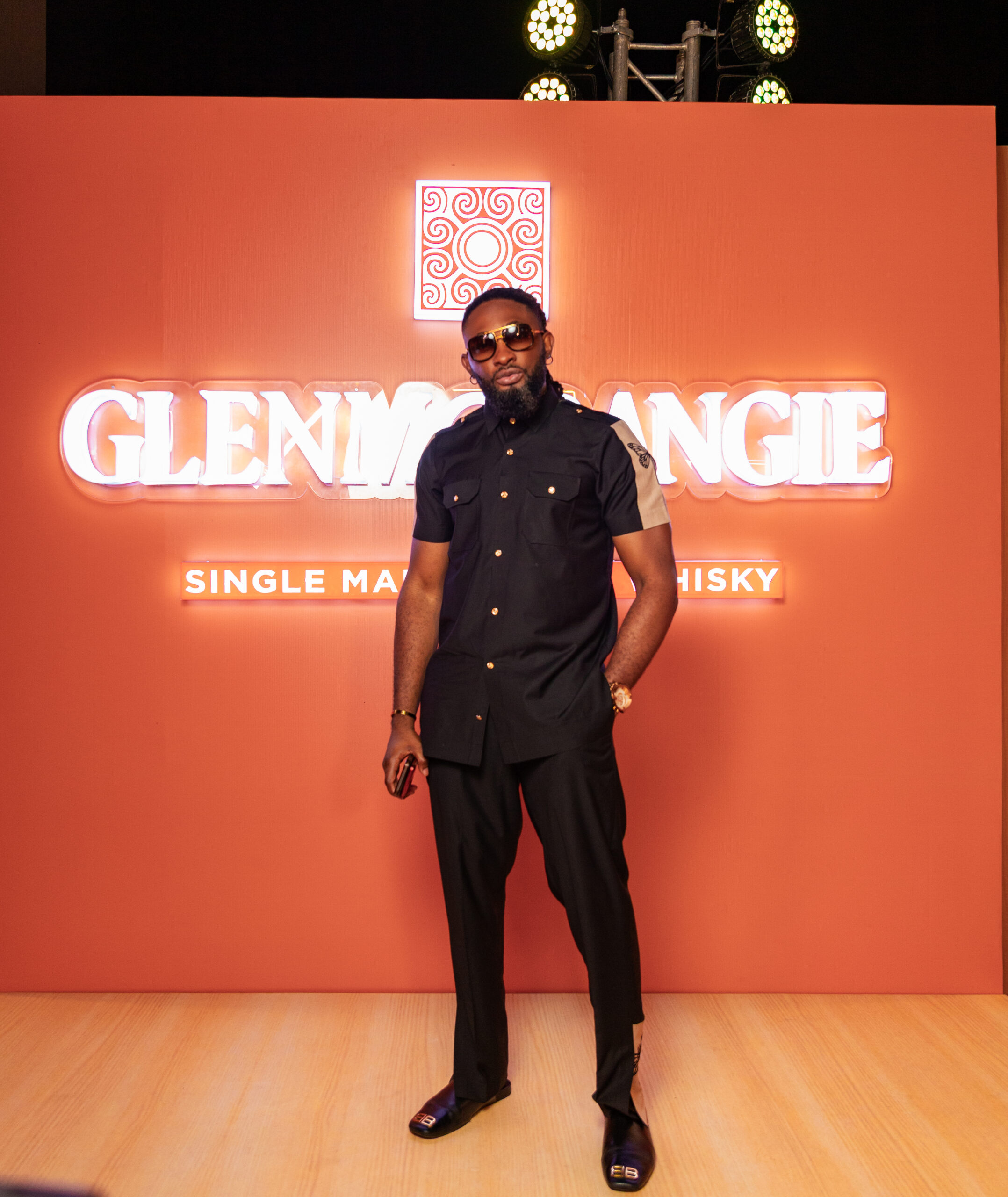
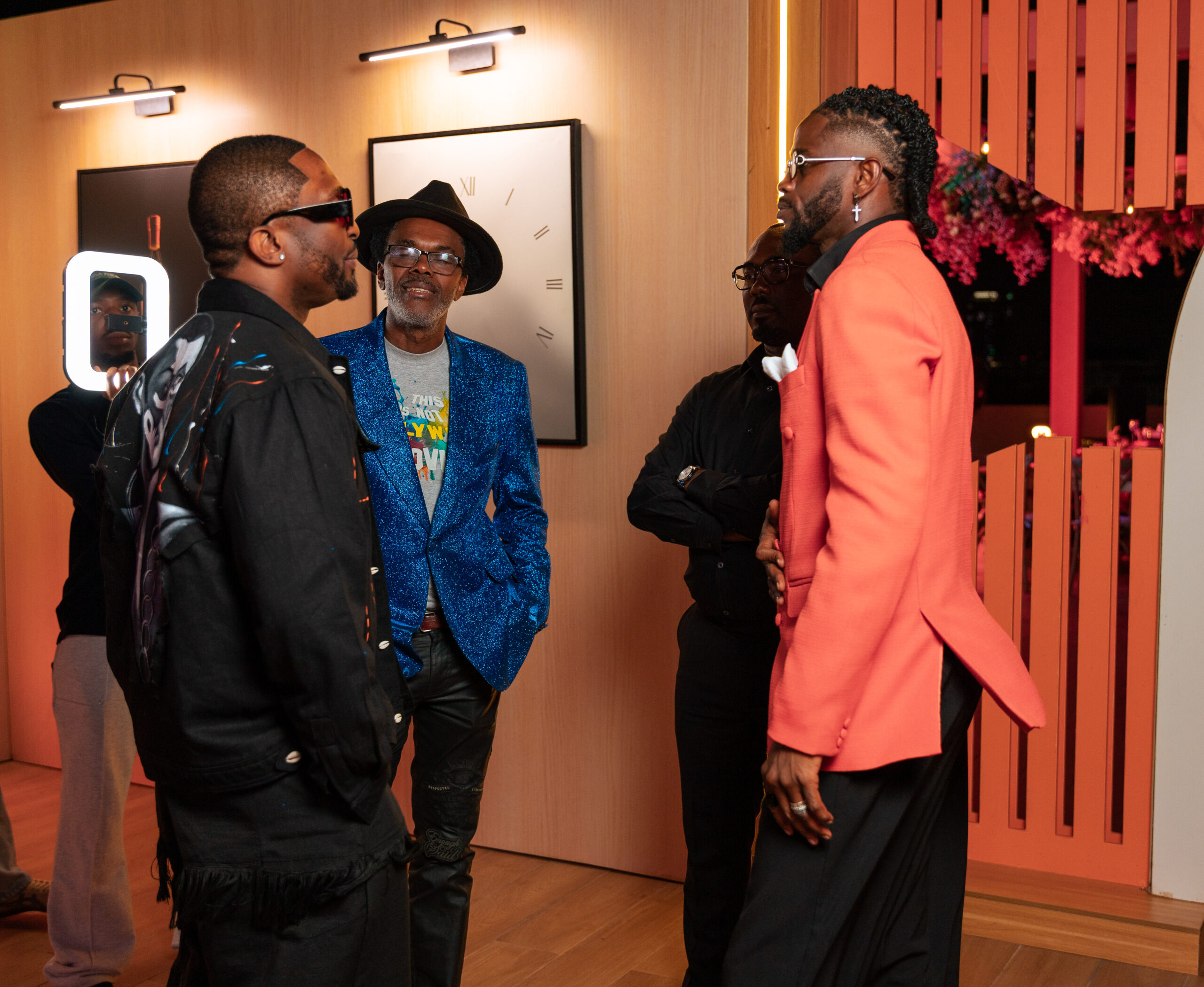
The celebration continued with an exclusive rooftop dinner at the Moët Hennessy Penthouse, Ikoyi. Against the Lagos skyline, industry leaders, influencers and celebrities—including Dare Art Alade, Wale Ojo, Fola Davids and Uti Nwachukwu enjoyed an immersive art exhibition, “The Valley of Tranquility” by Alex Ash, weaving Glenmorangie’s signature orange hue into a visual narrative of harmony.
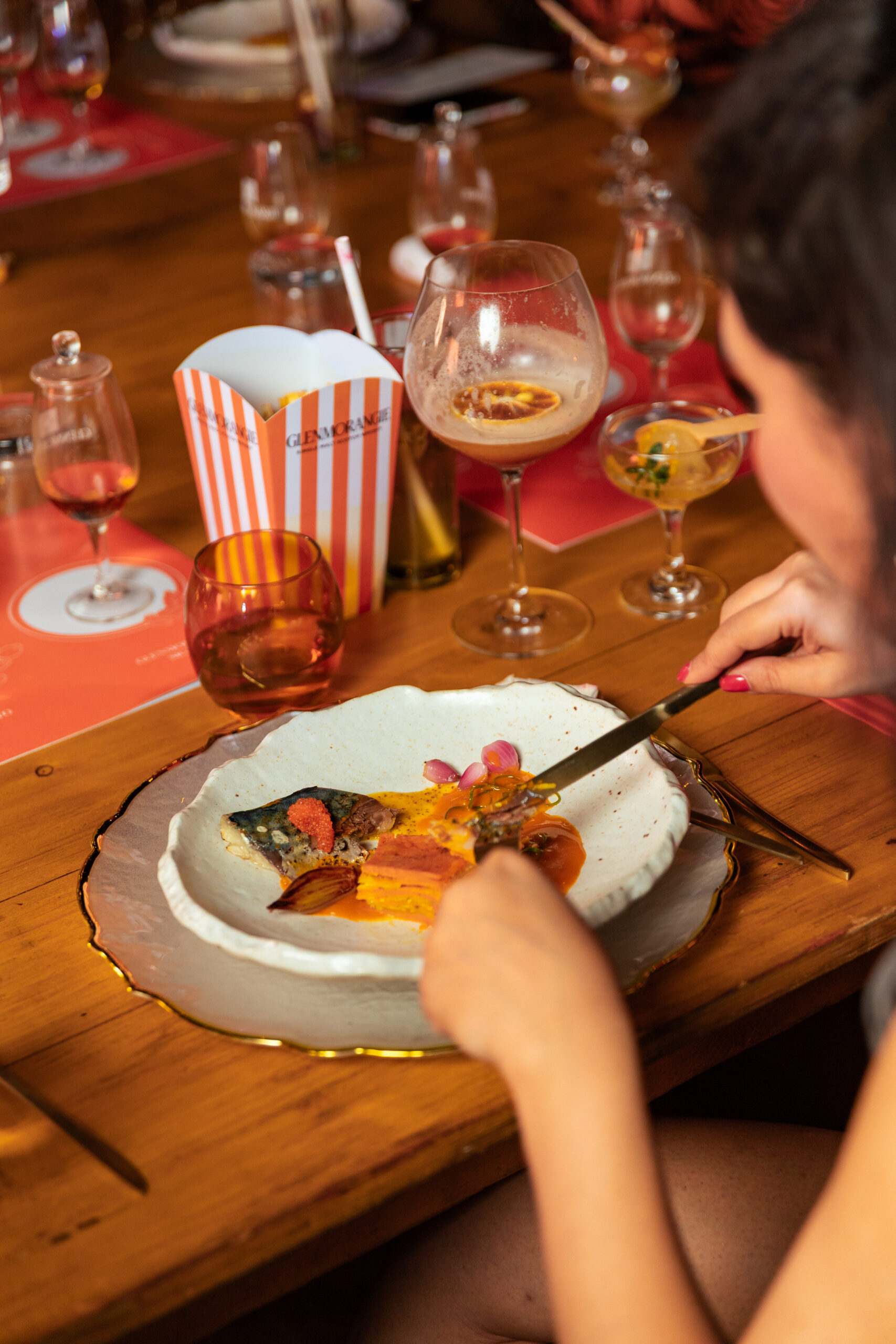
The evening’s culinary journey featured a tasting of Glenmorangie’s distinguished range—The Original 12, Infinita 18 and Signet, expertly paired with Chef Wu’s inventive dishes, each infused with subtle Glenmorangie notes. Berg Baboyan’s cocktails, crafted exclusively with Glenmorangie, elevated each course. Guests began with Sun & Soil and the Spark cocktail, followed by Ash & Amber with Ember, and concluded with Orange Hour paired with Glow.
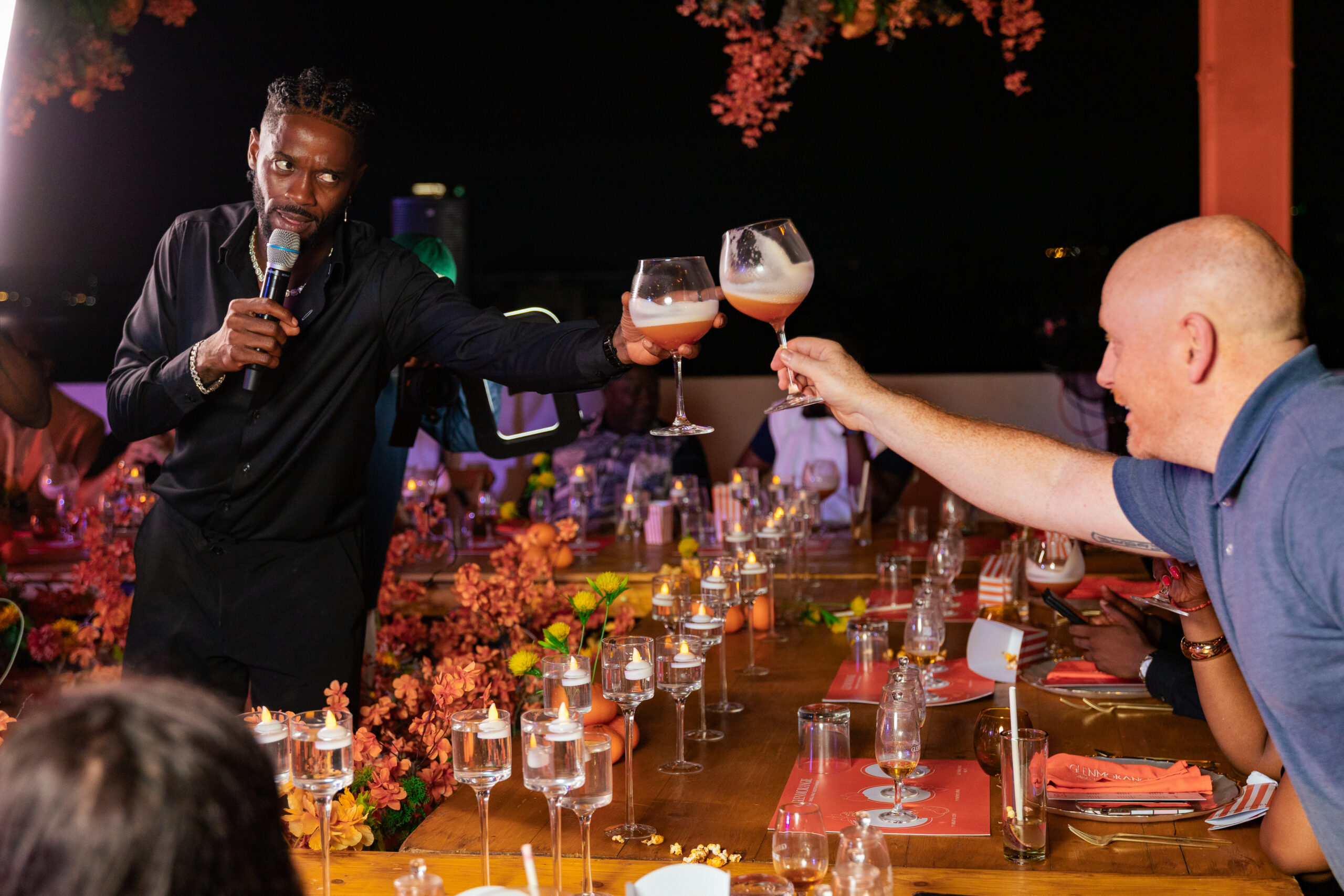
Glenmorangie continued its engagements on day two of the “Train the Trainer” masterclass at The Art Hotel, Victoria Island, centred on whisky education and flavour storytelling.
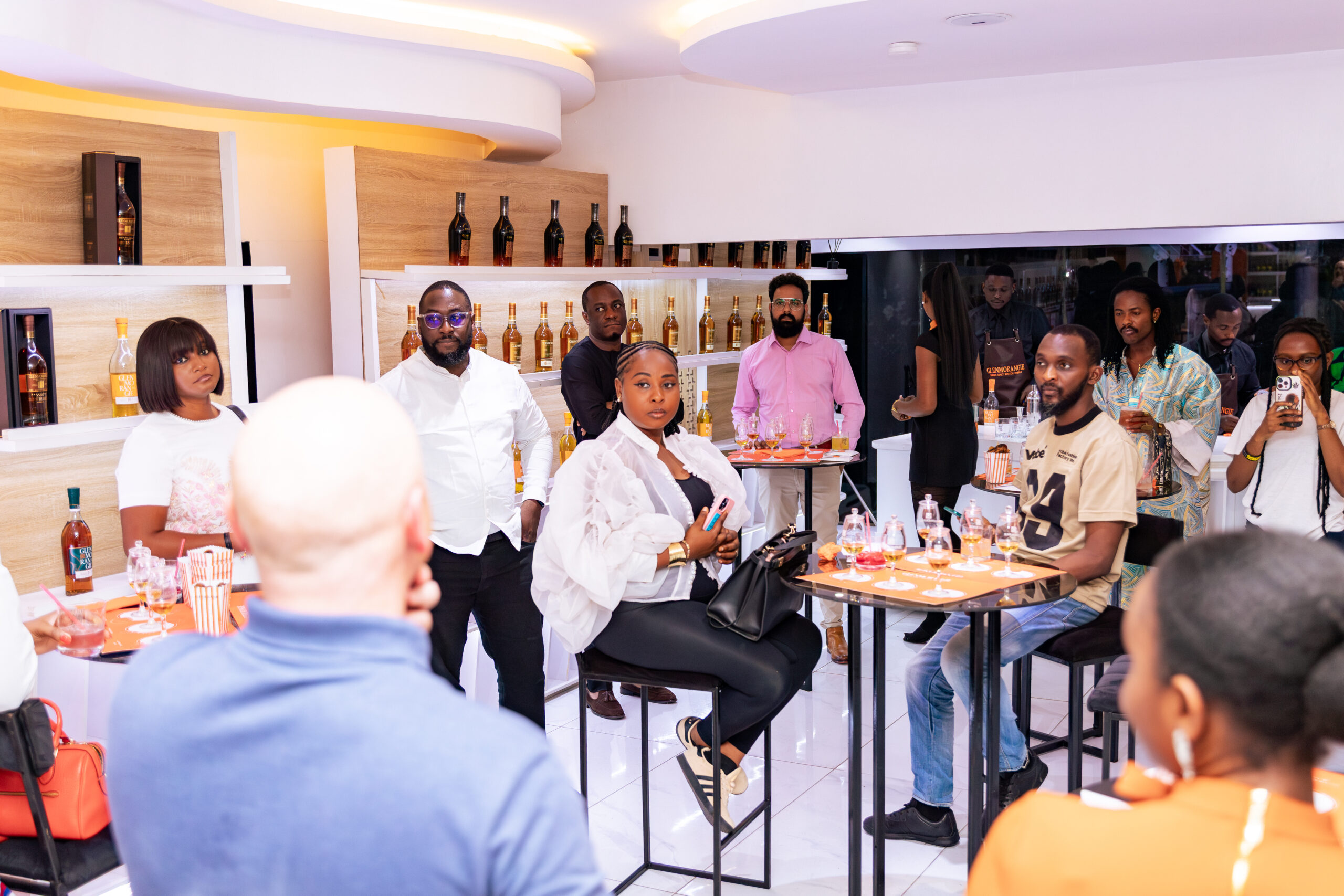
The week concluded with a spirited tasting at Booze NG, uniting trade partners and notable guests, including BBNaija stars Mide Iwasokun, Kolapo Omotoso and Shaun Okojie for an evening of discovery and connection.
Through these immersive experiences, Glenmorangie reaffirmed its dedication to enriching whisky culture in Nigeria, empowering trade professionals, delighting consumers and strengthening its role as a leader in the premium spirits market. As demand for exceptional whisky continues to grow, Glenmorangie invites all to join its journey of flavour, innovation and celebration.
To stay updated on Glenmorangie’s latest releases and events, follow the brand’s digital platforms and step into the world of extraordinary whisky.
Sponsored Content

Sign up to our free Living Well email for advice on living a happier, healthier and longer life
Live your life healthier and happier with our free weekly Living Well newsletter
Live your life healthier and happier with our free weekly Living Well newsletter
Christmas in Australia is a great time to spend enjoying the outdoors, with plenty of good food and drink.
But such a combination contributes to this time of year being the peak season for kidney stones.
But what exactly are kidney stones? Why is this painful kidney condition more common at this time of year? And how can you reduce your risk?
What are kidney stones, actually?
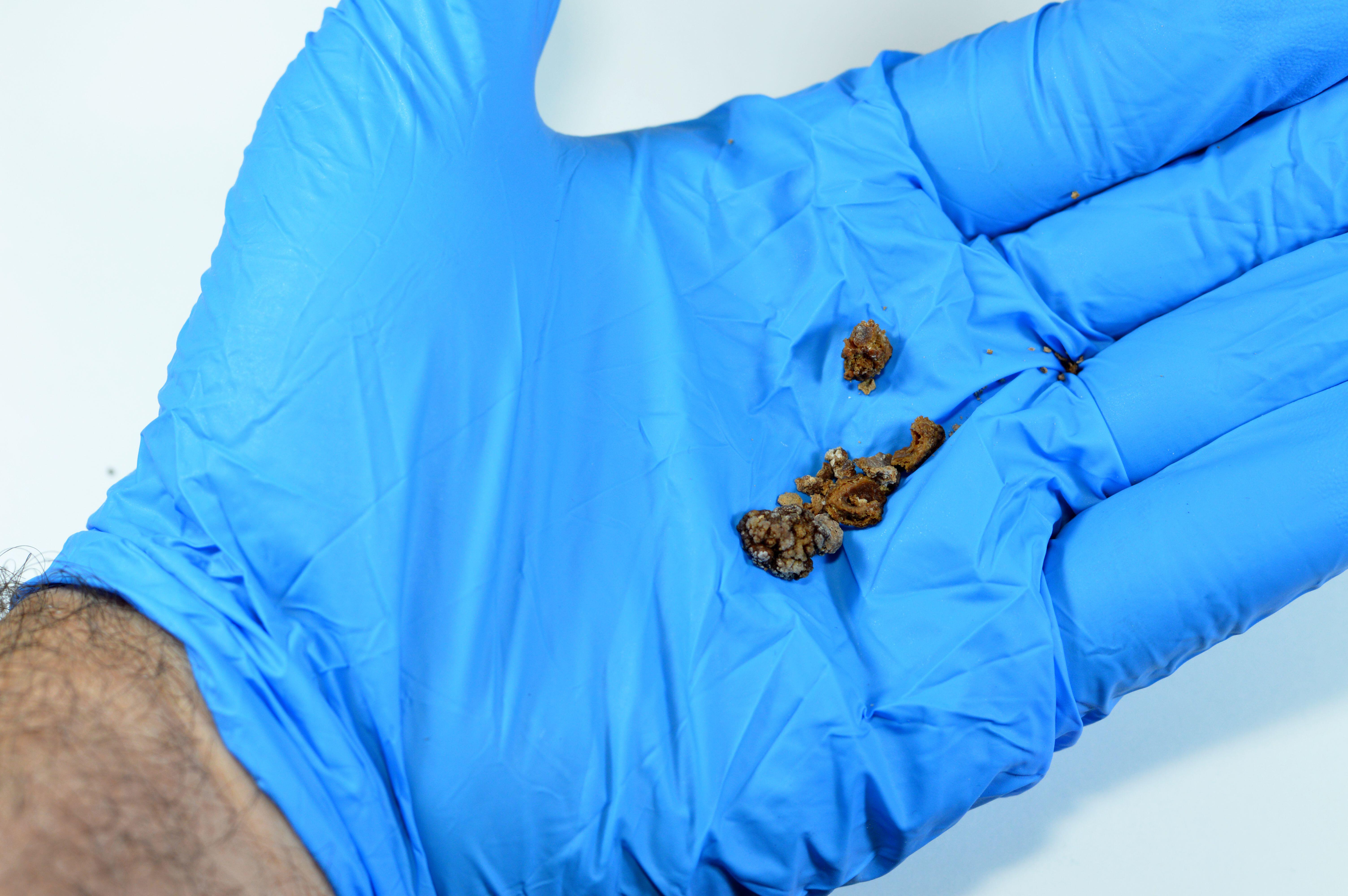
Kidney stones are hard crystals made from minerals – such as calcium and oxalate – in the urine. They form when the urine becomes too concentrated. This allows these minerals to stick together, forming stones.
Stones usually start the size of tiny grains of sand and cause no symptoms. When stones become large enough, however, they can migrate down the ureter (the narrow tube between the kidney and bladder). During this migration, they can block the flow of urine, causing severe pain.
open image in gallery
Kidney stones are hard crystals made from minerals – such as calcium and oxalate – in the urine (Alamy/PA)
Pain is from the middle of the back to the pelvis, and comes and goes as the stone makes its way down the ureter. There’s usually nausea, vomiting and blood in the urine at the same time.
In severe cases, kidney stones can block the flow of urine and trap bacteria, causing severe infection. This can cause permanent kidney damage.
About one in ten Australians will get a kidney stone at some point in their lives. This condition affects adults of all ages, with those aged 40–60 most at risk.
Now let’s see why kidney stones are more common at this time of year.
Phew, it’s hot …
Kidney stones are most common in the heat. A recent review showed the risk of kidney stones increases by 2.4% for every 1°C increase in average outdoor temperature.
Higher temperatures cause more sweating and dehydration. This concentrates your urine and allows minerals in your urine to form into stones.
People living in tropical areas with higher humidity, such as Far North Queensland, are more prone to kidney stones.
That’s because the humid air stops sweat from evaporating to fully cool the body. This leads to even more sweating and worsens dehydration, increasing your risk of kidney stones forming.
… and getting hotter

open image in gallery
Kidney stones are most common in the heat (Getty)
Climate change, with its higher temperatures and heatwaves, means kidney stones are likely to be even more common.
That’s partly because high-risk zones are expanding. Hot tropical climates closer to the equator have higher rates of kidney stones. But as global temperatures rise, these zones are expanding away from the equator to cooler regions, putting more people at risk.
With climate change, heatwaves are becoming more frequent and lasting longer. Along with this comes an increased risk of dehydration and kidney stones.
Those most at risk now and into the future include elderly people, outdoor workers and people without access to adequate cooling.
Food, drink and travel
Christmas is a risky time for kidney stones for other reasons. Festive eating and drinking, plus altered travel habits, mean this time of year has the ideal conditions for kidney stones to form.
Excess alcohol leads to dehydration, which we know increases the risk of kidney stones. Sugary soft drinks and foods high in salt, such as meat, chips and cheese, lead to more stone-promoting minerals to aggregate into stones.
Symptoms of kidney stones
NHS
Larger kidney stones can cause several symptoms, including:
- pain in the side of your tummy (abdomen)
- severe pain that comes and goes
- feeling sick or vomiting
Foods that contain high levels of oxalate, a naturally occurring chemical in certain plant foods, also increase the chance of a kidney stone if eaten regularly over a long period of time. Examples of foods high in oxalate include spinach, almonds and dark chocolate.
Long road trips and air travel can result in disrupted routines. Travel is a common cause of dehydration because people tend to drink less, access to toilets can be inconvenient, and hot destinations increase sweat losses. This leads to reduced urine volume that is more concentrated.
Ways to prevent kidney stones
The vast majority of kidney stones can be prevented. Here’s how you can significantly reduce your risk of kidney stones this holiday season.
1. Drink more water
Drinking enough water is the most important way to prevent kidney stones. You should aim for 2.5–3 litres of fluids a day, more on hot days or during exercise.
The best way to know if you are well hydrated is by looking at your pee. It should look pale or clearer, with no smell. Another good sign is not feeling thirsty.
About the author
Anthony Dat is an Adjunct Lecturer in the Department of Surgery, School of Clinical Sciences at Monash University.
This article was originally published by The Conversation and is republished under a Creative Commons licence. Read the original article.
The best fluid to drink is water. You can add a squeeze of lime or lemon. These contain citric acid, which prevents stones from forming.
Drink alcohol in moderation. Match one standard drink with a glass of water.
2. Don’t overeat
It might be tempting to overeat during the holiday season, but try to limit the types of foods we know increase your risk of kidney stones. You don’t have to avoid these salty and sugary foods entirely.
There are plenty of fresh fruit and vegetables in season this time of year, and are great sources of magnesium and fibre. These bind oxalate in the gut, preventing it from reaching the kidney. Fresh fruit and vegetables are also high in stone preventers, such as citric acid and potassium.
3. Avoid the heat
This will reduce fluid loss, lowering your risk of dehydration and kidney stones forming.
Stay out of the heat during the hotter times of the day, and seek shade or air conditioning. Take advantage of pools or the ocean to stay cool.
LIFESTYLE
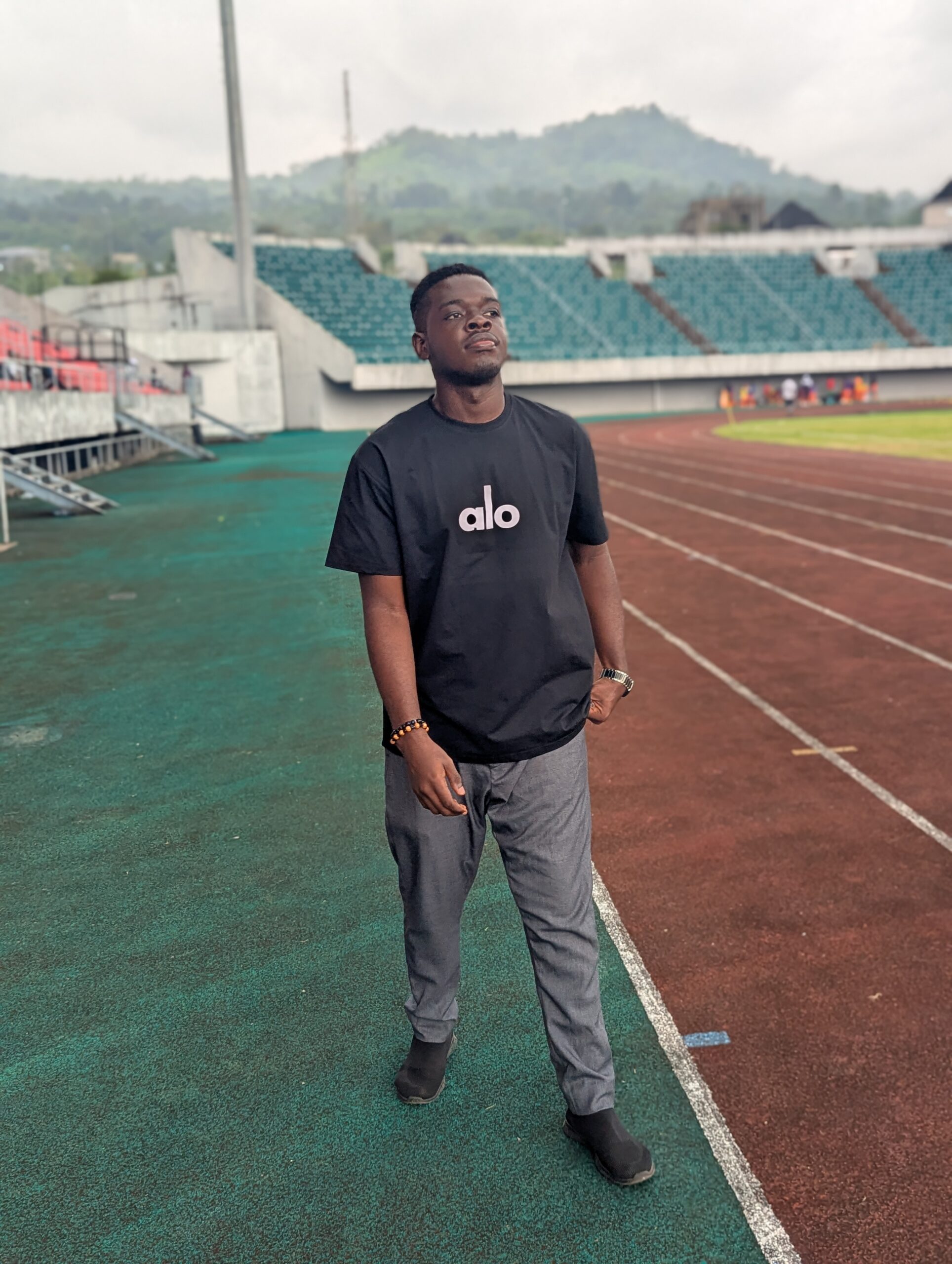
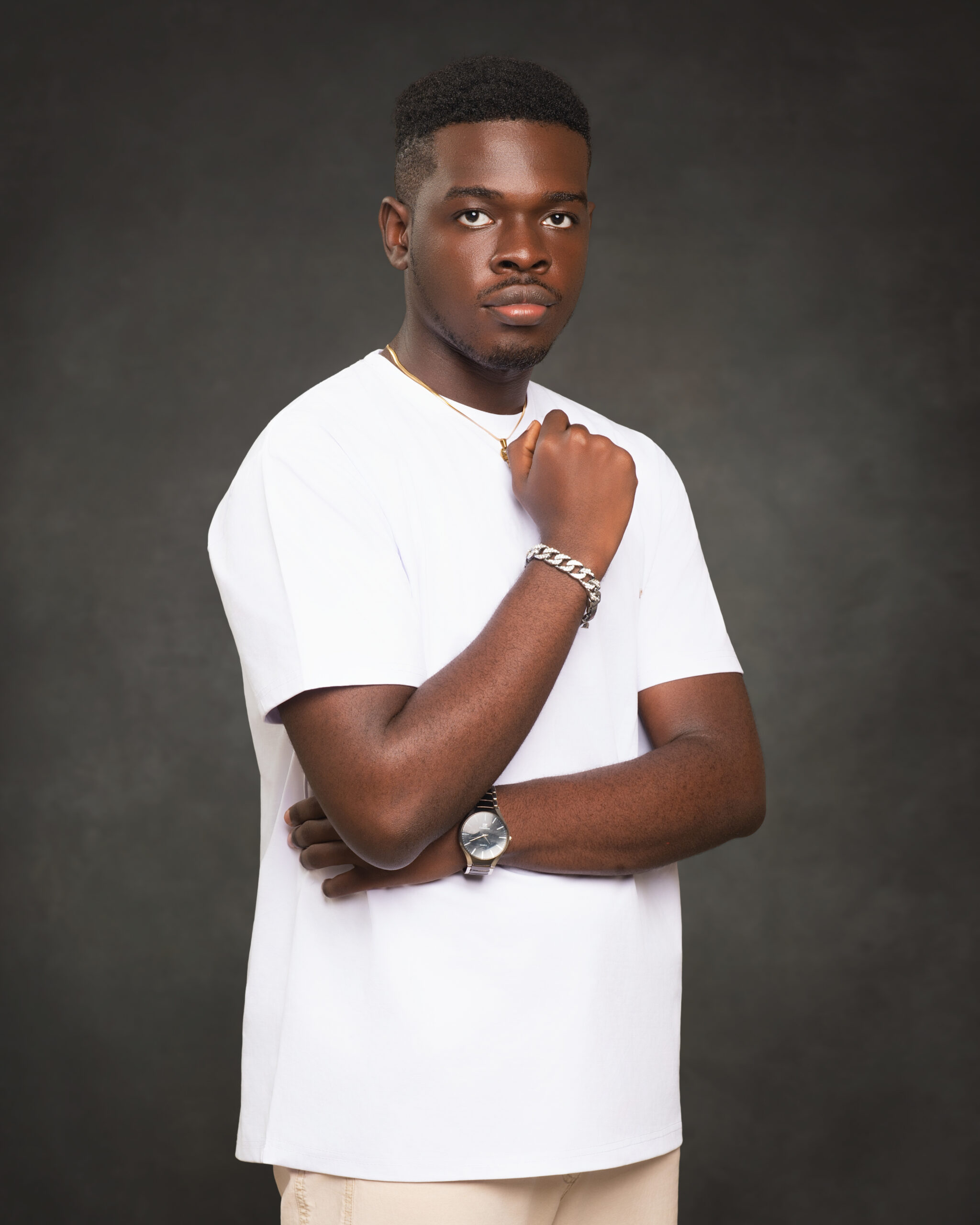
Meet Njoh Trevor, the Cameroonian FIFA Agent Building a New Model of African Football Representation

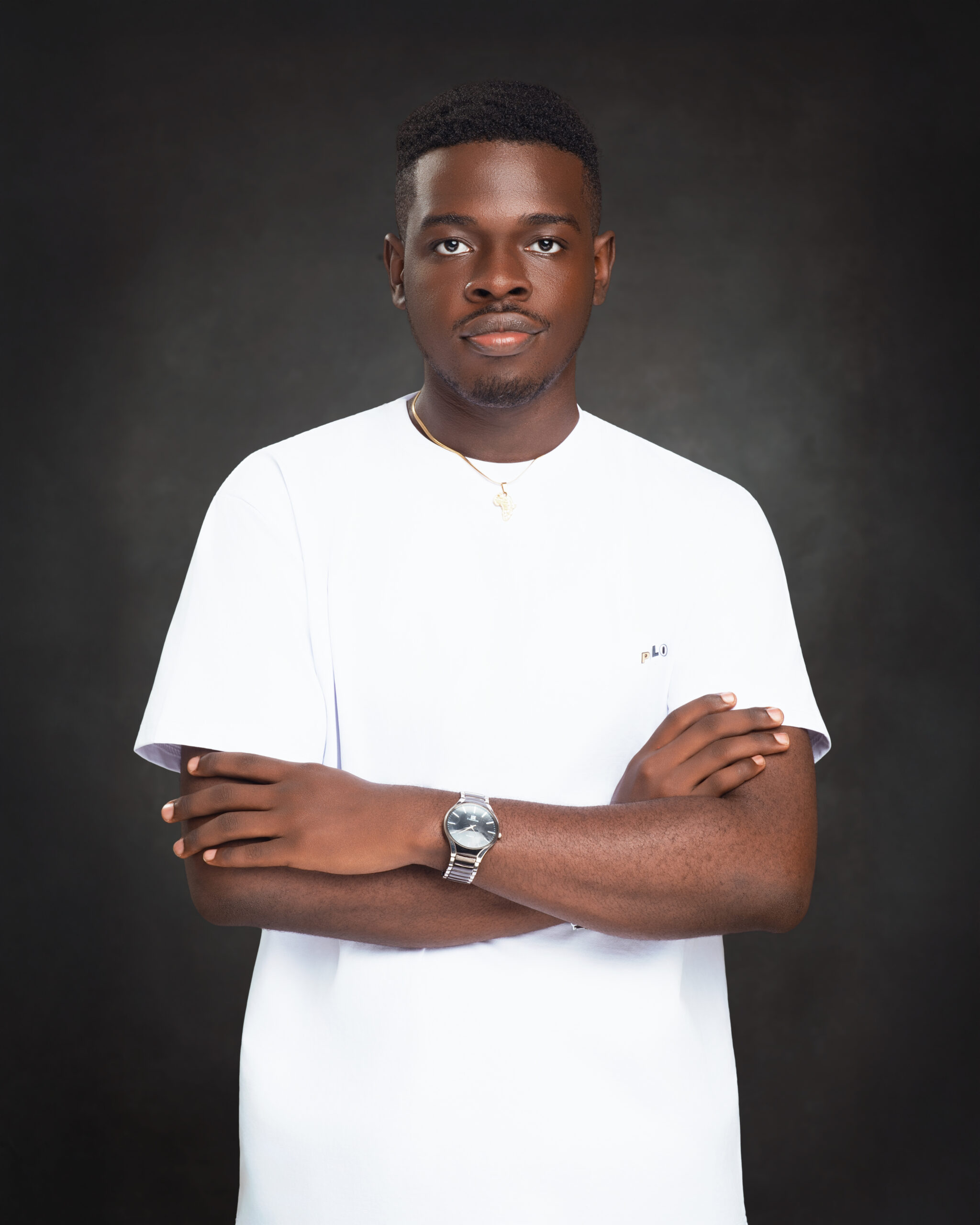
In this exclusive interview, Njoh Trevor, a FIFA-licensed agent, talks to us about the modern representation of African athletes. Trevor is the founder of Tcute Agency and its sports division, Tcute Sports, representing a new generation of African sports professionals redefining how talent is discovered, managed and positioned globally.
Raised in Cameroon and introduced early to the worlds of media, communications and talent management, Trevor began his career behind the scenes in entertainment PR early, later working with some of his country’s leading artists. That foundation in storytelling, strategy and trust-building now underpins his approach to football representation. Through Tcute Sports, he champions a 360, FIFA-compliant model that merges scouting, career planning and responsible communication, with a focus on long-term development and player protection.
Hey Trevor. How are you today?
I feel good. I feel fine. Thank you.
Great! Can you tell us about your childhood and the environment you grew up in, and how those early experiences shaped your work today?
I grew up in Cameroon in an environment where discipline, patience and responsibility were taught early. My childhood taught me that consistency mattered more than talent, and that nothing meaningful came without effort.
I entered the entertainment PR and media space at the age of 12, working behind the scenes and eventually representing some of the biggest artists in Cameroon. Starting that young exposed me very quickly to the realities of life. Something my mom always tells me, “Nothing is handed to you, every opportunity is earned through hard work and persistence”. That experience taught me to manage pressure and build trust long before most people my age. Today, whether in entertainment or sports, my values remain the same.
So you developed an early interest in media and entertainment?
Yes, from a very young age. Those interests led me into the PR and media space, where I gained hands-on experience working with artists, building campaigns and learning how visibility, storytelling and strategy shape careers. As I grew older, that same curiosity expanded into a passion for sports. Seeing kids play barefoot on dusty fields, dreaming of becoming footballers one day, made me want to understand how athletes are represented, and who finds and creates opportunities for especially those coming from Africa, starting with where I come from, Cameroon. That led to the birth of the sports division of the Tcute Agency called Tcute Sports.
How has it been with Tcute Agency and TcuteSports? What are some success metrics that you have?
We led several global campaigns that have featured our clients on prominent platforms, including CNN, BBC, GQ, and The Recording Academy, among others. As the agency grew, I believed it was time to provide these same opportunities for people in sports, particularly through football. This then led to Tcute Sports – the Sports division of Tcute Agency. The vision is to build a credible, FIFA-compliant football representation platform that focuses on career planning, finding and negotiating the right deals for our clients, development pathways and professional positioning.
From the beginning, the goal has been to create platforms that protect talent, create access and provide opportunities, while doing this with integrity.
You often speak about building “A new model of African representation”. What does that model look like, and why do you believe African football needs a different approach today?
For a long time, African football has produced incredible talent, but representation has often been short-term or focused only on quick moves rather than sustainable careers.
The model I believe in is about protecting players early, educating them about their careers and positioning them strategically, so they’re not just transferred but truly develop. African football needs a different approach today because the global game has evolved. Clubs are more data-driven, more selective and more focused on character, adaptability and long-term value. African players deserve representation that understands these realities and prepares them accordingly, both on and off the pitch.
What practical steps are you applying to approach that?
One of the biggest mistakes in football representation is treating a contract as the finish line rather than the starting point. At Tcute Sports, we approach careers with long-term planning at the centre.
From the early stages, we work with athletes to define clear career pathways—understanding the right leagues, environments, and development timelines for their age, profile, and personality. We focus on progression, not speed, because a poorly timed move can stall a career just as easily as no move at all.
Beyond football, we prepare players for the realities of life off the pitch. This includes financial awareness, professionalism, media conduct, cultural adaptation, and personal discipline. Our goal is to help athletes become stable professionals who can sustain performance, manage pressure, and make informed decisions throughout their careers.
Looking ahead, what is your long-term aspiration for how African talent is discovered, managed and presented to the world?
My long-term aspiration is to see African talent discovered, managed, and presented through a system that is structured, transparent, and globally respected. Too often, talent is identified but not nurtured properly, or opportunities are missed because of a lack of guidance, exposure, or strategic representation.
I envision a future where every African athlete has access to proper scouting, education, career planning, and professional management from the earliest stages. This includes not just on-field development, but also off-field preparedness—financial literacy, media training, personal branding, and long-term career planning.
Beyond individual support, I want African talent to be presented to the world in a way that reflects its value, professionalism, and story. Representation should not only create opportunities abroad but also elevate the perception of African football globally, showing that our players are disciplined, adaptable, and fully prepared for the modern game.

Join the Independent Women newsletter with Victoria Richards for a thoughtful take on the week’s headlines
Join the Independent Women newsletter
Join the Independent Women newsletter
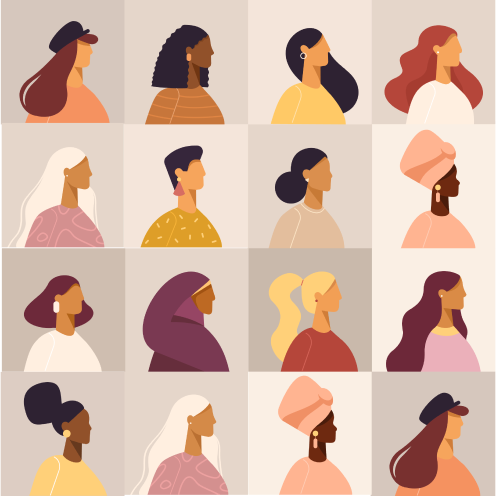
Each week, the Independent Women newsletter takes a closer look at the stories shaping women’s lives – from the moments that inspire to the issues that frustrate, challenge and spark debate.
Alongside my take and reflections from readers, the newsletter also features a weekly poll, giving our community the chance to weigh in on the topics behind the headlines and see how others are feeling.
You can vote in this week’s poll below. We’ll update this article weekly with the latest question and publish the final results once voting closes, so you can track how views change over time.
For more commentary on the week’s biggest talking points, make sure you’re signed up to the Independent Women newsletter.
Not subscribed yet? It’s free and easy to join – just head to our newsletter preference centre, press the ‘+’ button next to Independent Women, and enter your email address. You can also sign up via the email box at the top of this page.
Each poll runs for one week, with results published here once voting closes – so don’t forget to check back.
This week’s poll

If you’ve ever struggled to find truly Nigerian-made products online, Good.Online might just be the answer. The platform, which launched with a bold splash across Instagram feeds yesterday, December 16, 2025, is a curated digital marketplace connecting verified Nigerian creators with people who want quality, meaningful items.
Good.Online grew out of the Good Village community at Good Beach, a physical market in Oniru that housed 21 creators. Over 15 months, the space welcomed over 220,000 visitors, hosted nearly 50 events, and generated ₦2.7 billion in revenue for the creators involved. When the physical space was dismantled for the Lagos-Calabar Expressway, the team behind it didn’t stop, they moved online, bringing the same focus on visibility, structure, and support for creators to a digital platform.
So what makes Good.Online different? Every creator on the platform is vetted for quality and authenticity, and every product is selected for meaning and relevance. The focus is on elevating creators’ stories, not just selling items. You’ll find everything from fashion and artisan goods to wellness products, homeware, tech accessories and more—all made by Nigerians.
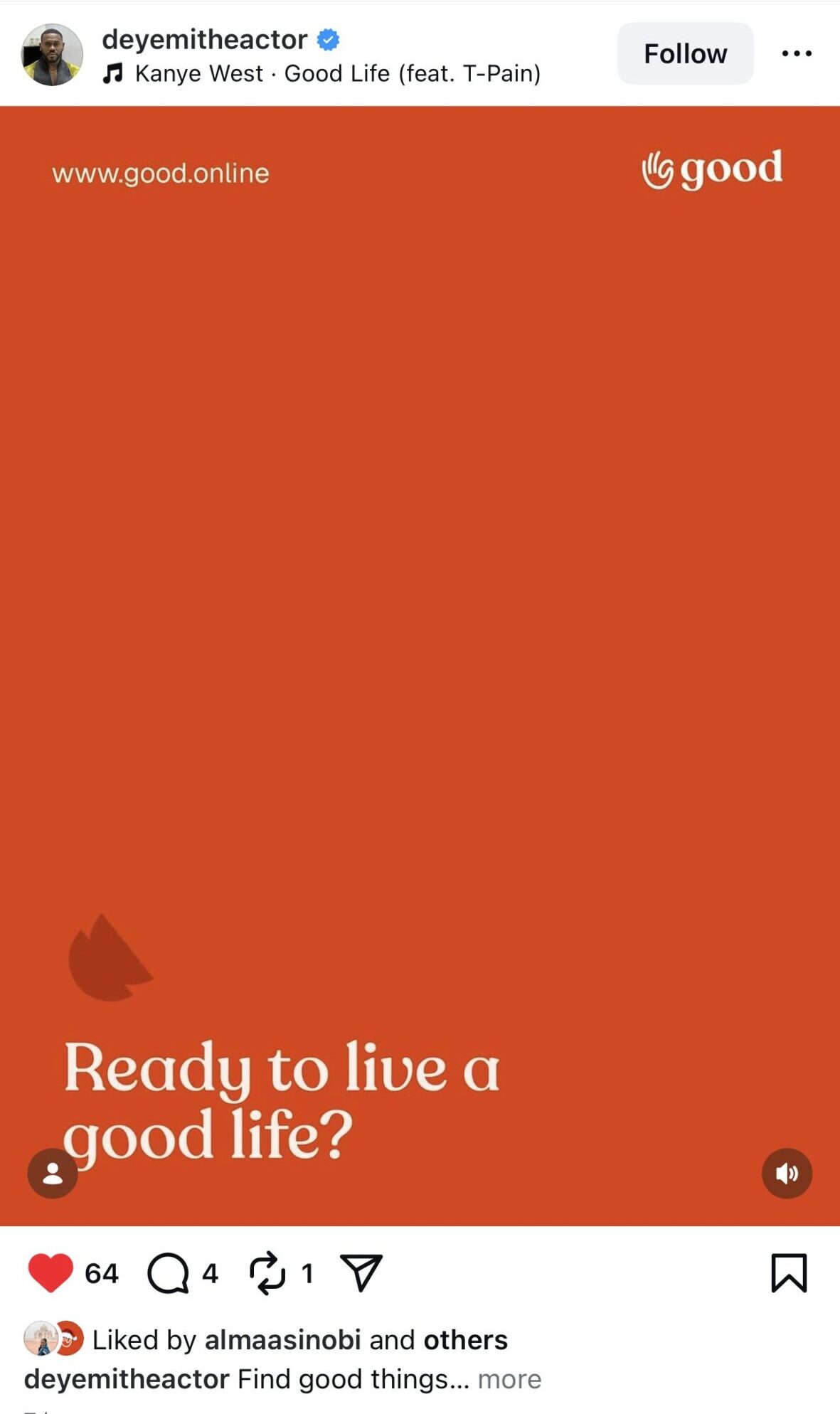
The platform’s launch was hard to miss. Over 200 partners posted the same bright orange graphic across Instagram at the same time, creating a coordinated visual moment that put Nigerian creativity front and centre.According to founder Yomi Adedeji, “Nigerians are creating remarkable things. The challenge has never been quality—it’s been visibility and structure. Good.Online gives creators the infrastructure they deserve and gives consumers a trusted way to discover quality Nigerian-made products.”
Good.Online also addresses a bigger picture: while Nigeria’s creative industry contributes over ₦730 billion annually to GDP, many creators still lack the digital infrastructure, payment systems, and discovery tools to grow sustainably. The platform offers integrated payment systems, quality assurance, curated product discovery, and spaces to tell creators’ stories—all in one place.
And this is just the beginning. Good is preparing to open physical locations in Ikeja GRA and Lekki, bringing together digital and in-person experiences so more creators can showcase their work nationwide.
With Good.Online live now at good.online, it’s easier than ever to find, support, and celebrate Nigerian creativity—from designers and artisans to makers and entrepreneurs.