
LIFESTYLE
Ngozi Okonjo-Iweala Named Among Forbes’ 100 Most Powerful Women for the Eighth Time


Ngozi Okonjo–Iweala, Director-General of the World Trade Organisation (WTO), has been listed among Forbes’ 100 Most Powerful Women for 2025, marking her eighth appearance on the annual ranking.
Okonjo-Iweala shared the announcement on X, noting that global influence comes with a responsibility to strengthen fairness in the international trading system. She added that work is ongoing at the WTO to support developing countries and prevent further instability in world trade.
Ranked No. 92 on this year’s list, she remains the first woman and first African to lead the WTO since her appointment in 2021. Forbes highlights her over 30 years of experience as an economist and development specialist, including two terms as Nigeria’s Finance Minister, a brief tenure as Foreign Affairs Minister, and her leadership of Gavi, the Vaccine Alliance, where she oversaw vaccine deliveries to more than 760 million children.
She also acknowledged other African women recognised by Forbes this year: Namibia’s President, Netumbo Nandi–Ndaitwah; the Democratic Republic of Congo’s Prime Minister, Judith Suminwa; Bidvest CEO, Mpumi Madisa; media executive, Mo Abudu; and Barbados’ Prime Minister, Mia Mottley.
The 2025 edition of the list features women shaping global policy, business, media and technology. Leaders in the tech sector — including AMD’s Lisa Su, Microsoft’s Amy Hood and Nvidia’s Colette Kress — are noted for their growing influence, while cultural figures like Mo Abudu and Kim Kardashian appear for their work in media and entertainment.
Okonjo-Iweala’s continued recognition follows her reappointment to a second term as WTO Director-General in late 2024, reinforcing global confidence in her leadership.
Her placement, alongside Abudu and other African women, contributes to a strong showing for the continent on this year’s ranking.
Nice to make (for the eighth time) the @Forbes List of the 100 most powerful women of the world 2025 and to be on the cover of the magazine. With power comes responsibility! We are doing our best to fight for and reform the rules-based multilateral trading system which the world… pic.twitter.com/fKpsGAtuvx
— Ngozi Okonjo-Iweala (@NOIweala) December 11, 2025

If you’re curious about “Big Daddy,” Tems’ track from her latest EP “Love Is a Kingdom,” you’re in luck. The singer-songwriter recently pulled up to Genius to break the song down, verse by verse, and the conversation was as honest and refreshing as you’d expect.
As she walks through the lyrics, Tems opens up about the inspiration behind the record and why she enjoys making music that makes her move, both physically and emotionally. “Big Daddy” carries that confident, grounded energy she’s known for, but it also leaves room for reflection. For Tems, the song is rooted in knowing who you are and standing firmly in that truth.
She also touches on the difference between real ambition and pretending to be someone you’re not, a theme that quietly runs through the track. It’s about self-belief without performance, confidence without the need for approval, and ambition that comes from within rather than external pressure.
Hearing Tems explain the lyrics in her own words adds another layer to the song. Each verse reveals intention, clarity, and the freedom she feels when creating music on her own terms. By the time she’s done, Big Daddy feels even more personal, and the message lands with greater weight.
If you loved the song already, this Genius breakdown makes it hit deeper. And if you’re just getting into “Love Is a Kingdom,” this is the perfect place to start.
Watch below

Nathaniel Bassey has gifted us with a new song and music video, and it feels like stepping into a cloud of worship. Titled “Odara,” this release comes ahead of his highly anticipated album, “Glory of His Presence,” set to drop in January 2026.
The new album promises a glory experience, an invitation to encounter the tangible presence of God through worship. But for now, “Odara” lets us bask in that glorious atmosphere. Perfect for the Christmas season and carrying that joy into the new year, the song radiates warmth, hope, and the sweetness of God’s manifest presence.
With every note and lyric, Bassey captures the essence of worship that draws you in. The music video mirrors this celebration, offering viewers a moment to pause, reflect, and rejoice. It’s a reminder of the beauty and majesty described in Revelation 7:9-10, where a great multitude stands in awe before the throne, worshipping and giving praise.
Watch below


Get the Well Enough newsletter by Emilie Lavinia and make sense of the wild world of wellness
Get our wellbeing editor’s newsletter: Well Enough by Emilie Lavinia
Get the Well Enough email by Emilie Lavinia

It’s no secret: Americans love chocolate.
Each person consumes an average of between 10 and 12 pounds of chocolate each year – nearly 3 billion pounds total. A recent study from the National Confectioners Association showed people in the U.S. enjoy chocolate and candy between two and three times a week.
But chocolate, which comes from cocoa harvested in West Africa and South America, isn’t just a sweet treat. Cocoa and chocolate have been shown to reduce stress and raise energy levels — effects that are greatly appreciated during the busy and at times, stressful holiday season.
One kind of chocolate reigns supreme when it comes to these and other health benefits. Dark chocolate contains more cocoa and less sugar than milk or white chocolate.
“Research continues to point to dark chocolate as having many health benefits,” the Mayo Clinic says.

open image in gallery
Eating dark chocolate has been proven to lower the stress hormone cortisol (Getty Images)
A blissful break
If you’re looking for a delicious way to reduce your stress levels, researchers say look no further than dark chocolate. A South Korean study showed people who ate 10 grams of dark chocolate, three times a day for three weeks, felt their mood improve.
Several separate studies have also shown that eating dark chocolate reduces levels of the stress hormone cortisol. Just a bite of a dark chocolate bar might be enough to feel the stress slide away, according to Hartford HealthCare.
“Also, the antioxidants in cocoa trigger the walls of you blood vessels to relax, lowering blood pressure and improving circulation,” the health care system noted. “Go for varieties that contain at least 70 percent cocoa.”
The higher the cocoa percentage in your chocolate, the more health benefits.
open image in gallery
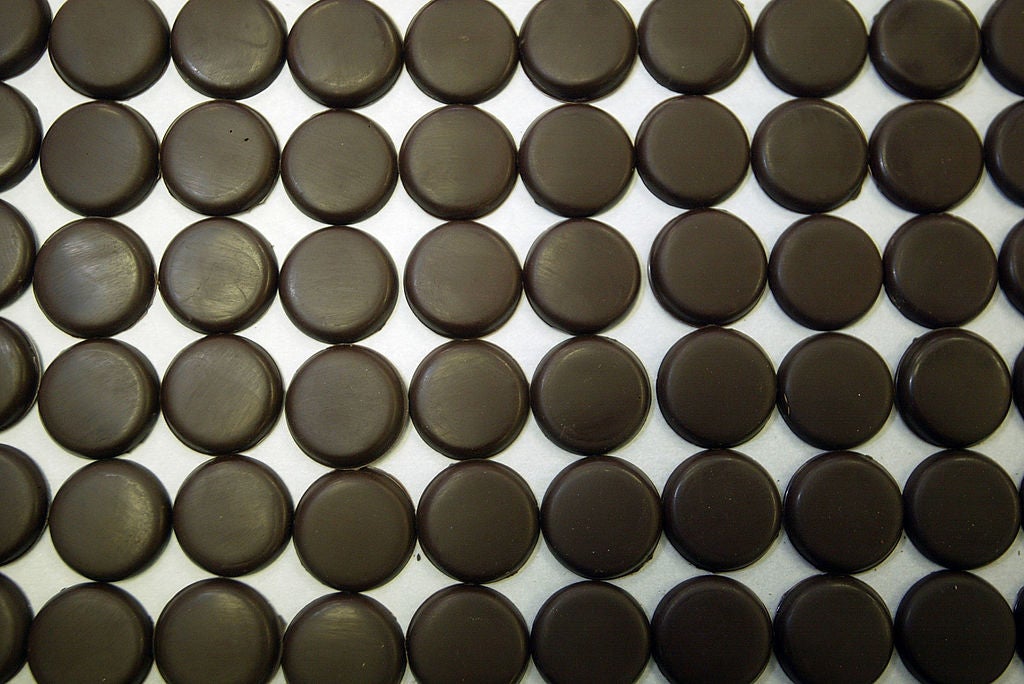
Dark chocolate is rich in flavonoids, which are antioxidants found in food that fight inflammation. (Getty Images)
Proof is in the (dark chocolate) pudding
Still, stress relief is not all that comes with a higher percentage of cocoa. “The higher percentage of cacao solids, the more flavonoids and the lower sugar,” registered dietitian Devon Peart told The Cleveland Clinic.
Dark chocolate is rich in flavonoids, antioxidants found in food that fight inflammation.
The flavonoids in chocolate have been shown to boost endurance in athletes by increasing blood circulation and reducing the amount of oxygen they use during exercise, Johns Hopkins Medicine says. People who eat dark chocolate can stay active longer.
Nearly all dark chocolate has energy-boosting caffeine, too. People can get 20 milligrams in 30 grams of dark chocolate, according to the chocolate-maker Lindt.
However, it’s still a much lower amount than the 96 milligrams in a cup of coffee.

Smokey Jollof rice is basically everywhere—at parties, family get-togethers, even on a regular lunch plate at home. It’s the reigning champ of comfort food, but let’s be honest… sometimes it feels like your taste buds need a little holiday. Enter Kikifoodies, ready to shake up the Jollof game with a bold twist she calls Sweet Jollof Rice. Think familiar, think comforting, but think with a hint of sweetness that makes you do a double-take and a happy dance at the same time.
For this, you start by cooking the meat and making the pepper base. Once that’s ready, the real magic begins. Heat up some oil in a pot, fry chopped onions until golden brown, then add tomato paste and let it fry for at least fifteen minutes. You’ll know it’s ready when the colour deepens to a rich red and starts to separate beautifully. Next, add the pepper mix base — no need to fry for too long since it’s already cooked — then season generously. After a good fry, pour in the meat stock and a little water, give everything a good mix, lower the heat, and allow it to simmer gently.
Once that’s done, wash the rice and fold it carefully into the mix. Give it another good stir, add some water, and let it cook until perfectly tender. Kikifoodies reveals her secret to making Sweet Jollof Rice irresistible: plenty of onions. They give the rice that subtle sweetness that sets this Jollof apart from the usual.
The end result is a beautifully rich, slightly sweet Jollof rice that tastes like celebration in every bite, perfect for when you want something familiar yet refreshingly different.
Watch below
Stay ahead of the curve with our weekly guide to the latest trends, fashion, relationships and more
Stay ahead of the curve with our weekly guide to the latest trends, fashion, relationships and more
Stay ahead of the curve with our weekly guide to the latest trends, fashion, relationships and more
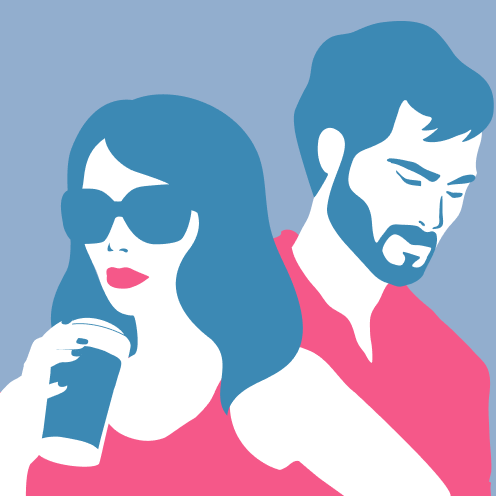
To shower in the morning or shower at night – it’s one of the great daily routine debates. Chat to those who stand in the former camp and they’ll say the AM spritz under the shower head leaves them energised, alert and ready for the morning. Meanwhile, the PM apologists enthuse over sliding under their duvets sans the dirt of the day. Elsewhere, the greedy among us do both – and have the soaring water bills to show for it.
In the UK, over half (42 per cent) of us opt to shower in the morning, with the most popular times sitting at 7.45am and 7.54am. But as the number of us struggling to sleep skyrockets, with many people turning to magnesium or melatonin supplements for help, could it be that we’d be better off taking a soothing shower in the evening instead?
If you’re already half asleep after dinner, this could sound counterintuitive. Why wake yourself up with bright lights and blasting water when you could simply roll into bed? Well, the internet has the answer to this: dark showers, which are exactly what they sound like. Rather than turning the big light on, which is so stark and oppressive to the eyes that the chronically online have taken to calling it “homophobic”, young people are opting to turn the lights off completely when they shower after 5pm.
“It is one of the most healing experiences I’ve ever had,” raves one TikTok user. “I know showering in the dark sounds scary and unsafe, but trust me, you cannot bash it until you’ve tried it. I just had an out-of-body healing experience,” she claims. I try it and, while I don’t feel like I’ve ascended, I definitely do feel the type of calm you might experience post spa treatment or meditation. It’s undeniably cosy and comforting.
There are a billion wellness trends that have originated on social media, many of which have been proven to be complete nonsense – but this one actually has some surprisingly scientific legs. “In terms of sleep, studies have shown that taking a warm shower or bath before bed can help improve sleep quality and reduce time taken to fall asleep,” explains Dr Allie Hare, a sleep medicine consultant at Royal Brompton Hospital.
“This is likely to relate to the effect of the warm shower on reducing core body temperature, a key signal for sleep onset,” she adds. “Taking a shower under dim light conditions may also help to signal to the body that it is time for sleep because dim light is a signal for the release of one of the key hormones for sleep, melatonin.” Well, well, well. Look at that. Maybe you can put the supplements down after all.
And the pros don’t stop there. “Experiencing showering in the dark or dim light can support relaxation through mindful enjoyment of the experience,” Hare explains of the meditative side of dark showers. “This can help with winding down and switching off before bedtime, which can also help individuals fall asleep more easily.”

open image in gallery
Soothing: Candles and low lighting can stimulate melatonin while harsh sources of light signal the brain to be alert (Getty Images)
If you want to really up the ante with the at-home spa energy, Hare even recommends incorporating fragrances like lavender in your shower gel or oils to enhance the sensory experience of your dark shower and further aid relaxation. “Gentle music can also help calm the mind, although some will find the sound of the water sufficiently relaxing in itself,” she adds. Read: no blasting out Beyoncé when you’re trying to wind down.
A word of warning before giving this a try: Clear the area of hazards. There is nothing calming or meditative about a dark shower if the practice sends you tumbling towards the bathroom floor in a naked heap. It’s a dark shower – not a pitch-black shower. And the experts advise always having at least one candle or alternative source of low light in the room to avoid complete darkness. “Dim lights will not interrupt the experience,” Hare assures, “but they can help to avoid accidents!”
Modern life is always encouraging us to do multiple things at once. So much so that you can even buy iPhone holders and wine glass stands to go in your shower on Amazon. You know, just in case you’re so scared to be alone with your own thoughts that you need a Netflix series and a bottle of Pét-Nat on hand to get through a 10-minute rinse.
In an era of maximising every minute, dark showering taps into a ritual of mindful bathing (snāna) that goes back as far as the Ayurveda system of medicine, which originated in India as far back as 5,000 years ago. So, dark showers are less of a passing trend and more of a return to a ritual designed to balance the mind, body and spirit with our environment. It might sound a bit woo-woo, but at a time when 73 per cent of us reported experiencing anxiety in the last fortnight, it could be just what we need.
“Showers in low light won’t solve severe or persistent sleep issues on their own,” says Dr Clare Rooms, clinical lead for Insomnia at Boots Online Doctor, “but they can be a helpful part of a relaxing pre-bed routine.” Plus, if you’re one of millions of renters living with mould spreading across your ceilings thanks to your landlord’s nonchalance, a dark shower could offer a break from reality in more ways than one. Enjoy.

Access Bank Detty Fusion has announced its support for the 2025 edition of the Plutomania Live in Concert.
Scheduled to hold on 20th December 2025 at the iconic Landmark Event Centre, Lagos, the concert will bring together premium entertainment that resonates with the vibrant spirit of an unforgettable holiday experience.
The one-day concert will feature a star-studded lineup that includes; Shallipopi, Famous Pluto among others. Fans are expected to have a night of immersive experience with a high-energy performance designed to delight music lovers.
As a trusted hub for premium entertainment and lifestyle experiences, Access Bank DettyFusion brings its signature flair, seamless access, and amplified visibility to Plutomania Live in Concert, ensuring fans enjoy a smooth, high-energy, and unforgettable night. With DettyFusion’s cutting-edge digital integration, attendees will enjoy seamless ticketing, exclusive experiences, curated side attractions, enhanced security and bespoke brand interactions that transform the night into much more than a concert, it becomes a full-sensory celebration.
The Concert has partnered with the Access Bank DettyFusion initiative and through this partnership, attendees can expect an enhanced festival experience infused with unique DettyFusion elements—bringing added convenience, engagement, and excitement to the 2025 edition.
Click here: DettyFusion initiative for details and updates about the concert.
Sponsored Content

Get the free Morning Headlines email for news from our reporters across the world
Sign up to our free Morning Headlines email
Sign up to our free Morning Headlines email

Aldi is recalling a popular Christmas food product over an allergy risk.
The supermarket chain is urging customers who have bought a batch of the Perfect Christmas Mozzarella Sticks in Blankets not to eat them.
It warned that the product contains egg, but this ingredient is not mentioned on the label – meaning the food is potentially dangerous for anyone with an allergy or intolerance to egg.
Customers are advised to return the item to their nearest store for a full refund.
The affected batch has a use by date of 15 December 2025, weight of 278g, and the barcode 4069365328743.

open image in gallery
The product contains egg, but it isn’t mentioned on the label (Stock image)
The company has issued a notice and apology to customers, and also alerted allergy support organisations.
Aldi’s product safety recall notice reads: “As a precautionary measure, our supplier is recalling Perfect Christmas Mozzarella Sticks in Blankets because the product is labelled incorrectly and contains an undeclared allergen (egg).
“Customers are asked to return this product to their nearest store, where a full refund will be given.
“We apologise that this product did not meet our normal high standards and thank you for your co-operation.”
The Food Standards Agency (FCA) advised: “If you have bought the above product and have an allergy or intolerance to egg do not eat it.
“Instead, return it to your nearest Aldi store for a full refund.
“For further details, please visit help.aldi.co.uk or contact customer services on 0800 042 0800.”
It explained that recall notices, when customers are asked to return a product, are issued when there is a problem with a food product that means it cannot be sold, such as if there is a risk to consumers because the allergy labelling is missing or incorrect or if there is any other food allergy risk.

Photo Credit: Ayra Starr/Instagram
Ayra Starr is opening a new chapter, and she’s doing it in her own words. In her first Substack post, “I’m Not Scared, I Promise,” the singer writes from her almost-empty New York apartment, sharing what life feels like when the noise dies down and you’re left alone with your thoughts.
She describes New York with humour and honesty, calling it “a walk-in freezer with rent,” and writes about the kind of cold that makes you question your decisions. While many back home are deep into Detty December, Ayra finds herself in a quieter season, navigating distance, solitude, and the mental weight of always needing to prove herself.
“There’s a certain kind of despondent, fatigued feeling surrounding me, a lifetime spent proving myself,” she writes, capturing the exhaustion that can sit beneath success.
The essay also reflects on ambition and the pressure to be understood. Ayra shares advice from someone she admires: “No one is supposed to understand what you’re doing. If they understand immediately, try again.” It’s a line she returns to as she moves through the city, holding her jacket tighter against the cold.
By the end of the piece, she speaks about choosing not to limit herself to anyone’s expectations and allowing room to grow in different directions. “I will exist in multitudes. I will unfold endlessly,” she writes, repeating the phrase that anchors the essay: I’m not scared, I promise.

Stay ahead of the curve with our weekly guide to the latest trends, fashion, relationships and more
Stay ahead of the curve with our weekly guide to the latest trends, fashion, relationships and more
Stay ahead of the curve with our weekly guide to the latest trends, fashion, relationships and more
Australia has officially banned teens from using social media until they’re 16, leaving many to wonder if the U.S. could follow its lead.
The social media ban, which took effect December 10 in Australia, requires 10 of the largest social networks, including TikTok, YouTube, Instagram, Facebook, and X, to turn anyone under the age of 16 away. If any of these platforms fail to take the steps to block children from having accounts, the companies will face fines of up to $49.5 million Australian dollars ($32.9 million USD).
Many children in Australia are unhappy about the ban, with one teen tweeting ahead of time that they’ll have “no more contact with the rest of the world” and another 15-year-old saying he has no idea how he’ll keep in touch with his long-distance friends.
Despite the discourse, many mental health experts in the U.S. believe that Australia is actually taking a step in the right direction, given how addictive social media apps can be for children. Speaking to The Independent, New York City-based psychotherapist Jonathan Alpert explained how he’s seen social media negatively impacted children’s developing minds.
“They keep kids locked into reward loops that heighten anxiety, shorten attention spans, and create a constant sense of comparison. I’m also seeing more teens who struggle with face-to-face communication because so much of their social life has moved online,” Alpert, author of Therapy Nation, said.
open image in gallery
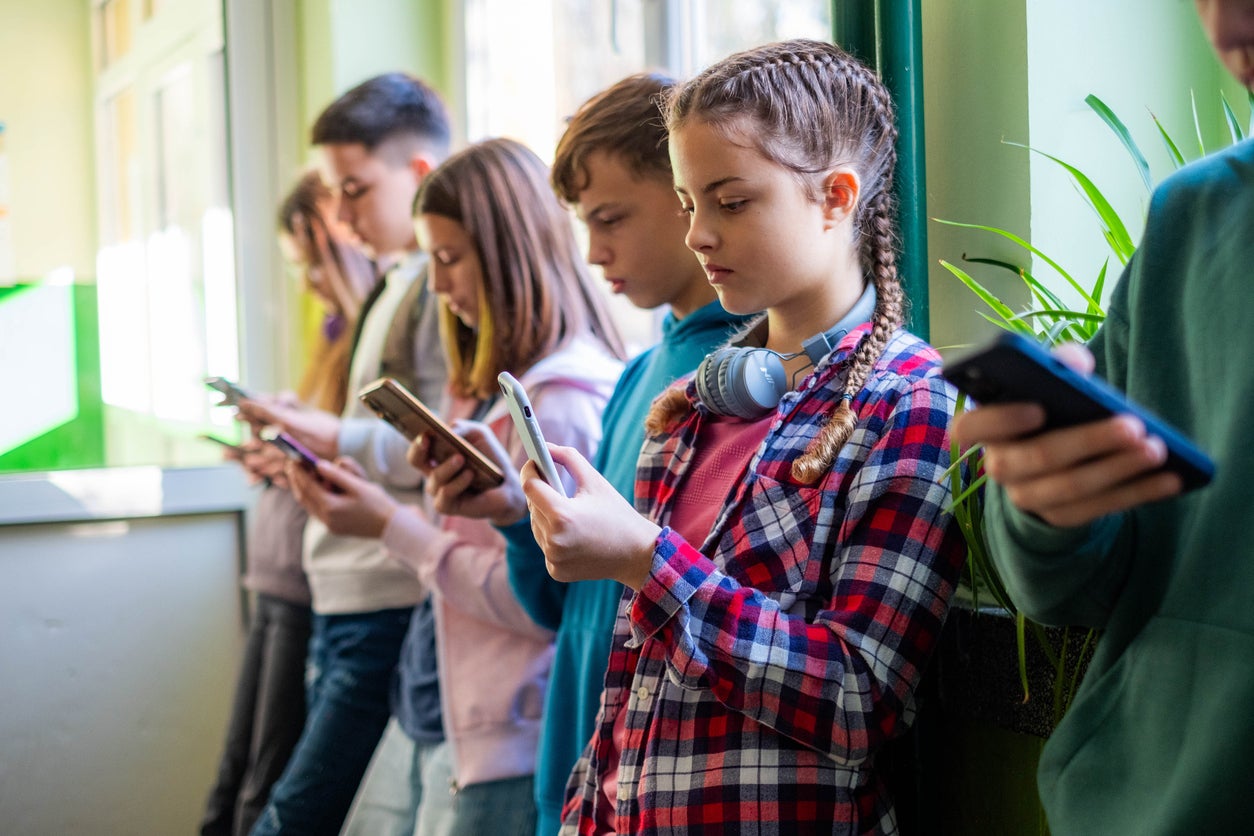
Mental health experts believe that the U.S. could also ban children from social media until 16 (Getty Images)
He also acknowledged that if the U.S. banned young kids from using social media, it would reduce cyberbullying and experiencing the constant social comparison that undermines self-esteem. This would also give children’s developing brains a chance to mature before they are hooked to Instagram and TikTok.
“It gives kids space to develop real-world social skills. When kids spend less time online, they spend more time interacting in person, dealing with conflict, and learning how to read social cues,” he added. “Those are foundational skills that many teens today are missing because so much of their social life happens on a screen.”
Research has continued to find that social media harms kids’ well-being. In a recent study published in JAMA Network Open, researches found that as children, aged nine to 13, increased their daily social media use from an average of seven to 73 minutes over three years, their symptoms of depression rose by 35 percent.
Earlier this month, doctors at UC San Francisco also found that just an hour spent on a social media app each day can knock down test scores by one or two points for students between the ages of nine and 13. Students who spent as many as four hours per day on social media saw up to a five-point drop on their tests.
Dr. Gail Saltz, Associate Professor of Psychiatry at the NY Presbyterian Hospital Weill-Cornell School of medicine, told The Independent that she understands Australian teens’ frustrations about being barred from social media, since they no longer have the freedom to use the apps they want.
However, just like Alpert, she believes that the cons of kids using social media before the age of 16 outweigh the pros.
open image in gallery
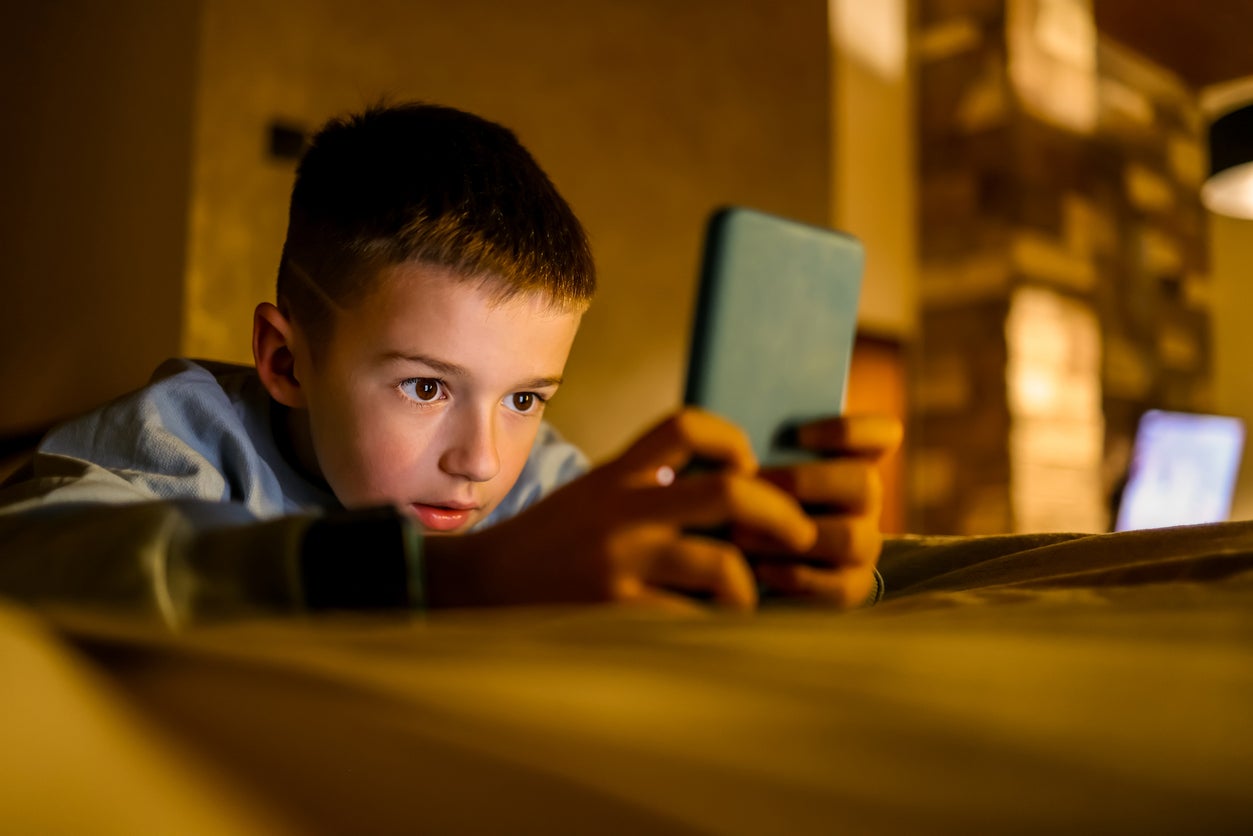
Experts note that kids who spent too much time on social media experience heighten anxiety, shorten attention spans, and create a constant sense of comparison (Getty Images)
“Kids become addicted to social media quite easily. The jury is out as to whether the impact on the brains of young people whose brains are still developing may permanent changes in neurocircuitry,” she added. “So from a youth health perspective, delaying as long as possible the participation in social media is very beneficial.
According to Saltz, 16 is also the most suitable age for children in the U.S. and other countries to create social media accounts.
“This ban took child development and the risks like bullying, etc. into account and chose 16,” she noted. “Maturity of the child, judgment of the child, susceptibility, mental health all influence when they are ready.”
Many U.S. states are already putting restrictions on social media usage for kids. Last year, California Governor Gavin Newsom signed a bill that prohibits social media platforms from knowingly providing certain feeds to children without parental consent. In October, he also signed a bill that requires social media apps to display health warning labels for minors and check children’s ages.
Also last year, Maryland governor Wes Moore started the Maryland Kids Code, which seeks to limit data that could be collected from children online and protect them from being flooded with harmful material they were not trying to find. However, it has faced several legal challenges, with tech groups claiming the act infringes on their free speech rights.

Get the Well Enough newsletter by Emilie Lavinia and make sense of the wild world of wellness
Get our wellbeing editor’s newsletter: Well Enough by Emilie Lavinia
Get the Well Enough email by Emilie Lavinia
You call your teen’s name, but they don’t respond. They’re staring past you. You call again, louder this time. Nothing – how rude.
But what if they’re zoning out?
For some teens, this can be a sign of dissociation, a temporary disconnection from thoughts, feelings, body or surroundings. It’s the brain’s way of protecting itself from overwhelming stress or emotion.
Dissociation is often linked to trauma – experiences that feel deeply distressing or life-threatening.
But because dissociation is quiet and invisible, it often goes unnoticed. A withdrawn or “spacey” teen draws less attention than one who’s anxious or acting out. Misunderstanding this response can lead to frustration and strained relationships.
In two recent studies, we interviewed teens who dissociate, as well as their parents and clinicians. We wanted to understand better what it feels like when it happens – and what would help.
What is dissociation?
Dissociation is the brain’s safety switch. When emotions or memories feel too intense, the brain creates distance, like mentally stepping out of the room.
It’s common to experience mild forms of dissociation, such as zoning out during a boring meeting. But for teens who’ve experienced trauma, it can feel more intense and be more disruptive.
Many people underestimate how common trauma is for young people.
Worldwide, almost three in four teens have experienced at least one traumatic event, such as violence, serious accidents, or the death of a loved one. In Western countries, this may be closer to one in two.
open image in gallery
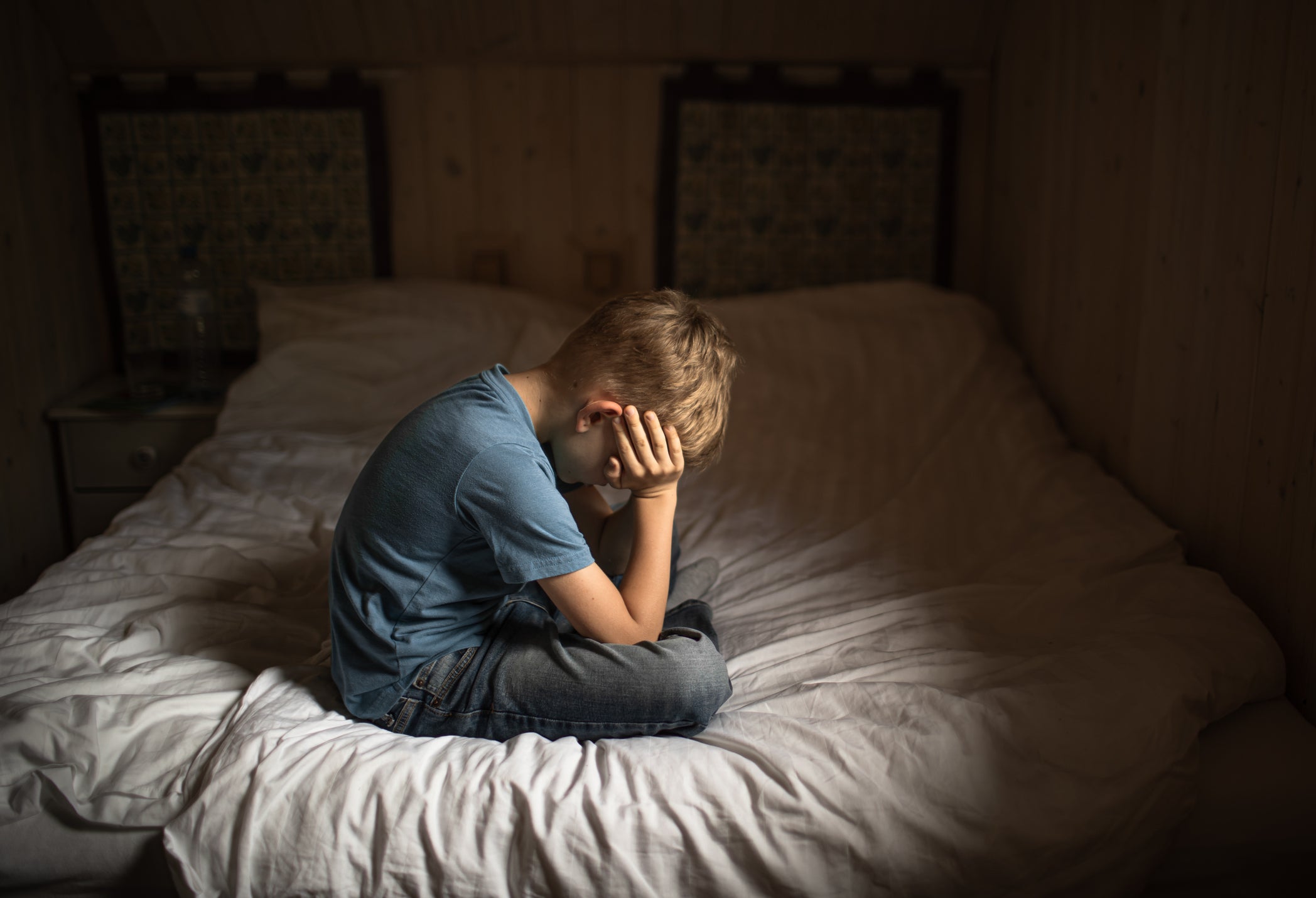
Many people underestimate how common trauma is for young people (Getty/iStock)
Distressing content is also streamed directly to teens’ devices. Violent videos, cyberbullying or hate-based online abuse can all trigger overwhelmed feelings.
When feelings become too much to handle, dissociation offers immediate relief. But overuse of dissociation to cope can disrupt learning, relationships and daily life.
Surveys suggest this clinical form of dissociation affects 7–11% of high school students, making it as common as anxiety disorders.
Yet dissociation in young people is still not well understood, even by professionals.
What we wanted to find out
To better understand dissociation, our research team spoke with dissociating teens about what the experience feels like, what triggers it and what helps.
Seven teenagers who had experienced significant trauma and were receiving care at a Western Australian mental health service shared their experiences. Given that dissociation can affect memory and awareness, we also interviewed each teen’s parent and primary clinician.
While our study involved a small number of teens, their reflections gave us powerful insight into the lived experience of dissociation in adolescence.
What teens told us
Teens described dissociation as feeling disconnected from their body or as though reality had gone blurry.
Lisa* (age 17) said: “I could look in the mirror and not feel like it was me […] I knew it was me, but I didn’t feel like it was me.”
Verity* (age 14) explained: “I’m zoned out and don’t notice what’s going on around me. […] People could be calling my name or waving in my face, and like, I don’t notice.”
open image in gallery
Some teens may just want company, and some might want help with calming techniques (PA)
Parents told us their teens could sometimes become completely unresponsive – unable to move or talk – or have emotional outbursts they later couldn’t remember.
Dissociation was most likely when teens felt strong emotions triggered by reminders of trauma, conflict or peer rejection.
What helps
Many teens said the most helpful thing was knowing a trusted person was nearby. They often didn’t want advice or questions – just reassurance that someone would stay close.
Lisa said: “I like having company because I don’t cope on my own […] it’s helpful to have someone just wait with me until it’s over.”
Sometimes, they wanted more active help with strategies.
Amy* (age 16) said calming techniques can help: “if someone else is there and they’re telling me what to do […] I can’t really do it on my own when I’m like that [dissociating].”
Others said retreating to quiet spaces helped them come back to the present.
But when they didn’t feel able to reach out for support, some teens turned to less helpful strategies, like disappearing into fantasy worlds for hours.
Our research suggests that to reduce the chances of this, it’s important for teens to know you’re there.
What parents can do
Bullying, rejection or failure can all feel catastrophic to a developing mind. Teens may also experience traumas that adults don’t know about.
If a teen seems distant or unresponsive, stay curious rather than frustrated. Ask yourself what might be happening beneath the surface.
About the authors
Bronwyn Milkins is a Postdoctoral Researcher in Youth Trauma and Dissociation at The Kids Research Institute Australia.
Helen Milroy is a Professor & Director in the Centre for Aboriginal Medical and Dental Health (CAMDH) at The University of Western Australia.
This article is republished from The Conversation under a Creative Commons license. Read the original article.
When dissociation happens, stay physically present and calm. Offer to help them with activities like going for a walk, breathing slowly, or doing something sensory, such as holding a warm drink.
If dissociation happens frequently or severely, consider reaching out to a mental health professional or GP for support.
Why it matters
Dissociation isn’t bad behaviour – it’s a coping response to trauma and stress, and can be a sign a teen is overwhelmed. When adults recognise this, they can respond with empathy instead of frustration.
We’d like to see trauma-informed approaches in homes and schools. This means building safety and trust with young people and supporting collaboration.
Offering choice (for example, taking a short break or choosing where they sit in the classroom) can empower them to have some control over their environment. Calm, sensory-friendly spaces can also help kids feel safe and ready to learn.
Recognising dissociation and responding with patience and compassion can help your teen and strengthen your relationship in the process.
*Names have been changed to protect privacy.
If this article has raised issues for you, or if you’re concerned about someone you know, call Lifeline on 13 11 14 or Kids Helpline (ages 5–25 and parents) on 1800 55 1800.
If you are experiencing feelings of distress, or are struggling to cope, you can speak to the Samaritans, in confidence, on 116 123 (UK and ROI), email jo@samaritans.org, or visit the Samaritans website to find details of your nearest branch.
If you are based in the USA, and you or someone you know needs mental health assistance right now, call or text 988, or visit 988lifeline.org to access online chat from the 988 Suicide and Crisis Lifeline. This is a free, confidential crisis hotline that is available to everyone 24 hours a day, seven days a week. If you are in another country, you can go to www.befrienders.org to find a helpline near you.