
NIGERIA NEWS
Lagos lightens environment with 22,000 solar lights

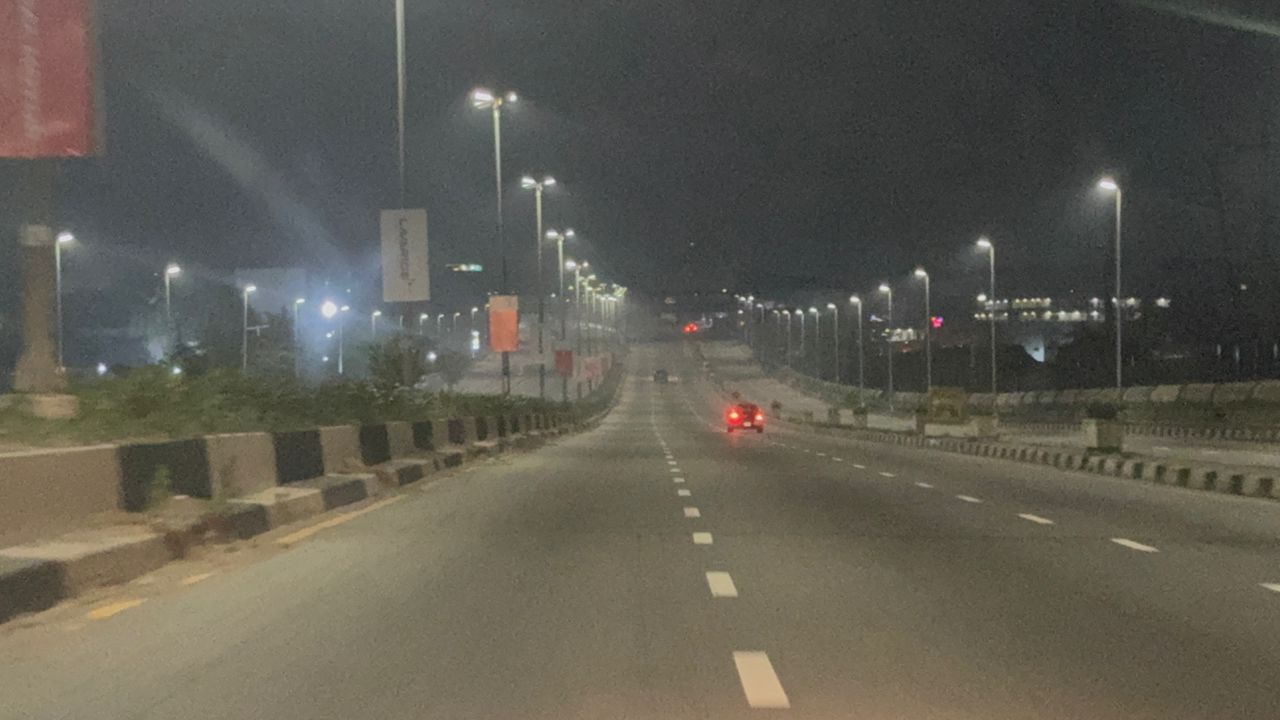
The Lagos State Electrification Agency (LSEA) has installed over 22,000 solar-powered streetlights across the metropolis.
The resurgence of streetlights in the state under the Ministry of Energy and Mineral Resources was evident from Governor’s Road at Alausa Secretariat through Mobolaji Johnson Way, the Accident and Emergency/7-Up Road, Old Toll Gate/Olusosun to Herbert Macaulay Way in Yaba, and Bode Thomas Road in Surulere.
Other corridors, including Muritala Muhammed Way, Ebute-Metta, Jibowu, Market Street Oyingbo, Iddo, Eko Bridge, Marina Bridge, Governor’s Road in Ikotun, and the Lekki–Ikoyi Link Bridge, have been fully illuminated.
Installations are also on going on Ikorodu Road from Anthony through Palm Grove to Fadeyi. Work is also ongoing along Mobolaji Bank Anthony Way, linking the Ikeja GRA axis to Maryland, while the overhead section of the Ikeja Bridge is almost completed.
Work is also ongoing on Western Avenue, the Gbagada–Oshodi Expressway, Mobolaji Bank Anthony Way, Alapere/Ogudu, Agric–Ikorodu, and Ikorodu Road, while the Lekki–Epe Expressway is projected to join the list.
For decades, Lagos relied heavily on grid electricity and diesel-powered lamps to keep its streets bright at night.
LSEA said the system was costly, unreliable, and environmentally harmful. Recognising the need for a cleaner and more sustainable alternative, the Lagos State Government, through the Ministry of Energy and Mineral Resources, began to rethink how the city’s public lighting system could be powered by renewable energy.
That vision gave birth to the ongoing solar streetlight project, a landmark initiative that not only enhances urban safety and visibility but also reflects environmental protection and energy efficiency.
Across highways, bridges, and neighbourhoods, solar-powered streetlights are transforming the nightscape, bringing safety, beauty, and sustainability to Africa’s largest urban centre.
Speaking on the project, Deputy Director of Public Affairs LSEA, Ololade Agboola, said the transformation is a product of visionary leadership and strategic planning by the Lagos State Government under Governor Babajide Olusola Sanwo-Olu, in line with his administration’s THEMES+ agenda. “Through the Light Up Lagos Solar Streetlight Initiative, implemented by LSEA, more than 22,000 solar-powered streetlights are being installed across the state. The initiative represents a model of effective collaboration within government. Under the coordination of the Commissioner for Energy and Mineral Resources, Biodun Ogunleye, and General Manager of the LSEA, Kamaldeen Abiodun Balogun, Lagos is redefining what sustainable urban infrastructure can look like in Nigeria.”
According to Balogun, the project demonstrates the government’s resolve to harness renewable energy as a key driver of sustainable development.
“This project reflects Governor Sanwo-Olu’s commitment to building a cleaner, greener, and safer Lagos. By reducing dependence on fossil fuels and maximise solar energy, we are lighting up the city while preserving the environment for future generations.”
“Each solar streetlight operates as a self-sufficient power unit, converting sunlight during the day into stored energy that illuminates the night. The result is a reliable, maintenance-friendly, and environmentally friendly system that requires no grid connection or fuel to function.
“The success of the Light Up Lagos project is a reflection of our collective commitment to sustainability.
This is not just about lighting our roads; it is about powering progress, improving safety, and promoting a cleaner environment for the people of Lagos.”

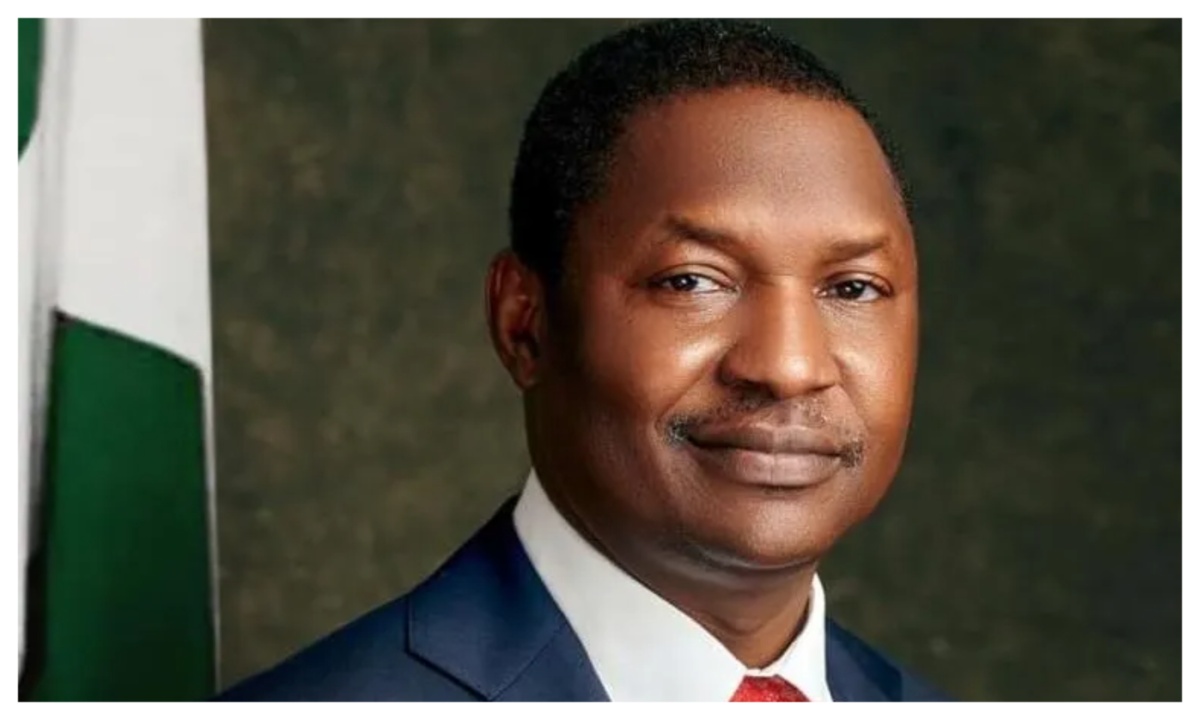
African Democratic Congress, ADC, in Kebbi State has accused the Economic and Financial Crimes Commission, EFCC, of acting with political bias and outside the provisions of the law following the continued detention of former Attorney-General of the Federation and Minister of Justice, Abubakar Malami.
The party made the allegation on Sunday during a press conference at Azbir Hotel, Birnin Kebbi, where it called for Malami’s immediate release, describing his detention as unconstitutional and politically motivated.
Addressing journalists, the Kebbi State Chairman of the ADC, Sufyan Bala, alleged that the EFCC had overstepped its statutory mandate and was gradually assuming the role of “the law itself,” instead of operating as a law enforcement agency subject to constitutional limits.
“The EFCC is a creation of the law and must operate strictly within the confines of the Constitution. When law enforcement becomes selective and biased, it poses a serious threat to democracy and the rule of law,” Bala said.
The party further alleged that Malami’s detention, given his position as a senior member and leader of the ADC in Kebbi State, was part of a broader attempt to intimidate opposition figures and coerce them into joining the ruling All Progressives Congress, APC.
According to the ADC, Malami has not been formally charged with any offence, a situation it said violates the provisions of the 1999 Constitution (as amended), stressing that no citizen should be treated beneath the law.
“We are not asking for special treatment. He must not be treated above the law, but certainly not beneath it. Democracy cannot thrive under fear, intimidation and lawlessness,” Bala added.
Despite the development, the party said it remained resolute and undeterred, assuring members and supporters of its commitment to democratic ideals and active political participation ahead of the 2027 general elections.
The ADC chairman urged party members across Kebbi State to remain calm and law-abiding, while reaffirming the party’s determination to challenge what it described as ineffective governance at the local, state and national levels.
However, it was gathered that Malami was taken into custody after allegedly failing to meet bail conditions granted to him by the anti-graft agency.
He has reportedly remained in detention since December 8 and is being investigated over allegations bordering on abuse of office and terrorism financing.

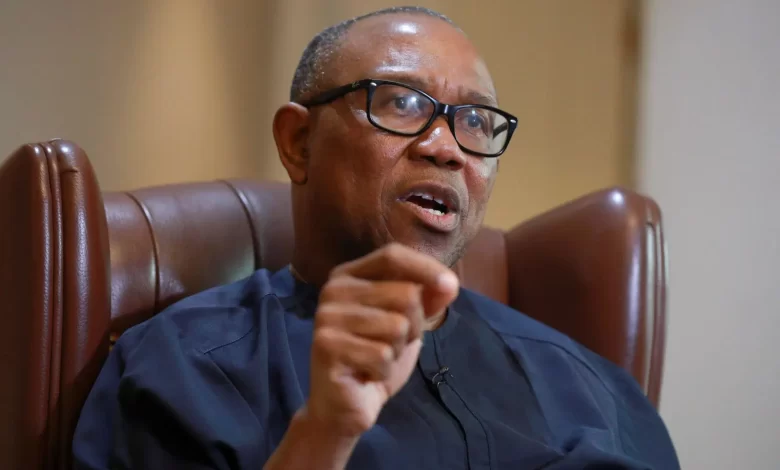
Former Labour Party presidential candidate, Peter Obi, is expected to formally leave the party this week, following months of unresolved leadership crises and deep internal divisions.
Obi’s anticipated exit is linked to the prolonged instability within the Labour Party, which has continued to struggle with factional leadership, court cases and lack of internal cohesion since the 2023 elections.
The development has fueled intense speculation over his next political destination, although no final decision has been publicly confirmed.
Findings by POLITICS NIGERIA indicate that while several opposition parties have reached out to the former Anambra State governor, discussions are still ongoing.
His next platform remains uncertain, with consultations said to be fluid and far from concluded.
There have been strong talks linking Obi to the African Democratic Congress (ADC). However, indications suggest that the party may not be his immediate destination. Internal arrangements and unresolved structural matters are believed to be key sticking points in the ongoing conversations.
Sources familiar with the situation say Obi has raised concerns about internal processes, leadership structure and long-term direction within parties courting him. These concerns, it was learnt, have slowed down any final agreement.
There are also emerging political alignments within the ADC that may affect Obi’s calculations. Some developments suggest the party may be leaning towards a different presidential option ahead of 2027, a situation that could complicate Obi’s own political ambition.
Against this backdrop, Obi is said to be considering an entirely new political platform. The option of joining an existing party with entrenched interests and prior agreements is reportedly being weighed carefully, as he seeks political space to operate freely.
The crisis rocking the Labour Party is largely rooted in leadership disputes that intensified after the 2023 elections. Central to the conflict is the controversy surrounding the tenure of former National Chairman, Julius Abure.
Obi and several party stakeholders have maintained that a Supreme Court ruling effectively brought Abure’s leadership to an end. However, the continued recognition of his faction by the Independent National Electoral Commission (INEC) has prolonged the impasse.
As a result, the party has operated with parallel executives and rival factions, each claiming legitimacy. This division has weakened internal discipline, stalled decision-making and slowed efforts to reposition the party nationally.
Those close to Obi say he believes his continued stay in the party has worsened the situation. His political influence and popularity, they argue, have been used by rival camps to strengthen their claims.
According to insiders, Obi feels that stepping away may give the party breathing space to resolve its internal issues without his name being dragged into the struggle for control.
The Labour Party rose to national relevance during the 2023 presidential election largely due to Obi’s candidacy. His campaign energized young voters, urban professionals and first-time participants, transforming the party from a fringe platform into a major political force.
However, that momentum has since waned. Several elected officials have left the party, citing confusion, lack of direction and the unresolved leadership crisis.
Obi is said to be increasingly concerned that remaining in a party plagued by endless disputes could hurt his reformist image and weaken his support base ahead of future elections.
Although he has not officially announced his next move, indications suggest he is inclined towards a platform that promotes internal democracy, clarity of leadership and minimal legal distractions.
His departure is expected to trigger fresh political realignments across the opposition space. Parties are already positioning themselves to attract supporters of the popular “Obidient” movement, which remains a significant political force.
When contacted, the spokesman of the African Democratic Congress, Bolaji Abdullahi, said he could not confirm whether Obi was set to join the party. He noted that the ADC would be open to welcoming Obi should he decide to come on board.
Attempts to get official reactions from the Labour Party were unsuccessful, as calls to party officials were not returned as of the time of filing this report.
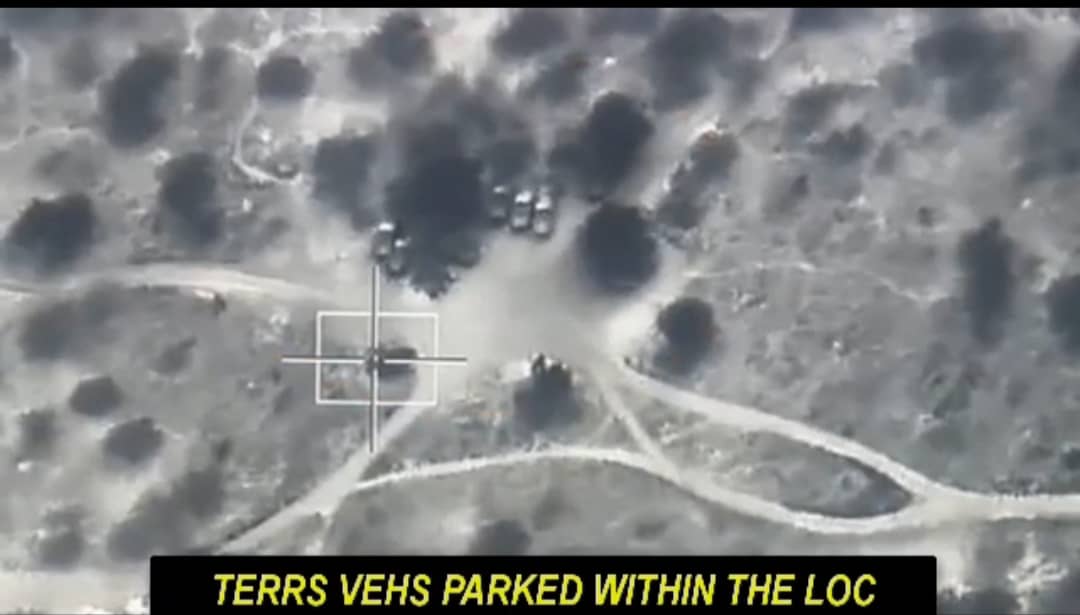
The Nigerian Air Force (NAF) has executed a successful air interdiction mission against terrorist logistics at Dabar Masara in the southern Tumbuns.
The operation was carried out on December 14, 2025, by the air component of Joint Task Force Operation HADIN KAI.
The NAF said the strike followed credible intelligence indicating the presence of a terrorist workshop and sustained movement of armed elements in the area.
It said an integrated force package was deployed to conduct coordinated intelligence, surveillance and reconnaissance missions alongside strike operations.
The NAF said earlier surveillance revealed repeated terrorist movement and a significant number of vehicles concealed under vegetation.
It said the findings confirmed the location as an active terrorist logistics hub.
Air Commodore Ehimen Ejodame, NAF spokesman said in a statement: “On the day of the operation, further surveillance validated the earlier findings, with terrorists observed manoeuvring within the location and around the identified vehicles.
“Following positive identification and in strict adherence to the Rules of Engagement, the targets were engaged. Post-operation Battle Damage Assessment confirmed that the identified vehicles were destroyed and terrorist elements were neutralised.
“The successful execution of this mission underscores the NAF’s continued commitment to intelligence-driven, precise air operations in support of national efforts to degrade terrorist networks and enhance security across affected regions.”

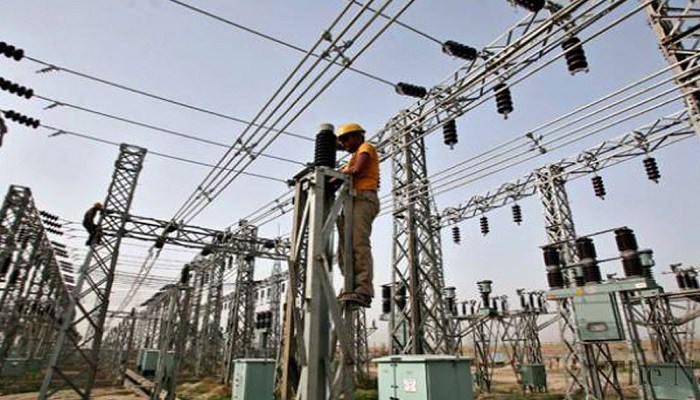
The Federal Government’s plan to issue up to N4 trillion in government-backed bonds to settle legacy debts owed to electricity generation companies (Gencos) and gas suppliers has triggered concerns over its risky debt-for-debt strategy.
At the heart of the initiative is a strategic move to convert long-standing IOUs within the electricity market into tradable, FGN-guaranteed securities.
This shift is designed to stabilise liquidity in the electricity value chain, restore investor confidence, and resolve decade-old cash flow disputes that have crippled power generation and supply.
However, while some analysts welcome the plan as a pragmatic fiscal solution to an intractable problem, others warn it could entrench structural market failures, deepen public debt, and create long-term liabilities for taxpayers.
How the Bonds Are Structured
According to a term sheet reviewed by Nairametrics, the bonds are being issued by NBET Finance Company PLC, with full sovereign guarantee from the Federal Government of Nigeria.
The sponsor of the transaction is the Nigerian Bulk Electricity Trading Plc (NBET), while CardinalStone Partners is acting as the lead issuing house and financial adviser.
The bond issuance has a programme size of N4 trillion, with Phase 1 already underway. The government plans to raise N1.23 trillion between November and December 2025, split into two tranches:
- Series 1 Tranche A: N300 billion offered to investors for cash through a book-building process.
- Series 1 Tranche B: N290 billion allotted directly to Gencos on the same terms but not paid in cash. These bonds can be sold in the secondary market or pledged as collateral for loans.
The non-cash bonds provide Gencos with liquidity options without requiring immediate cash payouts from the government, and the issuer reserves the right to expand these allocations to Gencos up to the approved N1.23 trillion ceiling for Phase 1.
The bonds have a 7-year tenor with semi-annual interest payments and a fixed coupon rate. The pricing will reflect the yield on a comparable 7-year FGN Bond plus a market spread.
What the Bonds Aim to Solve
Nigeria’s power sector has long suffered from a broken payment structure. Gencos frequently complain of unpaid invoices from NBET, which in turn blames Distribution Companies (Discos) for failing to remit full payments.
Discos cite tariff shortfalls, poor collection efficiency, and technical losses as major barriers to meeting obligations.
Data from the Nigerian Electricity Regulatory Commission (NERC) shows that in September 2025, Discos billed only 86.4% of energy received, losing 13.6% to energy theft or metering gaps.
Worse still, only 81.25% of the billed amount was collected, indicating an Aggregate Technical, Commercial and Collection (ATC&C) loss of over 30%.
This structural inefficiency creates a liquidity squeeze that flows upstream as Gencos can’t pay gas suppliers, gas suppliers cut off fuel, and generation capacity dips.
The bond issuance seeks to interrupt this cycle by injecting liquidity and enabling Gencos to meet immediate obligations.
FG’s Position: Stabilising the Power Sector
According to Olu Verheijen, the Special Adviser to the President on Energy, the bond is part of the broader Presidential Power Sector Debt Restructuring Programme, which was approved by President Bola Tinubu and ratified by the Federal Executive Council (FEC) in August 2025.
Verheijen disclosed that the bonds will help clear verified arrears to generation and gas companies and are intended to restore financial stability to a sector that has deterred investment and stalled energy reform efforts.
She emphasised that the bonds are fully government-guaranteed and amortising, meaning repayment will occur gradually over time, easing fiscal pressure.
Critics Warn of Fiscal Risks and Poor Precedents
Despite the policy intent, the bond programme has sparked criticism among former regulators and financial analysts.
Dr. Sam Amadi, former Chairman of NERC, questioned the logic of using public debt to resolve market obligations. “These are market debts. Why is the government stepping in with sovereign guarantees before a full review of how the debts were incurred?” he asked.
Amadi warned that recurring bailouts would encourage market complacency and reduce the pressure on Discos and NBET to operate efficiently.
“When I was Chairman of NERC, I rejected a proposed N5 billion injection into the Afam power plant. Markets should be allowed to function, and debts should be settled through transparent regulatory processes,” he said.
“Debt to Pay Debt” – Concerns About Long-Term Sustainability
For Dr. Biyi Ogunmodede, a power sector analyst at Nexton Consulting Ltd, the bond plan appears to be “using debt to pay debt”. He acknowledged the potential short-term benefits but flagged concerns about sustainability.
“The bond market is not a magic wand. You still have to service the debt. If Discos don’t improve performance and tariffs are not restructured, you’ll end up with another round of unpaid market obligations,” he noted.
Ogunmodede argued that liquidity support must go hand-in-hand with deeper sector reform, including tariff rationalisation, Disco recapitalisation, and improved regulatory enforcement.
Experts Call for Transparency and Reform Benchmarks
In a policy brief shared with Nairametrics, Dr. Muda Yusuf, CEO of the Centre for the Promotion of Private Enterprise (CPPE), urged the government to embed accountability, verification, and transparency mechanisms into the bond programme.
Yusuf warned that Nigeria’s experience with subsidy regimes shows how well-intentioned interventions can be hijacked or poorly implemented.
“There is an urgent need to subject all claims to rigorous audit and ensure that settlement is based on verifiable liabilities,” he said.
He also advocated for a phased transition to cost-reflective tariffs, supported by targeted social protection for low-income households. In addition, Yusuf called for performance-linked reforms for Discos, including loss reduction targets, technical upgrades, and capital injections where necessary.
Implementation Framework Already Underway
The Federal Government has confirmed that implementation frameworks for the bond programme have been finalised, following high-level meetings with Gencos and key sector stakeholders in October 2025.
Officials reviewed the modalities for clearing verified arrears and laid out a timetable for phased payments.
According to Ministry of Power insiders, the bond will be issued in tranches aligned with ongoing verification audits of market claims.
The government hopes the successful issuance of the first N1.23 trillion will establish a blueprint for market discipline, setting the stage for subsequent reforms in tariff regulation, market operations, and investor governance.
What You Should Know:
- The bond programme is fully guaranteed by the FGN, enhancing investor confidence.
- Gencos are receiving tradable securities, not cash, but can monetise them in the open market.
- The bond has a 7-year tenor, semi-annual coupons, and targets institutional investors.
- Repayment is tied to FG budgetary allocations and market revenues, especially Disco collections.
- Analysts stress that without cost-reflective tariffs, stronger Disco performance, and transparent oversight, the intervention may fail to prevent another cycle of debt accumulation.

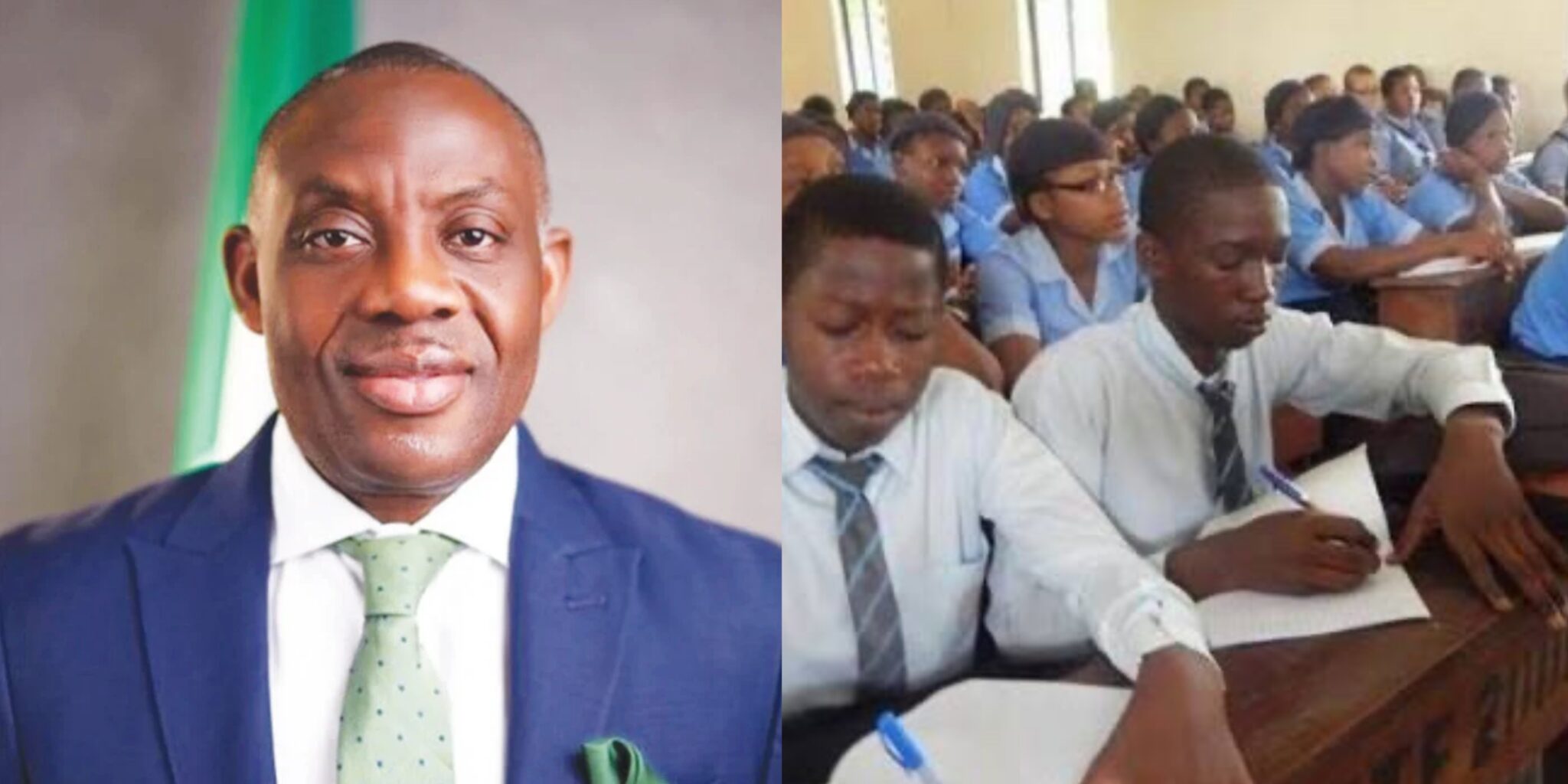
The Federal Government has outlawed the admission and transfer of students into Senior Secondary School Three (SS3) across all public and private secondary schools in Nigeria, citing rising concerns over examination malpractice.
The new rule, announced by the Federal Ministry of Education on Sunday, will come into force from the 2026/2027 academic session.
Ban takes effect from 2026/2027 academic session across public and private schools
Under the policy, schools may only admit or accept transfers into Senior Secondary School One (SS1) or Senior Secondary School Two (SS2), with SS3 completely excluded.
According to the ministry, the decision follows persistent reports of unethical practices during external examinations, including the use of illegal “special centres” designed to give candidates undue advantage.
In a statement signed by the Director of Press and Public Relations, Boriowo Folasade, the ministry explained that the ban was intended to halt the late movement of students into final-year classes purely for examination benefits.
Education Minister Tunji Alausa emphasised that the policy is aimed at strengthening standards and restoring integrity in secondary education.
Education ministry warns schools of sanctions for violating new admission policy
“School proprietors, principals, and administrators nationwide have been directed to comply fully with the policy. Any violation will attract appropriate sanctions in line with existing education regulations and guidelines,” the statement
Officials further noted that the ban forms part of broader education reforms designed to safeguard the credibility of national examinations and reinforce public trust in the system.
The ministry reaffirmed the Federal Government’s commitment to improving academic standards and ensuring that assessment processes reflect genuine learning rather than manipulation.
With the 2026/2027 academic calendar set as the commencement date, stakeholders have been advised to adjust their admission practices accordingly, as no waiver or special approval will be granted for SS3 entry under any circumstances.

By Theodore Opara
THE Nigeria Auto Journalists Association, NAJA, has announced that all is set for the 2025 NAJA Awards, scheduled to hold on Tuesday, December 16 at the Oriental Hotel, Lagos.
The annual ceremony, revered across the motoring community as the “Oscars” of the Nigerian automotive industry, will unite the country’s most influential brands, regulators, distributors, innovators, and mobility stakeholders for an evening of celebration and industry reflection.
Speaking ahead of the event, the Chairman of the NAJA Awards Organising Committee, Frank Kintum described the 2025 edition as “a defining moment for Nigeria’s auto industry”, noting that this year’s competition is one of the strongest in recent years.
“The industry has witnessed significant transformation over the past year— from electric mobility growth to new product rollouts and stronger aftersales investments. This year’s awards will capture these milestones and honour the people and organisations driving the progress,” he stated.
He added that the awards are not just a prize-giving ceremony but an opportunity for auto professionals to engage, exchange ideas, and spotlight the innovations shaping transport in Nigeria.
The FRSC Corps Marshal, Shehu Mohammed and the Director-General of the National Automotive Design and Development Council, NADDC, Otunba Oluwe-mimo Joseph Osanipin are among the high-profile dignitaries expected.
Their participation, organisers say, highlights the strategic importance of the event to national road safety, automotive policy, and the future of local vehicle manufacturing.
“Having the leadership of FRSC and NADDC with us reinforces the shared commitment to safer roads, stronger regulations, and the growth of our domestic auto sector,” Kintum added.
Vanguard News
The post Top auto brands, regulators gear up for 2025 Nigeria Auto Awards appeared first on Vanguard News.
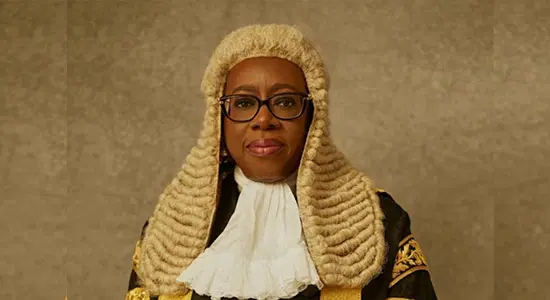
The Chief Justice of Nigeria (CJN), Justice Kudirat Kekere-Ekun has stated that judges are exempted from President Bola Tinubu’s directive on the withdrawal of police officers attached to Very Important Persons (VIPs), as part of measures to strengthen internal security across the country.
The explanation followed growing anxiety within the judiciary and ensuring that judges continue to enjoy adequate protection while the federal government implements its broader police reform and security realignment strategy.
CJN’s media aide, Tobi Soniyi, who conveyed the clarification, stated that the presidential order was aimed at freeing up police personnel for frontline duties amid rising insecurity, but does not apply to judicial officers.
This follows reports from Taraba State, where the Chief Judge, Justice Joel Agya, raised concerns that police orderlies attached to some judges had been withdrawn without prior notice. Justice Agya warned that such action could expose judges especially those handling sensitive criminal, terrorism, political and corruption cases to serious security risks and potentially undermine judicial independence.
In his reaction, Soniyi said the CJN was not aware of any authorised withdrawal of police personnel attached to judges, stressing that the exemption remains clear.
He added that no similar complaints had been received from other heads of courts across the federation.
Meanwhile, Taraba State Police authorities, denied withdrawing police officers assigned to judges, insisting that security personnel attached to court duties and judges’ residences were still in place, and that the presidential directive only affects personal VIP escorts.
President Tinubu’s directive, issued in late November, mandates the redeployment of police officers from VIP protection to core security operations to tackle kidnapping, banditry and other violent crimes.
The presidency has repeatedly described the policy as non-negotiable, while indicating that alternative security arrangements.


President Bola Tinubu has approved the promotion of his Aide-de-Camp (ADC), Nurudeen Yusuf, to the rank of brigadier-general, a decision that has sparked murmuring and discontent within the Nigerian Army.
In a letter dated 12 December 2025 and addressed to the Chief of Army Staff, Lt.-Gen. Wahid Shaibu, the National Security Adviser, Nuhu Ribadu, conveyed the President’s approval for Mr Yusuf’s elevation.
The promotion has raised eyebrows within military circles because Mr Yusuf was only decorated as a colonel in January this year, making the latest advancement his second within a 12-month period.
Several officers, including some of his coursemates, reportedly expressed frustration over what they described as an unprecedented fast-tracking of his career, with critics accusing the President of favouritism.
“This beggars belief and defies all logic,” an aggrieved senior officer said. “Someone who was just promoted to colonel this year?” Neither the Presidency nor the Nigerian Army has publicly offered an official explanation for Mr Yusuf’s accelerated promotion.
However, a Presidency source, who spoke on condition of anonymity because he was not authorised to discuss the matter, said the President approved the elevation to align Mr Yusuf’s rank with those of other senior security officials attached to the Presidential Villa.
According to the source, the Nigeria Police Force in August promoted the President’s Chief Personal Security Officer, Usman Shugaba, from deputy commissioner of police to commissioner of police.
Similarly, the State Security Services (SSS) recently elevated the President’s Chief Security Officer, Adegboyega Fasasi, to the rank of director. The source explained that the police and SSS ranks are considered equivalent to that of a brigadier-general in the Nigerian Army.
He added that without a corresponding promotion, Mr Yusuf would have remained subordinate in rank to his counterparts within the Villa’s security architecture, a situation he said could undermine esprit de corps among the presidential security team.
Mr Yusuf was appointed ADC to Mr Tinubu on 1 May 2023, about four weeks before the President’s inauguration. He held the rank of lieutenant-colonel at the time.
Related
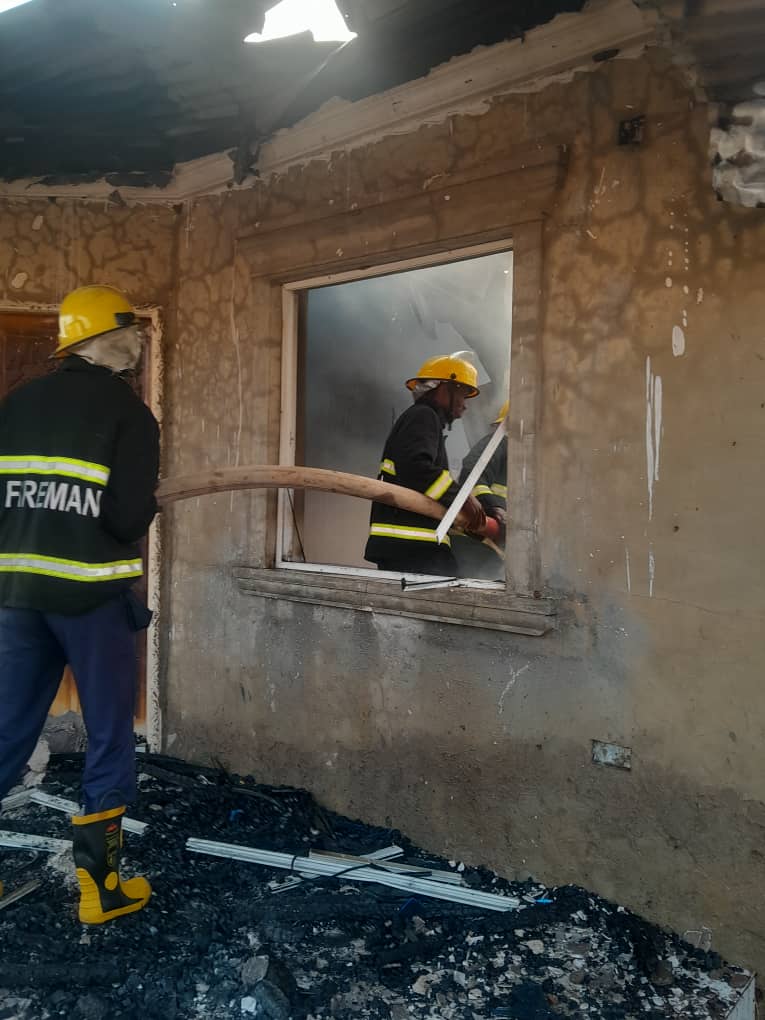
A fire disaster triggered by sudden gas explosion on Sunday consumed a building of three-bed room flats in Asa Local Government Area of Kwara state.
The incident occurred at about 16:27hrs, at Temidere Community, Reke, Asa Local Government Area, of the state.
According to the spokesman of the state fire service, Hassan Adekunle, it involved a building comprising three-bedroom flats, all of which were affected by the fire following a sudden gas explosion.
Preliminary investigation revealed that the incident was caused by gas leakage, which led to the explosion and subsequent fire outbreak.

Hassan said firefighters promptly engaged the fire and carried out containment operations to prevent further escalation within the community.
Director of the state fire service, Prince Falade John Olumuyiwa, advised residents to exercise strict caution in the use of gas.
He stressed the importance of regular inspection of gas cylinders, hoses, and regulators, urging users to ensure proper ventilation, avoid using faulty or expired gas equipment, and to immediately shut off gas supply when leakage is suspected.
The director emphasized adherence to basic gas safety practices as critical in preventing explosions and loss of property.

By Felix Khanoba
The Federal Government, through the Federal Ministry of Education, has announced a nationwide ban on the admission and transfer of students into Senior Secondary School Three (SS3) in all public and private secondary schools.
A statement signed by Director, Press and Public Relations at the ministry, Boriowo Folasade, on Sunday, said the directive follows growing concerns over the increasing incidence of examination malpractice.
The statement also cited in the use of so-called special centres during external examinations, which undermine the integrity and credibility of Nigeria’s education system as reason for the ban.
According to the Ministry, the policy will take effect from the next academic calendar 2026/27 with admissions and transfers now restricted strictly to Senior Secondary School One (SS1) and Senior Secondary School Two (SS2).
” Admission or transfer into SS 3 will no longer be permitted under any circumstance,” it said.
The ministry explained that the measure is aimed at discouraging last-minute movement of students for examination-related advantages, ensuring proper academic monitoring, and promoting continuity in teaching and learning.
“School proprietors, principals, and administrators nationwide have been directed to comply fully with the policy, as any violation will attract appropriate sanctions in line with existing education regulations and guidelines,” the statement added.