NIGERIA NEWS
Suspected gunmen kill 12 miners in Plateau, many still missing

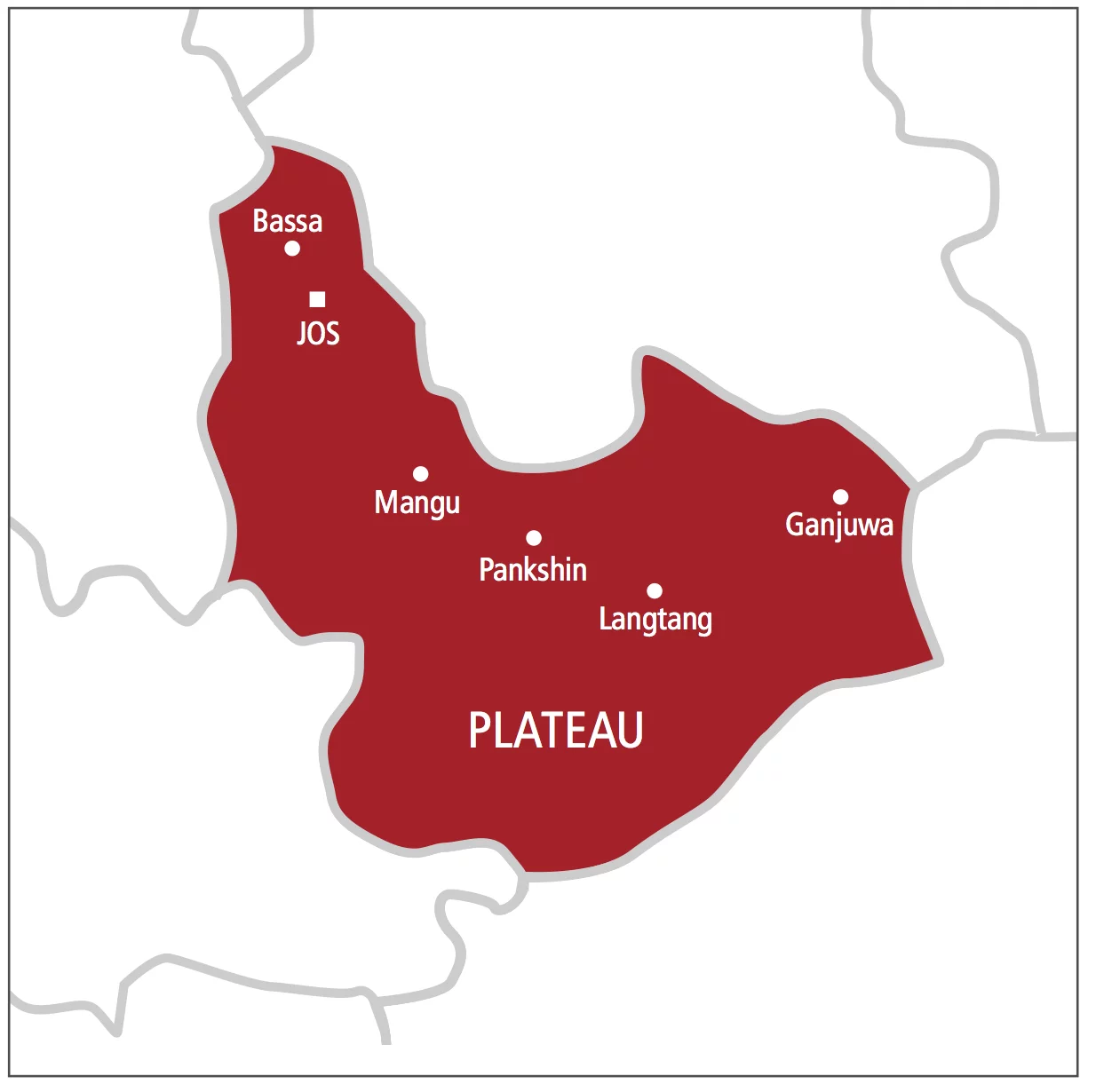
At least, 12 miners have been killed after unknown gunmen attacked a mining site in Ratoso Fan District of Barkin Ladi Local Government Area in Plateau State.
Residents said the attack happened on Tuesday night while the miners were working at the site.
The attackers reportedly arrived suddenly and opened fire, forcing many miners to run for safety.
The Berom Educational and Cultural Organisation (BECO) said several people are still missing after the attack.
Confirming the incident on Wednesday, BECO Chairman and Mining Committee head in Barkin Ladi local government, Dallang Davott, said the gunmen struck while the miners were carrying out their activities.
He said: “The number of those missing are yet to be ascertained because the incident happened in the night.”
Davott explained that the attackers stormed the mining site and began shooting, causing chaos.
“So, many of them fled for their lives during the incident. But 12 persons so far are confirmed killed,” he added.
As of the time of reporting, the police have not officially confirmed the incident.

•Saidu Mohammed heads downstream/midstream, Oritsemeyiwa Eyesan leads upstream
• Tinubu seeks Senate’s confirmation for new picks
•NBA demands probe despite Ahmed’s resignation
Deji Elumoye and Emmanuel Addeh in Abuja and Wale Igbintade in Lagos
In an unexpected turn of events, the Presidency yesterday announced the resignation of the Chief Executive Officer of the Nigerian Midstream and Downstream Petroleum Regulatory Authority (NMDPRA), Farouk Ahmed, as well as the his counterpart at the Nigerian Upstream Petroleum Regulatory Commission (NUPRC), Gbenga Komolafe.
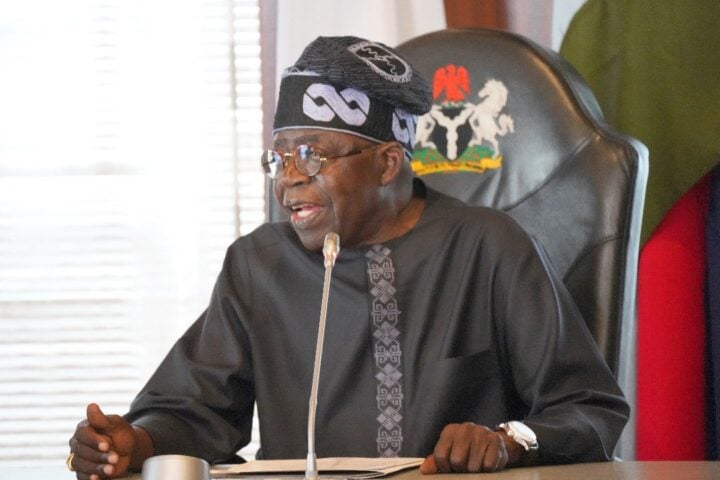
In their place, President Bola Tinubu asked the Senate to approve the nominations of two new chief executives for the NMDPRA and the NUPRC, namely: Saidu Aliyu Mohammed and Oritsemeyiwa Eyesan respectively.
Both officials who ‘resigned’ left their positions ahead of the expiry of their tenures next year, having been appointed in 2021 by former President Muhammadu Buhari to lead the two regulatory agencies created by the Petroleum Industry Act (PIA).
Specifically, the Presidency made the announcement shortly after meeting behind closed doors with the embattled erstwhile CEO of the NMDPRA, Ahmed, at the State House, Abuja.
The meeting took place against the backdrop of mounting allegations against the former petroleum regulator, Ahmed, by renowned industrialist and President of Dangote Group, Alhaji Aliko Dangote.
Ahmed who arrived at the State House at about 5:30pm left the President’s first floor office in less than 30 minutes at about 5.55 pm and refused to speak with newsmen as he exited the Villa offering no comment on the allegations or the outcome of his meeting with the President, THISDAY observed.
Dangote in recent times has been locked in a public dispute over Nigeria’s downstream petroleum regulator and the future of domestic refining, with Africa’s richest person accusing him of sleaze and economic sabotage as well as undermining local refining capacity in Nigeria.
Dangote maintained that the continued issuance of import licences for petroleum products, despite in-country capacity was frustrating domestic refiners and entrenching dependence on imports.
He further alleged that the NMDPRA was colluding with international traders and oil importers to the detriment of local operators, a charge the regulatory chief had yet to publicly address before his removal, and for which he had been invited by federal lawmakers.
Besides, the billionaire businessman raised personal allegations against the NMDPRA chief, claiming that Ahmed was living beyond his legitimate means and claiming that four of his children attend secondary schools in Switzerland at a cost running into about $7 million.
Dangote argued that such expenditure raised questions about potential conflicts of interest and the integrity of regulatory oversight in the downstream petroleum sector, and eventually submitted a petition to the Independent Corrupt Practices and Other Related Offences Commission (ICPC), calling for Ahmed’s arrest, investigation and prosecution.
Perhaps, even more shocking was the ‘resignation’ of the NUPRC chief, Komolafe, the pioneer head of the upstream commission since 2021, with an initial term of five years, which was expected to run out next year.
Komolafe’s tenure has been marked by a series of reforms, touching on regulatory transparency, industry performance, investment confidence, community development, and international engagement.
Under him, Nigeria’s active drilling rig counts surged from just eight in 2021 to almost 70 by October 2025, reflecting renewed exploration and production interest. The regulatory environment has fostered investment approval and capital inflows, with dozens of Field Development Plans (FDPs) worth billions of dollars sanctioned, boosting Nigeria’s energy infrastructure and production potential.
He also oversaw the development and implementation of key regulatory frameworks, leading to the reduction of crude theft as well as expansion of the Host Community Development Trust framework, channeling funds into community infrastructure and social services.
However, a statement by the Special Adviser to the President on Information and Strategy, Bayo Onanuga, stated that the two new nominees are seasoned professionals in the oil and gas industry.
Following the ‘resignations’ the President has, therefore, asked the Senate to confirm the nominations of the two new chief executives to fill the positions, requesting expedited confirmation of Eyesan as CEO of NUPRC and Mohammed as head of the NMDPRA.
Oritsemeyiwa Eyesan, a graduate of Economics from the University of Benin, spent nearly 33 years with the Nigerian National Petroleum Company Limited (NNPC) and its subsidiaries. She retired as Executive Vice President, Upstream between 2023 and 2024, and previously served as Group General Manager, Corporate Planning and Strategy at NNPC from 2019 to 2023.
On the other hand, Saidu Mohammed, born in 1957 in Gombe, graduated from Ahmadu Bello University in 1981 with a Bachelor’s in Chemical Engineering. Coincidentally, he was also announced yesterday as an independent non-executive director at Seplat Energy.
His prior roles include Managing Director of Kaduna Refining and Petrochemical Company and Nigerian Gas Company, as well as Chair of the boards of West African Gas Pipeline Company, Nigeria LNG subsidiaries, and NNPC Retail.
He also served as Group Executive Director/Chief Operating Officer, Gas & Power Directorate, where, according to the Presidency, he provided strategic leadership for major gas projects and policy frameworks, including the Gas Masterplan, Gas Network Code, and contributions to the Petroleum Industry Act (PIA).
Mohammed, the statement said, played a pivotal role in delivering key projects such as the Escravos–Lagos Pipeline Expansion, the Ajaokuta–Kaduna–Kano (AKK) Gas Pipeline, and Nigeria LNG Train, the statement stressed.
NBA Demands Probe Despite Ahmed’s Resignation
Also yesterday, the President of the Nigerian Bar Association (NBA), Afam Osigwe (SAN), insisted that serious allegations, including forgery and false asset declarations, must be thoroughly investigated and should not be allowed to end with the resignation or removal of a public officer.
Osigwe made the remarks in the wake of the resignation of Ahmed, following corruption allegations levelled against him by the Chairman of the Dangote Group, Dangote.
Speaking during on Channels TV Politics Today, the NBA president warned that allowing high-profile officials to quietly leave office without accountability weakens institutions and entrenches a culture of impunity. He stressed that resignation does not amount to exoneration and must not be treated as closure.
“Allegations of this nature are too weighty to be used merely as tools for political expediency or administrative convenience. Once such claims are made, there is a public duty to investigate them to their logical conclusion, either to clear the individual’s name or to establish guilt based on credible evidence,” Osigwe said.
He added: “We have said this before in similar cases. When weighty allegations such as forgery or false declarations are raised, there ought to be an investigation. People should present documents, and where others are complicit, they too should be held accountable.”
Osigwe cautioned against a pattern in which allegations surface, a resignation follows, and public interest fades without any transparent inquiry. Such an approach, he noted, creates the impression that allegations are weaponised simply to remove someone from office, after which no one genuinely seeks the truth.
He emphasised that accountability processes must be driven by a sincere desire to uphold the rule of law, not by political manoeuvring or attempts to give one party an advantage in regulatory or commercial disputes.
Politicising serious accusations, he warned, reduces them to power plays and undermines public confidence in governance and justice.
While declining to take sides in the specific controversy, Osigwe said perceptions of corruption can sometimes be as damaging as proven misconduct, making it all the more important for allegations to be properly examined.
Failure to investigate, he added, harms not only the individuals involved but also the credibility of public institutions. “Building strong institutions requires consistency, transparency, and follow-through in handling allegations against public officers. This is how institutions are built and how we prevent such issues from recurring,” he said.
Osigwe maintained that Nigeria’s anti-corruption efforts would remain superficial unless allegations are followed by credible investigations and, where necessary, prosecution. He stressed that accountability must go beyond symbolic gestures to demonstrable outcomes.
Dispute Threatens Nigeria’s Economic Sovereignty, Agbakoba Warns
Meanwhile, a former NBA President, Olisa Agbakoba (SAN), has warned that the ongoing dispute between Dangote Petroleum Refinery and the NMDPRA goes beyond a commercial or regulatory disagreement, raising fundamental questions about Nigeria’s economic sovereignty and constitutional management of its hydrocarbon resources.
In a press statement issued yesterday, titled: “The Dangote Refinery–NMDPRA Dispute: Beyond Commercial Disagreement to Questions of Economic Sovereignty”, Agbakoba said the impasse highlights deeper contradictions in Nigeria’s petroleum governance framework.
According to the statement, the controversy surrounding Africa’s largest refinery, built at an estimated cost of $20 billion—reveals a striking paradox: Nigeria now has world-class refining capacity yet remains heavily dependent on imported petroleum products.
He noted that a private investor has delivered infrastructure long absent in the country but now faces regulatory obstacles from an authority whose mandate includes promoting efficiency, investment, and growth in the downstream sector.
“The issue at stake transcends commercial disagreement,” the statement said, describing the situation as one that strikes “at the heart of a fundamental development question: the sovereignty of Nigeria’s governance process over its hydrocarbon resources.”
Agbakoba criticised policy inconsistencies, particularly the reported difficulty domestic refineries face in securing crude oil feedstock while licenses for imported refined products continue to be issued.
He argued that such outcomes undermine local value addition, sustain foreign exchange pressures, and entrench Nigeria’s long-standing dependence on fuel imports. He warned that the dispute reflects a broader structural problem in Nigeria’s oil sector, described as continued reliance on a “Contract Oil” model.
Under this system, crude oil is largely treated as an export commodity, while refining, job creation, and industrial development are outsourced to foreign economies. As a result, Nigeria exports raw crude only to import refined products at premium prices, perpetuating economic dependency and denying the country the full benefits of its natural resources.
This approach, the statement argued, has contributed to decades of underdevelopment and vulnerability to global energy market shocks. In contrast, Agbakoba highlighted Saudi Arabia’s petroleum governance model, described as “Development Oil.”
Saudi Arabia, he said, prioritises domestic refining, downstream integration, and control of the petroleum value chain, avoiding policies that undermine local capacity. By comparison, Nigeria, despite being Africa’s largest oil producer, lacks similar downstream control, including ownership of a national tanker fleet.
Agbakoba cited Section 44(3) of the 1999 Constitution, which vests ownership and control of oil and gas resources in the federal government to be managed for the welfare and security of Nigerian citizens.
He argued that regulatory actions that frustrate investments capable of creating jobs, reducing import dependence, and strengthening local capacity may amount to a breach of this constitutional obligation.


The Alaafin of Oyo, Oba Abimbola Akeem Owoade, will on Sunday confer chieftaincy titles on the son of President Bola Tinubu, Seyi and a former governor of Zamfara State, Abubakar Yari.
This was confirmed in a statement by the Director of Media and Publicity to the Alaafin, Bode Durojaiye.
According to the statement, Senator Yari will receive the chieftaincy title of Obaloyin of Yorubaland, representing love, compassion, justice and a bridge between physical and spiritual realms, while Seyi Tinubu, a business magnate, will receive Okanlomo of Yorubaland title, symbolising a custodian of Yoruba values, unity and cultural heritage.
The statement concluded that both titles come with responsibilities such as promoting Yoruba culture, advising the Alaafin, fostering unity and advancing education and social welfare.

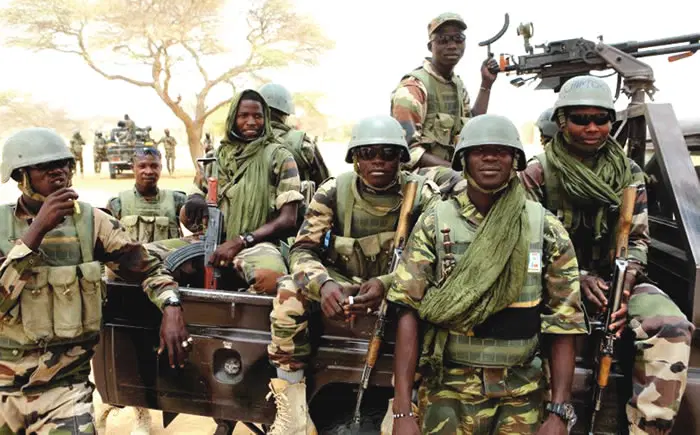
Troops of the Nigerian Army have rescued 11 kidnapped victims and recovered arms and other items in coordinated operations across the Northwest and North-Central.
A credible source at Army Headquarters told the News Agency of Nigeria (NAN) on Wednesday that the successes were recorded under Operations Fansan Yamma, MESA, Enduring Peace (OPEP) and Whirl Stroke (OPWS).
The source said the troops operating under Operation Fansan Yamma rescued two truck drivers abducted along the Magami–Gusau road in the Maru Local Government Area of Zamfara.
It said that the terrorists were forced to abandon the victims during a hot pursuit by troops through their withdrawal routes.
“In Sokoto State, troops recovered an AK-47 rifle abandoned on farmland at Garin Hilo village, Sabon Birni LGA, following actionable intelligence from locals.
“Similarly, under Operation MESA, troops, working with vigilantes, rescued nine kidnapped victims in Kogi and Kwara States.
“Three farmers abducted at Ojiwo Egume community in the Dekina Local Government Area of Kogi were rescued alongside a motorcycle.
”(Also), six villagers kidnapped at Ikosin village, Ifelodun LGA, Kwara, were freed after a hot pursuit that forced the kidnappers to flee and abandon two motorcycles.
“Efforts are ongoing to rescue four other victims abducted at Owa Onire in Ifelodun LGA during a road project,” it said.
The source said the troops had suspended operations in Taraba to restore peace and order in troubled areas as well as other parts of the country. (NAN)
The post Troops rescue 20 kidnapped victims, nab suspects appeared first on Vanguard News.

The Abuja Chamber of Commerce and Industry (ACCI) has urged the federal government to grant special protection to micro, small and medium enterprises (MSMEs) under the new tax implementation framework scheduled to take effect in January 2026.
The ACCI president, Chief Emeka Obegolu, made the call on Tuesday in Abuja at the Chamber’s 2025 End-of-Year Media Parley, where he expressed concerns over the potential impact of the new tax regime on small businesses.
“MSMEs remain the backbone of Nigeria’s economy, yet they continue to grapple with rising operational costs, limited access to finance, unreliable power supply and regulatory bottlenecks,” Obegolu said. “It is therefore critical that they receive special consideration under the new tax framework.”
He said ACCI supports government efforts to reform the tax system but warned that reforms must strike a balance between revenue generation and business sustainability.
“While we acknowledge the government’s commitment to redesigning the tax architecture for improved revenue generation, economic expansion, not taxation, is the most sustainable path to increased government revenue,” he stated.
The ACCI president called for simplified compliance procedures and reduced penalties for MSMEs, noting that complex tax processes could discourage small businesses and undermine job creation.
“Tax reforms must eliminate multiple taxation, and tax administration must be transparent, efficient and technology-driven to reduce human interference and improve compliance,” Obegolu said.
He also emphasised the importance of ongoing stakeholder engagement beyond the January 2026 rollout of the policy.
“Stakeholder engagement must not end with implementation.
There must be continuous feedback and adjustments to address challenges faced by businesses, especially MSMEs,” he added.
Obegolu further urged the authorities to issue clear and accessible guidelines ahead of the rollout and adopt a phased implementation approach where necessary to allow businesses adequate time to adjust.
He reaffirmed ACCI’s commitment to working with government agencies and tax authorities to build a tax system that is fair, growth-oriented and supportive of enterprise development in the Federal Capital Territory.
Obegolu also commended the media for its role in bridging the gap between policy, business and the public, calling for continued balanced reportage that strengthens investor confidence and supports economic growth.
Lagos State Traffic Management Authority, LASTMA, has confirmed a fatal road accident that occurred at Iyana Meiran, along inward Meiran Road, leaving two people dead and three others critically injured.
According to LASTMA spokesperson, Adebayo Taofiq, the crash happened near the Primary Health Centre, PHC, Meiran, when a Dangote Silo Mixer Truck lost control due to brake failure while traveling at high speed.
The truck reportedly collided with a commercial mini-bus (Korope) with registration number EPP 541 YF and four commercial tricycles (Marwa) bearing registration numbers KTU 360 QN, LND 444 QL, LSR 444 QN, and EKY 122 QP.
The collision caused severe damage to the vehicles, trapping commuters in twisted metal and debris.
LASTMA operatives, with assistance from members of the public, rescued the injured, who were promptly taken to Mobonke Hospital on Meiran Road for urgent medical attention.
The two deceased were handed over to the Nigeria Police, who transported the bodies from the scene.
The Meiran Divisional Police Officer also led a team to the site to secure the area and assist with rescue and recovery operations. The driver of the Dangote Silo Mixer Truck reportedly fled the scene following the crash.
Expressing condolences, LASTMA General Manager, Olalekan Bakare-Oki, urged motorists, particularly operators of heavy-duty and articulated vehicles, to ensure their vehicles are mechanically sound before embarking on journeys.
He emphasised the dangers of excessive speeding and poor vehicle maintenance, which remain major contributors to road accidents in Lagos.
Bakare-Oki also appealed to all road users to exercise caution, comply with traffic regulations, and prioritise roadworthiness in the interest of public safety across the state.
The Nigeria Labour Congress, NLC, Sokoto State chapter, has suspended its planned street protest over worsening insecurity and resolved to hold special prayers for peace and safety across the state.
The decision was announced on Wednesday by the state NLC Chairman, Abdullahi Jungle, who said it followed consultations and a resolution of the State Executive Council, in line with a directive from the NLC national headquarters.
Jungle said insecurity has continued to take a toll on Sokoto and neighbouring states, noting that many local government areas remain affected.
He said the decision to suspend the protest was reached after stakeholders agreed that special prayers were necessary, in line with the religious and cultural practices of the people of Sokoto during periods of crisis.
According to him, the NLC, working with the Sokoto State Action Committee and other stakeholders, engaged Islamic clerics to offer prayers for peace and security in the state.
The labour leader also called on the Federal Government to intensify efforts to address insecurity in Sokoto and surrounding states, urging authorities to provide adequate support to security agencies.
He stressed that suspending the protest does not mean labour has abandoned its demand for improved security but reflects a peaceful approach to the current situation.
Special prayer sessions were held at the NLC secretariat, attended by Islamic scholars, labour leaders and community members.

![What Nigeria’s Foreign Minister Said In Burkina Faso [Photos]](https://informationhub.com.ng/wp-content/uploads/2025/12/20251217_212227.jpg "What Nigeria’s Foreign Minister Said In Burkina Faso [Photos]")
Nigeria’s Minister of Foreign Affairs, Ambassador Yusuf Maitama Tuggar, has delivered a message of solidarity and fraternity from President Bola Ahmed Tinubu to the President of Burkina Faso, Capt. Ibrahim Traoré.
Naija News reports that this is as both countries explored ways to strengthen bilateral and regional cooperation.
Tuggar conveyed the message on Wednesday during an audience with President Traoré in Ouagadougou, where discussions focused on cooperation across several sectors, including security and the fight against terrorism.

Speaking after the meeting, the minister said Nigeria and Burkina Faso shared longstanding ties and common security concerns, noting that the engagement was aimed at reinforcing mutual understanding and neighbourly relations.
“We exchanged views on cooperation in several sectors. We also discussed the Nigerian aircraft that made an emergency landing in Burkina Faso,” Tuggar said.
He acknowledged procedural irregularities in the authorisation process for the aircraft’s entry into Burkina Faso’s airspace, expressing Nigeria’s regret over the incident, while emphasising Abuja’s respect for Burkina Faso’s sovereignty and international aviation protocols.

The minister also distanced the Federal Government from remarks made by a Nigerian political party official alleging maltreatment of Nigerian military personnel in Burkina Faso.
“We clearly dissociate ourselves from those comments and express our sincere regrets to the government of Burkina Faso,” Tuggar said.
Tuggar commended President Traoré and his government for their spirit of fraternity and the treatment accorded to the occupants of the aircraft during their stay in Burkina Faso.

He further said discussions covered broader regional efforts to tackle terrorism and violent extremism, noting that Burkina Faso had recorded notable successes in counter-terrorism operations.
The minister reaffirmed Nigeria’s commitment to sustained dialogue, regional solidarity and enhanced cooperation with Burkina Faso and other countries in the sub-region to address shared security challenges.

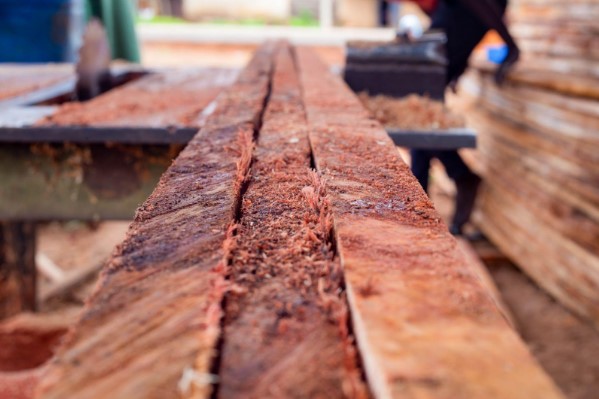
President Bola Tinubu has signed an executive order prohibiting the export of wood and allied products from Nigeria.
This was announced by the Minister of Environment, Balarabe Lawal, at the 18th meeting of the National Council on Environment held in Katsina State on Wednesday.
Mr Lawal said the directive, titled “Presidential Executive Order on the Prohibition of Exportation of Wood and Allied Products, 2025,” was necessitated by the need to strengthen Nigeria’s response to climate change and halt the rapid depletion of the country’s forest resources.
According to the minister, Nigeria’s forests are critical to environmental sustainability, providing clean air and water, supporting livelihoods, conserving biodiversity and playing a key role in mitigating climate change.
“The continued export of wood and allied products undermines these benefits and threatens the long-term health of the environment,” Mr Lawal said.
He added that Nigeria’s ecosystem is under severe pressure due to illegal logging and unregulated wood exports, which have significantly weakened the country’s forest cover.
He said all licences and permits previously issued by any ministry, department, or agency for the extraction and export of wood have been suspended and declared invalid.
The ban represents the latest major policy intervention by the federal government aimed at curbing widespread illegal logging and strengthening Nigeria’s climate change adaptation and mitigation strategies.
Not the first time
In 2018, the Standing Committee of the Convention on International Trade in Endangered Species of Wild Fauna and Flora (CITES) recommended the suspension of commercial trade in African rosewood (Pterocarpus erinaceus, also known as Kosso) from Nigeria.
The recommendation followed Nigeria’s authorisation of massive exports—estimated at over 180,000 cubic metres—to China and Vietnam without evidence that the trade was sustainable.
The move raised concerns about the survival of the species. It prompted Nigerian authorities to impose bans and levies, while also drawing attention to the scale of illegal logging in West Africa.
In 2023, the federal government announced a review of its ban on charcoal export and placed a suspension on the exportation of processed wood and other allied products.
Despite these measures, enforcement has remained weak. Illegal logging has continued across major biodiversity hotspots, particularly in Cross River State, which is home to the country’s largest remaining rainforest.
In Nigeria’s north-east, failed harvests and widespread poverty have pushed many farmers into illegal logging, fuelling a cross-border trade dominated by middlemen.
Between 2001 and 2022, Nigeria’s most forested areas lost an estimated 11 per cent of their tree cover, a trend that has persisted as large-scale commercial interests continue to encroach on protected zones.
Amidst the lingering scourge of climate change across the African continent and globally, experts have encouraged the massive planting of trees as part of measures to boost climate resilience and adaptation due to the inherent ability of most tree species to sequester atmospheric carbon.
However, PREMIUM TIMES investigations have repeatedly shown that the federal government’s afforestation programmes aimed at restoring degraded forests are largely unsuccessful and poorly implemented.
Similarly, weak border controls and lax policy enforcement have also allowed perpetrators of illegal logging to evade prosecution and sanctions.
Suspended licences
Speaking on the operationalisation of the executive order, Mr Lawal said all licences and permits previously issued by any ministry, department or agency for the extraction and export of wood have been suspended and declared invalid.
With the new directive, illegal logging and deforestation are prohibited nationwide, marking a significant shift in Nigeria’s environmental policy framework.
The federal government said the prohibition is anchored on Sections 17(2) and 20 of the Nigerian Constitution. These provisions mandate the state to ensure that the nation’s material resources are harnessed for the common good and to protect Nigeria’s water, air, land, forests and wildlife.
The executive order states that unchecked logging and the commercial exportation of wood products are inconsistent with these constitutional obligations.
Under the policy, security agencies and relevant ministries are expected to enforce a nationwide clampdown on illegal logging and related activities.
NIGERIA NEWS
Tax Reform: Opposition coalition demands suspension of policy, Calls it ‘Assault on Poor Nigerians’

By Myke Uzendu, Abuja
The National Opposition Movement (NOM), a coalition of opposition politicians, labour leaders, and civil society figures, has fiercely condemned President Bola Tinubu’s newly enacted tax reforms, describing them as a “punitive assault” on ordinary Nigerians amid worsening poverty and insecurity and called for its suspension.
NOM called for immediate suspension of the tax reforms’ January 2026 rollout; nationwide consultations involving labour, civil society, SMEs, professionals, and state governments; explicit social protection guarantees; shifting focus to taxing luxury goods, excess profits, monopolies, and corruption rather than poverty; strong legal safeguards for taxpayer rights.
The group stressed that “Nigeria does not suffer from low taxation but from waste, corruption, mismanagement, and policy arrogance. You do not fix government failure by billing the victims.”
At a press conference held on Wednesday at the Shehu Musa Yar’Adua Centre in Abuja, NOM coordinator, Hon. Chille Igbawua, warned that Nigeria stands “at the threshold of multidimensional failure,” with citizens facing unprecedented hardships in safety, food affordability, and basic living costs.
The group accused the Tinubu government of prioritising “political interests and oligarchs” over public welfare, claiming the reforms, set to take effect from January 1, 2026, would impose exploitative burdens, including mandatory tax filings for all adults of taxable age (employed or not) by March 31, 2026, and requirements for business owners to file returns for employees even below taxable thresholds.
“This government continues to ask Nigerians to give more and more while it allows those in public office to take more and more. Tinubu has brought Nigerians to their knees. But Tinubu will not relent till he brings Nigerians to the grave. We will not allow suffering Nigerians to be brought to the grave. We, as Nigerian Opposition Movement have decided to stand up in support of those opposition politicians who issued the letter a few days ago and the NLC and TUC to say enough is enough.
“This tax plan must not take off now. Its implementation must be suspended immediately. This is not tax reform. This tax is a weapon fashioned against the economic wellbeing and social security of suffering and poor Nigerian citizens.
“This government is asking Nigerians who have already been brought down on their knees by the weight of poverty and squalor and have nothing left to give, to give more. No. You cannot tax hunger. You cannot tax poverty. And you cannot tax people into prosperity. Since he came to office, President Tinubu has shown where his heart is. It is not with the Nigerian people. It is with the few oligarchs who are attached to his economic and political interests. The bad policies of the administration are intentionally so because President Tinubu is not committed to prosperity of ordinary citizens. He is committed to getting and keeping political power as a tool of creating wealth for himself and his family and friends. This is bad for Nigeria” NOM stressed.
The coalition highlighted the reforms’ timing as “cruel and irrational,” coming after fuel subsidy removal, naira devaluation, soaring inflation, and electricity tariff hikes that have “brought Nigerians to their knees.” They alleged the plan targets low-wage earners and the unemployed in a country with over 70 million jobless citizens, limited internet access, and weak public services.
The opposition also raised concerns over transparency, questioning an undisclosed Memorandum of Understanding (MoU) between the Federal Inland Revenue Service (FIRS) and a French tax agency for managing Nigeria’s tax regime. They cited allegations of grand corruption in revenue bodies like NNPC and FIRS, unresolved cases from the previous humanitarian ministry scandal, and recent public accusations by businessman Aliko Dangote against a top regulator.
Referencing Nobel laureate Wole Soyinka’s recent criticism of “state privatisation” and undue influence by the president’s son, NOM accused the administration of “state capture” and operating as “Tinubu family incorporated,” with no regard for due process or accountability.
Praising organised labour (NLC and TUC) for resisting impoverishing policies and commending opposition leaders who recently spoke against “tyranny,” the coalition aligned itself with broader calls for change.
Warning of potential social and economic fallout if the reforms proceed without pause, the group declared: “Let President Tinubu let Nigerians breathe. Enough of poverty, insecurity, and assaults on opposition voices.”
The four tax reform laws: Nigeria Tax Act, Nigeria Tax Administration Act, Nigeria Revenue Service (Establishment) Act, and Joint Revenue Board Act, were signed by President Tinubu in June 2025 to streamline administration, broaden the tax base, and raise revenue. Proponents argue they exempt low earners (below ₦800,000 annually), reduce corporate rates, and eliminate nuisance taxes, but critics like NOM contend they lack adequate relief amid current crises.
Present at the briefing were former Minister of Youths Comrade Solomin Dalung, former Members of House of Representatives Hon. Zakari Mohammed, Hon. CID Maduabum, former Spokesperson of Peter Obi Presidential Campaign in 2023 Barr. Kenneth Okonkwo, member of Bring Back our Girls Movement Aisha Yesufu and others.


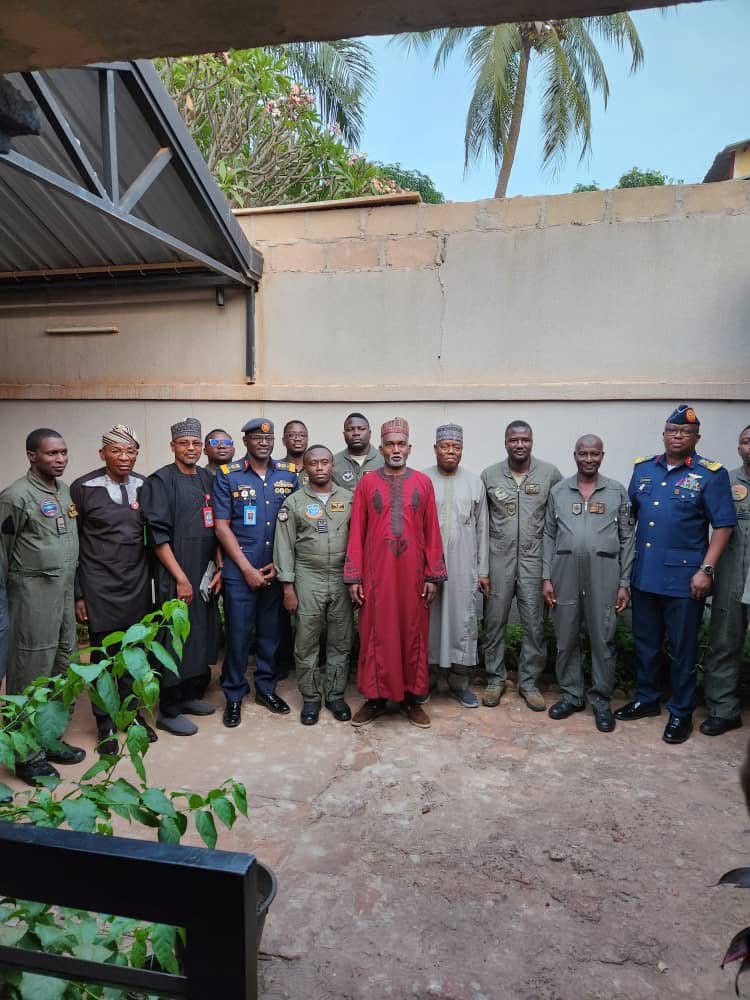
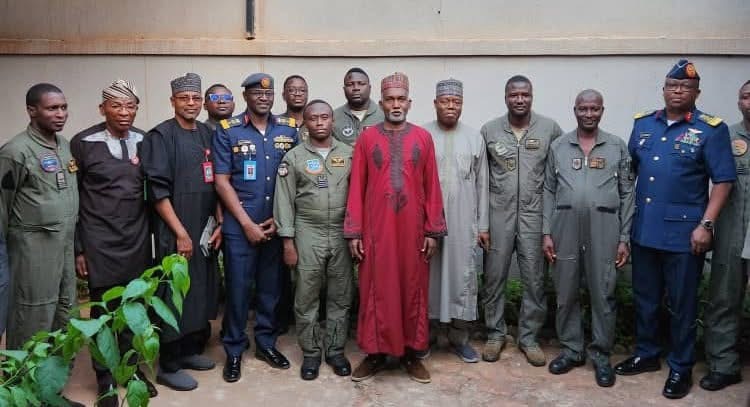
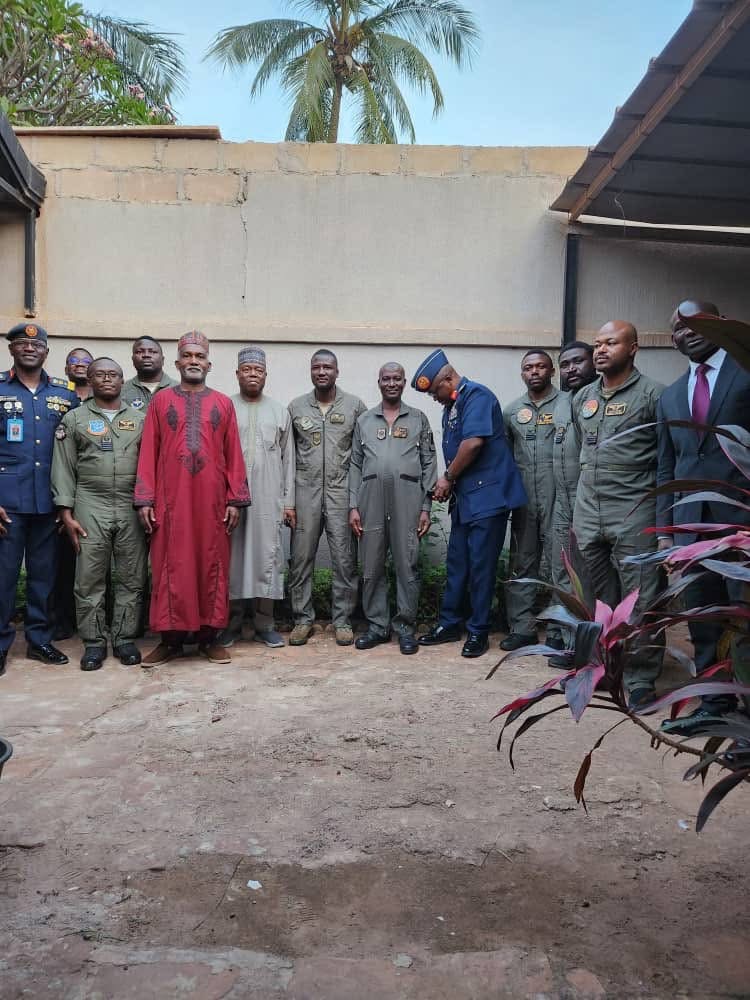
Burkina Faso has released 11 Nigerian Air Force (NAF) personnel who were held by its authorities, following intense diplomatic efforts by the Federal Government of Nigeria.
The personnel had been detained for several days before their eventual release after high-level engagements in Ouagadougou.
Release Follows High-Level Diplomatic Intervention
The release came after a Nigerian delegation led by the Minister of Foreign Affairs, Ambassador Yusuf Tuggar, held talks with Burkinabè authorities, including Burkina Faso’s leader, Captain Ibrahim Traoré.
The mission focused on easing tensions and resolving the matter through dialogue.
Foreign Affairs Ministry Confirms Development
The spokesperson for Nigeria’s Ministry of Foreign Affairs, Kimiebi Ebienfa, confirmed the development shortly after the delegation wrapped up meetings in Ouagadougou.
He stressed that diplomacy played a key role in the outcome.
According to him, “The release of the Nigerian Air Force personnel reflects the success of constructive dialogue and Nigeria’s commitment to peaceful engagement with its neighbours.”
Delegation Included Defence and Air Force Officials
The Nigerian team was made up of senior officials from the Ministry of Foreign Affairs, the Ministry of Defence, and the Nigerian Air Force Headquarters.
They were mandated to pursue a peaceful resolution through sustained engagement and mutual understanding.
Reports indicate that the delegation worked closely with Burkinabè officials to clarify issues surrounding the detention and prevent further escalation.
Nigeria Reaffirms Commitment to Regional Cooperation
A senior official familiar with the mission said the visit was also aimed at reinforcing Nigeria’s respect for international aviation and military rules while strengthening regional ties.
“The mission points to Nigeria’s preference for diplomacy and neighbourly engagement. It was a confidence-building visit designed to strengthen trust and reaffirm shared responsibilities in addressing the complex security challenges confronting the Sahel,” the source said.
Optimism Over Stronger Bilateral Relations
Officials on both sides expressed optimism that the successful resolution would further deepen cooperation between Nigeria and Burkina Faso.
The delegation reportedly reaffirmed Abuja’s commitment to regional security collaboration, dialogue, and respect for international norms, especially within the Sahel region.
The incident is expected to strengthen trust and boost collective efforts to promote peace, stability, and security across West Africa.
FG Earlier Dismissed Espionage Claims
Before the release, the Nigerian government had rejected online claims that a Nigerian Air Force C-130 aircraft was forced to land in Burkina Faso over alleged spying activities.
Authorities described the reports as false and misleading.
They also dismissed claims that the detained personnel were intelligence officers involved in covert operations, insisting the mission was routine and in line with international standards.
See more photos below;