
LIFESTYLE
Fela Anikulapo-Kuti to Be Honoured with a Lifetime Achievement Award at the 2026 Grammys

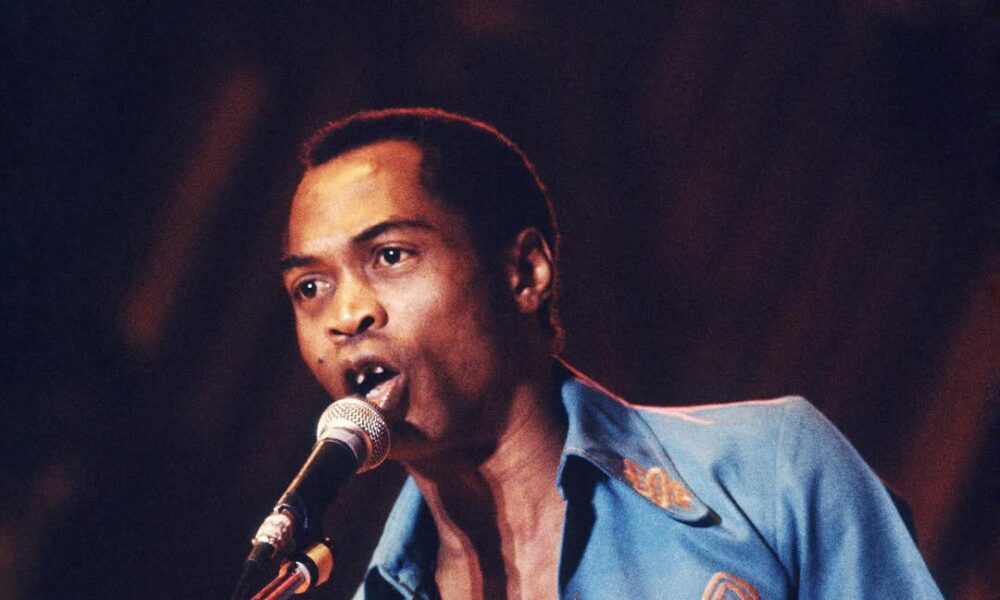
Photo Credit: Fela Anikulapo Kuti/Instagram
Decades after his passing, Fela Anikulapo–Kuti is set to be honoured on one of music’s biggest stages. The legendary Afrobeat pioneer will receive a Special Merit Lifetime Achievement Award at the 2026 Grammy Awards, recognising the lasting impact of his work on global music.
The honour will be presented at the Recording Academy’s Special Merit Awards ceremony on January 31, 2026, during Grammy Week, a day before the main awards show. Fela will be celebrated alongside an impressive group of music greats including Whitney Houston, Chaka Khan, Cher and Paul Simon.
While Fela never won a Grammy during his lifetime, his influence has continued to resonate far beyond his era. In 2025, his 1976 album “Zombie” was inducted into the Grammy Hall of Fame, with the award accepted by his sons, Femi and Seun Kuti, a moment that reaffirmed just how far his music has travelled.
Announcing the honourees on Instagram, the Recording Academy described Fela as follows: “An architect of Afrobeat, honored for a lifetime of influence. Fela Kuti was a Nigerian musician, producer, arranger, political radical, activist, and the father of Afrobeat. In the 1960s, he created the genre by combining funk, jazz, salsa, calypso, and a blend of traditional Nigerian rhythms.”
The Academy also spoke about the reach of his legacy, noting: “His influence spans generations, shaping modern Nigerian Afrobeats and inspiring global artists such as Beyoncé, Paul McCartney, and Thom Yorke. His legacy continues to live on not only through music, but through his family and through the Kalakuta Museum and the New Afrika Shrine.”
With this recognition, Fela joins a distinguished list of past Special Merit Award recipients including Whitney Houston, Cher, Paul Simon, Chaka Khan, Carlos Santana, Sylvia Rhone, John Chowning, Eddie Palmieri and Bernie Taupin.
As the 2026 Grammy Awards approach, Nigerian stars are back in the mix. Burna Boy is up for Best African Music Performance with “Love” and Best Global Music Album with “No Sign of Weakness,” while Davido earns a nod for “With You” featuring Omah Lay in the Best African Music Performance category. Ayra Starr and Wizkid also make the list with “Gimme Dat.”








Sign up to our free Living Well email for advice on living a happier, healthier and longer life
Live your life healthier and happier with our free weekly Living Well newsletter
Live your life healthier and happier with our free weekly Living Well newsletter

Stiff knees, aching hips and the slow grind of chronic joint pain are often accepted as an unavoidable part of getting older. But while osteoarthritis is the world’s most common joint disease, experts say the way we treat and prevent it is badly out of step with the evidence.
The best medicine isn’t found in a pill bottle or an operating theatre – it’s movement. Yet across countries and health systems, too few patients are being guided toward the one therapy proven to protect their joints and ease their pain: exercise.
Exercise is one of the most effective treatments for chronic, disabling joint conditions such as osteoarthritis. Yet very few patients actually receive it.
Research across health systems in Ireland, the UK, Norway and the United States shows the same pattern: fewer than half of people with osteoarthritis are referred to exercise or physiotherapy by their primary care provider. More than 60% are given treatments that guidelines do not recommend, and around 40% are sent to a surgeon before non-surgical options have even been tried.
To understand why those figures are so troubling, it helps to understand what exercise does for joints. Osteoarthritis is by far the most common form of arthritis, already affecting more than 595 million people worldwide.
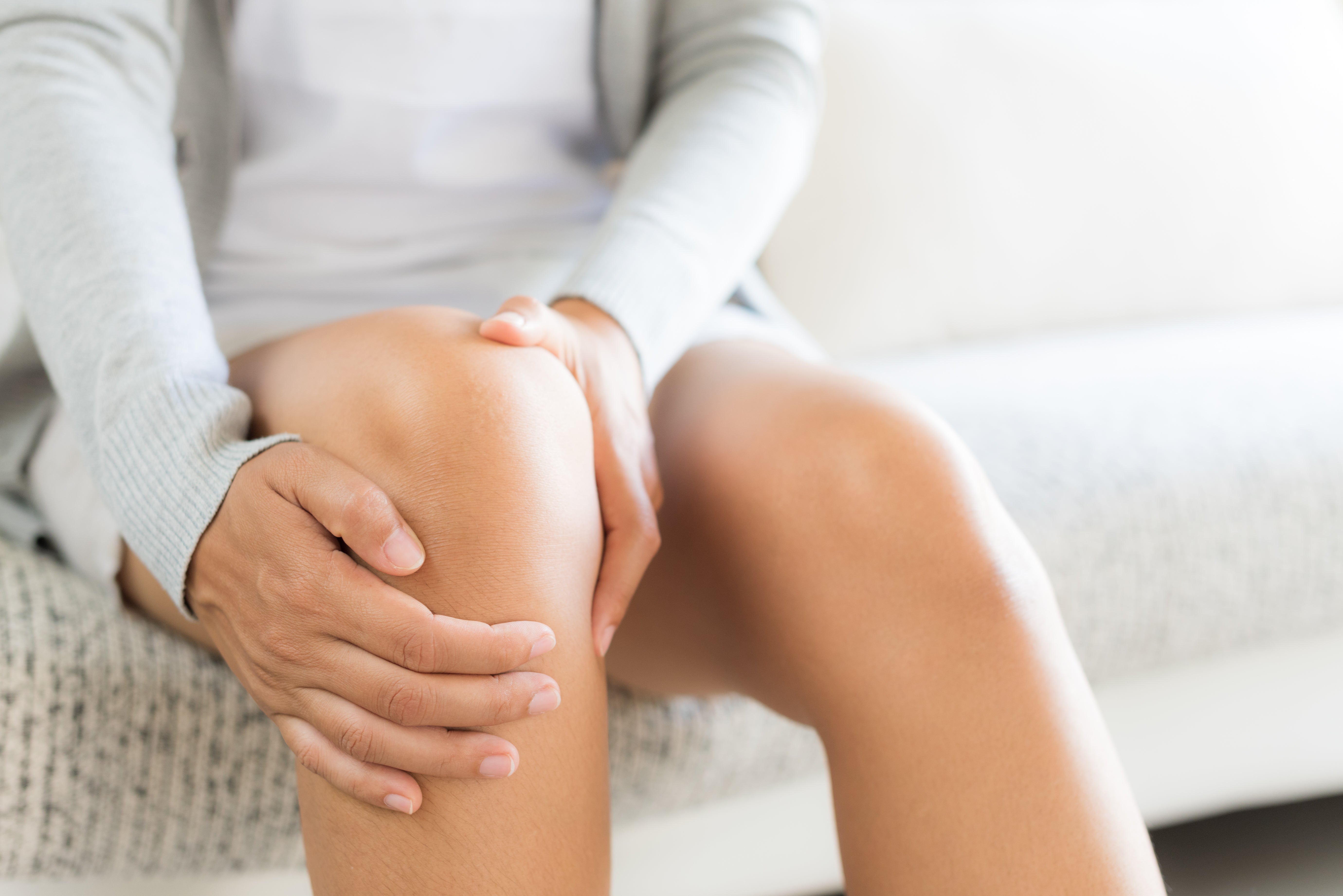 Exercise is one of the most effective treatments for chronic, disabling joint conditions (Getty/iStock)
According to a global study in The Lancet, that number could approach one billion by 2050. Longer life expectancy, increasingly sedentary lifestyles and rising numbers of overweight or obese people are driving the trend.
Yet people who exercise regularly are physically and biologically protecting themselves from developing the disease and from suffering its worst effects.
The cartilage that covers the ends of our bones is a tough, protective layer with no blood supply of its own. It relies on movement.
Symptoms of osteoarthritis
NHS
The main symptoms of osteoarthritis are joint pain and stiffness, and problems moving the joint.
Some people also have symptoms such as:
- swelling
- tenderness
- grating or crackling sound when moving the affected joints
Like a sponge, cartilage is compressed when we walk or load a joint, squeezing fluid out and then drawing fresh nutrients back in. Each step allows nutrients and natural lubricants to circulate and maintain joint health.
That is why the old idea of osteoarthritis as simple “wear and tear” is misleading. Joints are not car tyres that inevitably grind down.
Osteoarthritis is better understood as a long process of wear and repair in which regular movement and exercise are critical to healing and to the health of the entire joint.
A disease of the whole joint
We now know osteoarthritis is a whole-joint disease. It affects the joint fluid, the underlying bone, the ligaments, the surrounding muscles and even the nerves that support movement.
Therapeutic exercise targets all these elements. Muscle weakness, for instance, is one of the earliest signs of osteoarthritis and can be improved with resistance training. There is strong evidence that muscle weakness increases the risk of both developing the disease and seeing it progress.
Nerve and muscle control can also be trained through neuromuscular exercise programmes such as GLA:D® (Good Life with osteoArthritis: Denmark) for hip and knee osteoarthritis. Usually delivered in supervised group sessions by physiotherapists, these programmes focus on movement quality, balance and strength to improve joint stability and rebuild confidence.
About the author
Clodagh Toomey is a Physiotherapist and Associate Professor in the School of Allied Health at the University of Limerick.
This article is republished from The Conversation under a Creative Commons license. Read the original article.
Significant improvements in pain, joint function and quality of life have been recorded for up to 12 months after completing the programme.
Exercise is good medicine for the whole body: it has documented benefits across more than 26 chronic diseases. In osteoarthritis, it helps not only by strengthening cartilage and muscle but also by tackling the inflammation, metabolic changes and hormonal shifts that drive the disease.
Obesity is a major risk factor for osteoarthritis, and not merely because of the extra mechanical load on joints. High levels of inflammatory molecules in the blood and in joint tissues can degrade cartilage and accelerate disease.
For osteoarthritis, regular activity can counter this at a molecular level, lowering inflammatory markers, limiting cell damage and even altering gene expression.
Exercise first, surgery later
Currently, there are no drugs that modify the course of osteoarthritis. Joint replacement surgery can be life-changing for some people, but it is a major surgery and does not succeed for everyone.
Exercise should be tried first and continued throughout every stage of the disease. It carries far fewer side effects and brings many additional health benefits.
Osteoarthritis is not simply a matter of “worn-out” joints. It is shaped by muscle strength, inflammation, metabolism and lifestyle.
Regular, targeted exercise addresses many of these factors at once – helping to protect cartilage, strengthen the whole joint and improve overall health. Before considering surgery, movement itself remains one of the most powerful treatments we have.

Stay ahead of the curve with our weekly guide to the latest trends, fashion, relationships and more
Stay ahead of the curve with our weekly guide to the latest trends, fashion, relationships and more
Stay ahead of the curve with our weekly guide to the latest trends, fashion, relationships and more
The winter solstice, a phenomenon revered by ancient civilisations, continues to hold profound significance today as it heralds the official start of winter.
This annual event marks the shortest day of the year, characterised by the fewest hours of daylight, and conversely, the longest night. It is also the precise moment when the sun reaches its lowest daily maximum elevation in the sky.
The term “solstice” itself is rooted in Latin, combining “sol,” meaning sun, with “sistere,” which translates to “to come to a stop” or “make stand.”
When is the winter solstice?
While the Southern Hemisphere embraces the onset of summer, those residing north of the equator will observe the opposite – the inaugural day of winter. This year, the celestial event is set to occur on Sunday 21 December at 3:03 pm.
Depending on where you are in the UK, the exact length of the day will differ. In London, there will be 7 hours 49 minutes and 42 seconds of daylight. That means it is 8 hours and 49 minutes shorter than the June solstice.
While that means that the day is likely to be dark and dreary, the good news is that it also means that the days will get progressively longer, with more hours of daylight until the climax of the summer solstice.
The variation happens because the Earth orbits the sun at an angle of 23.4 degrees on its axis, according to the Royal Museums of Greenwich.
Arriving on the same day across the globe, a solstice occurs when the sun reaches its lowest or highest point in the sky during the year as a result of the Earth’s axis tilting to or away from the sun.
For the Southern Hemisphere, it’s the opposite case, as 21 December marks the one day of the year with the longest period of sunlight.
What is the history of the winter solstice?
Historically, the winter solstice has been of great importance to many cultures, such as Ancient Egypt and Ancient Rome, often as a marker for the passing seasons, and a possible time of rebirth.
In northern Europe, from the Faroe Islands to Estonia, Germanic peoples have long celebrated the event, which became known as Yule.
While Yule dates back to the Norse people, who celebrated the sun’s rebirth for 12 days, it was also celebrated by Anglo-Saxon pagans.
According to Pliny the Elder, in Britain, druid priests would mark the important date by gathering mistletoe and sacrificing bulls – which was also likely a practical measure to limit the number of mouths to feed during months of famine.
What is the equinox?
During the equinox, the Earth’s axis and its orbit align so that both hemispheres get an equal amount of sunlight.
During the warmer periods, the North Pole is tilted towards the sun in the northern hemisphere, meaning longer daylight hours, while the southern hemisphere experiences the opposite. During winter the situation is reversed as the North Pole tilts away from the sun for the northern hemisphere.
The word equinox comes from two Latin words meaning equal and night. That’s because on the equinox, day and night last almost the same amount of time — though one may get a few extra minutes, depending on where you are on the planet.
The Northern Hemisphere’s fall — or autumnal — equinox can land between Sept. 21 and 24, depending on the year. Its spring — or vernal — equinox can land between March 19 and 21.
 People take part in the winter solstice celebrations during sunrise at Glastonbury Tor in Somerset. (PA Wire)
What’s the difference between meteorological and astronomical seasons?
These are just two different ways to carve up the year.
While astronomical seasons depend on how the Earth moves around the sun, meteorological seasons are defined by the weather. Meteorologists break down the year into three-month seasons based on annual temperature cycles. By that calendar, spring starts on March 1, summer on June 1, autumn on Sept. 1 and winter on Dec. 1.
Additional reporting by AP.

Photo Credit: Anthony Joshua/Instagram
Anthony Joshua returned to the ring with authority, defeating YouTuber-turned-boxer Jake Paul via a sixth-round stoppage in Miami. The two-time heavyweight world champion dropped Paul four times before landing the decisive right-hand jab that ended the fight.
Joshua admitted afterwards, “It wasn’t the best performance. But the end goal was to get Jake Paul, pin him down and hurt him. That was the request leading up, and that was on my mind. It took a bit longer than expected but the right hand finally found its destination.”
The early rounds were slow to ignite, with referee Chris Young stepping in to urge both fighters to engage. Joshua found his rhythm in the fifth round, landing clean shots that repeatedly sent Paul to his knees, whether from knockdowns or sheer fatigue. By the sixth, Joshua backed Paul into a corner and delivered the knockout blow, bringing the Miami crowd to their feet.
Joshua was quick to acknowledge his opponent’s resilience, saying, “I want to give him his props – he got up time and time again. It was difficult in there for him, but he kept on trying to find a way. It takes a real man to do that.”
For Paul, the fight was a test of endurance and determination. “That was fun. I gave it my all,” he said. “I had a blast. I think my jaw is broken by the way. But Anthony’s one of the best to ever do it, so. I’m gonna come back and get a world championship. I just got tired, to be honest – like it was so much handling his weight. I think with better cardio, I could have kept it up and kept on fighting. But he hits really hard.”
Under Florida Athletic Commission rules, Paul will serve a 60-day suspension after being knocked out, with the possibility of extension if officials judge the knockout to have been particularly severe
Watch the highlights of the match

If you’re looking for a fitness tracker to give you around-the-clock wellness insights, Whoop and the Oura ring are two of the best options out there. Both of these premium wearables track your activity, sleep, stress, and other biomarkers 24/7 to give an overall picture of your health and day-to-day wellness.
“They give you a simple way to notice patterns you might miss on your own,” says board-certified physician and sleep specialist Angela Holliday-Bell, MD, CCSH. “You can see how long you sleep, how consistent your schedule is, and how your habits or routines affect your nights.” Although she notes that the details aren’t perfect (particularly when it comes to sleep stages, which wearables notoriously struggle to detect), she feels both Whoop and Oura do a good job at showing trends over time.
But if they both track many of the same things, and both do a decent job at getting the numbers right, which is the better option? I tested both simultaneously, comparing them side by side to understand their differences and what makes each unique. Here’s what I found.
Read more: Best sleep trackers, tried and tested
How I tested
As a certified running coach and health and fitness writer who regularly covers fitness trackers, I’ve tested both Whoop (various models over the years) and the Oura ring multiple times. For this review, I compared the two directly. I wore both simultaneously so I could analyze and compare them. I slept, worked out, and even showered with them on. I assessed the apps at multiple points each day, starting from the moment I woke up and making a point to check in after every workout. I analyzed the data captured and compared the numbers across the two apps to note any discrepancies and any ongoing patterns around those differences. For context, I was tested Whoop’s MG with a life membership (the brand’s most comprehensive option) and an Oura ring 4.
Whoop vs Oura ring: Design
While you have to be wary of scratching it, the Oura ring is an undeniably elegant wearable (The Independent)
To an onlooker, the biggest difference between these two wearables is, well, where you wear them. The Oura ring, obviously, is a ring, while Whoop is typically worn on the wrist — though you can put it in compatible underwear, T-shirts, or shorts, or as an armband around your biceps.
The design you prefer is personal. The Oura ring is thicker than you might expect and can be uncomfortable when lifting heavy weights; otherwise, it’s pretty unobtrusive, and its elegant aesthetic doesn’t look out of place at formal events. The Oura ring 4 does get a little scratched with everyday wear; the brand’s ceramic option is apparently more scratch-resistant. Meanwhile, Whoop is probably the most comfortable wrist-based fitness tracker I’ve ever tried — it’s honestly the only one I’ve ever been able to forget is there — but I personally wouldn’t wear it to a black-tie event.
Whoop vs Oura ring: Data and coaching
Once you dive into each of these devices’ apps, much of the data collected is nearly identical. Yet the presentation is vastly different. To me, the Oura app felt like a gently encouraging yoga teacher who wants to motivate you to take care of yourself, while Whoop was more like a hardcore coach trying to maximize your potential with a Moneyball-style approach to all your stats.
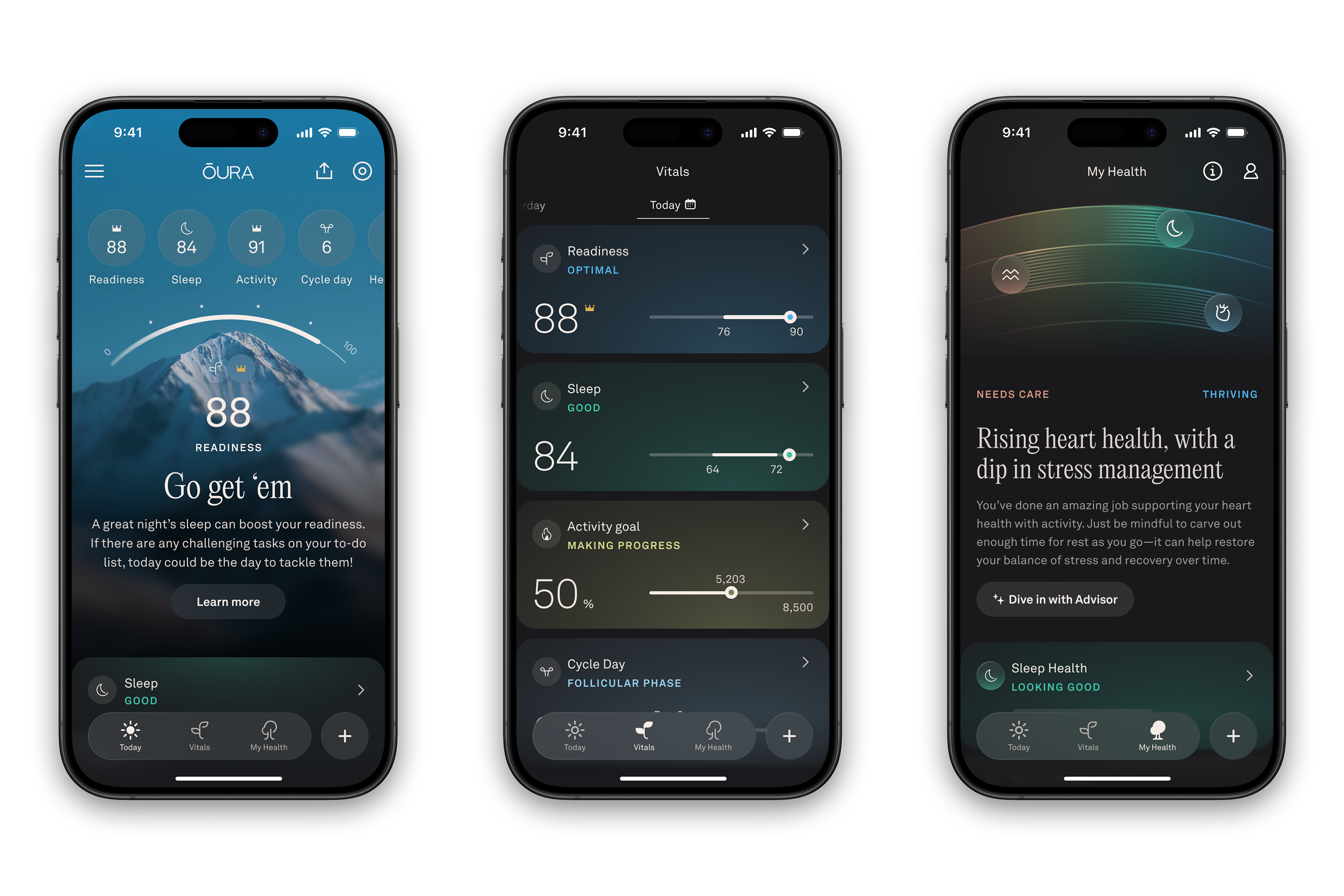 I found the language on the Oura’s app gave softer encouragement (Oura)
When you open the Oura app, you get an overview of the basics: readiness, sleep, and activity are given a score of one to 100. You can also see your heart rate as well as how many minutes you’ve spent stressed during the day. The app also displays short summaries of what the stats might mean and tips attached to each number. For instance, when I was stressed, I got a five-minute breathing exercise from Headspace. If you want to explore the exact metrics behind these summaries, you can open each one and dive further in, but what’s presented most prominently is just the high-level overview and accompanying suggestions.
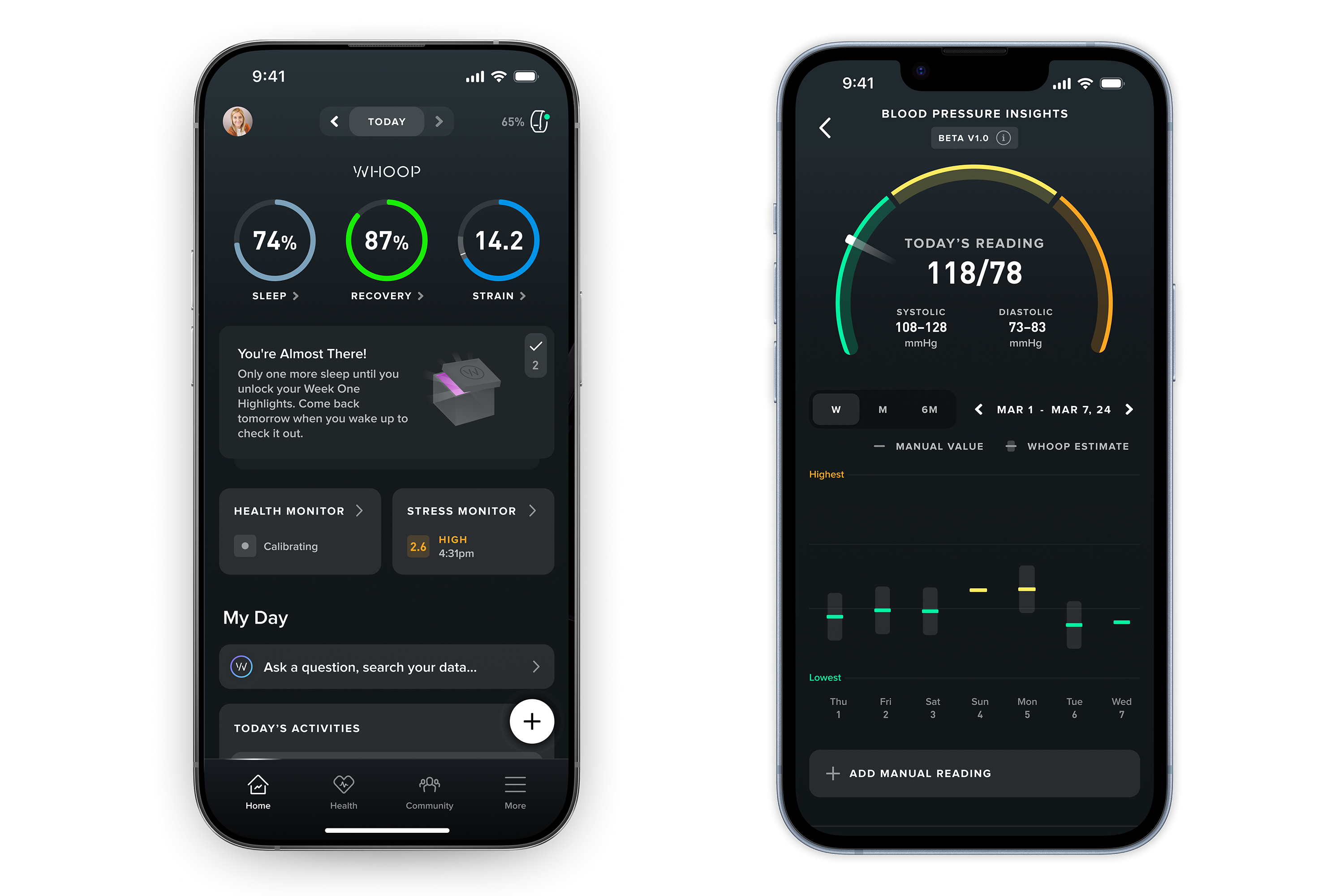 Whoop is a biohacker’s dream (Whoop)
Meanwhile, Whoop is a biohacking data nerd’s dream, with a seemingly endless amount of charts and graphs to click into, starting right from the main dashboard. There are plenty of detailed explanations of the science behind each metric and why they matter (in both written and video formats). There’s also a “daily outlook” that sums up what that day’s numbers might mean for my recovery and what to do about it. But rather than the advice being put front and center, the numbers themselves are given the priority placement. Whoop also provides more numbers, period. The high-end MG model in particular can take an ECG, estimate blood pressure, and even give an idea of “healthspan,” or how quickly you’re aging. I was able to measure nearly anything a wrist-based wearable could possibly track.
But back to the coaching comparisons. Another reason Oura is more like a yoga teacher is that the suggestions are far more mellow. Although it usually gives me a higher “readiness” score for the day than Whoop, it still suggests relatively light activity targets. I even customized my plan to set more challenging fitness goals, but still easily exceeded the recommendations. In contrast, even when Whoop recommends taking an easy day, the suggestions can be a little lofty. It once told me to go for a low-key run and do a 20- to 30-minute strength-training session as a way to keep things “light.” (Though to be fair, I made boosting fitness my primary goal in the app, so it might go easier if that’s not the case.)
Then there’s the language used. When Oura suggests more exercise, it emphasizes balancing that out by eating well and getting plenty of rest. Both apps told me to get more sleep — Oura’s wording phrased in a way of “giving your body a chance to recover,” while Whoop is about hitting “optimal” windows to “boost efficiency.” (You can customize the type of coaching given on Oura’s app to make it more straightforward, but I personally enjoy the compassionate approach.)
Read more: Amazfit’s $99 subscription-free tracker vs Whoop’s $200 a year band
Whoop vs Oura ring: Accuracy
When it comes to accuracy, both of these trackers are top of the line — I found Oura has the edge when it comes to sleep, while Whoop is better if heart rate data is your top priority. A 2022 study comparing six different fitness trackers found Whoop was the most reliable (99 percent accurate) for measuring heart rate and heart rate variability, while the Oura ring slightly outperformed Whoop for sleep tracking. The research was done on older generations of both devices, but Dr. Holliday-Bell believes this remains the case. “Both offer solid trend tracking, but the Oura Ring usually stands out for sleep because of the sensors it uses,” she says, explaining that Oura considers multiple signals. Personally, I found it usually gave me a slightly lower sleep score than Whoop (though never by more than half an hour), and it sometimes picked up short naps that Whoop missed.
Let’s put it this way: On days when I’m struggling and want some kindhearted encouragement, I tend to open up the Oura app first; when I feel like I need a little kick in the butt, I click on Whoop.
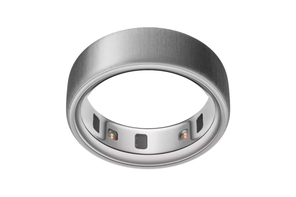
Oura ring 4
The Oura ring provides accessible feedback that didn’t make me feel guilty. I’d liken its soft approach to advice from a yoga teacher who wants to motivate you to take care of yourself, which certainly contrasts with Whoop, which offers a more no-nonsense approach. You can customize the type of coaching given on Oura’s app to make it more straightforward, but I personally enjoyed the compassionate approach. In terms of design, the Oura ring 4 is unobtrusive, and its elegant aesthetic means it doesn’t look out of place in a formal setting — just like a piece of jewelry.
Read the full Oura ring 4 review
What to know
- Dimensions: 7.9mm x 2.88mm
- Weight: 3.3g to 5.2g (depending on size)
- Battery life: 5-8 days
- Subscription required: Yes, $5.99 per month or $69.99 per year (on top of price of the ring, which is $349 or $499)
- Water resistance: Up to 100 meters
Why we love it
- Elegant design
- Prioritizes actionable takeaways
- Explains the data rather than just presenting numbers
- Customizable language
- Expert-recommended sleep tracking
Take note
- Ring is pretty thick, and gets a little scratched
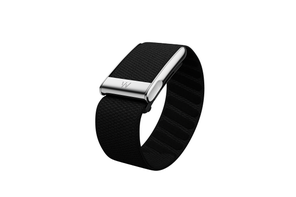
Whoop MG
Whoop is a biohacking data nerd’s dream, and promises to help you age backwards. It’s incredibly smart in the way it uses biometric data and provides you with a seemingly endless amount of charts and graphs to click into. The app offers personalized plans and advice from an AI coach, and takes a no-nonsense approach to health tracking. In terms of design, it is possibly the most comfortable wrist-based fitness tracker I’ve ever tried — it’s honestly the only one I’ve ever been able to forget is there.
What to know
- Dimensions: 34.7mm x 24mm x 10.6mm
- Weight: 27.3g
- Battery life: 14-plus days
- Subscription required: Yes, from $149 (on sale) to $359
- Water resistance: Up to 10 meters
Why we love it
- User-friendly app
- Tons of health and wellness metrics
- Can be worn in multiple places
- Comfortable, elegant strap
- Long battery life
Take note
- The amount of stats can be overwhelming
- Doesn’t always detect naps
Whoop vs Oura ring: Which tracker should you choose?
After testing them directly side-by-side, the choice between Whoop and Oura ring comes down to three main things: Do you want a tracker on your finger or wrist (or in Whoop-specific clothing)? Are you someone who loves diving into exact numbers, or do you just want a high-level overview? And do you thrive on more of a tough love or low-key approach? Either of these two premium trackers can get into the nitty-gritty of all your data, and both do a great job at getting that data right (most of the time). Whoop will appeal to those who crave all the specifics and a no-nonsense approach to motivation, while the Oura ring will be a better fit for people who mainly want the takeaways and some gentle encouragement.
Read more: Whoop 5.0 promises to help you age backwards — so I put it to the test
How were the Oura Ring and Whoop tested?
I wore both the Oura Ring and Whoop MG continuously for a month (after previous experiences using both trackers separately). During testing, I considered the following criteria:
- Health and fitness insights: I assessed all the data each device provided, including sleep statistics, steps, and heart rate variability. I compared recovery insights to how I physically felt and noted discrepancies between the reports in both apps. I also considered how helpful the AI suggestions were at optimizing my sleep or energy levels.
- Usability: I noted how easy it was to navigate the app and make sense of the data given — including how it translated into actionable changes I could make.
- Comfort and design: I paid attention to what the physical device felt and looked like, and whether it was something I’d actually want to wear long-term.
- Battery life: I carefully monitored battery life and how long it took to recharge.
Why you can trust Independent’s product reviews
Jennifer Heimlich has more than a decade of experience as a journalist within the wellness industry — and has written everything from the best fitness trackers to shoes for standing all day for IndyBest. But above all, she is a reliable and knowledgeable voice when it comes to fitness gear recommendations. When not writing, she’s a UESCA-certified running coach and hosts running tours, and has personally completed multiple ultramarathons and more than a dozen marathons, making her the perfect fit to review the Oura Ring and Whoop.
Read more: The best sleep trackers, according to a coach
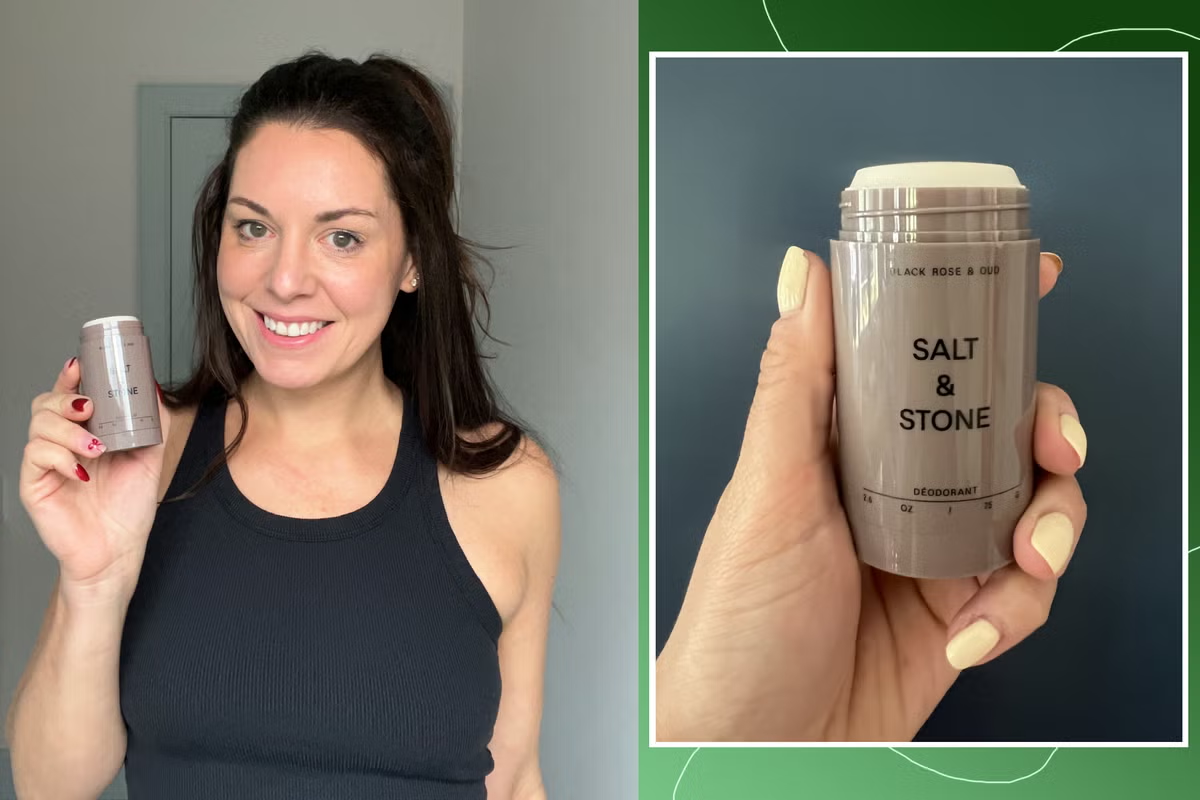
As someone who runs or lifts weights six days a week while managing a busy household and working full-time, I need a deodorant that can actually keep up with the paces I put it through. Over the years, I’ve been intrigued by natural deodorants — partly for their promise of being gentler on the body, partly because of the environmental angle — but I’ve also approached them with a healthy dose of skepticism. Many natural formulas smell nice but underperform when it comes to odor control, leaving you wondering if it’s worth the switch.
Over the past year, I set out to find a natural deodorant that could truly meet the demands of an active lifestyle. I’ve tested nearly a dozen formulas, and one has consistently risen to the top: Salt & Stone black rose and oud extra strength aluminum-free deodorant. I find myself reaching for it day after day, whether I’m hitting the gym, running errands, or juggling the chaos of family life.
With minimalist yet sophisticated packaging, elevated ingredients, and an alluring scent that’s practically replaced my perfume, this deodorant is everything you want it to be. The stick formula glides on smoothly, and the unisex fragrance is warm, woody, and fresh all at once. I love catching subtle whiffs throughout the day. It also manages to keep me largely dry and odor-free — something I can’t say about many other natural deodorants I’ve tried.
Read more: Best women’s deodorants, tried and tested
How I tested
To see how this deodorant held up in real life, I wore it during a mix of daily activities — running errands, chasing my kids, doing household chores — as well as during workouts, including weight sessions and long runs in 80- to 90-degree heat. I paid attention to how the stick applied to my skin, whether it left any residue on clothes, how the scent performed throughout the day, and how long it kept me dry and odor-free.
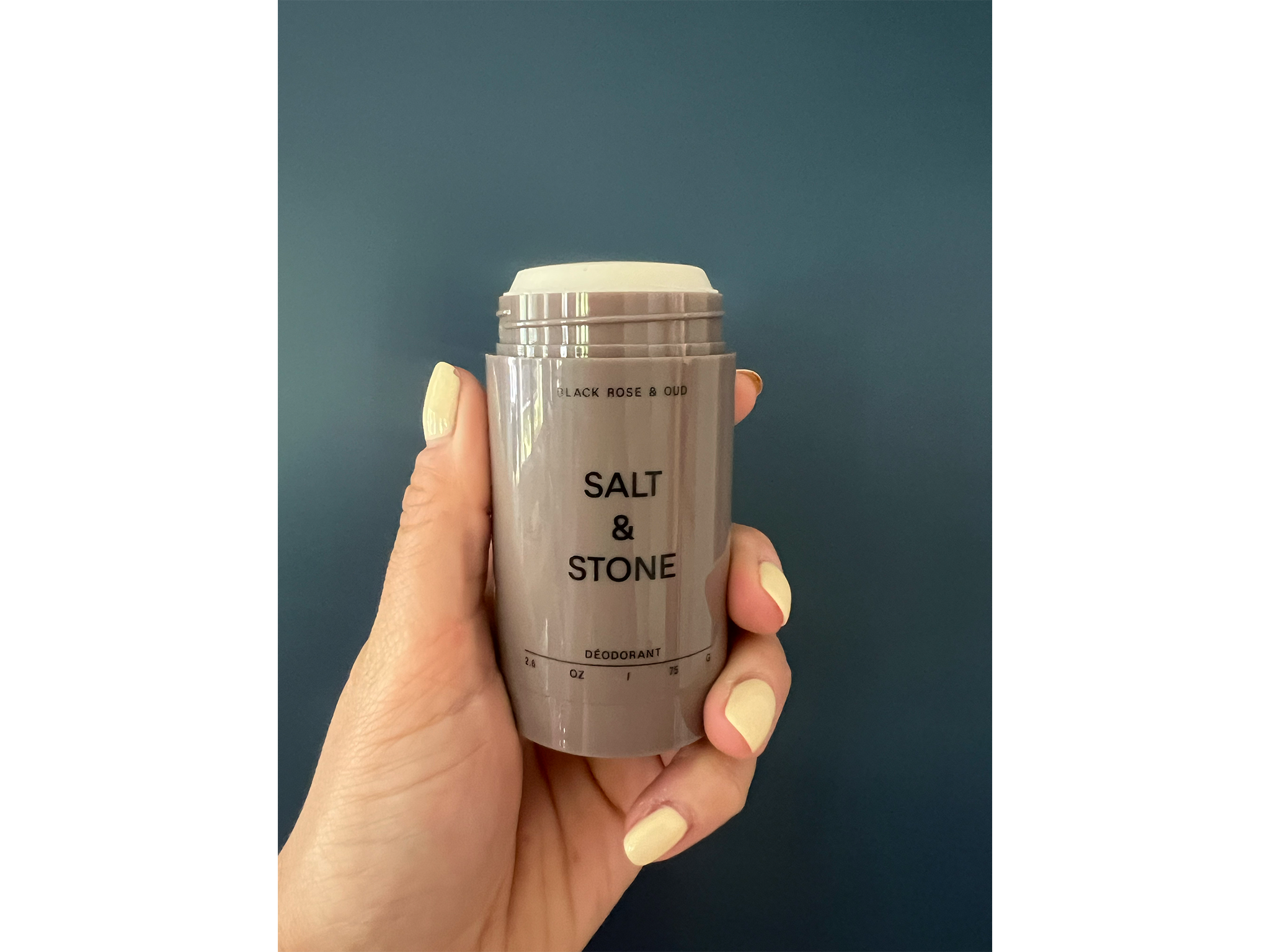 The packaging is minimalist yet sophisticated (Brigitt Earley/The Independent)
Rating: 4.5/5
Pros:
- Unisex fragrance
- Good at managing odor
- Didn’t irritate the skin
Cons:
- Didn’t keep me completely dry during high-heat workouts
One of the first things I noticed about Salt & Stone’s deodorant is how effortlessly it glides onto the skin. Unlike some stick deodorants that can feel dry and tug at the delicate underarm skin, this formula applies smoothly and evenly, leaving no sticky residue or chalky marks behind — a rarity in the natural deodorant world.
The scent is really where this formula stands out, though. The brand offers five different scents — santal and vetiver, bergamot and hinoki, black rose and oud, neroli and basil, and saffron and cedar — but my favorite is the black rose and oud. It’s warm, woody, and fresh all at once, and reads more like a perfume than a deodorant (so much so, I often don’t need to reach for my perfume at all). I love catching subtle whiffs throughout the day. And if you want even more fragrance or longevity, the brand also makes lotions, body mists, and other products you can layer.
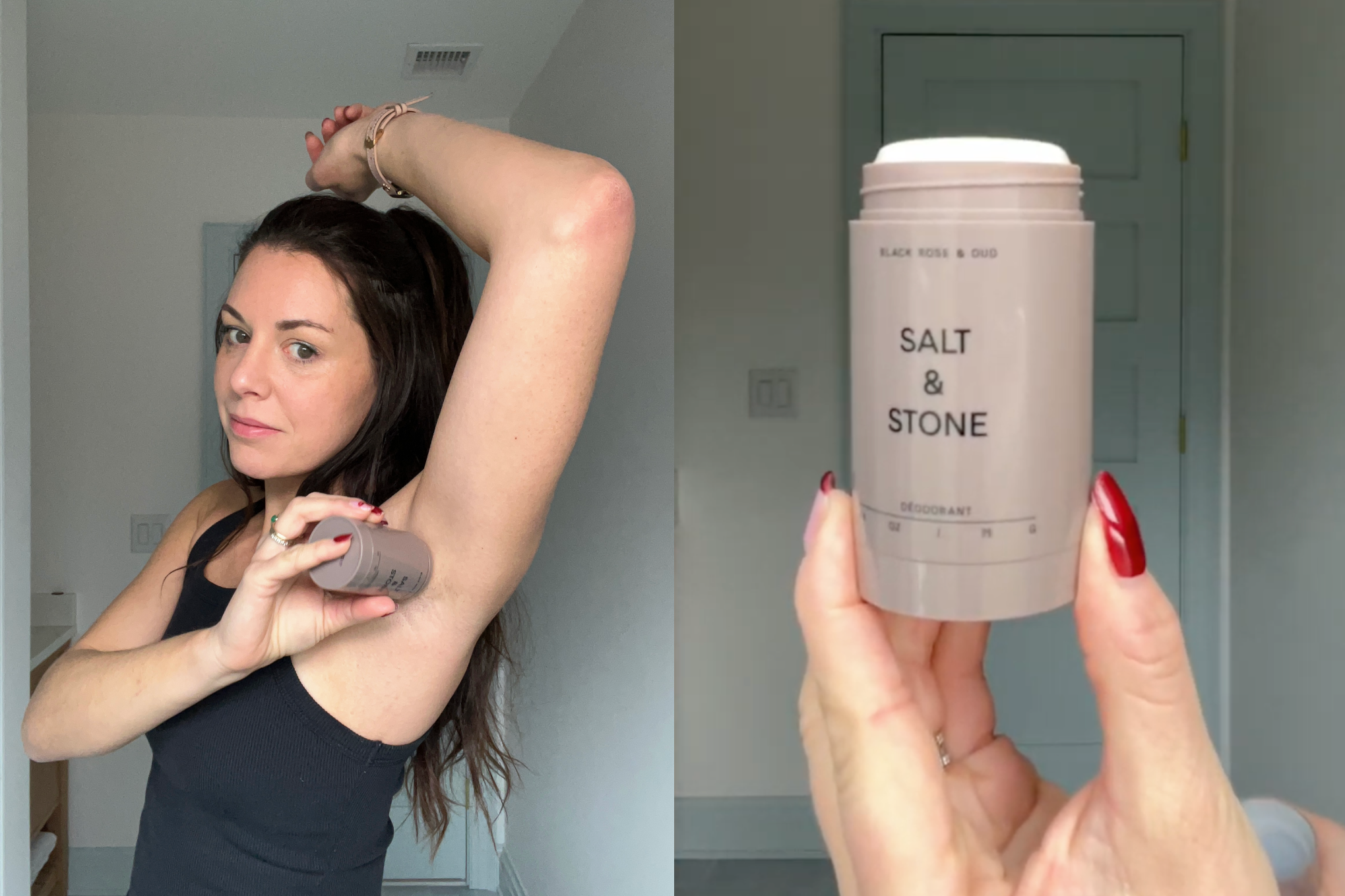 The aluminum-free deodorant doubles up as a subtle everyday fragrance (Brigitt Earley/The Independent)
Performance-wise, it manages odor impressively. I tested it on long runs in 90-degree weather in the summer, and while it didn’t keep me completely dry (a tall order!), it did control odor remarkably well. For everyday life, which is far less intense than a high-heat workout, I haven’t had any issues with sweat or smell, and rarely need to reapply midday. On marathon days that combine errands, work, childcare, and evening social events, a quick touch-up gives extra peace of mind.
Overall, Salt & Stone’s deodorant balances efficacy, wearability, and elevated scent in a way that few other deodorants do — natural or otherwise.
Is Salt & Stone extra strength aluminum-free deodorant worth it?
While $20 is a steeper price tag than a typical drugstore stick, this deodorant checks all of the boxes: smooth application, zero residue, and solid all-day odor protection. It holds up through workouts and busy days, rarely requiring a midday touch-up, and the elevated scent is a welcome bonus that helps justify the price. Even as someone who was once skeptical of natural deodorants, this one has earned a consistent spot in my everyday routine — and I’ve even converted friends. I also love that the scent doubles up as a perfume.
How I tested Salt & Stone’s aluminum-free deodorant
As a busy mom of four who also runs or lifts weights six days a week, I really put this deodorant to work. I wore it during everyday activities, including errands, household chores, time at my desk, playground hangs, and dinner dates. I also put it through the wringer during workouts, from strength training to logging three- to five-mile runs in 80- to 90-degree heat.
I’ve been testing the product for nearly a year now, and over time, I’ve paid close attention to:
- Application: I monitored how smoothly the stick glides onto the skin, whether it tugged or felt uncomfortable, and how easy it was to use overall.
- Scent: While fragrance is relatively subjective, I assessed its wearability, considering how strong it was, how long it lasted, and the variety of scent options available.
- Residue: I checked whether the deodorant left marks on clothes, felt sticky, or caused any chalky buildup on the skin.
- Efficacy: I monitored how long it kept me odor-free and whether I needed to reapply during the day.
Why you can trust Independent product reviews
Brigitt Earley has spent over 15 years reviewing beauty and personal-care products. She regularly combines advice from board-certified dermatologists with hands-on testing to find out what really works and is worth using. For a deodorant to earn her seal of approval, it has to glide on smoothly, leave no residue, and deliver on odor protection through both everyday life and intense workouts. She only recommends products she’d reach for herself day after day.

If you stumble on someone’s Instagram page and then, by some divine luck, run into them at a friend’s party, it should tell you that the universe is speaking to you. Thankfully, Kojo knew this when he eventually met Araba in person, and he definitely saw the signs the universe was throwing at him and took his chance.
The connection was instant between them. It didn’t take long for them to start talking, and after getting to know each other, they realised how alike they were. Four years down the line, that chance encounter has led them down forever’s lane! The lovebirds sealed their love with a beautiful white wedding and a Ghanaian traditional wedding. Araba made a stunning bride in her radiant dresses, with Kojo looking effortlessly dapper in his crisp suit and vibrant traditional attire. They make a beautiful couple, and it’s in these lovely wedding photos that we get a glimpse into their sweet love. All in all, we must say that each frame absolutely warms our hearts. 😍
Enjoy their wedding photos and love story below:
How we met
By the bride, Araba:
He saw me on Instagram initially, but we met through a mutual friend. On a random Friday night, I was out with that mutual friend, and he turned up there (that was our first time meeting each other physically). We clicked instantly. We had so many things in common, we ended up just talking the whole night. He told me that evening he was going to marry me (which I couldn’t take seriously, because who says that the first time they meet someone?), but 4 years later, here we are, deeply in love and married . He was the first guy who saw all sides of me with no judgment, understood and loved me for who I was. That’s my best friend for life.


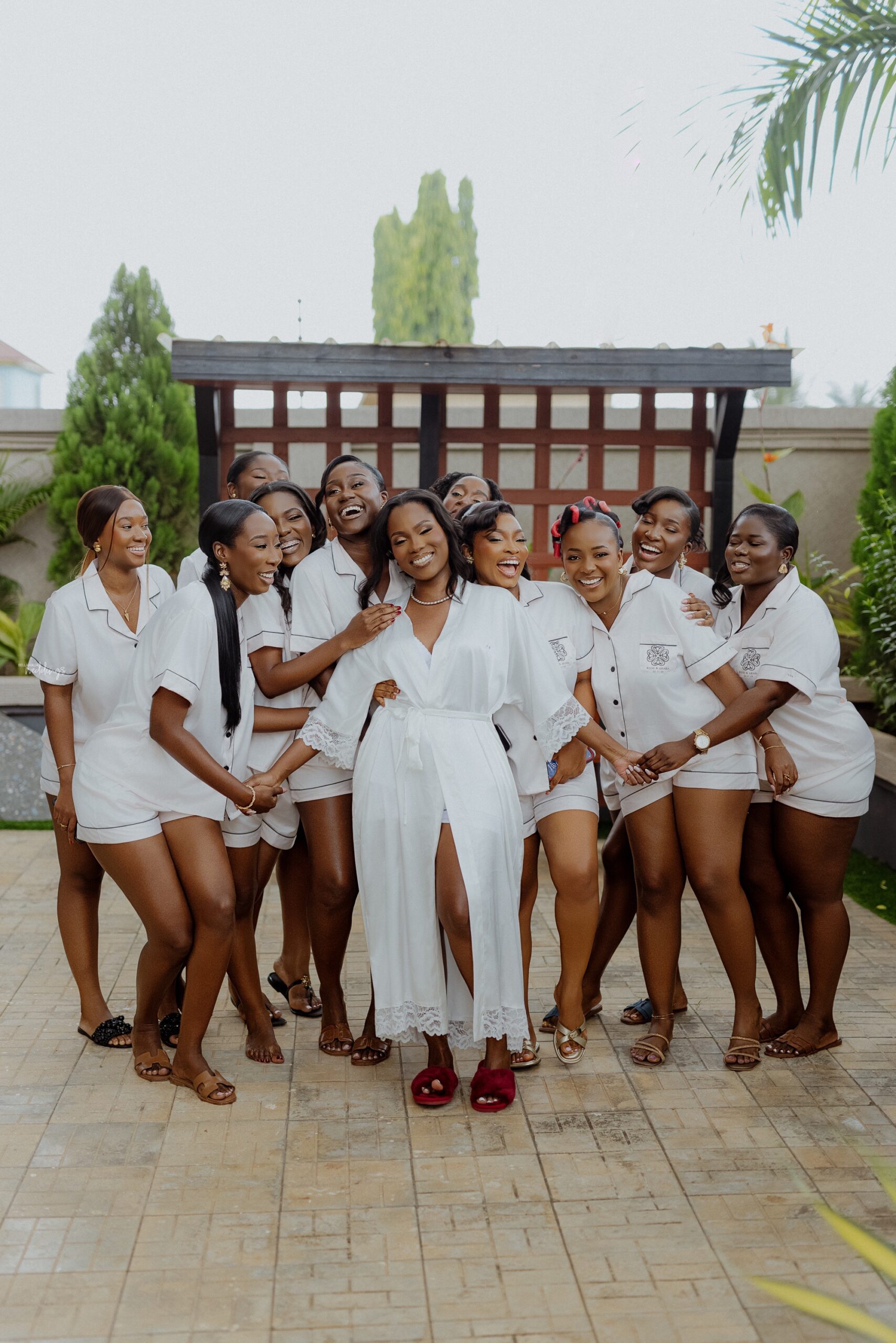
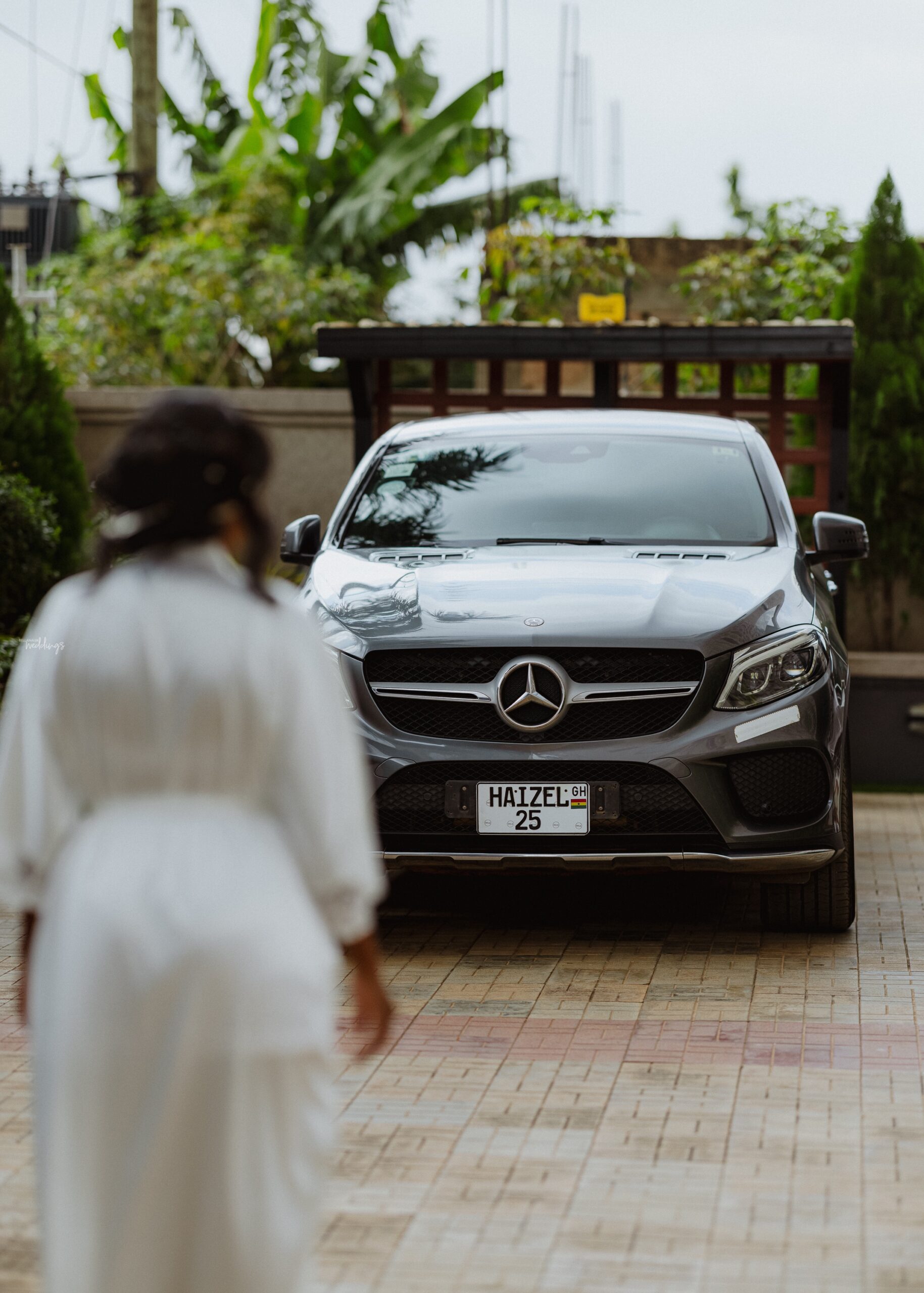
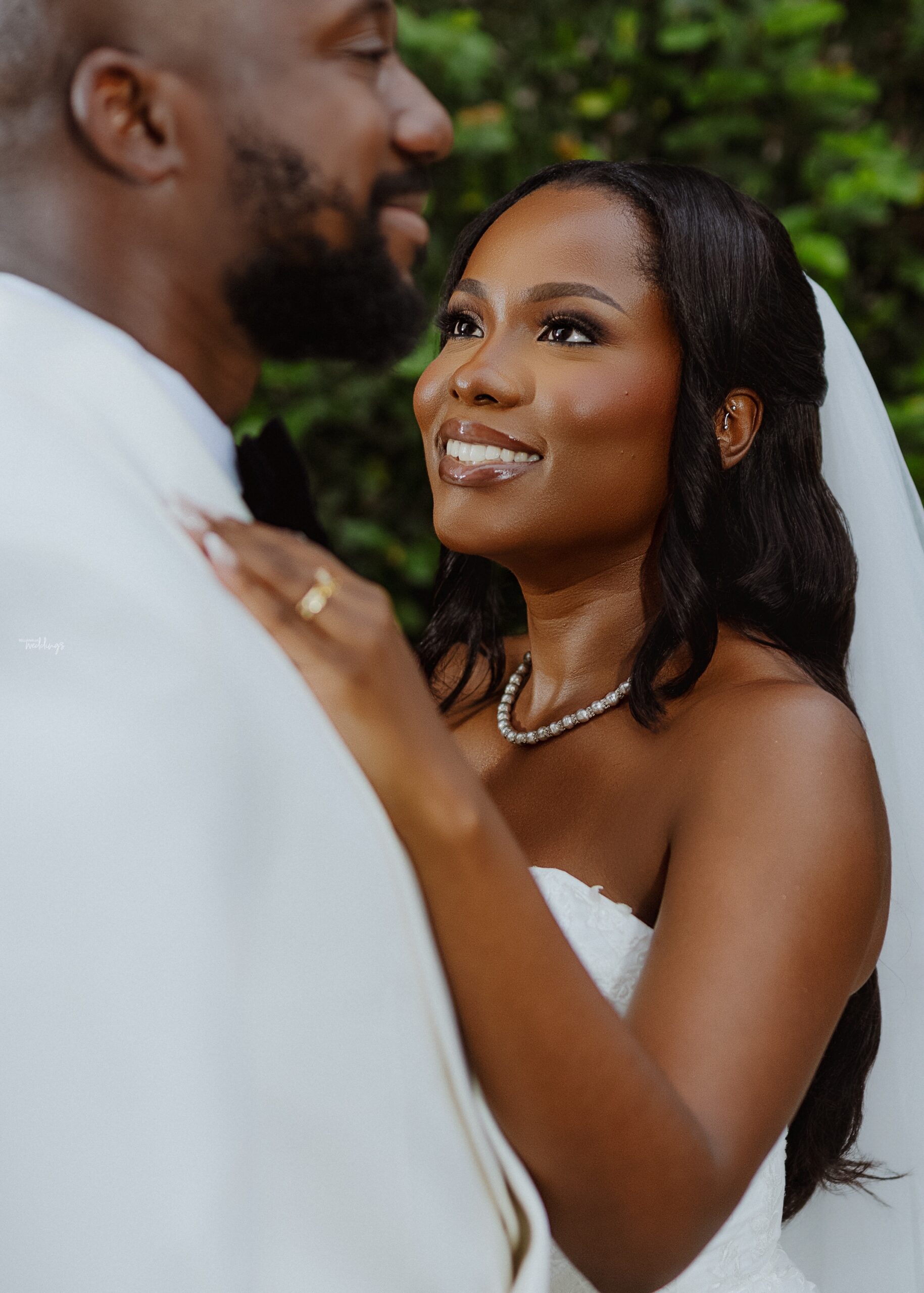
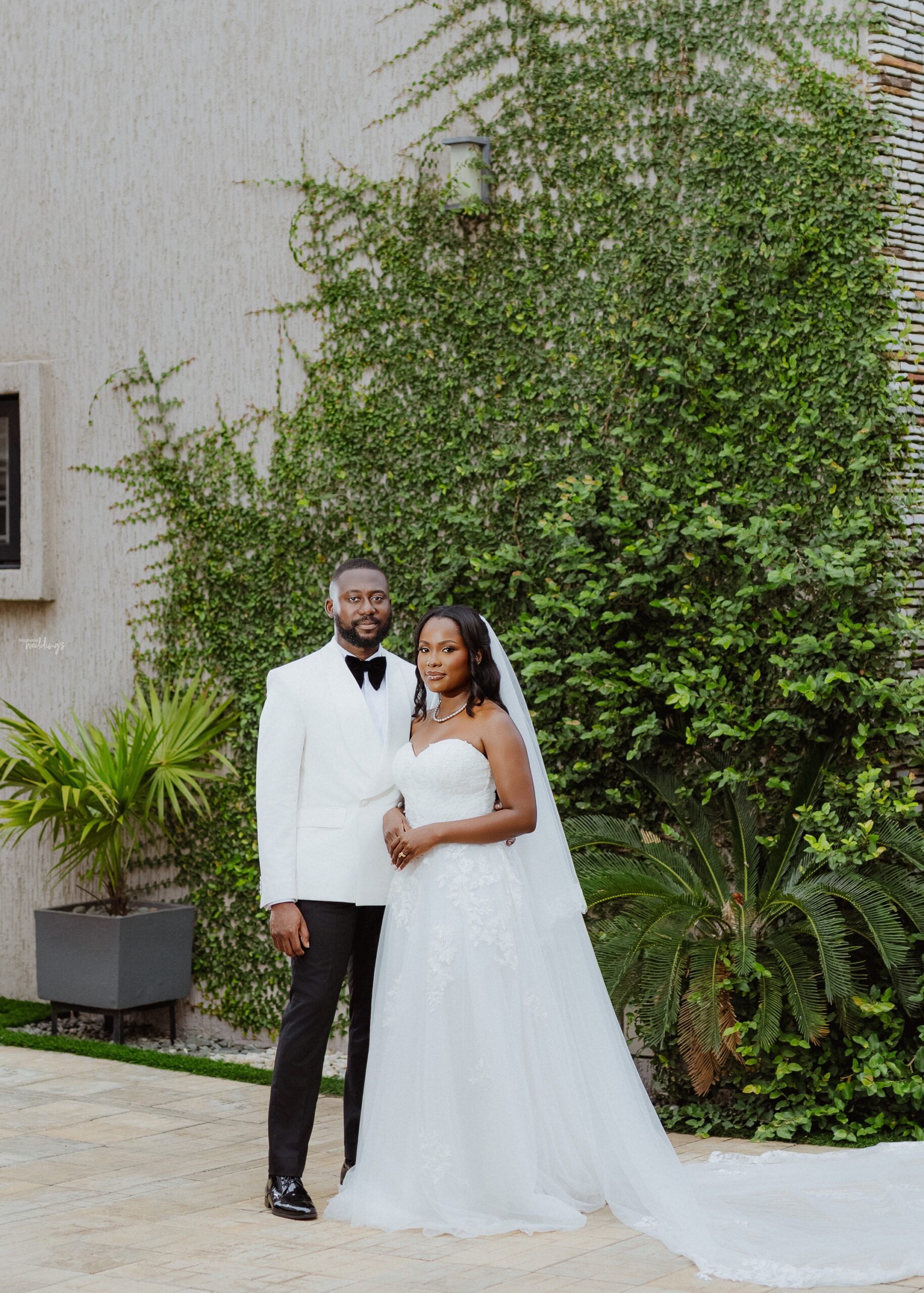
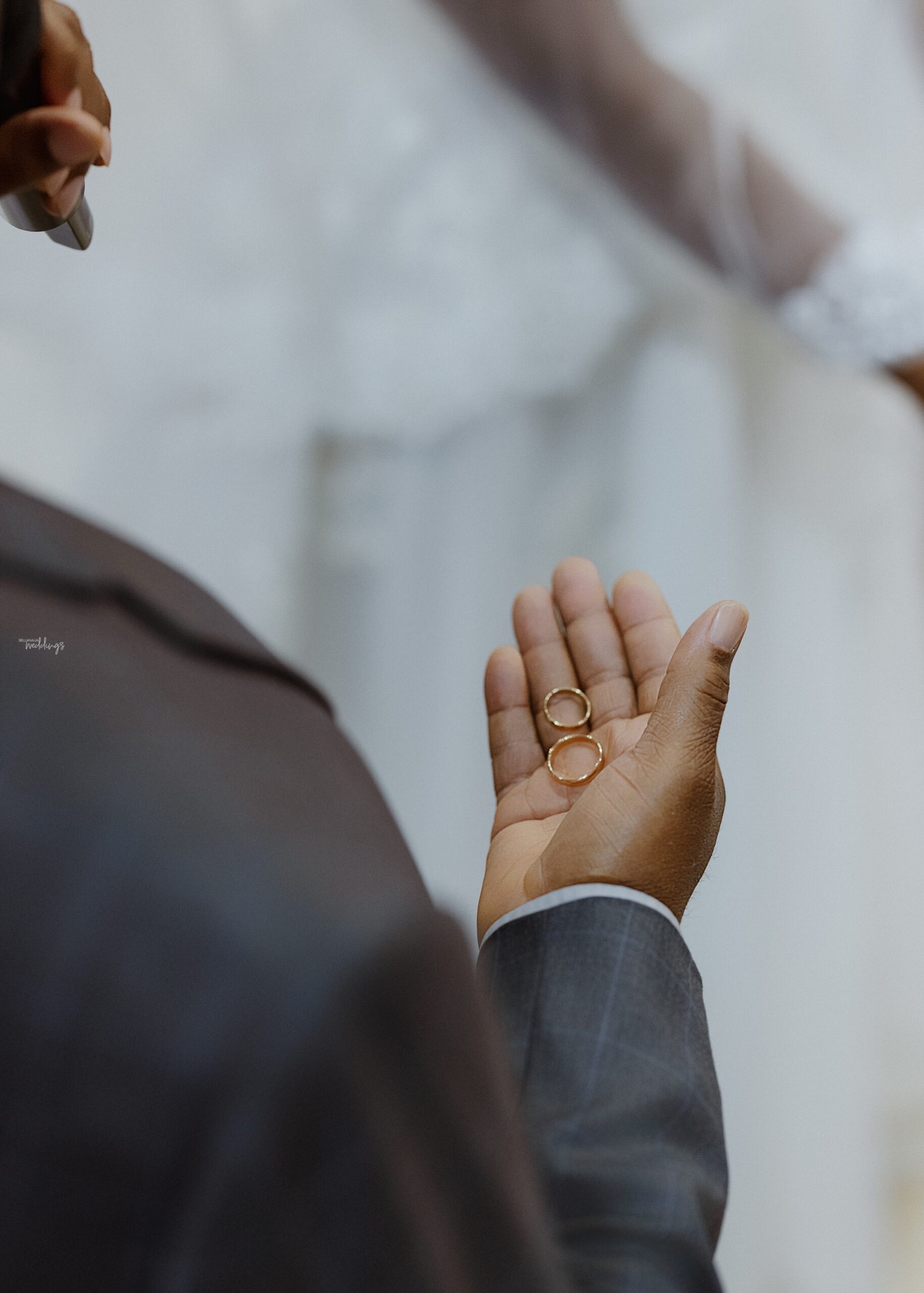
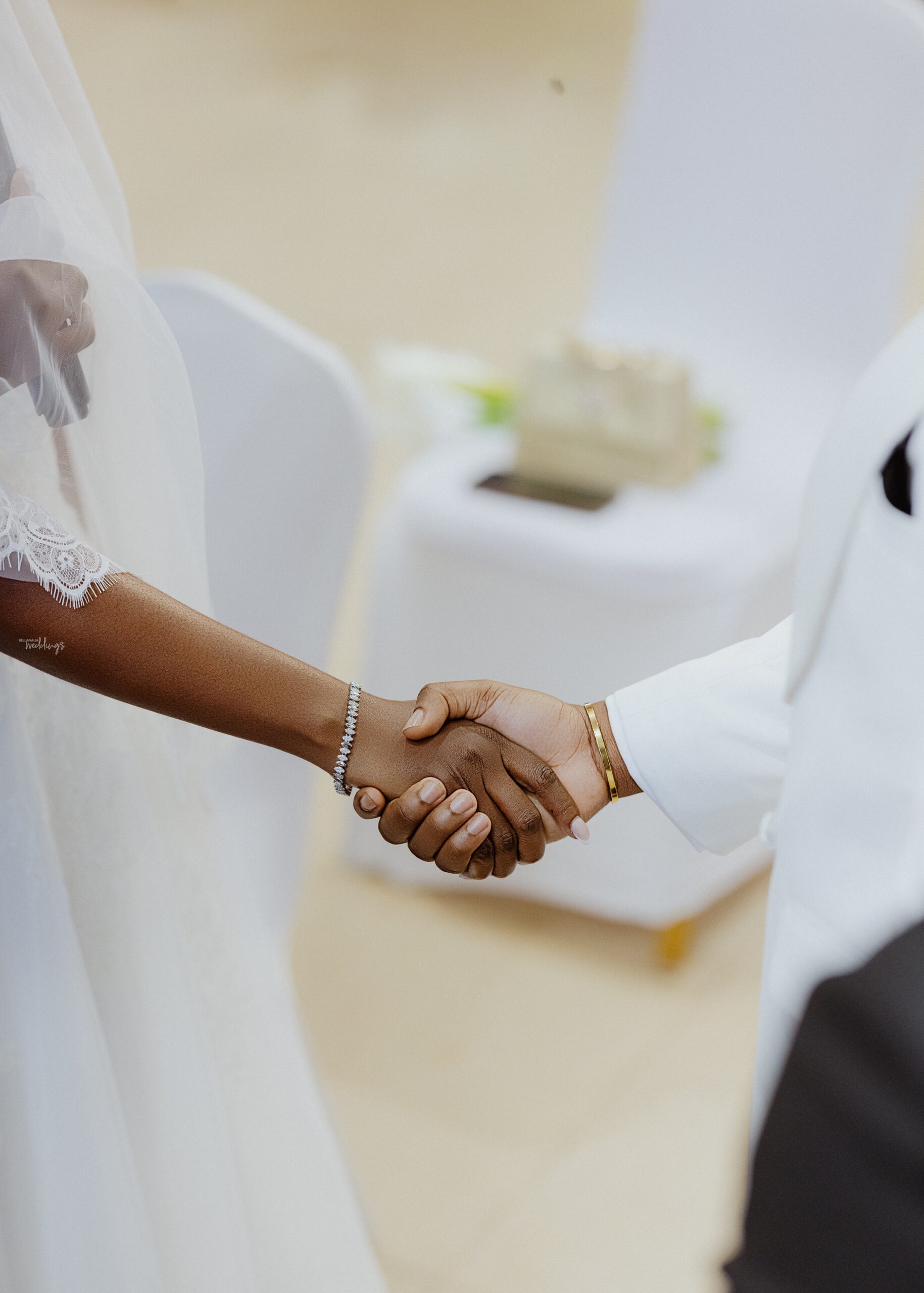
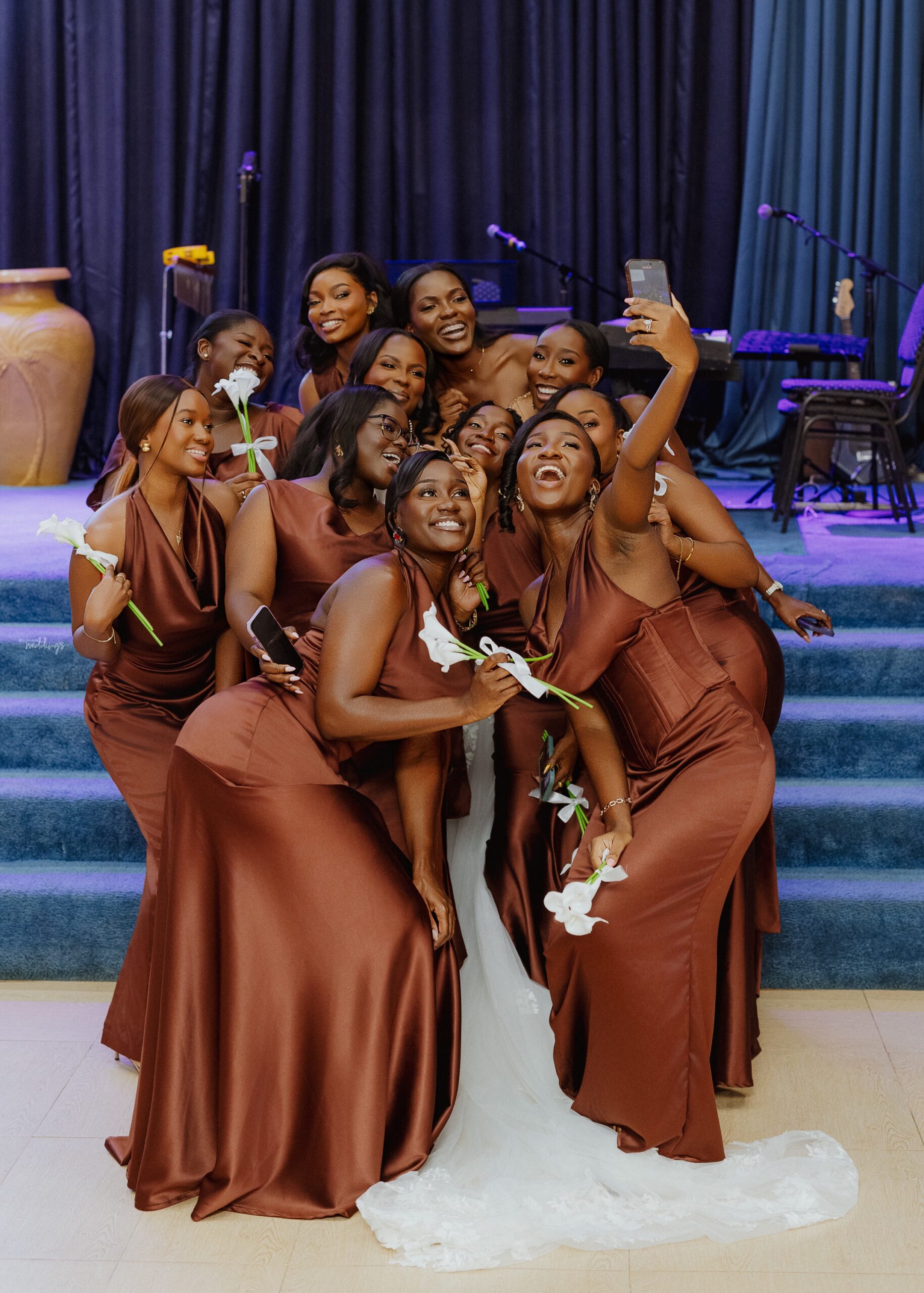
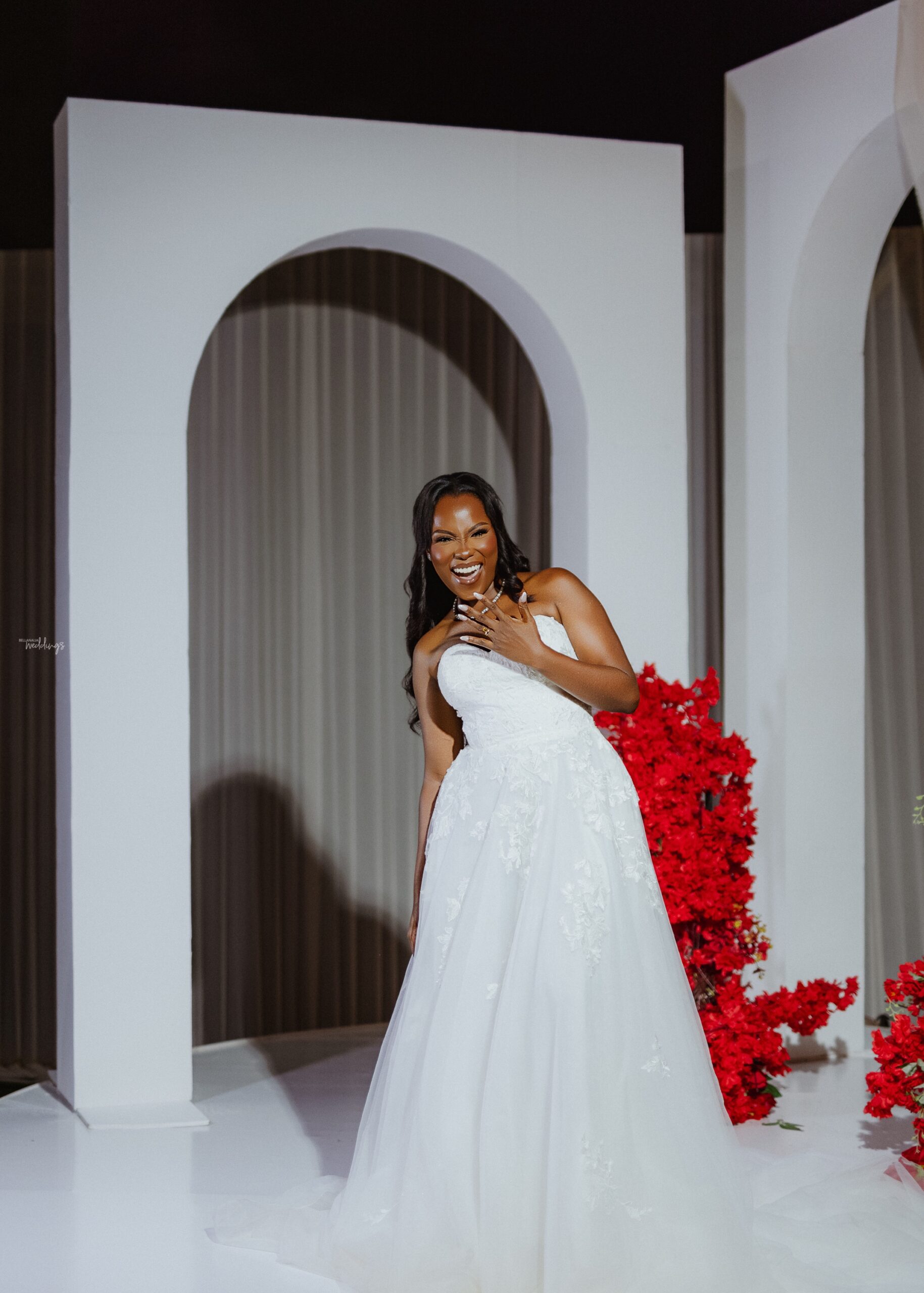
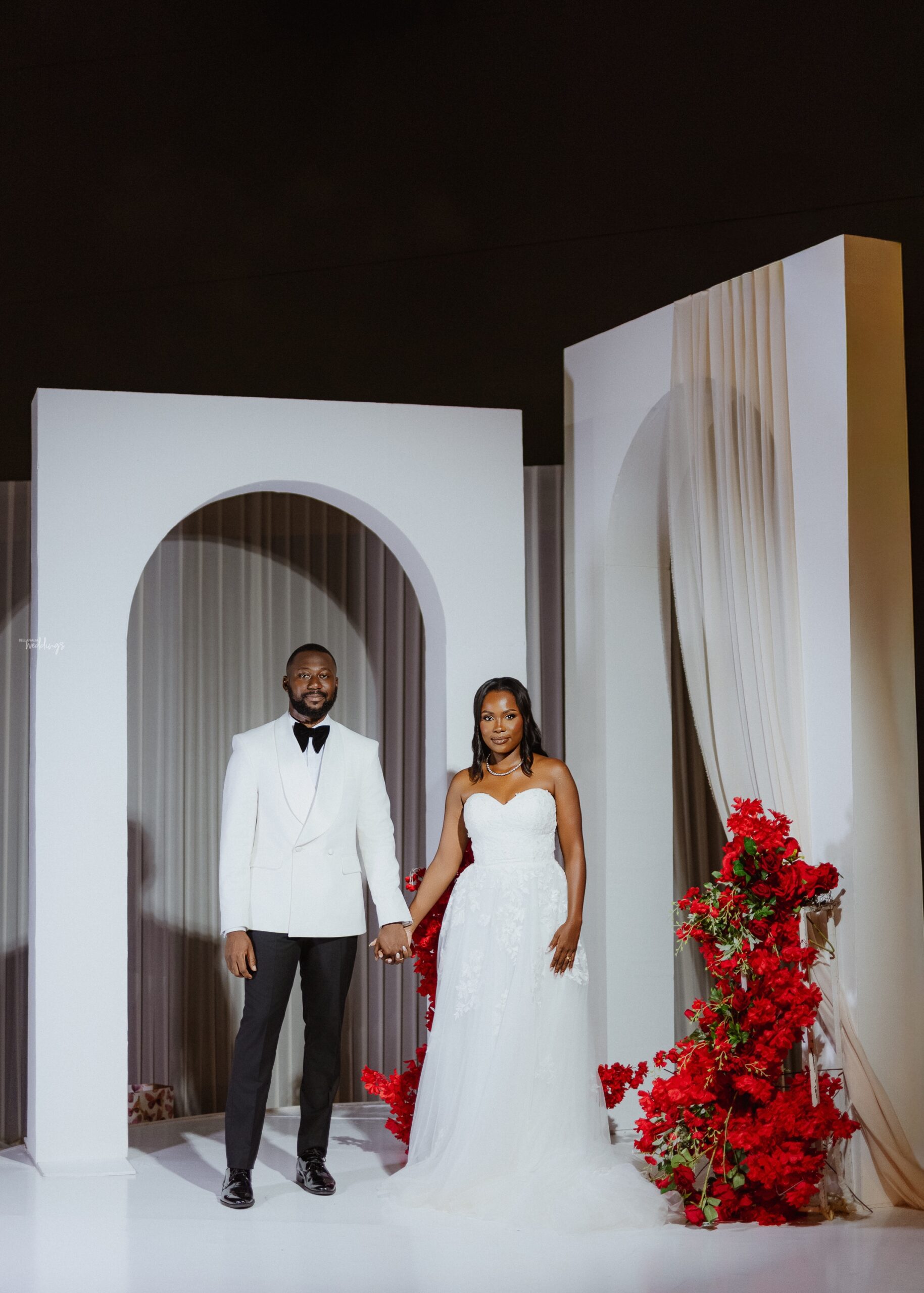
Araba and Kojo also had a Ghanaian traditional wedding, and here’s how it went!
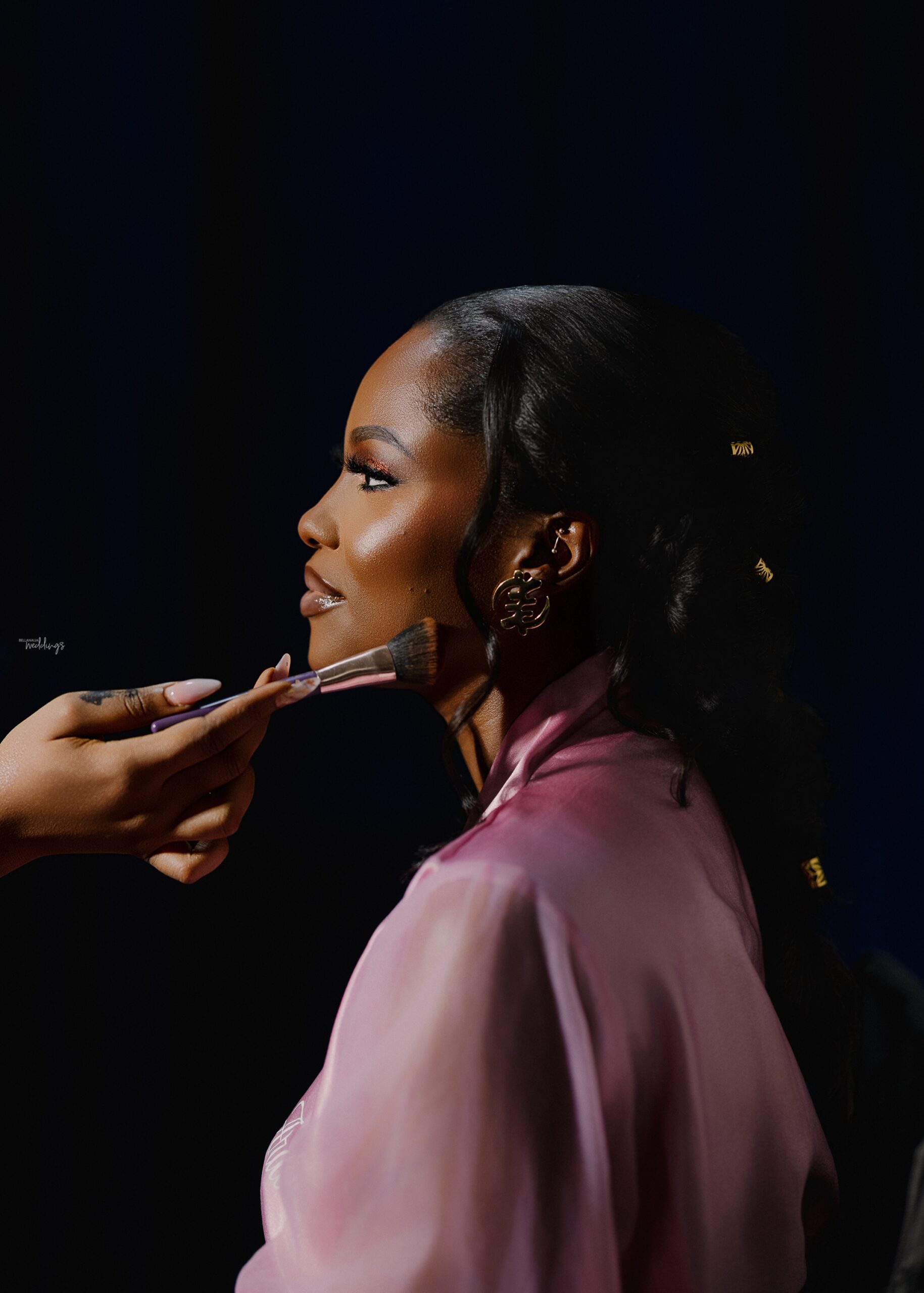
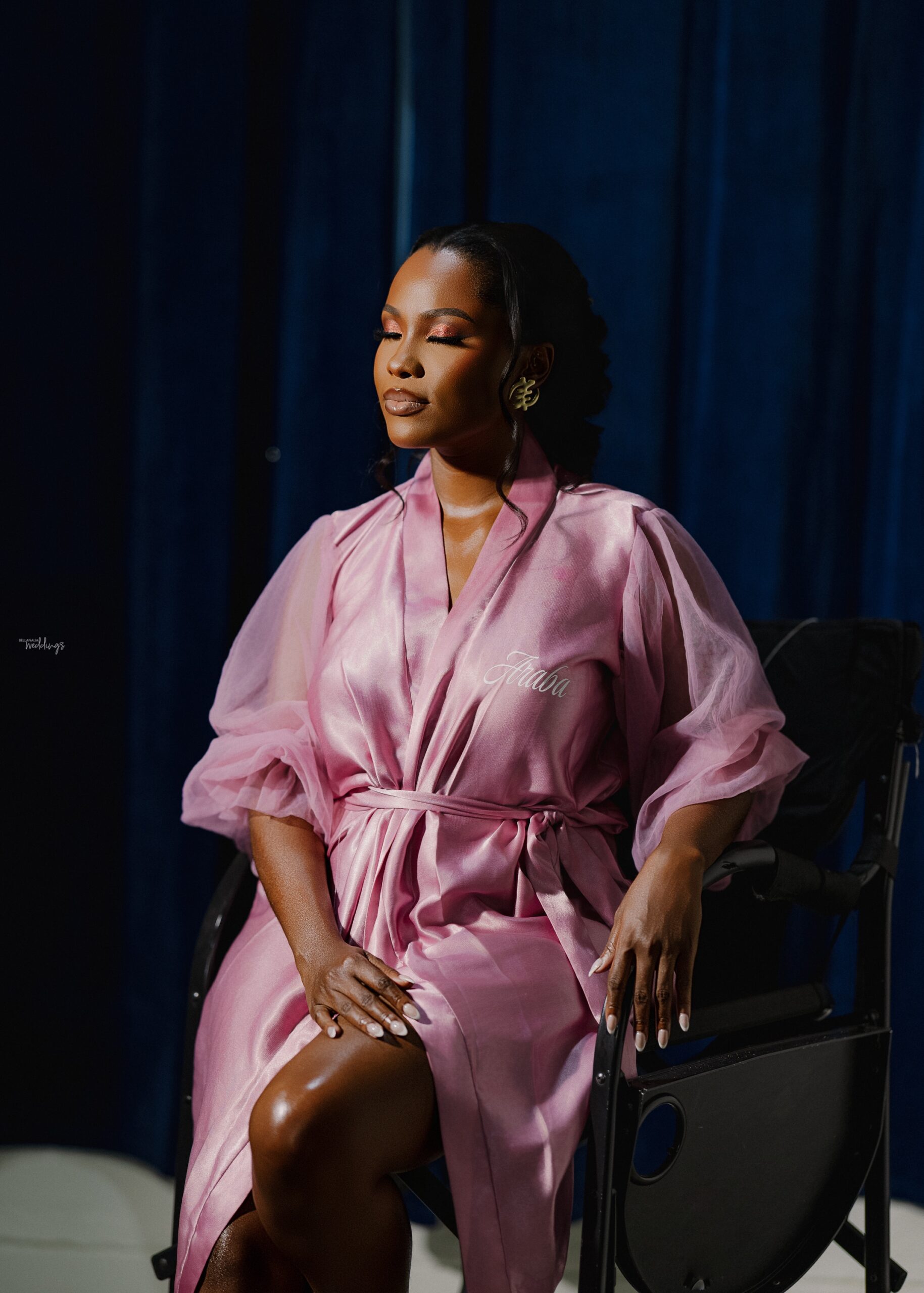

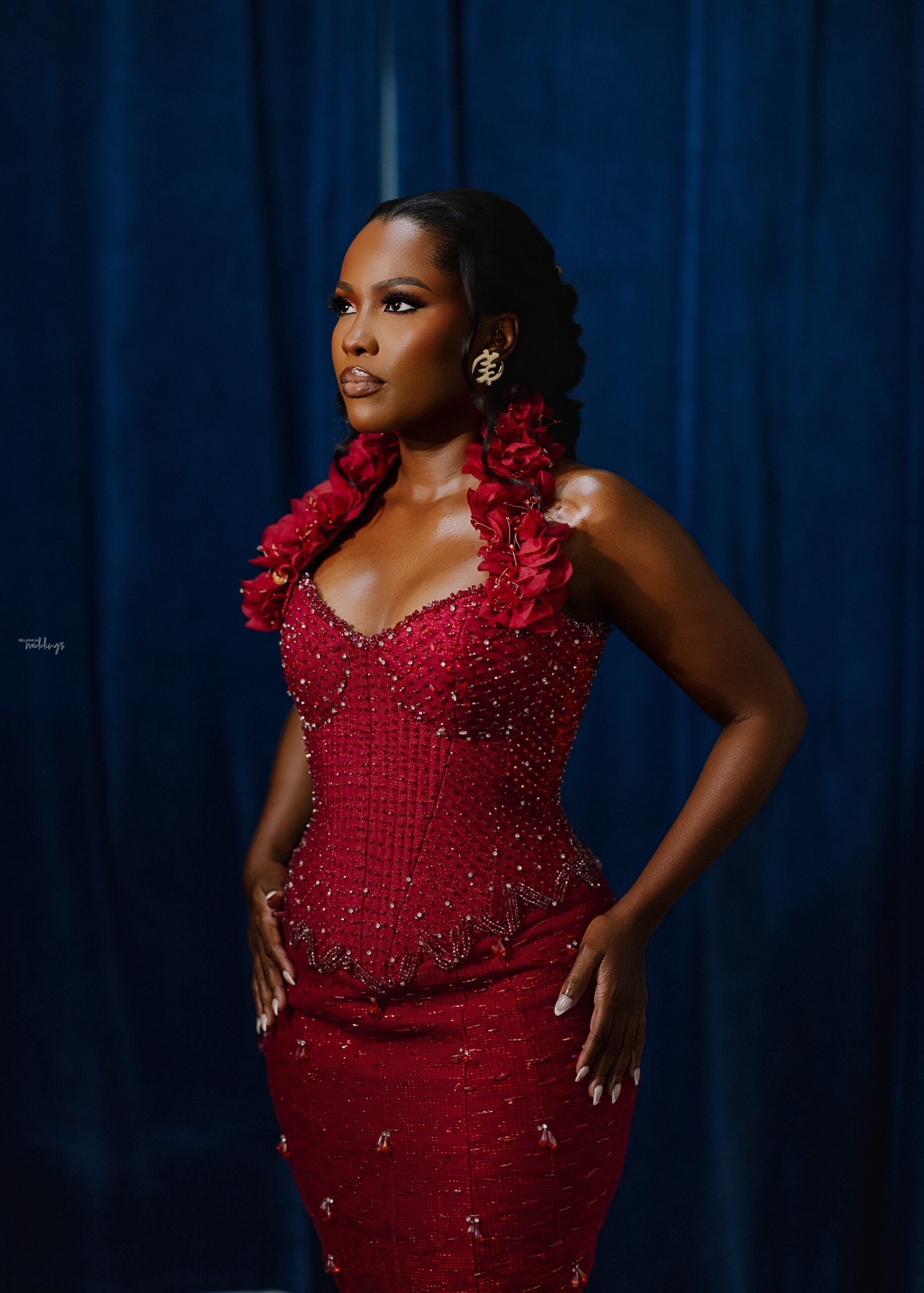
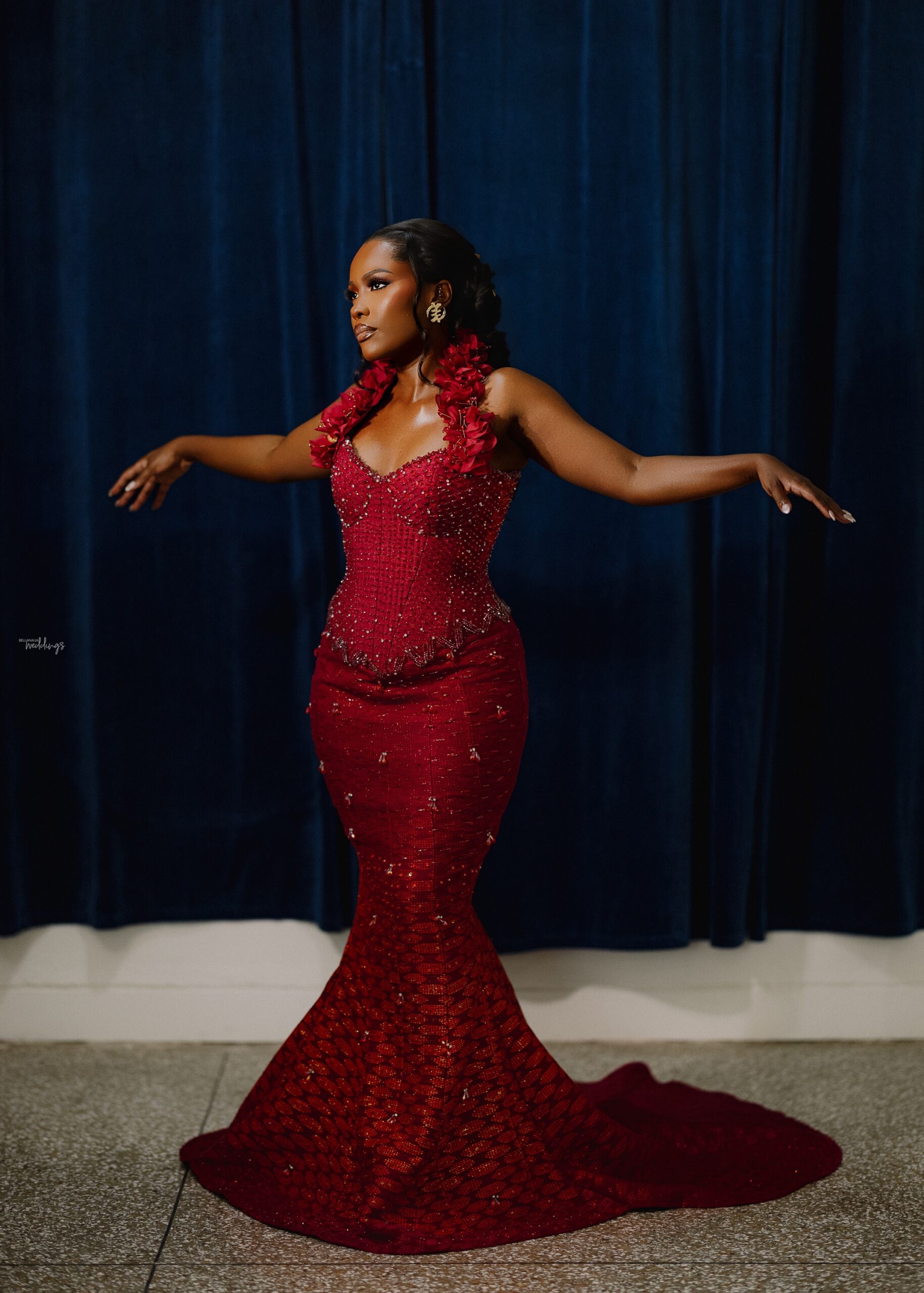

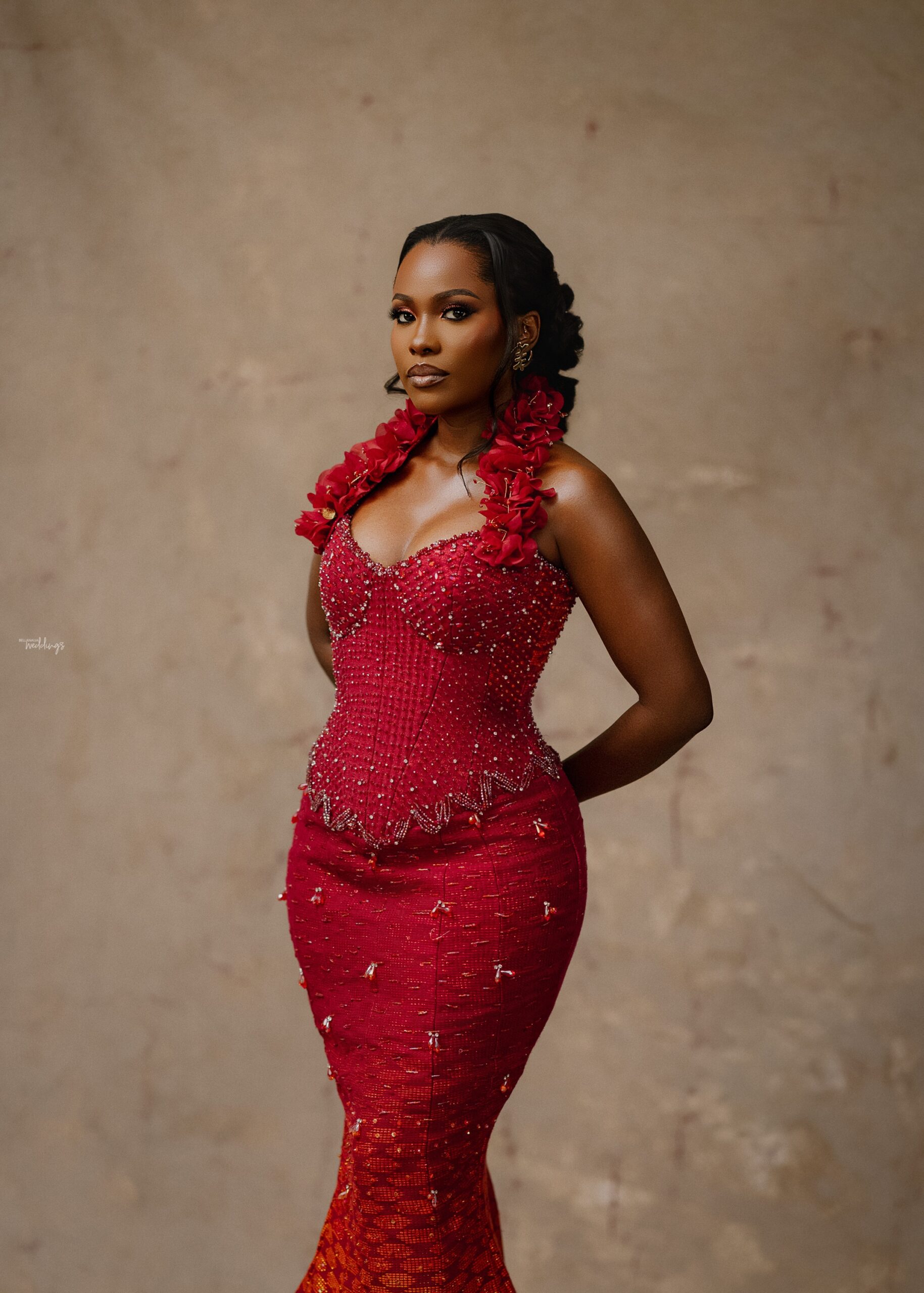
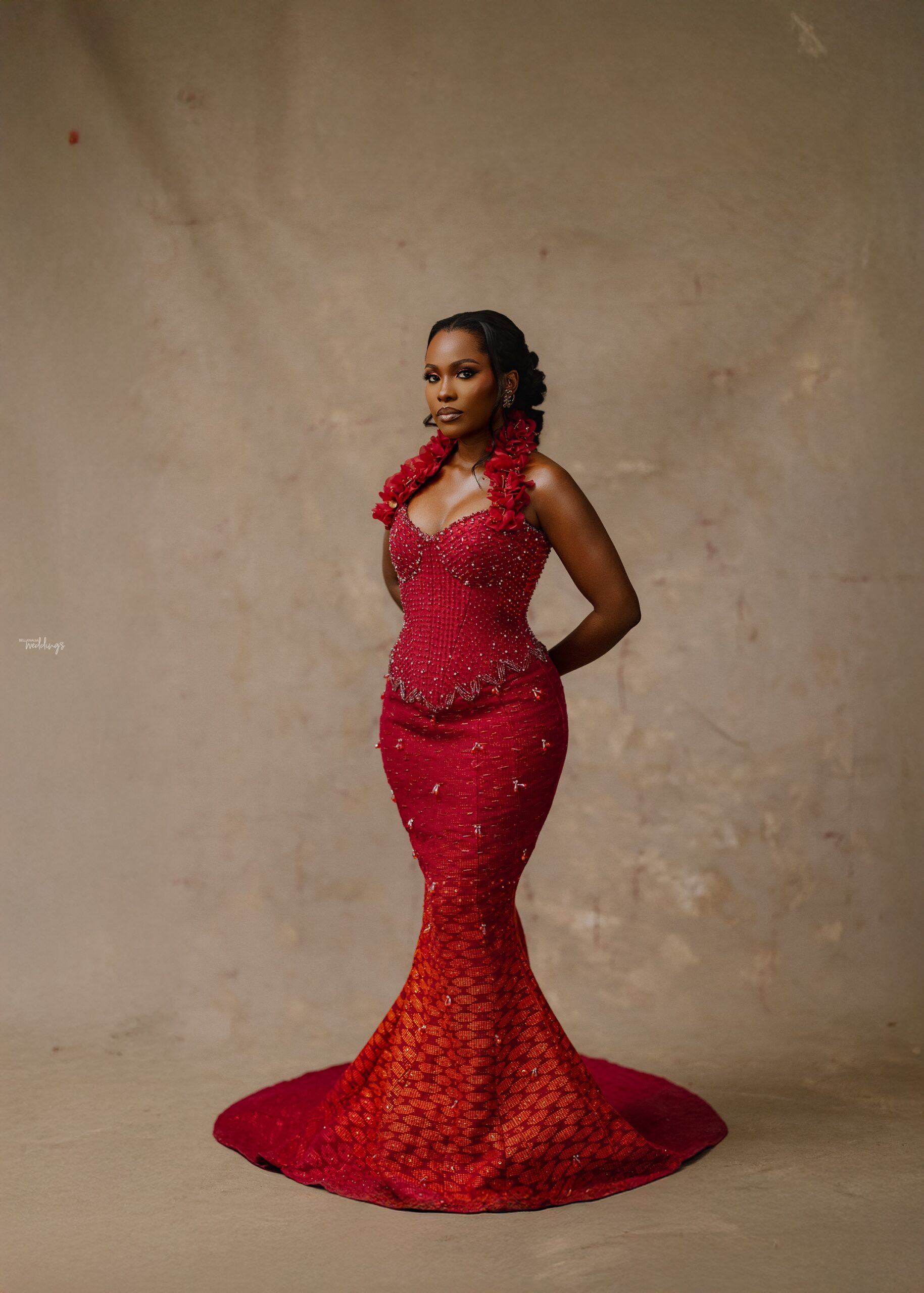


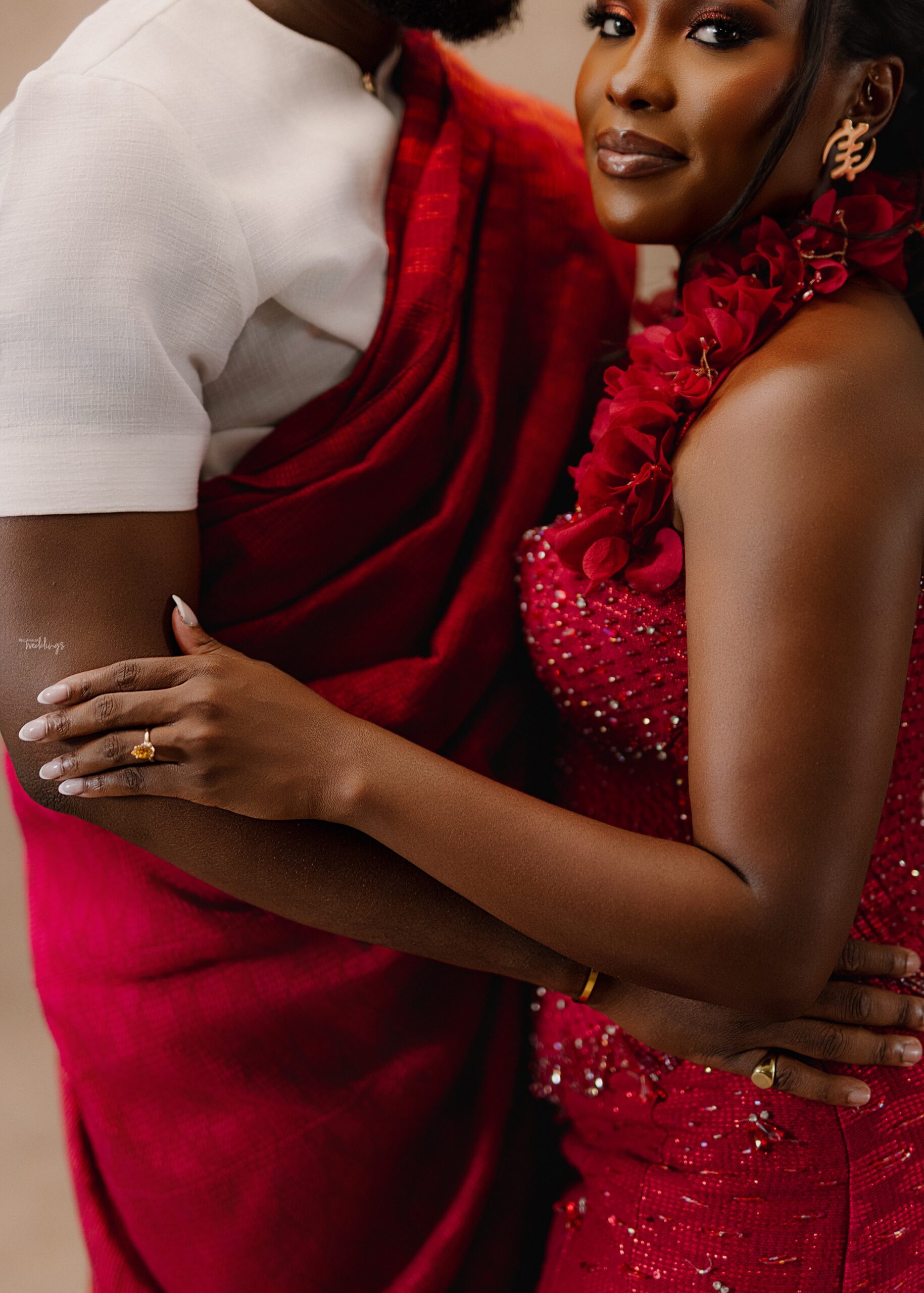


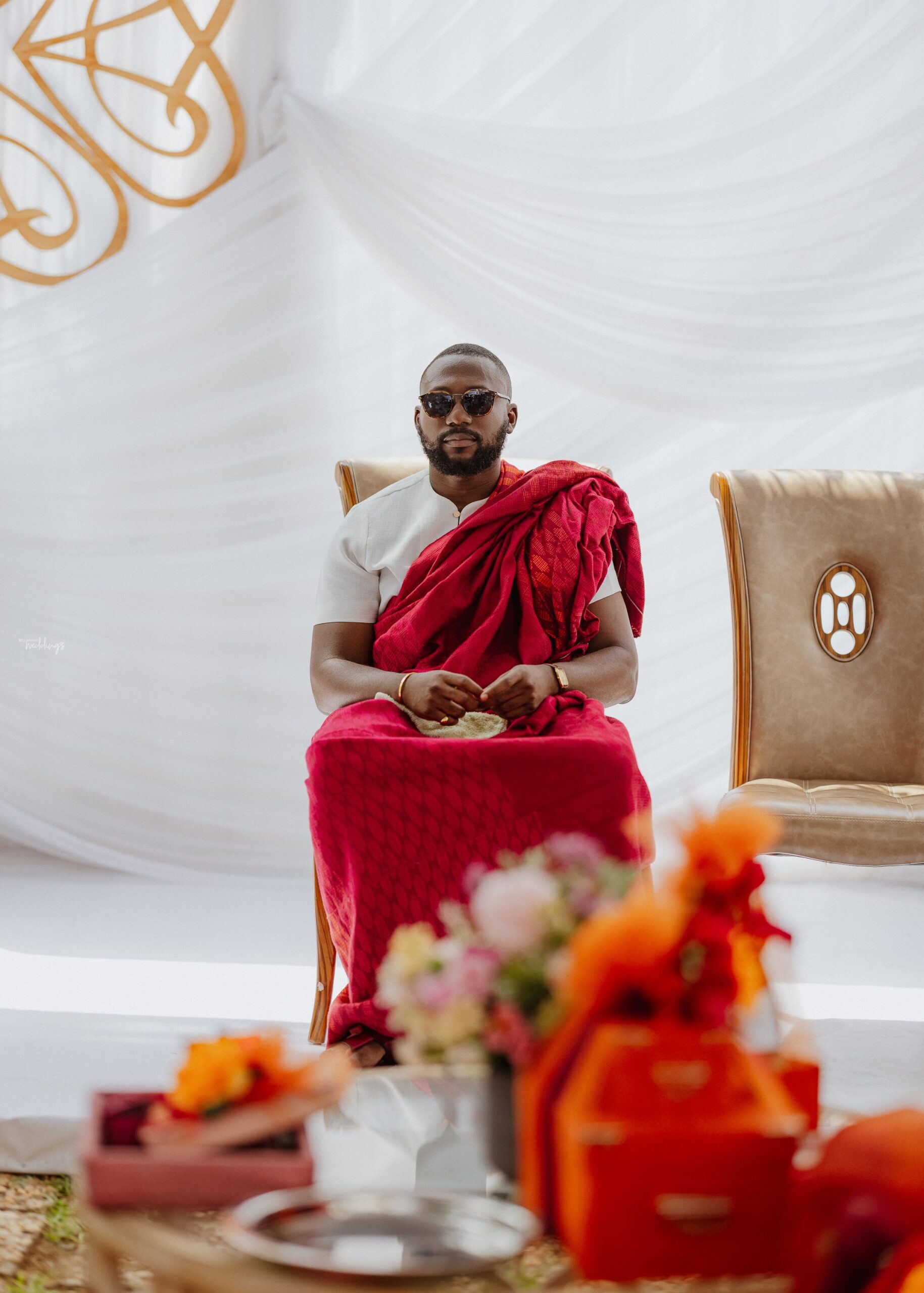
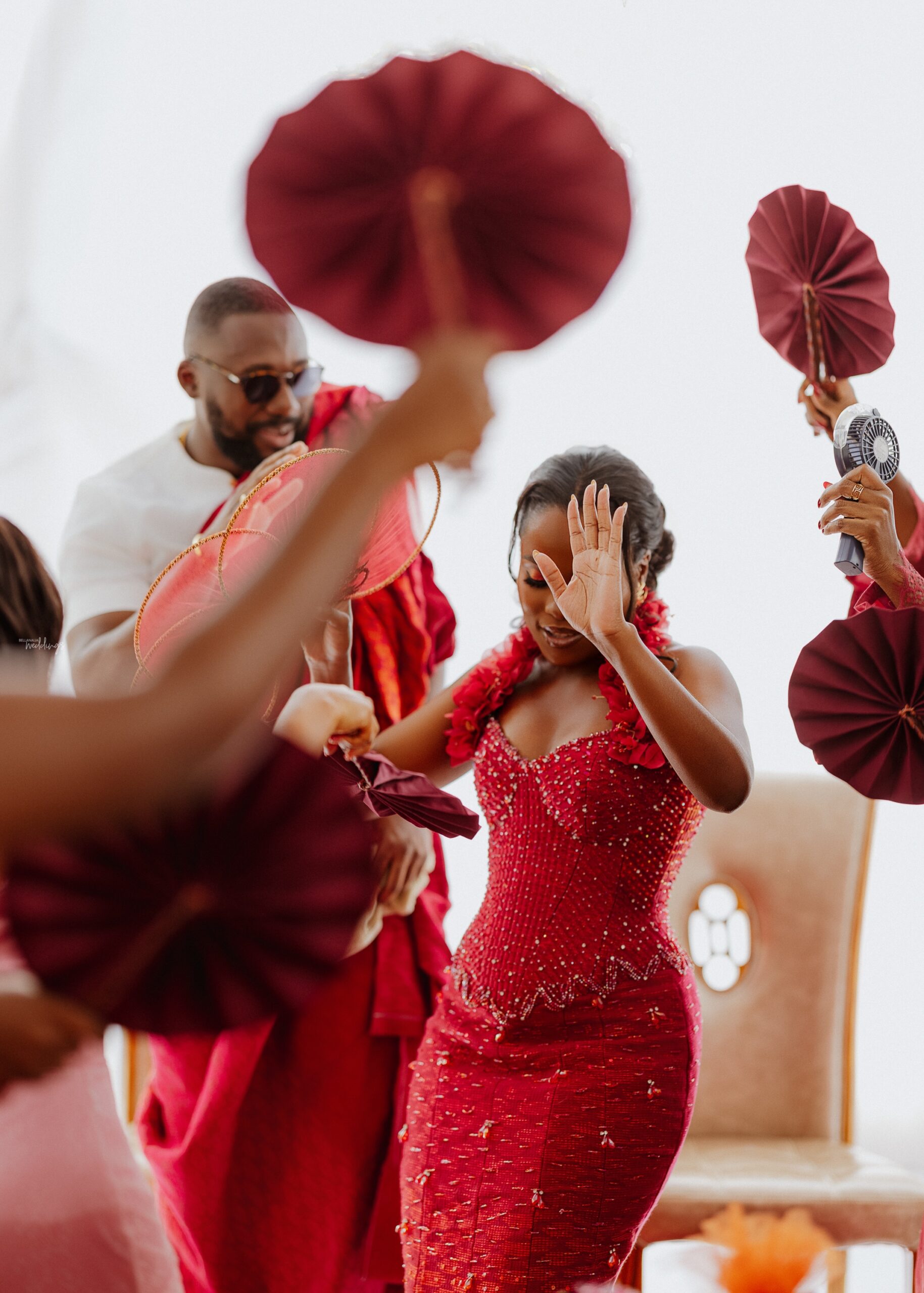

Credit
Bride @ara_bs
Makeup @polkadot_bl
Kente Dress @arabasimpsongh
Photography @jema_photography @jemaweddings

Are you planning on taking your children to visit Father Christmas this weekend?
The Independent sat down with Santa expert and founder of the UK’s only Father Christmas school, James Lovell, to find out more about what this important job entails
Mr Lovell, who created the UK’s only genuine training school for professional Father Christmases back in 1998, explained how it is vital to have the best suit, beard and of course, that sparkle in the eyes.
Mr Lovell said: “You’ve got to make sure that when you are teaching, you look at every aspect of the role.”
It is vital professional Santa’s not only look fantastic, but they also know the history of Saint Nicholas and the names and characteristics of all the reindeer.

Get the free Morning Headlines email for news from our reporters across the world
Sign up to our free Morning Headlines email
Sign up to our free Morning Headlines email

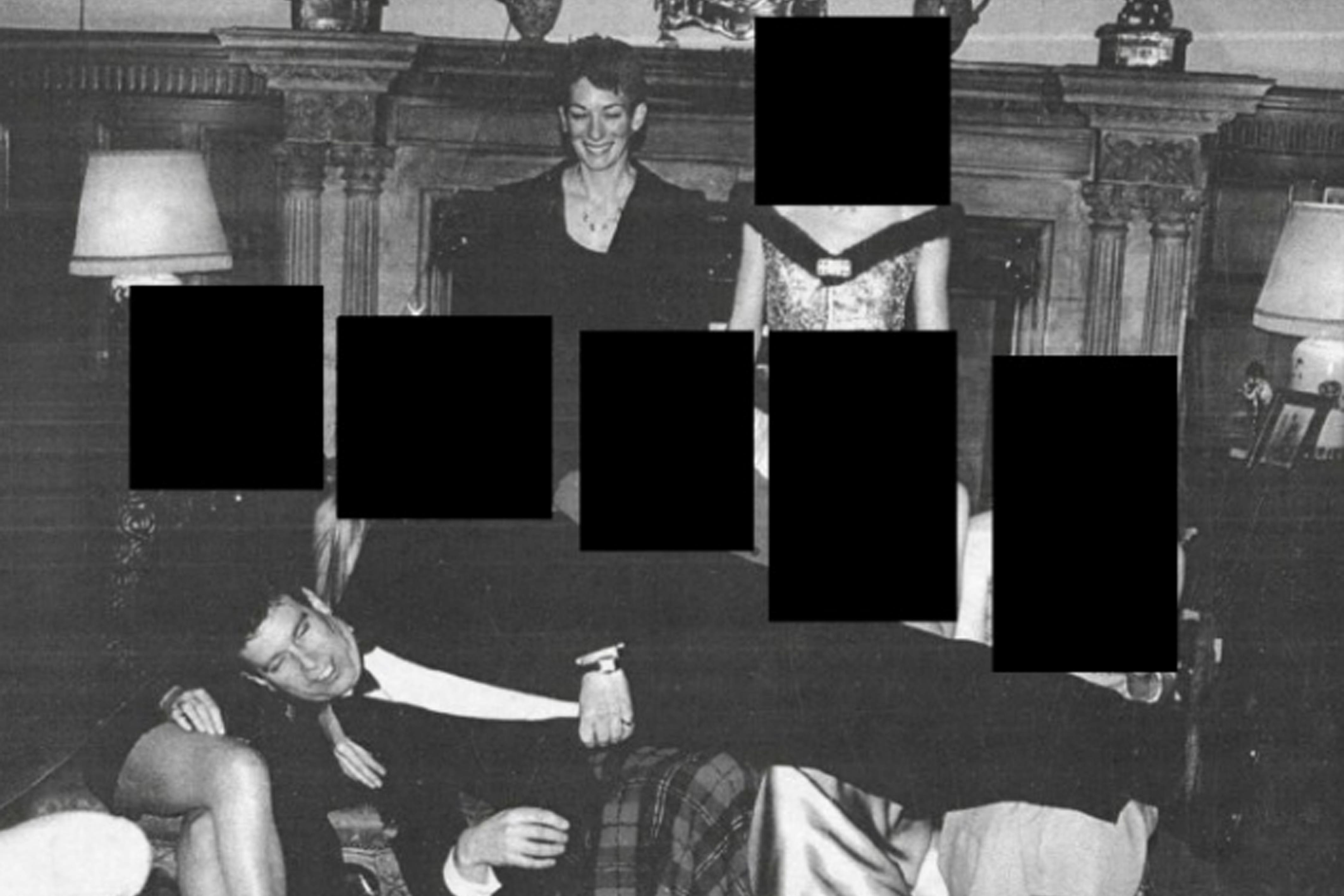
Andrew Mountbatten-Windsor has been pictured lying across the legs of five people in an image released in a huge dump of files related to disgraced financier Jeffrey Epstein.
In the undated photo, convicted sex trafficker Ghislaine Maxwell appears to peer down and smile at the former prince, who is smiling with his eyes closed and his head near a woman’s lap.
Maxwell – the former girlfriend of Epstein, who is currently serving 20 years in prison for her role in a decade-long scheme to sexually exploit and abuse minor girls with him – can be seen standing beside another woman.
All six people apart from Maxwell and the former Duke of York have had their faces redacted in the image, which is a photograph of a picture in a photo frame.
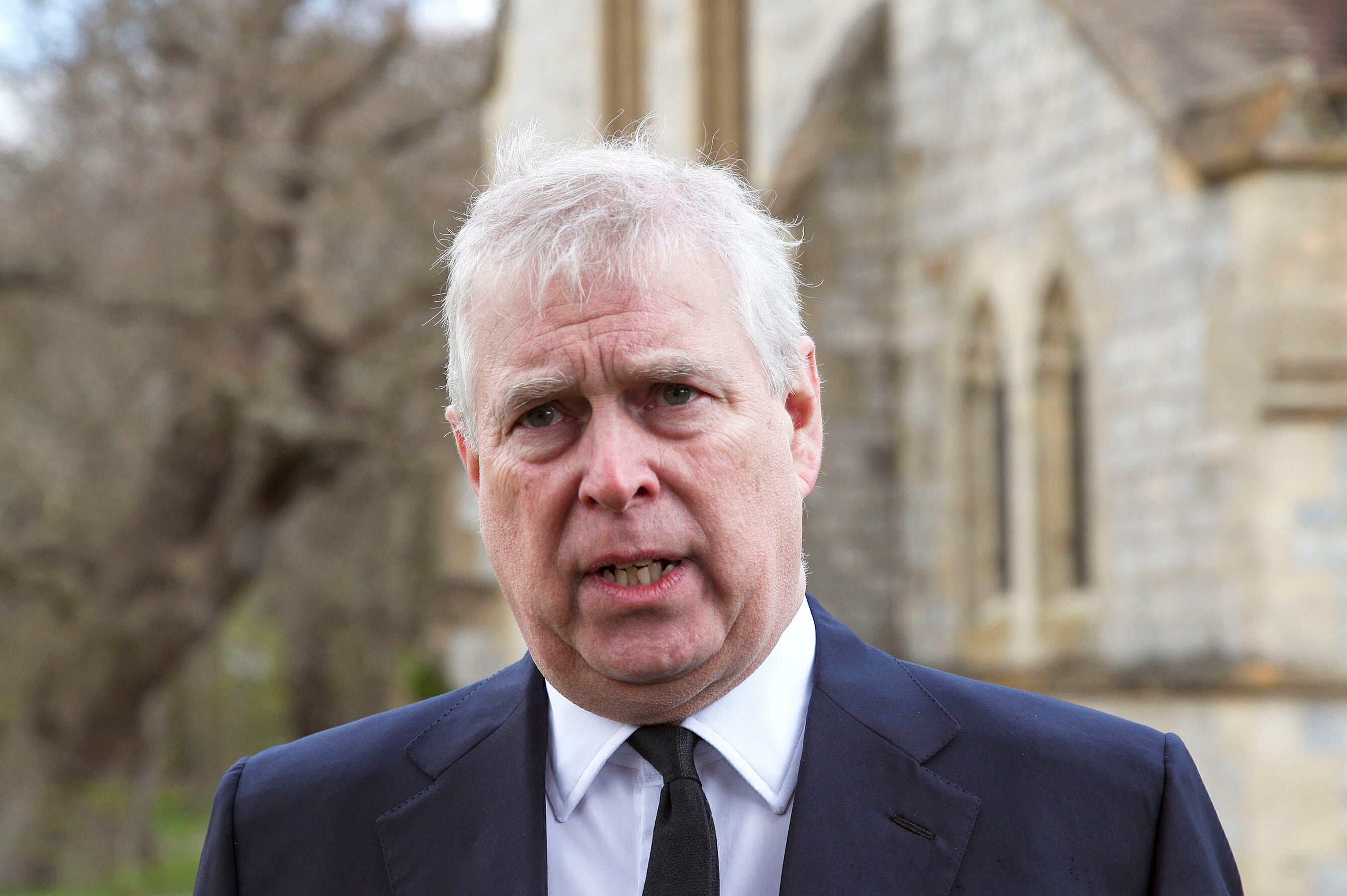
Andrew was stripped of his royal titles in November by the King following controversy over his links to Epstein. He strenuously denies any wrongdoing. In a previously issued statement, he said: “At no stage during the limited time I spent with him did I see, witness or suspect any behaviour of the sort that subsequently led to his arrest and conviction.”
open image in gallery
The photo released by the US Department of Justice appears to show Andrew Mountbatten-Windsor reclining across the laps of five people (PA Media)
A trove of documents, including court records, footage and images, was uploaded on Friday night to the US Department of Justice website, which held users in a queue as it experienced an “extremely high volume of search requests”.
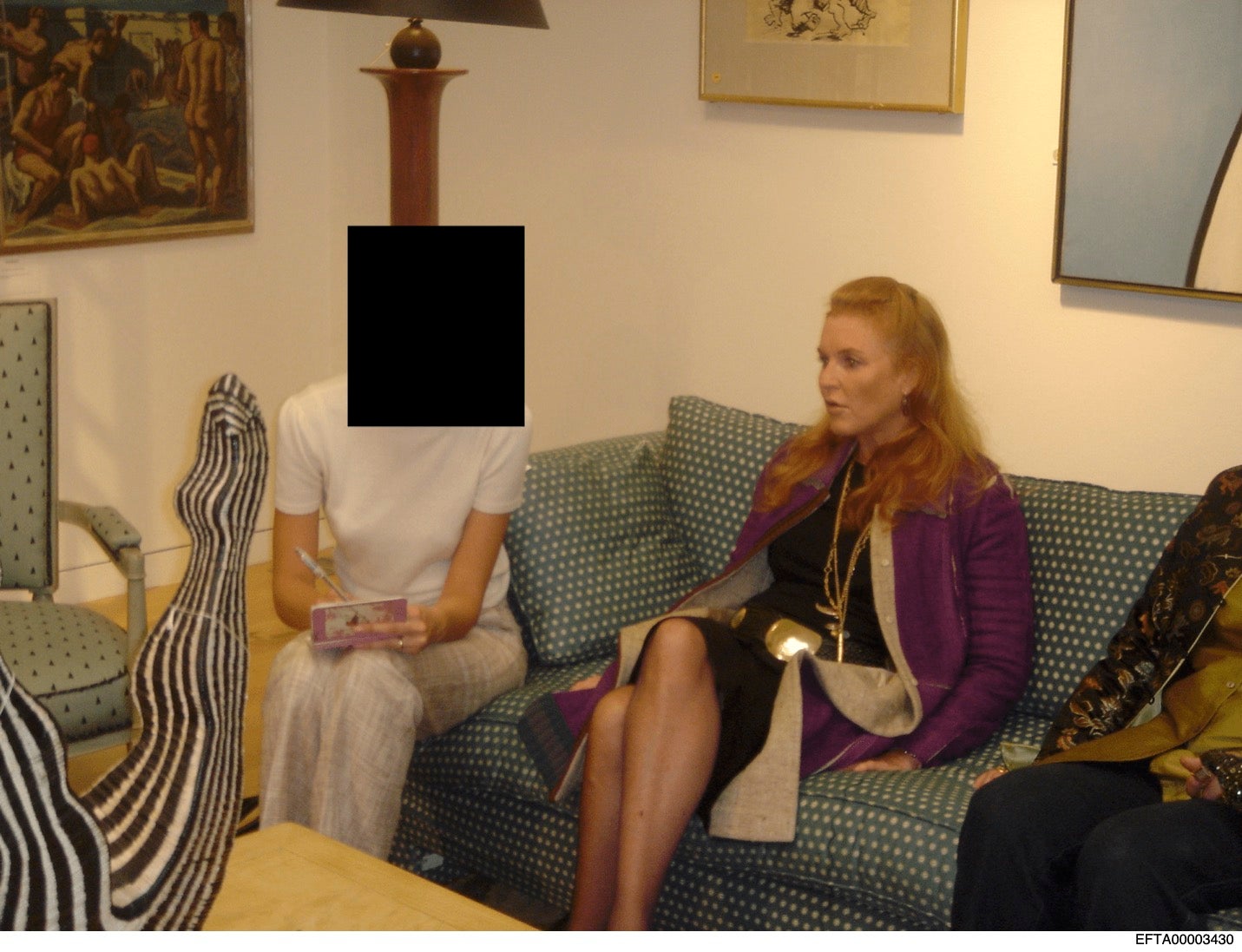
Former Duchess of York Sarah Ferguson also featured in the newly released files. In one photo, she is seen sitting on a sofa next to a woman whose identity has been redacted. In another image, she appears smiling at the camera while posing on a street, again with a woman whose identity has been shielded.
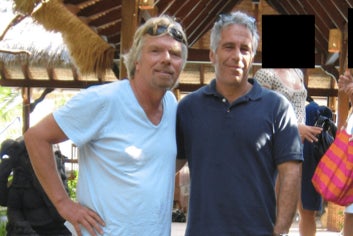
In the latest documents, there are also multiple images of former US president Bill Clinton lounging in a hot tub, as well as Epstein with a host of celebrities and high-profile figures, including Michael Jackson, Richard Branson, Mick Jagger and Lord Peter Mandelson.
Being photographed or mentioned in the files is not an indication of wrongdoing and many of those featured in the latest release have previously denied knowledge of Epstein’s crimes.
open image in gallery
Andrew was stripped of his royal titles in November by the King following controversy over his links to Epstein (AP)
The data dump came after US deputy attorney general Todd Blanche said “several hundred thousand” documents would be released ahead of a legal deadline.
He said the need to protect the victims of sex offender Epstein meant thousands more would be released over the coming weeks.
The US Department of Justice are legally obligated to make all files related to the investigation into Epstein public by midnight on Friday following the passing of the Epstein Files Transparency Act.
open image in gallery
Former Duchess of York Sarah Ferguson also featured in the newly released files (DOJ)
The paedophile financier was found dead in his cell at a federal jail in Manhattan, New York, in August 2019 while he awaited trial on sex trafficking charges. His death was ruled a suicide.
Among the hundreds of photos included in the files are also undated photos of Maxwell standing outside the door of 10 Downing Street and posing with former US president Bill Clinton and actor Kevin Spacey.
Many of the photos and documents are heavily redacted, prompting criticism from US lawmakers and lawyers for Epstein’s victims.
open image in gallery
Richard Branson appears with Epstein in a newly released photo (DOJ)
Congressman Thomas Massie, a Republican who pressed for the law forcing the disclosure, said: “Unfortunately, today’s document release by AG Pam Bondi and DAG Todd Blanche grossly fails to comply with both the spirit and the letter of the law that Donald Trump signed just 30 days ago.”
Andrew has faced allegations, which he strenuously denies, that he sexually assaulted a teenage Virginia Giuffre after she was trafficked by Epstein. He paid Ms Giuffre, a woman he has claimed never to have met, to settle a civil sexual assault claim in 2022.
US politicians have criticised him for his “silence” after he missed a deadline last month to respond to their request to sit for an interview about Epstein.

Sign up to our free Living Well email for advice on living a happier, healthier and longer life
Live your life healthier and happier with our free weekly Living Well newsletter
Live your life healthier and happier with our free weekly Living Well newsletter
Sessions in tanning beds may only last five minutes – but researchers warn exposure to their ultraviolet radiation can literally age skin decades, as well as lead to deadly skin cancer.
While it’s long been understood that tanning bed users have a higher risk of skin cancer, a new study from collaborators at the University of California at San Francisco and Northwestern University found for the first time that young indoor tanners experience genetic changes that can lead to more mutations in their skin cells than people twice their age.
These mutations can lead to skin cancer, including rare and deadly melanoma.
“We found that tanning bed users in their 30s and 40s had even more mutations than people in the general population who were in their 70s and 80s,” said San Francisco’s Dr. Bishal Tandukar.
“In other words, the skin of tanning bed users appeared decades older at the genetic level.”
open image in gallery
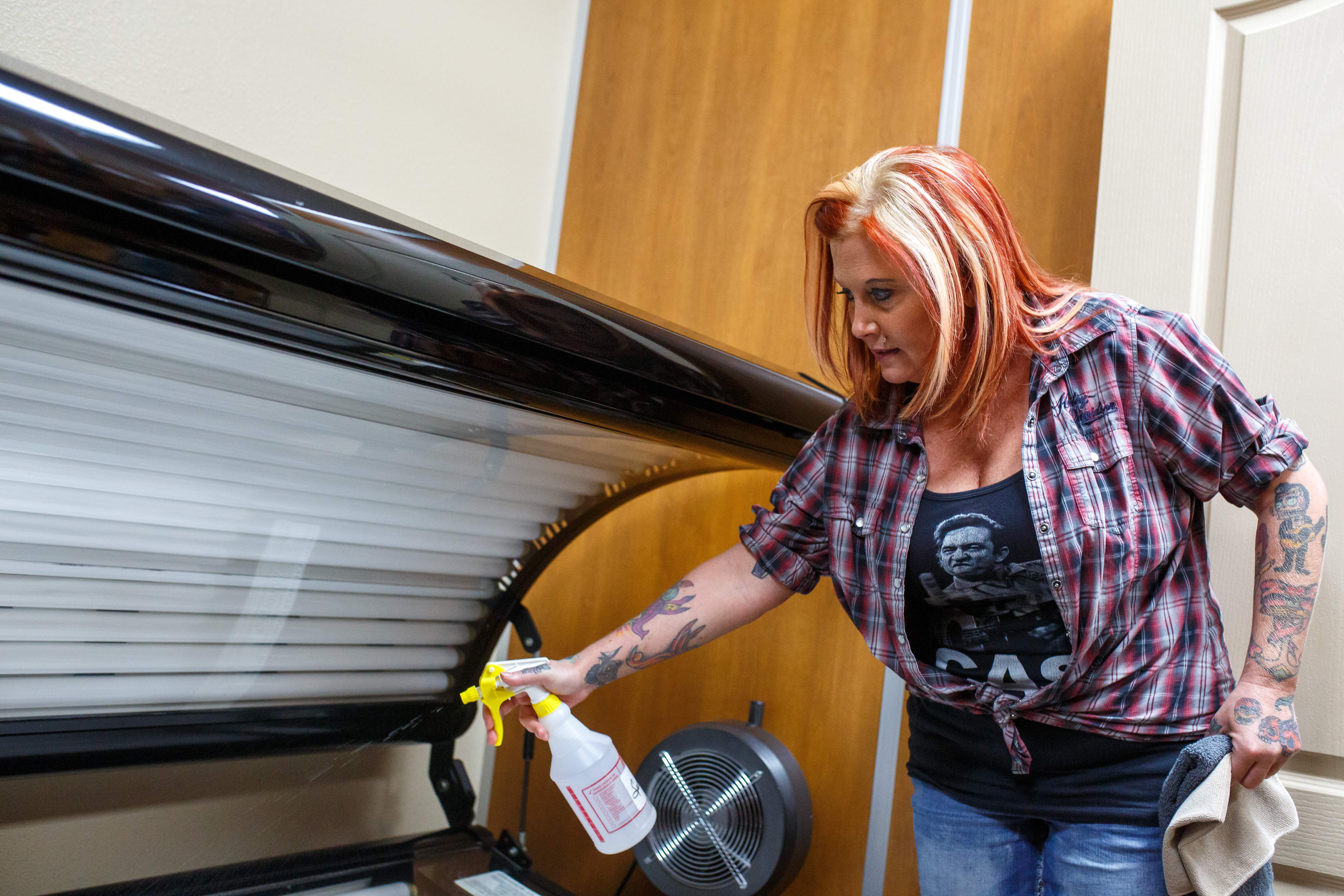
Using tanning beds ages skin genetically, researchers say, leading to more deadly mutations than people who tan from the sun. (AFP via Getty Images)
The wrong kind of UV rays
Examining the medical records of more than 32,000 dermatology patients and the skin samples of 26 donors, the researchers found that the tanning bed users had more skin mutations in their lower back, too.
While that area does not get as much damage from sunlight, tanning beds increase the area’s exposure to ultraviolet radiation.
Though ultraviolet rays provide some benefits to our health – they’re a source of vitamin D, for example – the light in tanning beds is not the same.
“The bulbs used in tanning beds emit mostly UVA light; however, your body needs UVB light to make vitamin D,” according to the American Academy of Dermatology Association.
Although UVB rays are thought to cause most skin cancers and are the main rays that cause sunburns, UVA rays can cause cell aging, wrinkles and some skin cancers, as well. UVA rays penetrate more deeply into the skin, the American Cancer Society says.
Melanoma risk triples
The study found that using tanning beds triples the risk for melanoma, the deadliest kind of skin cancer.
Certain subsections of people are most at risk, including young women who are the main patrons of the tanning industry.
open image in gallery
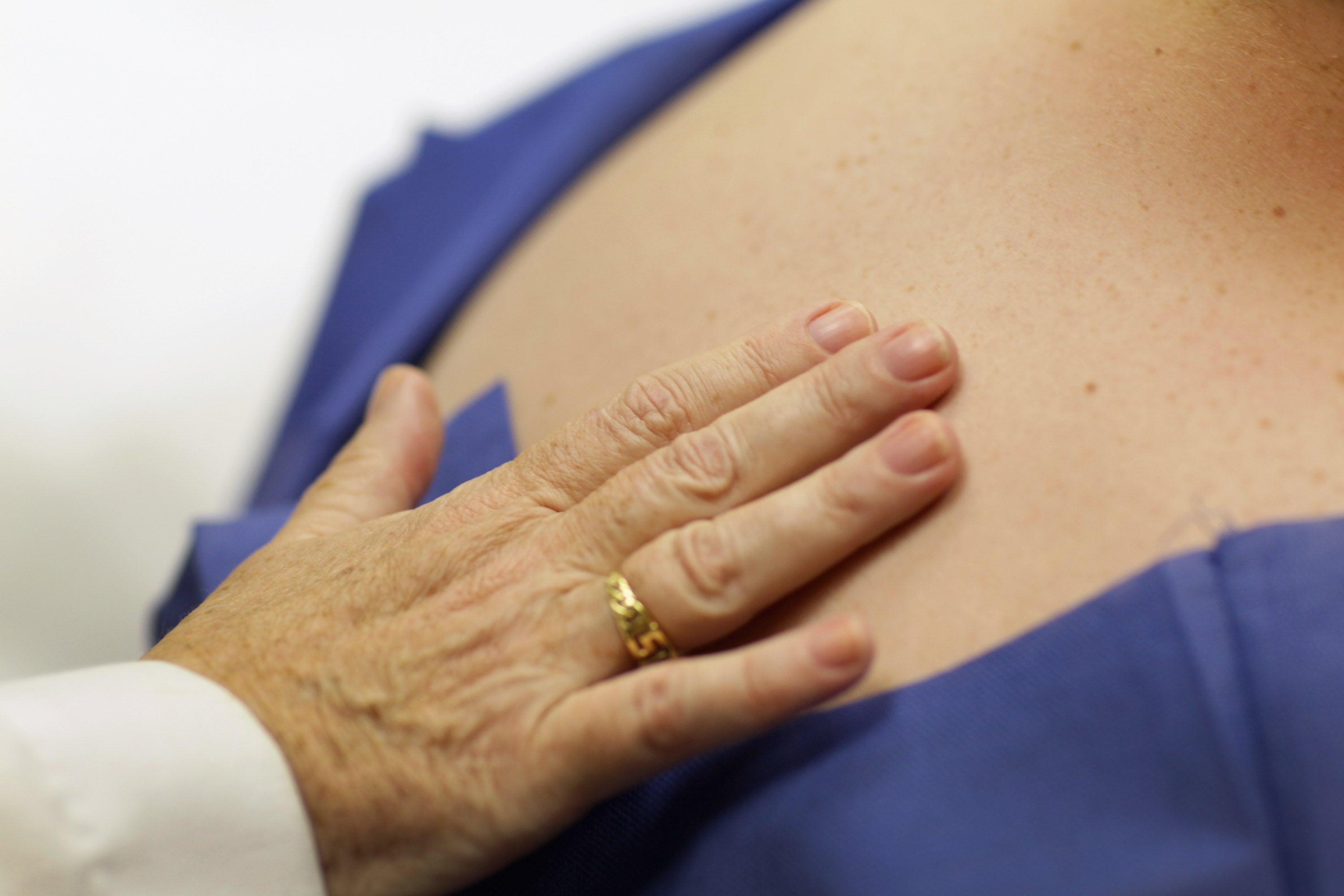
Common signs of melanoma include darker lesions with ragged edges that change in size and color (Getty Images)
Skin cancer is the most common in people over the age of 50, people who have been sunburned or spend a lot of time in the sun, people with a family history of skin cancer and people with light-colored skin, hair and eyes.
The risk of melanoma is about 60 percent higher is a person starts indoor tanning before the age of 35 years old.
Common signs of melanoma include lesions with uneven edges, multiple shades of brown or black, a darker hue than other moles and changing in size, shape, color and elevation.
There are expected to be more than 8,400 deaths tied to melanoma in the U.S. this year.
LIFESTYLE
Leo Stan Ekeh Calls for Tech-Focused Parenting as TD Africa Celebrates Partners at 12th Annual Awards Night

Leo Stan Ekeh, Chairman of Zinox Group, delivered a compelling message to Nigerian parents at the 12th edition of TD Africa‘s “Celebrating You” Awards Night, urging them to prioritize technology education for their children as the nation positions itself for economic dominance.
Speaking before an audience of partners, industry leaders, and distinguished guests at the event which took place at the iconic Eko Hotels & Suites, Victoria Island, Mr Ekeh emphasized the transformative power of technology in securing Nigeria’s economic future.
“I advise you, if you have two, three kids, stick two in technology, it is a good gamble,” Mr Ekeh stated emphatically, revealing his unwavering belief in technology as the cornerstone of national development and individual prosperity.
The annual “Celebrating You” Awards Night, themed “African Digital Renaissance,” has become one of the most anticipated events in Nigeria’s technology ecosystem. The 12th edition brought together partners, innovators, and national figures for an evening dedicated to recognizing outstanding contributions to the sector.
Mrs. Chioma Ekeh, Chief Executive Officer of TD Africa, reinforced the company’s commitment to its partners, noting that their trust, loyalty, and performance throughout 2025 were instrumental to the organization’s success.
“Our achievements this year were made possible by partners who demonstrate excellence,” she remarked, highlighting the collaborative spirit that defines TD Africa’s approach to business.
Ekeh has built his technology empire alongside his wife, Mrs. Chioma Ekeh, who serves as CEO of TD Africa. Together, they have positioned the company as one of West Africa’s leading technology distributor since its establishment in 1999. Their partnership extends beyond business, representing a shared vision for Africa’s digital transformation.
As Chairman of Zinox, Ekeh oversees a conglomerate that includes Task Systems, TD Africa, Zinox Technologies, and Konga. These companies collectively form the backbone of Nigeria’s technology infrastructure. His leadership has been characterized by an unrelenting focus on empowering Africans through accessible technology solutions.
Addressing concerns about the nation’s economic challenges, Mr Ekeh expressed optimism about Nigeria’s trajectory, declaring: “In the next 10 years, there would be no stronger economy than this country, so you must have faith but you must work with conscience.”
He revealed a personal business philosophy that has guided his success, sharing: “When I started, two years into the business, I embarked on a principle of CORPORATE TITHE. It is uncommon but I have entrenched this value in my companies.”
This principle of giving back has manifested in various initiatives, including a $75 million creative financing facility established 16 years ago to support Nigerian businesses that cannot access traditional loans. “All the monies you people are giving us are being returned to build a strong economy,” Ekeh explained.

Ekeh’s commitment to technology-driven empowerment recently culminated in the launch of the Computerize Nigeria Initiative, a partnership between Zinox Technologies and KongaCares.
The ambitious program aims to provide at least one million Nigerian students with computers, alongside supporting infrastructure including uninterrupted power solutions through iPower inverters, reliable internet connectivity powered by Starlink, and comprehensive training and after-sales support.
The initiative represents one of the most significant corporate social responsibility efforts in Nigeria’s technology sector, designed to democratize access to digital education and ensure that no child is left behind in the digital age.
The evening featured awards presentations recognizing partners who demonstrated exceptional innovation, project execution, customer excellence, and strategic collaboration throughout 2025.
Categories included:
- Partner of the year
- Mobile Partner of the year
- Legacy Award
- OEM staff of the year
- OEM of the Year
- Digital Impact Award
- Payment Discipline Award
The celebration was further enhanced by a raffle draw that saw Chukwuka Mmadu, Founder, Chimesco Standard Concept, win a brand-new SUV, adding to the night’s excitement and generous spirit.
Mr Mmadu, who is also a TD Africa Partner, expressed his joy at winning the prize while praising TD Africa’s impact on the technology sector.

The event attracted an impressive influx of Nigeria’s influential figures, including:
- Mrs. Ibukun Awosika, former Chairman of First Bank of Nigeria and Special Guest of Honour
- Dr. Ernest Ndukwe, former Executive Vice Chairman of the Nigerian Communications Commission
- Hon. Abike Dabiri-Erewa, Chairman/CEO of Nigerians in Diaspora Commission (NiDCOM)
- Dr. Stella Okoli, Founder/CEO of Emzor Pharmaceuticals
- Mr. Atedo Peterside, Founder of Stanbic IBTC Bank and Anap Foundation
- Mr. Nnamdi Ezeigbo, Founder of SLOT Systems and co-founder of TECNO Mobile and a host of others.
The awards ceremony was complemented by stellar performances from Nigerian music icons Styl Plus and Wande Coal, comedian Kenny Blaq, and spoken word artist Chidalu Ekeh, creating an atmosphere that balanced professional recognition with cultural celebration.
BellaNaija is a Media Partner for Konga