
NIGERIA NEWS
‘This Is Falsification And Criminal’


The Media Adviser to the former Vice President, Atiku Abubakar, has called for the suspension of the implementation of the laws pending a thorough investigation into the allegations of alterations.
Naija News reports that the laws came under scrutiny when a member of the House of Representatives, Abdussamad Dasuki, alleged discrepancies between the tax laws passed by the National Assembly and the versions gazetted and released to the public.
In an interview with Punch, Paul Ibe described the alleged alteration as a falsification and a crime.
He argued that halting implementation would allow for proper scrutiny by lawmakers and the public, and help safeguard the integrity of the legislative process.
He said, “Something is wrong with this country. It is a very serious issue. Something has been appended to the law, and some people have gone ahead to alter it. This is falsification, and it is criminal. The big question is: what else has been doctored? What else has been falsified?
“This is dangerous, and it affirms the state capture the opposition warned about in our joint statement”.
Meanwhile, the National Coordinator of the Take-It-Back Movement, Juwon Sanyaolu, said they had begun mobilising Nigerians nationwide against the tax reform laws, describing the reforms as anti-people and illegitimate.
Sanyaolu, while speaking with Punch, described the alleged alteration as a continuation of impunity by the President Bola Tinubu-led administration, arguing that the policy was designed to exploit ordinary Nigerians.
According to him, the reform targets employers, entrepreneurs, young people, content creators and other informal workers.
He said, “The law itself is primarily targeted against the people of Nigeria. This tax reform seeks to exploit about 90 per cent of the population.”






The Ogun State Government says it has tackled seven disease outbreaks in 2025 and is strengthening infection prevention and control (IPC) systems across its primary healthcare facilities to better manage future threats.
The state Commissioner for Health, Tomi Coker, disclosed this at the close-out of the Epidemic-Ready Primary Health Care (ERPHC) pilot project, implemented by the African Field Epidemiology Network (AFENET) with support from Resolve to Save Lives, in partnership with federal and state health agencies.
The close-out meeting was held in Lagos on 17 December.
Close-out of the Epidemic-Ready Primary Health Care (ERPHC) pilot project
Mrs Coker, a specialist Obstetrician and Gynaecologist (O&G), described the intervention as an “eye opener” that has transformed how the state detects and responds to outbreaks, especially at the grassroots.
“Before COVID-19, IPC was poorly understood and weakly implemented at the PHC level. When the pandemic came, we didn’t know what to do because we lacked the skills and capacity,” she said. “Today, anything that breaks out will be caught.”
Ogun is one of the states that battles disease outbreaks almost every year, according to data from the Nigeria Centre for Disease Control and Prevention (NCDC).
In 2025 alone, the state confirmed cases of Lassa fever and dealt with suspected Mpox and a recent cholera outbreak. Mrs Coker did not, however, list all seven disease outbreaks the state handled.
From weak preparedness to early detection
Mrs Coker said the gains recorded under ERPHC have transformed Ogun’s outbreak response, enabling early detection and decentralised action at the local government level.
“Today, outbreaks are detected early, sometimes immediately at the point of entry into the state,” she said. “They don’t even come to my office anymore; I just send a message that they are responding.”
The commissioner explained that the decentralised approach has reduced costs, improved response time and limited the risks health workers face when travelling long distances during emergencies.
She said Ogun now operates three public health laboratories, including an industrial-scale facility, compared with having none before the intervention.
She added that dedicated disease surveillance officers now focus solely on surveillance rather than juggling clinical duties, while essential IPC commodities have been integrated into the Basic Health Care Provision Fund (BHCPF) to ensure steady supplies to the state’s 525 primary health care centres.
Close-out of the Epidemic-Ready Primary Health Care (ERPHC) pilot project
“We deliberately avoided creating parallel systems,” Mrs Coker said. “We embedded everything into existing structures so that epidemic readiness can be sustained beyond this project.”
Why IPC at PHC level matters
The ERPHC pilot was born out of gaps exposed by COVID-19, when frontline facilities were underfunded and ill-prepared despite being the first point of contact for most Nigerians.
Since its inception in 2023, AFENET, with Resolve to Save Lives (RTSL), has worked with NCDC, the National Primary Health Care Development Agency (NPHCDA), and health authorities in Ogun and Kano to strengthen epidemic readiness at the primary healthcare level.
The project focused on integrated IPC and Integrated Disease Surveillance and Response (IDSR) capacity building through training, mentorship and functional readiness assessments, while improving data use for decision-making and supporting the national IPC programme.
In his welcome remarks, AFENET Regional Director and Country Lead, Patrick Nguku, said the project’s pillars have proven effective and should be scaled nationally.
Mr Nguku urged stakeholders to advocate for more funding for PHC systems that can withstand infectious diseases, climate change, and future epidemics.
Giving an overview, AFENET’s Senior Epidemiologist, Moreen Kamateeka, said the ERPHC pilot supported 256 PHCs across Ogun and Kano, helping facilities maintain essential services while preventing, detecting, and responding to outbreaks.
She said health workers who once hesitated in the face of suspected cases can now confidently screen, triage, isolate and report, while protecting themselves and patients.
“This close-out is not the end, but the completion of a phase,” Ms Kamateeka said. “The momentum is already building for national scale-up.”
Kano building readiness at scale
While Ogun highlighted outbreak response, Kano State officials said the project has institutionalised IPC and surveillance across more than 1,300 PHCs.
The Director of Disease Control and Immunisation at the Kano State Primary Health Care Management Board (KSPHCMB), Habib Tijani, said COVID-19 exposed the fragility of the health system, when many secondary and tertiary facilities shut down and PHCs became the only point of care for communities.
Close-out of the Epidemic-Ready Primary Health Care (ERPHC) pilot project
“Our frontline workers didn’t know how to protect themselves,” he said. “That experience showed us the need to build epidemic readiness from the grassroots.”
Mr Tijani said the ERPHC project helped institutionalise IPC, surveillance, and early response at scale, citing the detection of a monkeypox case at a primary health care facility as evidence that community-level preparedness is achievable.
To sustain the gains, he said Kano has developed an IPC strategic plan, revived its IPC Technical Working Group, and strengthened surveillance through a network of 44 Disease Surveillance and Notification Officers and assistants, who now also serve as mentors to health workers.
READ ALSO: Oba Otudeko Foundation rolls out food relief across Ogun – Official
He added that the state has embedded ERPHC activities into its Annual Operational Plan, approving a N93 million budget for implementation, with a commitment to sustain funding in 2026.
It has also remodelled 187 PHCs to IPC standards with World Bank support.
Evidence of impact
Findings from the project’s impact evaluation, presented by IPC expert and AFENET epidemiologist Aisha Faruk, showed an improvement in facility readiness and IPC practices.
Ms Faruk said facility readiness scores rose from 60 per cent at baseline to 98 per cent at endline, while IPC scores improved from 65 per cent to 96 per cent.
She attributed the gains to continuous mentorship, simulation exercises and strong government ownership, noting improved confidence among health workers and more sustainable systems for surveillance and IPC.
She noted that there was widespread access to the online clinical IDSR and IPC course with over 14,000 healthcare workers enrolled, and coordinated multi-agency supervision.
Despite challenges such as human resource gaps, delayed laboratory feedback, and shortages of IPC supplies, Ms Faruk said the intervention increased healthcare worker confidence, improved case management, and established sustainable systems for infection prevention, surveillance, and data-driven decision-making at the sub-national level.


A lady has shared a painful account of being allegedly deceived by a man she believed she was in a serious relationship with, only to later discover he was married.
According to her, she spent seven months caring for an elderly man she was told was his sick father, regularly traveling on weekends, cleaning, cooking, and using her own money out of love and commitment.
She later found out that the man she cared for was not his father but his wife’s father, and that the man had allegedly described her to his wife as a paid maid.
The revelation, she said, left her emotionally shattered and betrayed.
Reflecting on her experience, the woman warned others to be cautious, claiming that some people live double lives and misrepresent their relationship status, especially abroad.
She advised individuals to be vigilant and consider building relationships closer to home to avoid similar experiences.
Her words …
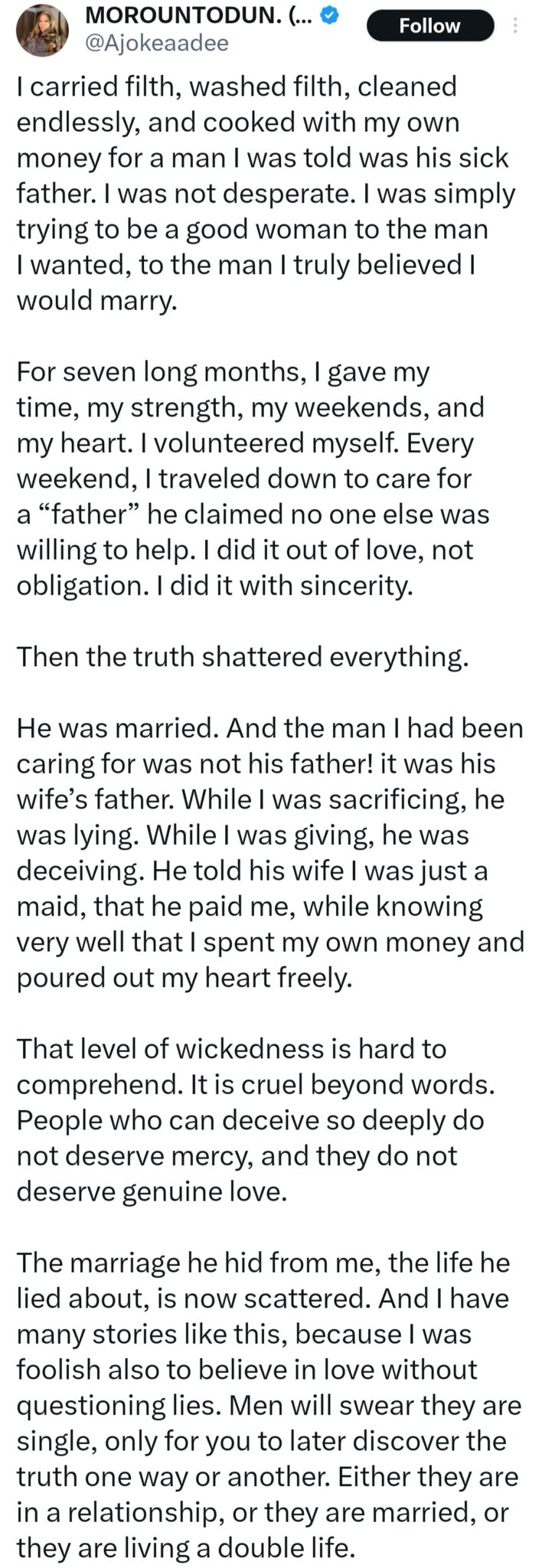
“I carried filth, washed filth, cleaned endlessly, and cooked with my own money for a man I was told was his sick father. I was not desperate. I was simply trying to be a good woman to the man I wanted, to the man I truly believed I would marry.
For seven long months, I gave my time, my strength, my weekends, and my heart. I volunteered myself. Every weekend, I traveled down to care for a “father” he claimed no one else was willing to help. I did it out of love, not obligation. I did it with sincerity.
Then the truth shattered everything.
He was married. And the man I had been caring for was not his father! it was his wife’s father. While I was sacrificing, he was lying. While I was giving, he was deceiving. He told his wife I was just a maid, that he paid me, while knowing very well that I spent my own money and poured out my heart freely.
That level of wickedness is hard to comprehend. It is cruel beyond words. People who can deceive so deeply do not deserve mercy, and they do not deserve genuine love.
The marriage he hid from me, the life he lied about, is now scattered. And I have many stories like this, because I was foolish also to believe in love without questioning lies. Men will swear they are single, only for you to later discover the truth one way or another. Either they are in a relationship, or they are married, or they are living a double life.
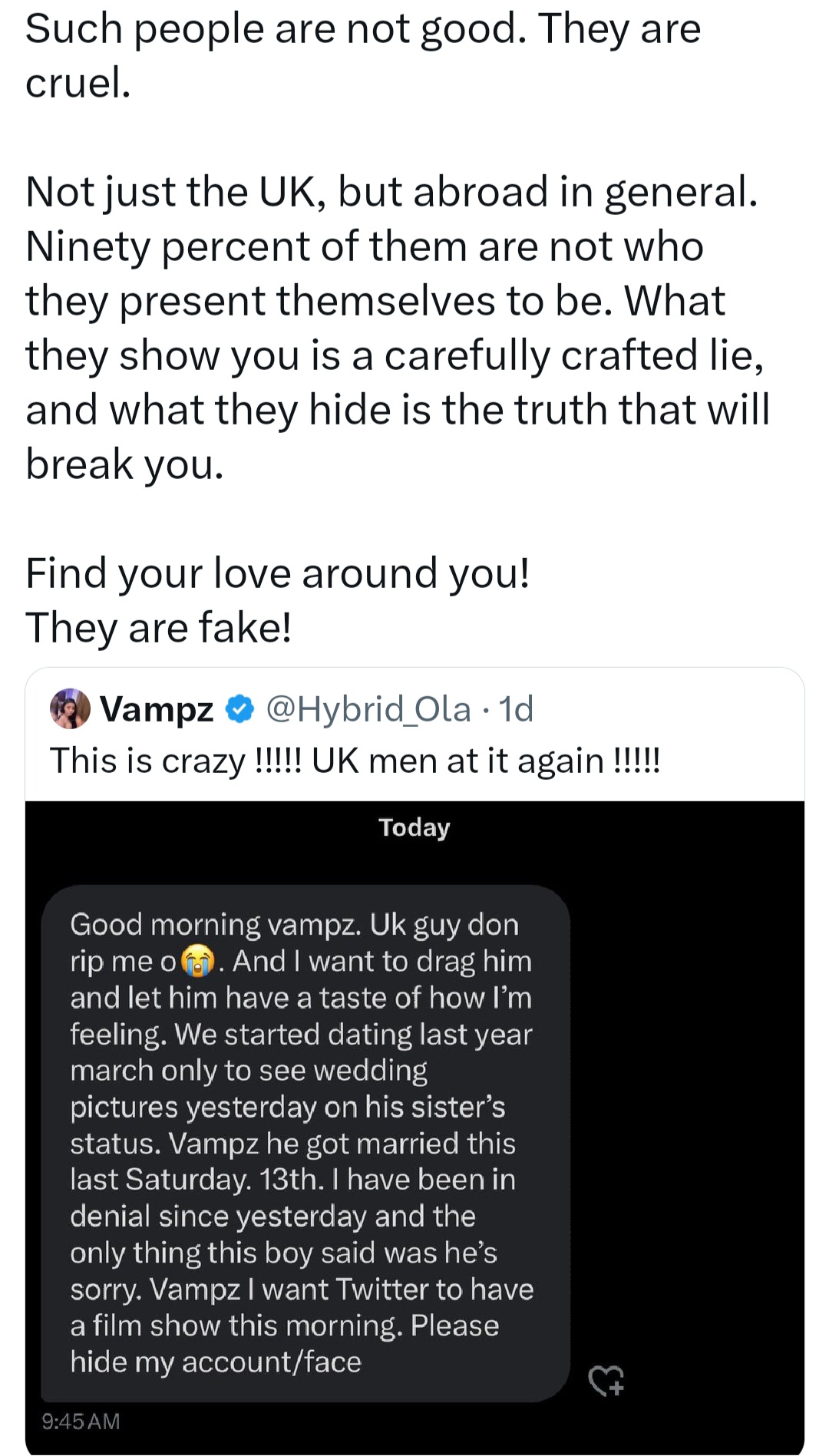
Such people are not good. They are cruel.
Not just the UK, but abroad in general. Ninety percent of them are not who they present themselves to be. What they show you is a carefully crafted lie, and what they hide is the truth that will break you.
Find your love around you!
They are fake!”
Check out post …

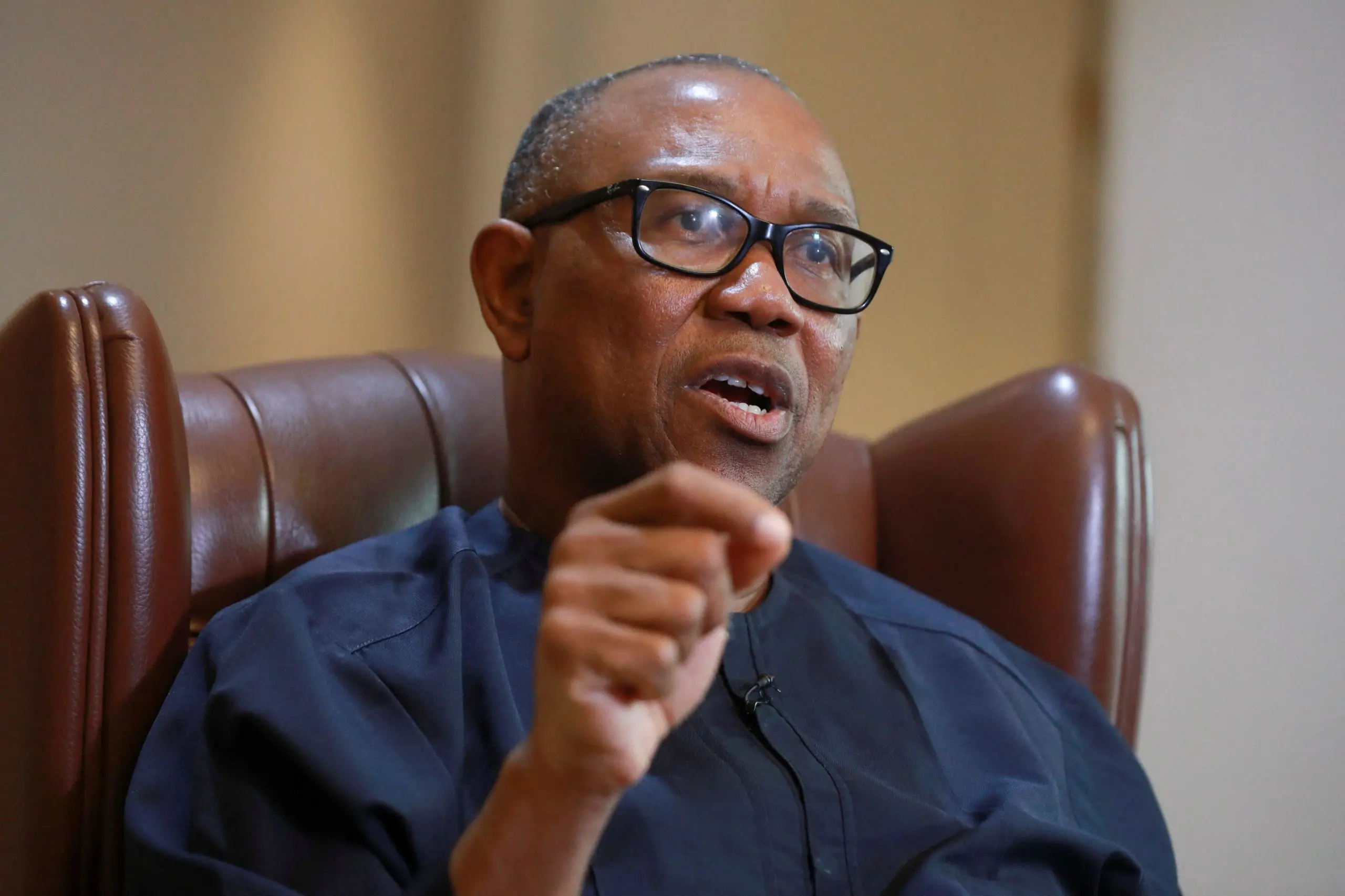
The 2023 Labour Party presidential candidate, Peter Obi, has called for robust efforts to stop vote buying at the roots.
Obi made this call in a post via his verified X handle on Sunday, while decrying the level of damage vote buying has caused the Nigerian society.
While describing the act as a cancer to the development of Nigeria, the former Anambra state governor, the practice has long undermined the nation’s democracy and tarnished its credibility.
He said that credible elections cannot be built on corrupt foundations, and national progress cannot be achieved while inducement and bribery are legitimised in the democratic process.
“Just yesterday, Nigerians hoped that the House of Representatives would finally take a decisive stand against the cancer of vote-buying. This practice has long undermined our democracy and tarnished our nation’s credibility. Unfortunately, that hope was quickly extinguished.
“By refusing to criminalise vote buying at the foundational stage of party primaries, the House has chosen to protect a broken system rather than safeguard the nation’s future.
“Any effort to stop vote buying must begin at the primaries. Without addressing the problem at its roots, any measures taken later will lack the strength to endure.
“A democracy where votes are bought is not a true democracy; it is a criminal marketplace. Nigeria deserves better. We must prioritise reform. The future of our democracy must not be for sale.
“Disturbingly, the culture of vote buying has now trickled down even to town union, village union, Clubs and associations, as well as even student elections, emulating fraudulent politicians. How long will we allow our society to be corrupted when the solution lies in addressing the roots of the problem?
“A New Nigeria is possible, but only if we confront these practices boldly and insist that integrity begins at the very start of our electoral process,” he wrote.

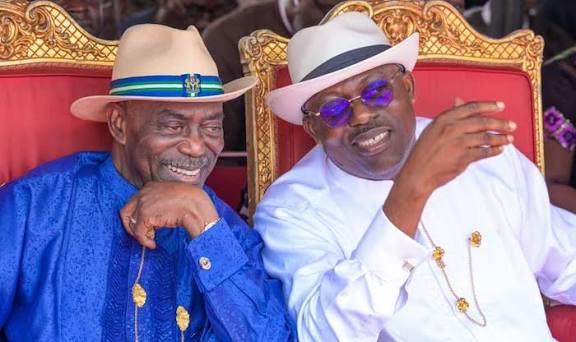
Former Rivers State Governor, Dr. Peter Odili, has spoken publicly on the defection of Governor Siminalayi Fubara from the Peoples Democratic Party (PDP) to the All Progressives Congress (APC), describing the move as timely and beneficial to the state.
Odili said the governor’s decision has strategically positioned Rivers State closer to the centre of power, a development he noted would open more opportunities for growth and accelerated development.
The elder statesman made his position known over the weekend during the eighth Founders’ Day and fifth convocation ceremony of the PAMO University of Medical Sciences in Port Harcourt, where he serves as Founder and Pro-Chancellor.
According to Odili, the alignment of Rivers State with the federal government is “perfect,” stressing that states closer to the centre often enjoy better access to national resources and policy support.
He commended Governor Fubara’s administration for prioritising education and healthcare, particularly investments in primary healthcare and the construction of quality zonal hospitals across the state.
“With what you have done as our governor, the attention you have paid to education and health is highly commendable. I am sure no state in Nigeria can boast of the quality of zonal hospitals you have built,” he said.
Odili added that the governor’s healthcare initiatives are in line with President Bola Ahmed Tinubu’s reforms in the health sector, noting that such alignment would bring tangible benefits to Rivers residents.
“The emphasis on primary healthcare is excellent, and you have tailored your programmes to align correctly with what Mr. President is doing in the health sector. So far, at least 500 infrastructure projects have been completed across the country,” he stated.
He further urged the people of Rivers State to rally behind Governor Fubara, insisting that active participation in national governance processes would ensure the state gets its fair share of national benefits.
“The alignment of Rivers State with the federal government is therefore perfect. We support it and encourage it because our people are now in the kitchen where the national cake is baked,” Odili added.
Beyond politics, the former governor raised concerns over the increasing migration of Nigerian medical professionals to foreign countries, describing it as a serious threat to the nation’s healthcare system.
He called for improved welfare for doctors and other health workers, including better remuneration and an extension of the retirement age for medical practitioners to about 70 years.
Odili disclosed that several professors at PAMO University of Medical Sciences are retired academics from other institutions who continue to contribute actively to medical training.
“Judges can suspend work for months, engineers can halt construction, but no medical professional can afford the luxury of suspending treatment of patients. Let us make our pastures greener in Nigeria,” he said.
Governor Fubara, who was represented at the event by his deputy, Professor Ngozi Odu, expressed satisfaction with the progress recorded by the university, particularly the impact of state-sponsored scholarships for Rivers indigenes.
She assured that the state government would sustain its support for the institution, citing the quality of medical graduates produced by the university.
Earlier, the Chancellor of the university and former Head of State, General Abdulsalami Abubakar (rtd.), explained that approvals granted by the National Universities Commission were aimed at strengthening the quality of healthcare professionals in Nigeria.
He praised regulatory bodies for inducting the institution’s graduates into professional associations and reaffirmed the university’s zero-tolerance stance on social vices.
Also speaking, the Acting Vice-Chancellor, Prof. Smith Jaja, disclosed that 126 students graduated across different medical disciplines.
He urged the new graduates to uphold the institution’s values and surpass the achievements of those before them.
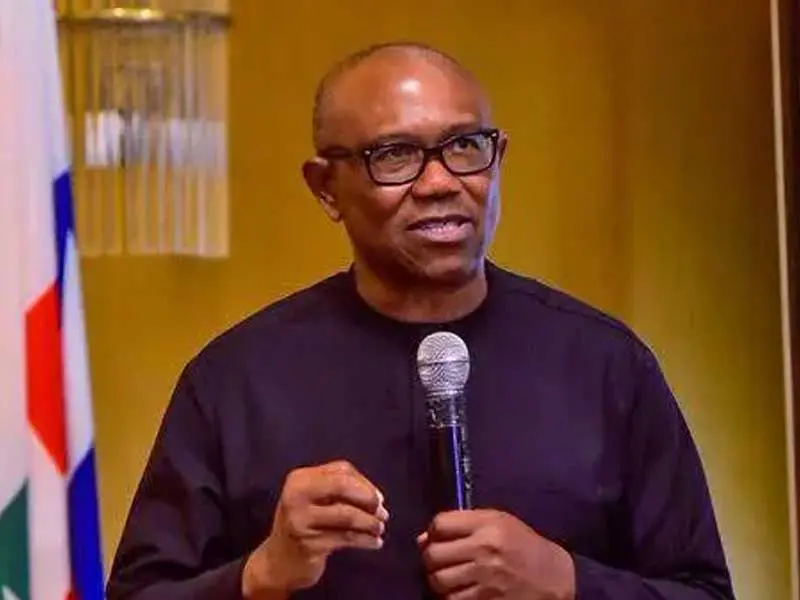
Former presidential candidate of the Labour Party, Peter Obi, has taken a strong swipe at members of the House of Representatives over their refusal to criminalise vote-buying during party primaries.
He described the decision as a major blow to Nigeria’s democratic growth and a missed opportunity for meaningful reform.
Obi reacted while lawmakers were considering amendments to the Electoral Act, 2022. He said many Nigerians had expected the National Assembly to confront vote-buying head-on, especially at the early stages of the electoral process where candidates emerge.
Sharing his views in a post on X on Sunday, Obi expressed disappointment over the direction taken by the House. He noted that the expectation was for lawmakers to close gaps that continue to weaken elections in the country.
“Just yesterday, Nigerians hoped that the House of Representatives would finally take a decisive stand against the cancer of vote-buying,” Obi wrote.
According to him, the refusal to criminalise inducement at party primaries showed a lack of political will to fix the system from its foundation.
“By refusing to criminalise vote buying at the foundational stage of party primaries, the House has chosen to protect a broken system rather than safeguard the nation’s future,” he said.
The former Anambra State governor argued that addressing vote-buying after primaries would not solve the problem. He stressed that the process of selecting candidates is where manipulation often begins.
“Any effort to stop vote buying must begin at the primaries. Without addressing the problem at its roots, any measures taken later will lack the strength to endure,” he stated.
Obi further warned that when money determines electoral outcomes, democracy loses its value and purpose.
“A democracy where votes are bought is not a true democracy; it is a criminal marketplace. Nigeria deserves better. We must prioritise reform,” he added.
He also raised concerns that vote-buying has become normalised across different sectors of society, not just in politics.
“Disturbingly, the culture of vote buying has now trickled down even to town unions, village unions, clubs and associations, as well as student elections,” he said.
Obi concluded by calling for urgent and courageous reforms, insisting that Nigeria’s democratic future should not be compromised for political convenience.
“The future of our democracy must not be for sale. A new Nigeria is possible, but only if we confront these practices boldly and insist that integrity begins at the very start of our electoral process,” he said.
The comments came amid ongoing legislative changes to the Electoral Act. The House of Representatives recently approved tougher penalties for some electoral offences. These include higher fines and longer jail terms for forging nomination documents and election result sheets, as well as penalties for the misuse of voters’ cards.
However, lawmakers rejected a proposal seeking jail terms for individuals who induce delegates financially or materially during party primaries, congresses, or conventions. The provision was dropped over fears that it could be misused to target political opponents.
In another significant change, the House altered provisions on over-voting. Instead of cancelling results outright in affected polling units, excess votes would now be deducted proportionately from candidates’ totals, while the presiding officer faces prosecution.

Segun Awofadeji in Bauchi
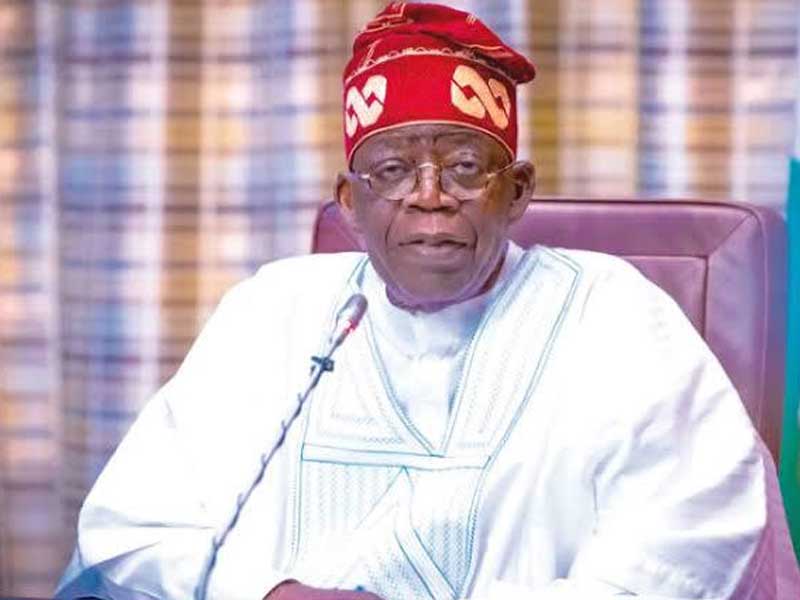
President Bola Tinubu has renamed the Federal University of Medical Sciences, Azare, Bauchi State, after the late renowned Islamic scholar, Sheikh Dahiru Usman Bauchi.
The President announced the decision yesterday during a condolence visit to the family of the cleric at his country home in Bauchi.
According to Tinubu, the renaming is to immortalise the late Islamic scholar and his contributions to humanity and religious scholarship.
“From today onward, I announce this change of name to immortalise him. The Federal University of Medical Sciences, Azare, Bauchi State, will from today be known as Sheikh Dahiru Usman Bauchi University. May God bless his memory,” the President said.
Describing the death of the cleric as a “great national loss,” Tinubu noted that Sheikh Dahiru Bauchi’s life was marked by humility, selfless service, and unwavering dedication to the propagation of Islam and peace.
He prayed for Allah’s mercy upon the soul of the late scholar and for his admission into Jannatul Firdaus.
The president also prayed for strength for the family of Sheikh Dahiru Bauchi, as well as the government and people of Bauchi State, to bear the loss, while urging Nigerians to continue to pray for peace and unity across the country.
Responding on behalf of the family, the eldest son of the late cleric, Sheikh Ibrahim Usman Bauchi, thanked Tinubu for the condolence visit, prayers, and the honour bestowed on their father.
He also thanked the Bauchi State Governor, Senator Bala Mohammed, for his continued support of the family.
In his remarks, Governor Mohammed thanked the President for honouring the family of the late cleric and Bauchi State at large, describing the gesture as a recognition of Sheikh Dahiru Bauchi’s enduring legacy.
Tinubu was accompanied by the Speaker of the House of Representatives, Tajudeen Abbas; the Governor of Yobe State, Mai Mala Buni; and Seyi Tinubu, among other top government officials.
The President arrived at the Sir Abubakar Tafawa Balewa International Airport, Bauchi, at about 4:09 p.m., where he was received with a guard of honour by the Nigerian Air Force (NAF).
He was received at the airport by Governor Mohammed, the Governor of Plateau State, Caleb Mutfwang; the Coordinating Minister of Health and Social Welfare, Prof. Ali Pate; the Minister of Foreign Affairs, Yusuf Tuggar; and the Senator representing Bauchi South Senatorial District, Shehu Buba.

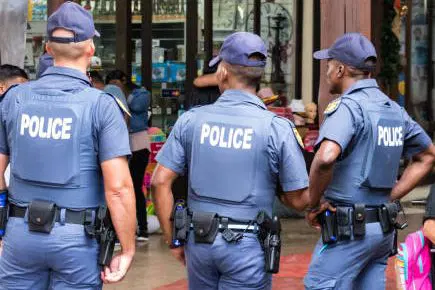
Nine people were killed when gunmen opened fire at a bar outside Johannesburg early Sunday, police said, in the second such shooting in South Africa this month.
Ten more were wounded in the early morning attack at the tavern in the impoverished Bekkersdal township in a gold mining area around 40 kilometres (25 miles) southwest of the city.
It follows a shooting at a tavern near Pretoria on December 6 when gunmen killed a dozen people, including a three‑year‑old child.
Police initially said 10 people were killed when the Bekkersdal bar was attacked just before 1:00 am (2300 GMT), but later revised the toll downwards.
Most of the attackers were armed with pistols and one had an AK-47 rifle, deputy provincial police commissioner Major General Fred Kekana told SABC television from the scene.
“They entered the tavern and randomly shot at the patrons, unprovoked,” he said.
Three people were killed inside the bar and others as they fled the scene, with the attackers continuing to shoot as they left, he said.
“It’s also reported that after they shot the people, they searched them. They took their valuables, including cell phones,” Kekana said.
The dead included a driver from an online car-hailing service who was driving past.
“It’s pure criminality,” Kekana said. Police launched a manhunt for the attackers and appealed for public assistance.
The post Gunmen kill 9, wound 10 in South Africa bar attack appeared first on Vanguard News.

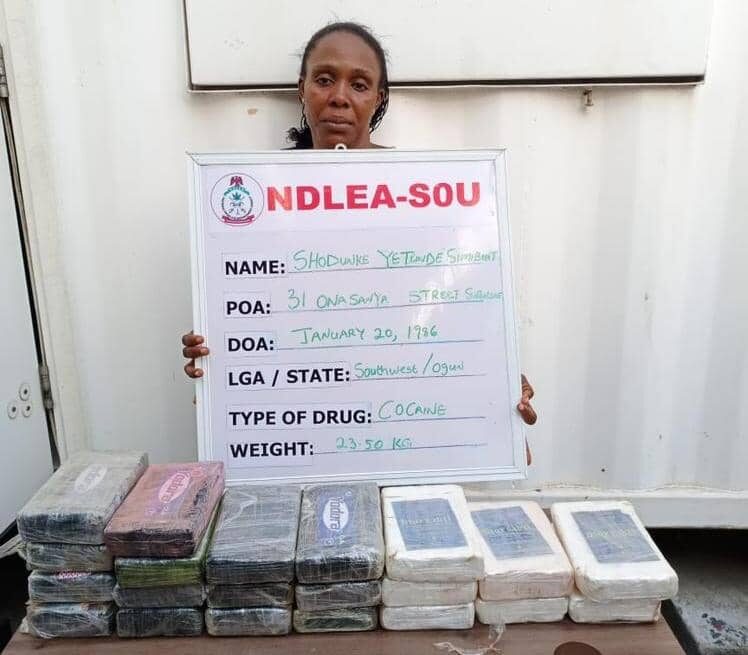
Operatives of the National Drug Law Enforcement Agency (NDLEA) have apprehended a leader of a drug syndicate, Shodunke Yetunde Simbiat, twenty months after the cartel led by a couple Bolanle Lookman Dauda and Olayinka Toheebat Dauda, was smashed by the anti-narcotic agency in Lagos and Ogun States.
A multi-billion-naira worth of illicit drug were recovered from the couple before the arrest of Shodunke who had gone underground since May 2024.
NDLEA’s Director of Media and Advocacy, Femi Babafemi, disclosed on Sunday, that the suspect was nabbed in her Lagos home where additional 23.50 kilograms of the class A drug were recovered from her children’s room.
Babafemi recalled that the kingpin, Lookman and his wife, Toheebat were arrested on Saturday May 25, 2024 by operatives of a special operations unit of NDLEA at Ibiye, along Lagos-Badagry expressway while attempting to cross the land border to deliver the consignment in Ghana.
At the point of their arrest, 42 blocks of cocaine weighing 47.5 kilograms were found on them. A swift follow up operation in their residence at Plot 24/25 OPIC extension, Petedo road, Agbara, Ogun State, led to the recovery of additional eight blocks of the same drug weighing 10kg, bringing the total weight of the consignment seized from the couple to 57.5 kilograms.
“Determined to rein in every member of the syndicate, the NDLEA operatives continued with follow up intelligence and surveillance on the trans-border drug trafficking organisation until a 39-year-old female stash keeper, Shodunke Yetunde Simbiat, was identified as a key member of the DTO. As a result, she was trailed to her 31 Onasanya street, Surulere, Lagos residence on Tuesday 9th December 2025.
“A thorough search of her home led to the discovery of blocks of cocaine weighing 23.50 kilograms concealed in a black suit case recovered from her children’s room. She admitted ownership of the drug consignment worth over N5billion in street value,” Babafemi explained.
Meanwhile, NDLEA operatives attached to Terminal II Departure Hall of the Murtala Muhammed International Airport (MMIA), Ikeja, Lagos on Thursday December 18, 2025, arrested a 36-year-old businessman, Nwanwene Robinson Destiny, with a total of 1,020 pills of tramadol 225mg and tapentadol 200mg concealed in his luggage while attempting to board a Royal Air-Maroc flight to Milan, Italy where he’s based.
According to the NDLEA’s spokesperson, the suspect claimed that the successful trafficking of the opioids to Italy would have fetched him €200.00 from the person to which he was to deliver them.
In another instance, at the Seme border in Badagry area of Lagos, a 48-year-old Beninoise Leocardi Josu was on Thursday December 18, arrested by NDLEA officers while attempting to cross into Nigeria with 3,400 tablets of tramadol 225mg, even as a suspect Abdullahi Adamu, 30, was nabbed along Okene/Lokoja Highway with 28.400kg skunk, a strain of cannabis and Colorado, a synthetic cannabis on Friday December 19.
In Oyo state, NDLEA operatives on Friday December 19, recovered 125,000 capsules of tramadol and 1,800 ampoules of pentazocine injection in a Toyota Hiace bus marked XD 592 AWL along Lagos-Ibadan Expressway, while two suspects, Ogunlade Kazeem, 54, and Adeleke Ismail, 30, were arrested with 185.4 kilograms of skunk at Challenge Motor Park, Ibadan, on Wednesday December 17, 2025.
Also, a total of 405kg skunk was seized when NDLEA operatives raided Owena/Ijesha Forest in Osun State where a 45-year-old suspect, Charles James, was nabbed on Friday December 19, while another suspect Jamilu Zakari, 42, was arrested with 14,960 pills of tramadol 225mg at the toll gate, along the Abuja – Kaduna Highway same day.
Similarly, the NDLEA seized a consignment of opioids concealed in two kolanut sacks (huhun goro) coming from Abuja to Gusau, Zamfara State.


Nigerian troops operating under Operation HADIN KAI have discovered and neutralised an Improvised Explosive Device (IED) and arrested two suspected terrorist logistics suppliers during separate operations in Borno State, the army said on Saturday.
The Joint Task Force (North East) said the operations were carried out under Operations Desert Sanity IV and V, aimed at disrupting Boko Haram and Islamic State West Africa Province (ISWAP) activities in the region.
In one incident, troops of the 25 Brigade discovered an IED while conducting a main supply route patrol along the Damboa–Komala axis on December 17.
The device was secured and subsequently detonated by military personnel, the army said, preventing potential harm to troops and civilians using the route.
In a separate operation on December 19, troops deployed at a checkpoint along the Maiduguri–Bama Road intercepted a Lagos-registered vehicle following what the military described as credible intelligence.
The vehicle was found to be conveying large quantities of food items and energy drinks suspected to be supplies intended for Boko Haram and ISWAP fighters operating around Kirawa Ward in Gwoza Local Government Area.
Two suspects were arrested in connection with the interception. Items recovered from the vehicle included assorted food supplies, energy drinks, three mobile phones, an identity card, a ring, and sums of cash in both Nigerian naira and CFA francs.
The army said the suspects, along with the vehicle and recovered items, had been handed over to the appropriate military intelligence unit for further investigation and necessary action.
Nigeria’s military high command commended the troops for the operations and urged them to sustain the current tempo, according to the statement.
The military said it remains committed to denying armed groups freedom of movement, disrupting their logistics networks and improving security for residents of Nigeria’s conflict-affected northeast, where insurgency-related violence has persisted for more than a decade.


President Bola Ahmed Tinubu has warned the National Assembly (NASS) to steer clear of attempts to centralise lotto and other betting games in the country, through the Central Gaming Bill, vowing not to grant presidential assent to the bill.
The President said this on Thursday while addressing the National Caucus meeting of the All Progressives Congress (APC), describing it as a residual matter that the National Assembly should not tread nearby.
Tribune Online gathered that the Central Gaming Bill 2025 is a Senate-passed legislation that seeks to create a single national regulatory framework for all online and remote gaming activities.
However, Attorney Generals of Lagos and 22 other states have continued to object passage of the bill, describing it as a state-level matter and any action would amount to a violation of the Supreme Court, in its landmark judgment delivered on 13th October, 2024, in Suit No. SC/1/2008 – AG Lagos State & 22 Ors v. AG Fed & 13 Ors.
ALSO READ: New Tax Regime: Nigerians seek protection from state, LG, other enforcers operating on roads
According to the states, the Supreme Court had clearly ruled that lotteries, betting, and gaming are residual matters that fall within the exclusive legislative competence of the States, except in the Federal Capital Territory.
Speaking on the possibility of the National Assembly sending the bill for his assent, Tinubu said: “What I want you to forget is a centralised lotto, go and read the constitution again. It’s a residual matter. It belongs to the exclusive legislative list of the States, Don’t tread near it, there’s no need for us to argue. I’m a constitutional democrat, I read it that it was coming, I won’t sign it.”