
LIFESTYLE
Want to return a Christmas gift? Martin Lewis explains your rights | Lifestyle

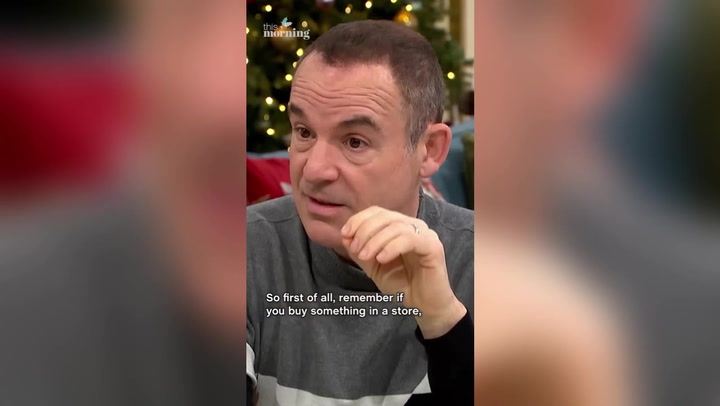
Wanting to return a faulty or unwanted Christmas present? Martin Lewis tells all as he explains your rights.
Appearing on This Morning, the Money Saving Expert founder explained the difference between return policies for both in-store and online purchases, as well as the distinction between products that are broken, as opposed to those you do not like.
He said that whilst “people hate hearing this”, he advised those who have purchased expensive presents to test it works before gifting it, in case the exchange period runs out and you “give a present that is faulty”.













Photo Credit: Mercy Aigbe/Instagram
You just have to believe us when we say Mercy Aigbe is a queen when it comes to fashion. Owambe, she is there. Weddings, she slays. Red carpets, premieres, film screenings — Aigbe has built a reputation around showing up fully formed, every single time.
So when she arrived at the premiere of “Colours of Fire,” it felt less like a surprise and more like confirmation. Aigbe, who plays Efunsetan in the film, stepped out in a look that leaned into symbolism without softening its intent. The deep red gown hugged the body before giving way to a sweeping train, its surface detailed with gold and red embroidery arranged in flame-like movements. Across the bodice, a corset structure framed a sweetheart neckline, interrupted by bold wing-shaped stitching in gold and orange threads.
Then came the wings. Oversized and feathered, they rose from the back of the gown in layers of crimson, orange and yellow, referencing fire in a way that felt literal and unapologetic.
She paired the gown with a ruby-toned statement necklace and matching earrings, keeping her jewellery close to the neckline. Her hair fell in long dark curls, while her makeup focused on sharp liner, sculpted contours and a nude glossy lip.
She captioned the photos “Fearless, formidable, fire,” complete with a fire emoji, and it felt fitting.
See more photos below

The county government of Kenya’s capital, Nairobi, has introduced a policy recognising menstrual pain as a legitimate reason for paid time off for women in its employment.
Under the new policy, female employees working for Nairobi County will be entitled to up to two days of paid menstrual leave each month. The leave can be taken without deductions from sick or annual leave and does not require medical documentation. The policy was approved by the county’s governor, Johnson Sakaja.
According to county officials, the measure is aimed at supporting women’s health and wellbeing while improving productivity and morale in the workplace. They also maintain that the policy is cost-neutral, as it has been incorporated into existing human resources systems.
The move addresses a challenge faced by many women in the workplace. Studies indicate that up to 80 per cent of women experience menstrual pain severe enough to interfere with daily activities, including work. Nairobi County employs a majority female workforce, making the policy particularly significant within the county’s public service.
Nairobi’s decision has sparked widespread discussion across Kenya, drawing both praise and criticism. Supporters describe it as a progressive step towards recognising menstrual health, while critics have raised concerns about fairness and implementation within the broader workforce.
Within Africa, Zambia remains the only country with a nationwide menstrual leave policy, granting women one paid day off per month for menstruation, locally referred to as Mother’s Day. Globally, countries such as Japan, South Korea, Indonesia and Spain have also implemented various forms of menstrual leave.
With this policy, Nairobi County becomes the first public employer in Kenya to formally recognise menstrual pain within its workplace leave structure, placing the issue of menstrual health firmly into national conversations around labour rights and workplace policy.
jdjdjd

Sir Stephen Fry poked fun at Prince William’s Aston Villa at the Royal Variety Performance.
Appearing as his character Lady Bracknell from the 2025 West End production of Oscar Wilde’s The Importance of Being Earnest, the comedian hit out at “public decorum” before teasing the Prince of Wales’ beloved football club.
“Dinner jackets, which is the correct attire for events, dinners, and popping along to watch Aston Villa… lose”, he joked, as Prince William grinned from the boxes at the Royal Albert Hall.
Since the Royal Variety Performance was filmed on 19 November, Aston Villa have won all of their eight domestic and European games.

Stepping into a new week only gets us more excited for the beautiful weddings to come, and trust us to always come ready with amazing inspos for our gorgeous brides-to-be. Now, let’s dive into one that’s truly amazing.
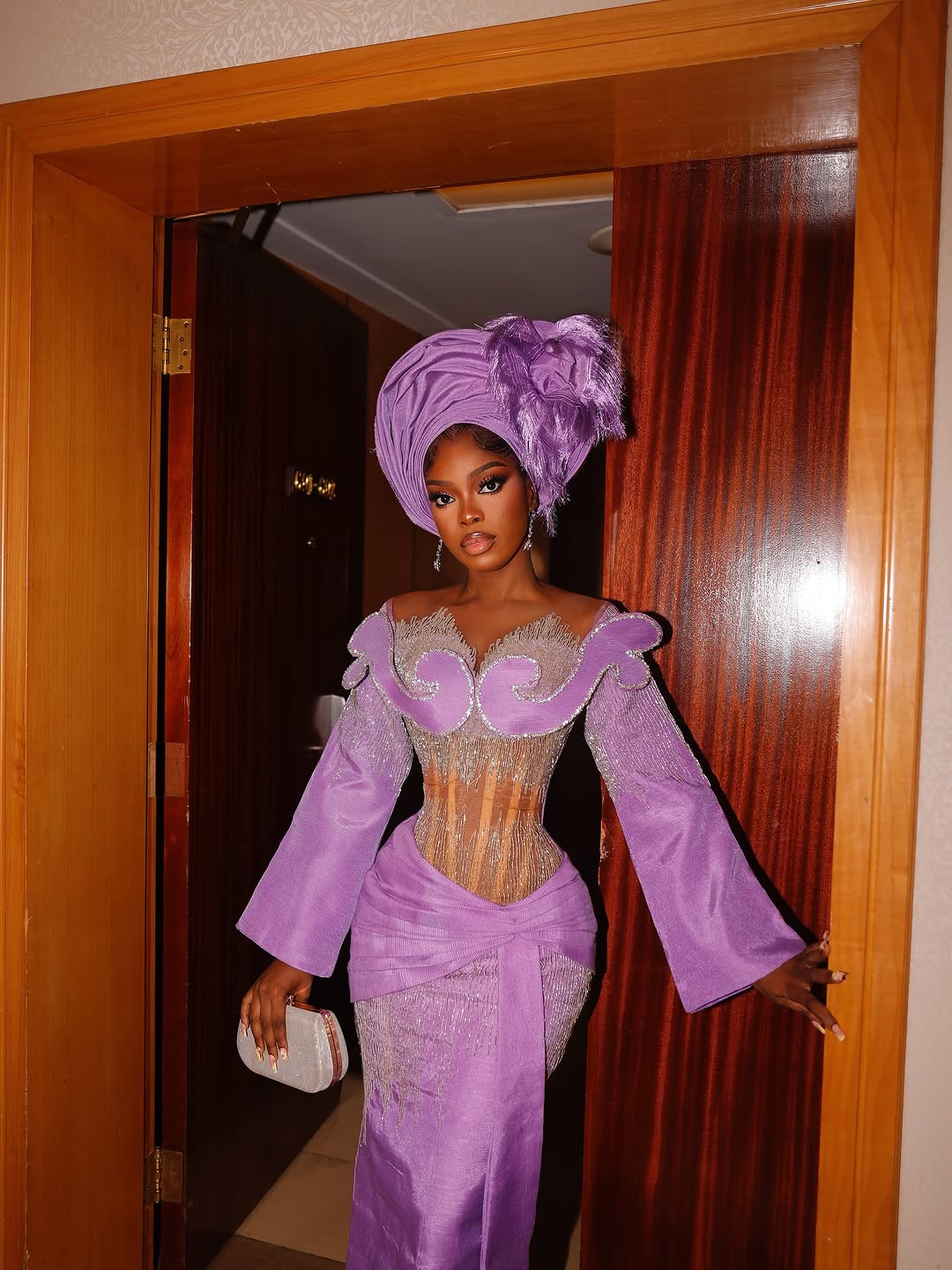
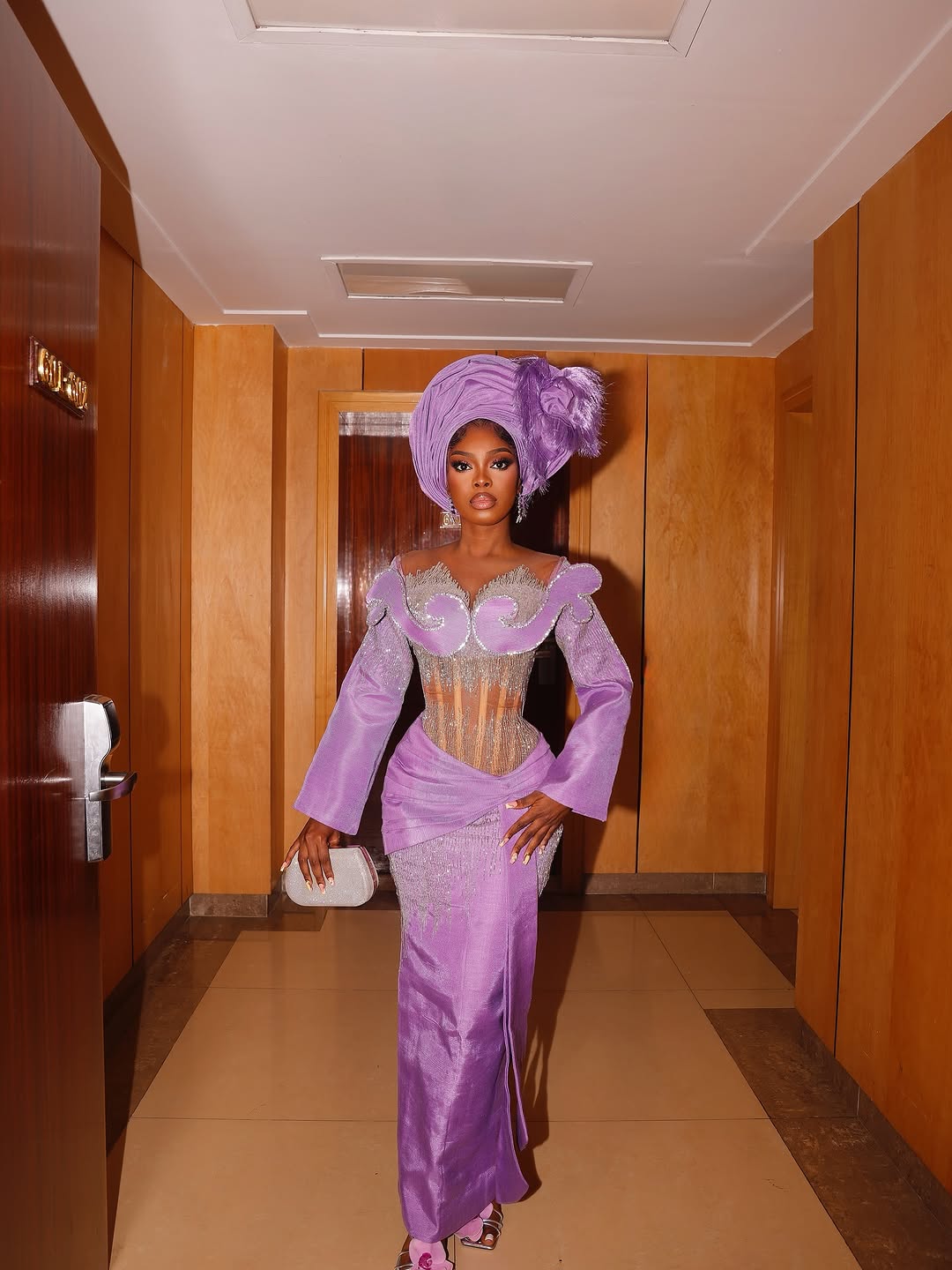
Adapting a stunning modern approach, Lasosa designed this one-of-a-kind purple Yoruba bridal dress, and it’s absolutely breathtaking. Featuring a swirly bedazzled bust, corset and draped detailing on the waist, this look is one enchanting piece of bridal fashion. This Gele! We definitely need a masterclass from Larry Gele because they sure delivered with the traditional add-on. For that magical finishing touch, Glam by Omoye stepped in with this beautiful makeup that perfectly tied the ensemble together. This stunning look will definitely elevate you to trendsetting levels. It’s bold, unique and just what a beautiful Yoruba bride needs to own her day in style.
Enjoy the photos below and be inspired:



Credit

Sign up to our free Living Well email for advice on living a happier, healthier and longer life
Live your life healthier and happier with our free weekly Living Well newsletter
Live your life healthier and happier with our free weekly Living Well newsletter

As we begin thinking about what 2026 might bring, you may have already been thinking about some fitness goals and health-focused resolutions for the year ahead.
Building strength could be high on your list, but new research conducted by Censuswide on behalf of Nuffield Health suggests many people are still unsure how to get started.
The survey of 2,000 UK adults revealed that although 28% of respondents said strength training was their favourite type of workout, 26% said they don’t feel/wouldn’t feel confident using gym equipment, while 34% admitted they feel embarrassed when using it.
If you’re eager to experience the benefits of strength training this year but aren’t sure where to begin, Sam Quinn, personal training lead at Nuffield Health, is here to help.
Here are his top tips to help make 2026 the year you start strength training – and maintain consistency and progress along the way.
Start with bodyweight exercises
“If you are starting out as a complete novice, you don’t even necessarily need a gym membership,” says Quinn. “Firstly try some bodyweight exercises – such as squats, core exercises, single leg exercises like lunges or lateral lunges or press-ups – as these are all going to help begin to build fundamental physical strength.”
Set short, medium and long-term goals
“Having short, medium and long-term goals will help you stay consistent throughout the whole year,” says Quinn. “You might have a long-term goal of deadlifting 100 kilograms, but your short-term goal is that you’re going to make sure that you’re going to get to the gym twice a week.
“Then a medium-term goal could be that you’re going to work towards a holiday in April and then will allow yourself to have a rest before going again.”
Add some resistance
“If you have a gym membership, utilise some of the fixed resistance machines there or just add on some resistance bands to start with,” recommends Quinn. “Then as you become more advanced, move onto the more conventional power lifting-based exercises such as squats, deadlift and bench press.”
Don’t do too much too soon
“I think the biggest thing that beginners often get wrong is trying to lift too heavy a weight too soon,” says Quinn. “Lifting a really heavy weight with poor technique is going to lead to risk of injury, so gradually increasing the weight overtime and focusing on technique is key.
Have rest days
“If you don’t have rest and recovery days you are going to experience cognitive and physical fatigue, or you might pick up an injury and won’t be able to achieve your goal,” says Quinn. “So, it’s important to structure your training appropriately and to factor in appropriate rest days, so you let yourself recover properly.”
Keep your training fun and varied
“It’s important to have variety within your training,” says Quinn. “Keep it varied by training with friends and by trying out different classes, because sticking to a squat, a deadlift and a bench press, for example, will get boring quite quickly.”
Have a midpoint review
“It’s good to have a long-term goal to work towards, but remember to review your training,” recommends Quinn. “If you haven’t been able to stay consistent with training ask yourself, am I enjoying this training? Is this working for me? How can I change or adapt my training?”
Monitor your progress
“Sometimes when life gets busy you can forget how far you have come, so make sure that you are monitoring your progress,” advises Quinn. “If you’re looking to deadlift 60 kilograms and start out with just the bar, for example, keep track of your progression. Seeing progress can help give you a bit of confidence boost to keep going.”
Think about the mental benefits
“Strength training is a massive confidence builder,” says Quinn. “I meet people all the time who are unfit or overweight but as soon as they start training their self-esteem starts to grow.
“If you feel strong, you feel more confident. So, strength training can have a massive impact on people’s perception’s of themselves and how they carry themselves.”
Consider a personal trainer
“Having a qualified personal trainer helps make sure that the exercise is going to be safe and effective,” says Quinn. “There’s so much conflicting information out there, so make sure that you’re getting factual information and a program which is going to be tailored to your ability.
“A trainer can also help identify what potential problems you might have and can provide you with an alternative exercise.”
Prioritise protein
“Alongside your training, try to eat a healthy, balanced diet and make sure that you’re consuming enough protein,” advises Quinn. “Protein helps you recover from exercise, so I would aim for a daily intake of 1.1 to 1.5 grams of protein per kilogram of body weight.”

When people ask what drives the innovation at GrabrFi , the answer has always been: you, your dreams, your needs, and your talent. The platform exists to ensure that the efforts put into good work are respected by the financial tools the professional uses.
GrabrFi is officially declaring the US checking account open for holiday business, delivering a seamless upgrade to how people earn, shop, and manage money. Whether you are a local planning for a season of leisure or a member of the diaspora touching down in Nigeria to reconnect with family, GrabrFi places the full capability of a US bank account and global payment access directly into your hands. The platform turns your smartphone into a global wallet, ensuring that your access to the world is as open as any festive plan can be. This connectivity makes it easier than ever for travellers to pay Nigerian merchants with an in-app transfer to their Nigerian bank or GrabrFi US account, while also allowing local service providers to receive payments from tourists with absolute ease.
Born out of a desire to listen rather than just transact, GrabrFi was built on the real stories of users who felt the weight of unfair restrictions, higher prices, and absurd fees just because of where they lived. It addresses the familiar struggle of the diasporan community, who, upon arrival, often face the embarrassment of declined international cards or the safety risks of carrying excessive cash just to navigate their first few days. The inspiration behind the platform is simple: fairness. The team at GrabrFi believes that your location should never limit your ambition or your ability to enjoy your wealth. By stripping away these barriers, the app allows one to earn from abroad without losing money to middlemen, travel affordably without hidden costs, and save in a stable currency like the US dollar with complete peace of mind.
For the diaspora returning home, this means seamless movement and protection from the local currency decline. GrabrFi serves as the ultimate lifestyle solution: whether you are picking up the tab at lounges and bars, engaging in holiday shopping, or gifting loved ones instantly, you can transact with confidence. You can manage your finances in dollars while enjoying the local culture, without the usual stress of volatile exchange rates. For the creative or freelancer in Nigeria, it means your talents are finally matched by your banking tools. To ensure your return is as smooth as possible, our ‘Welcome to Nigeria’ package is currently available for free, giving you immediate access to a GrabrFi account and an Airalo eSIM so you are connected the moment you touch down.
This is the intervention the public has been expecting, a straightforward bridge to the global economy. GrabrFi has removed the heavy gates of traditional banking. You do not need to be a US resident or have a complex visa status. With just your government-issued ID and an easy sign-up process, you can open a US checking account in minutes. This simplicity is intentional. It is designed to let you focus on what matters this season: building your wealth and enjoying your life without borders.
As we celebrate the holidays, GrabrFi invites everyone to step into a world where financial fairness is the standard, not the exception. The world is open, and your US checking account is ready for business.
About GrabrFi
GrabrFi is a financial technology company that provides non-US residents, including Nigerians, with borderless access to US financial services. Users can open a US checking account online in minutes with just a Nigerian ID. Backed by leading investors and now operating in 28+ countries, GrabrFi delivers simple, secure US banking access. With GrabrFi, you can manage your money wherever life takes you and build wealth without borders.
For more information, visit www.grabrfi.com or follow on Instagram
Sponsored Content

Sign up to our free Living Well email for advice on living a happier, healthier and longer life
Live your life healthier and happier with our free weekly Living Well newsletter
Live your life healthier and happier with our free weekly Living Well newsletter
You’ve probably heard that running is tough on your knees – and even that it can cause long-term damage. But is this true?
Running is a relatively high-impact activity.
Every time your foot contacts the ground while running, your body absorbs a force that equates to about two to three times your bodyweight.
It’s easy to imagine this load going straight into your knees, and it sort of does. Your knees absorb three times more load during running than walking.
But this isn’t a bad thing.
In fact, running may help keep your knees strong and healthy – here’s what the evidence says.
Designed to keep moving
Your body isn’t simply a pile of bones and cartilage that gets worn down with every step. It is a living dynamic system that grows and adapts in response to the loads that are placed upon it.
And it needs load to keep functioning.

open image in gallery
Running is a relatively high-impact activity (Getty)
Your knee joint is incredibly strong and designed to move. The cartilage inside your knee is a strong, flexible connective tissue that cushions and protects the bones of your knee joint.
There is good evidence to show that when someone’s load is removed – for example, during prolonged bed rest or immobilisation – their bone and cartilage begin to deteriorate.
Running’s impact on bones and cartilage
We know running temporarily reduces the thickness of knee cartilage. This returns to normal a couple of hours after the run is finished.
Researchers have suggested this may be an important process that facilitates nutrients moving into the cartilage, which can help it adapt and become stronger.
About the author
Hunter Bennett is a Lecturer in Exercise Science at the University of South Australia.
This article is republished from The Conversation under a Creative Commons license. Read the original article.
In support of this idea, evidence shows runners tend to have thicker cartilage than non-runners – especially in their knees.
Runners also tend to have better bone mineral density than non-runners. It has even been suggested that the more you run, the better protected you are against developing osteoarthritis (although more research is needed to confirm this).
All of this points to running being good for your knees’ health and longevity – even before we consider the many known benefits it has for heart and metabolic health.
But am I too old to start running?
Unfortunately (at least to my knowledge), there is no strong evidence examining what happens when you pick up running later in life. However, other lines of research do suggest it is likely safe and effective.
A 2020 study demonstrated that older adults (65 years and older) who start high-intensity jump training (known as “plyometric” training) not only see improvements in strength and function, but also find it safe and enjoyable.

open image in gallery
Research suggests that picking up running later in life is likely safe and effective (Getty/iStock)
And considering this type of training leads to much higher joint loads than running, it gives us a good indication that starting running in later life will also be safe and effective.
However, you should still start slow.
Like any type of exercise, your muscles and joints need time to adapt to the new load that is being placed upon them.
With this in mind, it’s best to start with intervals where you walk for a short period, then jog for a short period. Then you can gradually increase your running distance over time, giving your body time to adapt.
So, why does running’s bad reputation persist?
I believe this myth still persists because, despite all its health benefits, almost half of runners will get some kind of injury each year – and injuries to the knee are among the most common.
However, the vast majority of these are known as “overuse” injuries, caused by issues with load management rather than running itself. This means they are caused by people running too much too quickly, without letting their bodies adapt and get stronger.
All exercise comes with the risk of injury, so we will never completely eliminate the chance of getting hurt. But with respect to running, a few things can help.

open image in gallery
All exercise comes with the risk of injury (Getty/iStock)
First, make sure to progress slowly. Large spikes in how much and how often you run can lead to injuries. So, try not to increase your mileage by more than a couple of kilometres per week.
Second, make sure to eat enough to support your running. Running is an activity that burns a lot of energy. You also need to have adequate energy available to ensure you recover properly after you run.
Eating enough carbohydrates and protein to meet your energy and recovery needs might help prevent overuse injuries such as stress fractures. Some research suggests getting enough calcium and Vitamin D might do the same.
Finally, there is some evidence to suggest that running on grass means less impact than running on harder surfaces such as concrete. So, doing a couple of your weekly runs on grass when you’re first starting might be a good way to help you adjust to the load.
For most of us, the health benefits of running will far outweigh the risks – especially if you take it slow, build up strength, and keep listening to your body.
Sign up to our free Living Well email for advice on living a happier, healthier and longer life
Live your life healthier and happier with our free weekly Living Well newsletter
Live your life healthier and happier with our free weekly Living Well newsletter
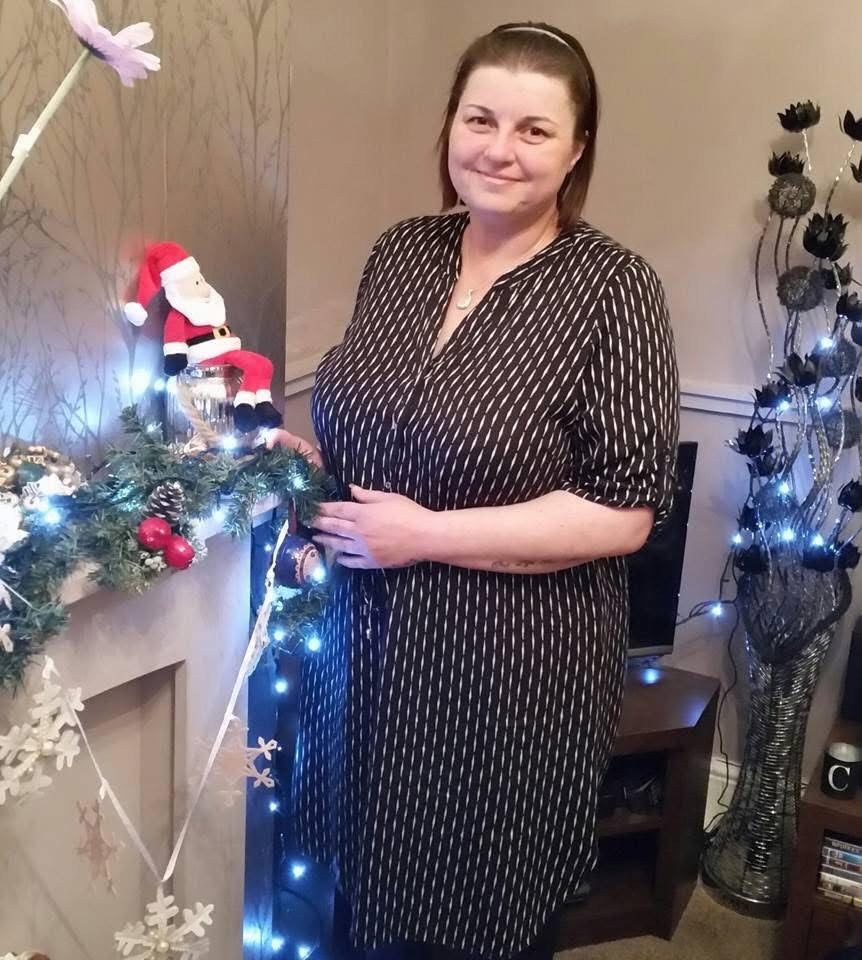
A mother who thought she would not live to see another Christmas after being diagnosed with mouth cancer is celebrating being cancer-free.
Clare Davis-Eaton, 51, from Grimsby, Lincolnshire, found a lump on her neck “the size of a frozen pea” in December 2015 and, after further tests, she was diagnosed with metastatic base of tongue cancer, which spread to her lymph nodes in March 2016.
The community support officer underwent a “horrendous” six-week course of radiotherapy and chemotherapy treatment before she went into remission in November 2016 – saying it felt like “Christmas had come early”.
Then Clare found another lump on her neck in June 2019 and was informed three months later that the cancer had returned to her lymph nodes, which were later removed during an operation.
She began more chemotherapy and radiotherapy, but was unsure whether she would make it to Christmas – opting to put up her tree in October that year instead.
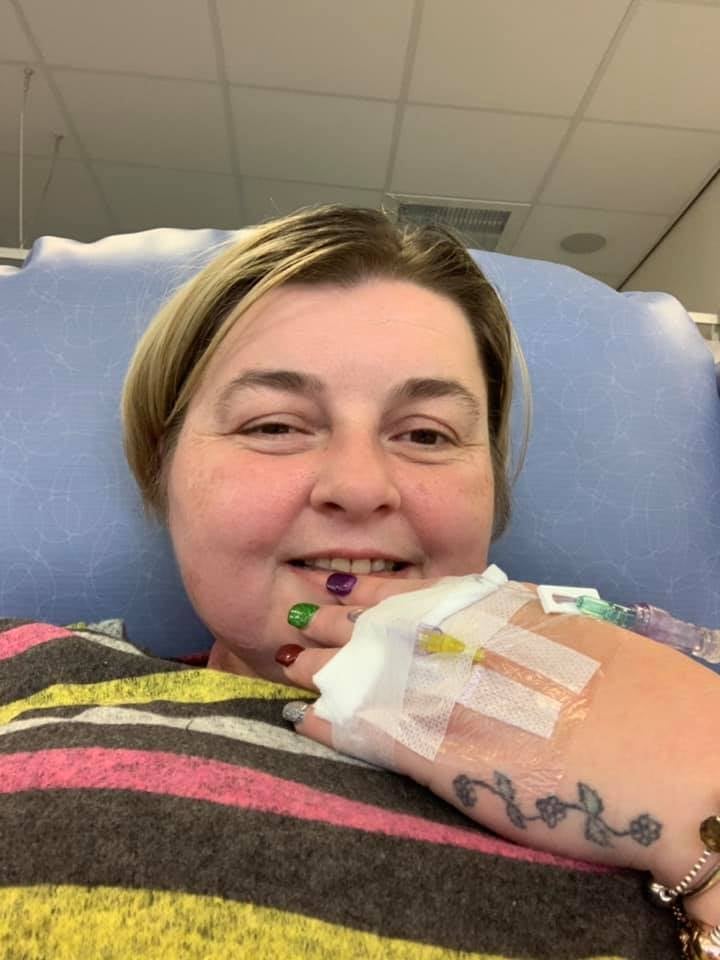
open image in gallery
Clare was first diagnosed with cancer in March 2016 (Collect/PA Real Life)
Clare remained “determined” and “positive” to pull through, and, in August 2024, on her 50th birthday, she was given the news that she was officially cancer-free.
Clare said her family, including her son, Dominic, 31; her daughter, Georgia, 29; her mother, Helene, 69; and her grandmother, Eunice, 97; “played a massive part” in her cancer journey, and she also credited Macmillan Cancer Support for keeping her “afloat”.
“I’m so appreciative to be able to have Christmas with my family because, in 2019, I didn’t think I was going to see it,” Clare said.
“Going through cancer twice has taken me back to the meaning of Christmas and what Christmas is all about.
“It’s not the presents under the tree, it’s who is around it.
“You can’t buy happiness, you can’t buy your health – those gifts are priceless.”
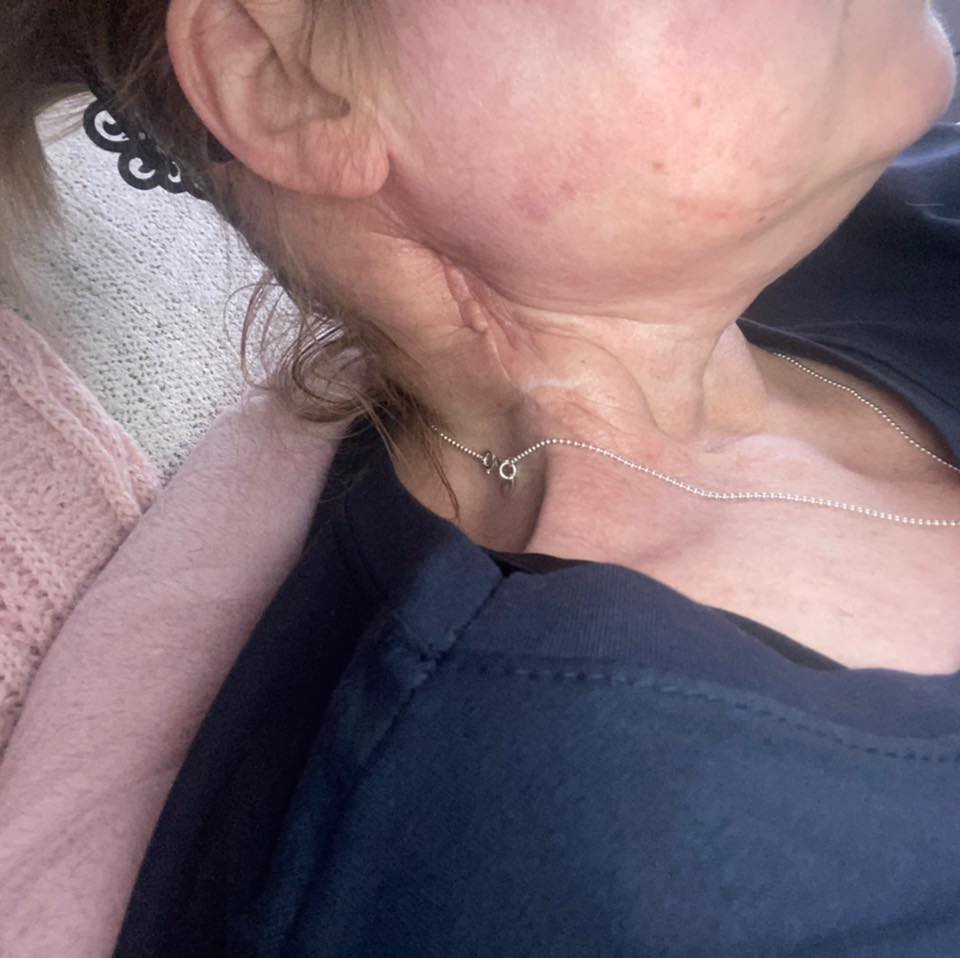
open image in gallery
Clare had an operation to remove the affected lymph nodes (Collect/PA Real Life)
Clare was first diagnosed with base of tongue cancer in 2016 after finding a lump “the size of a frozen pea” on her neck.
She went to the doctors in December 2015 and was referred for further tests, including a biopsy, in January and February 2016.
Upon being told “it’s cancer” on March 11 2016, Clare said it “broke her whole world”.
Clare said the cancer was also metastatic, and it had spread to her lymph nodes at the time of her diagnosis.
She started a six-week daily course of radiotherapy, Monday to Friday, accompanied by one day of chemotherapy throughout – describing the process as “horrendous”.
“It wasn’t just scary for me, it was scary for my kids,” she said.
“It takes everything out of you, the chemo made me feel sick, I was drained.”
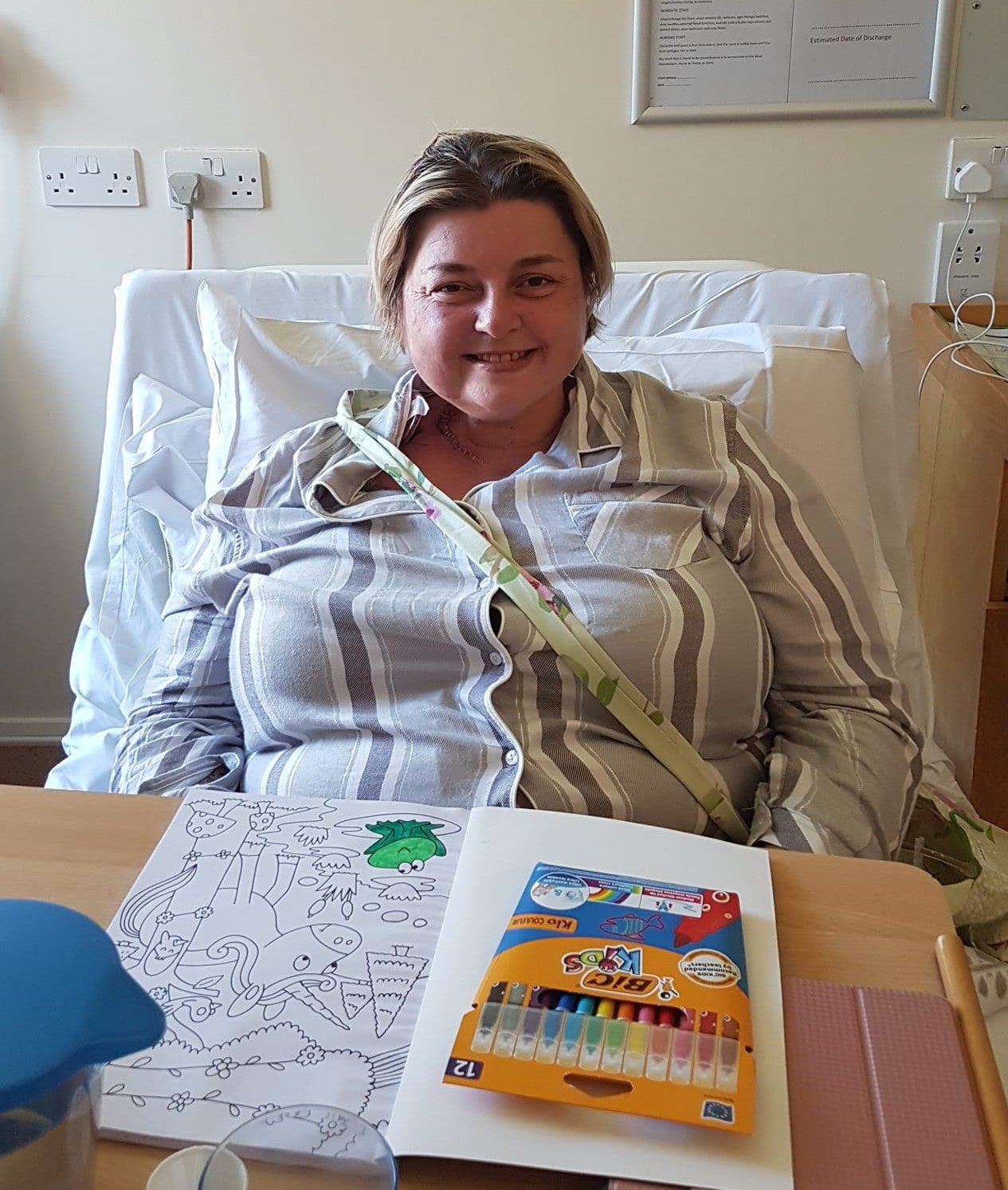
open image in gallery
Clare was told she is officially cancer-free in August 2024 (Collect/PA Real Life)
Clare finished her last round of treatment on June 15 2016, and went into remission on November 23 2016, saying it felt like “Christmas had come early”.
“It wasn’t an easy journey and I had to keep going back for more checks – but it was amazing, I felt on top of the world,” she said.
She added her feeding tube, which she used throughout her treatment, was removed just before Christmas that year, and her ability to eat and swallow had not yet returned.
“Christmas wasn’t the same – I couldn’t eat meat, I couldn’t do the dinners, I had no finances to do Christmas because of all the knock-on effects,” she said.
“But it showed me that Christmas is about the people you share it with, not what presents you’re opening.”
In June 2019, Clare said she was feeling “knackered” all the time and she discovered another lump on her neck.
After seeing her doctor and explaining her symptoms, Clare was referred for further scans and tests for about three months, and she was informed the cancer had returned to her lymph nodes in September 2019.
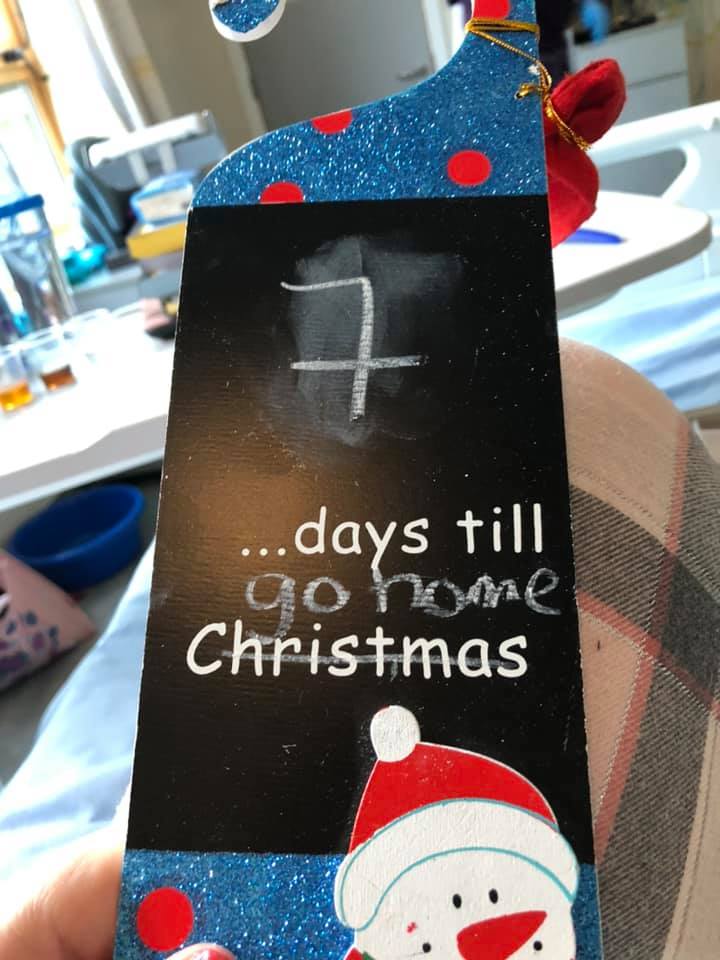
open image in gallery
Clare tried to remain ‘positive’ during her second round of treatment (Collect/PA Real Life)
Clare then underwent an operation to remove the affected lymph nodes on the right side of her neck.
Unfortunately, the procedure did not remove all the cancer cells, Clare said, but she added her oncologist pushed for her to receive further treatment.
“They don’t normally do a second round of radiotherapy on the same place, so I was so privileged,” she said.
When weighing up her treatment options, Clare said she was told there was a “20 per cent chance” the radiotherapy treatment could kill her.
“I asked what would happen if I didn’t undergo any treatment and I was told, ‘six months’,” Clare said.
“I didn’t want the rest of that sentence – it could have been six months until I started to feel unwell – but I just said, ‘where do I sign?’”
Clare said she felt “so poorly” and “so bad” during her second round of chemotherapy and radiotherapy treatment, which lasted another six weeks.

open image in gallery
Clare said Christmas ‘is about the people you share it with’ (Collect/PA Real Life)
“At the time, I felt like I couldn’t do it, I was just ready to give up,” she said.
“I didn’t think I was going to see that Christmas, to be totally honest.
“If I saw it, I felt it would be my last.”
She added that she put up her Christmas tree in October that year.
“It was a real fancy one that snowed from the top – we had a real daft day playing Christmas music full blast and watching movies,” she said.
Clare said she tried to remain “positive” and she was hospitalised for the last three-and-a-half weeks of her treatment.
“I was determined to fight and get home for Christmas no matter what,” she said.
Clare finished her treatment on December 9 2019, and she rang the bell in hospital to mark the occasion – but she said her treatment side-effects “peaked all over Christmas”.
open image in gallery
Clare has a newfound appreciation for life (Collect/PA Real Life)
On Clare’s 50th birthday, on August 23 2024, she was told she was officially cancer-free.
“It was a present no one could buy,” she said.
“After spending eight years fighting, in one way or another, it was a very bizarre feeling.”
Clare now lives with some side effects from her treatment, and she struggles to swallow food, she can have choking risks, and she “can’t enjoy” flavours.
“I don’t mind having side effects; they’re my free gifts because I’m here to have them,” she said.
She added that she continues to receive mental health support, as she said her cancer journey has “affected every step” of her life.
“Cancer isn’t just a physical illness, it’s a mental illness as well,” she said.
Main symptoms of mouth cancer
NHS
Symptoms of mouth cancer can affect any part of your mouth, including the gums, tongue, inside the cheeks, or lips.
Symptoms can include:
- a mouth ulcer in your mouth that lasts more than 3 weeks
- a red or white patch inside your mouth
- a lump inside your mouth or on your lip
- pain inside your mouth
- difficulty swallowing
- difficulty speaking or a hoarse (croaky) voice
- a lump in your neck or throat
- losing weight without trying
“It does have positives in that it brings life appreciation – I now know tomorrow isn’t a given, it’s a privilege.”
Due to her health, Clare said she had to leave her job as a community support officer for those with learning disabilities, where she worked for 10 years.
She said she misses the job “massively”, but she equally enjoys working at a local pub.
She also now volunteers for Macmillan Cancer Support, and she praised the charity for the help and advice they provided to her throughout both diagnoses.
“Macmillan came into my life when I was at my lowest, they kept me afloat and they’re still in my life now,” she said.
“They were also there for my family and no one was forgotten about – what they do is amazing and I just can’t say enough about them.”
Macmillan is there to provide essential support to people living with cancer across the UK through its Support Line (0808 808 00 00), chat service, online community and Macmillan centres.
For more information and support, visit: community.macmillan.org.uk
Sir Stephen Fry poked fun at Prince William’s Aston Villa at the Royal Variety Performance.
Appearing as his character Lady Bracknell from the 2025 West End production of Oscar Wilde’s The Importance of Being Earnest, the comedian hit out at “public decorum” before teasing the Prince of Wales’ beloved football club.
“Dinner jackets, which is the correct attire for events, dinners, and popping along to watch Aston Villa… lose”, he joked, as Prince William grinned from the boxes at the Royal Albert Hall.
Since the Royal Variety Performance was filmed on 19 November, Aston Villa have won all of their eight domestic and European games.

Sign up to our free Living Well email for advice on living a happier, healthier and longer life
Live your life healthier and happier with our free weekly Living Well newsletter
Live your life healthier and happier with our free weekly Living Well newsletter
Melanin Bee curves her spine like a cat as she lets out a maniacal, forced laugh. The quick-fire pattern of manufactured giggles —“oh, hoo hoo hoo, eeh, ha ha ha”— ripples into genuine laughter and she giddily kicks her feet.
She’s practicing what she calls Laughasté, a hilarious yoga routine she created that is a descendant of “laughter clubs” that emerged in India in the 1990s.
It feels awkward at first, but you fake it till you make it, she recommends.
“It’s about allowing yourself to be OK with being awkward,” said Bee, a Los Angeles comedian and speaker.
“Then you’re going to find some form of silliness within that is going to allow you to laugh involuntarily.”

open image in gallery
Forced laughter — or simulated mirth, in academia — may even be more beneficial than spontaneous laughter (Getty Images)
The laughter clubs were based on the common-sense notion that laughter relieves stress. But a good laugh is also good for your heart, immune system and many other health benefits, said Dr. Michael Miller, a cardiologist and medical professor at the University of Pennsylvania.
“Like we say, exercise at least three to five days a week,” Miller said. “Belly laugh at least two to five days a week.”
The study of laughter
Although luminaries from the ancient Greeks to Freud have opined on the roots and implications of laughter, the modern study of laughter — gelotology — began emerging in the 1960s.
Stanford University psychologist William F. Fry, one of gelotology’s founders, drew blood samples from himself while watching Laurel and Hardy. He discovered that laughter increased the number of immune-boosting blood cells.
In 1995, Dr. Madan Kataria, a physician in Mumbai, got wind of the emerging research as editor of a health magazine while researching an article on stress management. To combat his own stress, he started the first daily laughter club in a park. It ballooned from a handful of participants to more than 150 within a month, he said.
After the group quickly ran out of jokes, Kataria created exercises that activated the diaphragm, and he incorporated yogic breathing exercises, light stretches and deliberately silly sounds and movements.
“We were faking in the beginning and within seconds, everybody was in stitches,” Kataria said.
Why is laughter good for you?
Miller began studying laughter in the 1990s. Showing funny movies to study participants, he found that laughter produces endorphins in the brain that promote beneficial chemicals in the blood vessels. Nitric oxide, for example, causes blood vessels to dilate, which lowers blood pressure, inflammation and cholesterol.
The combination reduces the risk for a heart attack, he said, and the endorphins are natural pain killers.
“When you’ve had a really good laugh, you feel very relaxed and light,” said Miller, who is also chief of medicine at the Philadelphia Veterans Administration, where he is implementing a laughter therapy program. “It’s like you’ve taken pain medication.”
Forced laughter — or simulated mirth, in academia — may even be more beneficial than spontaneous laughter, said Jenny Rosendhal, a senior researcher of medical psychology at Jena University in Germany.
Rosendhal completed a meta-analysis of 45 laughter studies, among other research, and found that laughter-inducing therapies decreased glucose levels, the stress hormone cortisol and chronic pain. They also improved mobility and overall mood, especially in older populations.
Because humor is subjective, it is hard to measure. That’s why much of the more recent research has focused on laughter yoga and similar programs that provoke sustained bouts of laughter during 30- to 45-minute sessions, Rosendhal said.
Laughter yoga is particularly effective for people who might not feel like laughing, such as those struggling with depression or cancer patients, she said. With simulated laughter, the physiological mechanisms are the same, such as additional inhaling, exhaling and muscle activity that also improves mood.
“The well-being comes through the back door,” she said. “You start with an exercise, and then the spontaneous laughter comes later because it’s funny to see people laughing.”
How to laugh more
During a recent video call, Kataria said the trick is to learn to laugh for no reason. He and others in laughing yoga classes around the world have created hundreds of exercises that help.
The simplest: Get together with another person, look in each other’s eyes and repeat the sound “ha” for a full minute. Or try the “breathe in and laugh.” Bring your hands to your chest on a deep inhale, hold your breath for three seconds, and burst out laughing on the exhale while extending your hands forward.
In laughing yoga classes, people may pretend to greet each other like aliens, crawl around like their favorite animals, or tap their temple as if a light bulb went off, exclaiming, “Aha! ha ha ha!”
Kataria suggested bringing laughter into your daily life, even at things that might not seem funny. Demonstrating “credit card bill laughter,” he held out his hand as if looking at a statement, and burst into a roiling, infectious laughter. For inspiration, you could log into one of the three dozen free online American laughter clubs recognized by Laughter Yoga International.
“Really, it’s not about forcing yourself to laugh,” he said. “It’s like activating your laughter muscles, getting rid of your mental inhibitions and shyness. Then the real laughing is childlike laughing, unconditional laughing.”