
LIFESTYLE
BuyFlowers.ng Makes Gifting in Nigeria Super Easy


Guess Who Just Made Gifting in Africa Super Easy?
Let’s be honest, trying to get flowers or thoughtful gifts like chocolates, perfumes, cakes, etc. delivered quickly to your location or to a loved one in another city can be a big struggle!
That’s why BuyFlowers is fast becoming everyone’s go-to plug for sending love gifts — not just across Nigeria, but now across Africa. Whether it’s a birthday in Abuja, an apology gift in Port Harcourt, a “just because” surprise in Lagos, or even a heartfelt delivery to Ghana, Kenya, or Tanzania, BuyFlowers delivers beautifully arranged flowers and premium gifts and they do it fast.
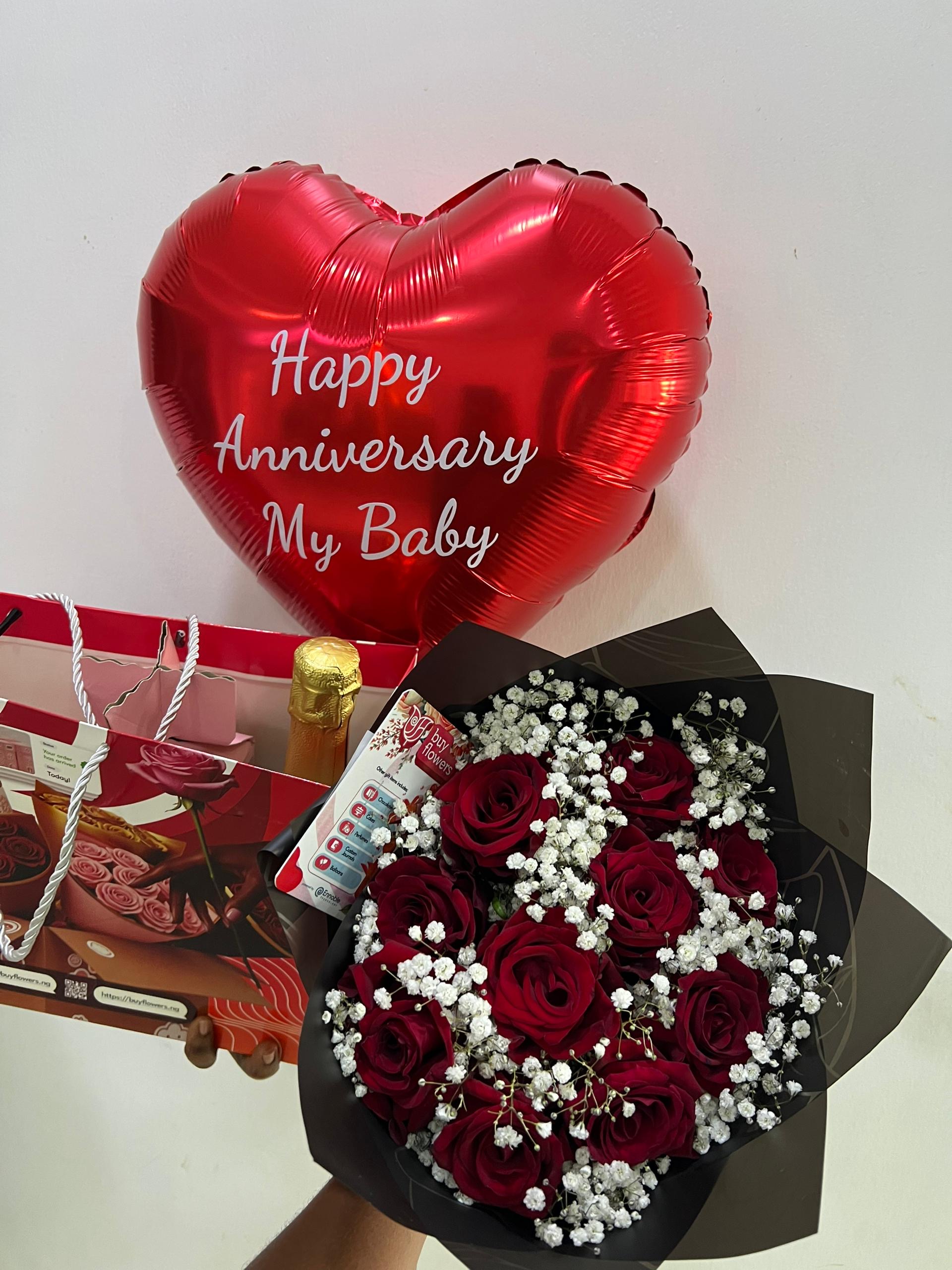
And now it gets even better — BuyFlowers has a mobile app.
You can download it and start sending gifts from anywhere in the world by clicking here. It’s designed to make gifting even faster, smoother, and more convenient.
The best part? You don’t even need to stress. With social delivery, you can place an order using just the recipient’s WhatsApp number, Instagram username, LinkedIn, X (Twitter), or even TikTok handle, and BuyFlowers handles the rest. No wahala. It’s giving pure convenience!
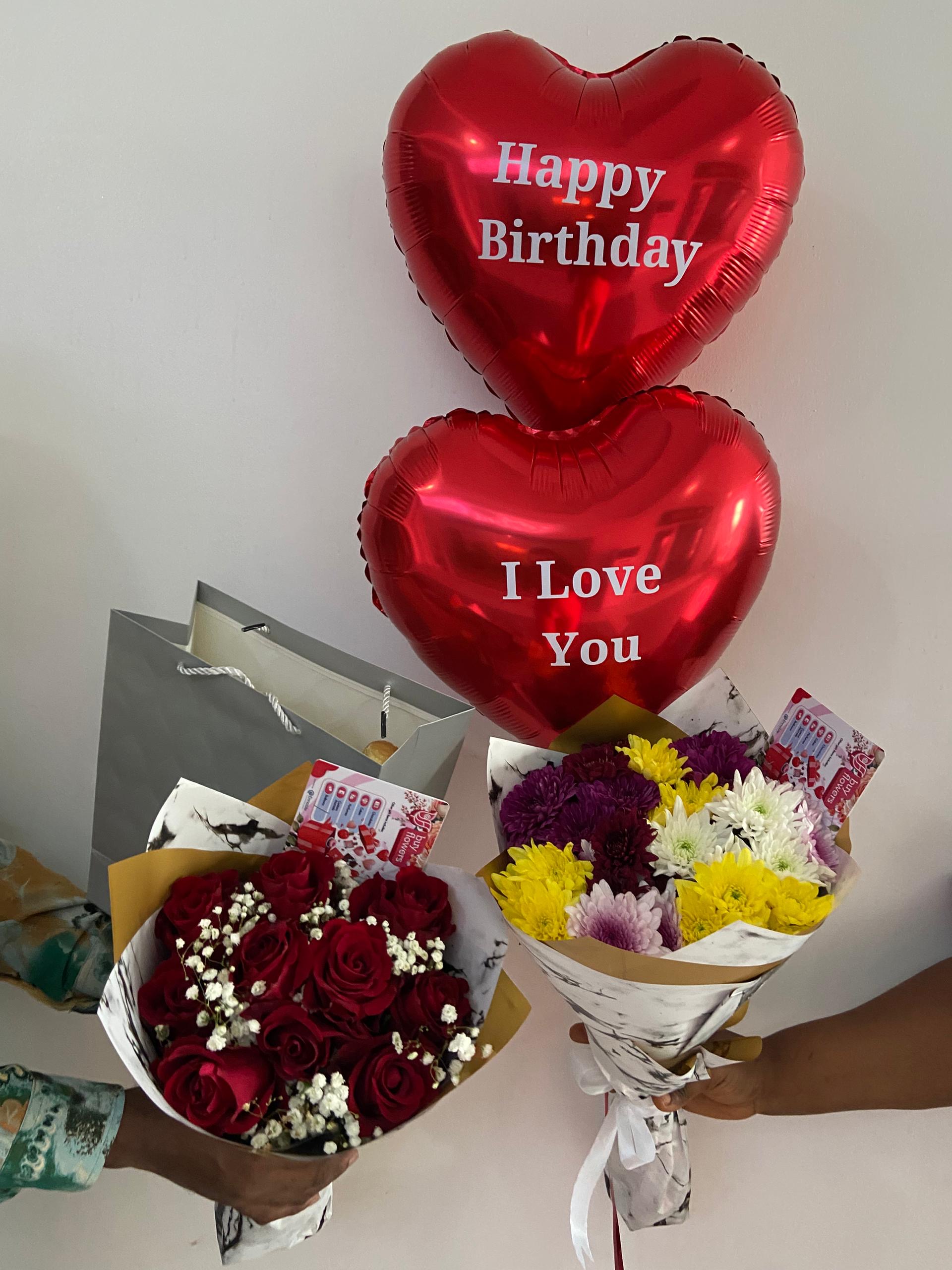
Payments are also seamless and global. You can now pay using Apple Pay, cards, and other international payment options, making it super easy to send love to friends and family from anywhere in the world.
And because BuyFlowers is feeling generous, they’re giving ₦5,000 off your first order when you use the code BELLANAIJA at checkout. Yes, you read that right, your bouquet or gift just got even more affordable!
So, what are you waiting for? Visit BuyFlowers.ng, sign up to unlock more exclusive discounts, download the app, and get ready to surprise someone you love. Distance is no longer an excuse.
Sponsored Content









Sign up to our free Living Well email for advice on living a happier, healthier and longer life
Live your life healthier and happier with our free weekly Living Well newsletter
Live your life healthier and happier with our free weekly Living Well newsletter

For many of us, listening to music is simply part of the driving routine – as ordinary as wearing a seatbelt. We build playlists for road trips, pick songs to stay awake, and even turn the volume up when traffic gets stressful.
More than 80% of drivers listen to music on most trips. And many young drivers find it difficult to concentrate without it.
We tend to think music relaxes us, energises us, or helps us focus when we’re behind the wheel.
But the science paints a more complicated picture. Decades of studies show music can sharpen some aspects of driving and dull others. And it affects young drivers differently from more experienced ones.
How do researchers study driving and music?
Most studies use driving simulators, where participants drive through realistic road scenarios while researchers change only one thing: the music.
This allows precise measurement of indicators such as speed, reaction time, lane-keeping, braking, following distance, simulated collisions and even the driver’s physiological state under different music conditions.
Because everything else is held constant, any difference in driving performance can be attributed to the music.
Researchers have tested different music and driving scenarios in dozens of small studies – often with often conflicting conclusions. To make sense of these results, researchers combine them in “meta-analyses” to see broad patterns.
So how does music affect our driving?
Meta-analyses show music changes how we drive in several ways.
Drivers listening to music tended to have more simulated collisions, poorer speed control and less stable following distances than those driving in silence.
Other outcomes such as lane position, signalling errors and pure reaction time show more mixed or inconsistent effects.
Music often changes the driver’s heart rate and makes it more variable. It also increases their arousal and mental workload, meaning how mentally “busy” or stretched they are while trying to drive.
Music can also help tired drivers stay alert on long, monotonous stretches but only for a short window. The boost fades by about 15 to 25 minutes.
So music can make you feel better and more alert, for shorter distances, even while it’s adding extra cognitive load and competing with the main task of driving.
Does the volume and type of music matter?
Volume does influence driving, but the effects are more subtle than many assume.
High- and medium-volume music tend to nudge drivers’ speeds slightly upward, while low-volume music consistently leads to slower driving. These effects are small, but relatively consistent in direction.
Fast music has a bad reputation, but the pooled evidence is less clear-cut. One meta-analysis found no overall effect of tempo on driving performance for an average driver. But it’s slightly different if you’re a novice driver.
Individual studies still suggest that very high-arousal, aggressive tracks can nudge some drivers toward riskier behaviour and make them more prone to errors. But tempo by itself doesn’t neatly predict safety.
Music you choose yourself tends to be less distracting than music imposed on you. Drivers often select music to regulate their mood and arousal – and that can stabilise their driving.
 One study of 20- to 28-year-old drivers found less-experienced drivers were far more disrupted by music than experienced drivers (Getty/iStock)
Conversely, several experiments show researcher-selected or imposed music leads to poorer performance: more collisions and violations, especially when the driver doesn’t like the music.
So it’s not just the music itself, but your relationship with it, that shapes how it affects your driving. Familiar or preferred music tends to maintain mood and reduce stress without adding as much mental load.
Inexperienced drivers are more affected
Inexperienced drivers are more vulnerable to distraction from music.
One study of 20- to 28-year-old drivers found less-experienced drivers were far more disrupted by music than experienced drivers. When music was playing – especially upbeat, “happy” tracks – inexperienced drivers were much more likely to drift into speeding.
About the author
Milad Haghani is an Associate Professor and Principal Fellow in Urban Risk and Resilience at the University of Melbourne. This article is republished from The Conversation under a Creative Commons license. Read the original article.
Experienced drivers didn’t, suggesting their experience acts as a buffer.
Another experiment found exposing young drivers to more aggressive genres such as metal or certain folk-pop led to higher speeds, more driving errors and reduced attention to road signs.
For novice drivers, fast-tempo music increased their mental load and reduced their ability to spot hazards. This meant they were slower or less accurate in their responses.
Slow music, on the other hand, didn’t raise inexperienced drivers’ mental load and even moderately improved their ability to respond to hazards.
So what does this mean for my driving?
For most people, familiar songs, calmer genres and moderate volumes tend to create the least interference, while still keeping you alert and in a good mood.
Extremely loud, unfamiliar or highly aggressive tracks are the ones most likely to push up your speed, distract you, or overload your thinking.
But if you’re a newer driver, try turning the volume down, or even switching the music off, in demanding conditions.

Sign up to our free Living Well email for advice on living a happier, healthier and longer life
Live your life healthier and happier with our free weekly Living Well newsletter
Live your life healthier and happier with our free weekly Living Well newsletter
You stub your toe on the bedpost. Before your brain even registers the pain, a word explodes from your mouth – sharp, loud and oddly satisfying.
Far from being a simple slip in manners, swearing is a reflex rooted deep in the structure of the human body, drawing on networks in the brain and autonomic nervous system that evolved to help us survive pain and shock.
Research shows that a well-placed expletive can dull pain, regulate the heart and help the body recover from stress. The occasional outburst, it seems, isn’t a moral failure – it’s a protective reflex wired into us.
The impulse to swear begins far below the level of conscious speech. Most everyday language originates in the cerebral cortex, where ideas are shaped into words. Swearing, however, lights up a much older network – the limbic system, which governs emotion, memory and survival responses.
Important parts of the limbic system include the amygdala, which acts like an emotional alarm system, and the basal ganglia, a group of connected structures that help control movement and automatic behaviour, including instinctive vocalisation.
These areas send quick signals down the brainstem before the thinking part of the brain can respond. This is why the words come out so fast – it’s part of an ancient reflex that prepares the body to react to sudden shock or pain.
The outburst activates the autonomic nervous system, which temporarily raises heart rate, blood pressure and alertness. Muscles tighten as the motor cortex and spinal pathways prime the limbs for action – a reflexive brace that prepares the body to defend or withdraw.
 The impulse to swear begins far below the level of conscious speech (Getty Images)
Then the voice joins in, powered by a sharp contraction of the diaphragm and intercostal muscles that forces air through the larynx in a single, explosive exhalation. Even the skin responds: sweat glands activate and tiny electrical changes occur, with small beads of moisture marking the body’s emotional signature.
Deep inside the brain, the pituitary gland and the periaqueductal grey – a column of grey matter in the midbrain – release beta-endorphins and enkephalins, the body’s natural painkillers. These chemicals dull pain and create a faint sense of relief, turning language into a physical act – mobilising breath, muscles and blood before returning the body to calm.
This integrated response – from brain to muscle to skin – explains why a sharp expletive can feel simultaneously instinctive and satisfying.
How swearing dulls pain
Recent research shows that swearing can actually change how much pain people can handle. A 2024 review looked at studies on swearing’s pain-reducing effects and found consistent evidence that people who repeated taboo words could keep their hands in icy water significantly longer than those who repeated neutral words.
Another 2024 report found that swearing can also increase physical strength during certain tasks, further supporting the idea that the body’s response is real rather than merely psychological.
This suggests that the body’s reflexive vocalisation – the curse word – triggers more than just emotional release. One possible explanation is that a burst of automatic bodily arousal activates natural pain-control systems, releasing endorphins and enkephalins and helping people tolerate discomfort better.
What is less clear is the exact pathway – whether the effect is purely physiological or partly psychological, involving reduced self-consciousness, increased confidence, or distraction from pain. Importantly, the effect seems strongest among people who do not habitually swear, suggesting that novelty or emotional charge plays a key role.
About the author
Michelle Spear is a Professor of Anatomy at University of Bristol.
Swearing also helps the body recover from sudden stress. When shocked or hurt, the hypothalamus and pituitary release adrenaline and cortisol into the bloodstream, preparing the body to react. If this energy surge isn’t released, the nervous system can remain in a heightened state, linked to anxiety, sleep difficulties, weakened immunity and extra strain on the heart.
Studies of heart-rate variability – small changes between heartbeats controlled by the vagus nerve – show that swearing may cause a quick rise in stress, then a faster return to calm. This bounce-back, driven by the vagus nerve’s effect on the heart, helps the body settle down more quickly than if you held the words in.
Viewed anatomically, swearing is one of several reflexive vocal acts – alongside gasping, laughing, and shouting – shaped by ancient neural circuits. Other primates produce sharp calls under pain or threat, activating the same midbrain regions that fire when humans swear.
That emotional charge is what gives profanity its potency. The taboo word bridges mind and body, giving shape and sound to visceral experience. When released at the right moment, it is the nervous system expressing itself, a primal and protective reflex that has endured through evolution.
LIFESTYLE
Clock the Vibe: Inside Flytime Fest Featuring Davido, Asake, Olamide & Flavour, With Desperados

This year, Desperados showed up at the heart of big moments, clocking the vibe and adding a refreshing edge to some of December’s most anticipated entertainment experiences. With Central Cee, Rema, Davido, Olamide, Asake, and Flavour delivering back-to-back showstopping performances, Desperados set the tone and vibe with its self-expressive culture.
As part of Nigerian Breweries’ Legendary Christmas campaign, Desperados partnered with Flytime Fest 2025, beginning with the iconic Rhythm Unplugged on Sunday, December 21st, and extending through the full festival run, to connect with young audiences where culture, music, and shared energy naturally meet. From Monday, December 22nd, to Thursday, December 25th, the brand immersed itself in the rhythm of the festival, creating meaningful touchpoints that felt organic, expressive, and in sync with the attendees.
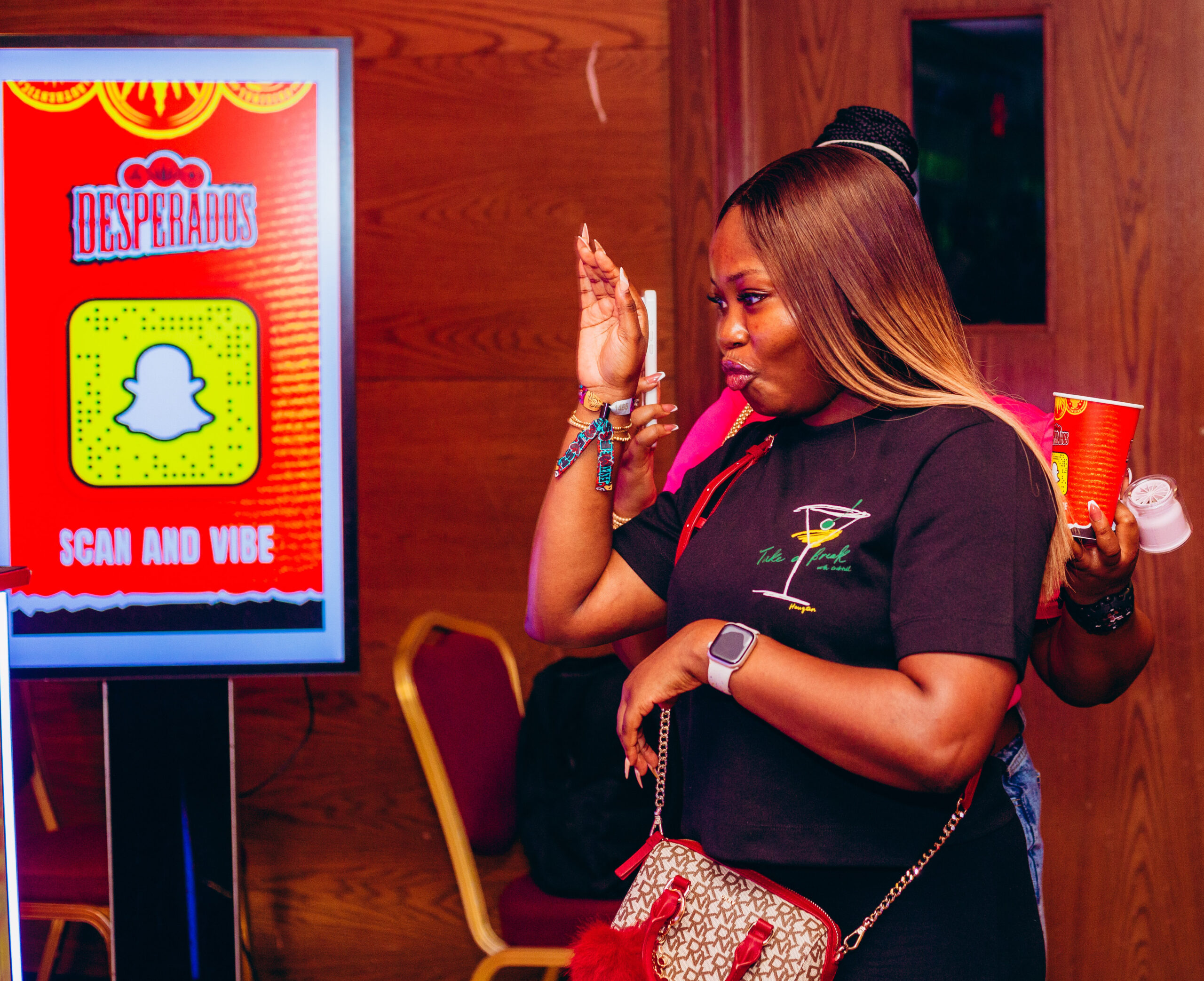
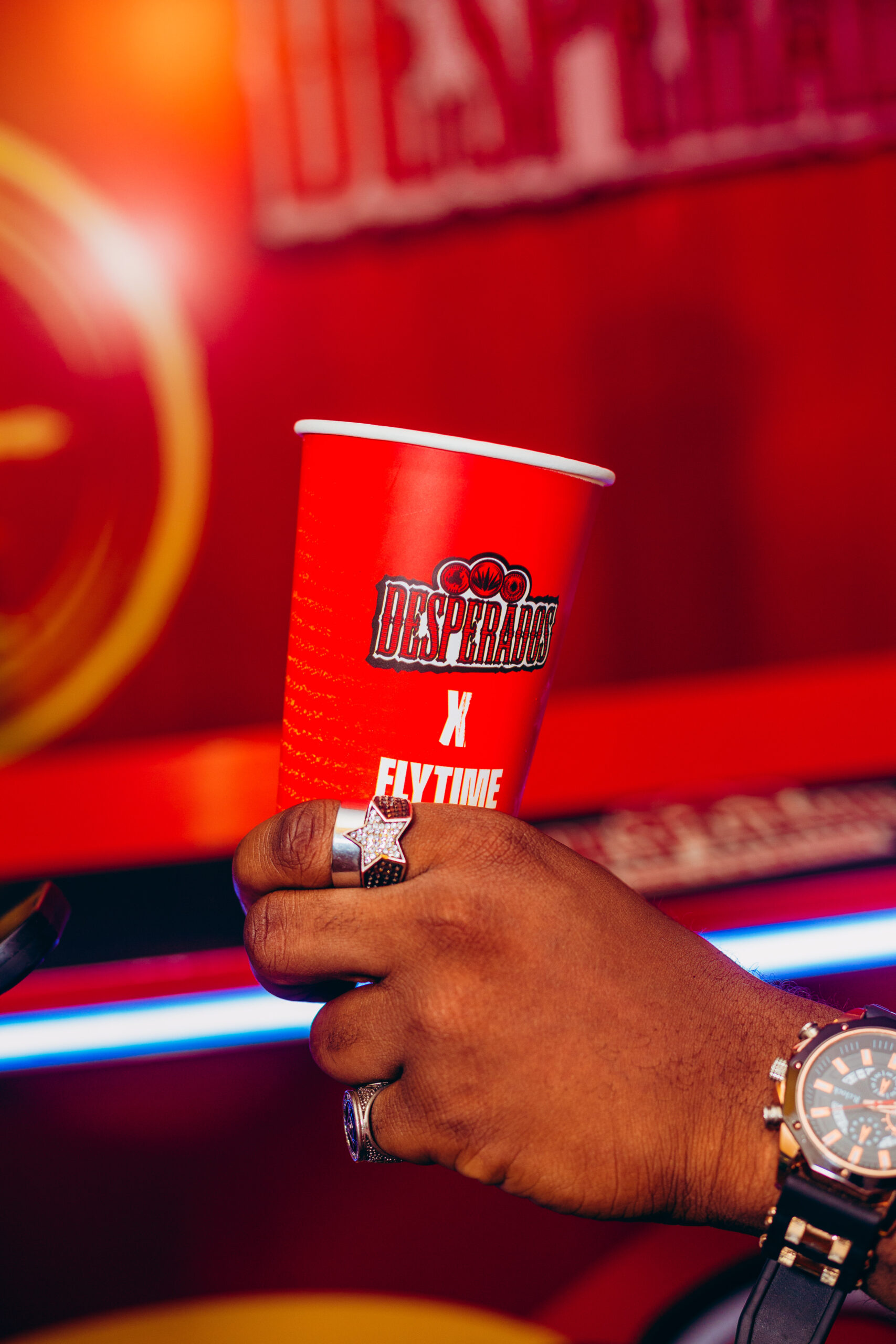
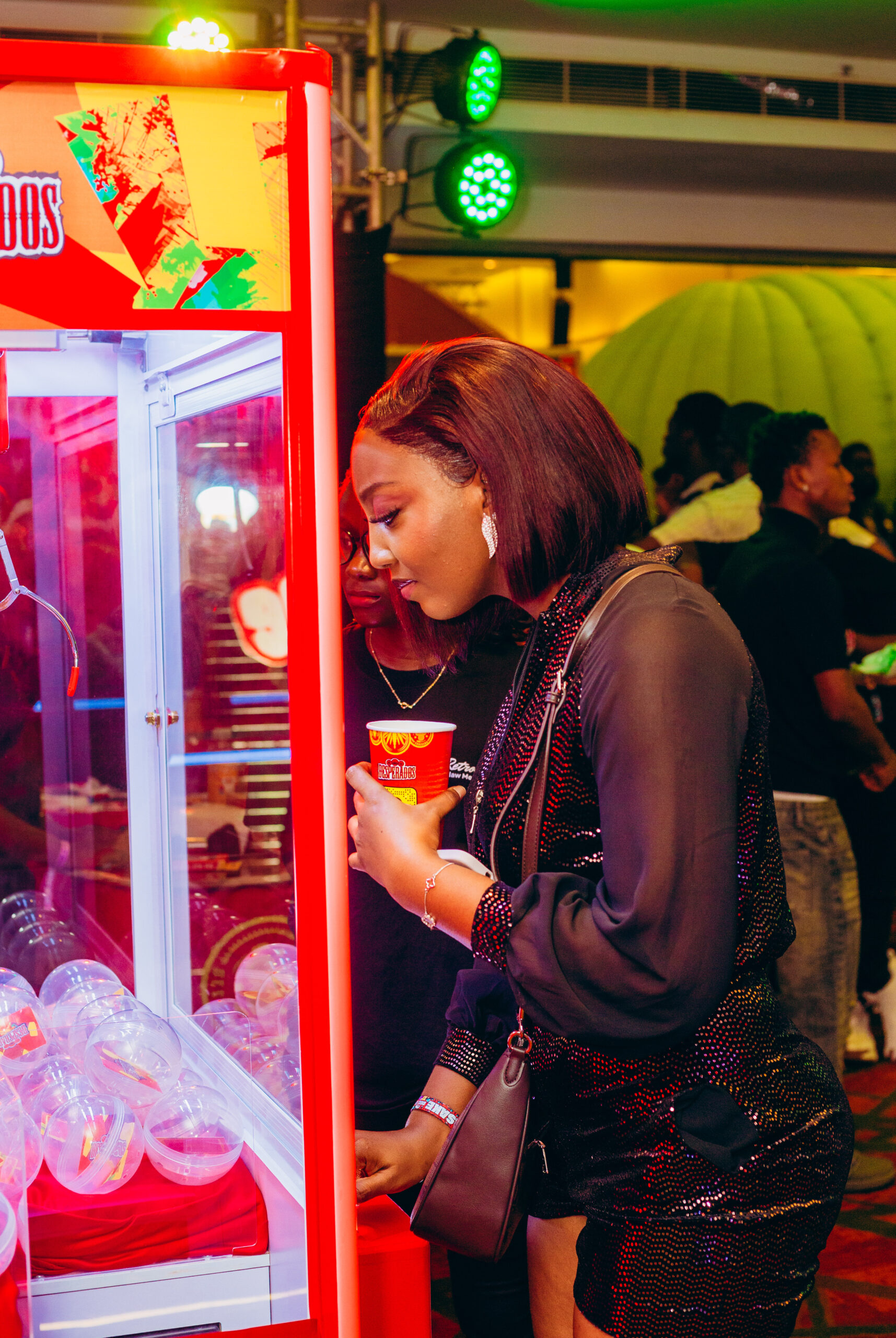
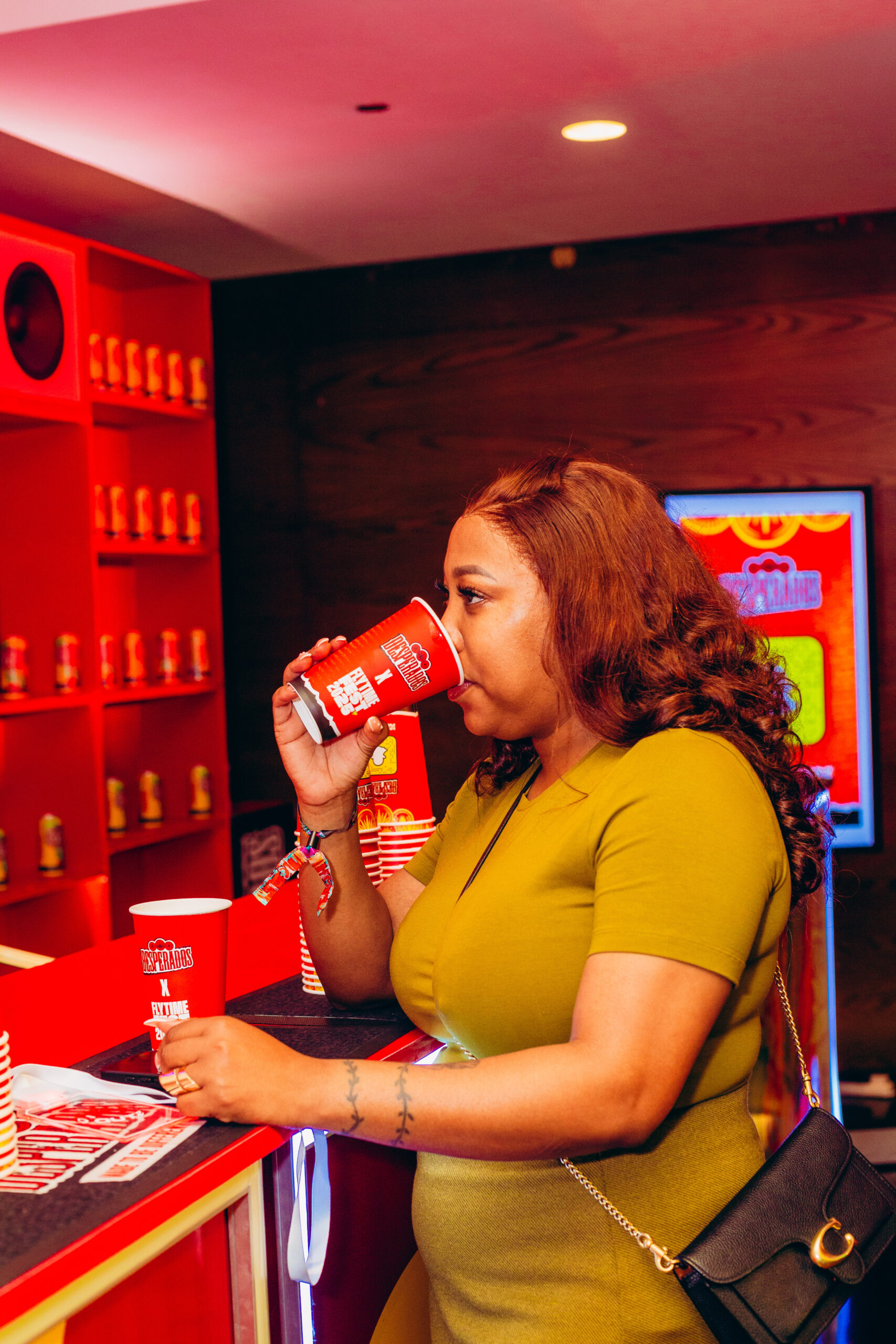
 At the Eko Convention Center, Desperados’ presence was built around experience. The brand space became a chill zone within the festival flow, where attendees could pause, engage, and refresh with Desperados. Through interactive games, sampling moments, and easy, natural interactions, festival-goers were invited to see, feel, and clock the vibe in real time.
 Beyond the booth, Desperados tapped into the energy unfolding across Flytime Fest – from the opening moments of Rhythm Unplugged to the anticipation before performances, the collective reactions when artists hit the stage, and the shared joy that defined each night. The content captured reflected the festival vibe, authentic crowd moments, live reactions, and the unmistakable pulse of December.
By staying close to the experience and letting the culture lead, Desperados positioned itself as a brand that understands the moment and moves with it. Flytime Fest 2025 became another chapter in the Desperados December story, one defined by presence, connection, and real vibes.
From the glow of the neon Desperados zone to the collective roar of hundreds singing in unison, from Rhythm Unplugged through the final nights of Flytime Fest, the festival was a living, pulsing, culture-defining moment, amplified by Desperados.
For more exciting updates, follow @desperadosng across all social media platforms.

Sponsored Content

Left: Olubunmi Oyetan, Regional Manager, Lagos Island, Stanbic IBTC Bank, with Tolulope Bally, Founder and Creative Director, 2207BYTBALLY, during the 2207BYTBALLY Fashion Experience held recently in Victoria Island, Lagos.
Where fashion meets creativity, possibilities expand. This statement best describes the electrifying experience at the unveiling of the EVOLVE collection at The Garden, Federal Palace Hotel, Victoria Island, Lagos.
Stanbic IBTC Bank’s partnership went beyond sponsorship; it was a deliberate investment in the people and ideas reshaping how the world sees African excellence.
The moment the first model stepped onto the runway at The Garden, Federal Palace Hotel, Victoria Island, Lagos, the audience held its breath. The EVOLVE collection was unveiled in three segments: Denim, a modern twist on structured casual luxe; Ethnic, a celebration of African craftsmanship with renewed elegance; and 2207 Prints, bold, expressive patterns for commanding attention. This was not just a fashion show; it was a declaration.
Torrista transformed the venue into a breathing gallery. Towering canvases explored femininity, heritage, and evolution, turning every corner into a conversation between brushstrokes and couture. Guests did not merely attend; they immersed themselves in a living dialogue between fashion and fine art. From the red-carpet arrivals to the curated cocktails, from the live music drifting through the air to the finest cuisine, every detail matched the sophistication of the crowd. Designers, art collectors, high-net-worth individuals, media personalities, and luxury tastemakers filled the space with the quiet electricity that only happens when vision meets appreciation.
Tolu Bally, Creative Director of 2207 by Tbally, captured the spirit perfectly:
“This evening was about proving that African luxury belongs on the global stage. When fashion and art share the same space, something electric happens; people feel the culture, not just see it. We are deeply grateful to everyone who made this vision real.”
Adding depth to the celebration was the partnership with Stanbic IBTC, an institution that has long recognised the creative economy as a pillar of Nigeria’s future. Layo Ilori-Olaogun, Head, Private Banking, Stanbic IBTC Bank, reflected:
“Nigeria’s creative sector is not a side note; it is a driving force for employment, innovation, and global reputation. Nights like this remind us why we remain committed to providing platforms that allow extraordinary talent to shine.”
The final bow was met with thunderous applause, but the real resonance lingered long after the lights came up.
To 2207 by Tbally and Torrista, and every artist, model, designer, and guest who filled The Garden with energy and elegance, a sincere thank you. At Stanbic IBTC Bank, we are proud to champion the financial growth of visionaries who are not just shaping Nigerian creativity but defining African excellence for the world to see. This is only the beginning.
Sponsored Content

Stay ahead of the curve with our weekly guide to the latest trends, fashion, relationships and more
Stay ahead of the curve with our weekly guide to the latest trends, fashion, relationships and more
Stay ahead of the curve with our weekly guide to the latest trends, fashion, relationships and more

New year, new beginnings. This week, the millennium arrives without disruption as the dreaded Y2K bug fails to bite. Elsewhere, milestones mark the turning of the year, from a record-breaking mission in space by a Soviet cosmonaut to the arrival of the euro in physical form, giving millions of Europeans a shared currency for the first time since the fall of the Roman Empire. In other corners, the calendar brings little sense of resolution, with continued leadership tensions in post-revolution Romania and renewed climate fears surfacing at the dawn of the 2020s. Dive into a week of New Year promise and uncertainty, as seen on The Independent’s front pages.
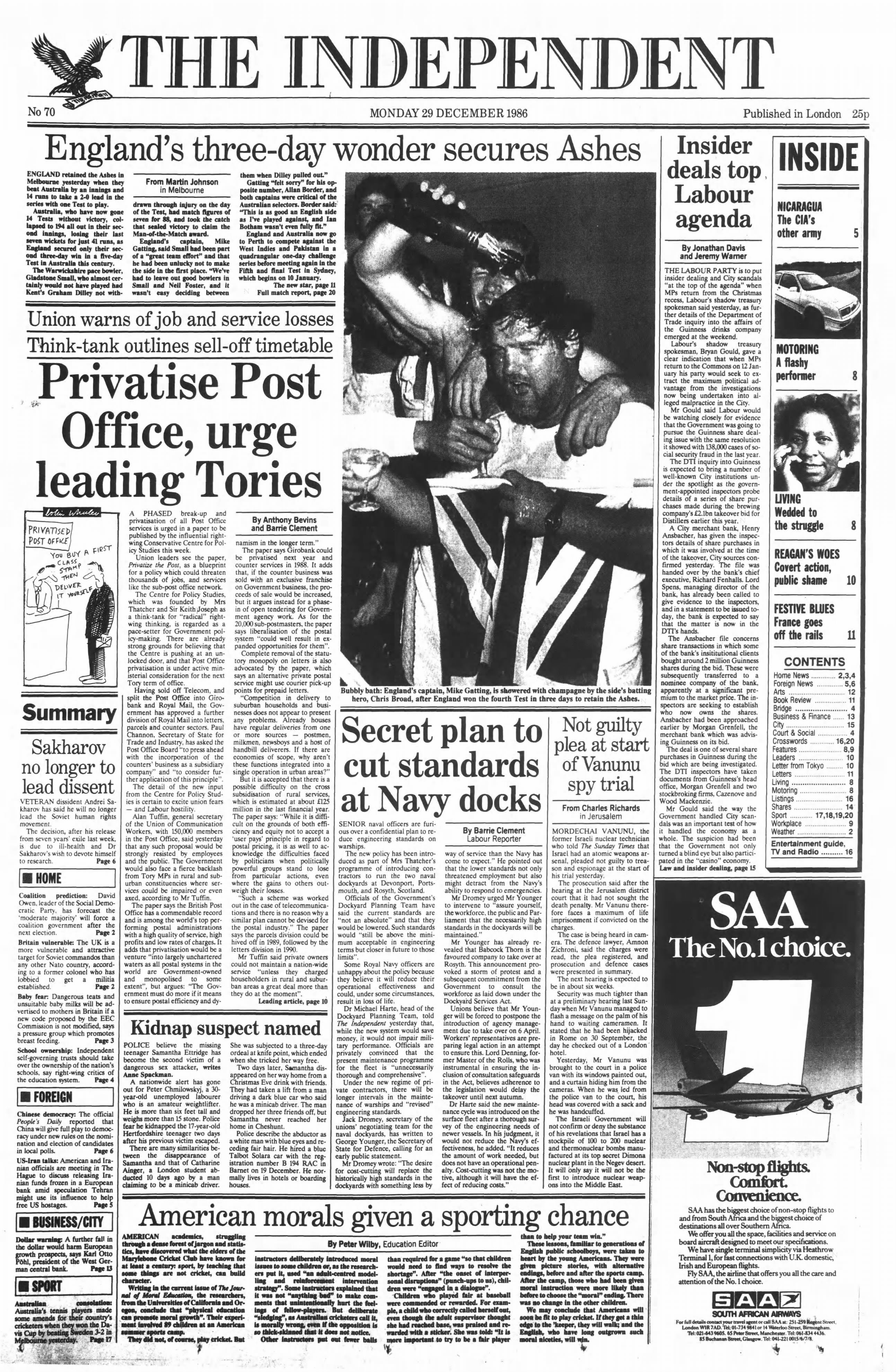
29 December 1986 – England seal Ashes win in Melbourne
England secure the Ashes in Melbourne with a dominant innings victory over Australia, taking an unassailable 2–0 lead in the series. The Independent highlights a commanding performance, with Chris Broad’s batting proving decisive as captain Mike Gatting celebrates an emphatic Ashes success on Australian soil.
open image in gallery
(The Independent)
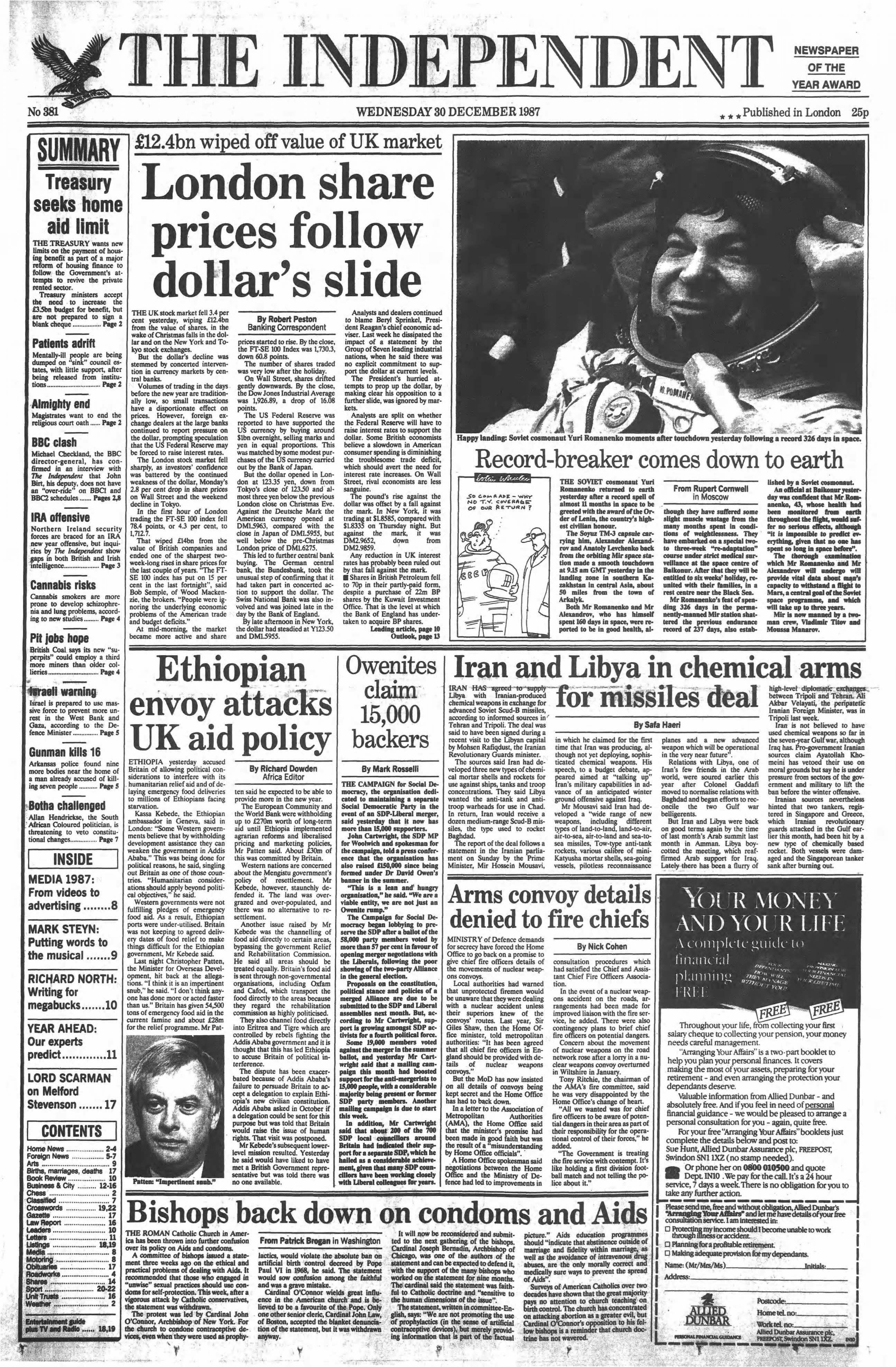
30 December 1987 – Soviet cosmonaut breaks space record
Soviet cosmonaut Yuri Romanenko returns to Earth after spending 326 days aboard the Mir space station, breaking the previous spaceflight endurance record of 237 days. Officials report no serious ill effects beyond slight muscle wastage, with the mission seen as providing vital data on human endurance as part of longer-term ambitions for a future flight to Mars.
open image in gallery
(The Independent)
29 December 1989 – Romanian leadership split
Divisions emerge within Romania’s new leadership as the post-Ceausescu government struggles to present a united front in the aftermath of the revolution. The Independent reports that beyond “the immediate practical task of getting the country going again, there is no agreement on anything”, with sharp splits over foreign policy, including Romania’s future role in the Warsaw Pact.

open image in gallery
(The Independent)
31 December 1999 – London Eye ‘unsafe’
Passengers are barred from boarding the Millennium Wheel, later known as the London Eye, after safety concerns delay its opening on the eve of the year 2000. The failure to open on time proves a conspicuous disappointment as London readies itself to usher in the new millennium.

open image in gallery
(the Independent)
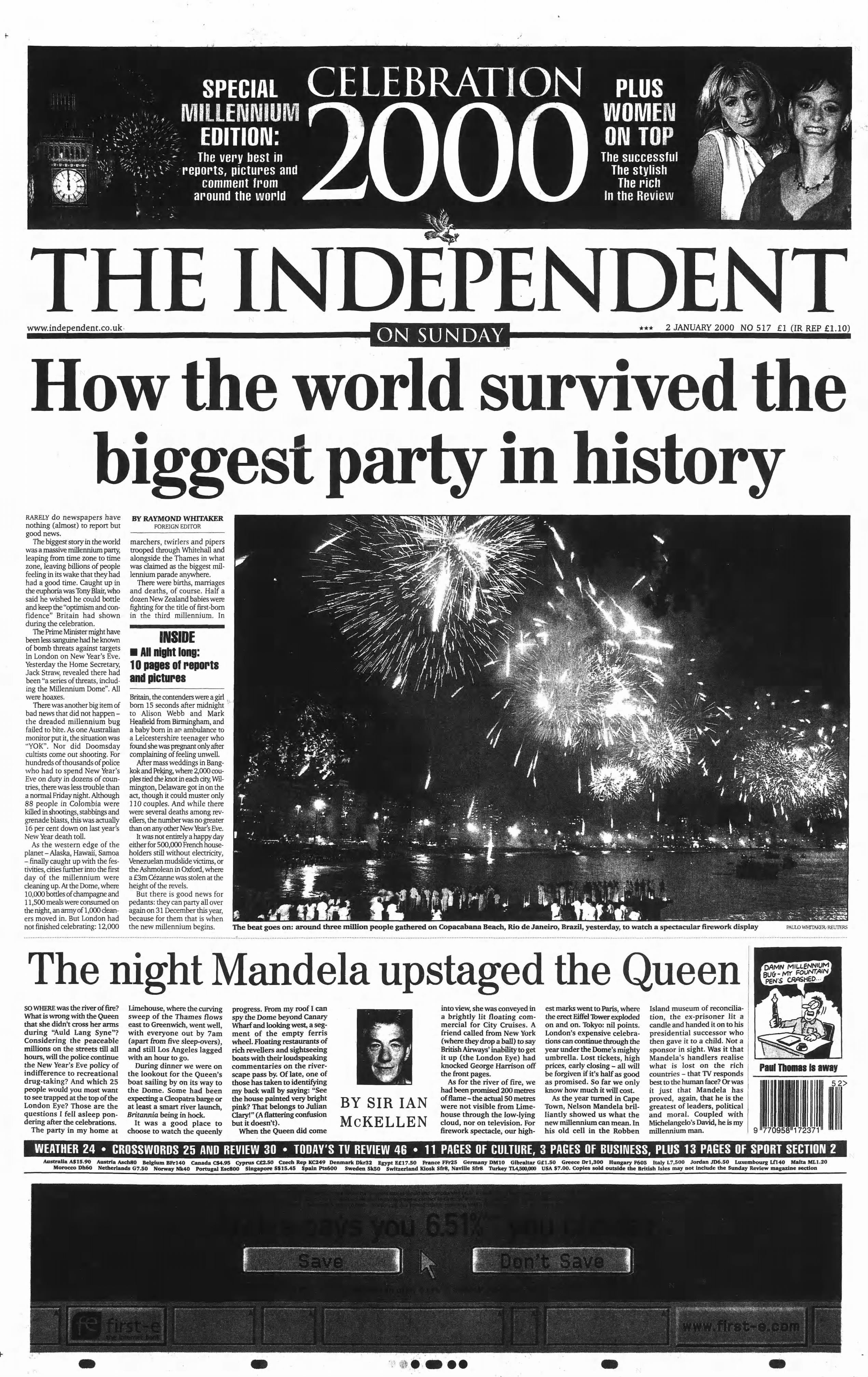
2 January 2000 – The new millennium
The new millennium dawns amid worldwide celebration as crowds mark the moment time zone to time zone. New Year’s Eve passes largely without incident. Bomb threats in London prove all to be hoaxes, while the much-feared millennium bug “fails to bite”. In a special piece, Sir Ian McKellen also reflects on the symbolism of the night, as Nelson Mandela marks the occasion in South Africa with a candlelit visit to his former prison on Robben Island.
open image in gallery
(The Independent)
1 January 2002 – Euro is born
The euro enters circulation across 12 European nations, giving around 300 million people a single shared currency for the first time in modern history. More than 14.5 billion banknotes and 56 billion coins are introduced as the launch of the new currency marks a major step in European economic integration.

open image in gallery
(The Independent)
1 January 2008 – China emerges as superpower
The Independent looks ahead to a year in which China is expected to assert unprecedented economic influence, with forecasts that the world’s most populous nation will invest more than $1.3 trillion on global markets. The paper points to 2008 as a symbolic coming-of-age, a prediction reinforced later in the year as Beijing hosts the Olympic Games and China’s economic and diplomatic reach continues to expand.

open image in gallery
(The Independent)
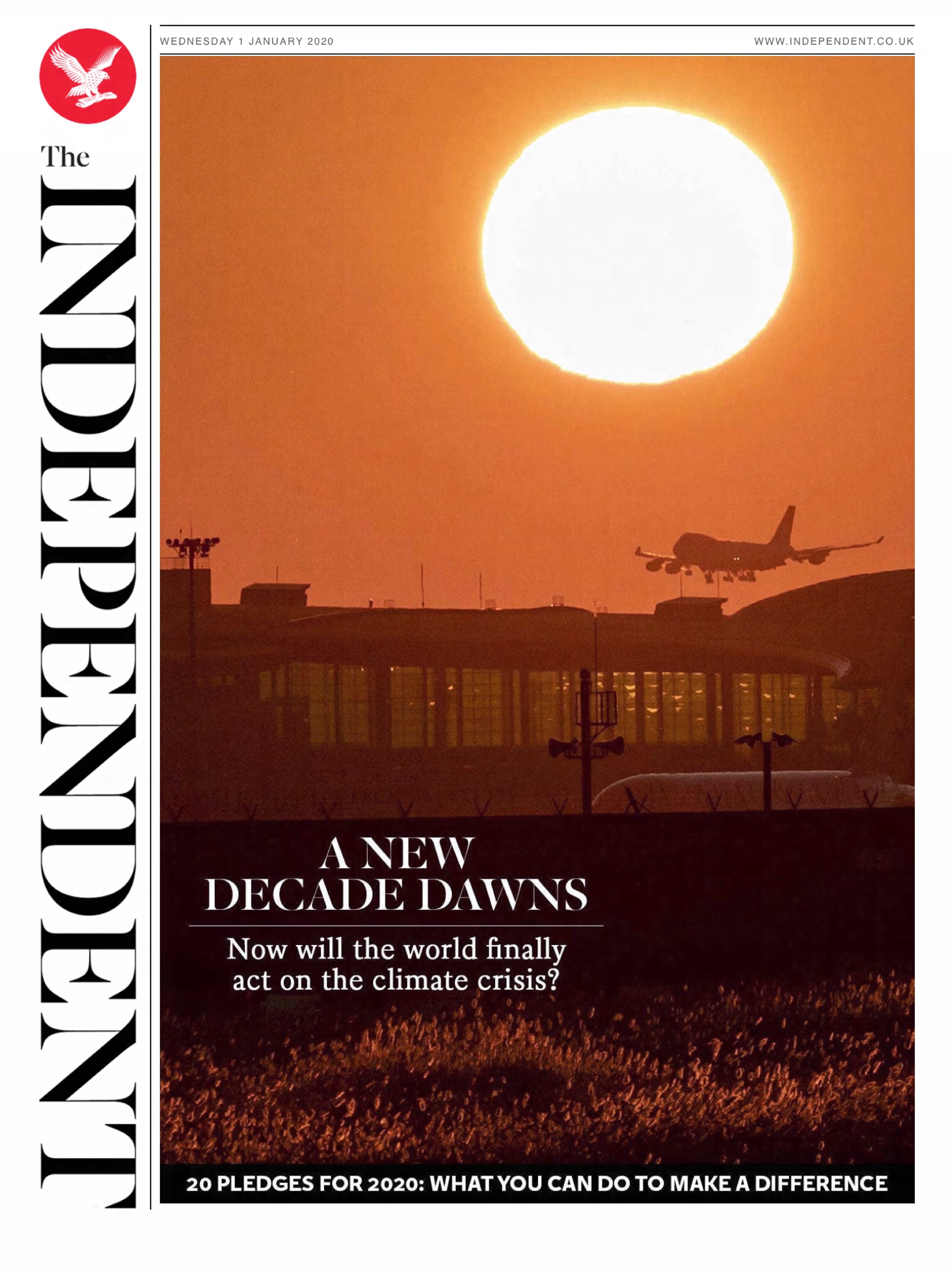
1 January 2020 – New decade renews climate fears
A new decade begins with renewed urgency over the climate crisis, as world leaders face mounting pressure to act after years of extreme weather. With wildfires raging in Australia and temperatures reaching 50C, The Independent warns that the coming years will be critical following a decade marked by a rising number of natural disasters worldwide.
open image in gallery
(The Independent)
SOURCE PAGE

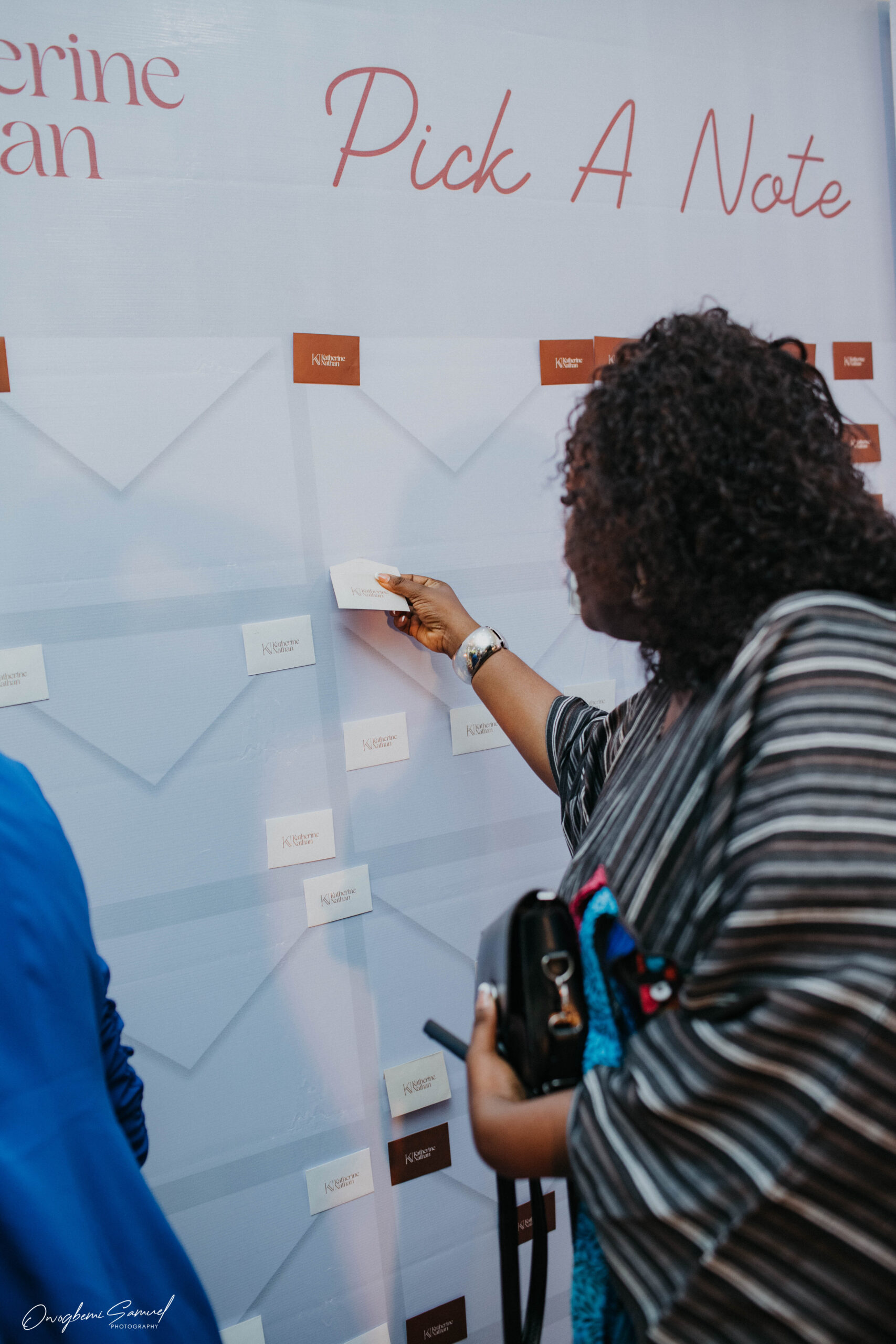
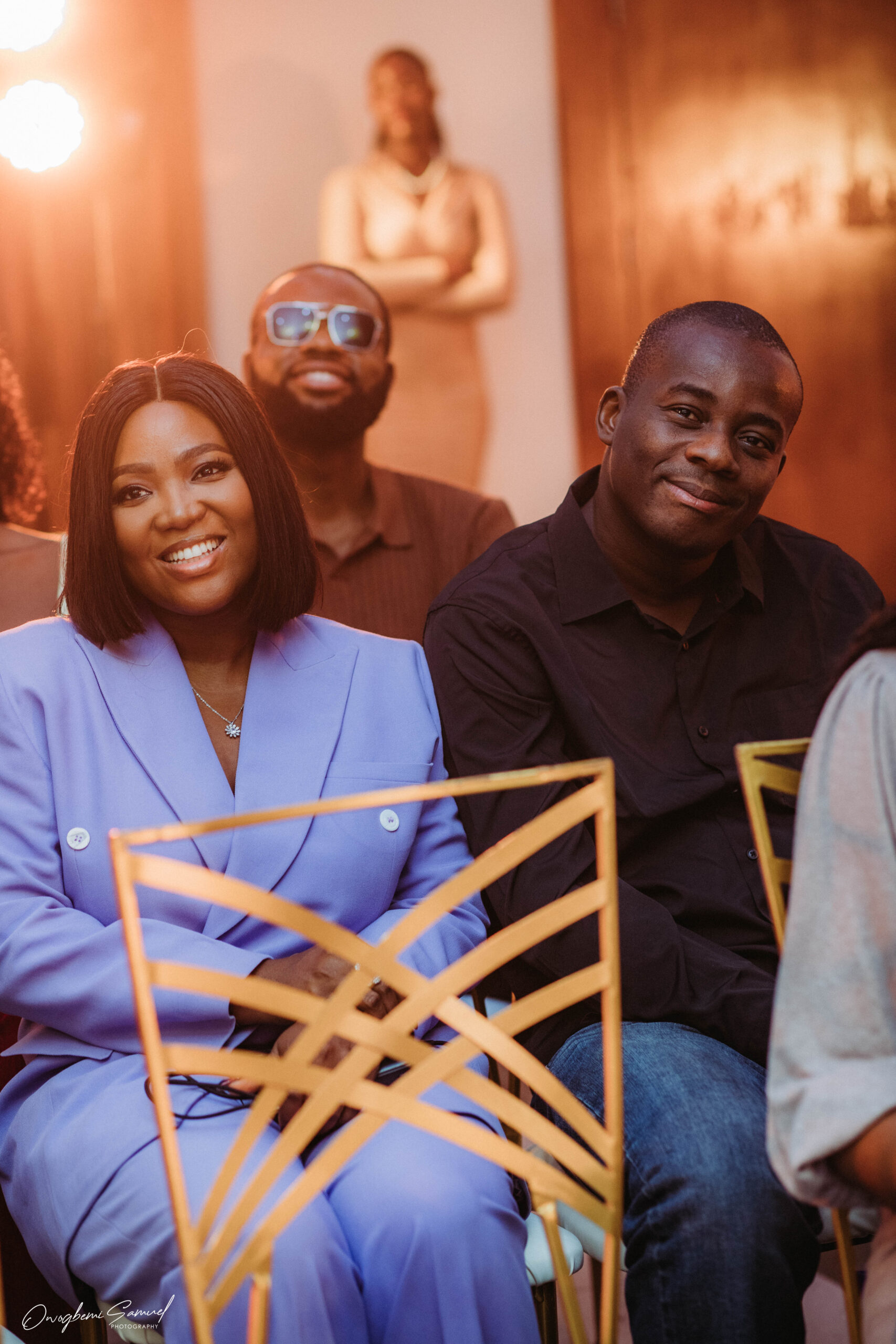
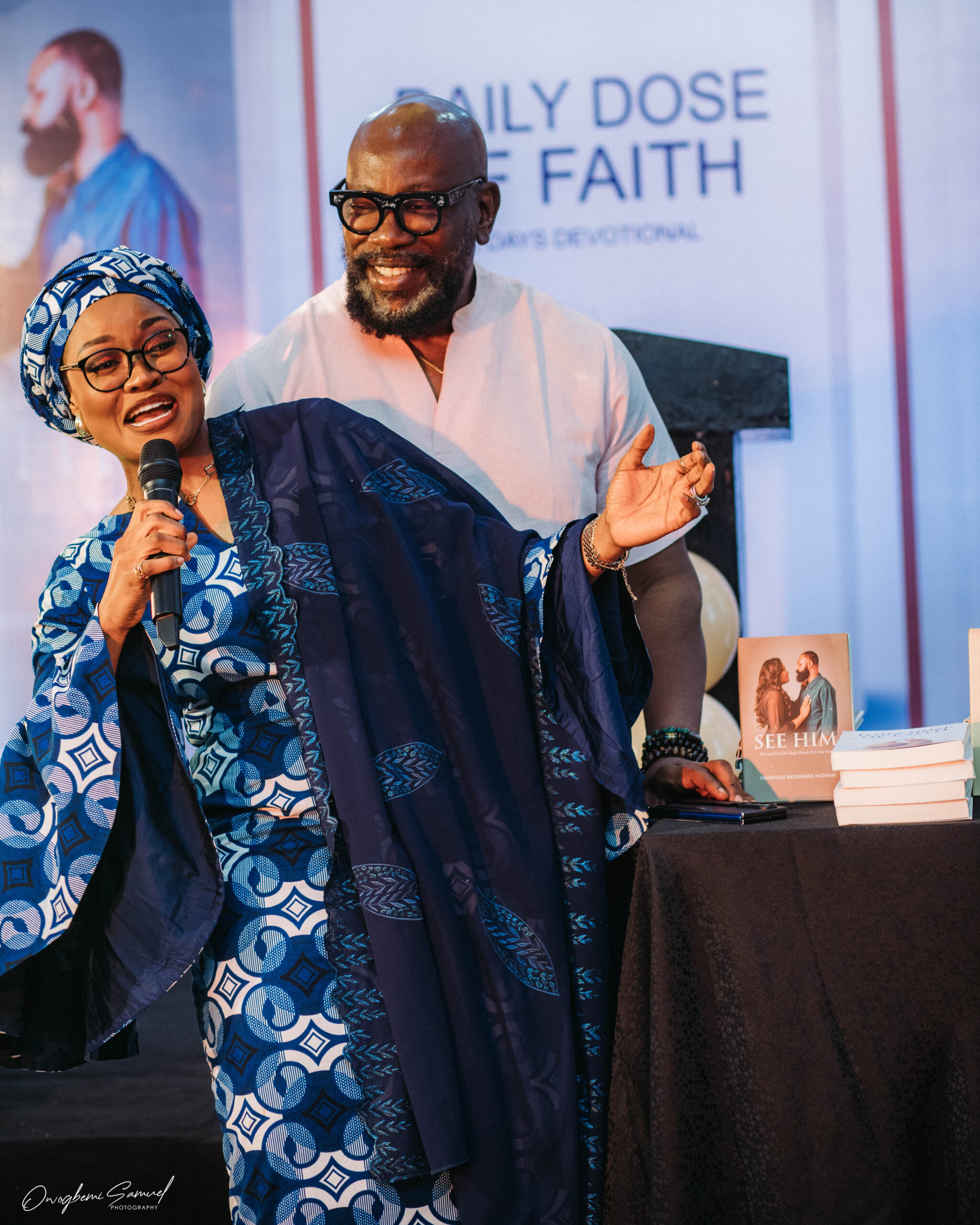
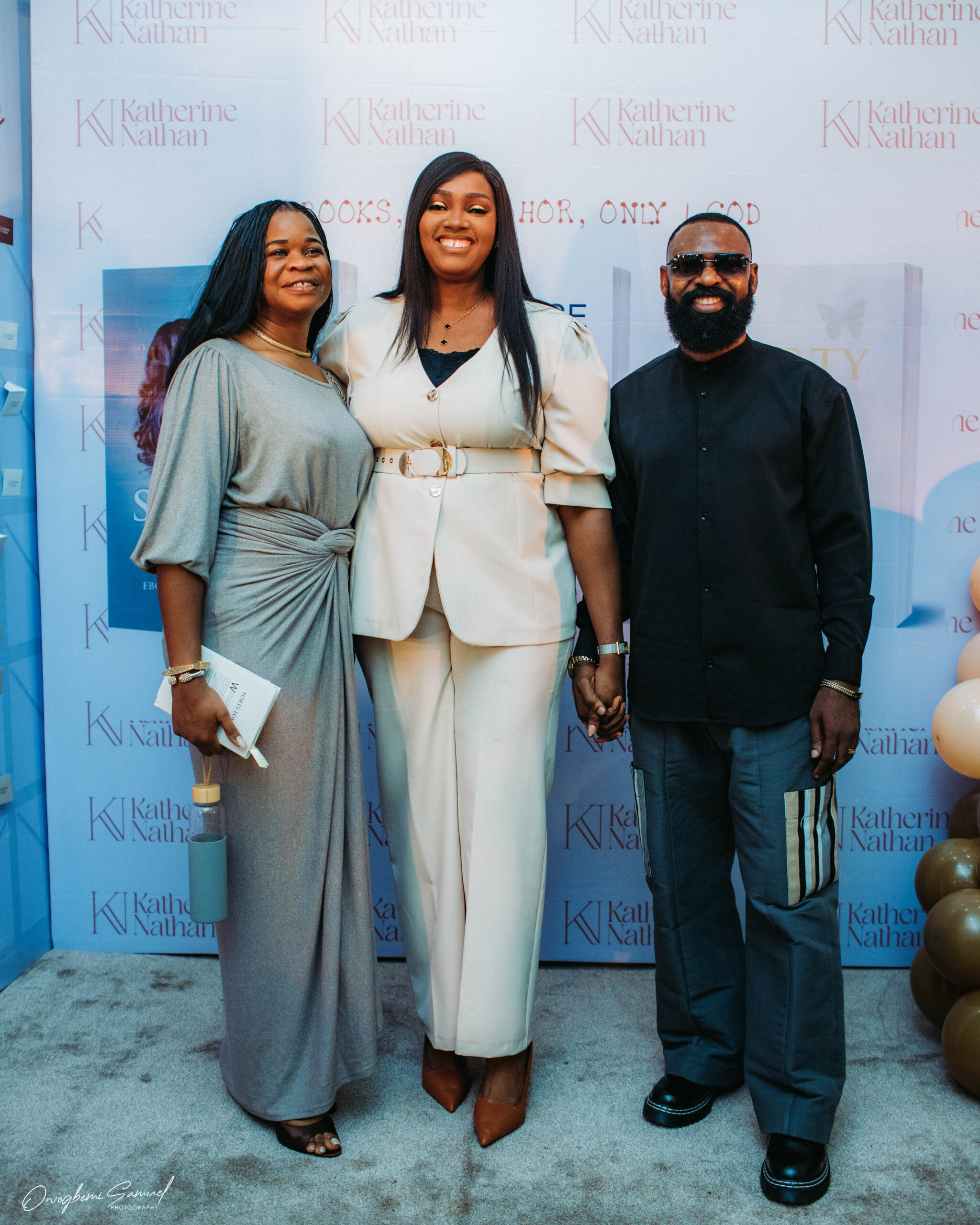
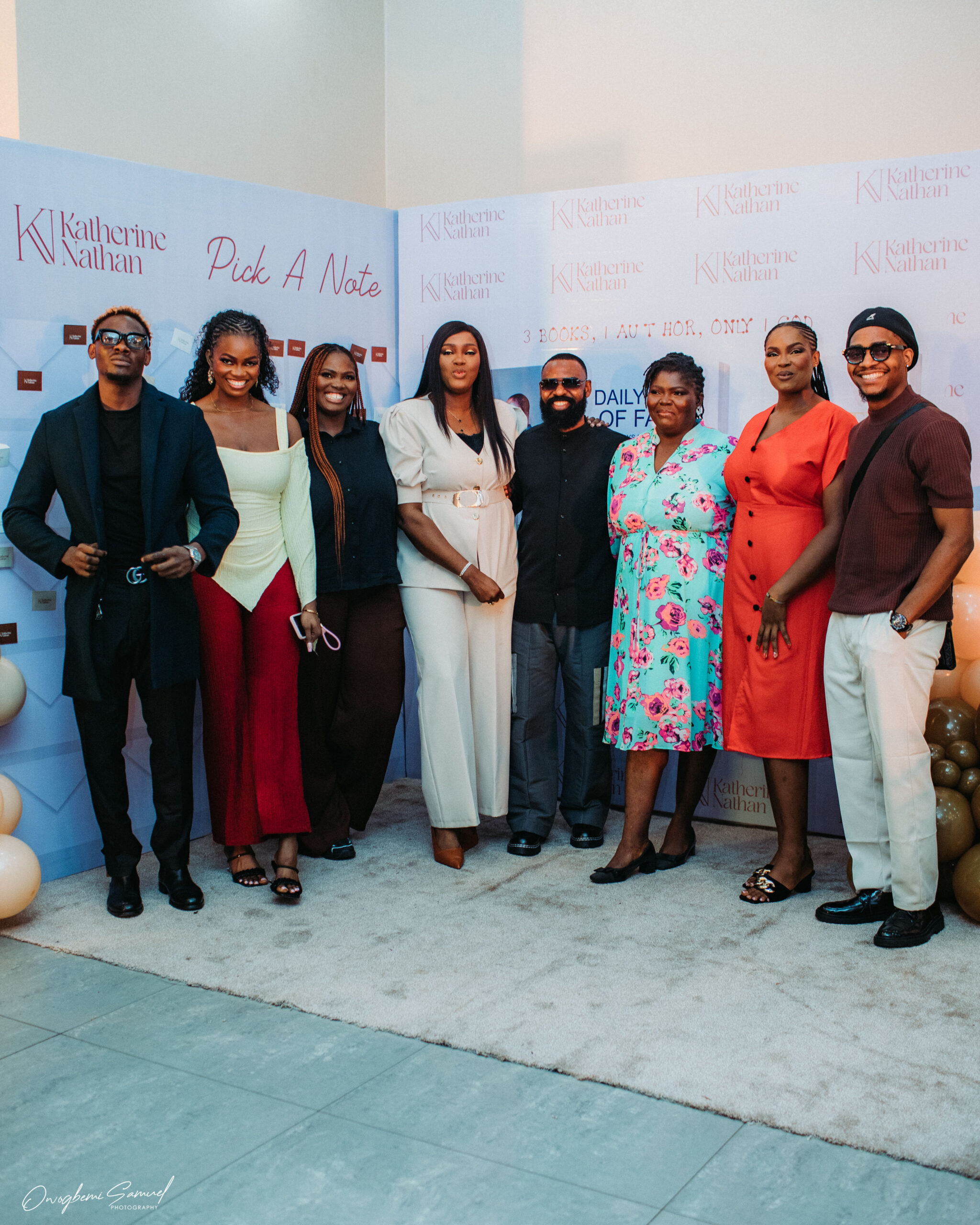
Friends, family, faith leaders, and the Lagos literary community gathered in support on Thursday, December 18th, 2025, to celebrate author Katherine Nathan at the launch of her three new books: See Him, Forty Four, and Daily Dose of Faith. Held at the prestigious Oriental Hotel in Lekki, the event was less a conventional launch and more a heartfelt gathering of testimony, marking the culmination of a deeply personal journey.
Katherine Nathan is an author, speaker, and faith advocate whose work is shaped by deeply personal experiences of marriage, motherhood, loss, and spiritual growth. Over the years, she has become known for telling honest, unfiltered stories that speak to everyday faith, emotional healing, and the quiet strength required to navigate life’s hardest seasons. Through her writing and digital platforms, she has built a community of readers who connect with her vulnerability and practical approach to Christian living.
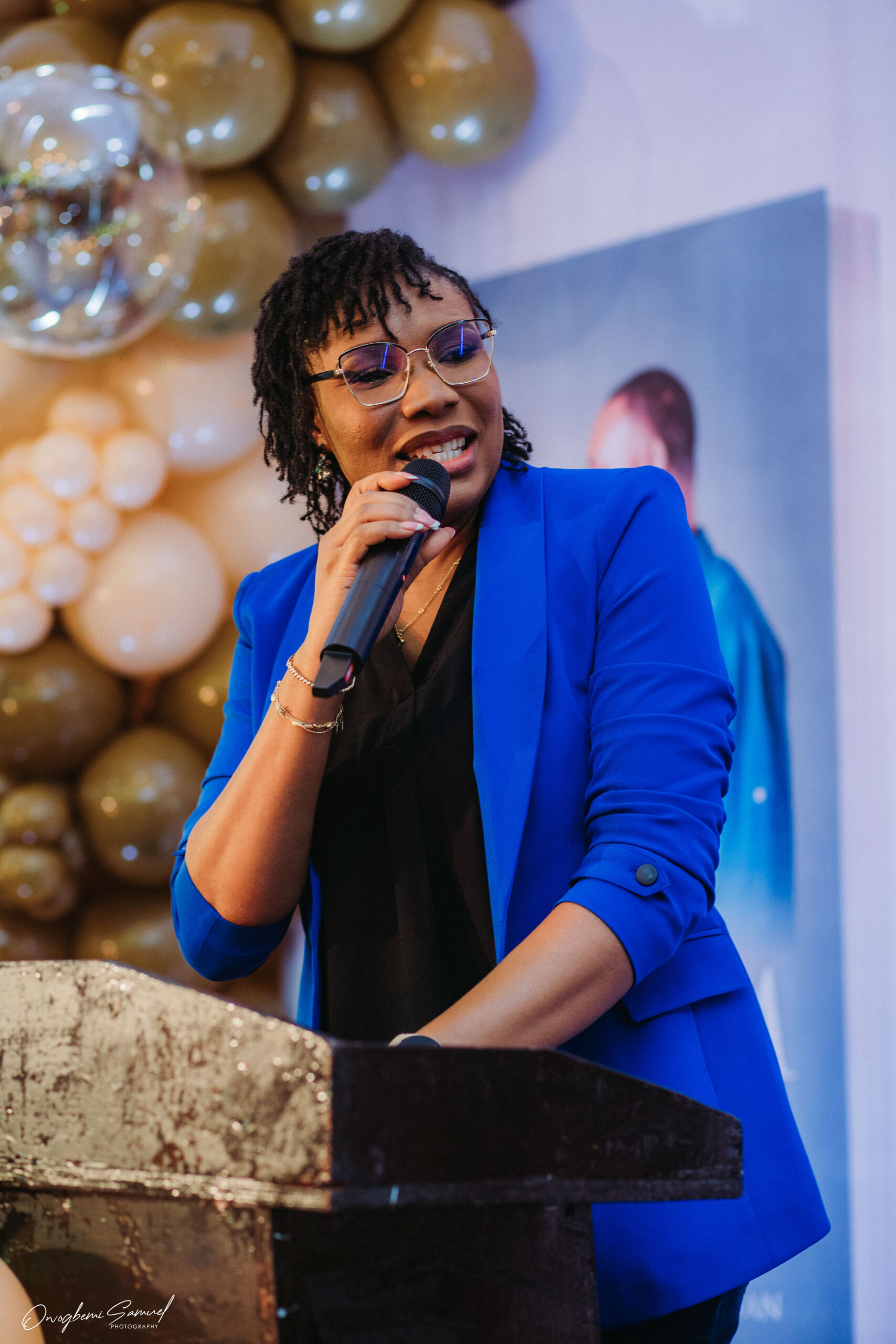
The atmosphere was charged with emotion and celebration as guest speakers took turns to review and honor the new works. Each speaker provided a unique lens through which the audience could appreciate the profound messages within the books.

The launch of See Him, a book exploring marital perspective, was powerfully endorsed by the author’s mother, Barrister Bridget Okpeaye. In a moving review, she illustrated the book’s core message with a parable about perception, telling the story of a woman who criticized her neighbour’s laundry, only to discover her own windows were dirty.
“Sometimes when you look at other people,” she shared, “you are not looking through the lens you were supposed to.” She affirmed the book as an essential guide for couples at any stage, declaring her daughter an “erudite marriage counselor.”
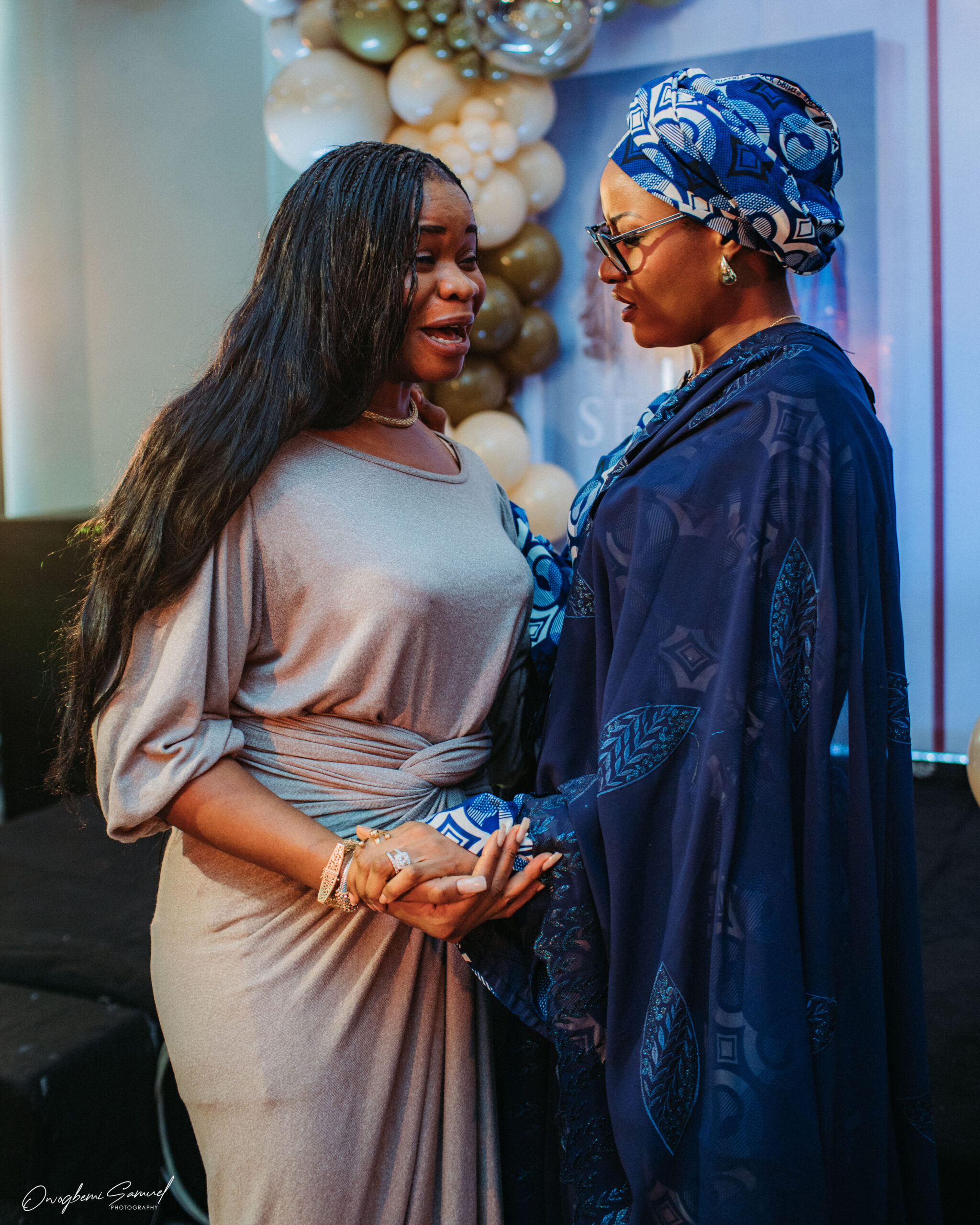
The narrative of Forty Four, a raw and honest account of loss and restoration resonated deeply. Dr. May Ikeora, who read the book in “1 hour 30 minutes,” spoke of its gripping portrayal of “pain turned to purpose,” highlighting its exploration of grief and surrendered faith. Dr. Christy Amida followed with a deeply personal testament, revealing how the narrative unearthed her own hidden trauma. “You healed me,” she addressed Katherine. “I didn’t know I was still in pain.” Their reviews transformed the book’s launch into a communal moment of healing and acknowledgment.
Completing the trilogy, the Daily Dose of Faith devotional was championed as a practical tool for everyday spiritual resilience. Ogochukwu Ghereje, who Katherine calls ‘Mother’, passionately urged attendees to purchase multiple copies as gifts, stating, “This is not the kind of book you buy one… buy like ten.” Pastor Chikezie Oke framed the devotional as a key to daily divine encounters and a source of courage for turbulent times.
The event also featured heartfelt contributions from Samuel Okpeaye (Author’s father), Pastor Eyewunmi Ghereje, Victoria Naomi Ogor, Prince NathanUduma (Author’s husband), and a host of other loved ones.
Together, these three books represent a holistic offering: See Him for relational clarity, Forty Four for healing from profound loss, and Daily Dose of Faith for daily spiritual nourishment. They are the fruit of Katherine Nathan’s own seasons of waiting, revelation, and unwavering faith.
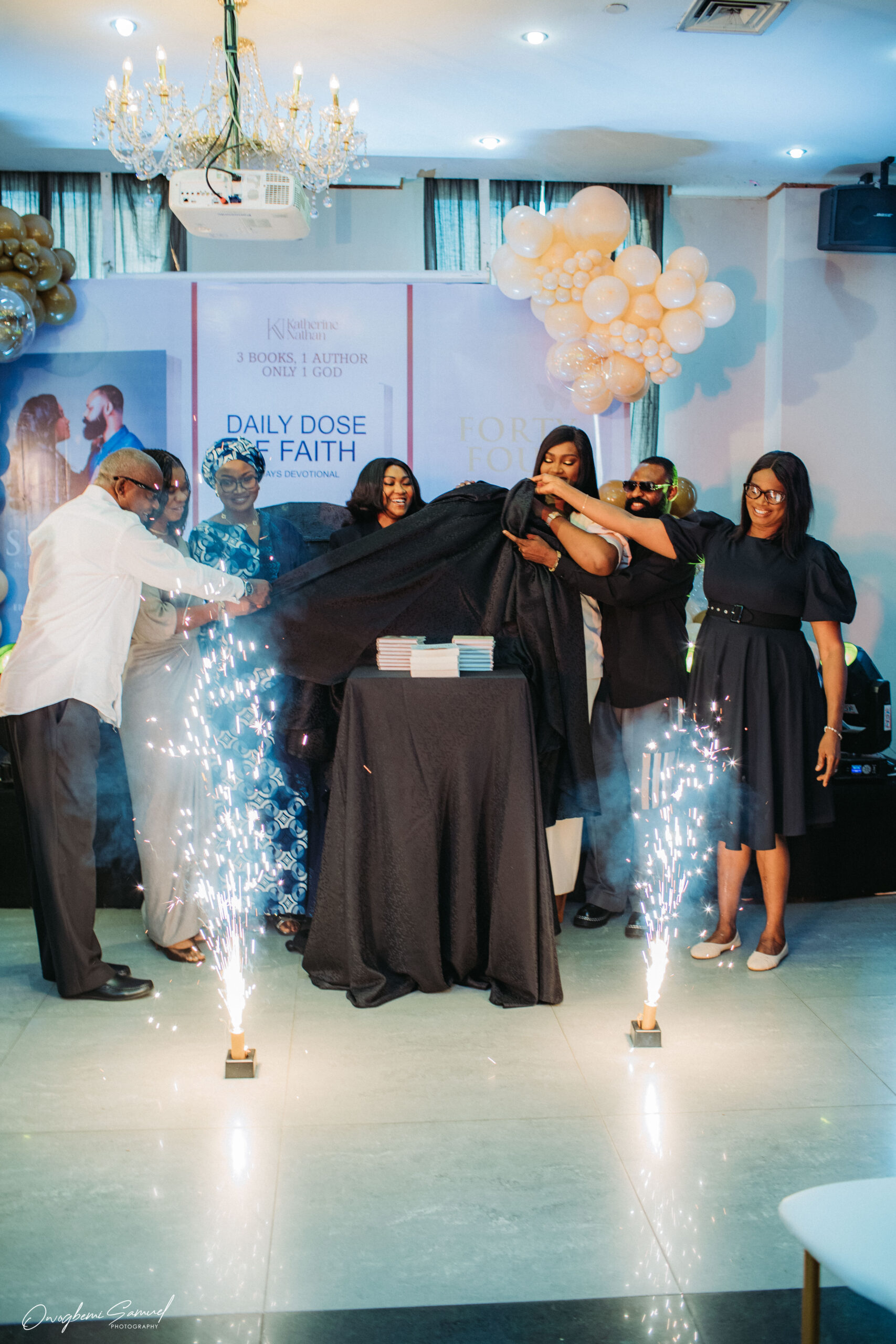
The Books Are Now Available!
Whether you are seeking guidance for your marriage, comfort in grief, or a consistent anchor for your faith, these books are prepared to journey with you.
Get Your Copies Today: Purchase the hardcopy and soft copy versions of See Him, Forty Four, and Daily Dose of Faith directly from the official website
Follow Katherine Nathan for more updates:
Instagram: @katherinenathan_o
YouTube: Katherine Nathan
LinkedIn: Katherine Nathan




















Sponsored Content

The universe truly works in different fascinating ways to bring two hearts together. In a divine twist of fate, Lauretta and Garrick became family friends, and it turned out to be the biggest blessing in disguise.
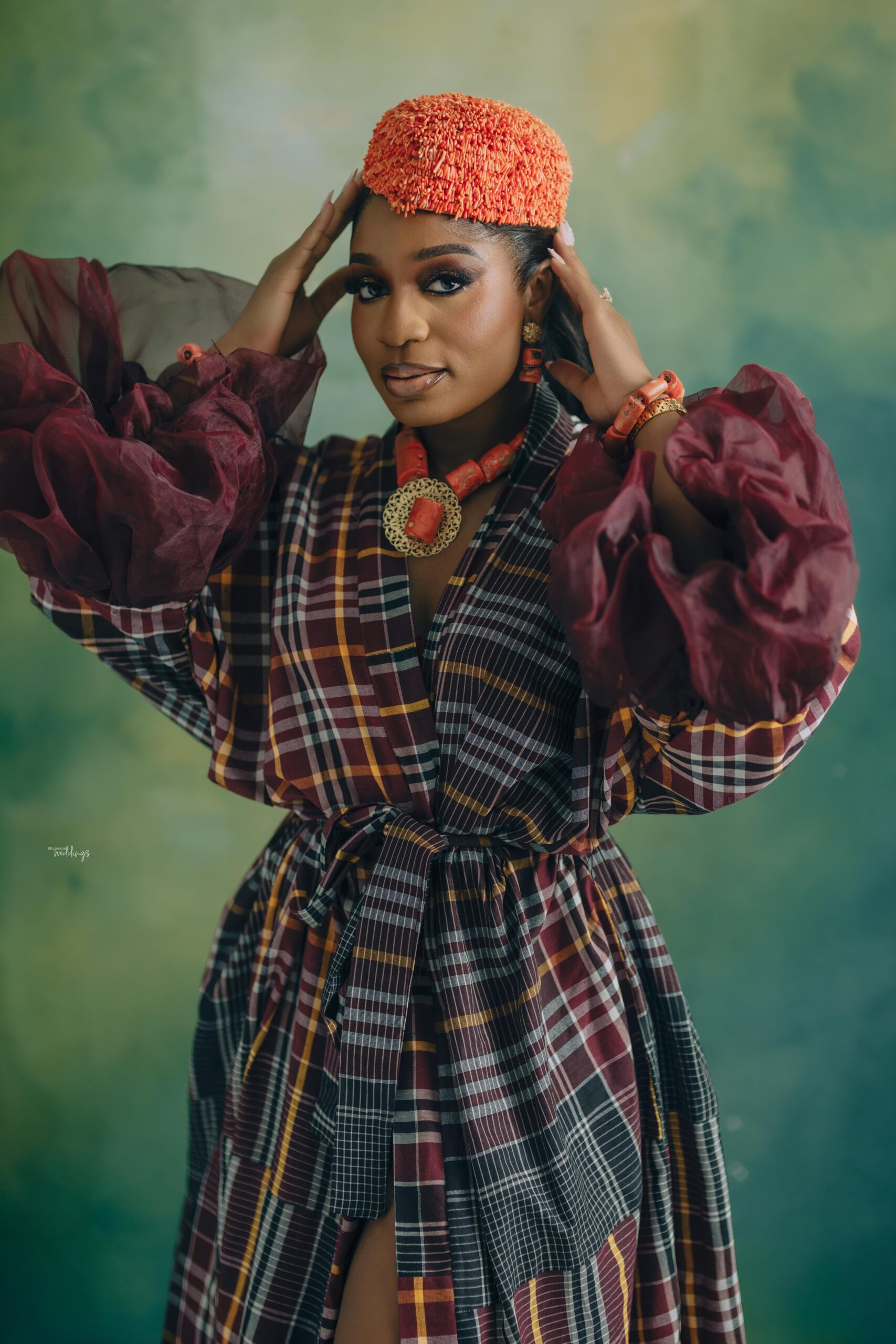
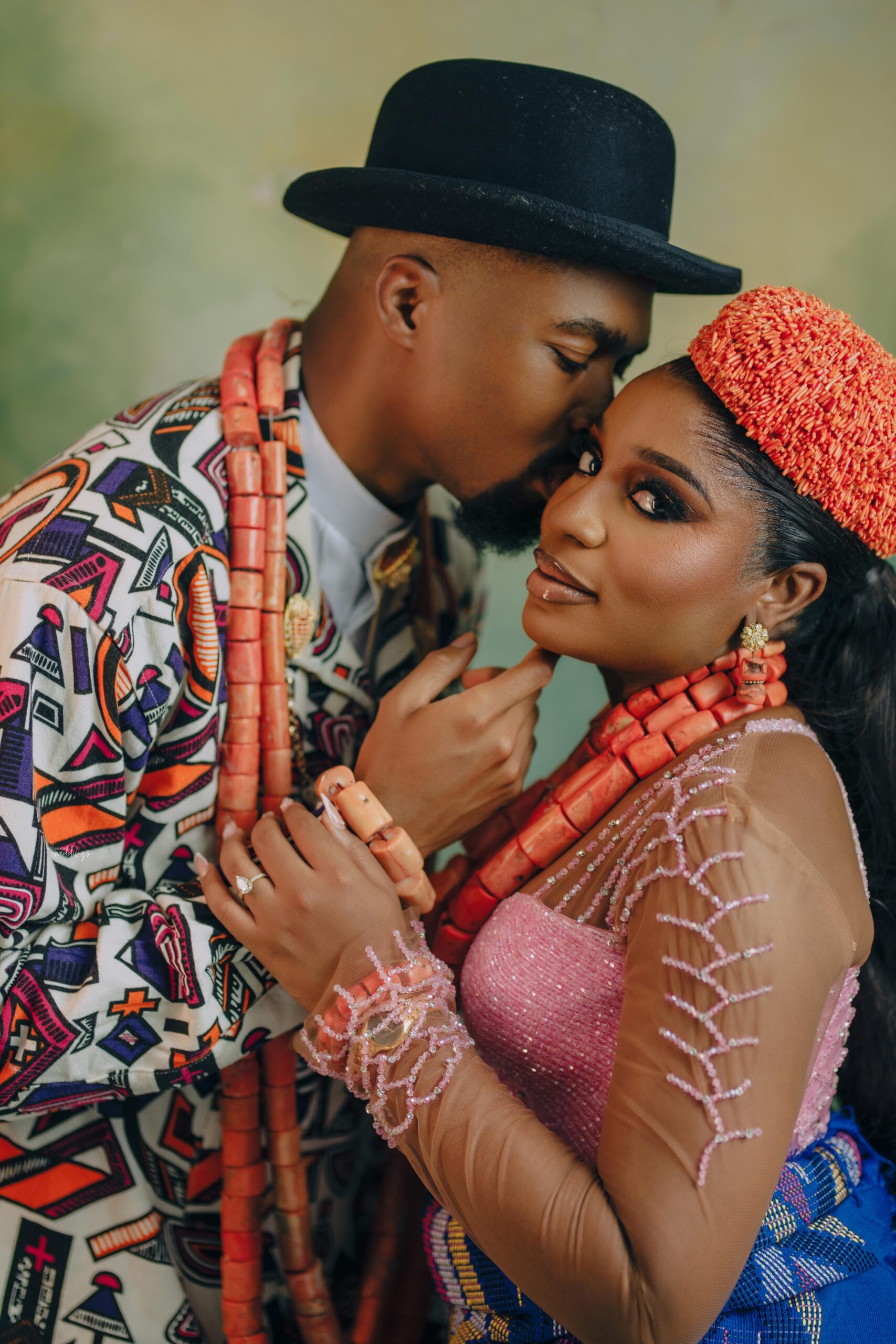
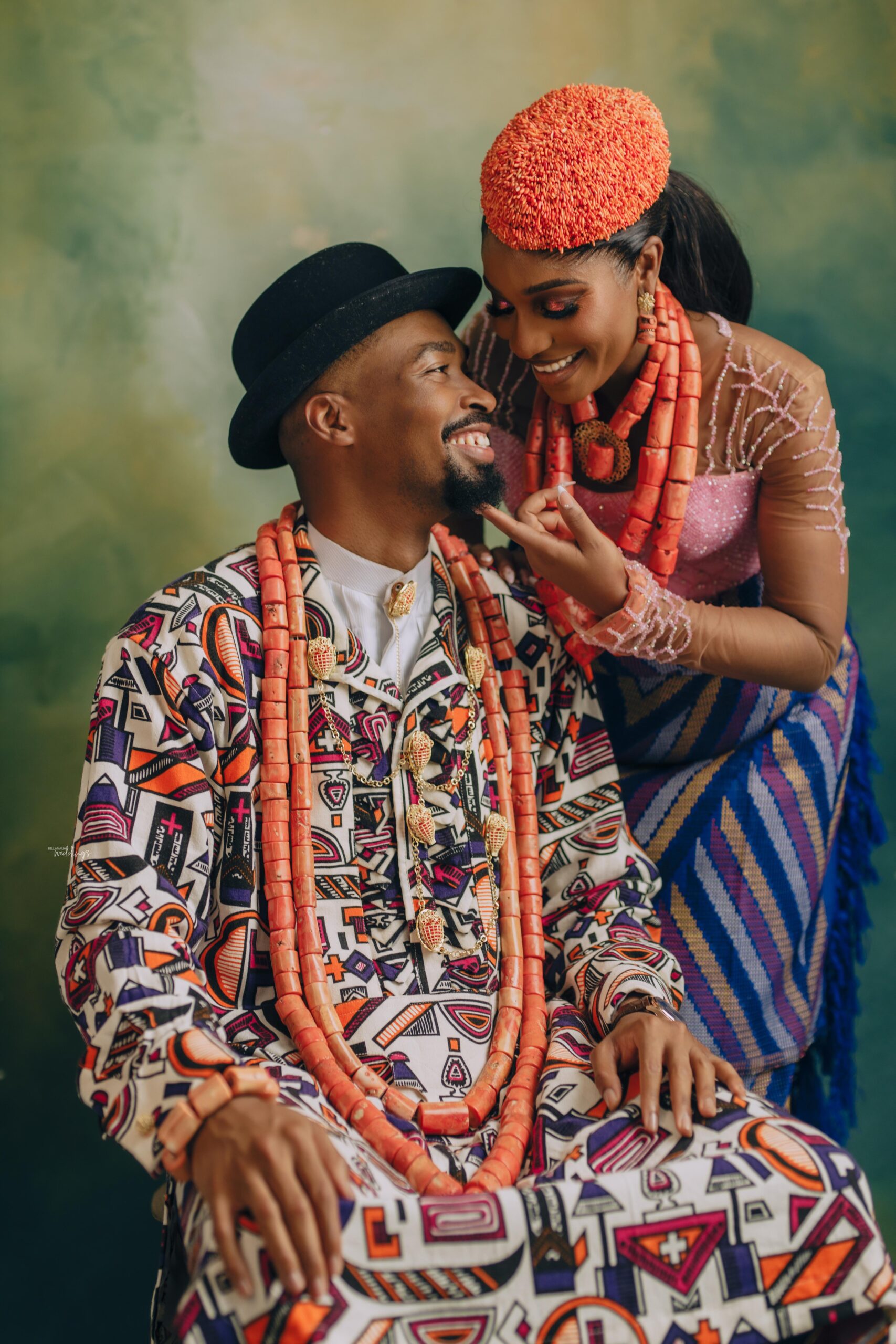
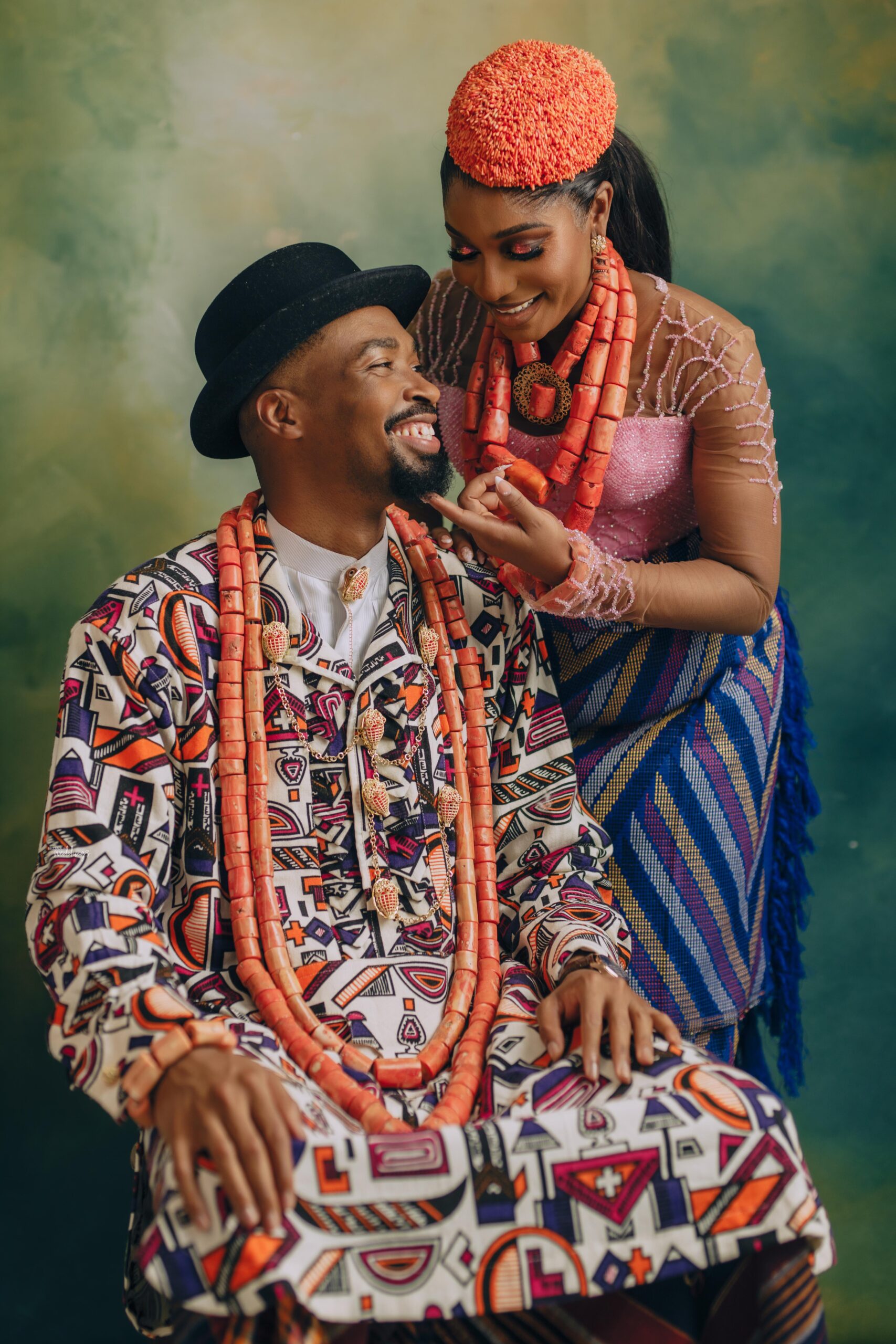
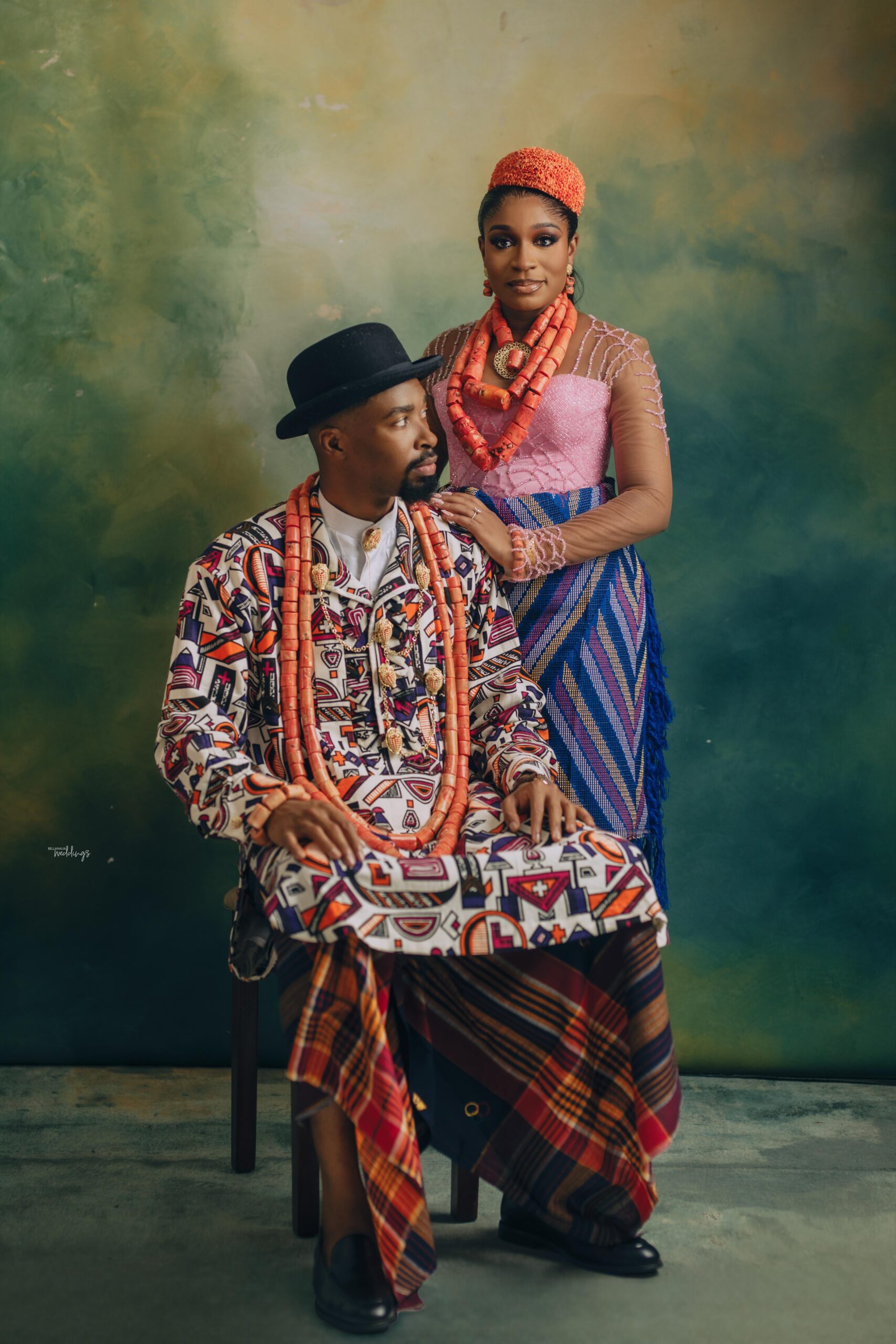
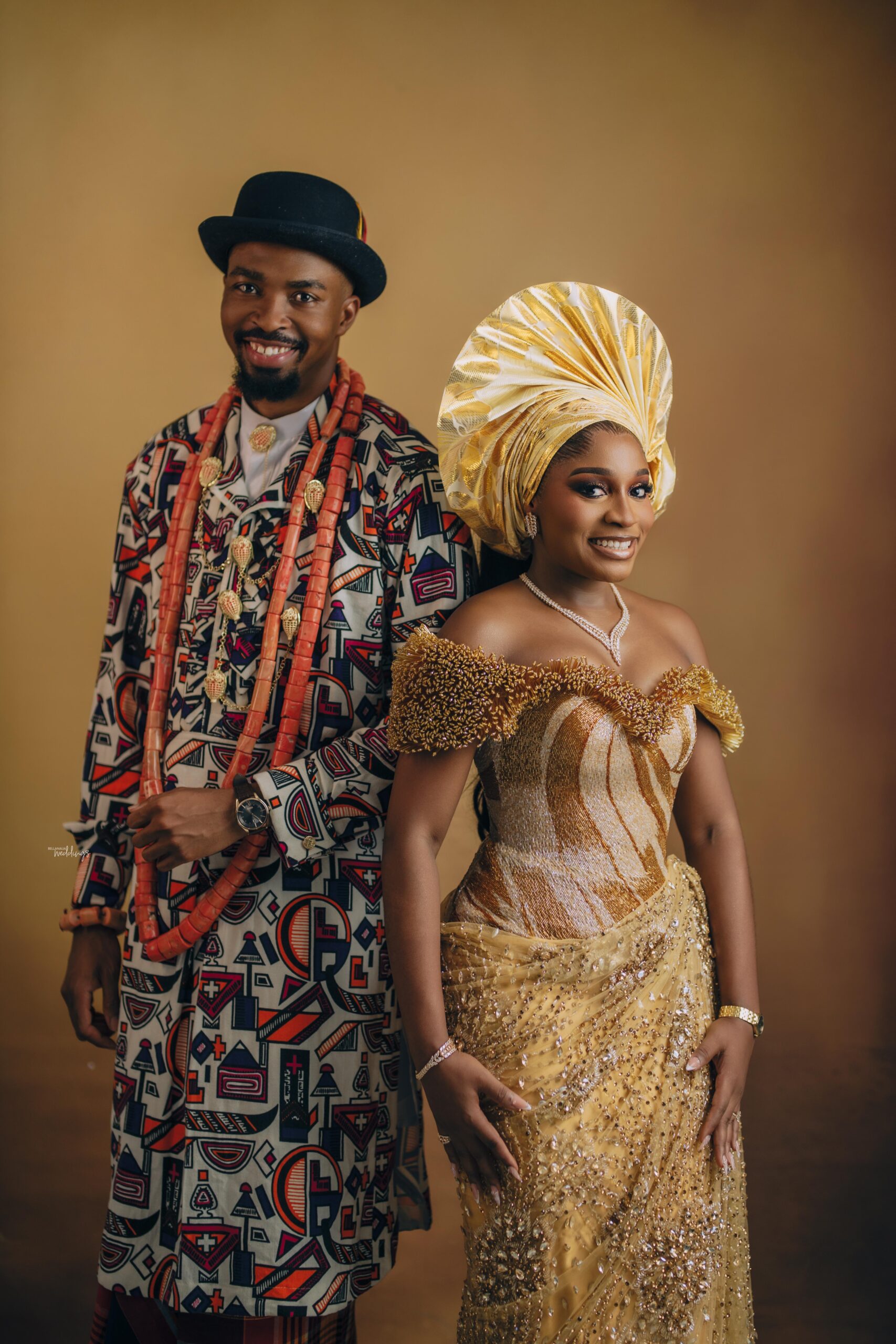
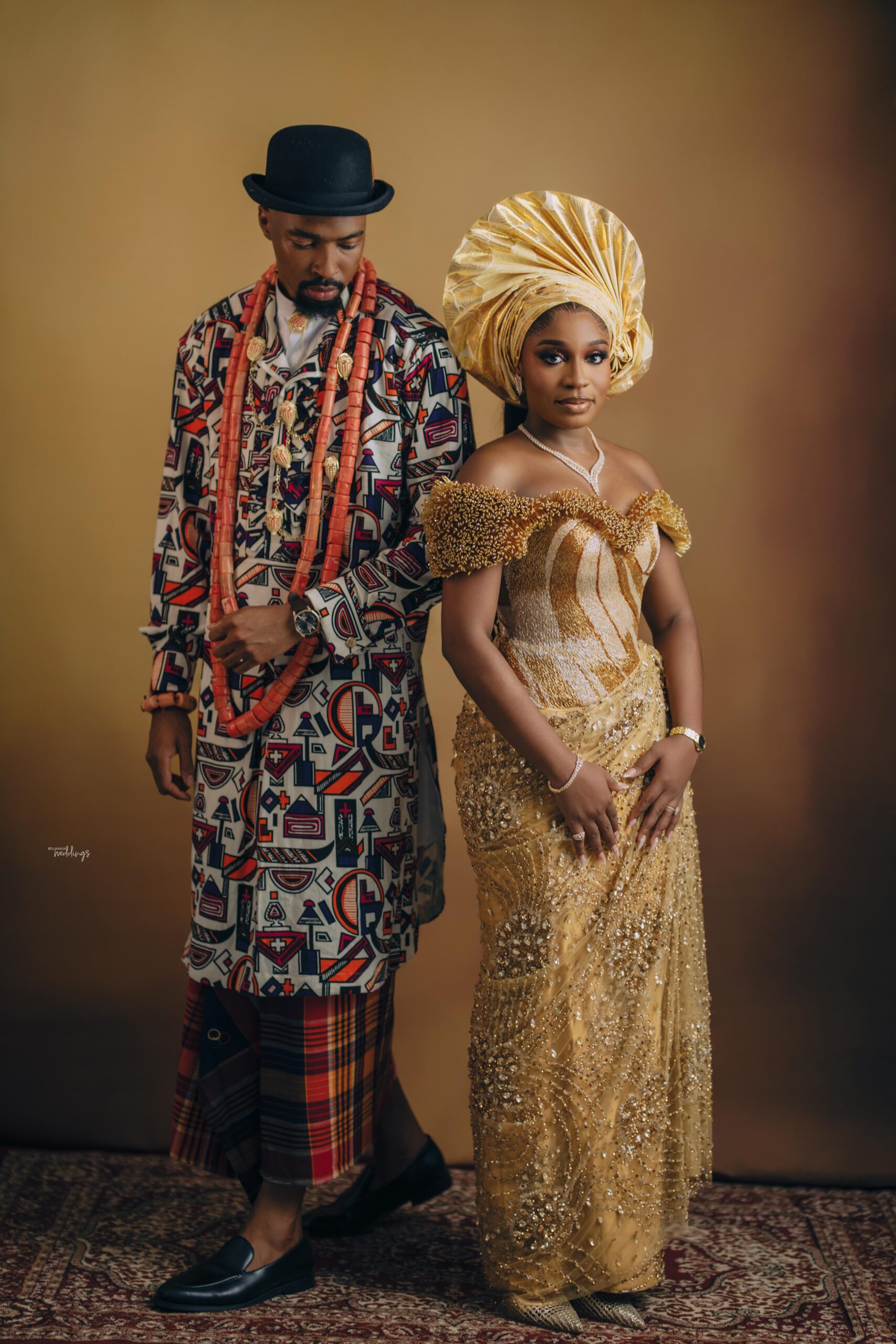
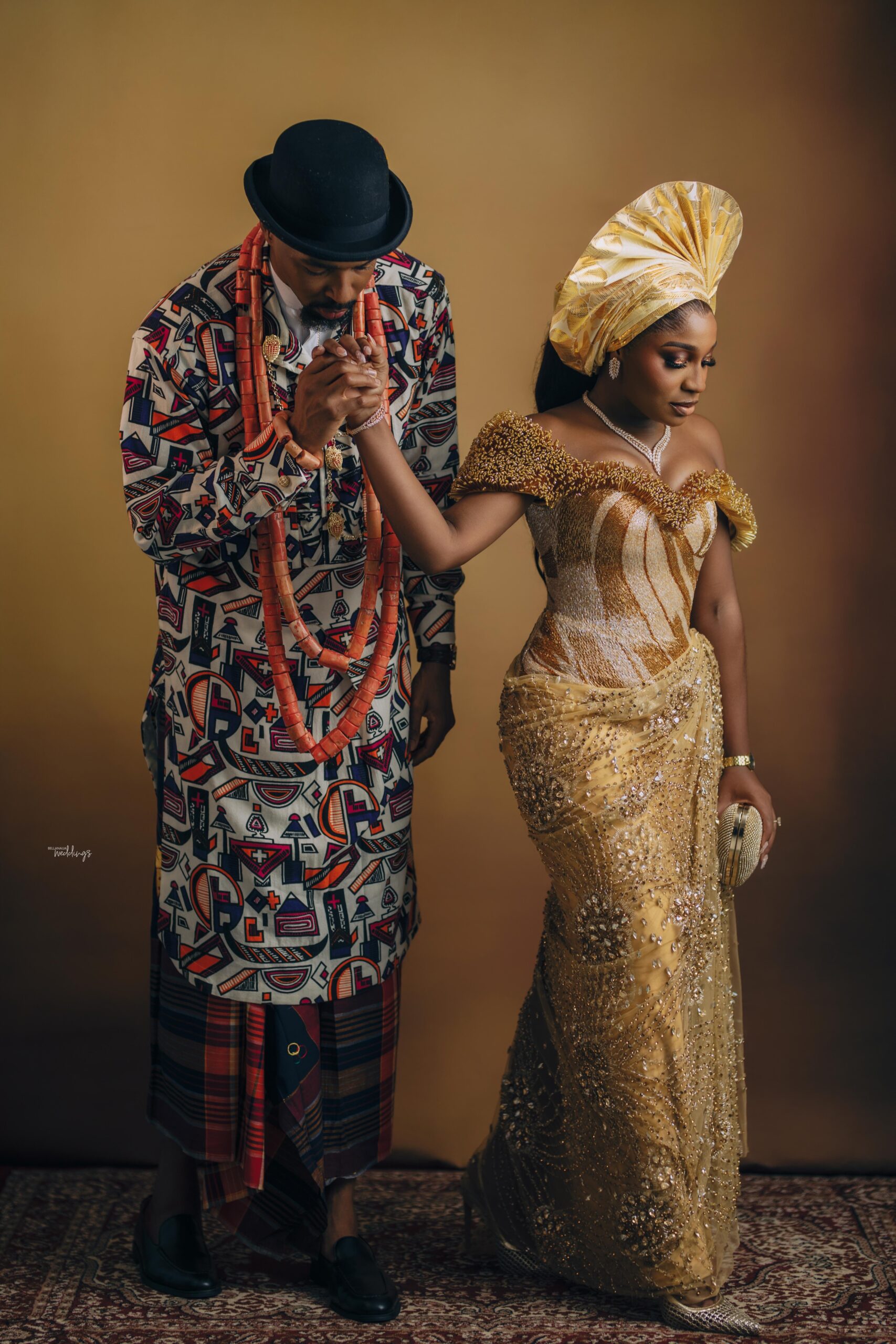
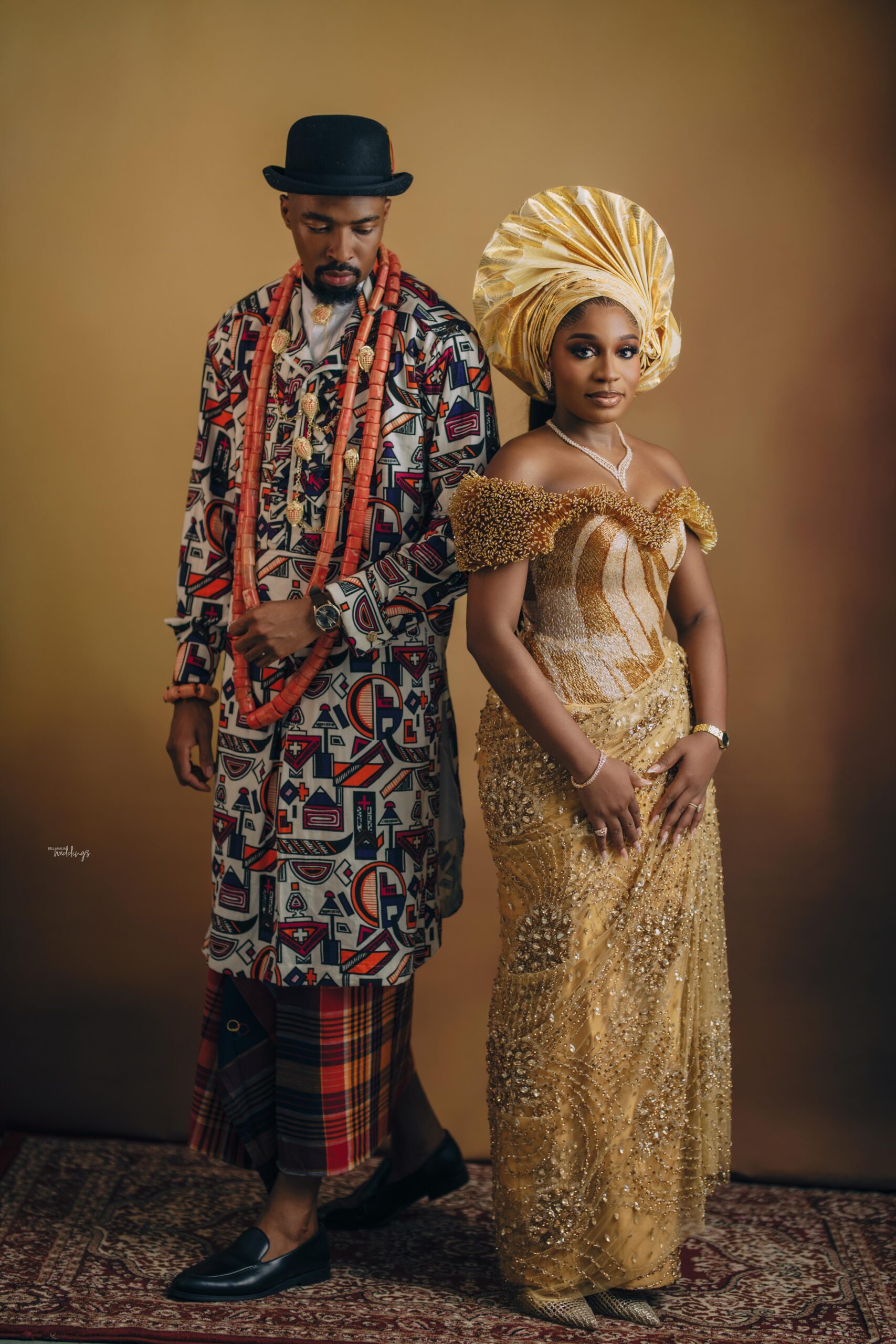
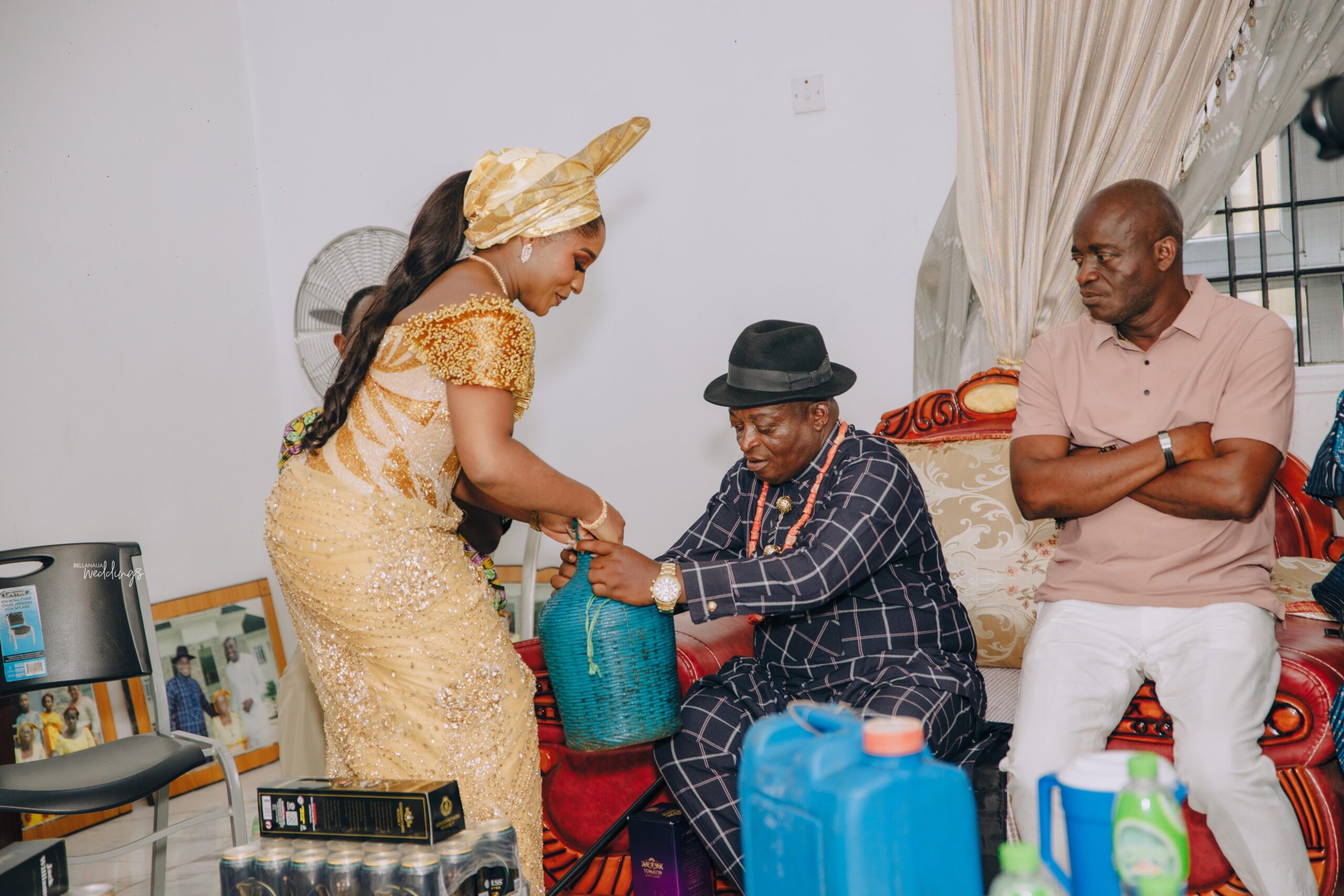
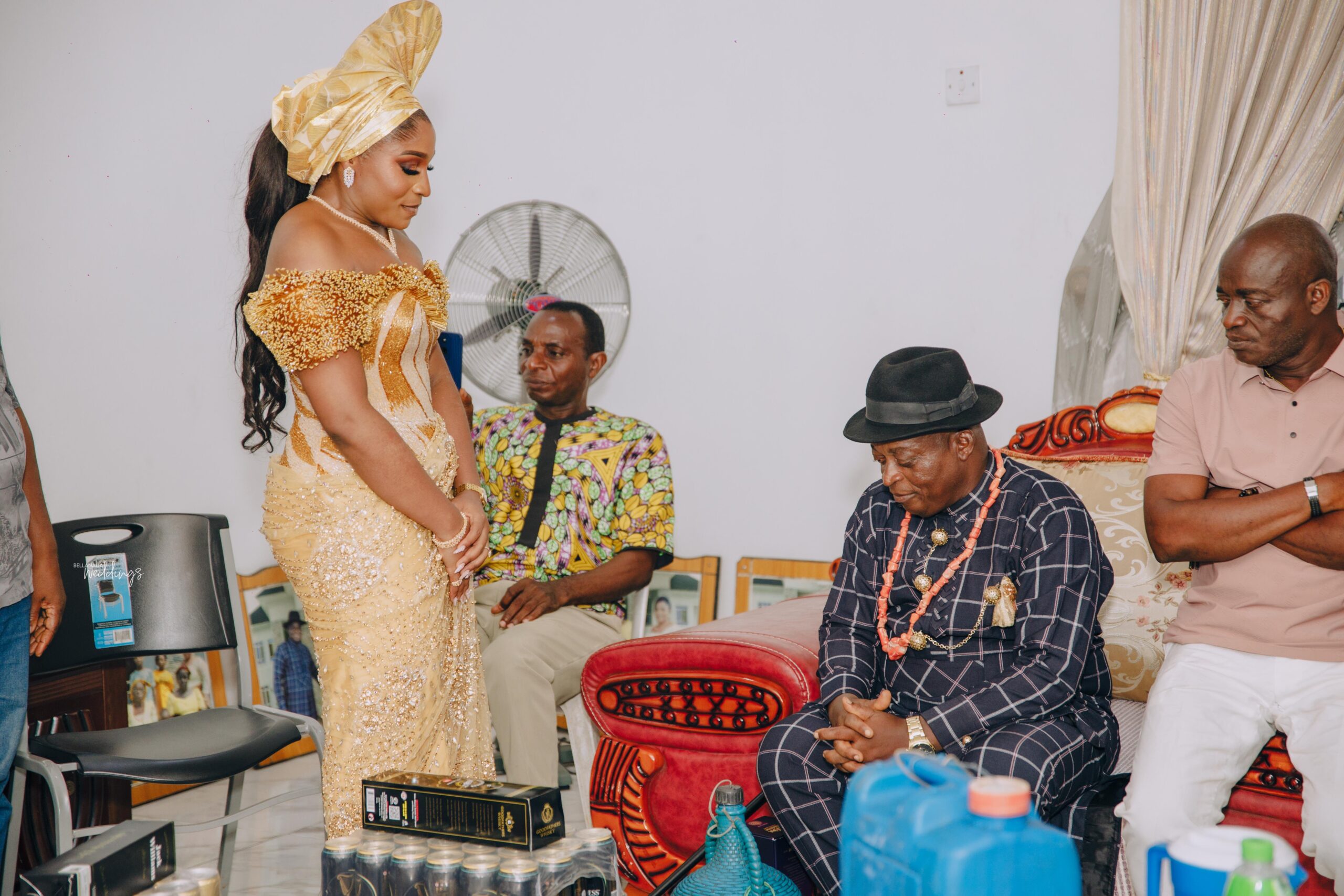
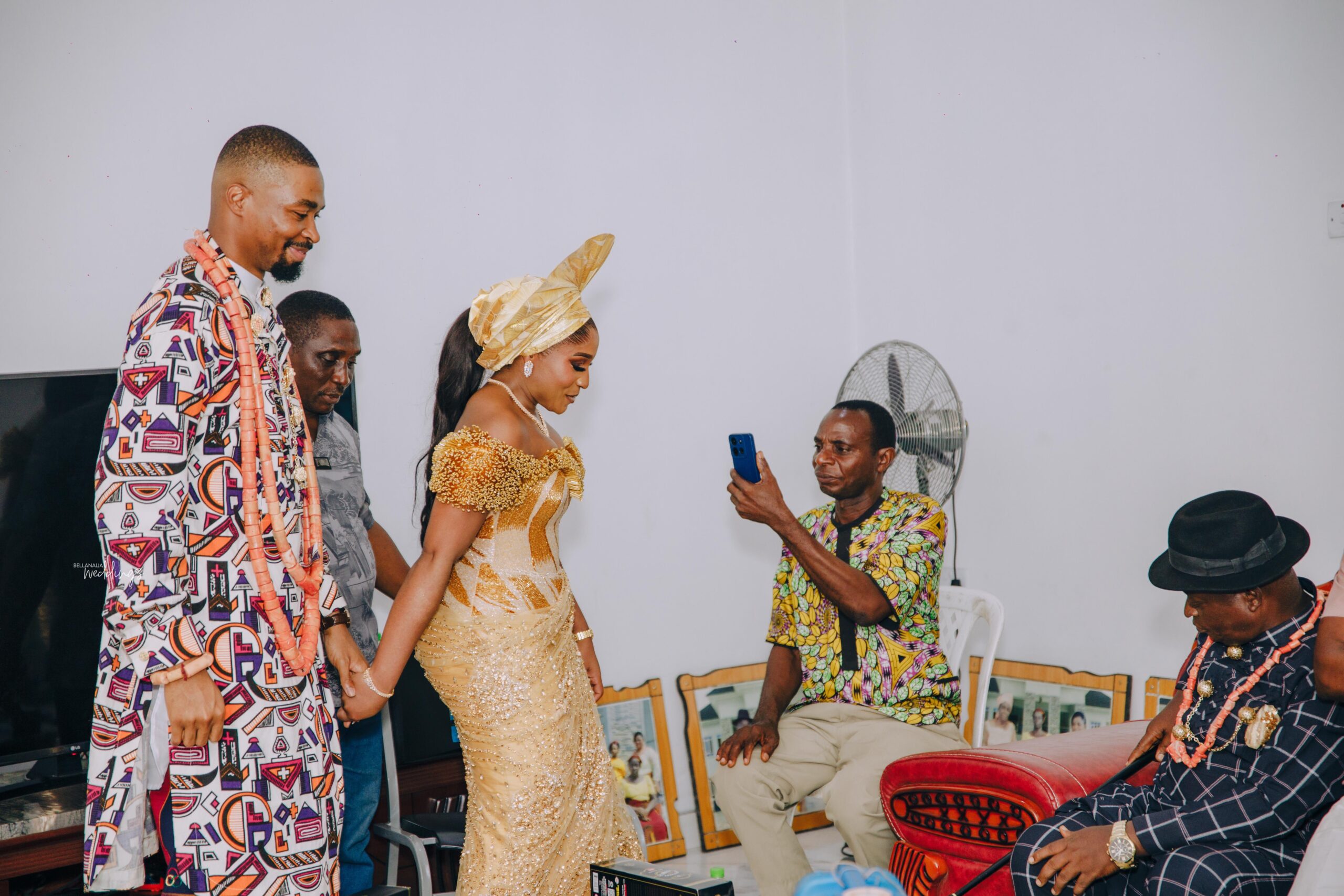
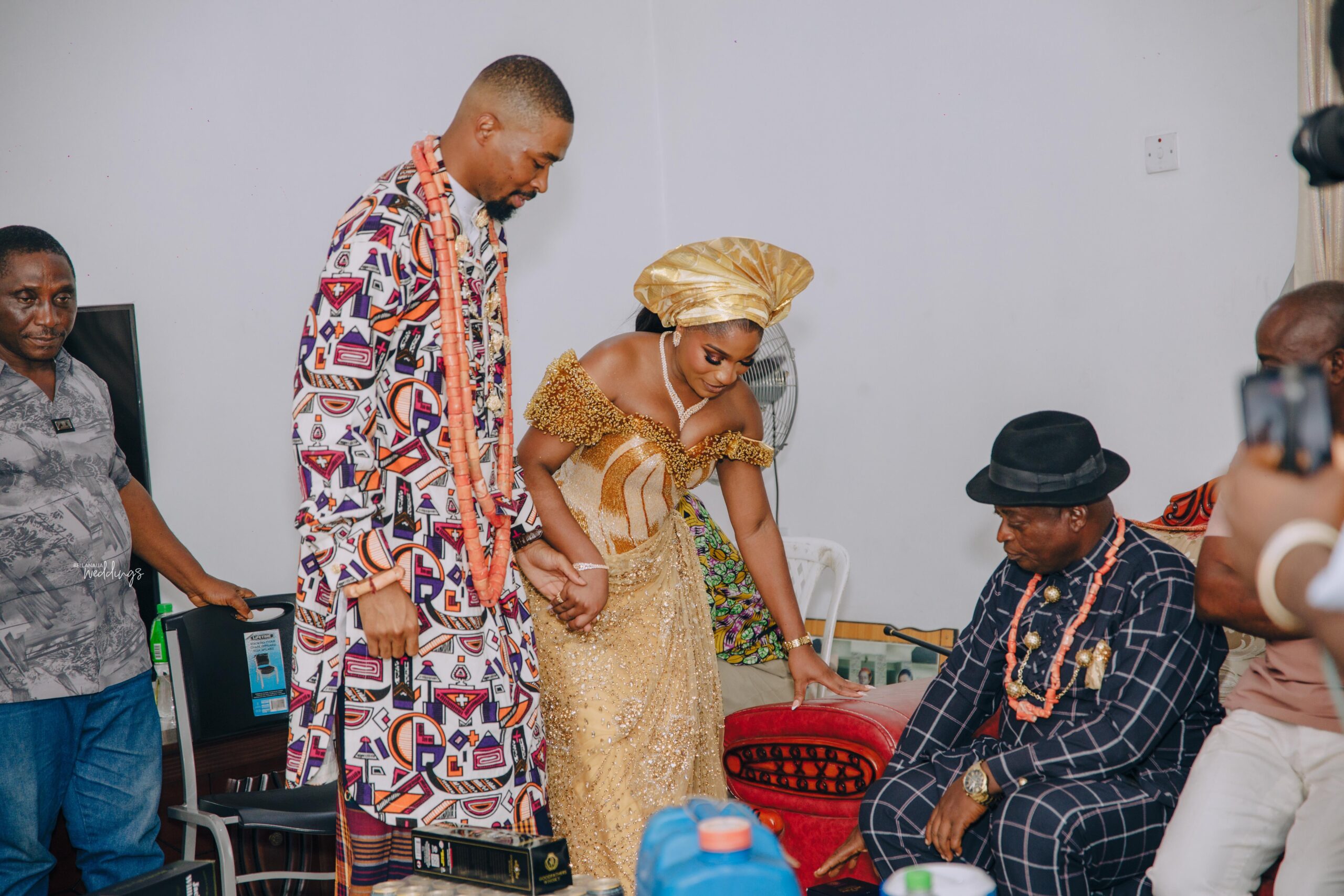
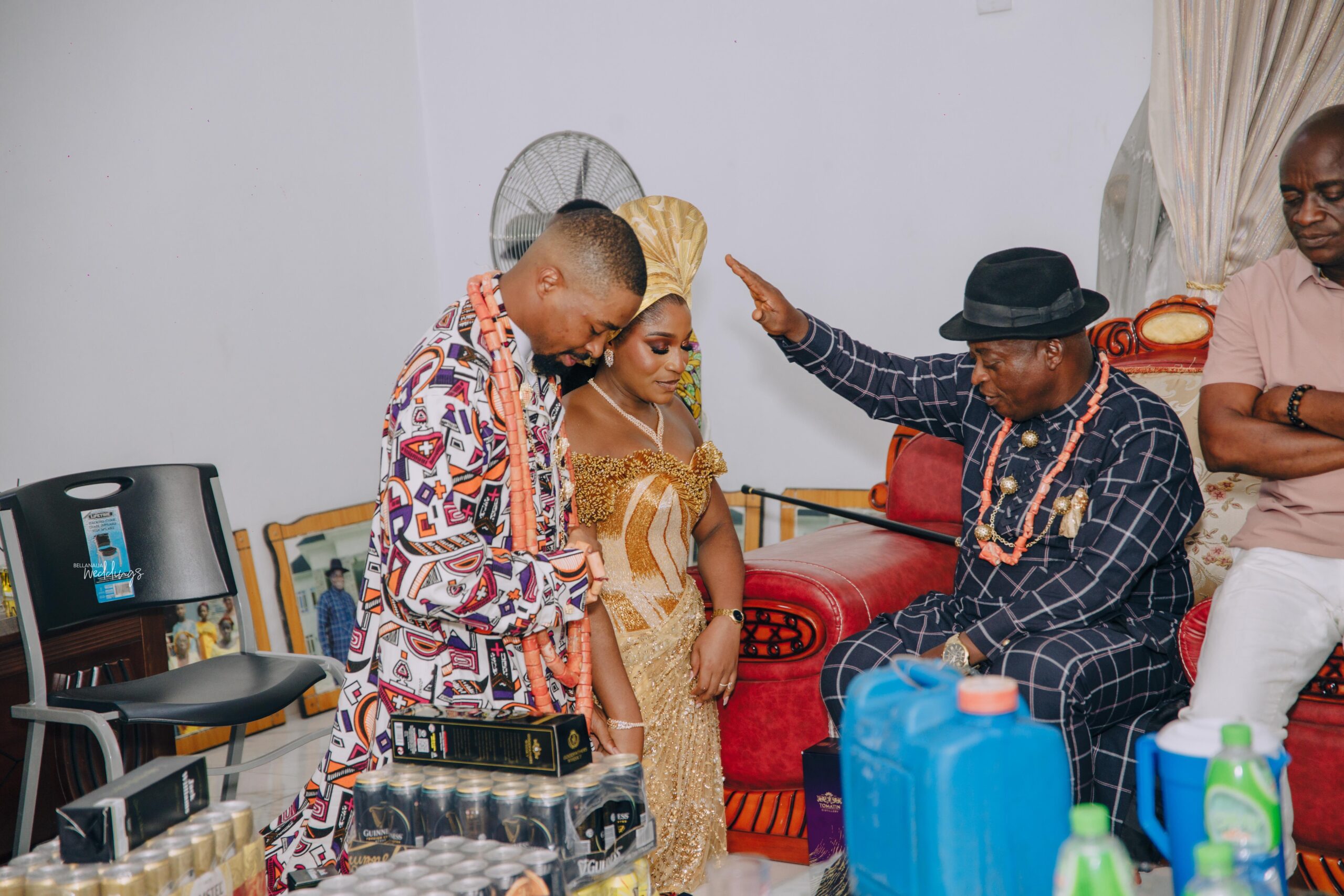
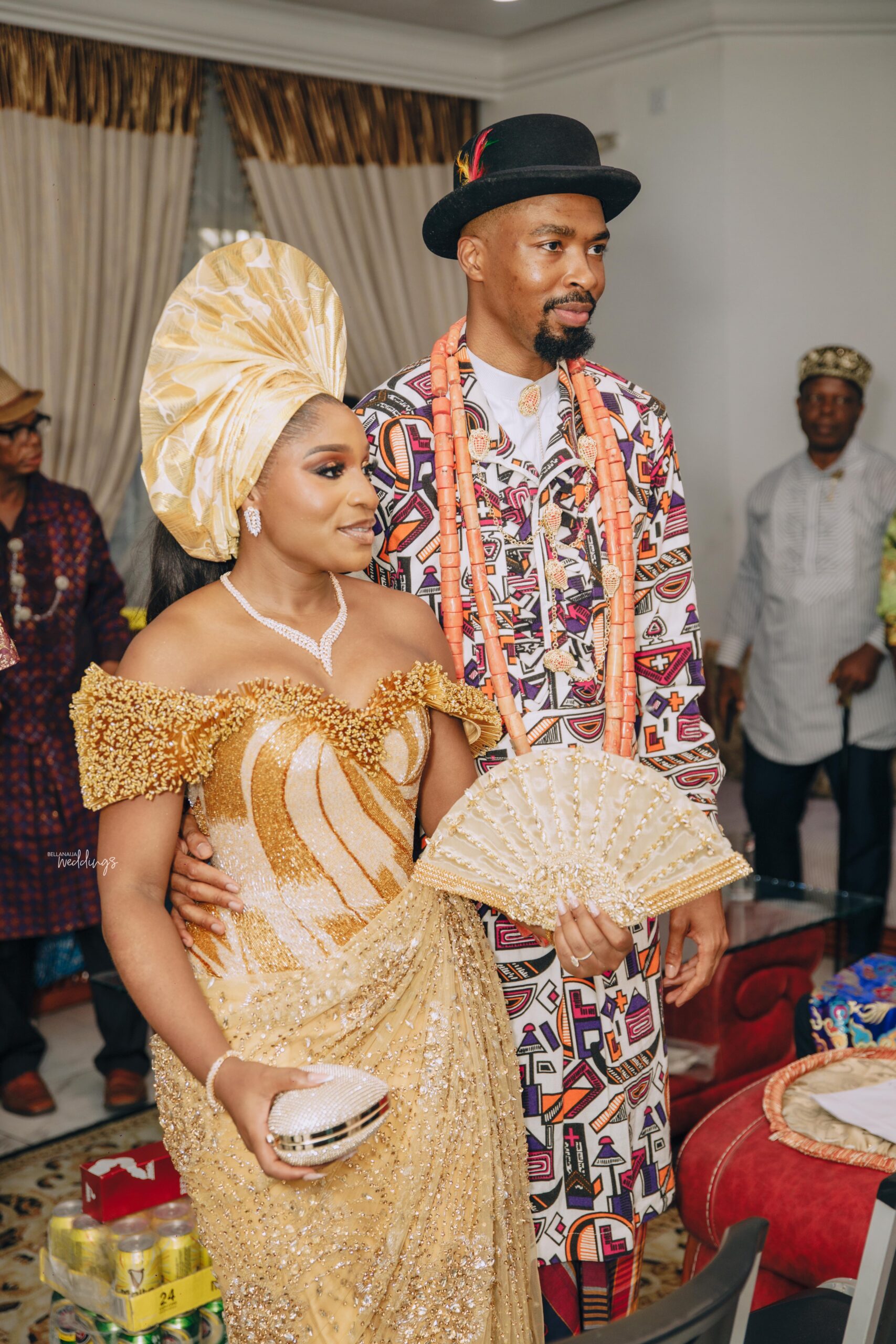
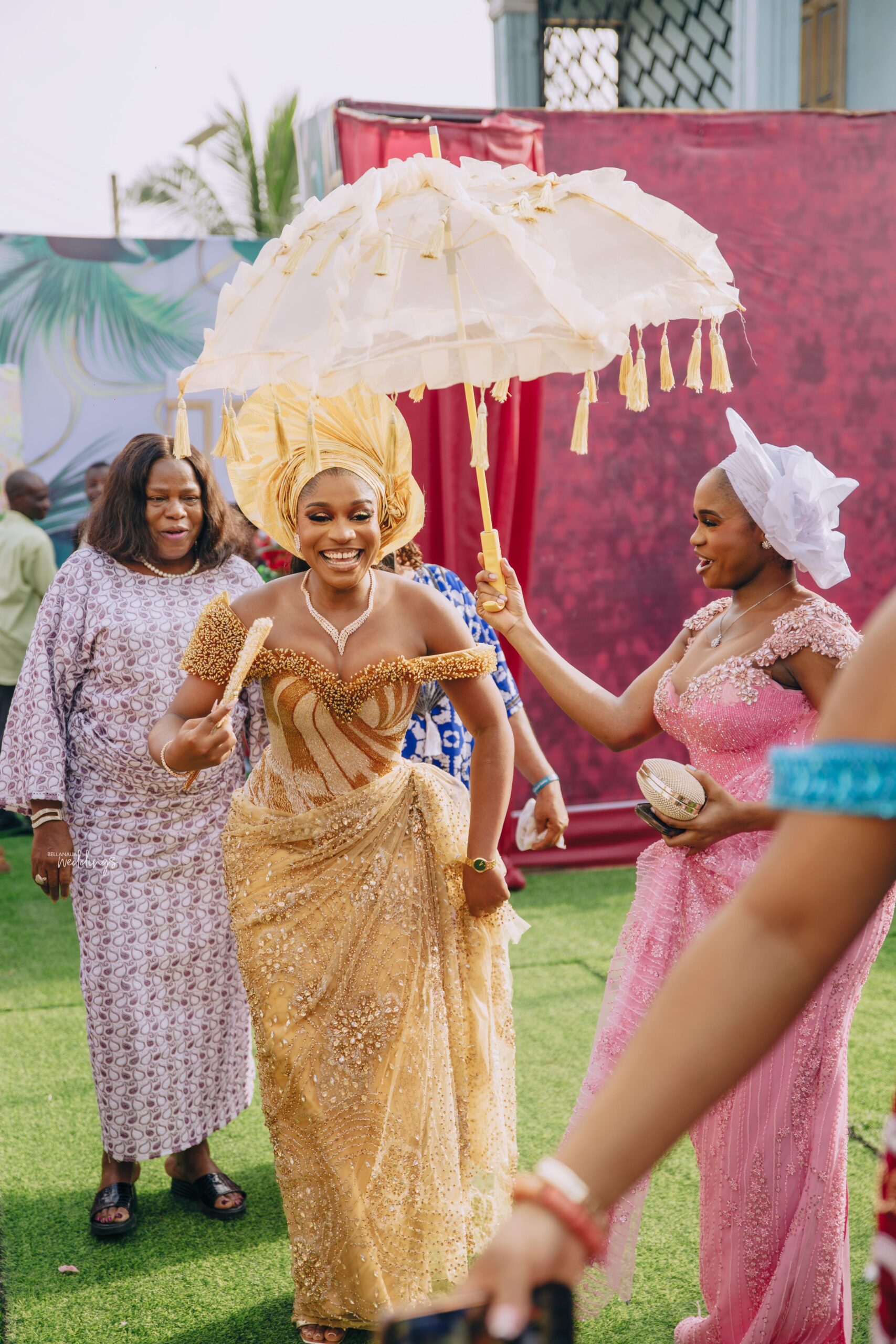
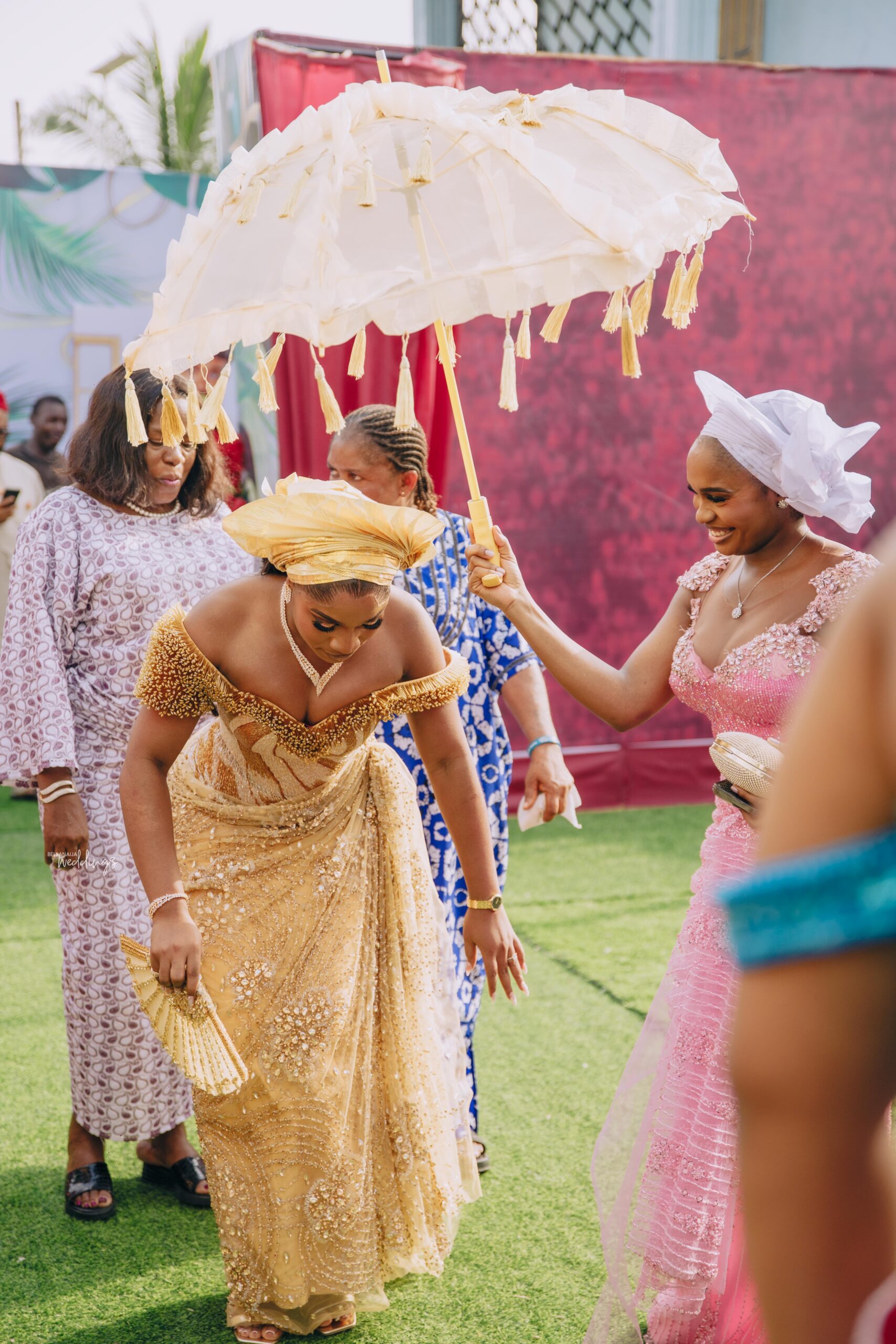
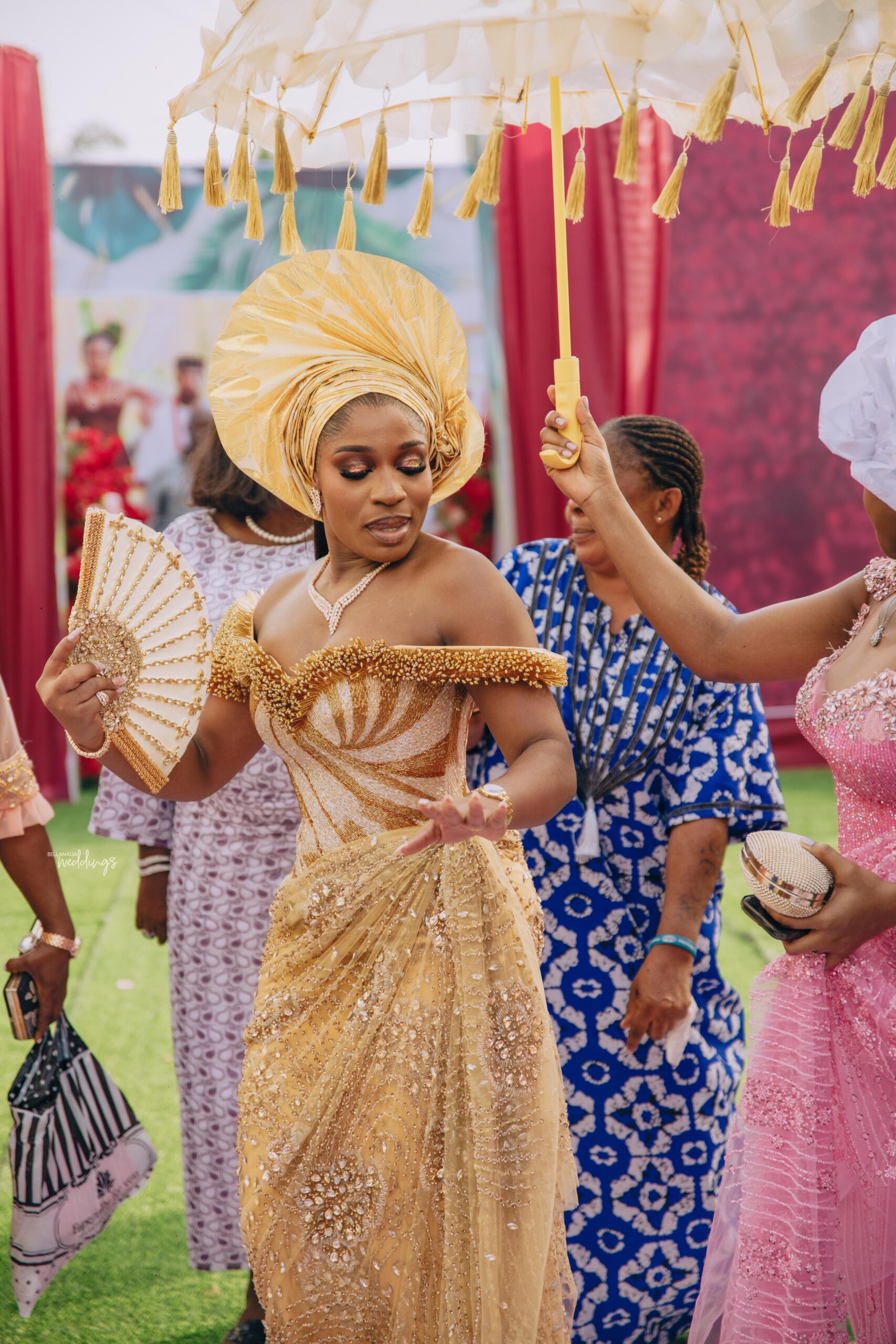
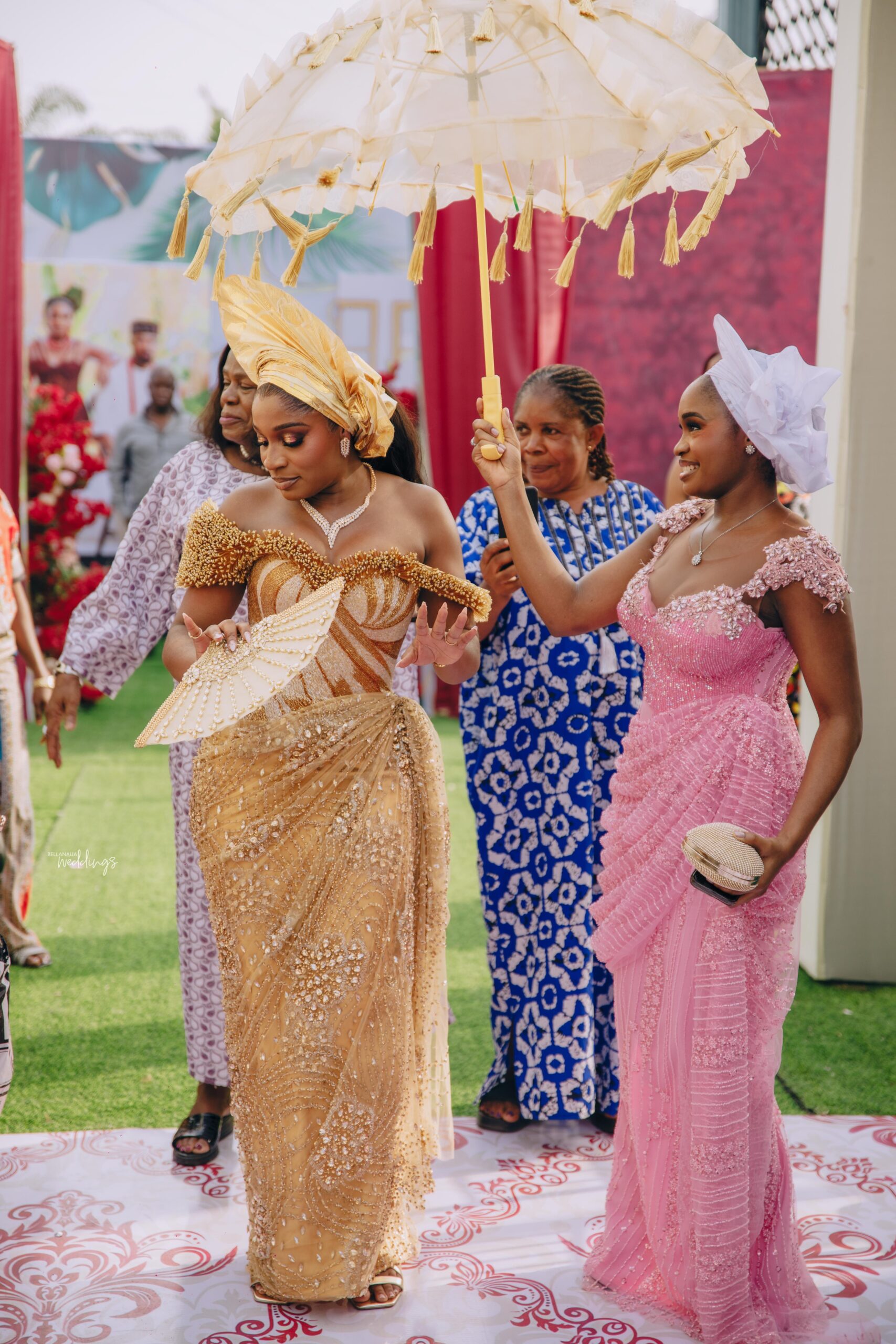
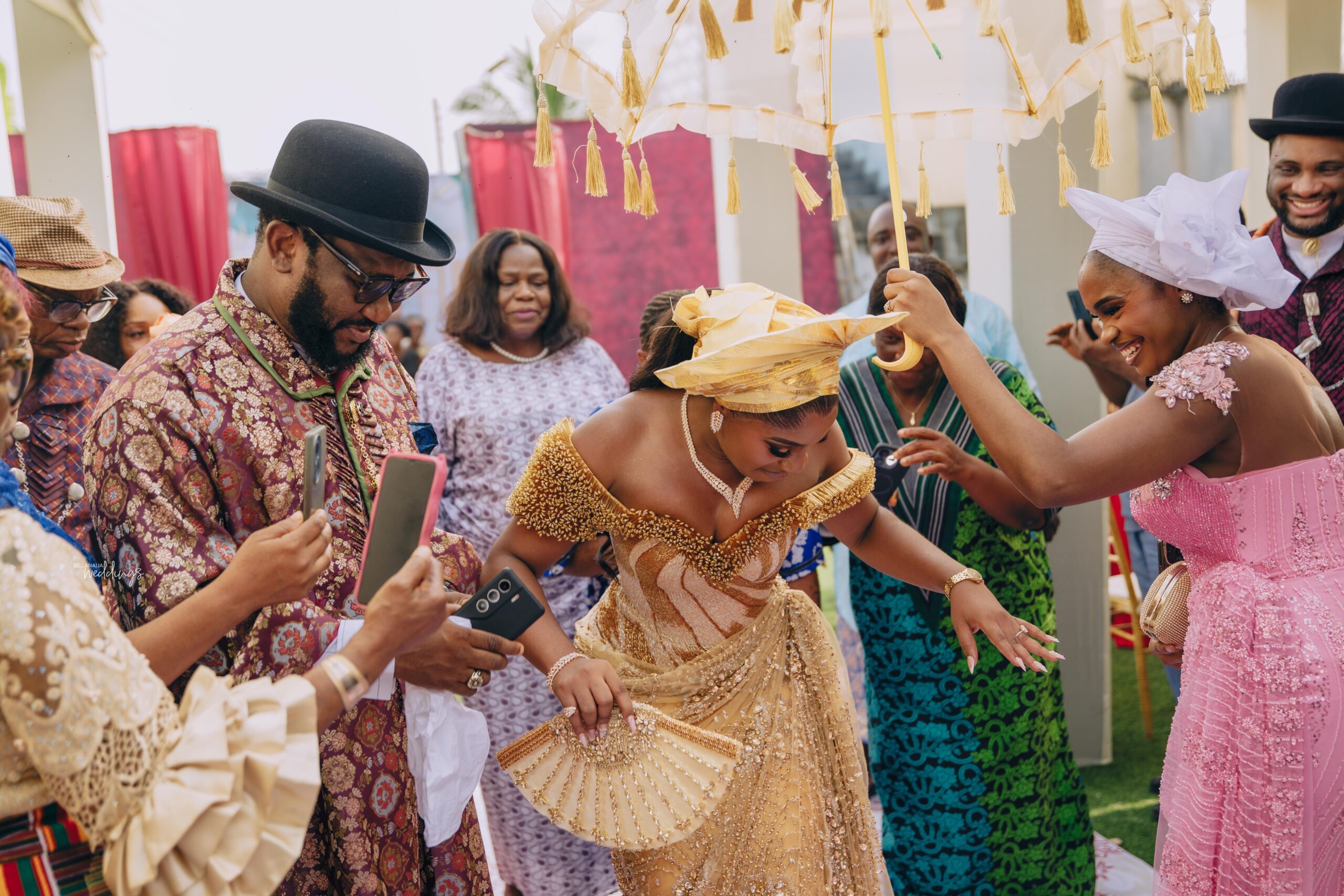
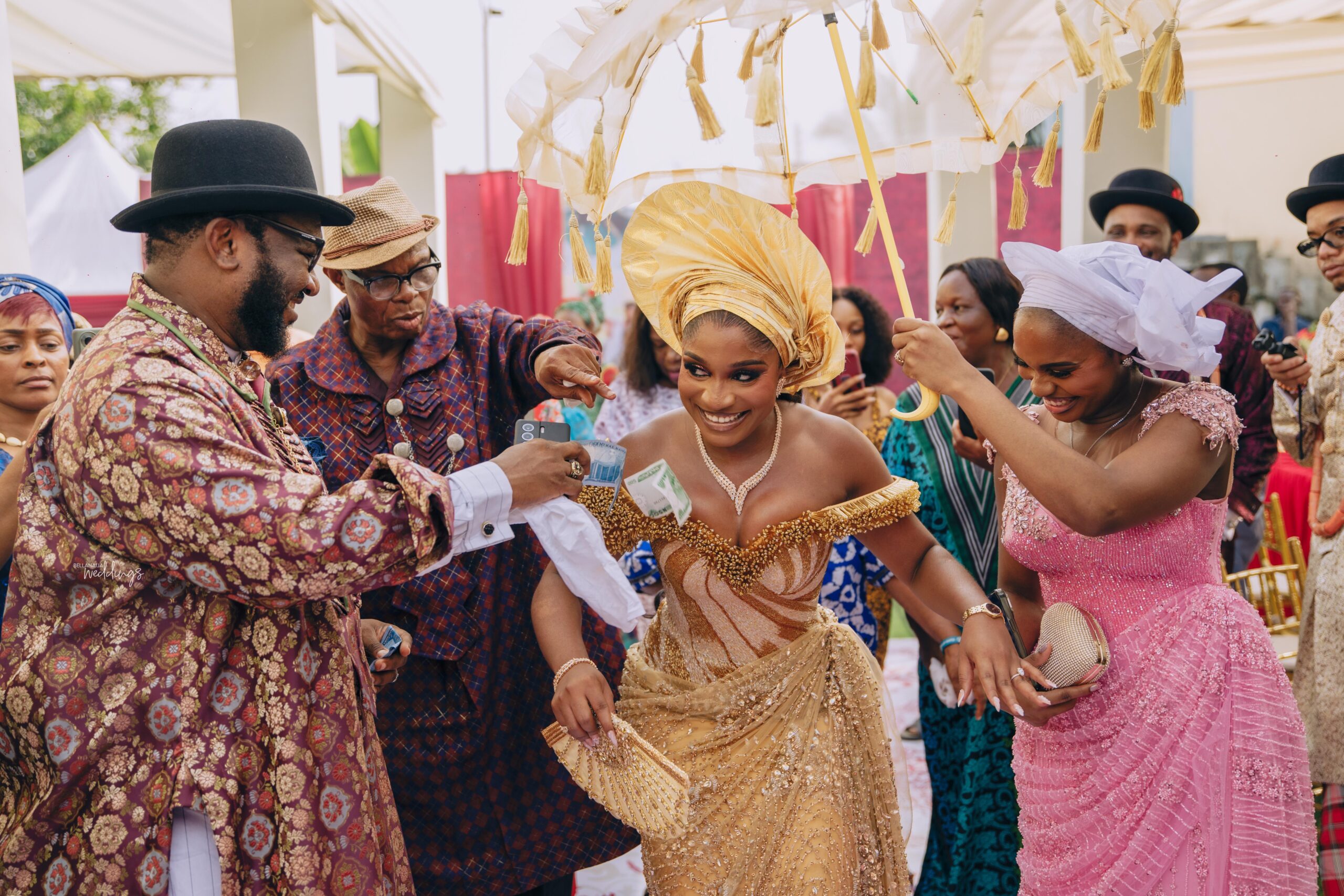
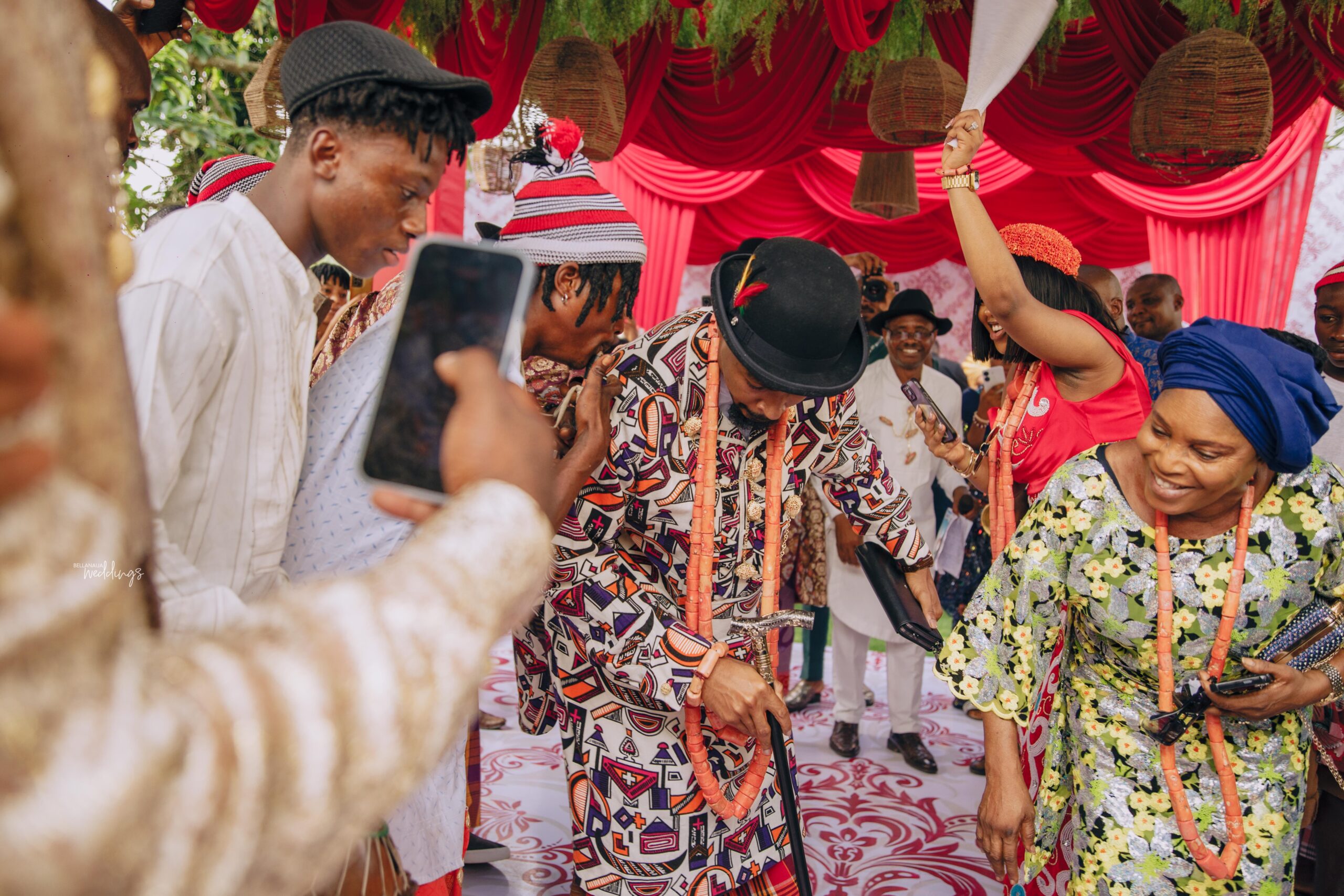
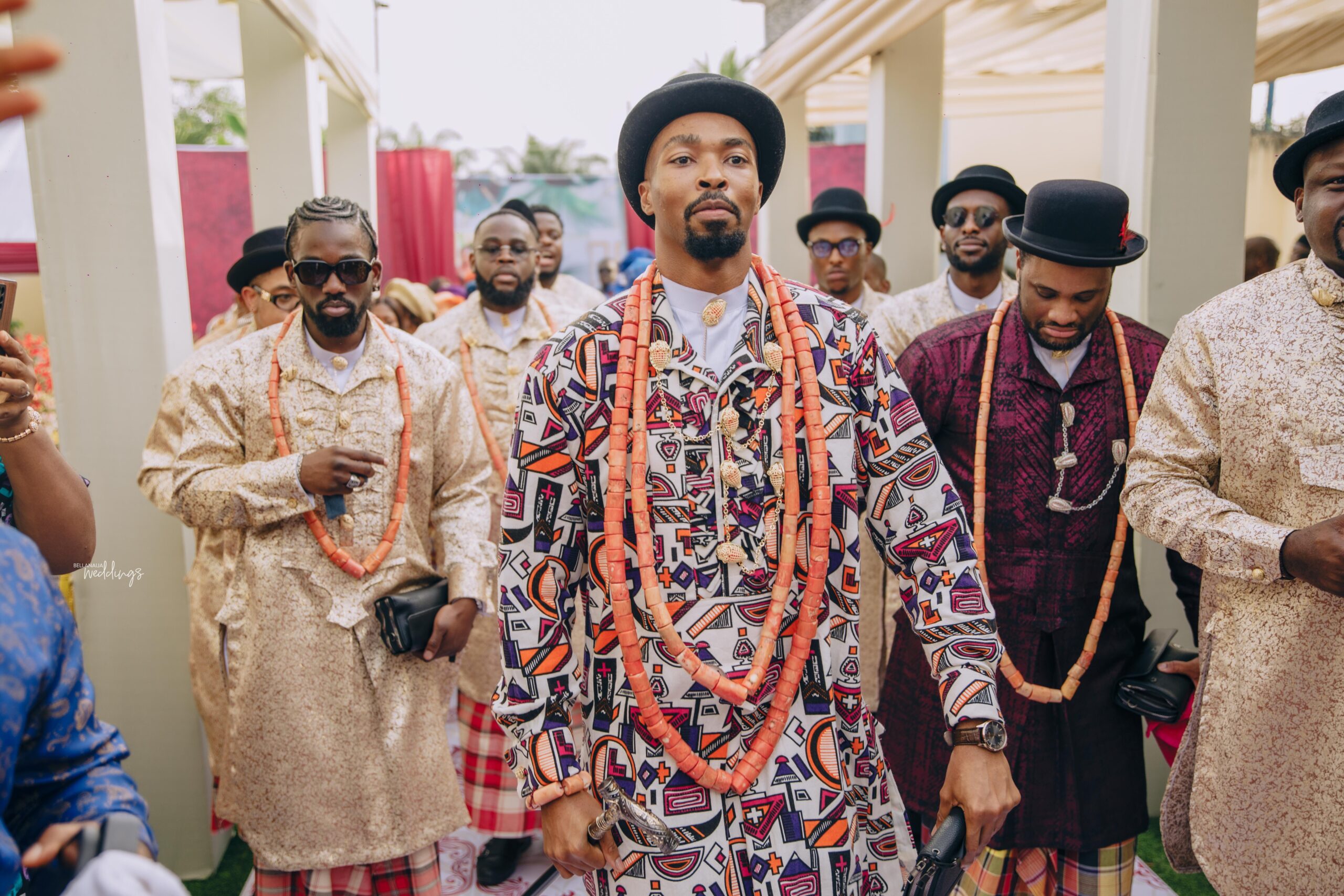
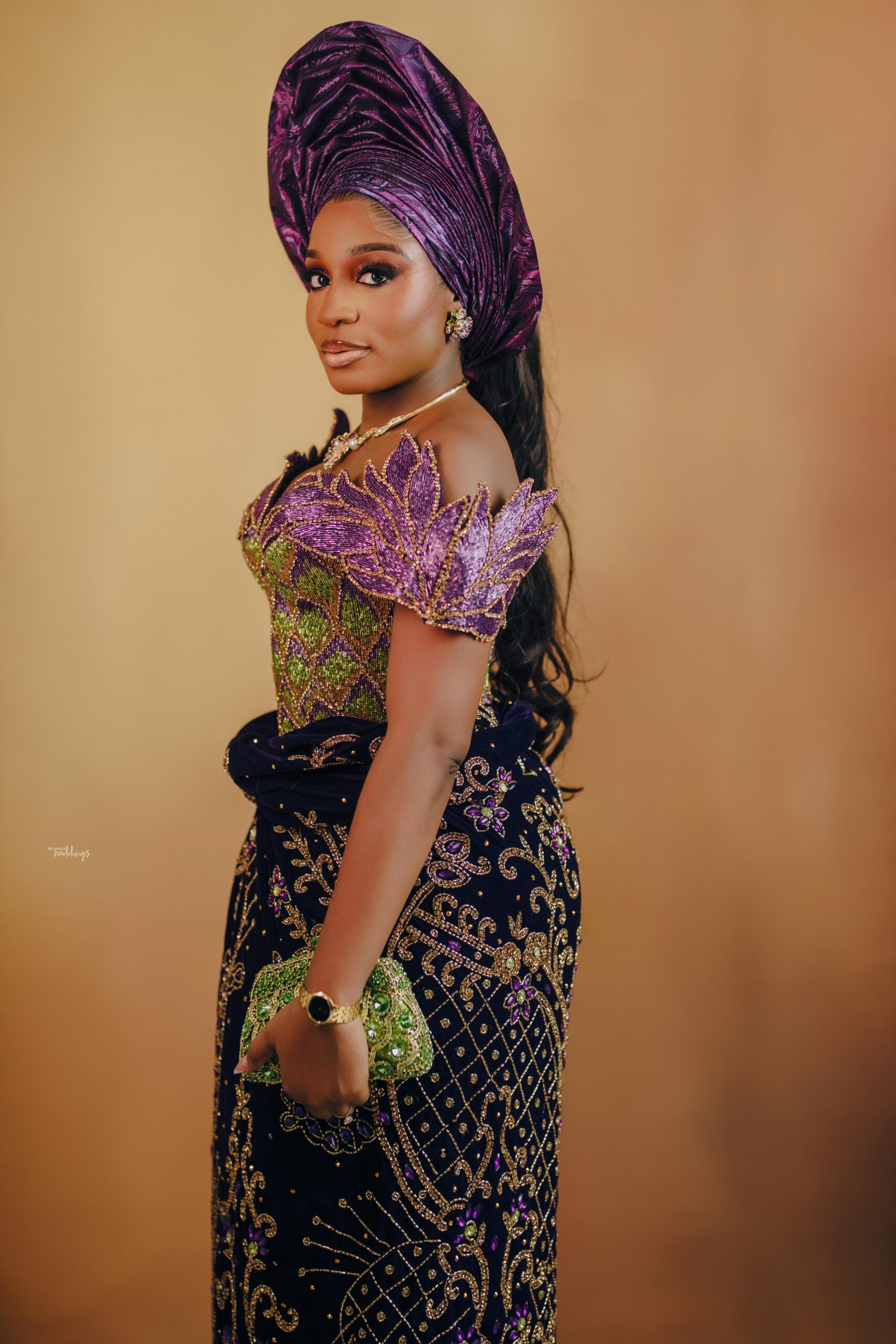
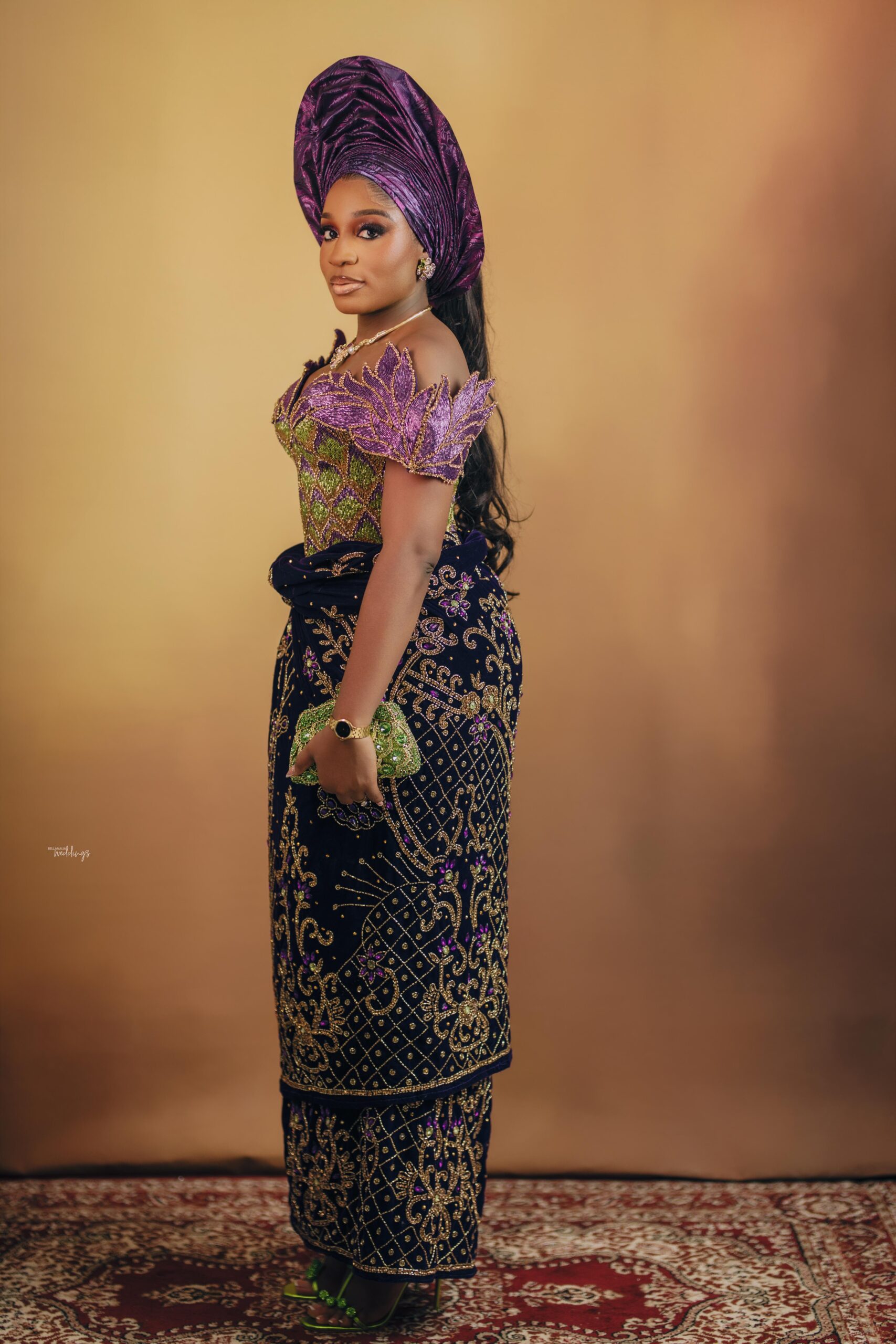
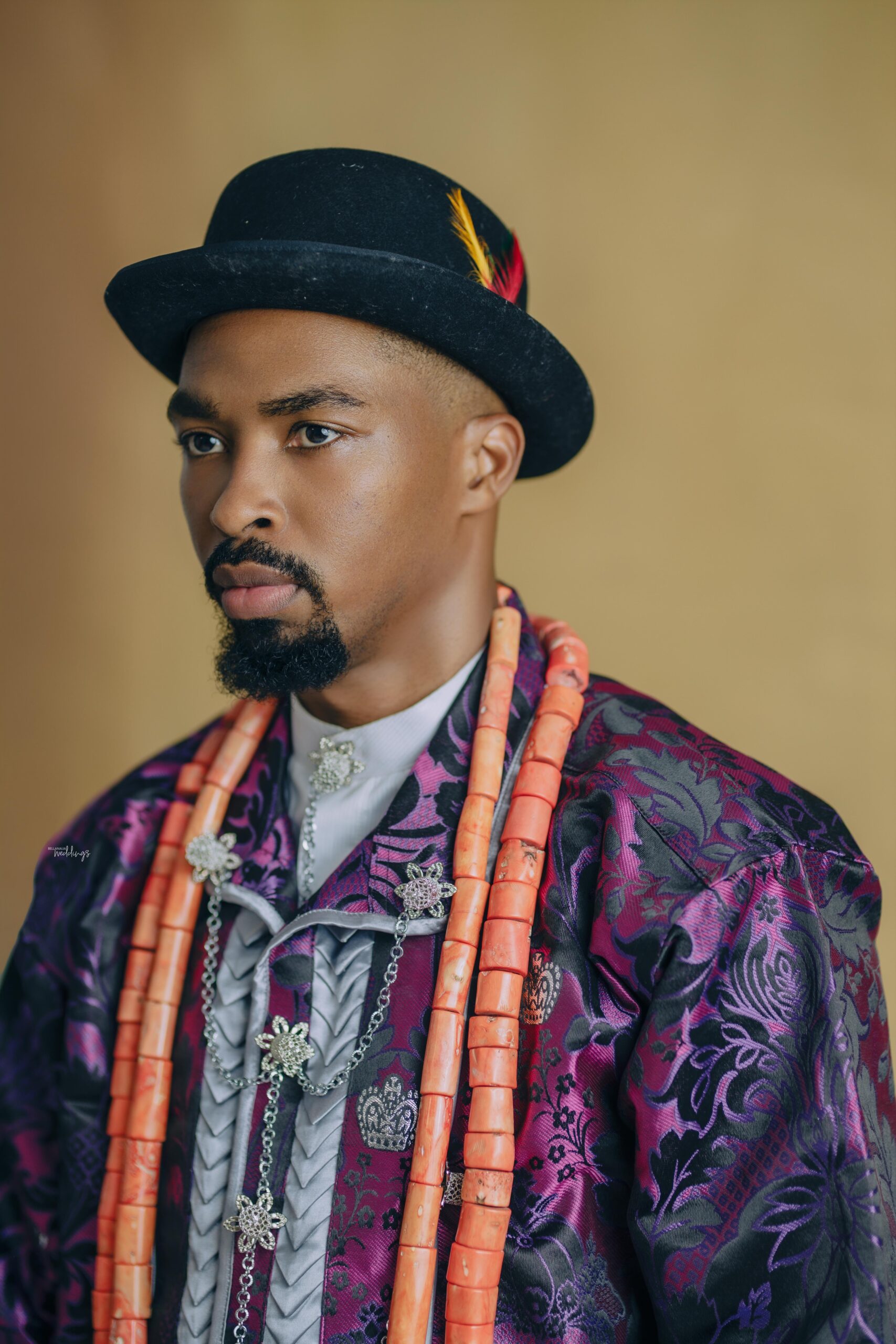
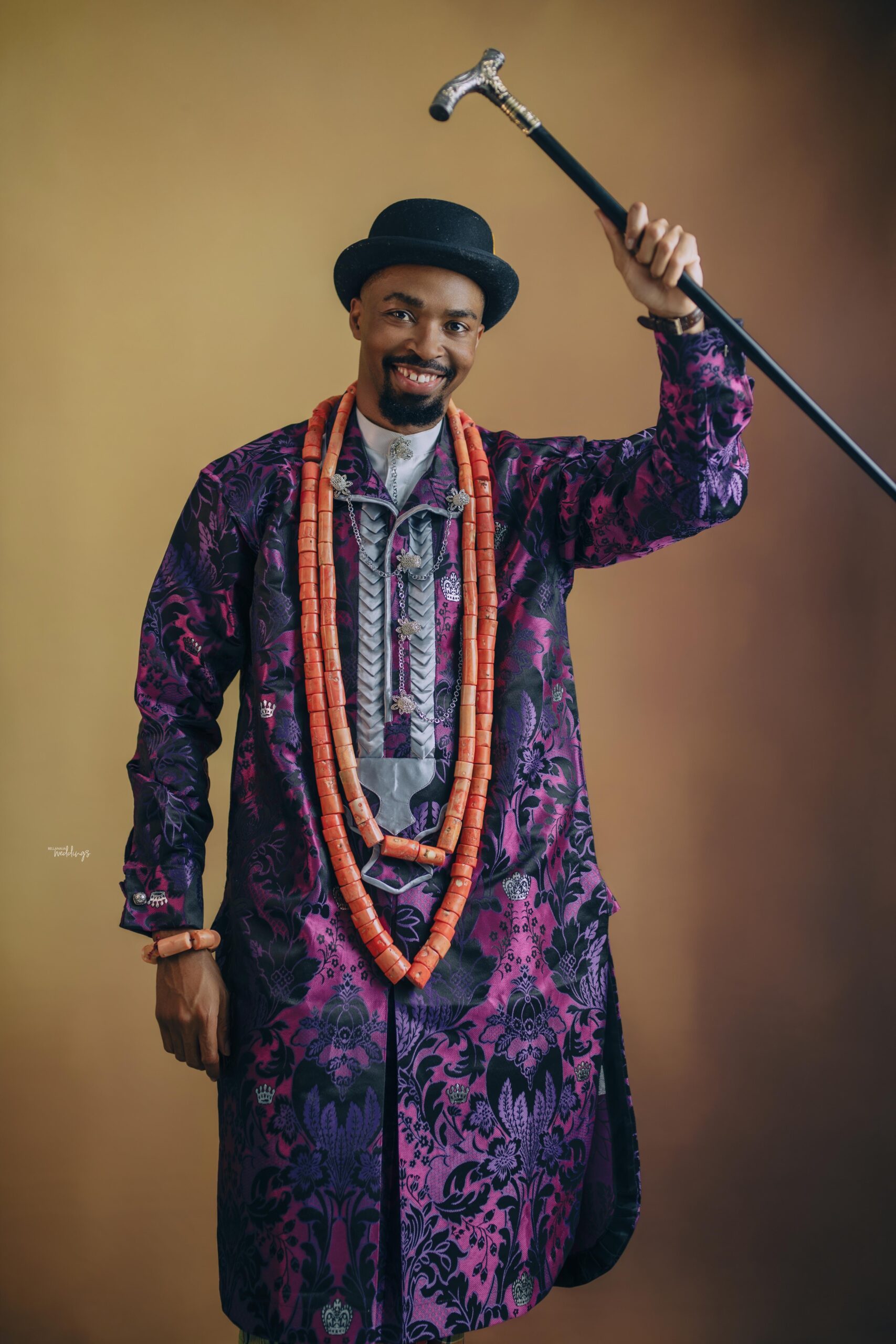
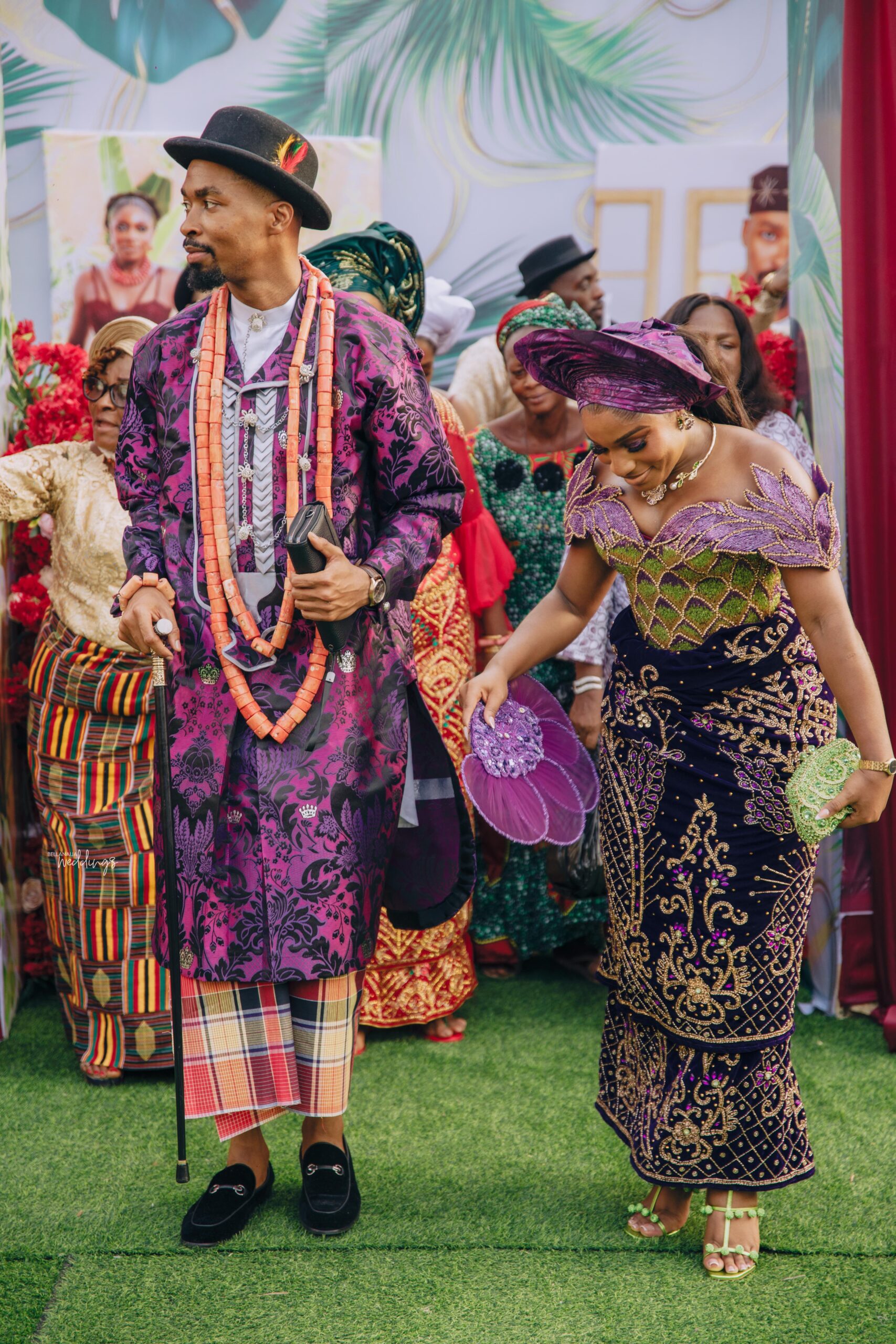
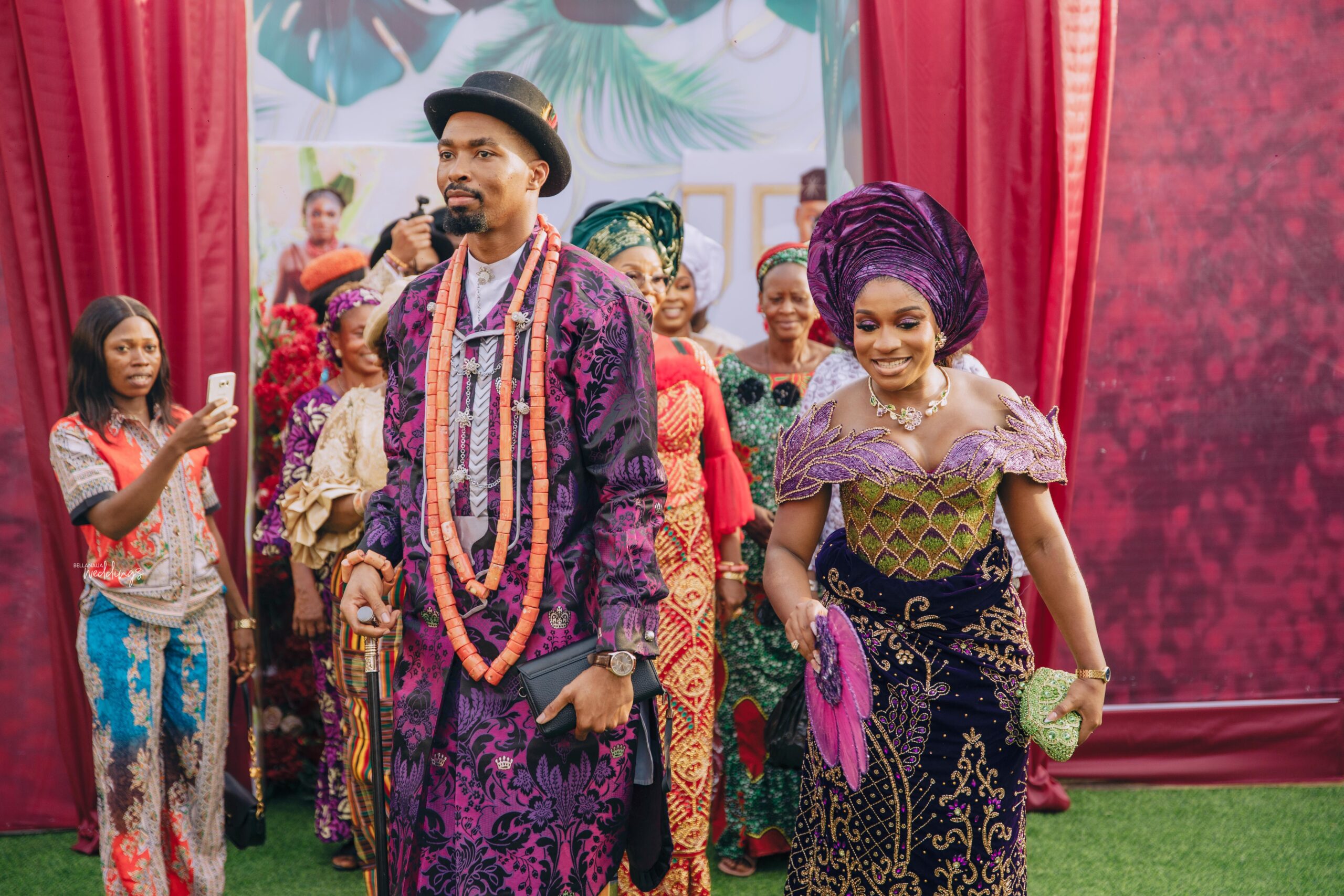
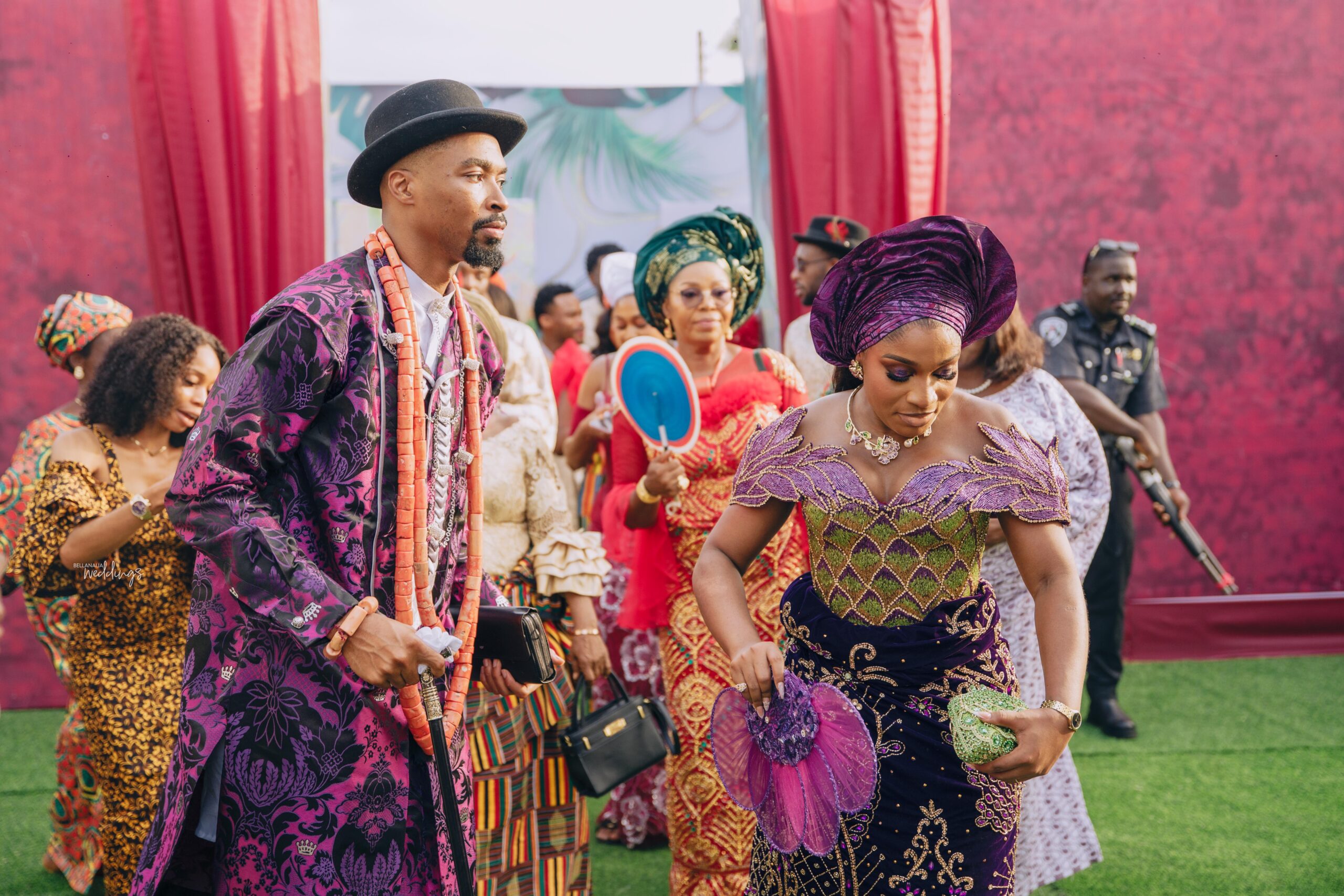
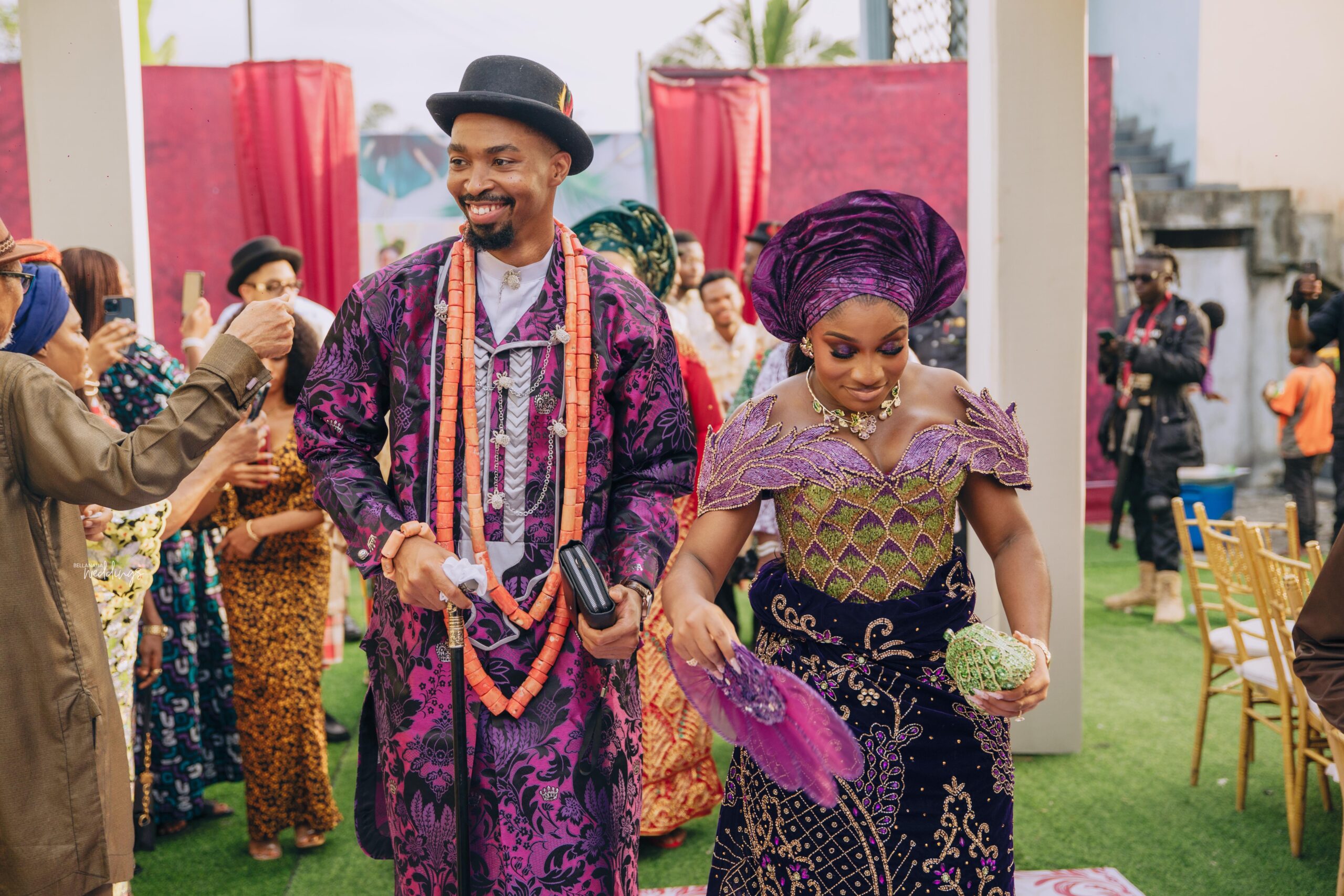
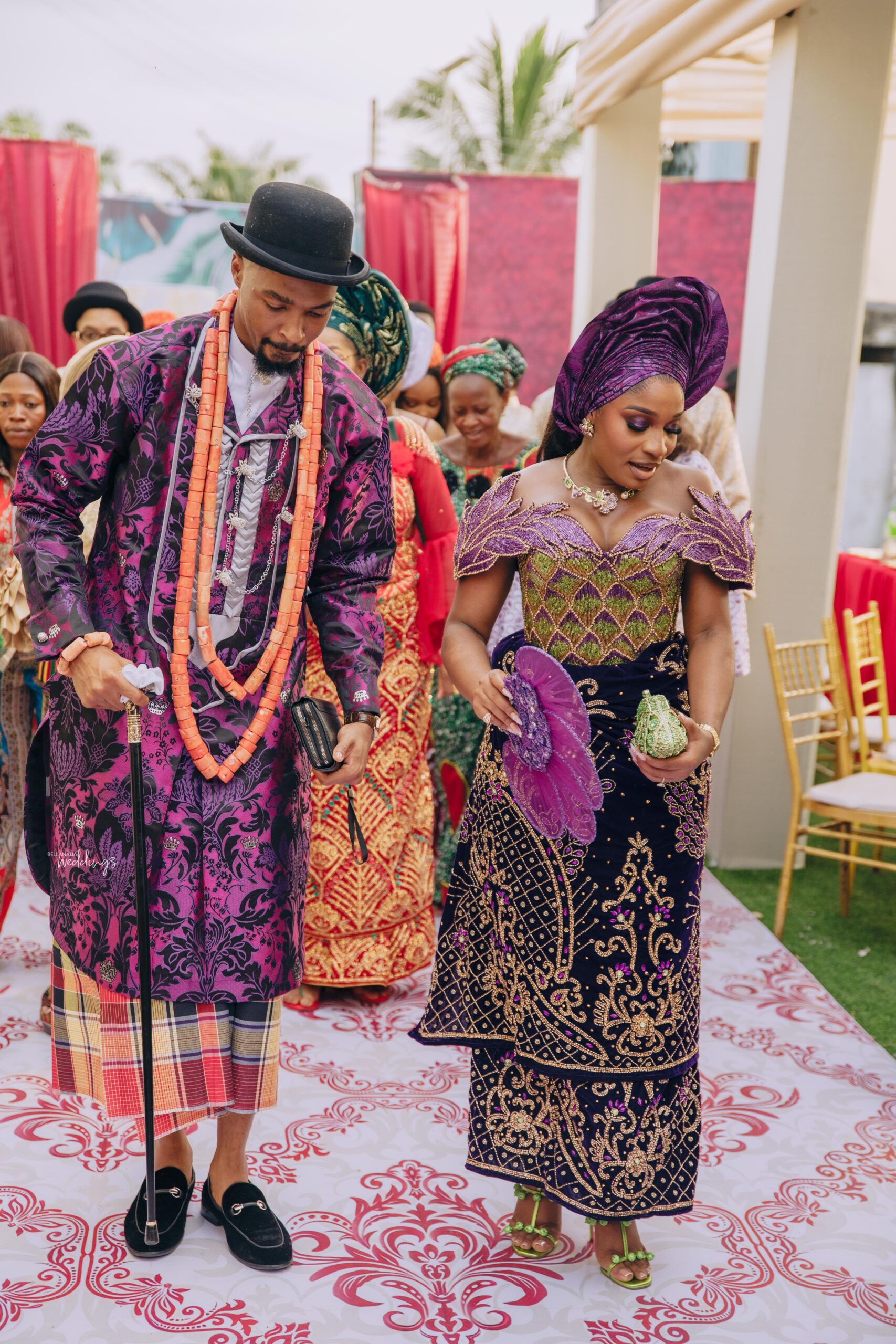
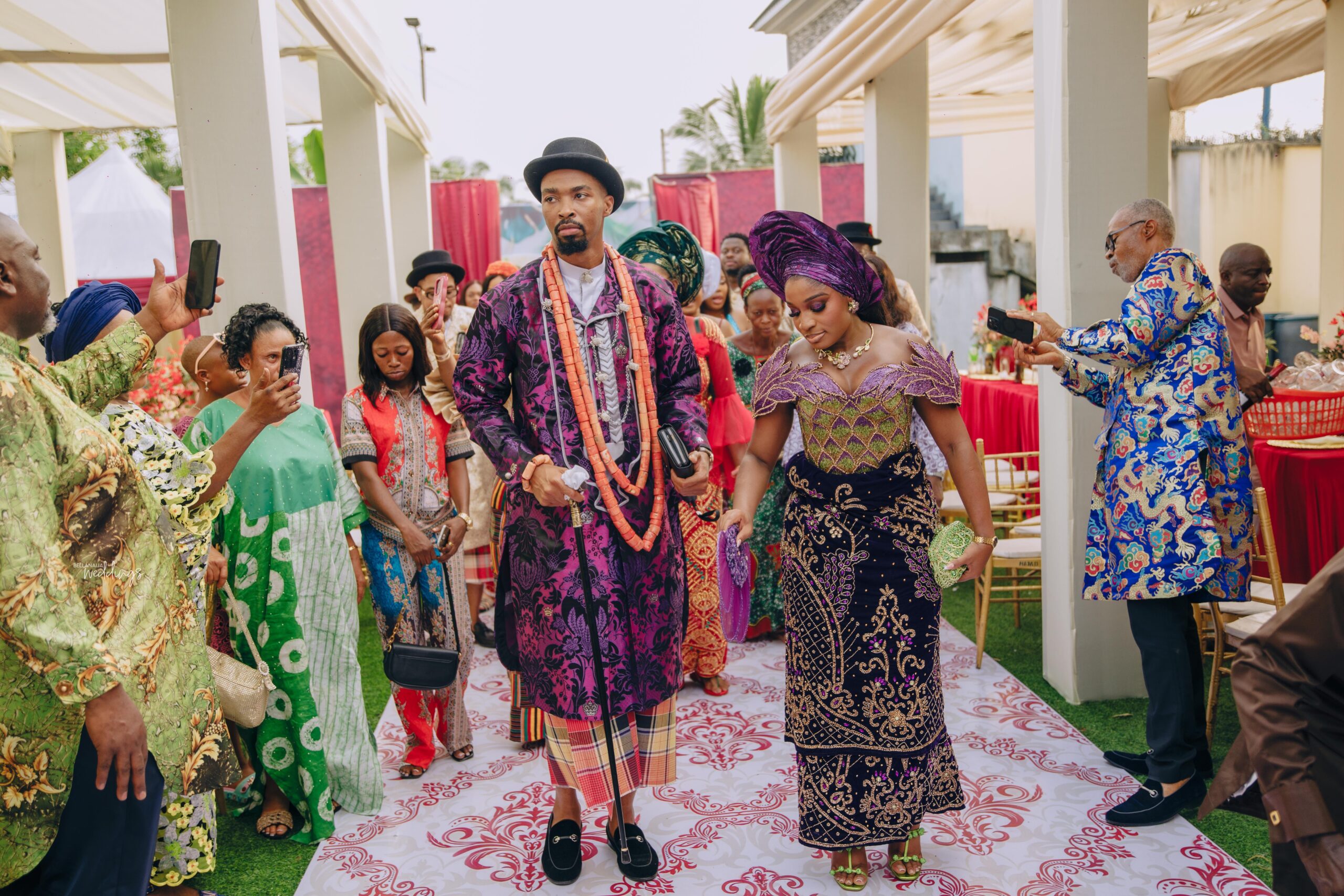
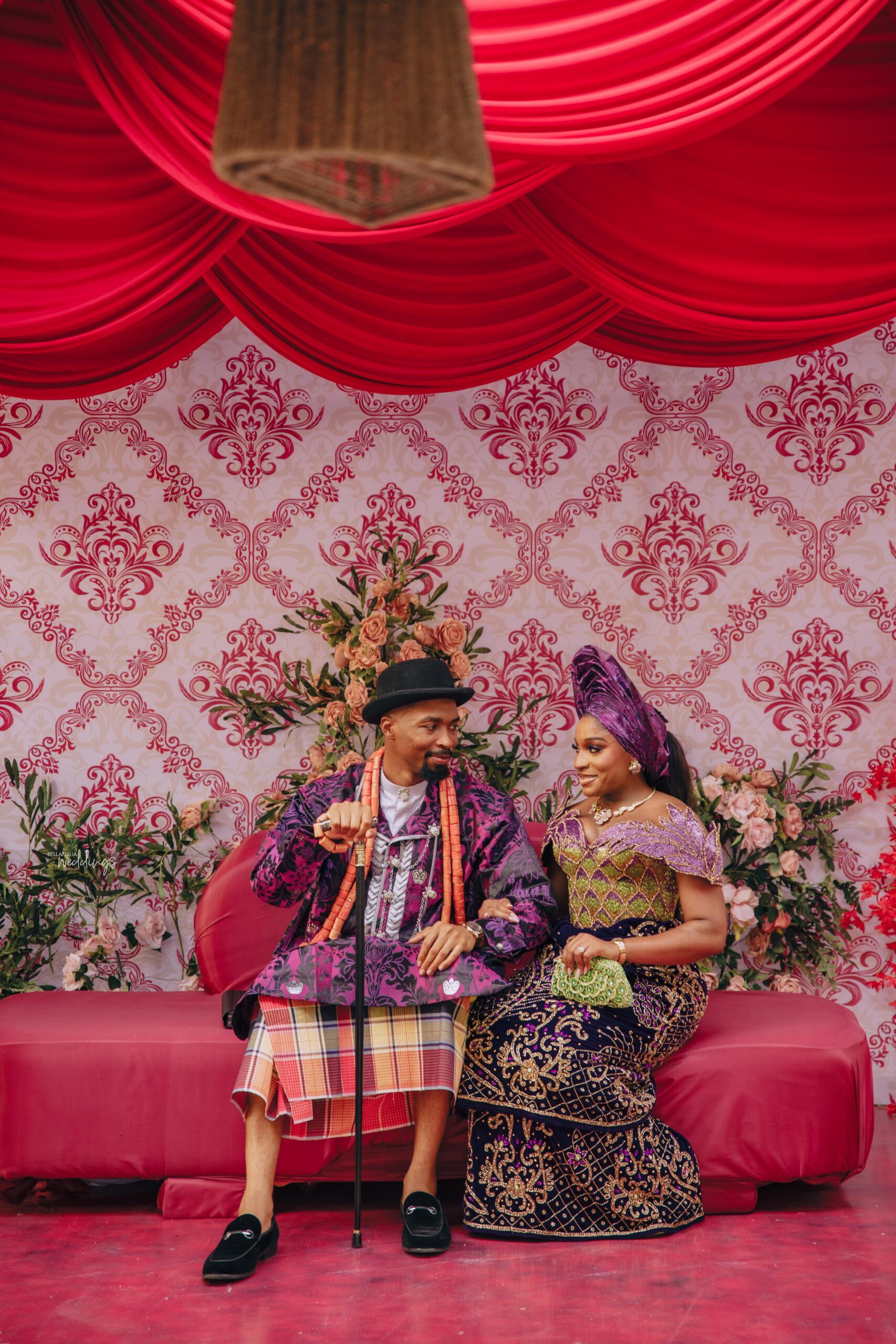
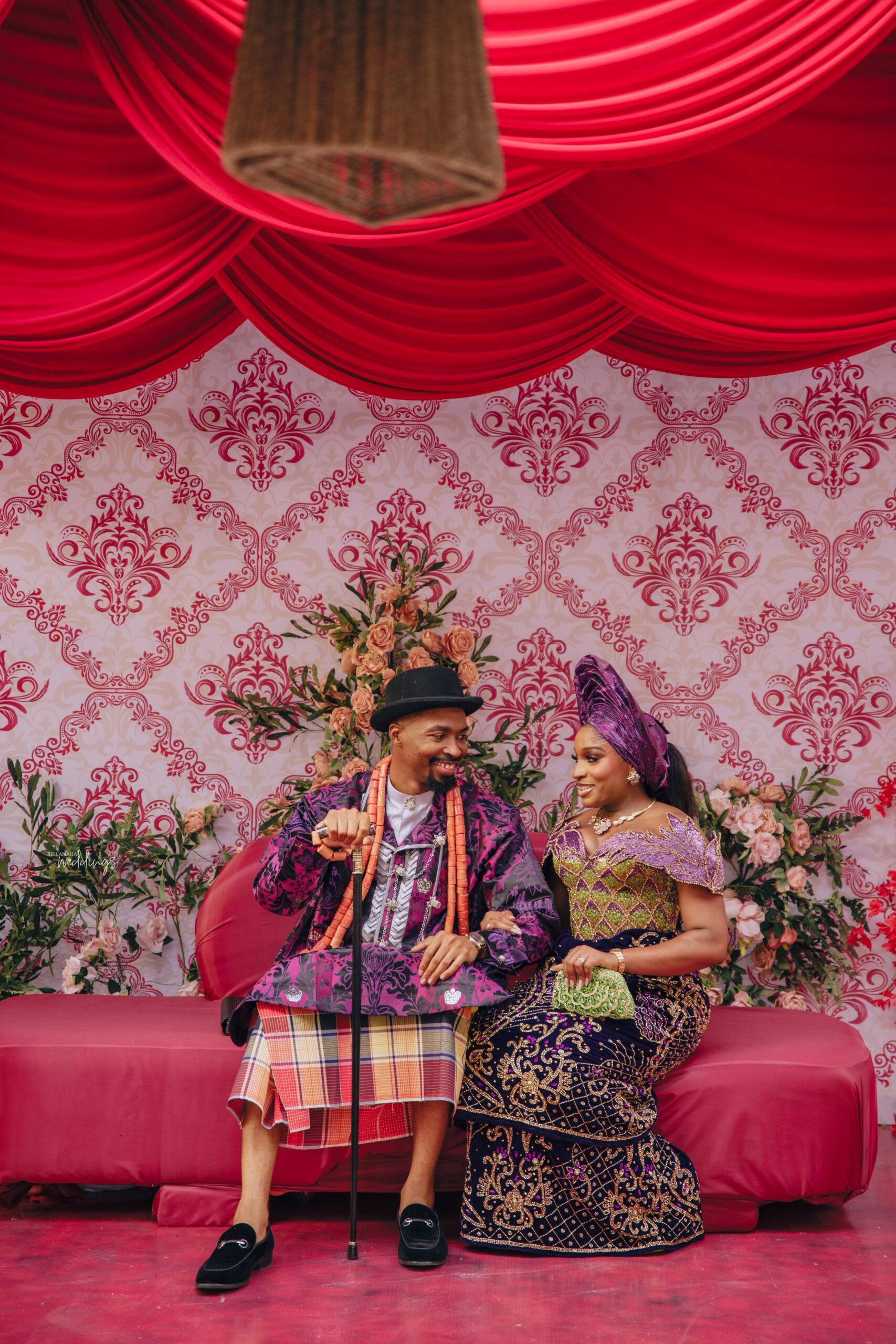
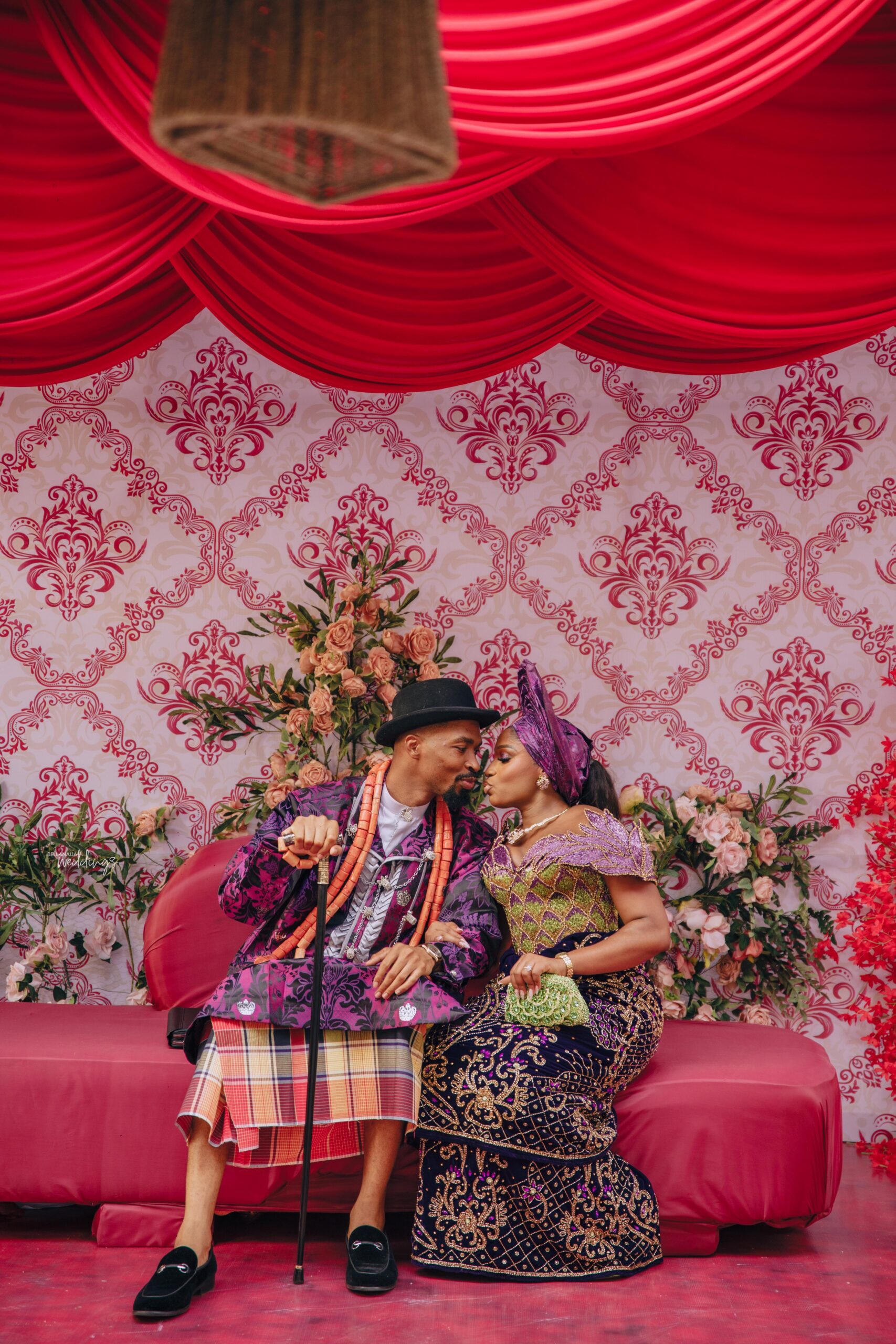
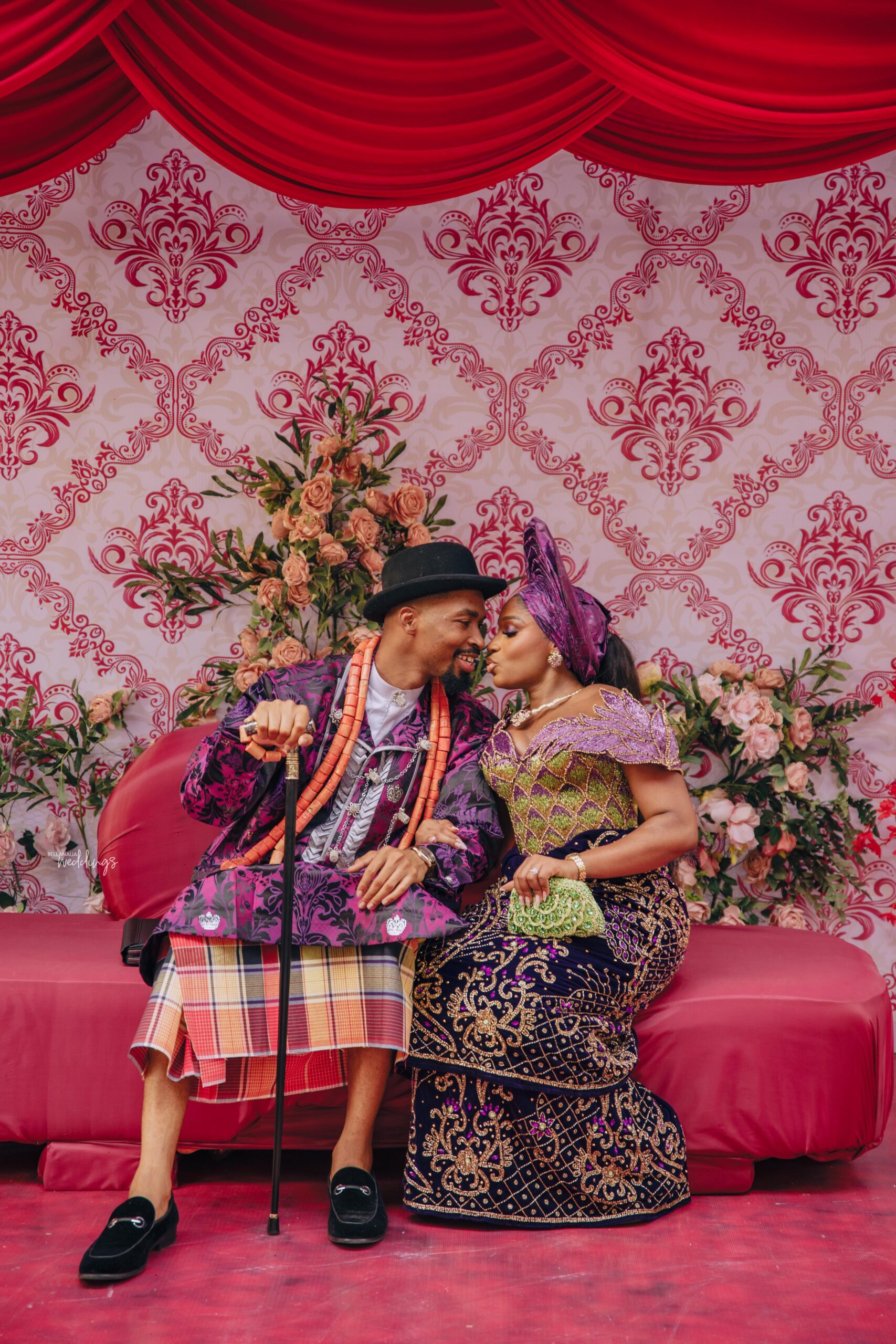
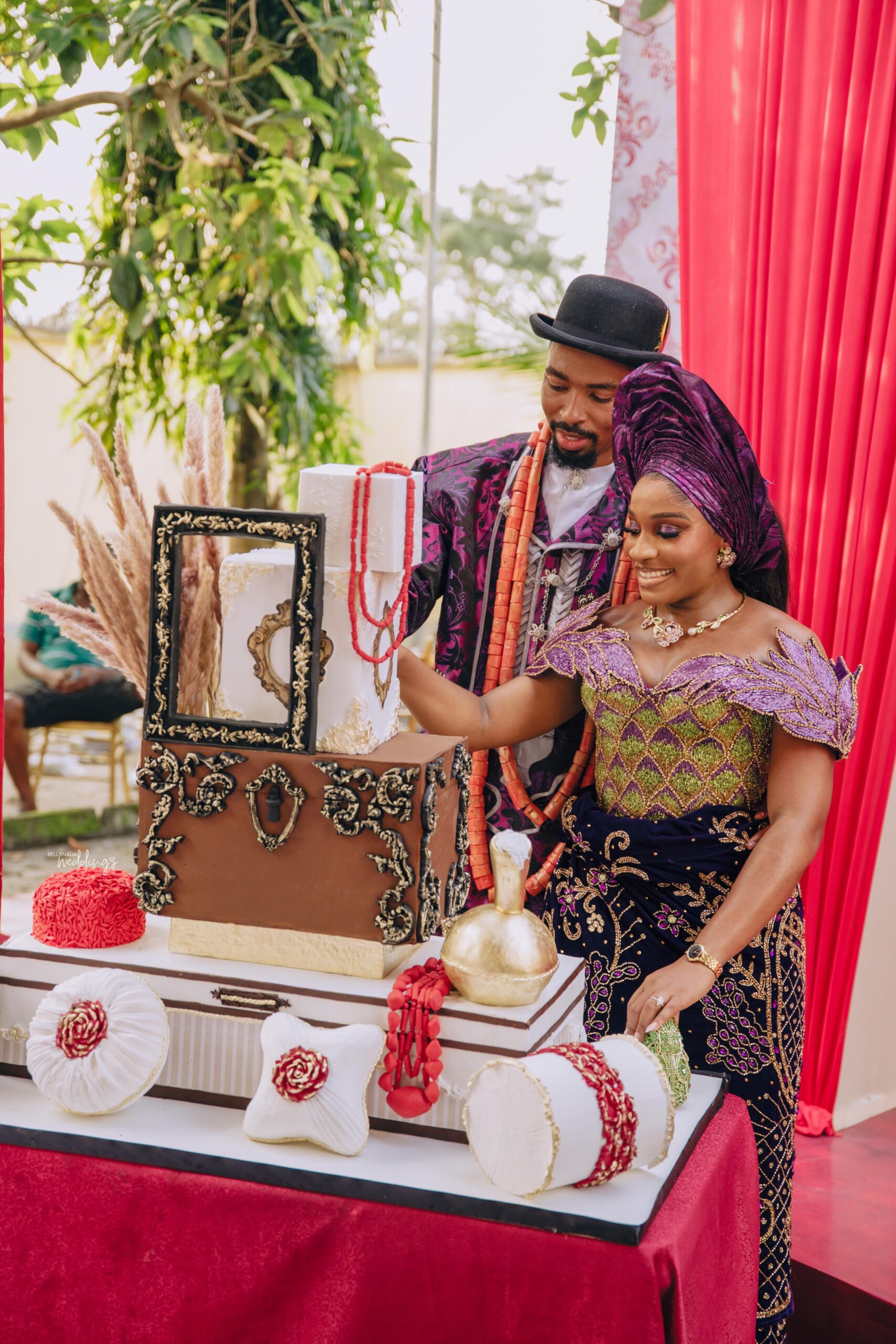
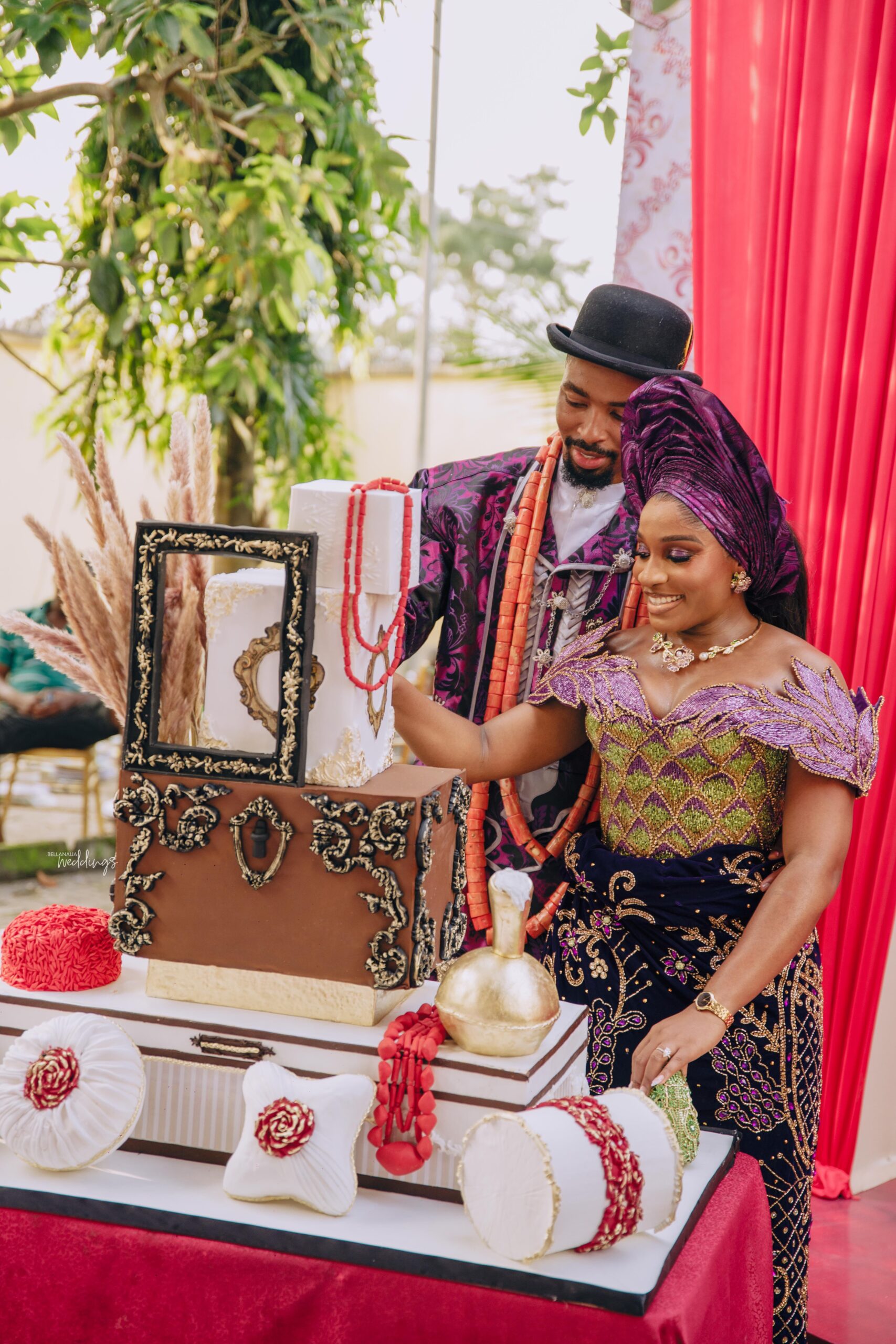
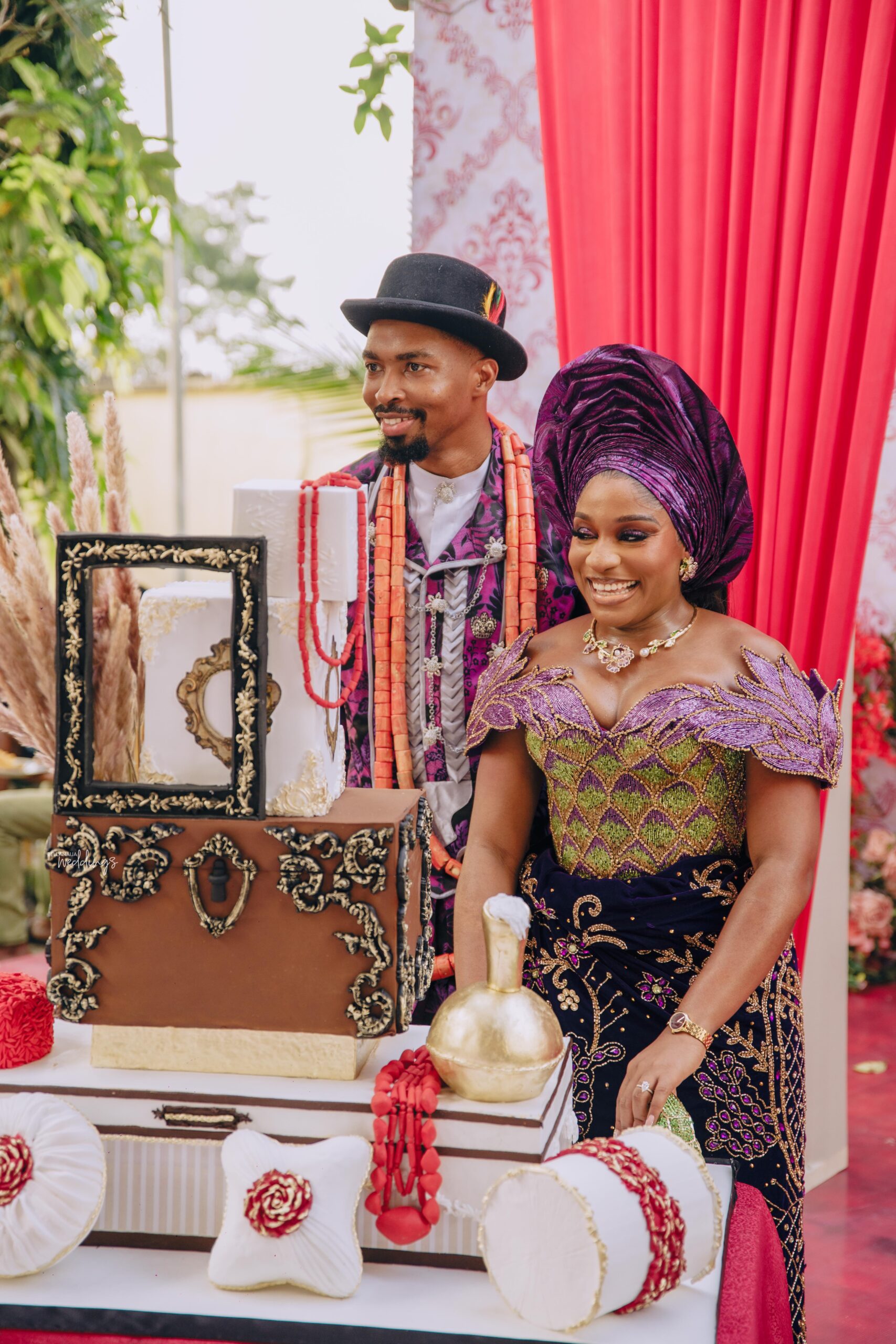
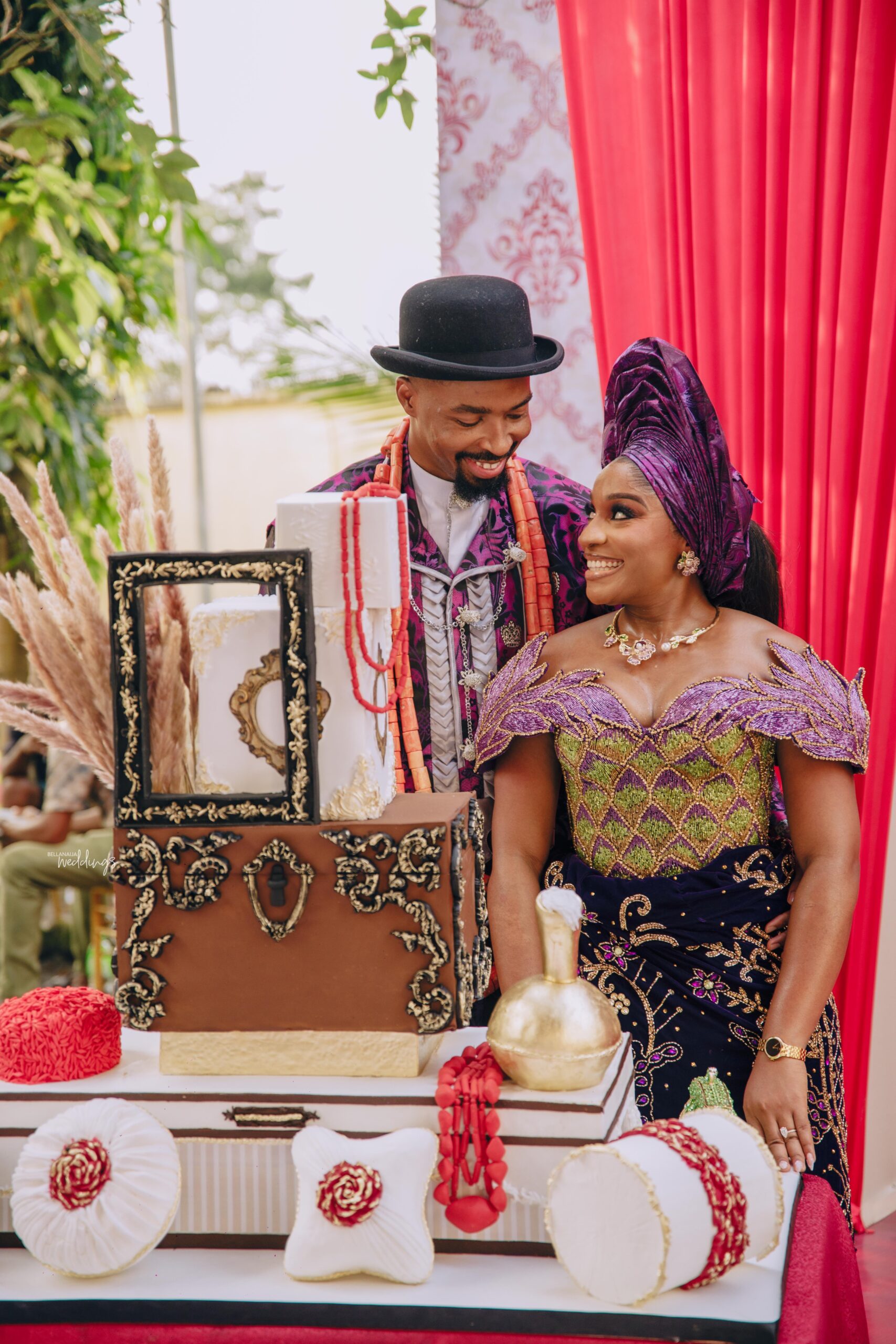
It was all a big mix-up when Garrick’s family received Lauretta’s university admission letters and vice versa. Little did they know that this was a plot twist that would become the start of something truly special. Soon, they became family friends, and the real magic began to unfold when they eventually resumed school. It’s no surprise that their bond deepened and their friendship blossomed into a beautiful love story. Now, the lovely duo have sealed their forever deal in a grand traditional wedding! Lauretta made a gorgeous Ogoni bride, looking incredibly amazing in her regal outfits. Garrick, indeed a regal Opobo groom, also matched his stunning bride, effortlessly dapper in this stylish attire. It was a wonderful day filled with joy, vibrant colours and of course, so much love. Their stunning wedding photos take us through the enchanting day they had, as well as the cultural richness they exuded. We are simply thrilled that fate wove its magic just in time and gave them a love that is indeed golden. 😍
Enjoy their wedding photos and love story below:
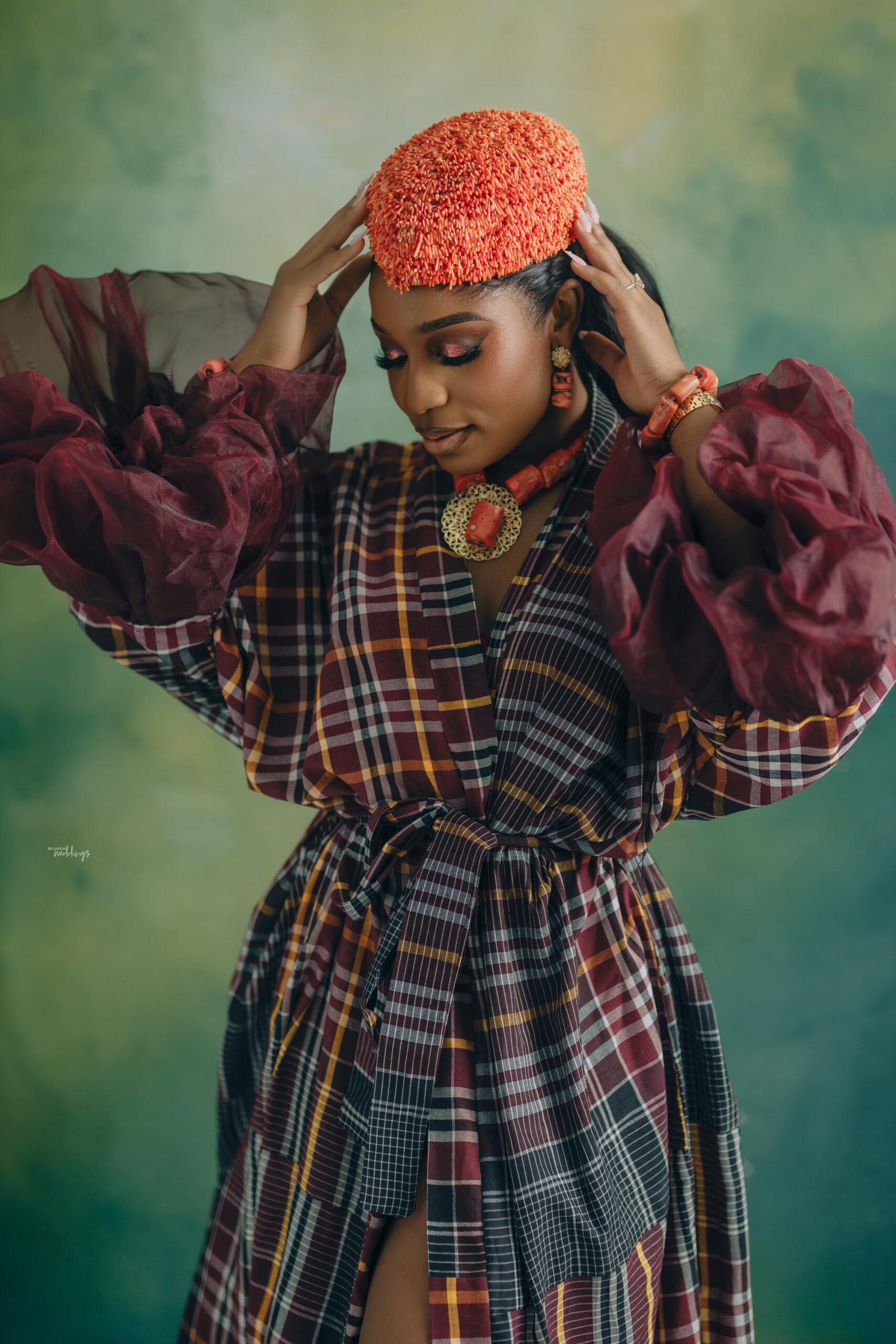
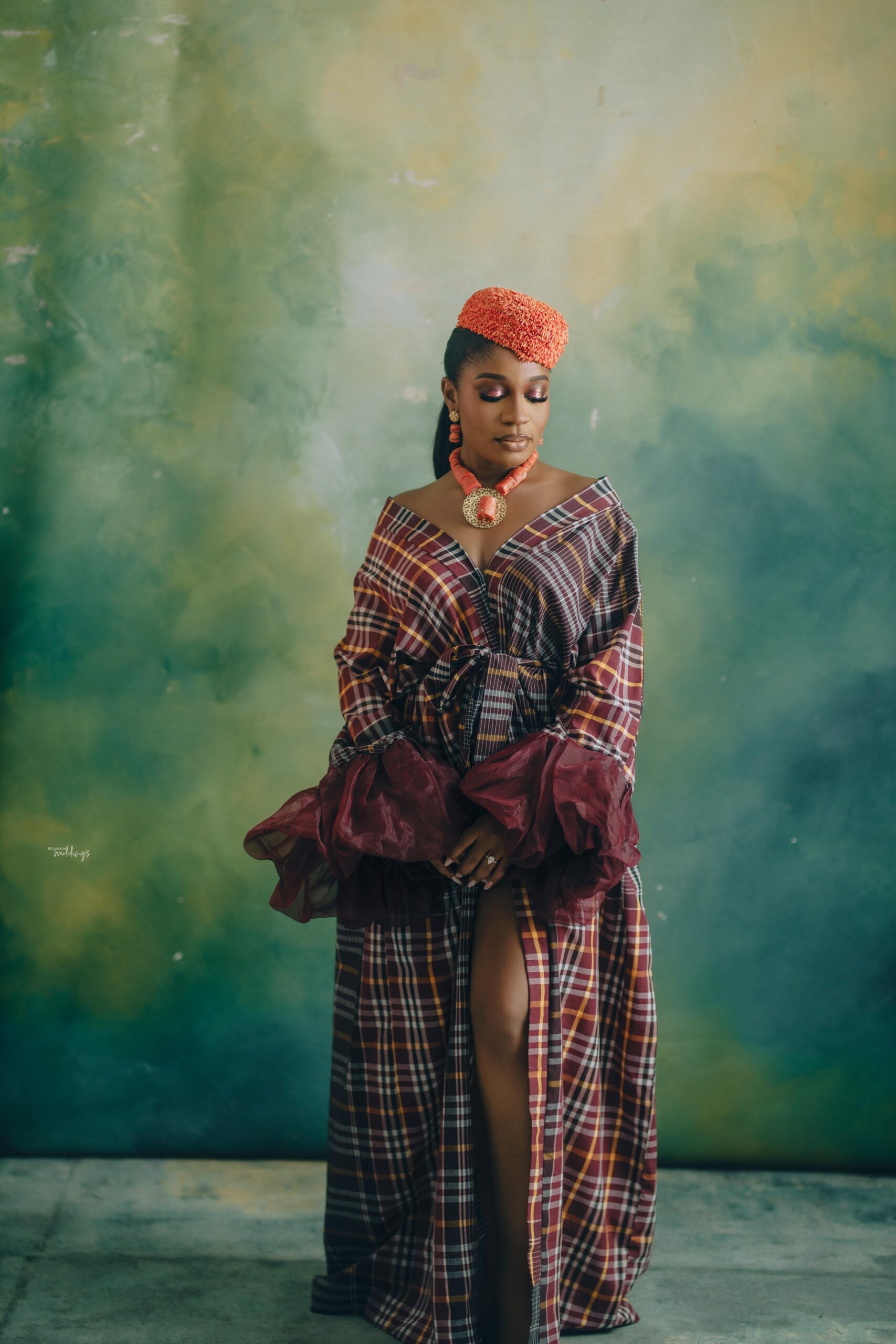
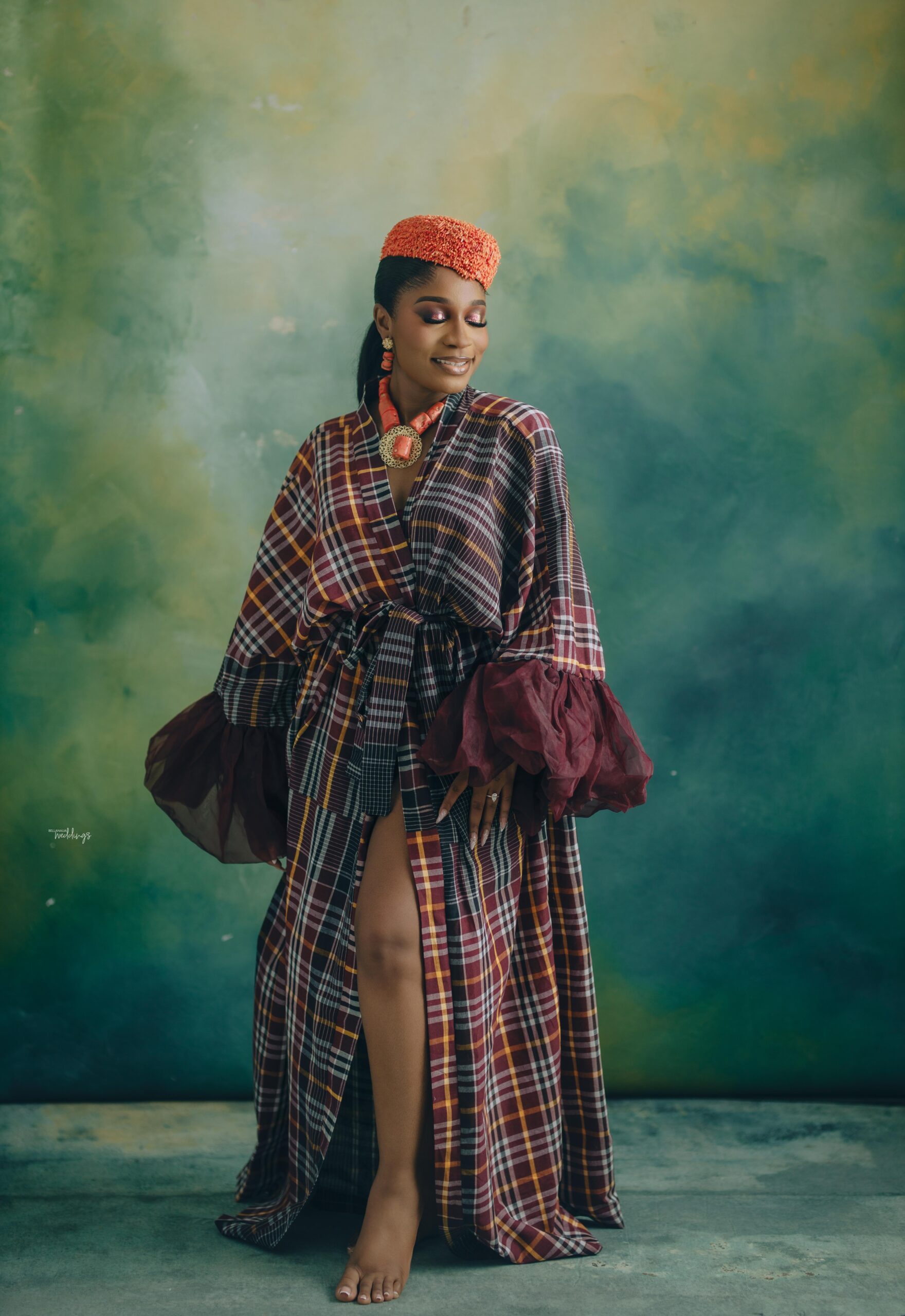
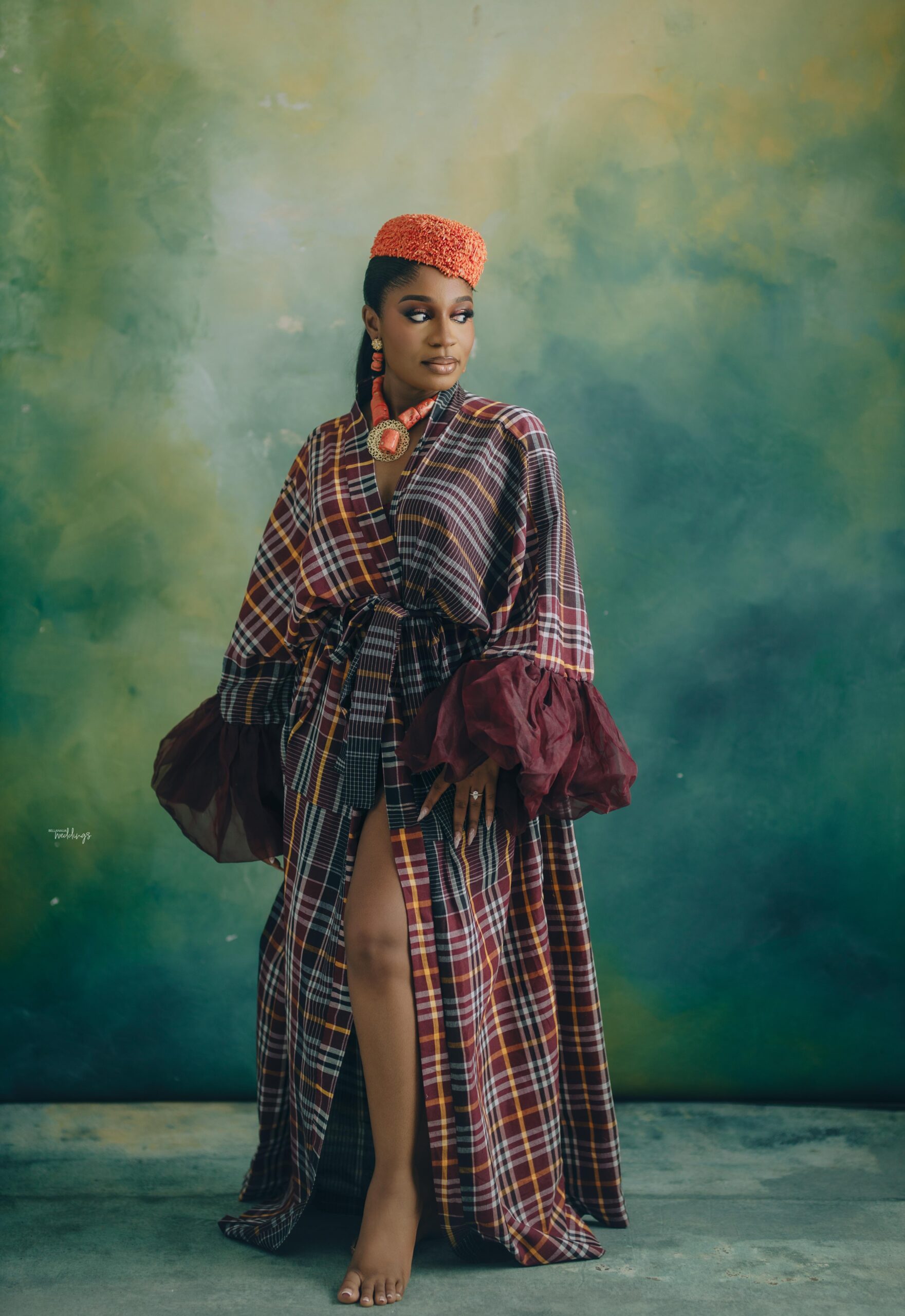
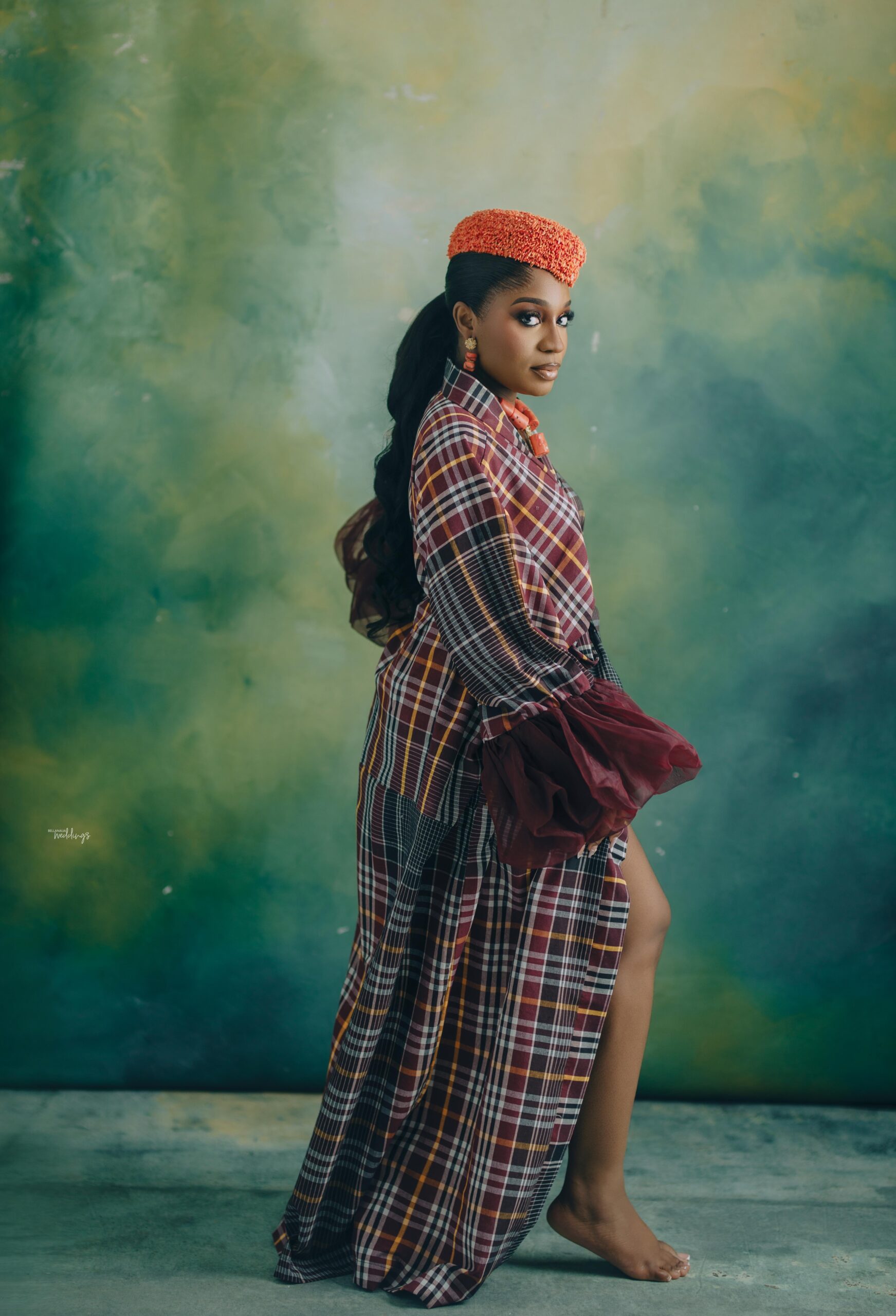
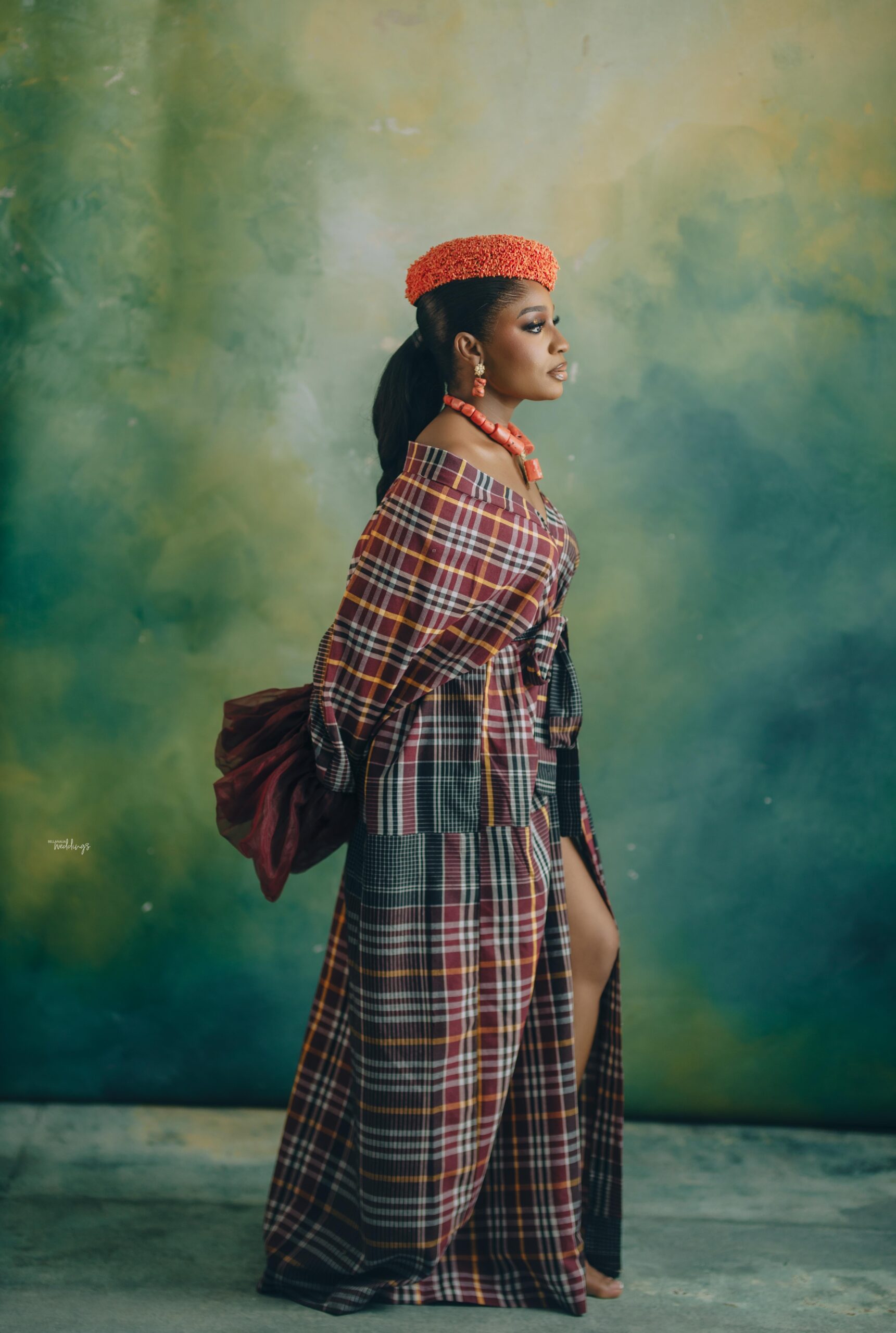
How we met
By the bride, Lauretta:
It all started in 2013, when both our families accidentally received each other’s university admission letters. Funny, right? Almost like the universe already knew we were meant to cross paths. Although we saw each other a few times that year — with my mum casually smiling at Garrick, or Garrick’s dad kindly directing me to the nearest printing shop — we never truly connected until 2014, when we finally started school. From that moment, we’ve been inseparable. We were just two teenagers, uncertain about what the future might hold, but absolutely sure that we were meant to face it together.
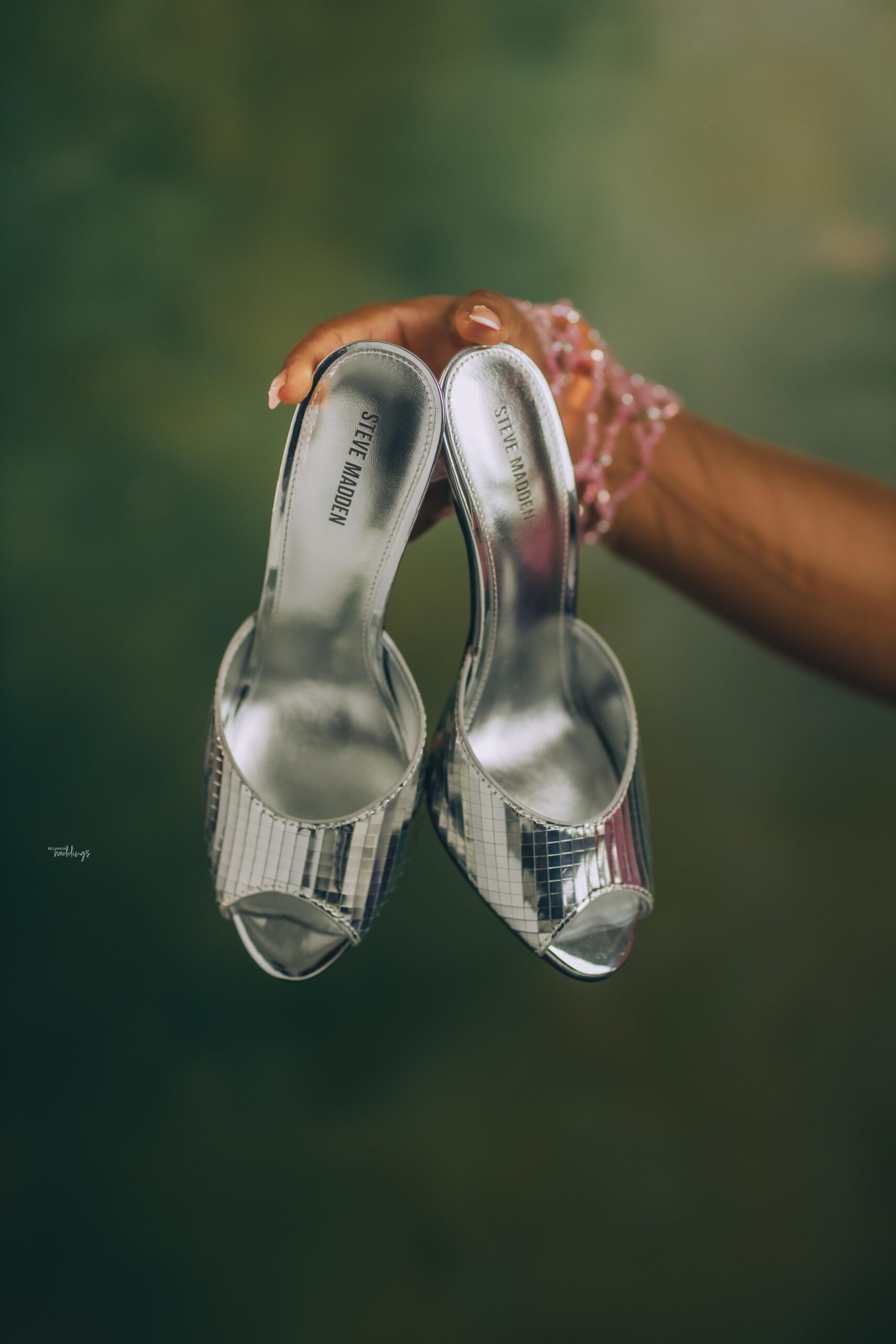
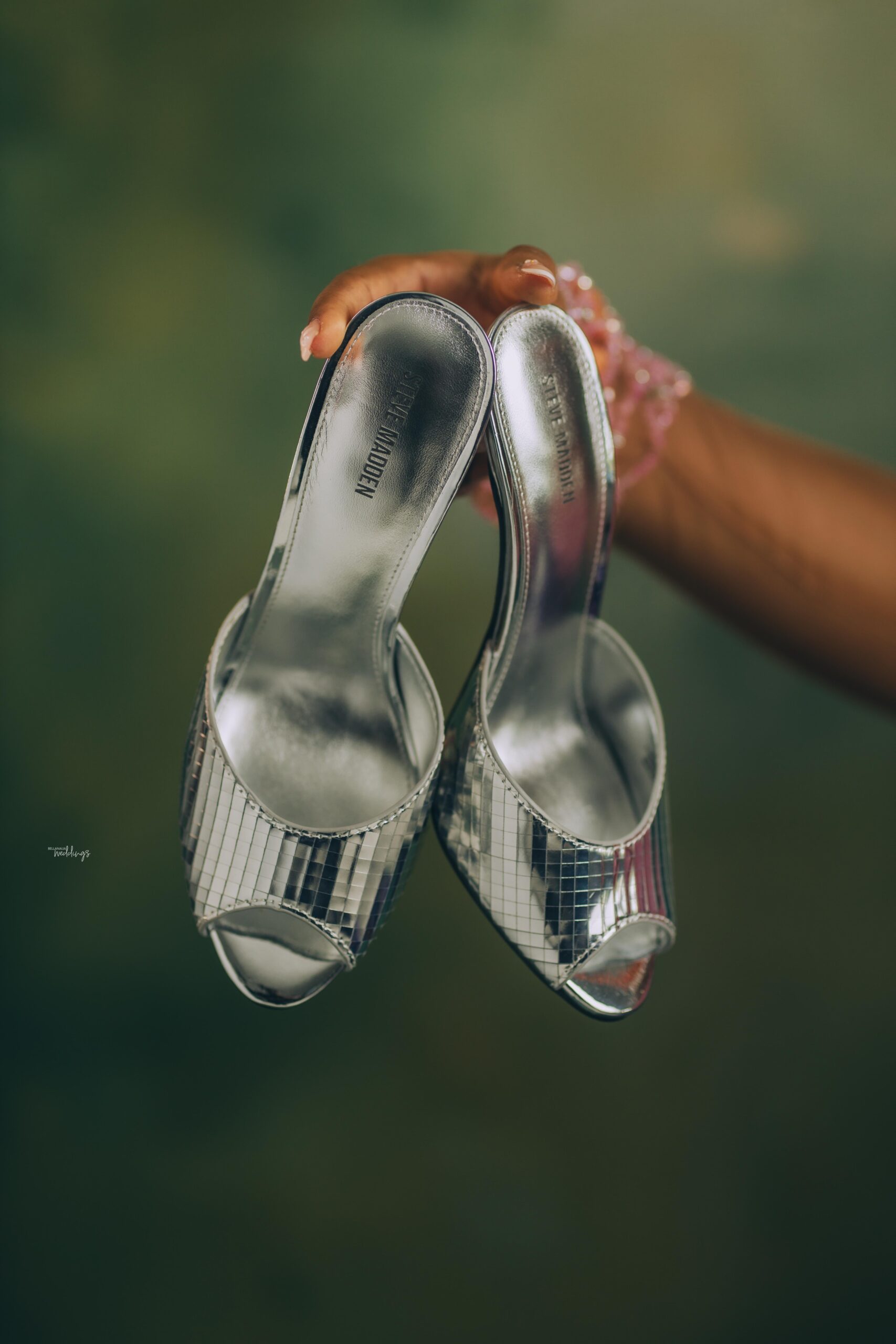
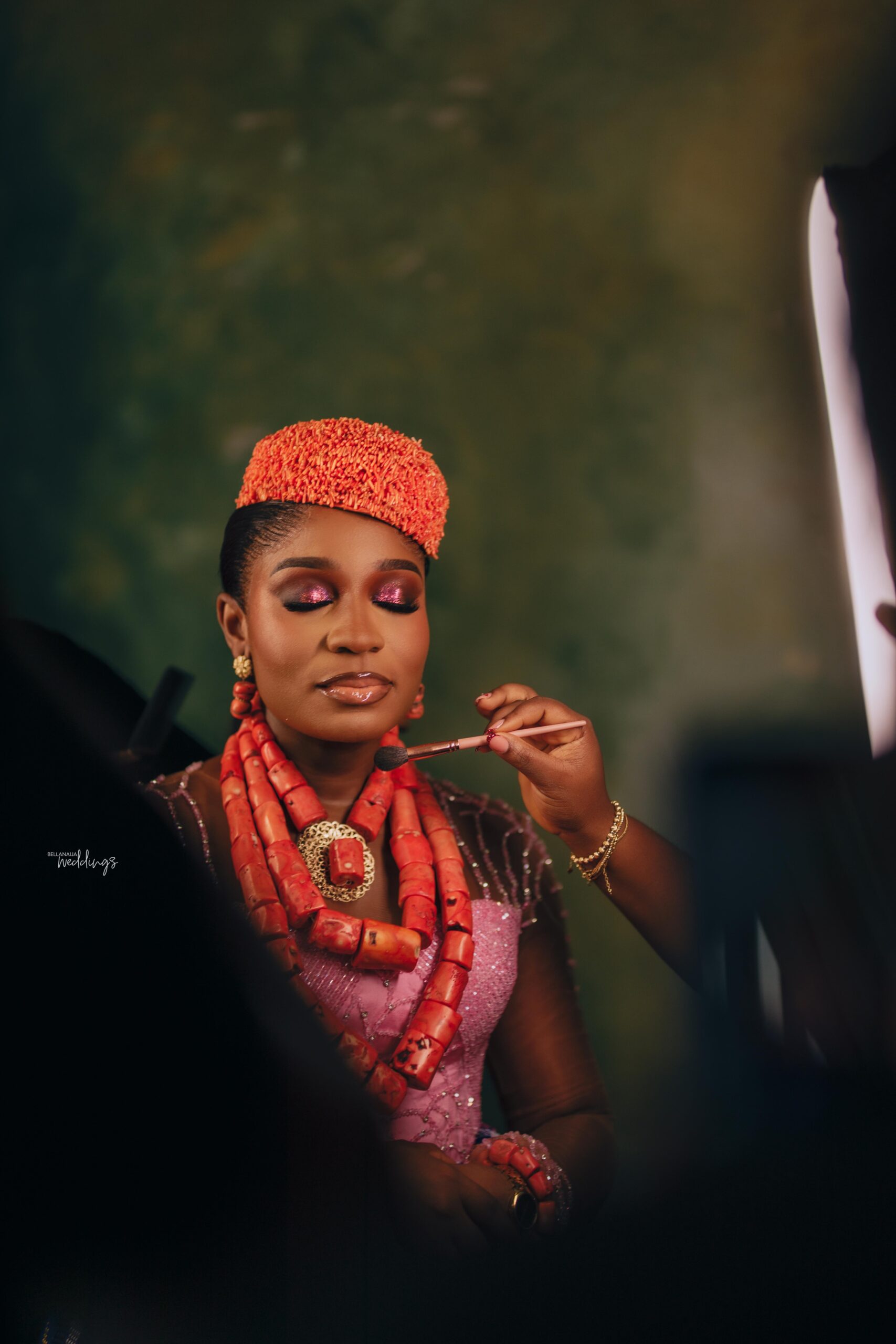
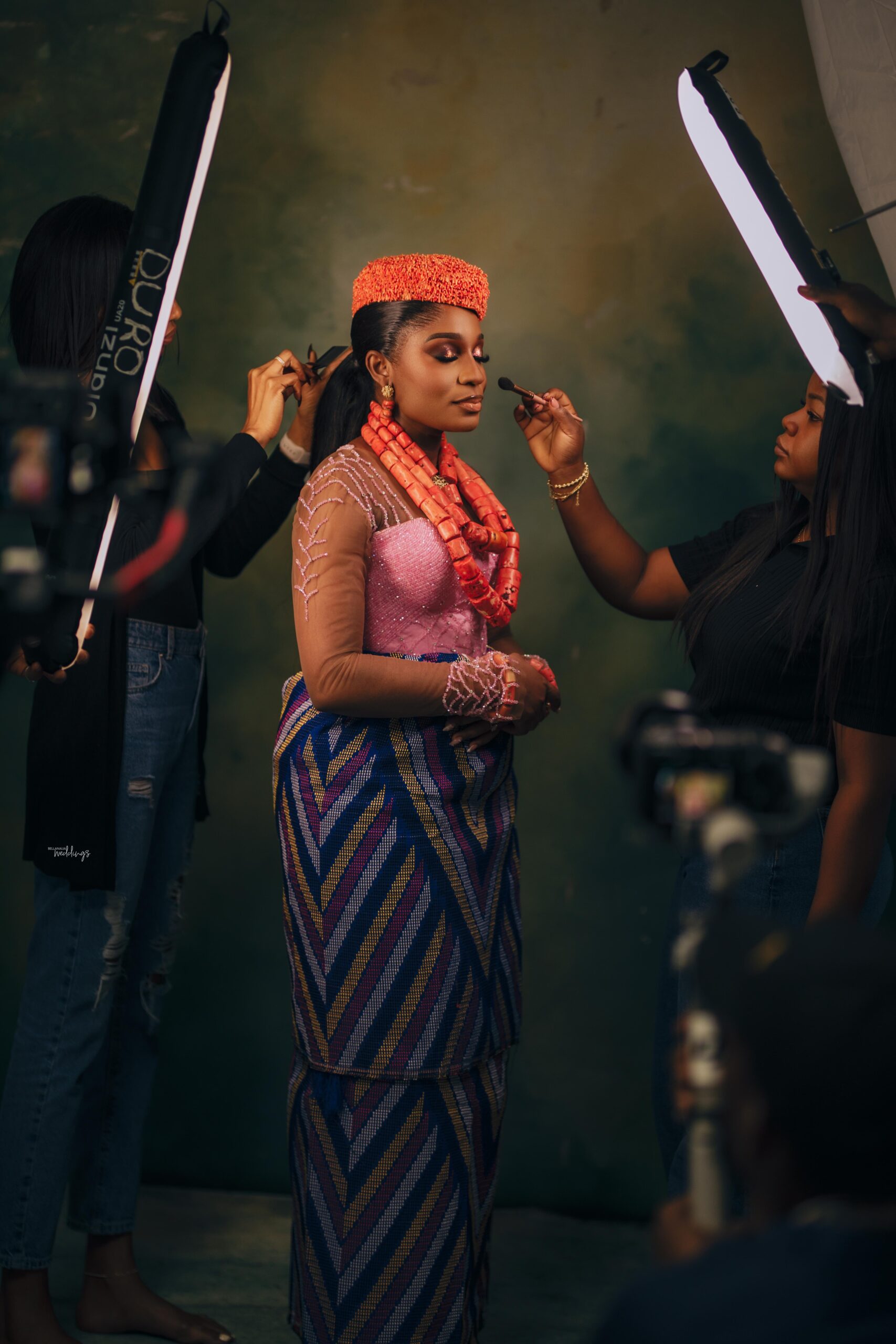
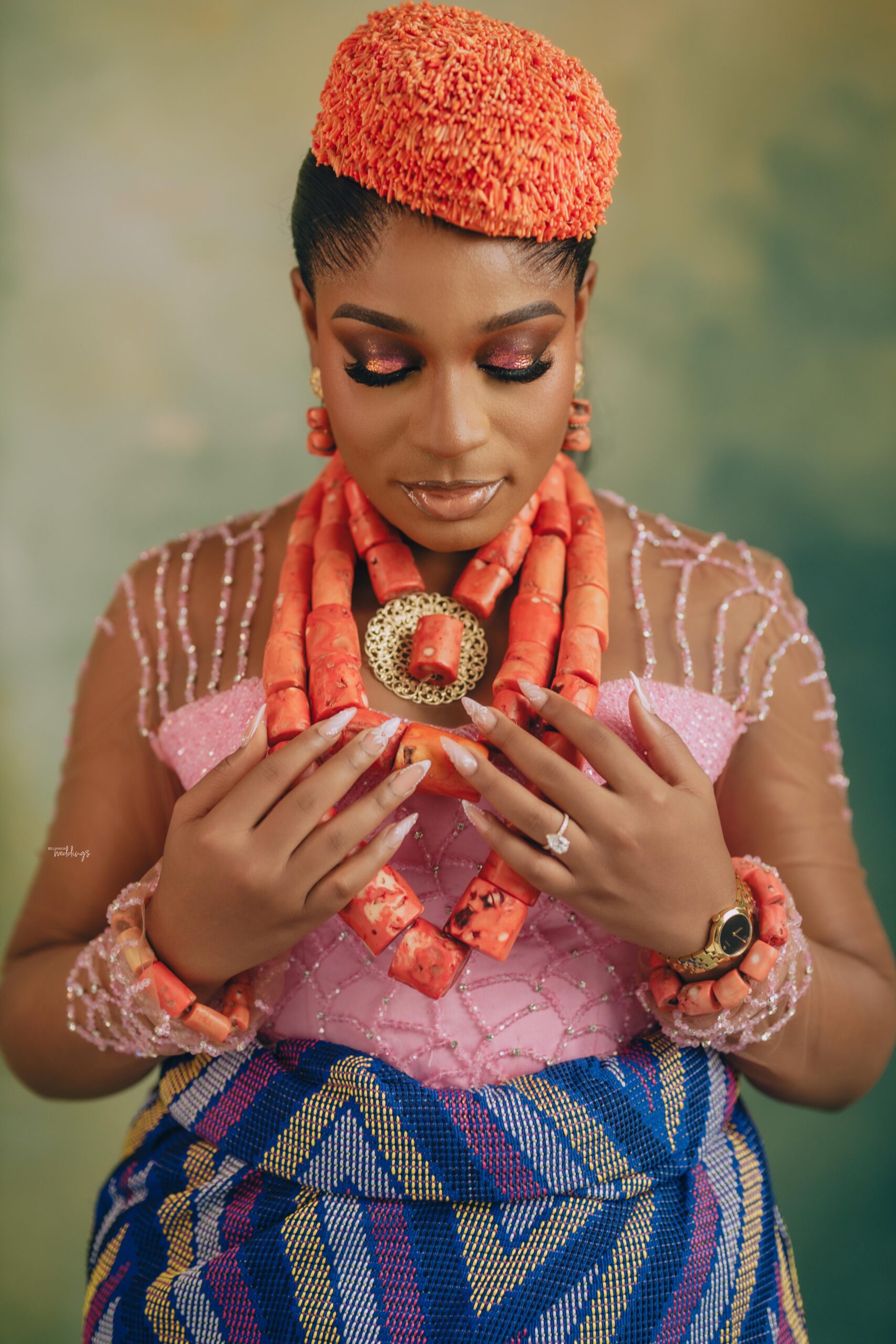
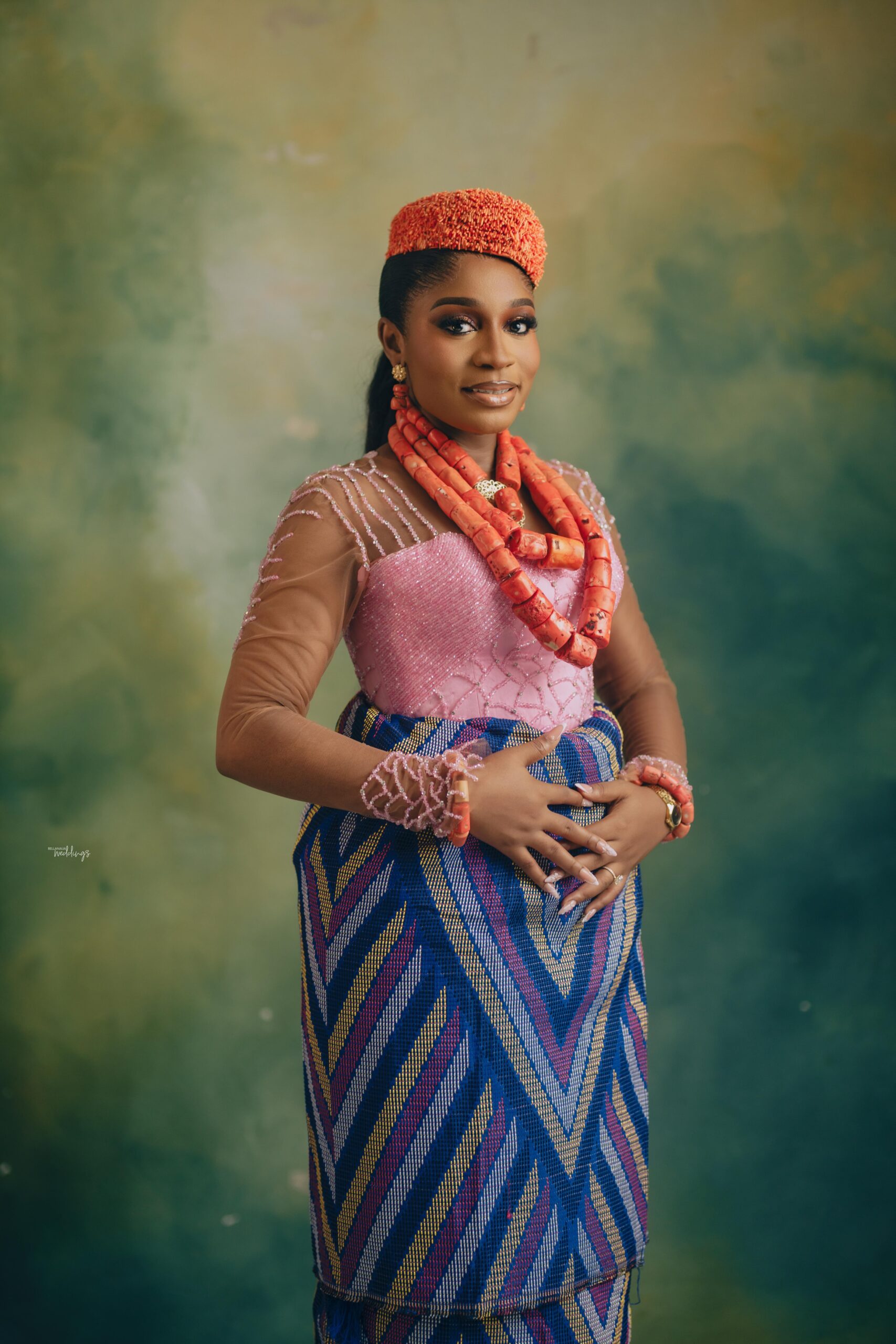
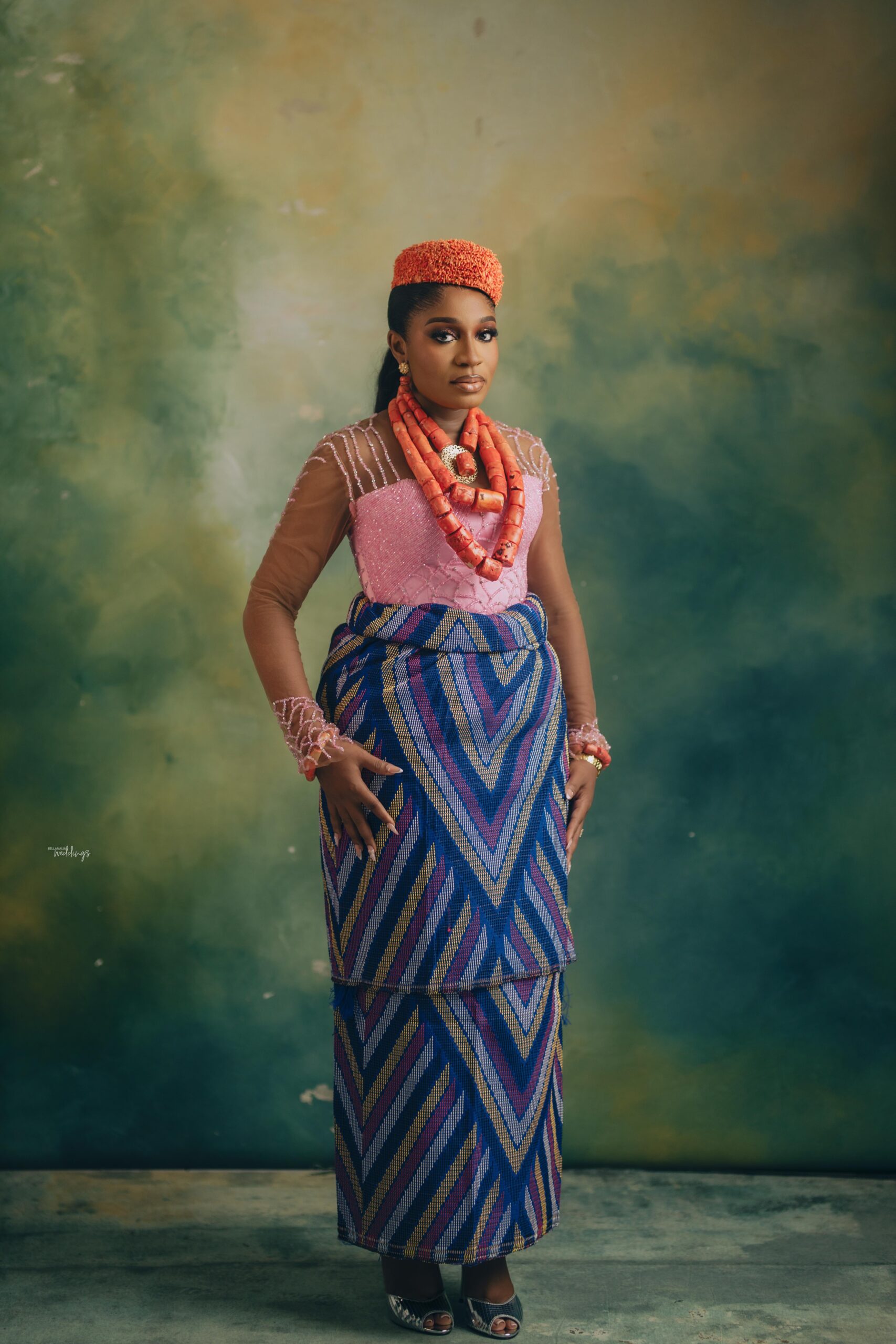
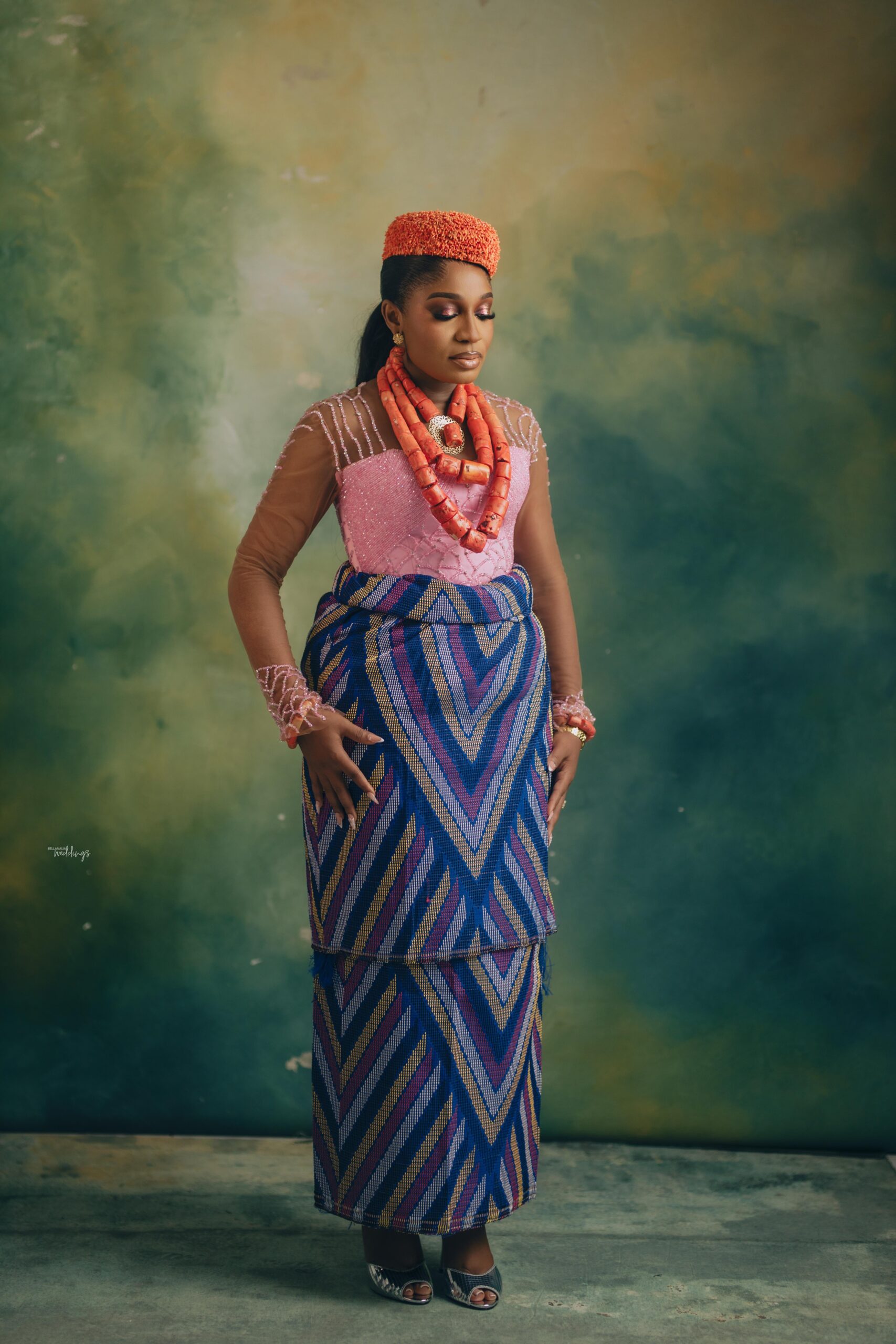
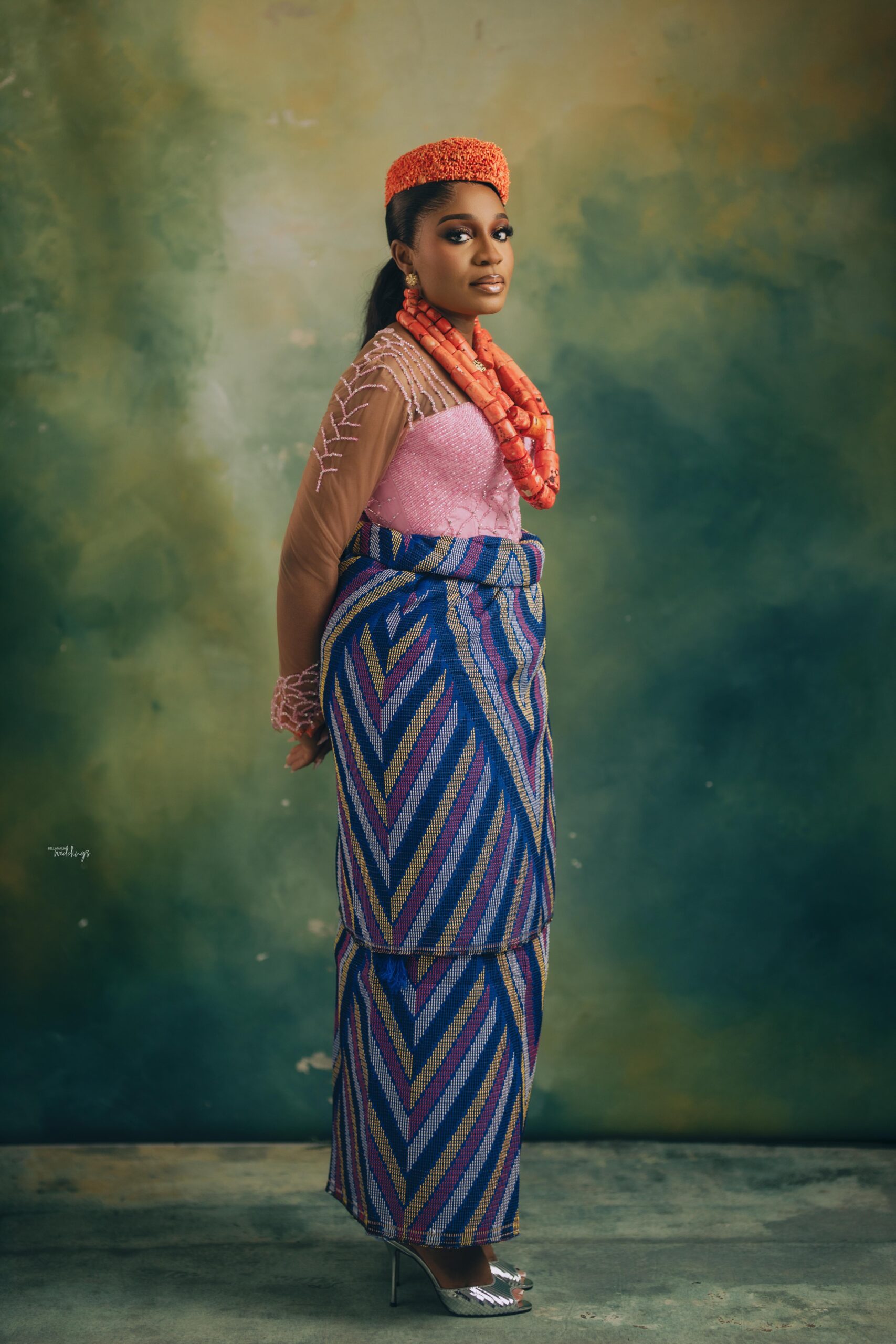
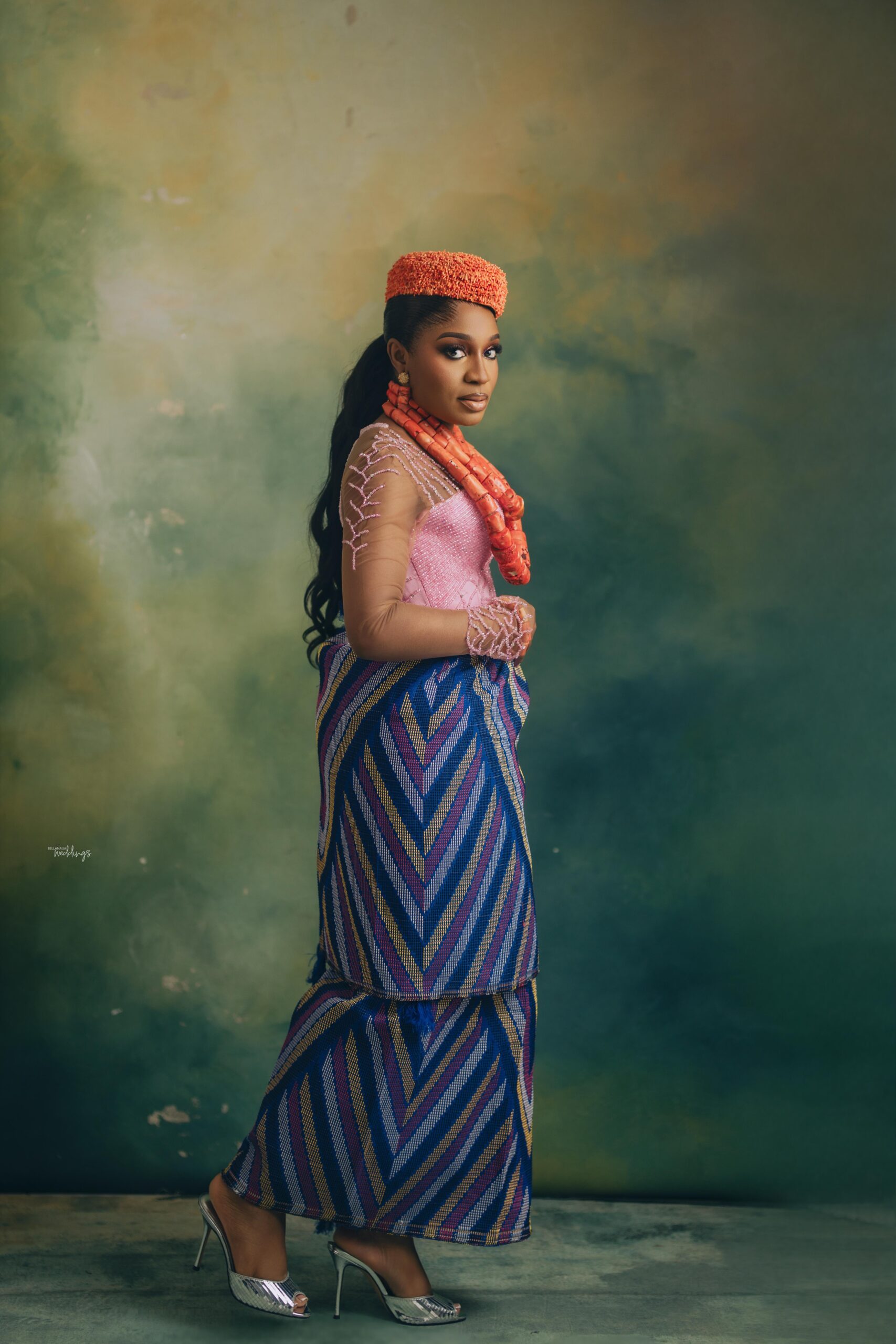
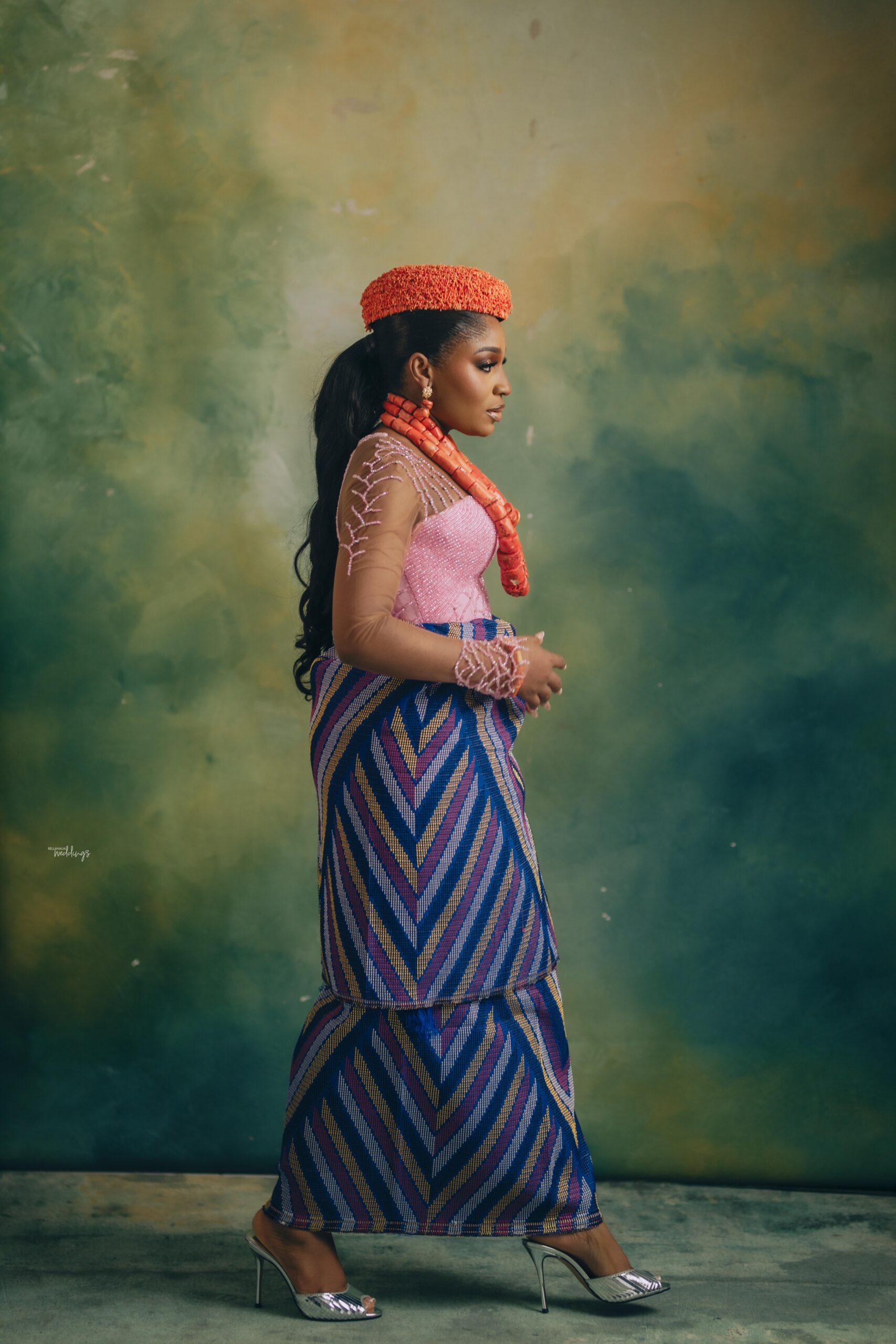
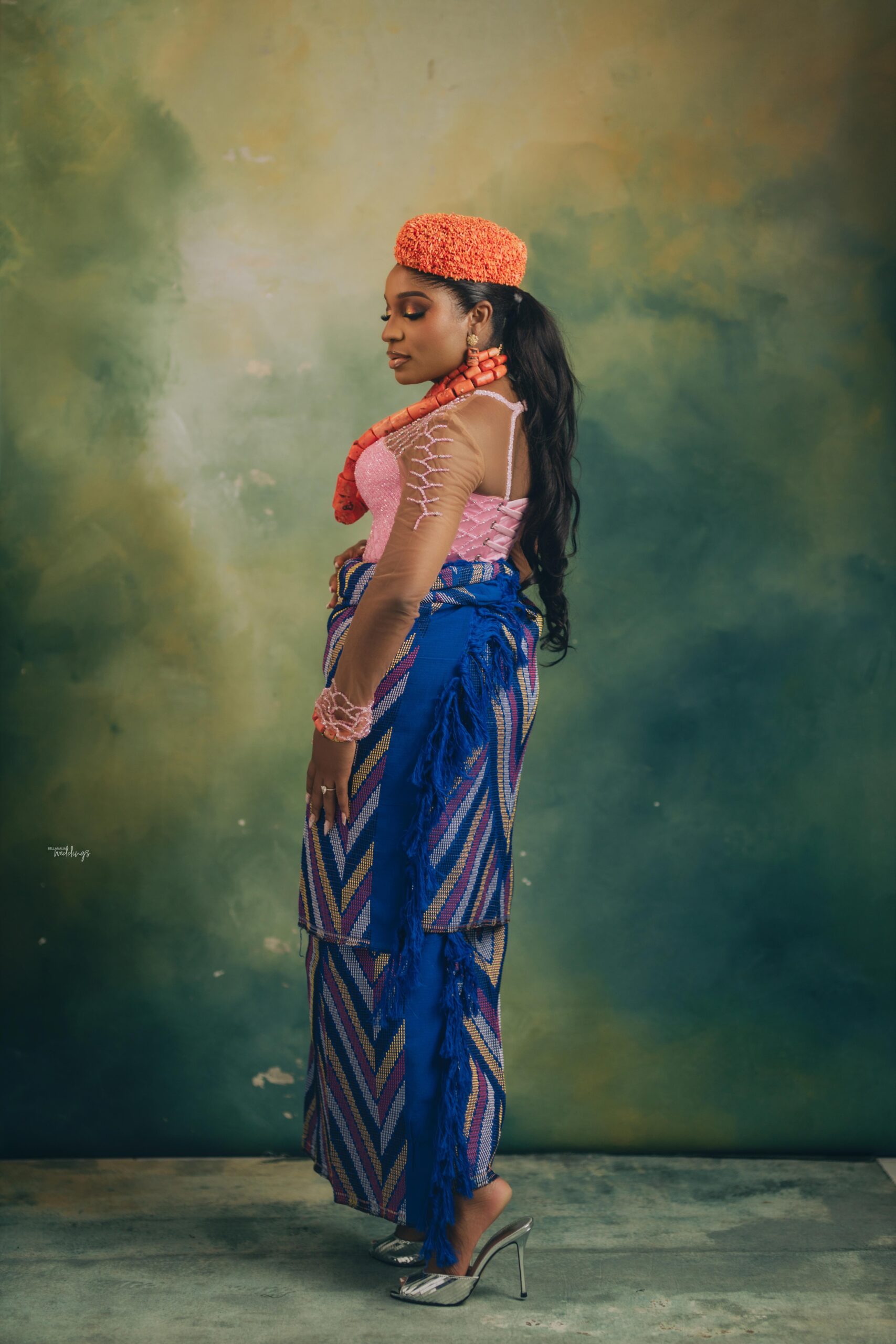
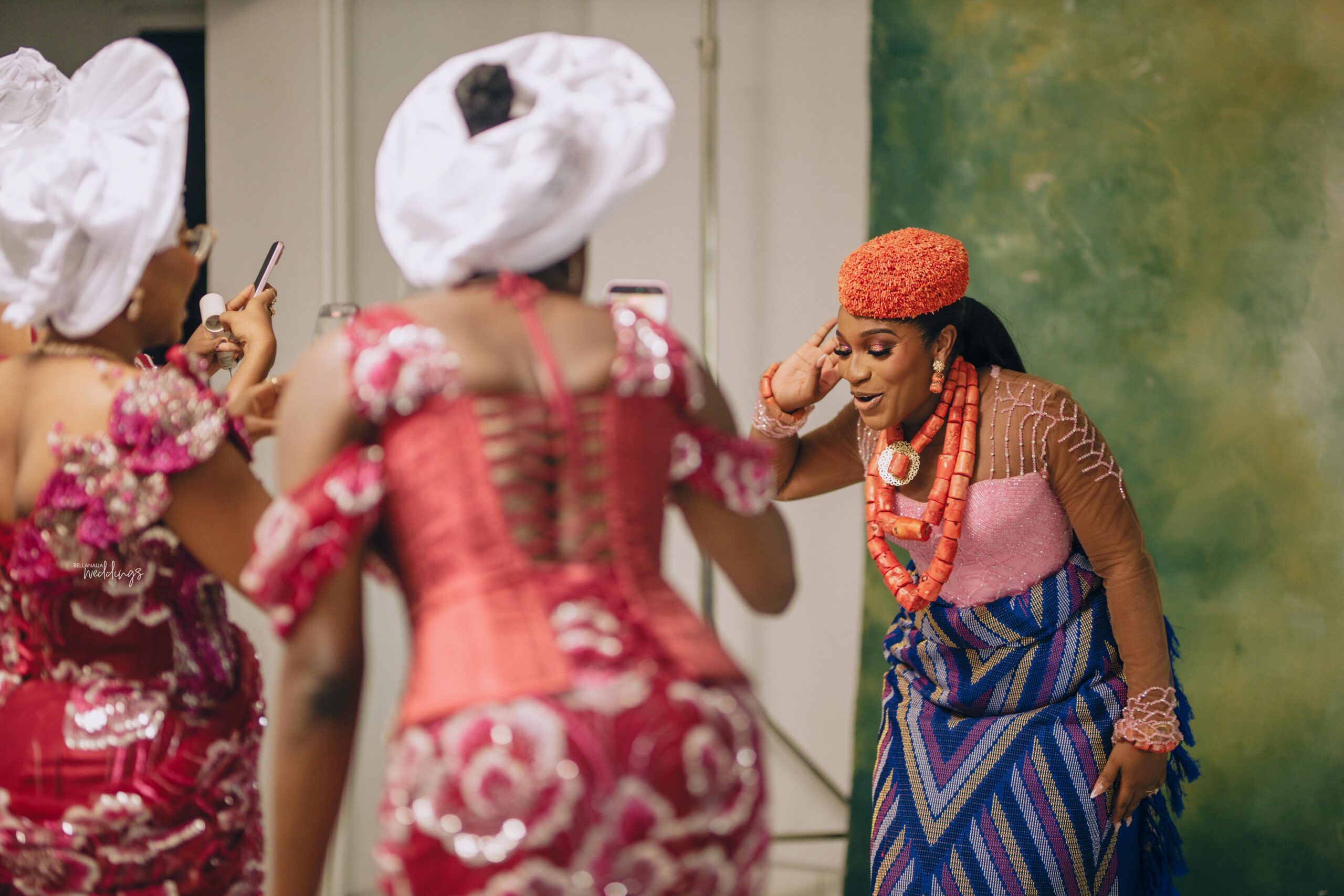
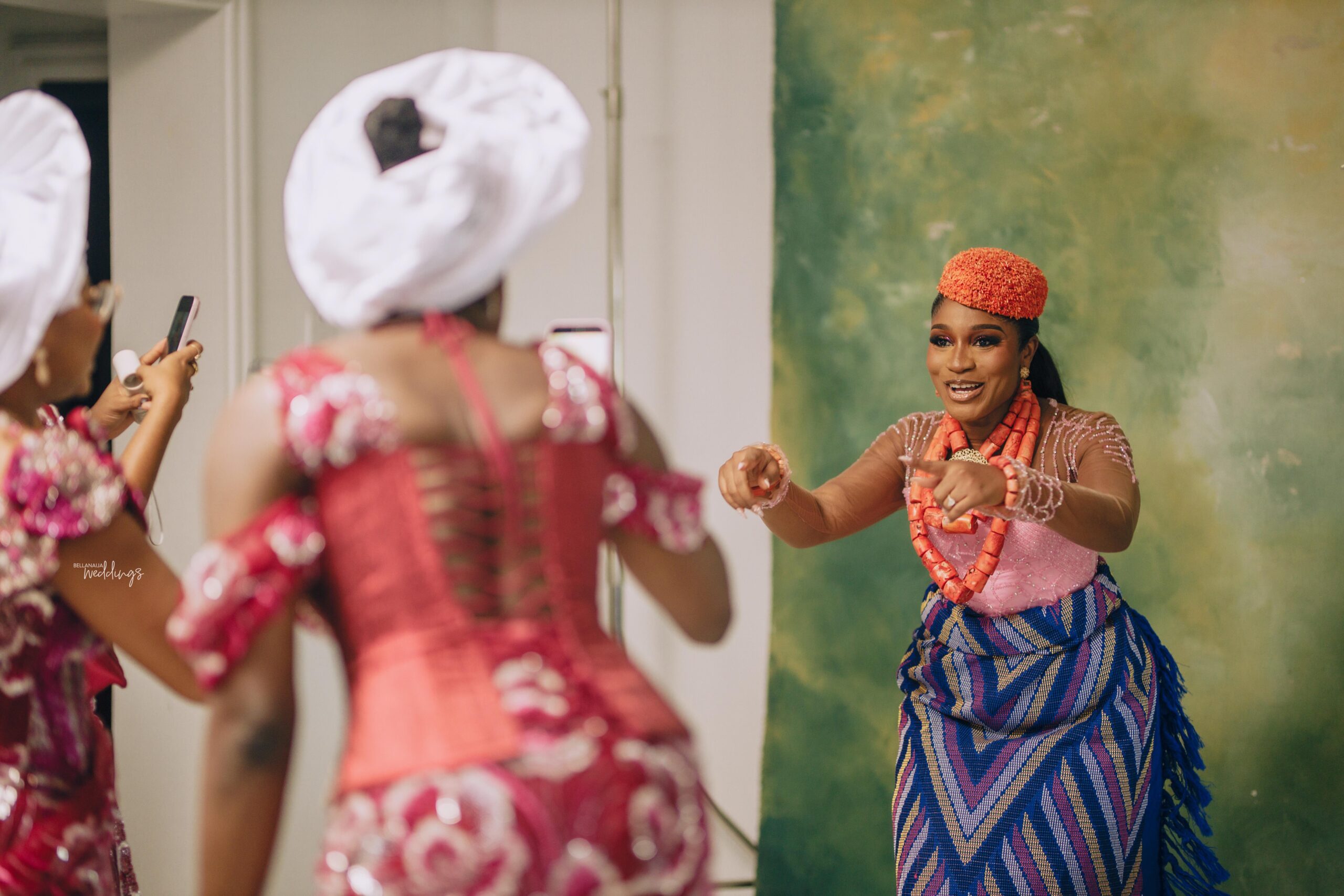
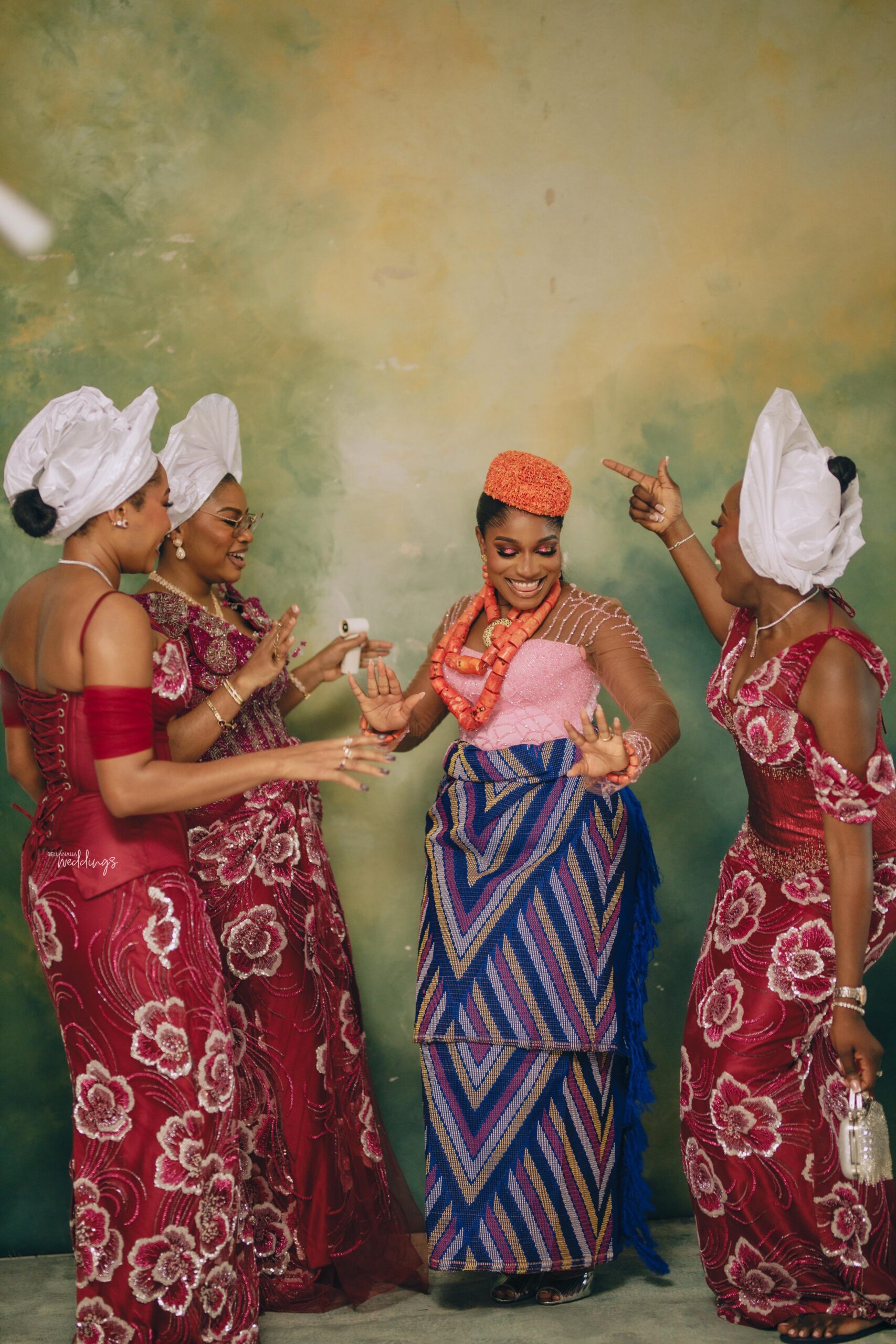
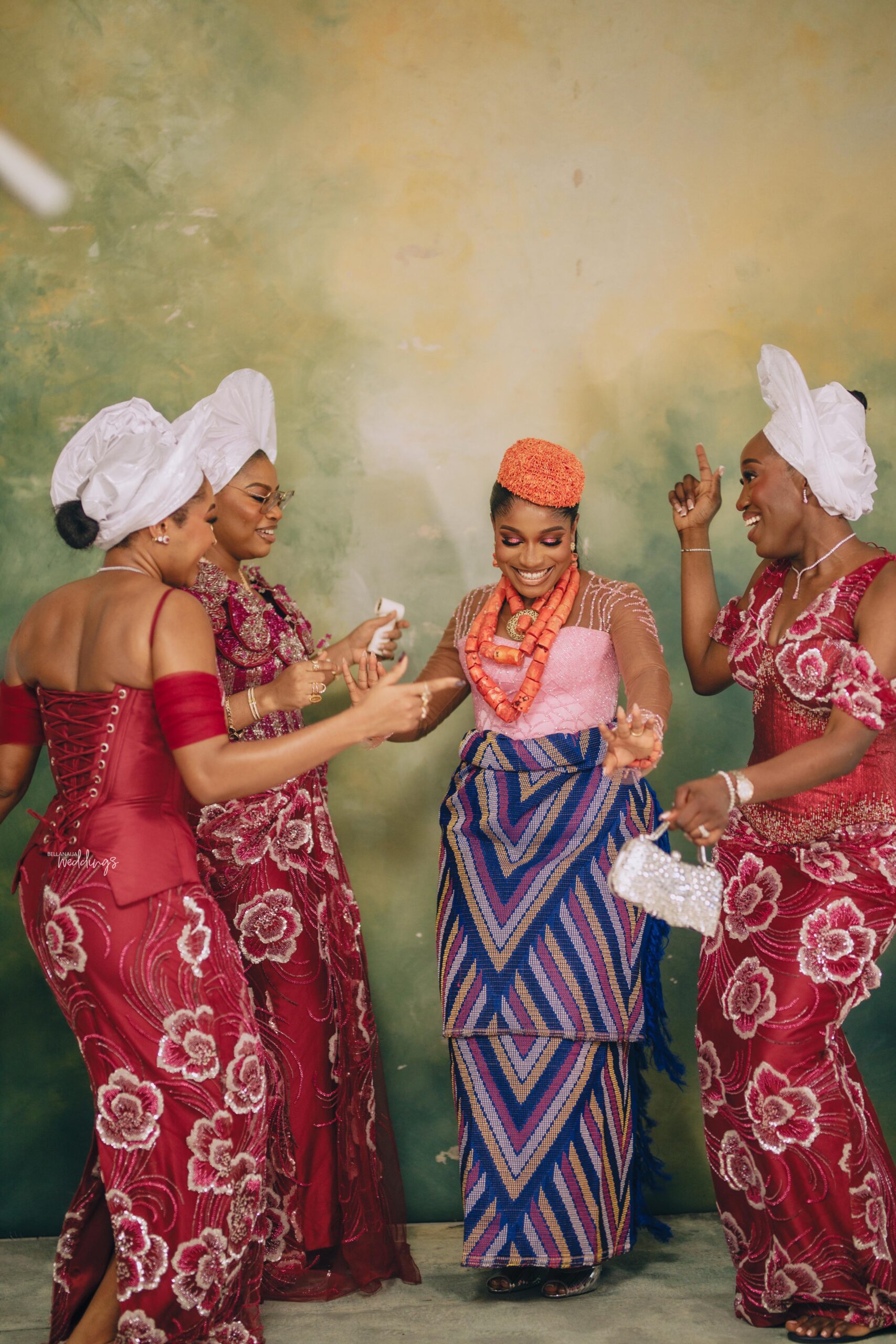
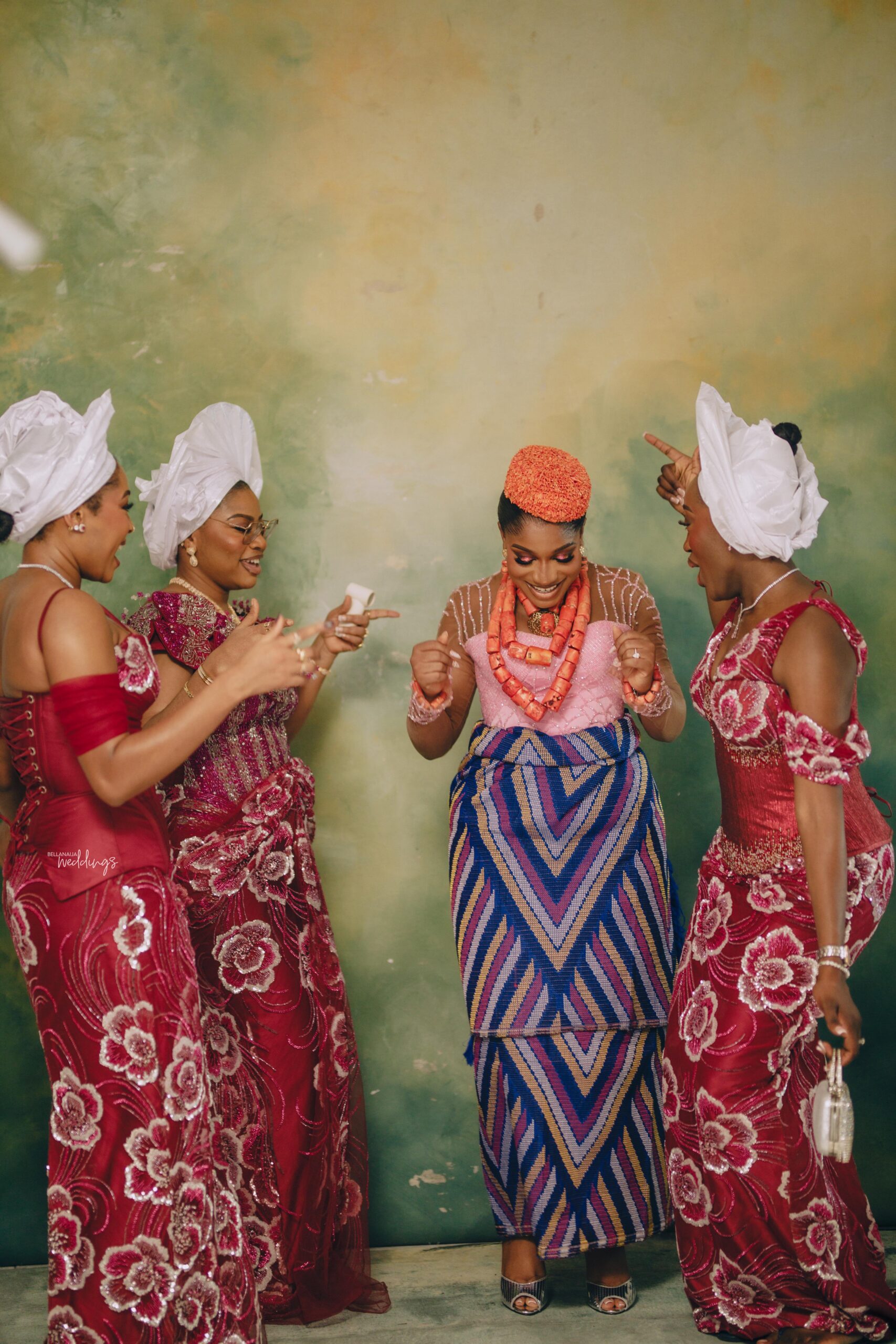
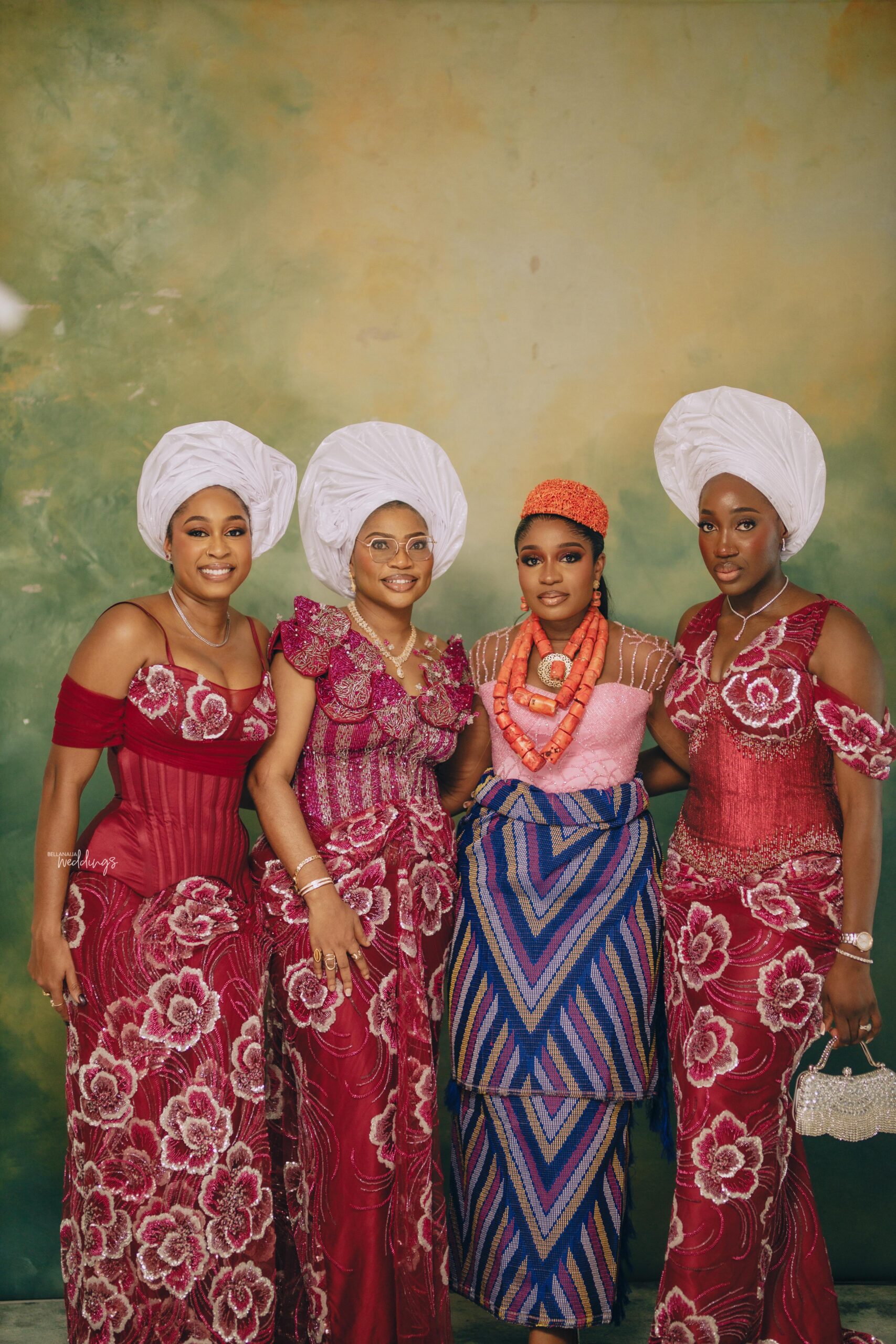
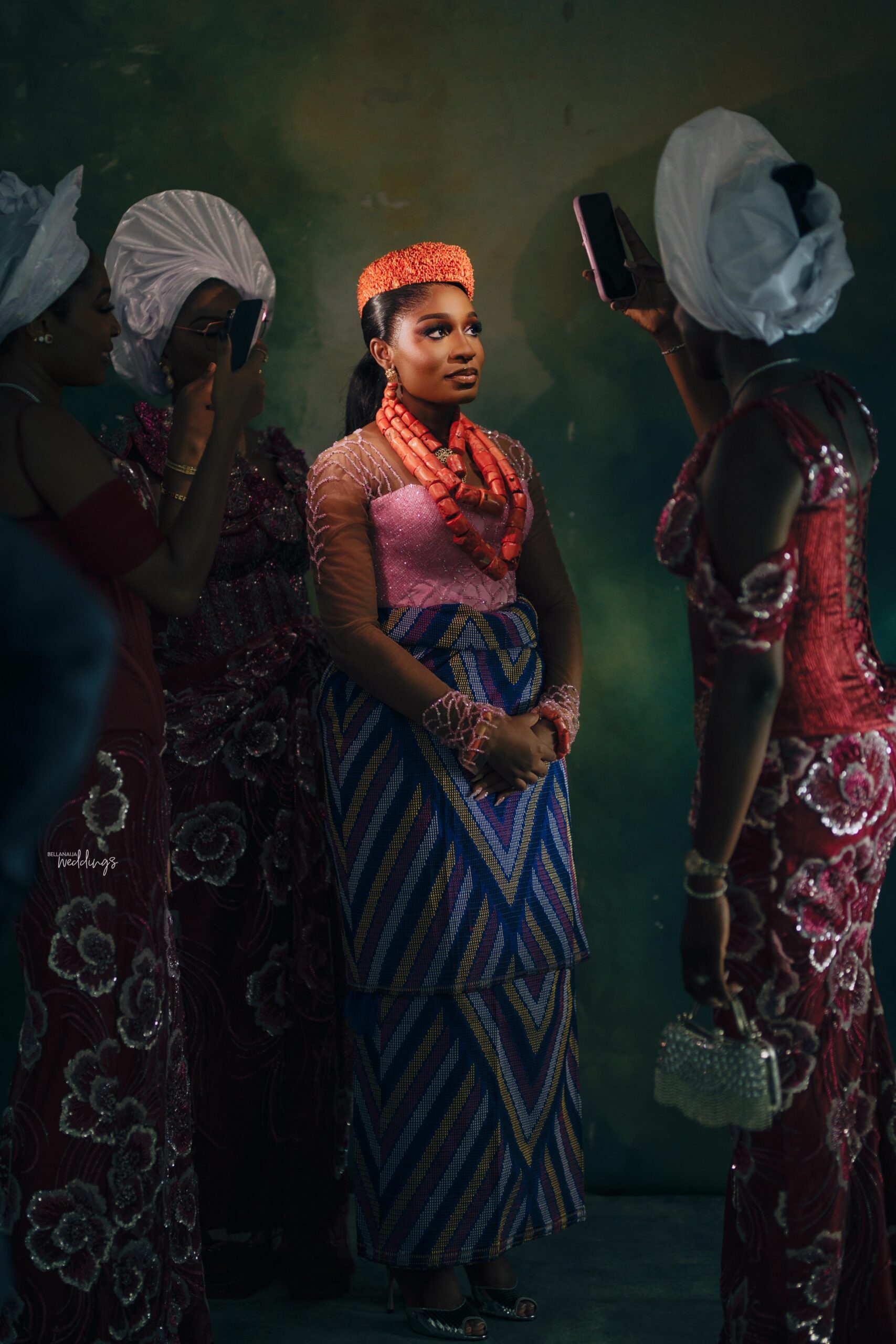
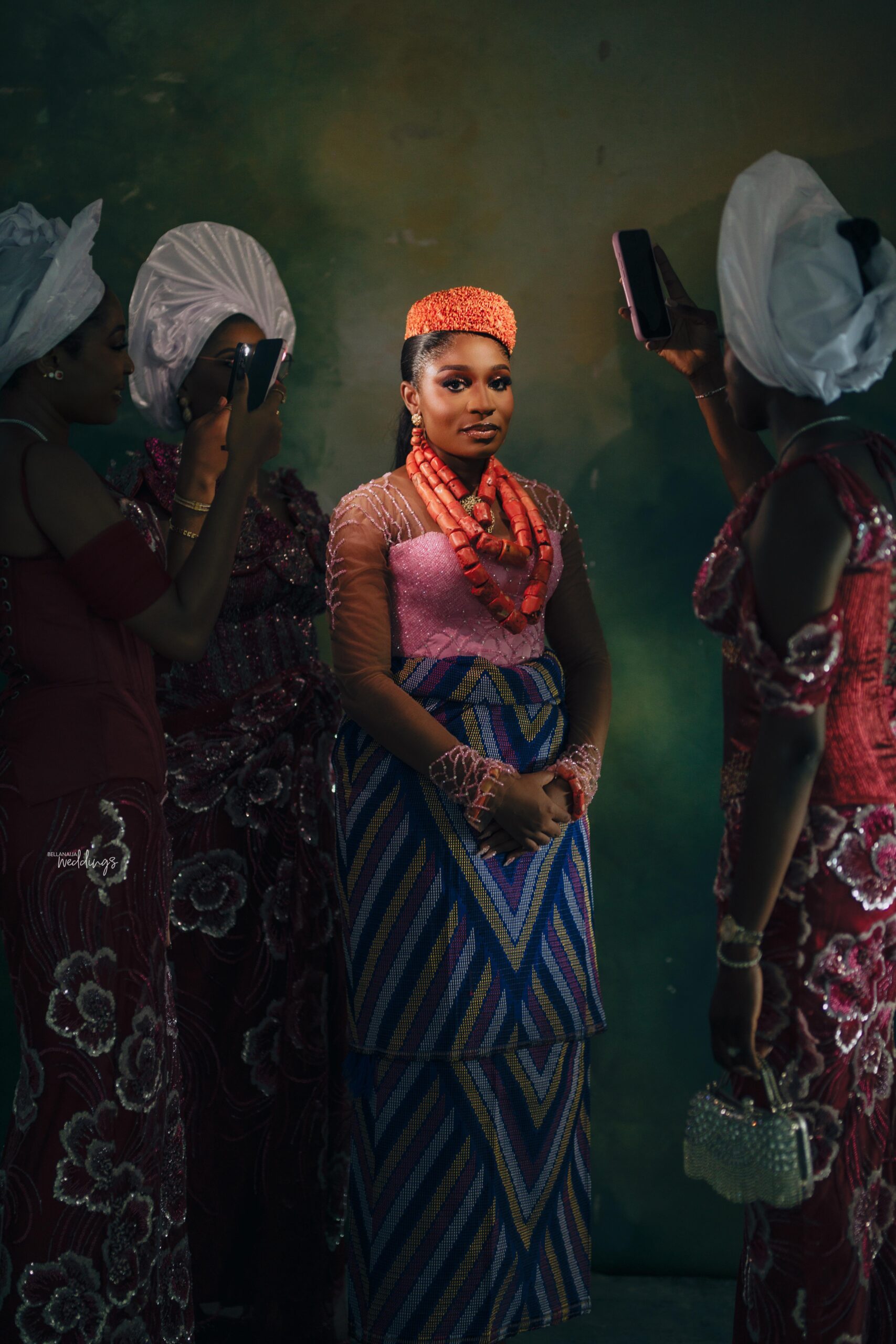
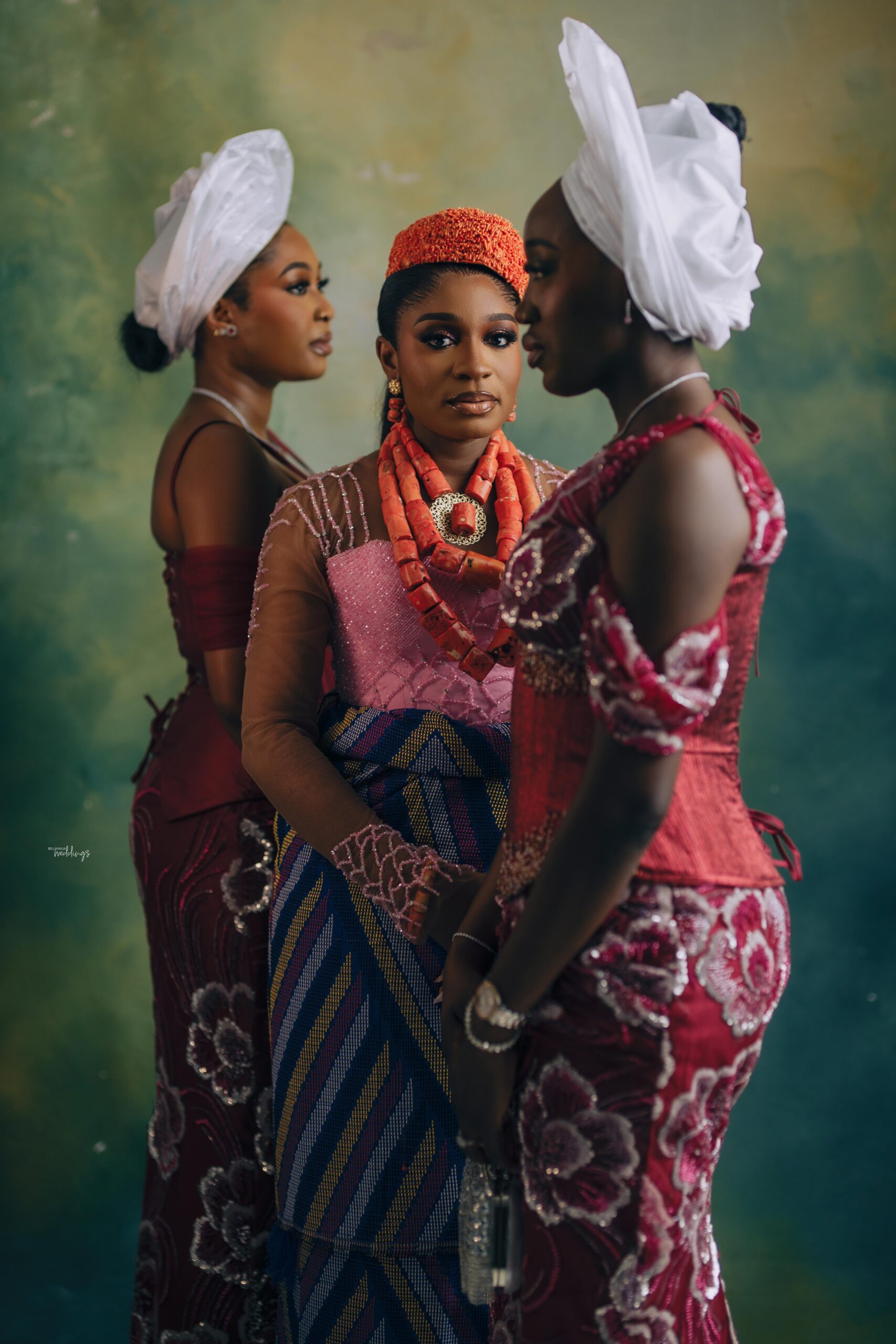


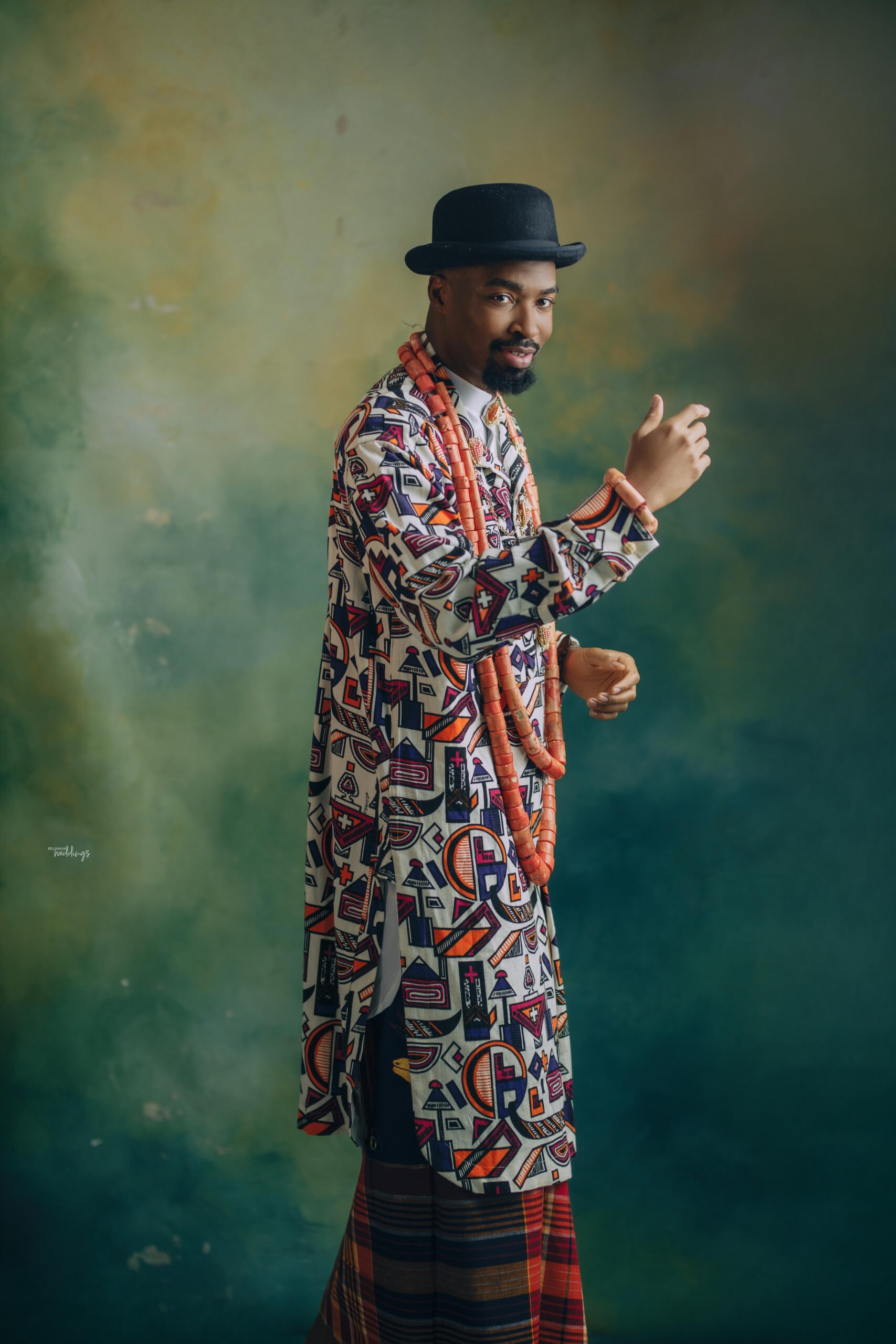
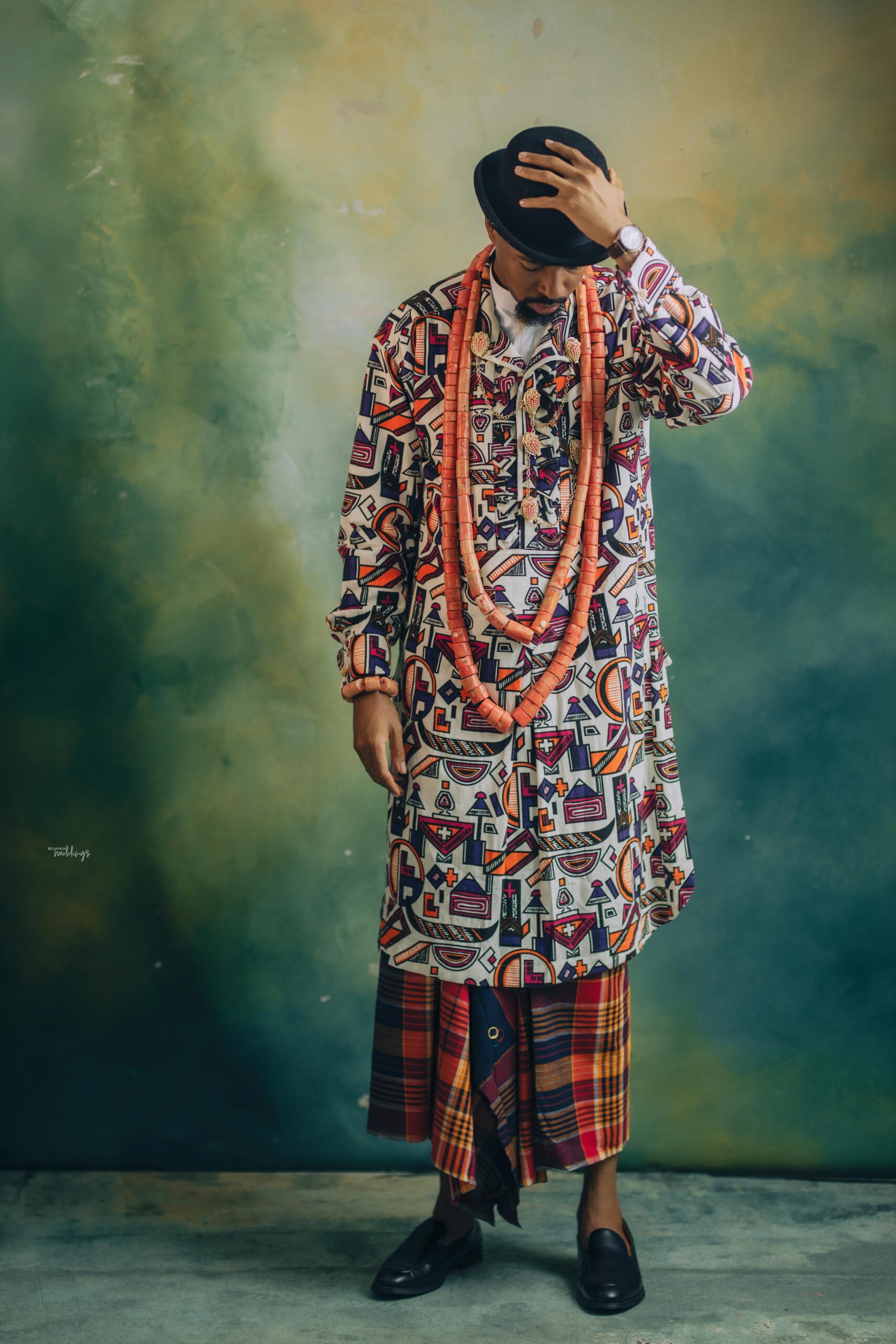

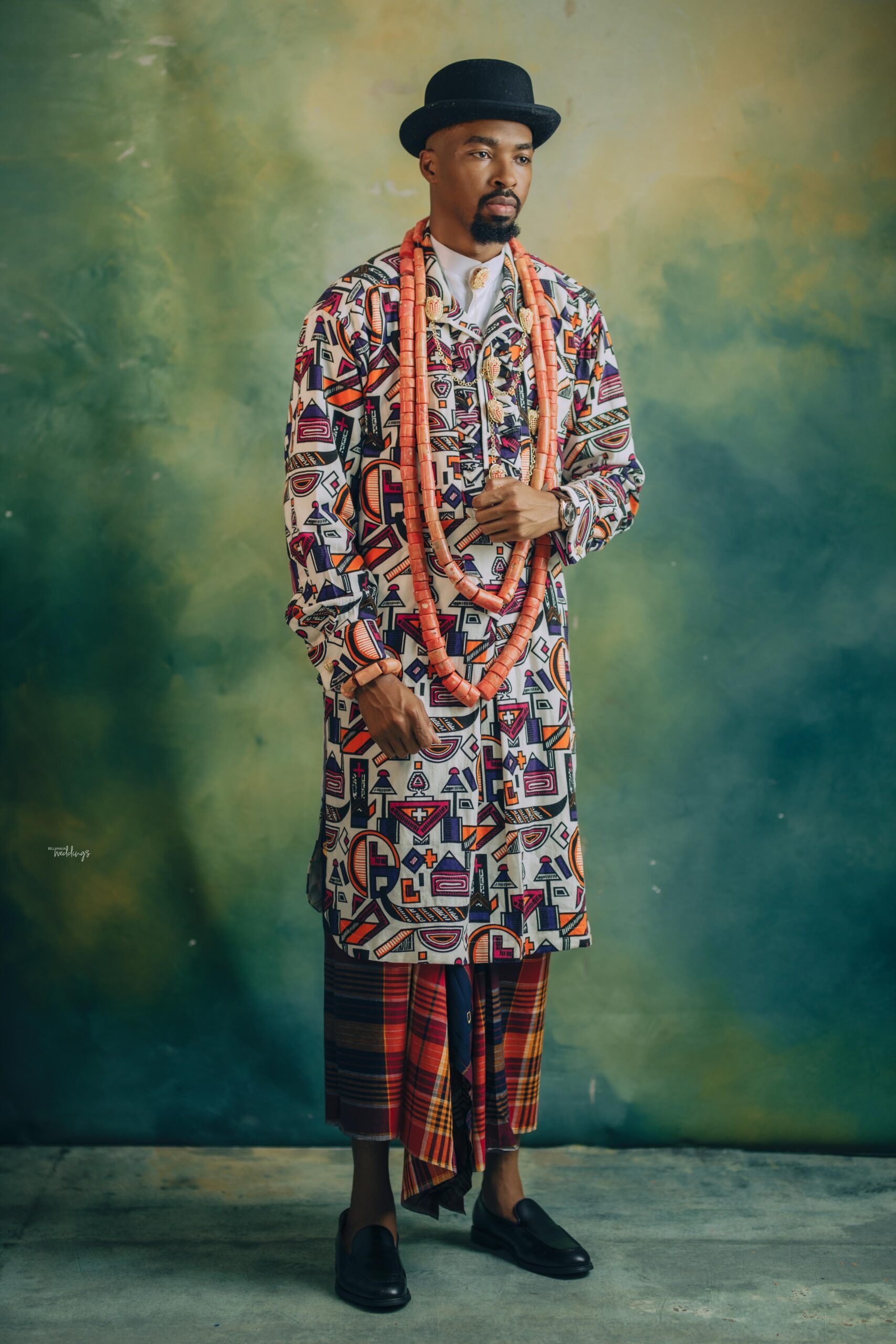
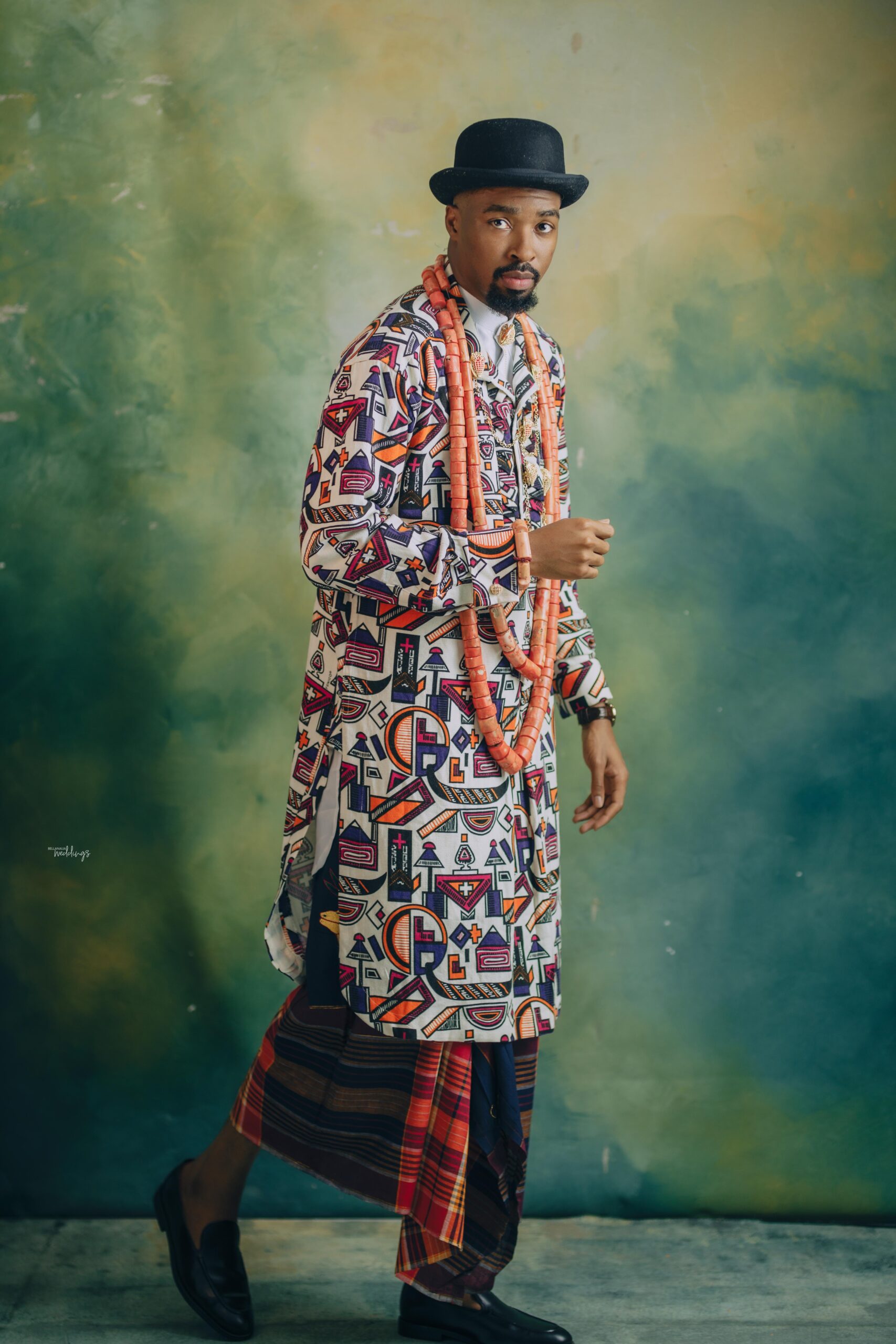

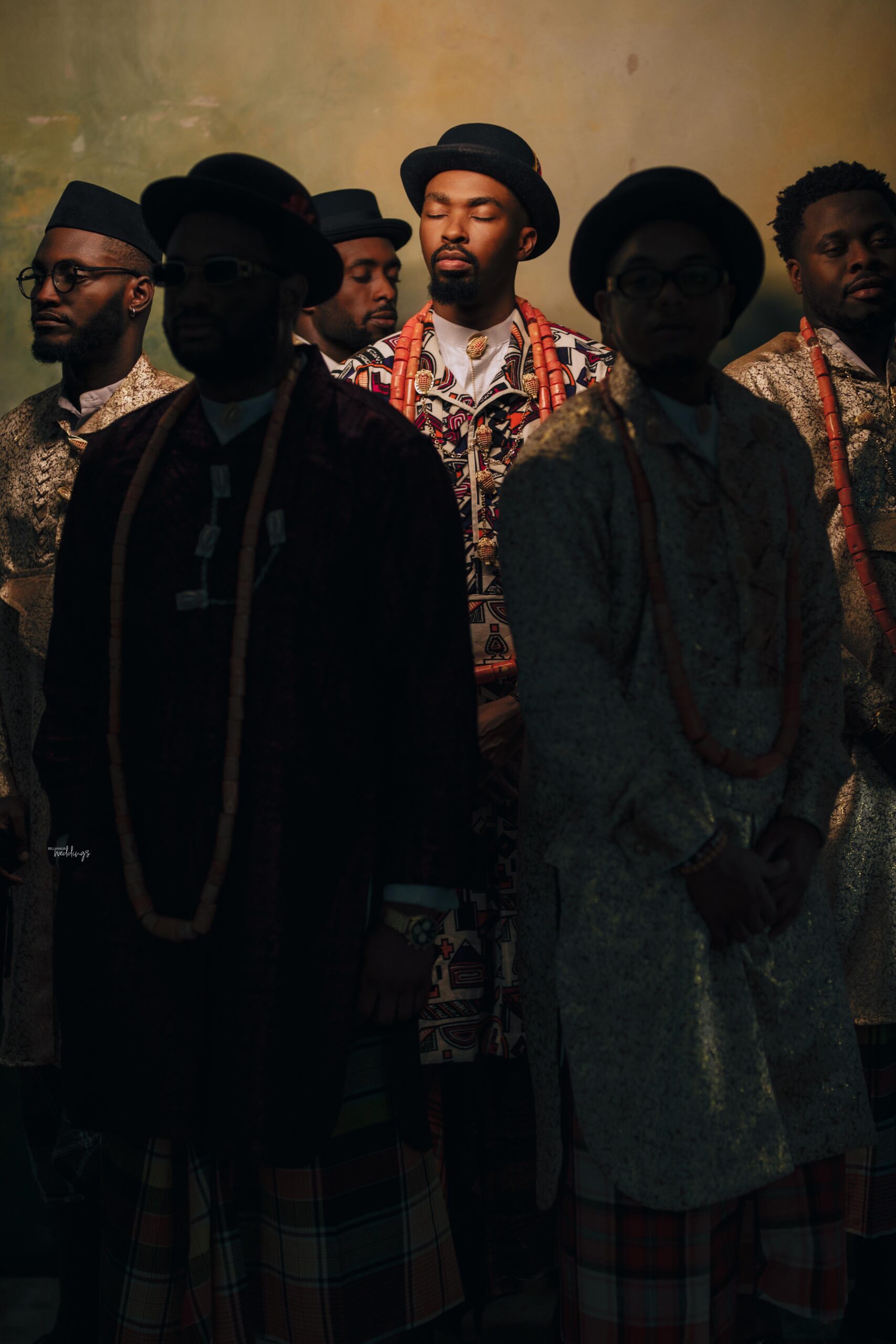
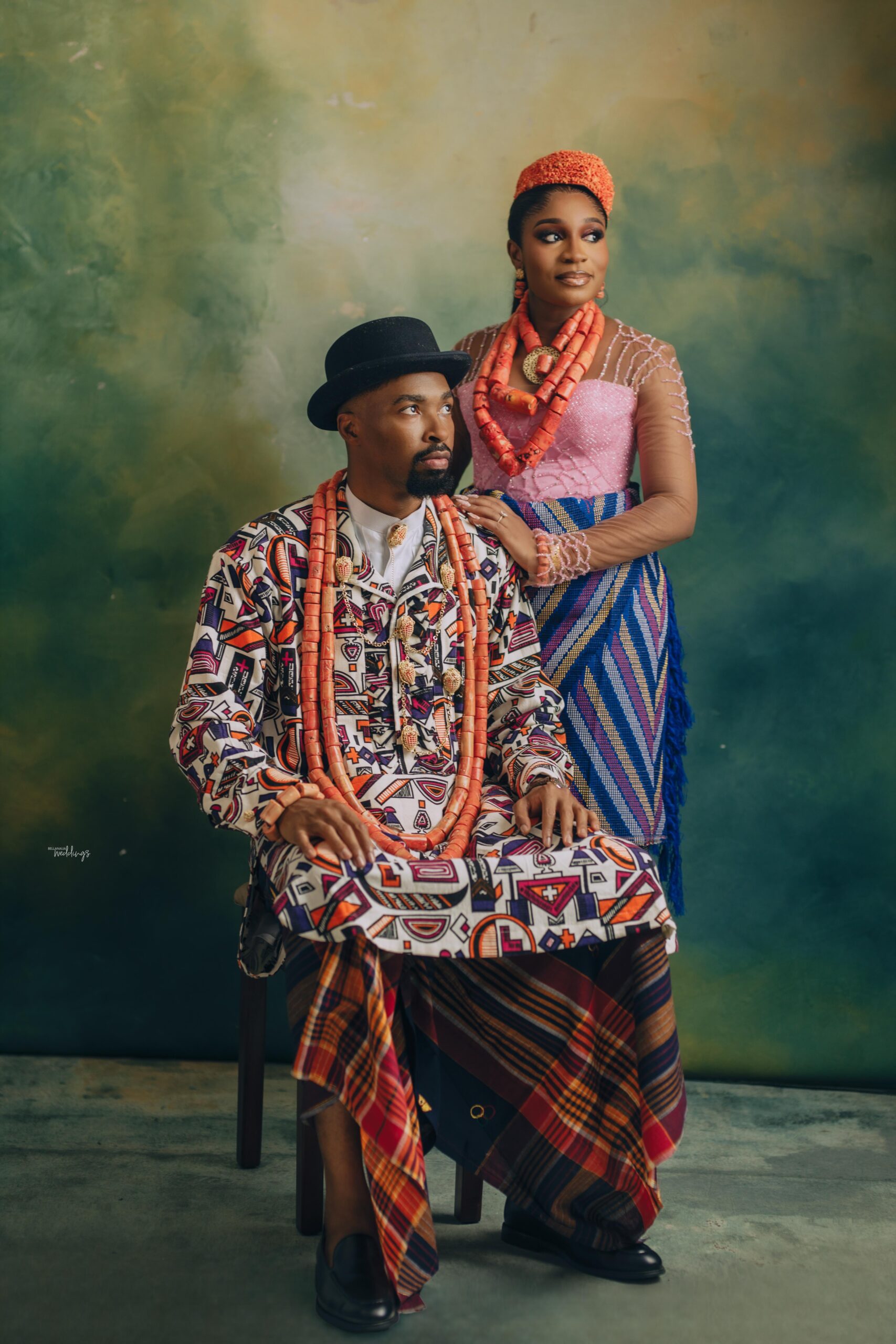
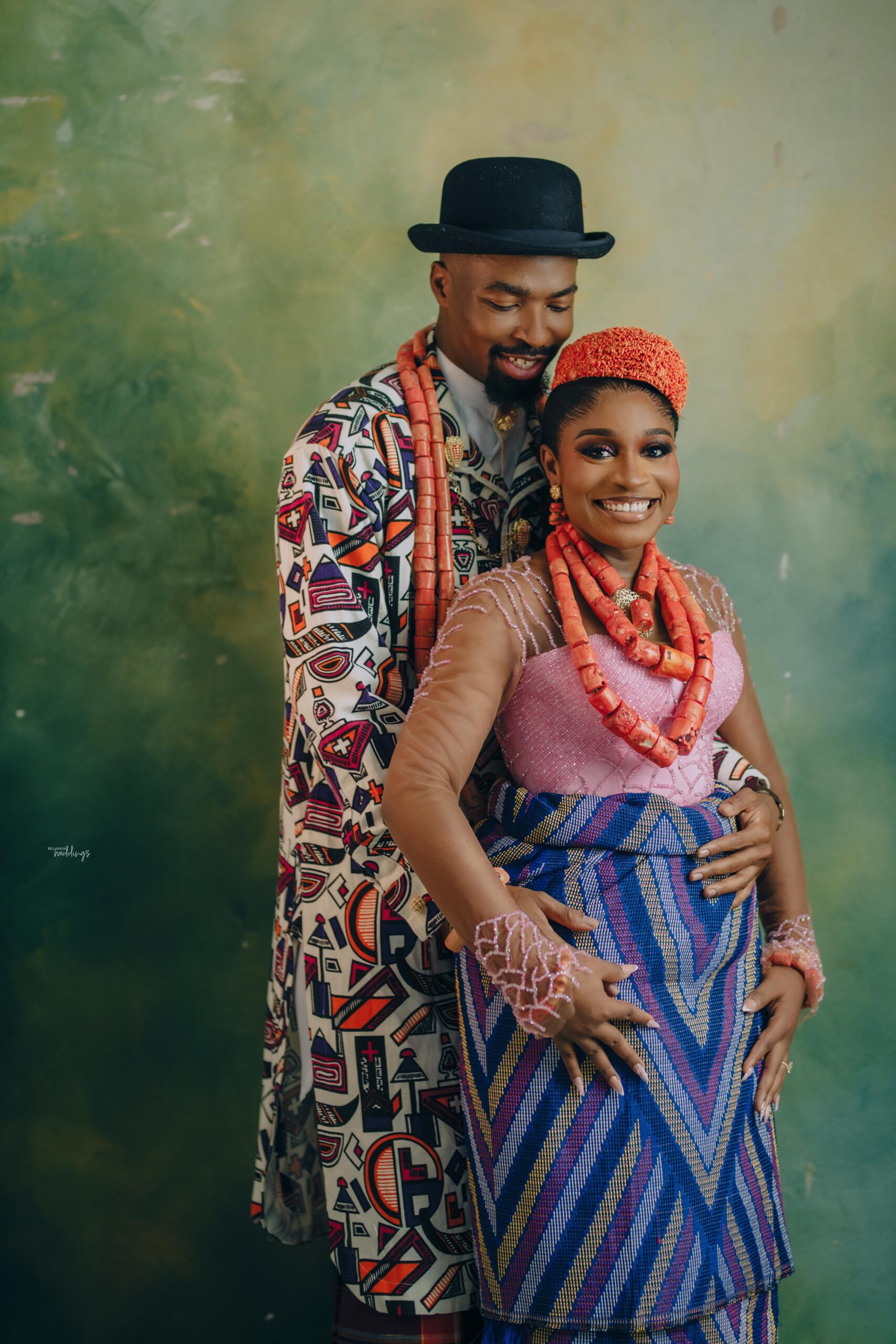
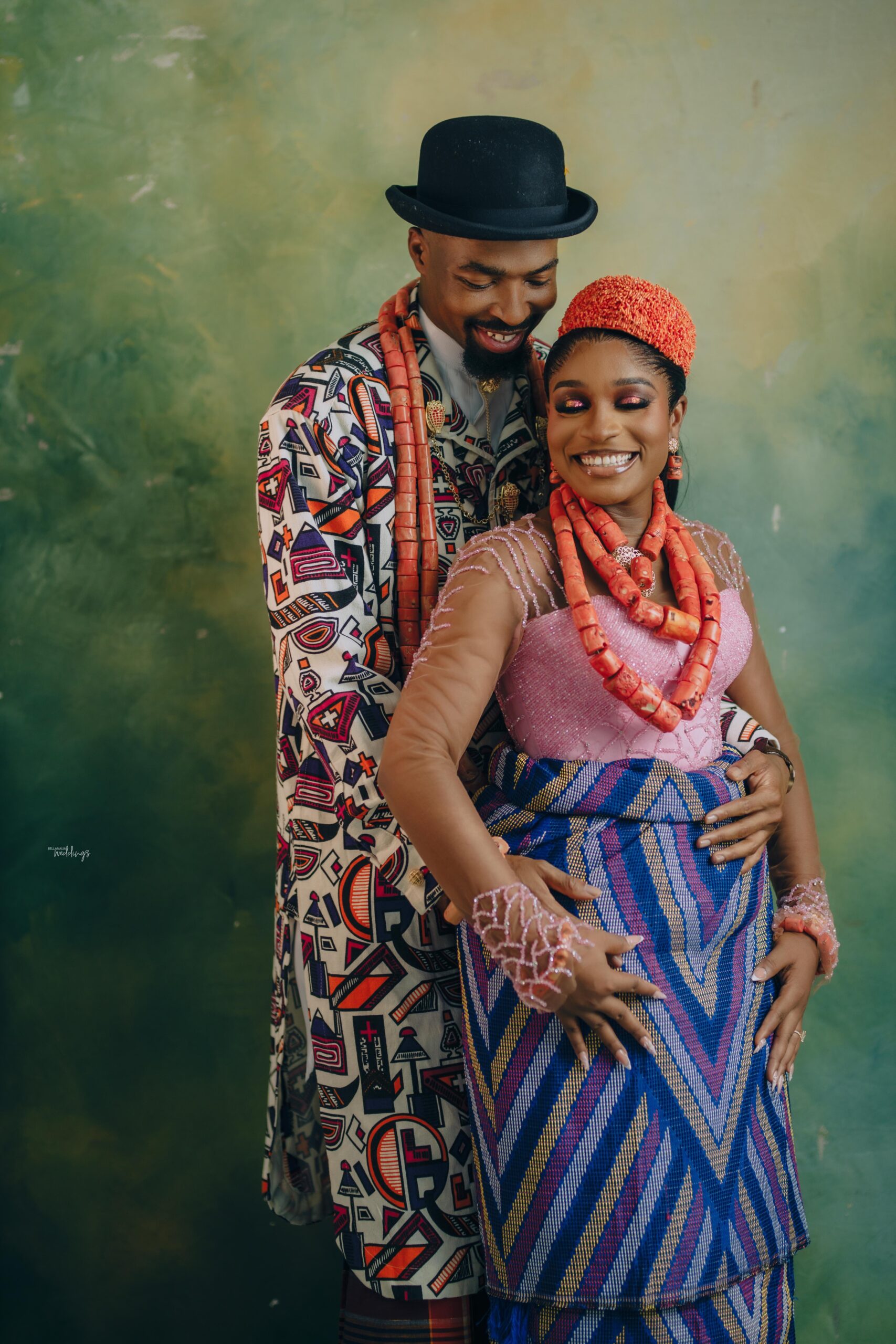
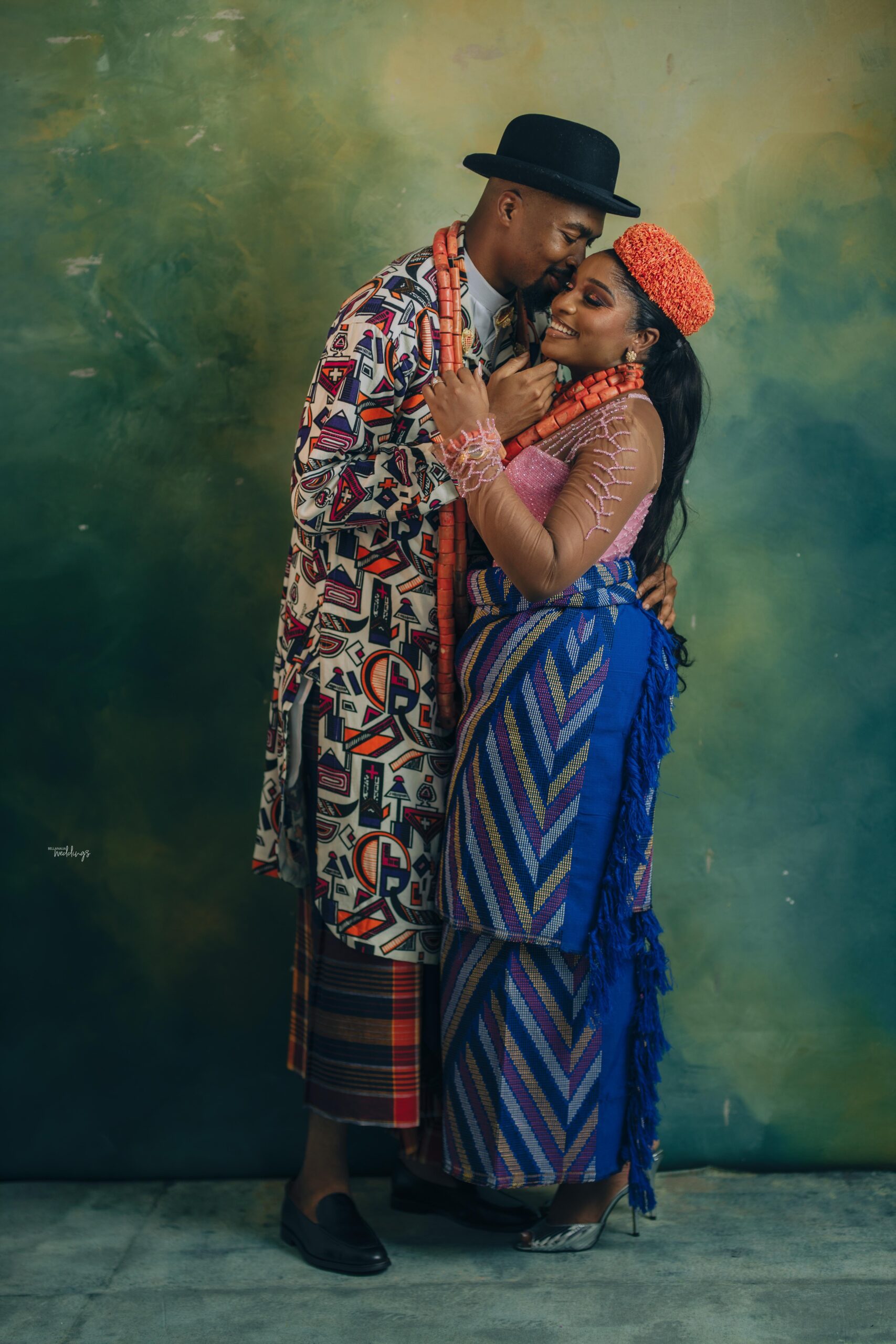
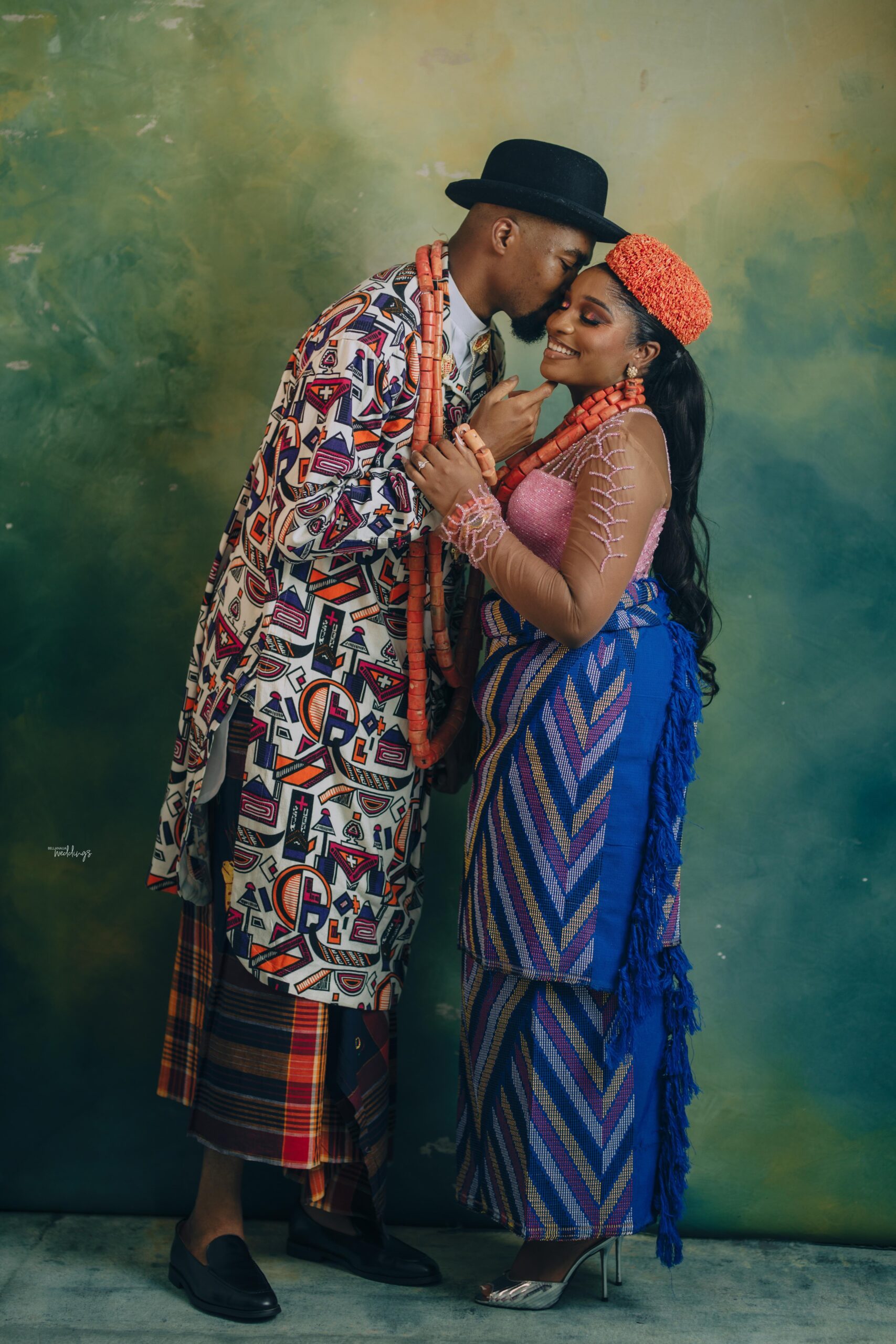
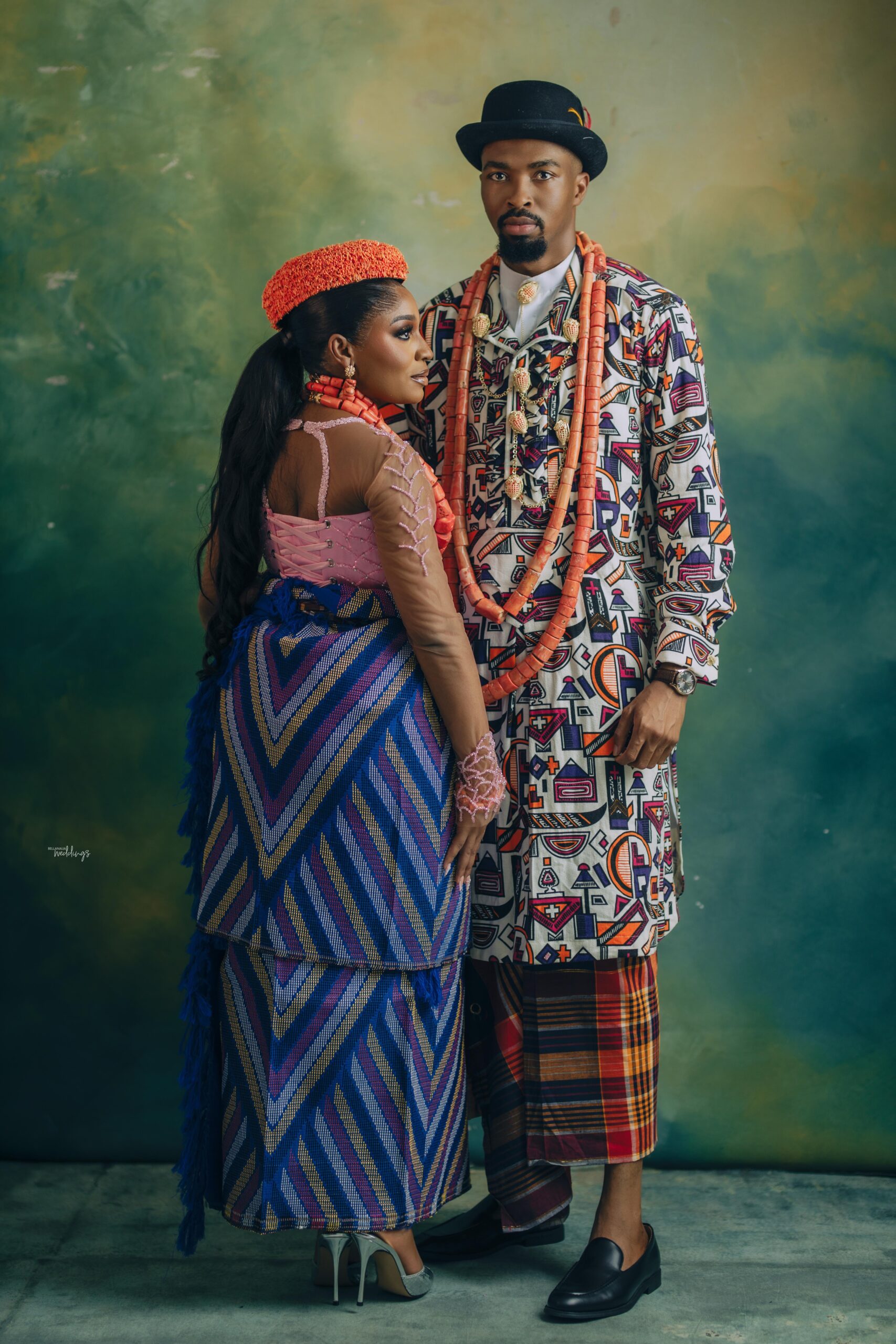
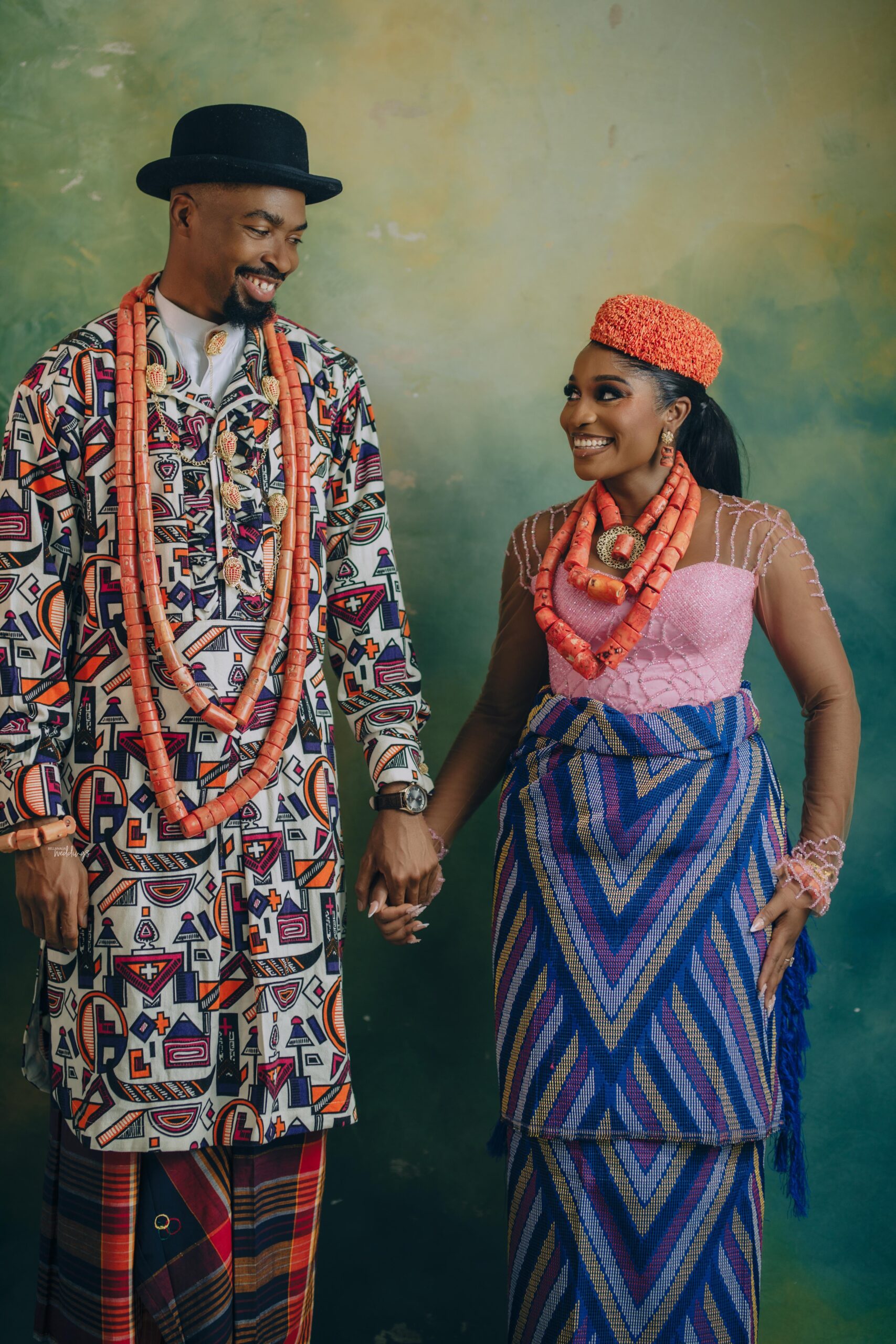
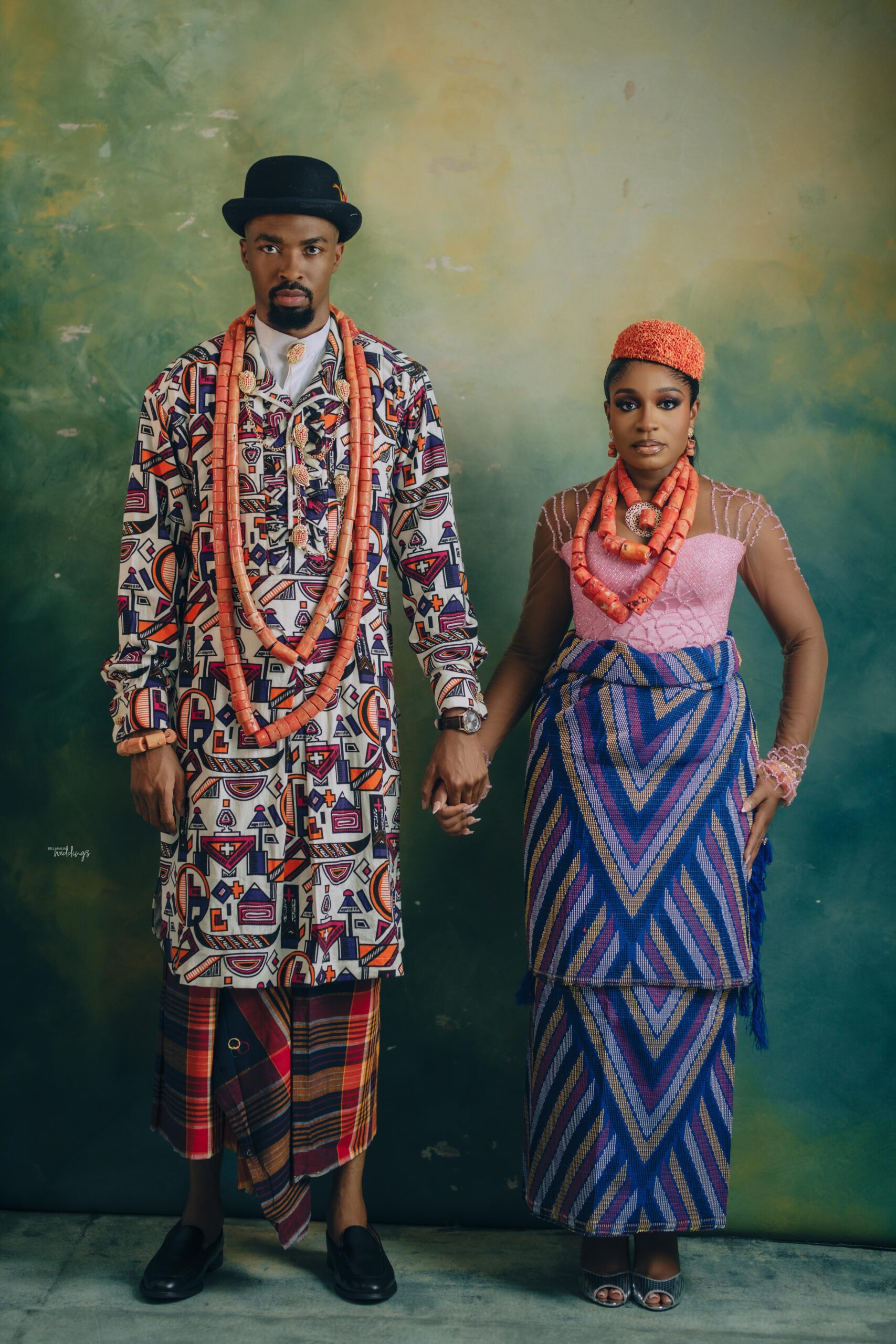
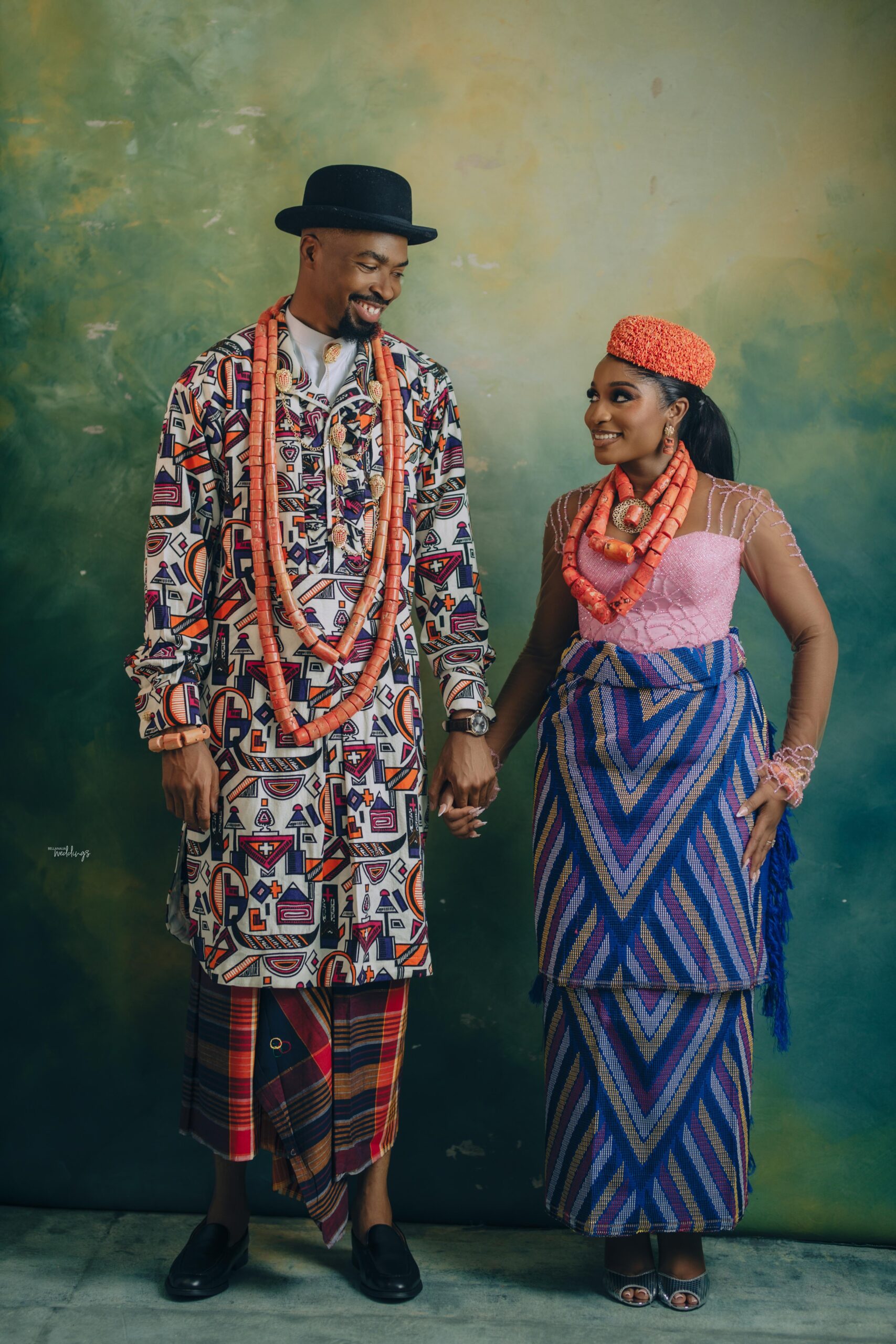
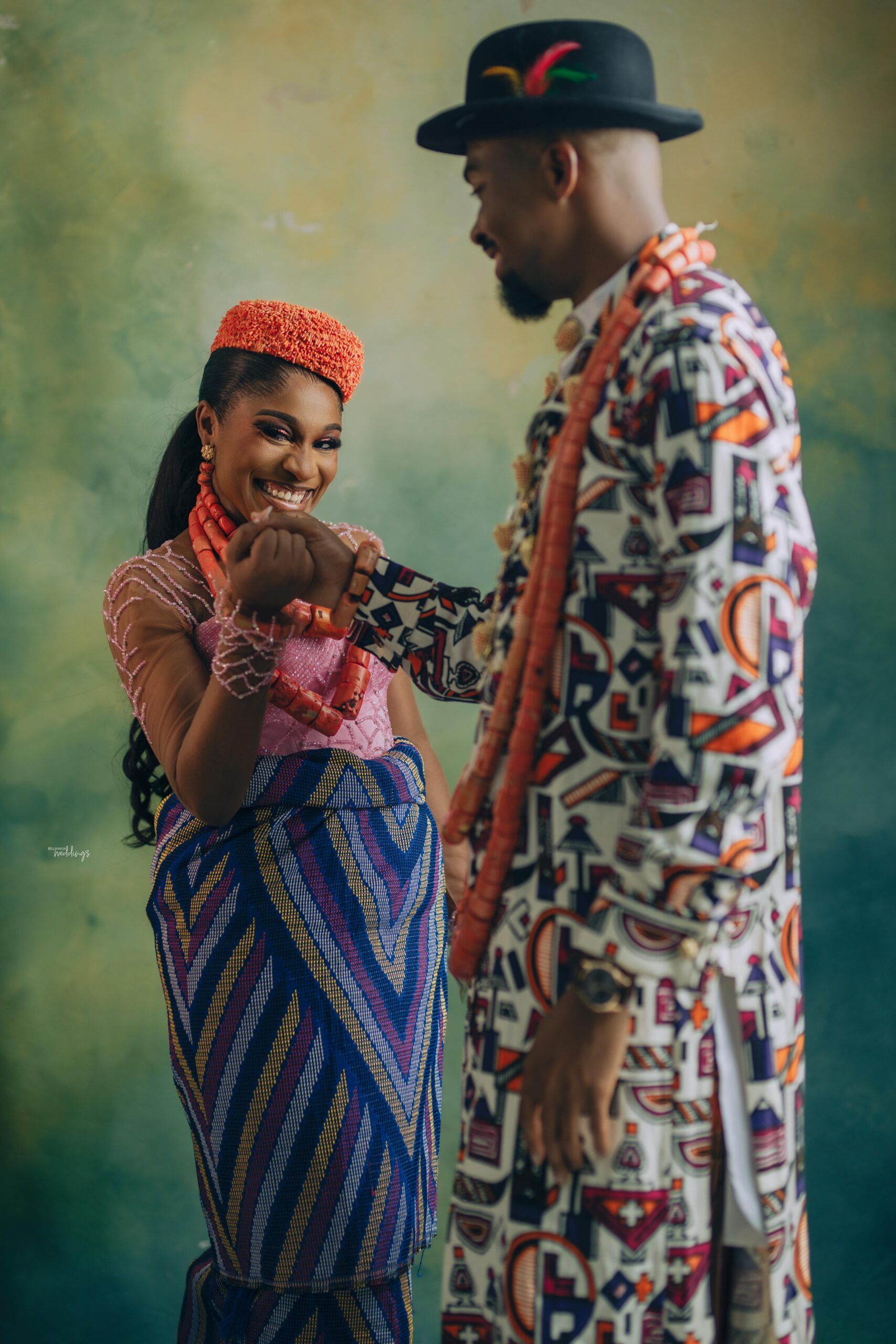
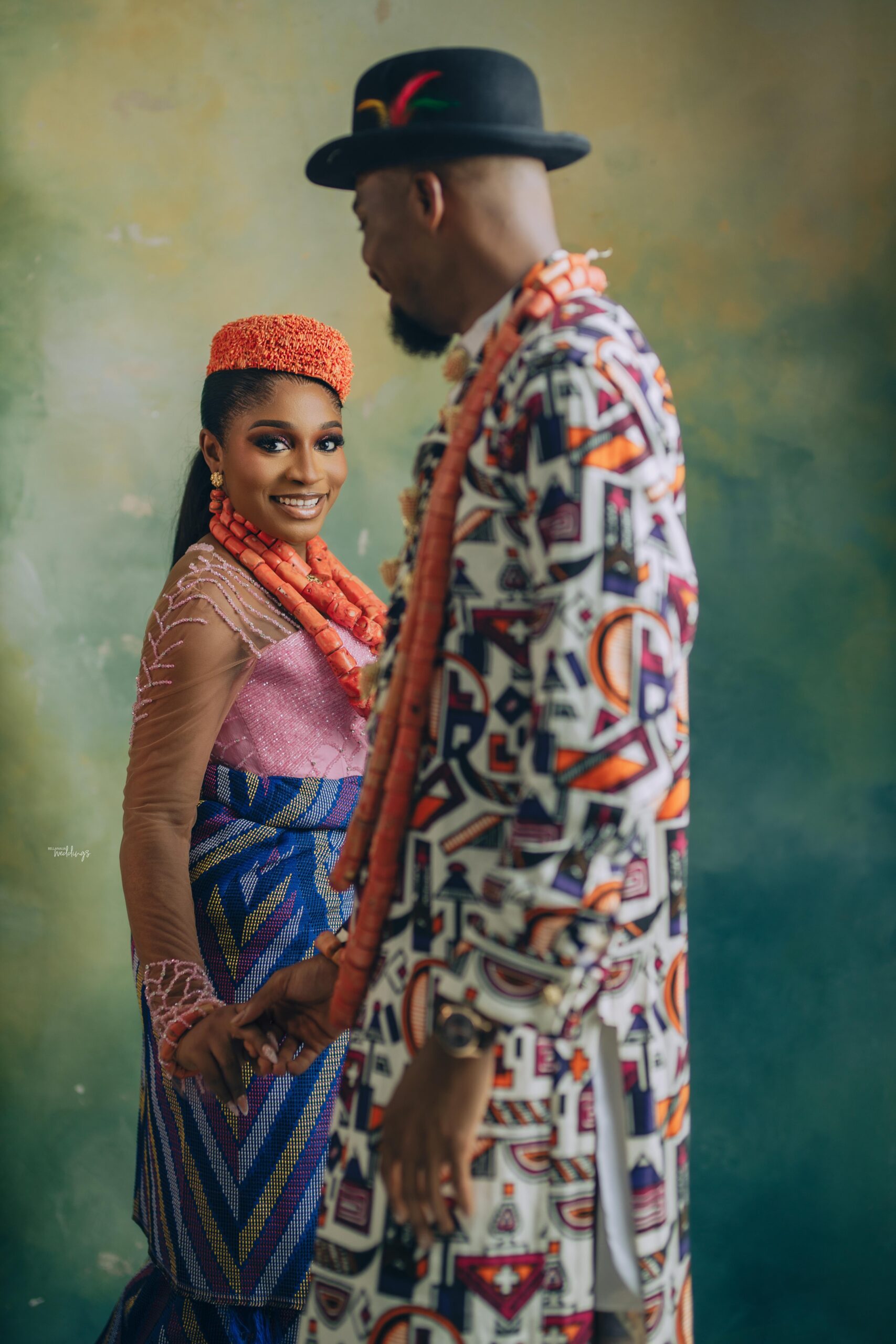
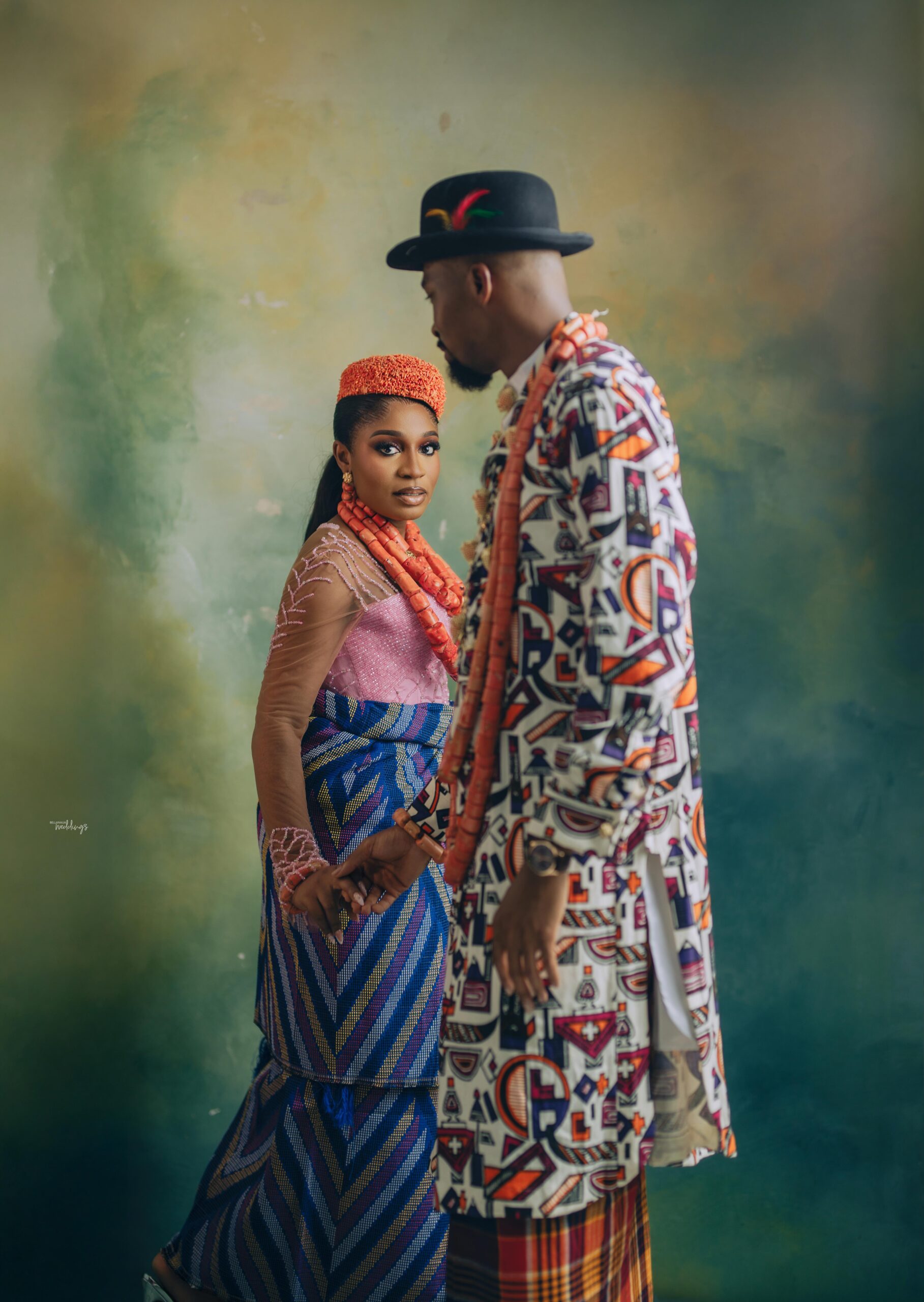
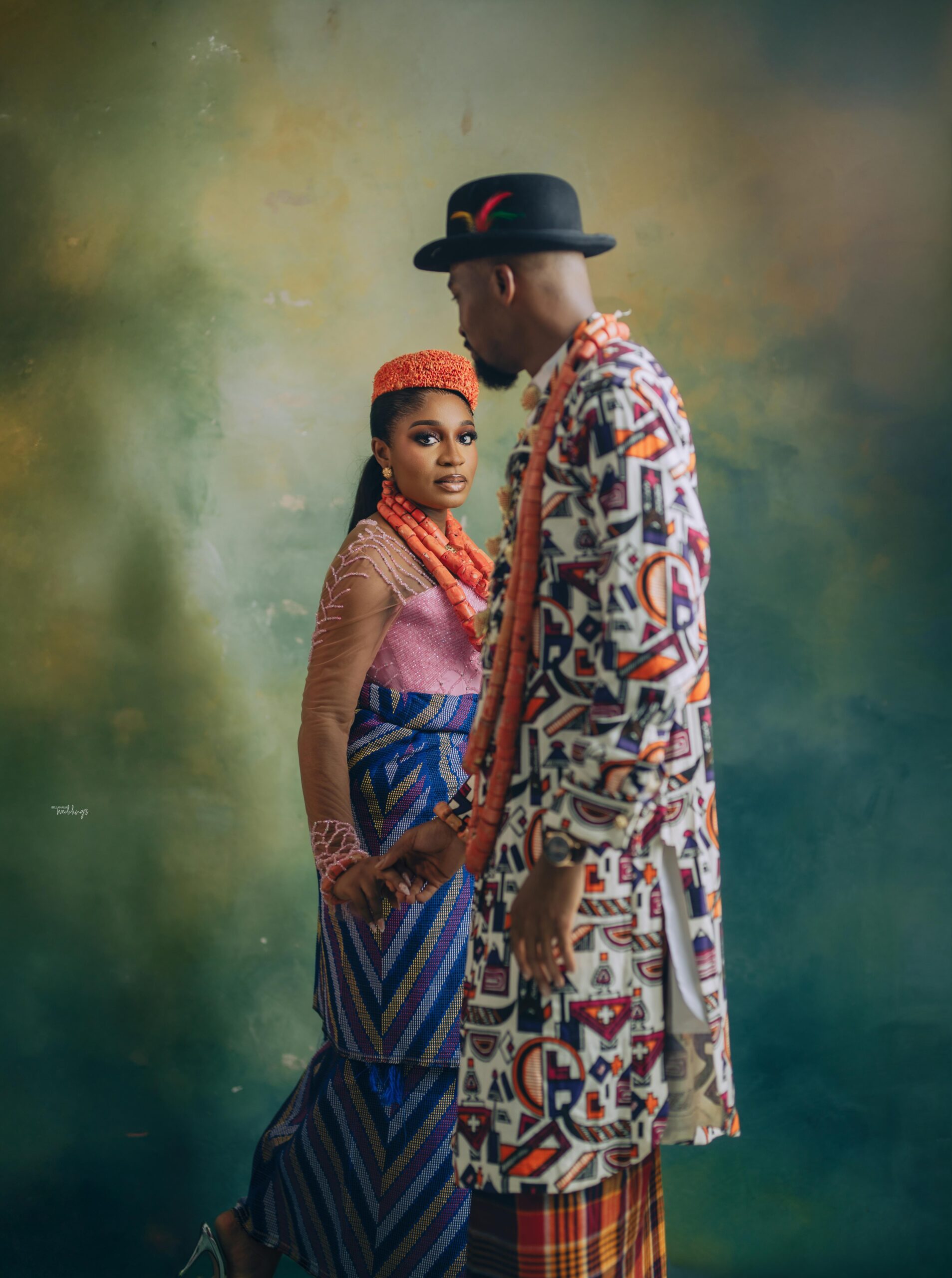
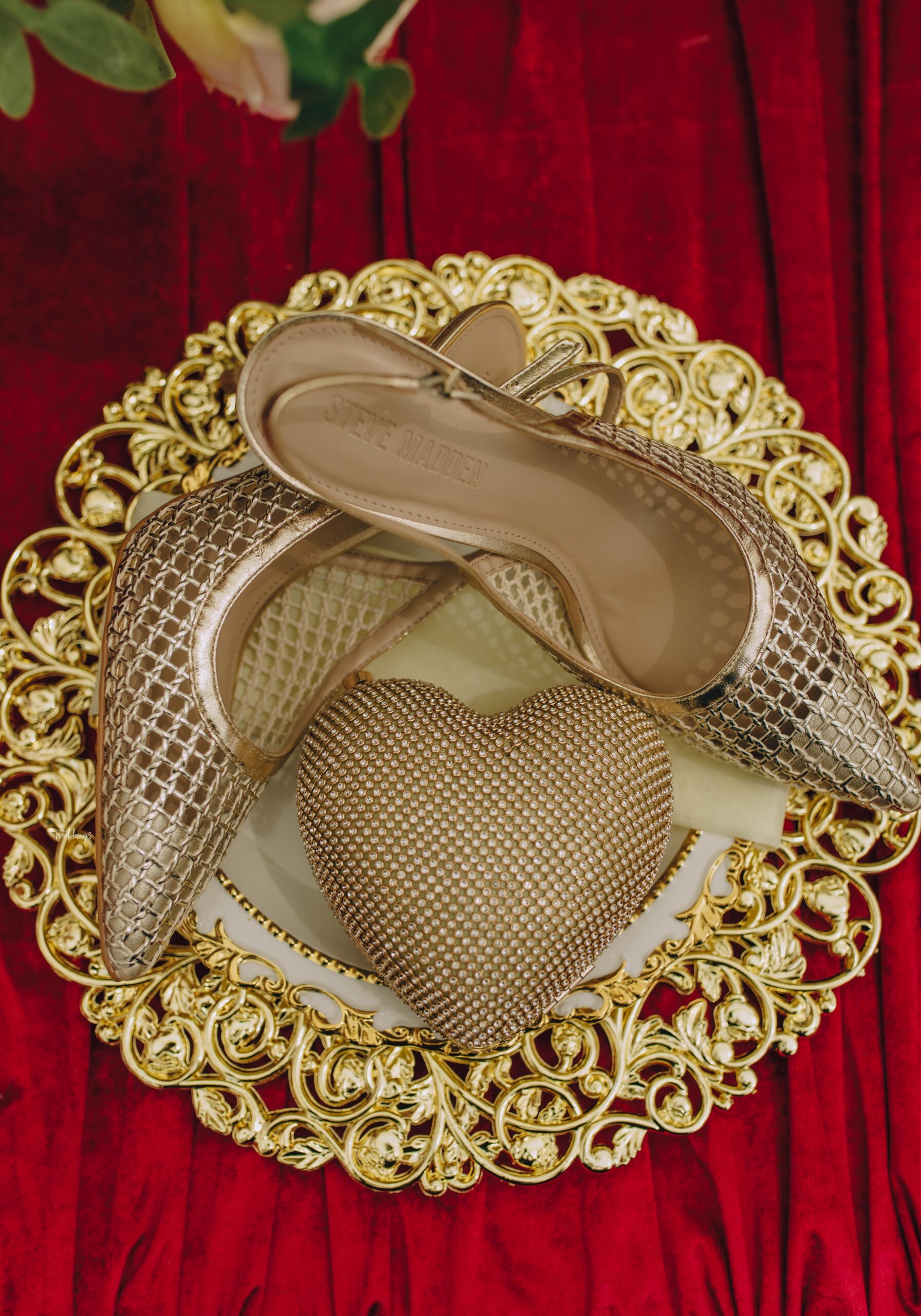
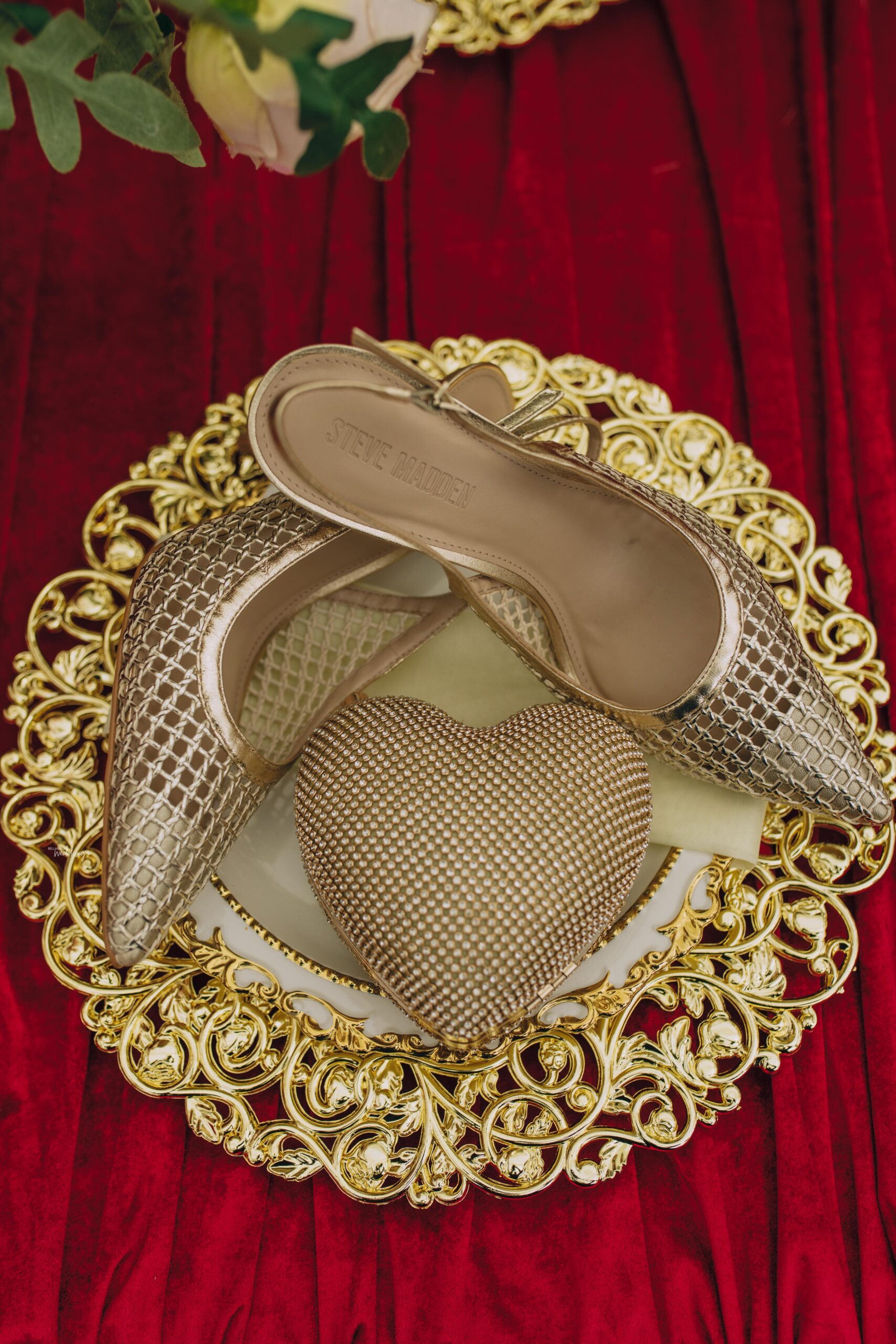
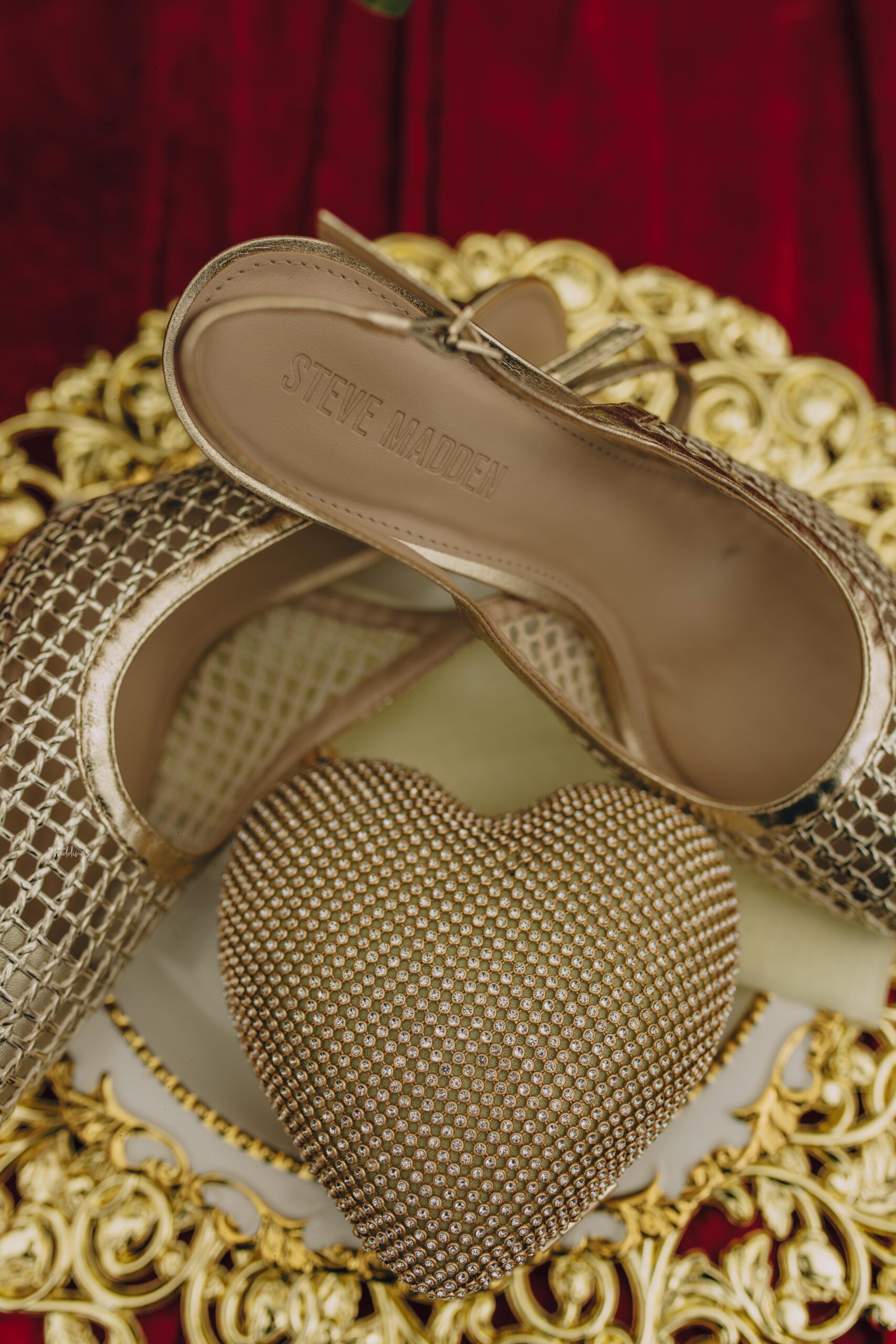
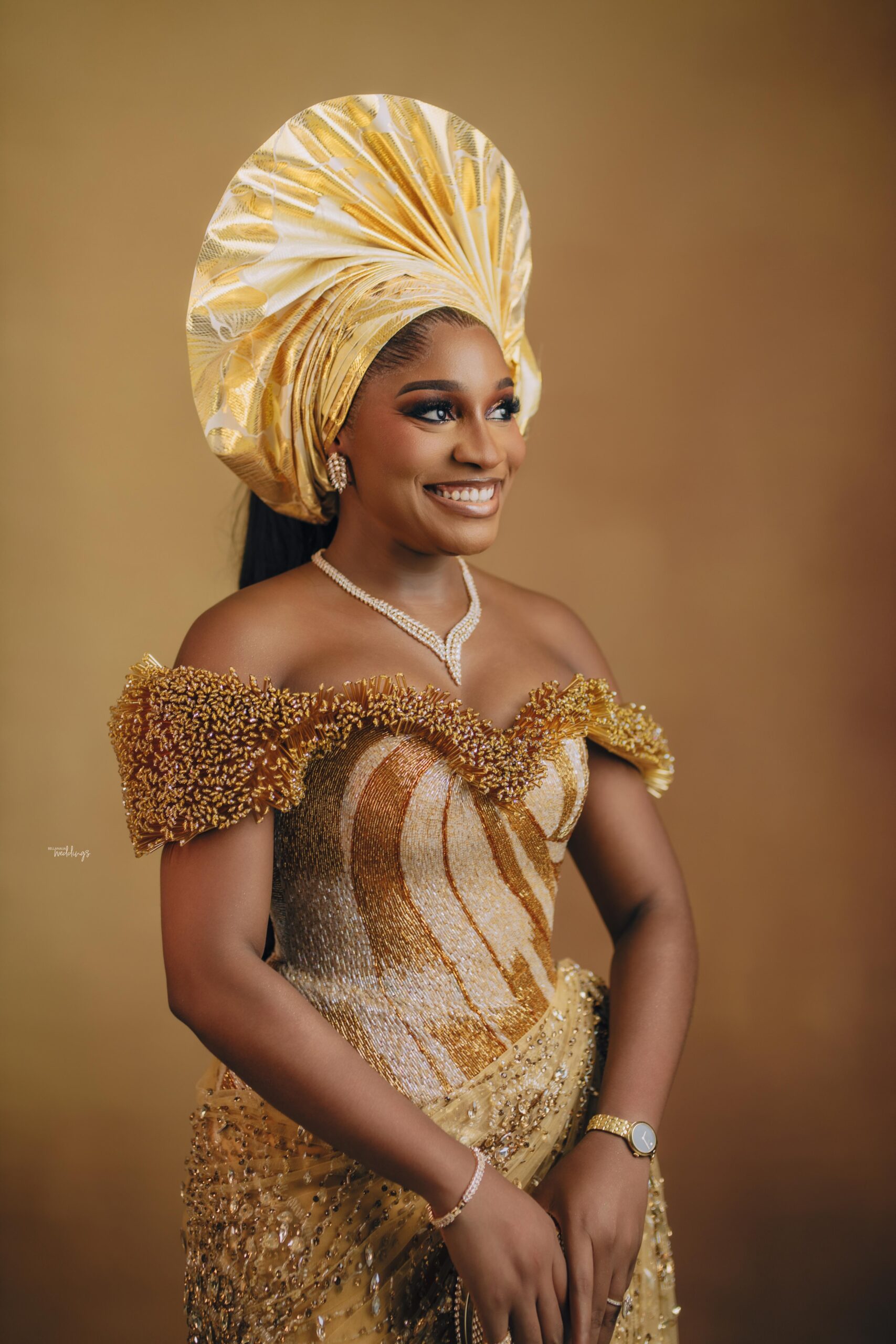
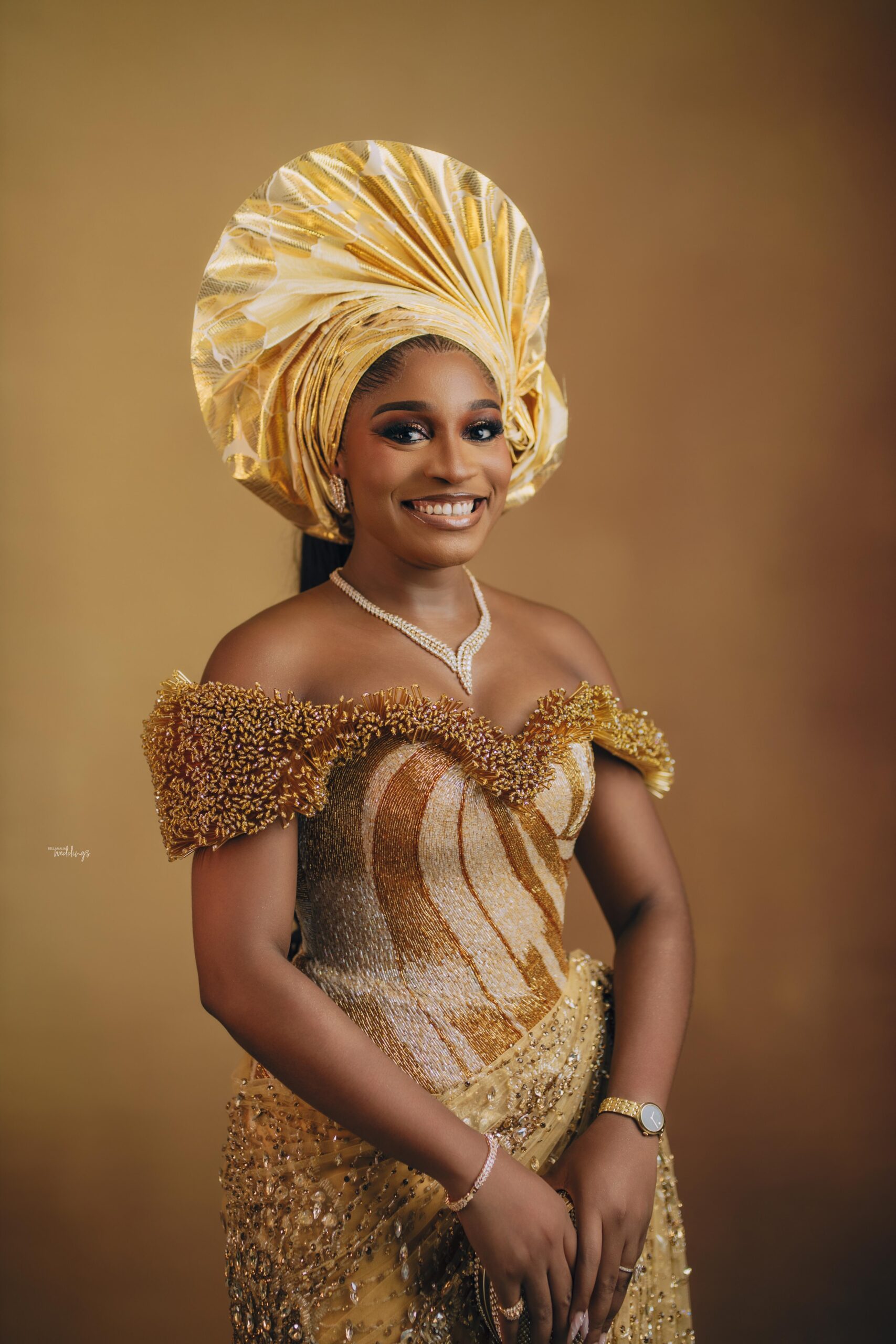
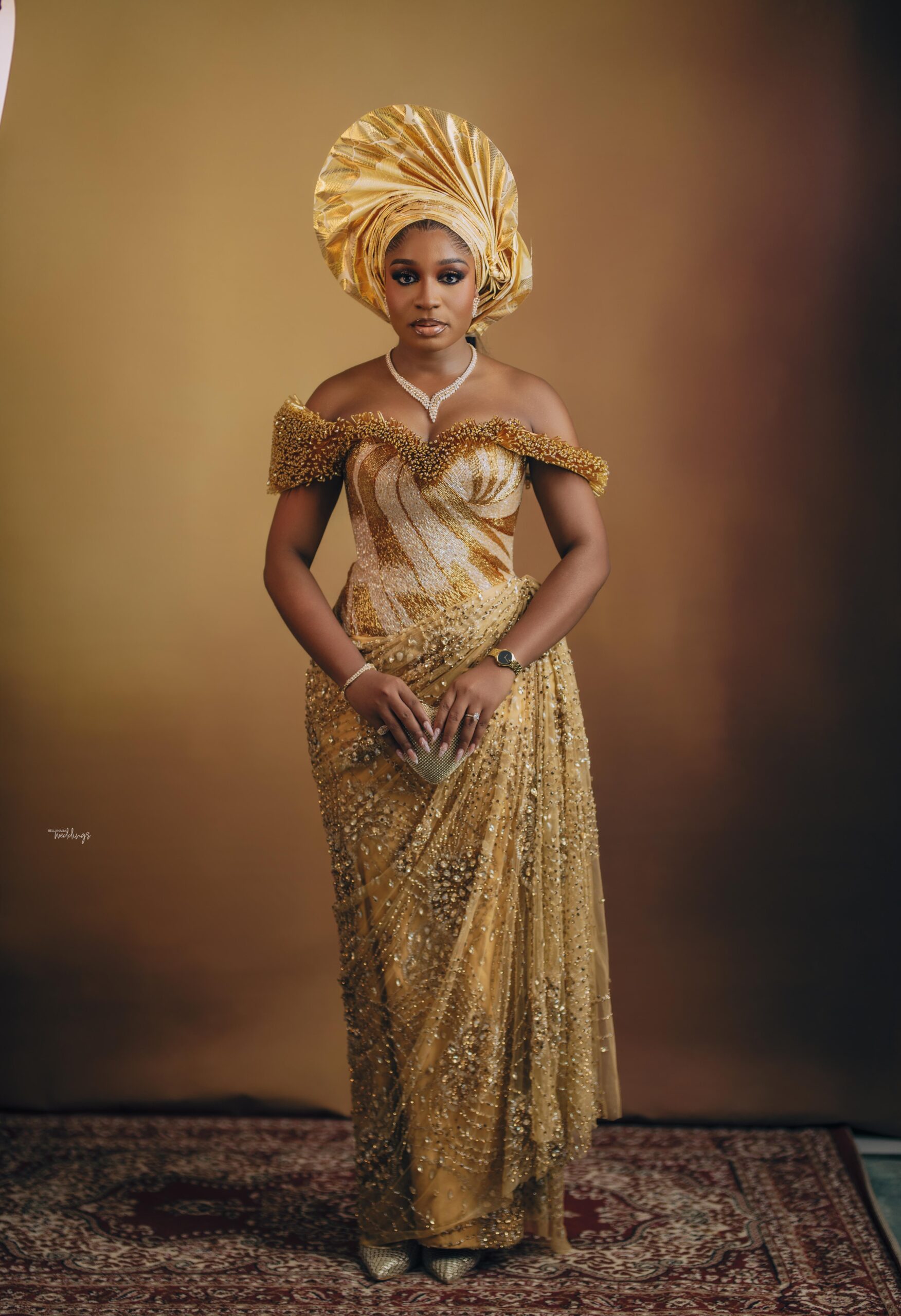
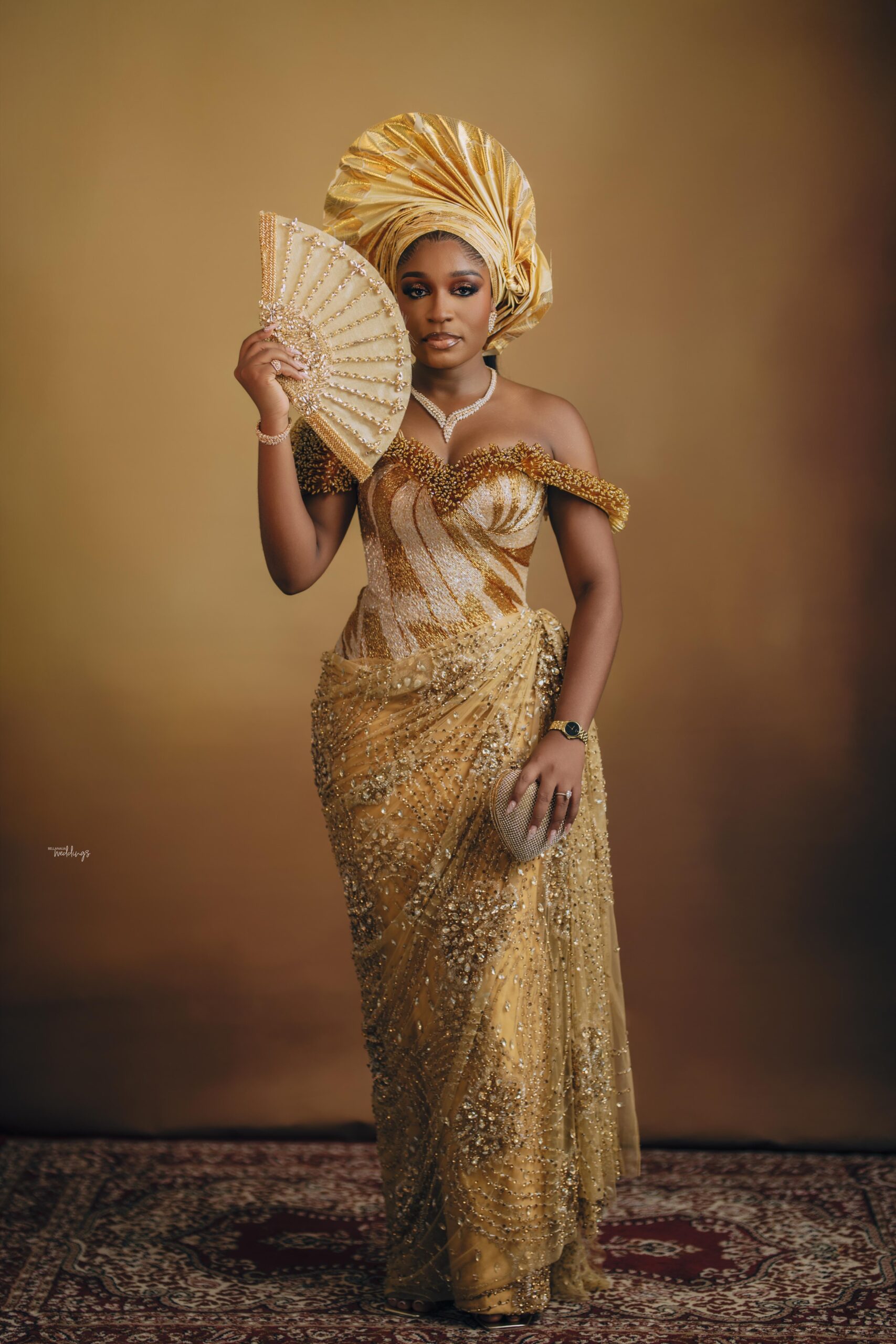
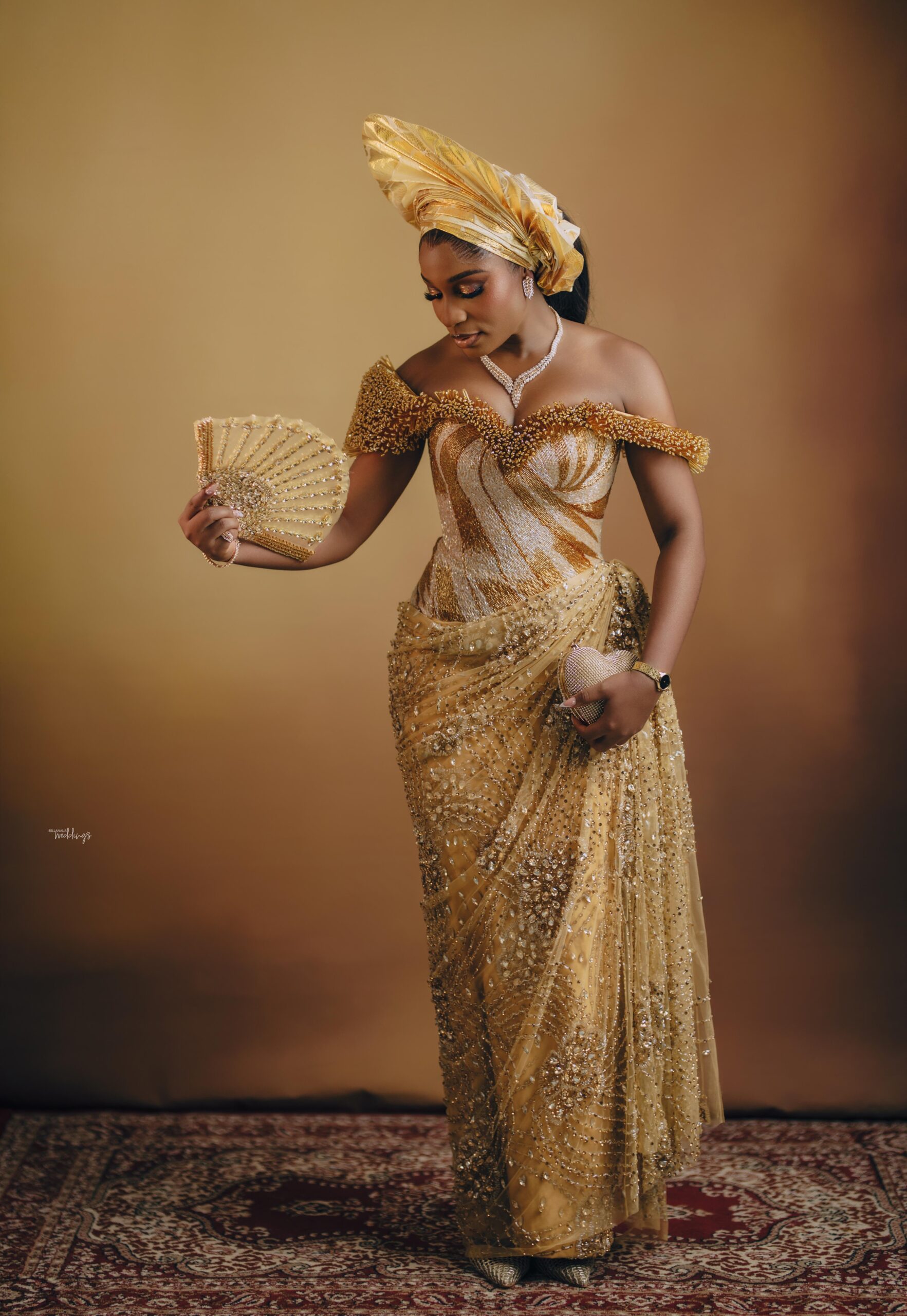
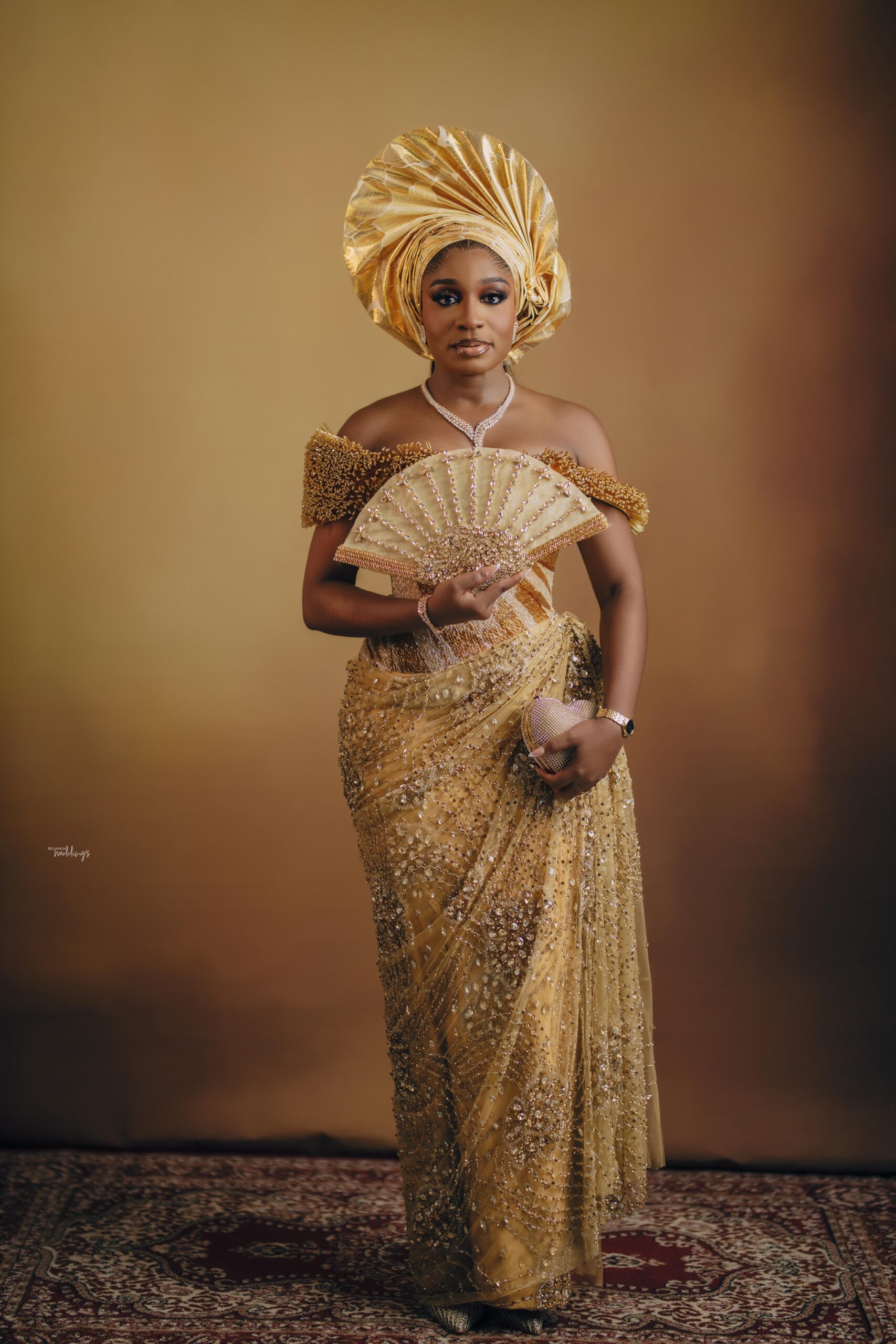
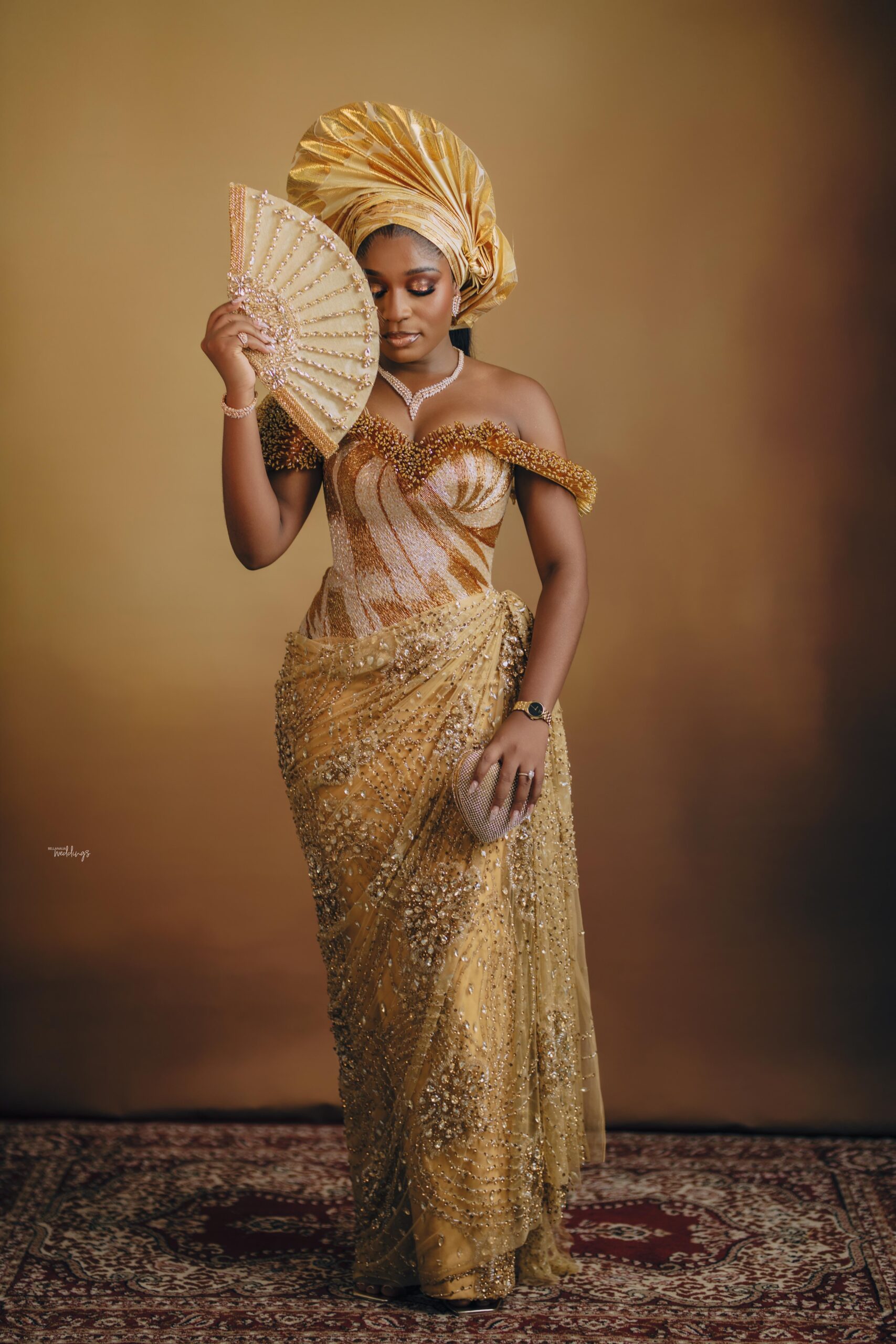
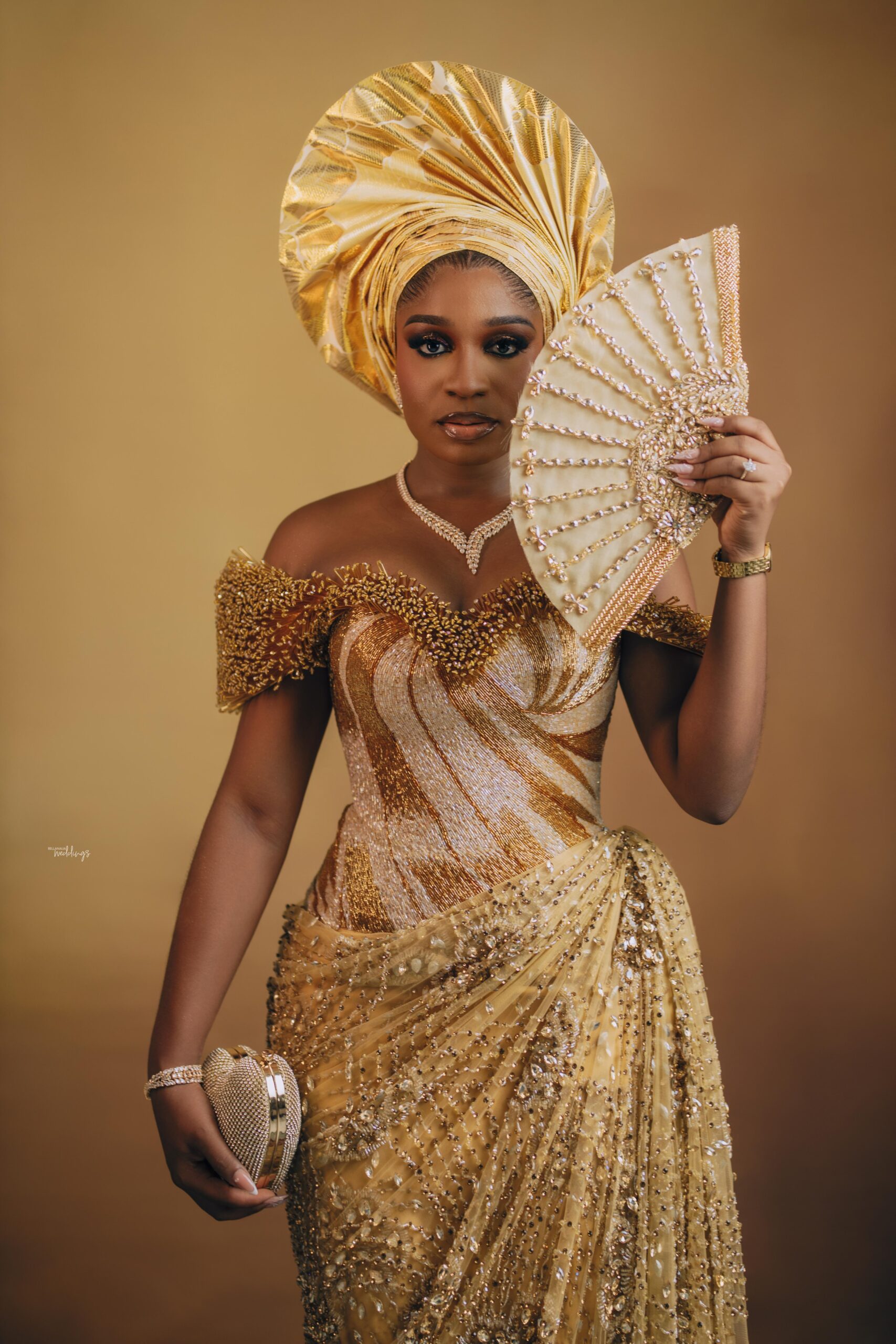
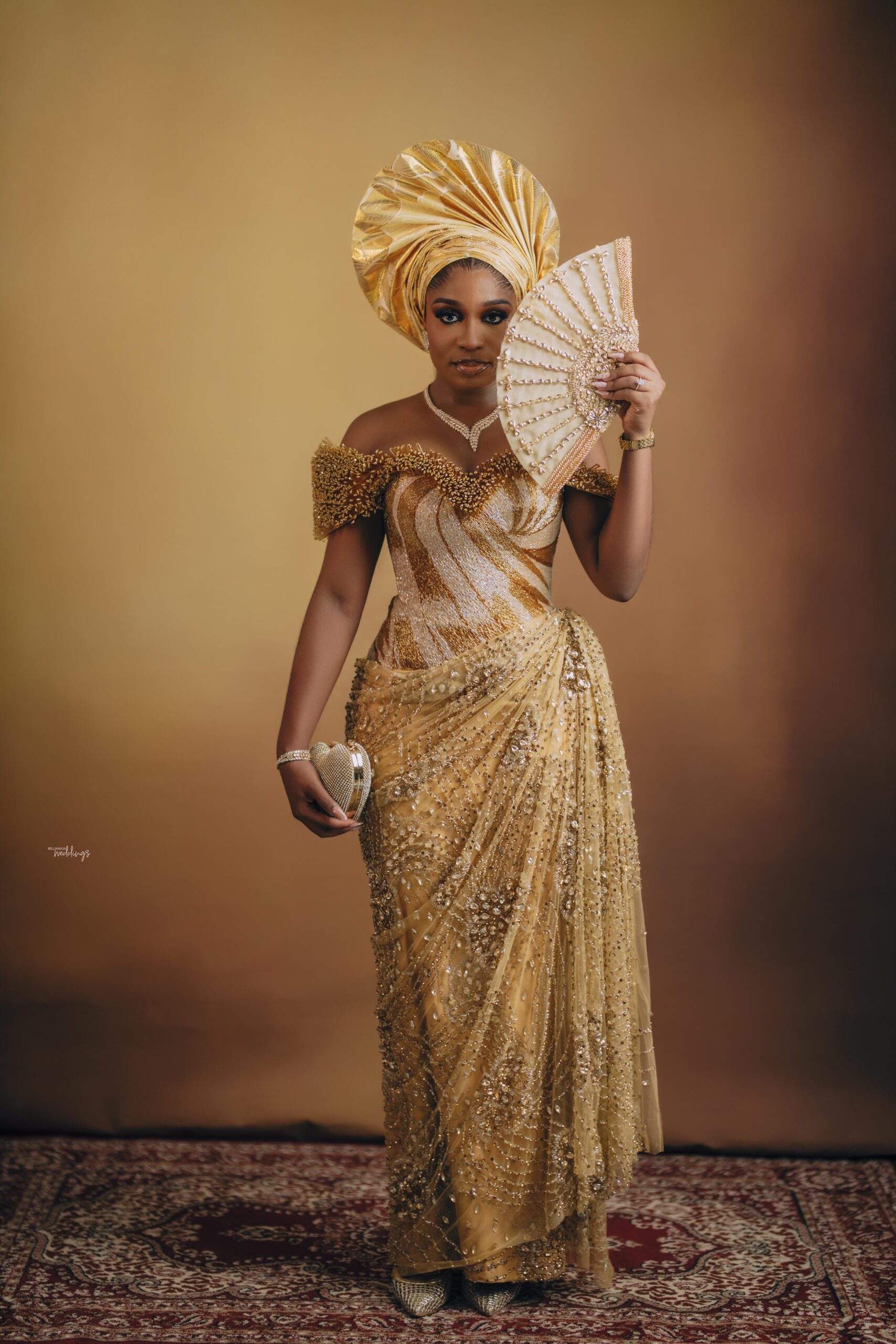
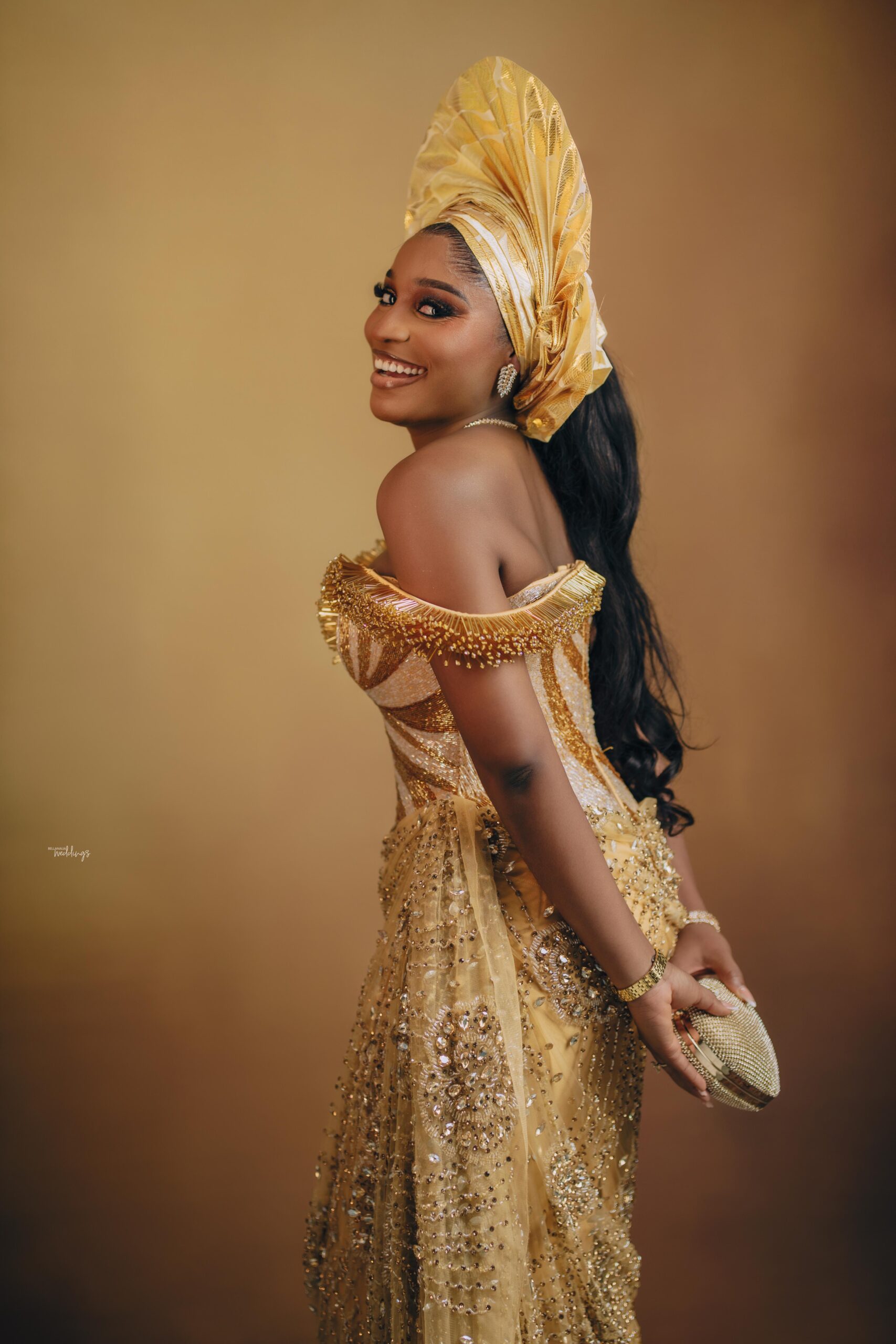
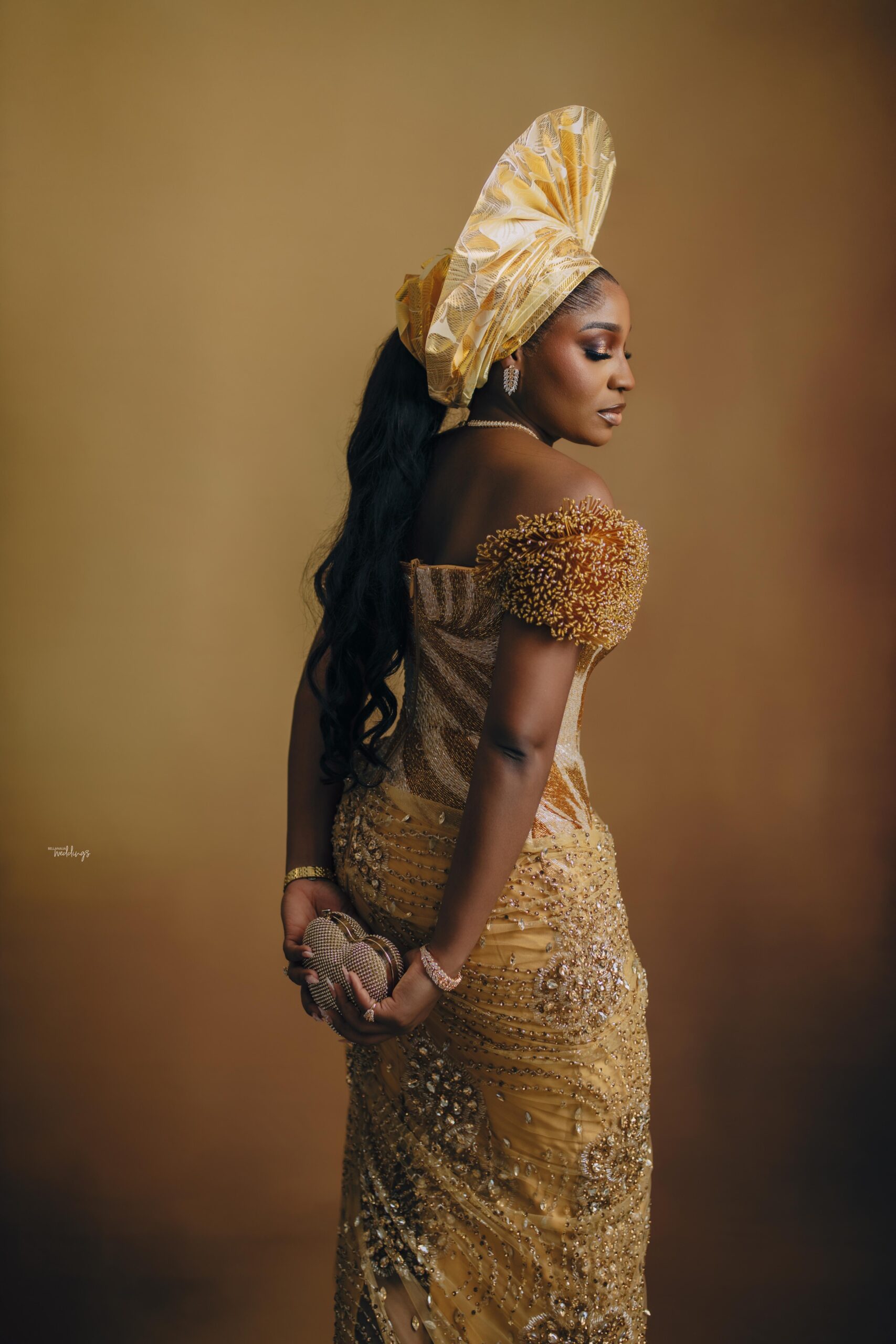
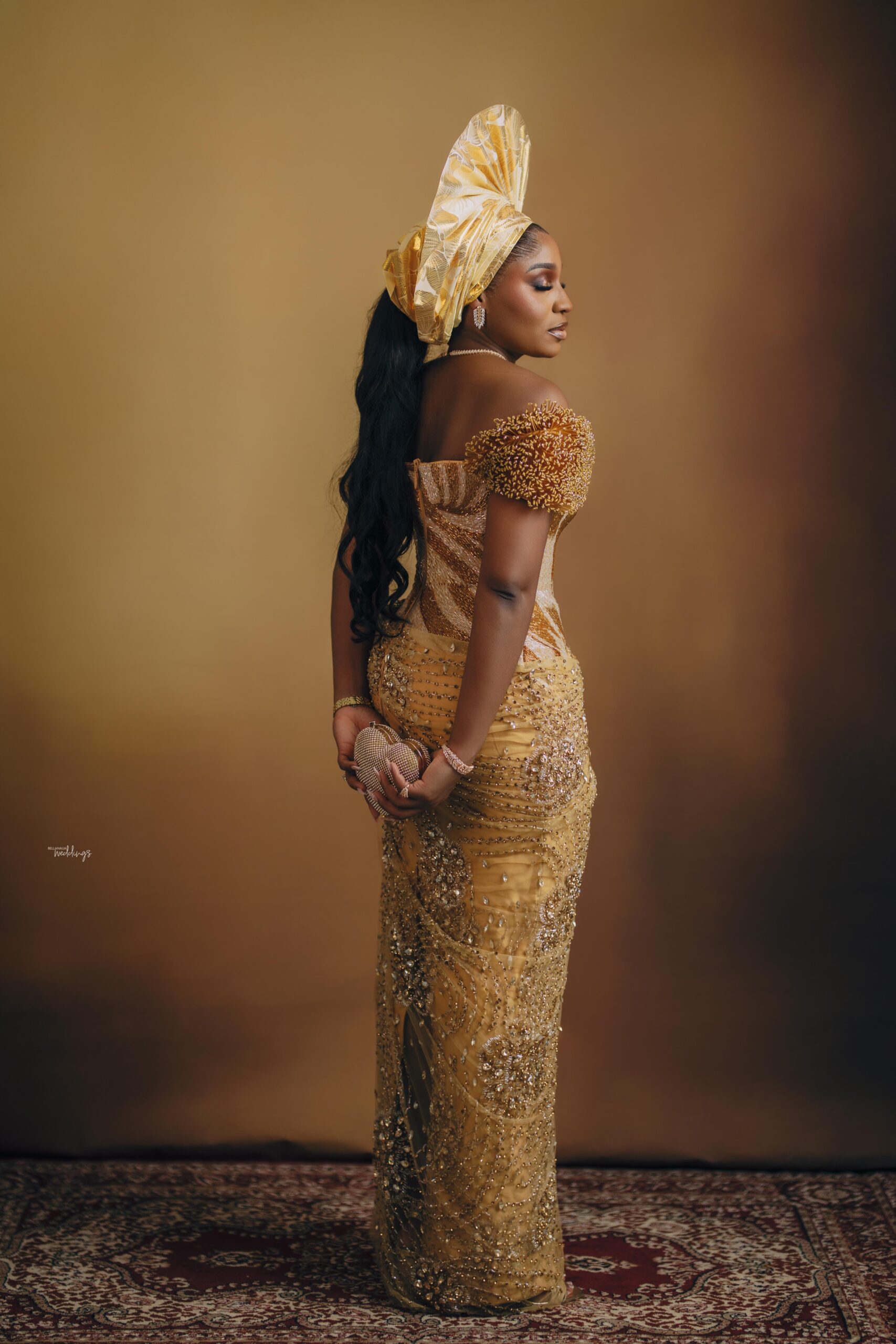
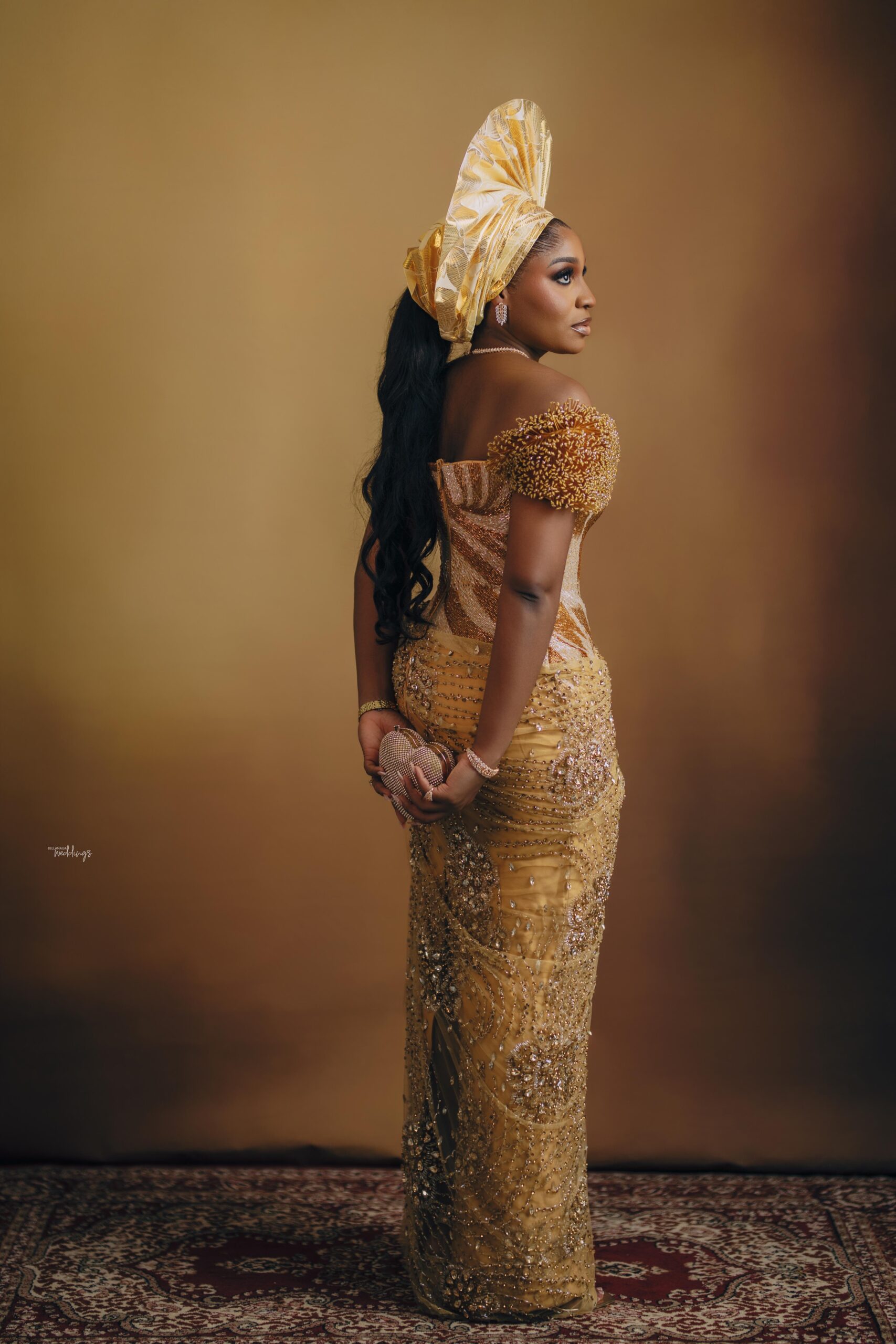
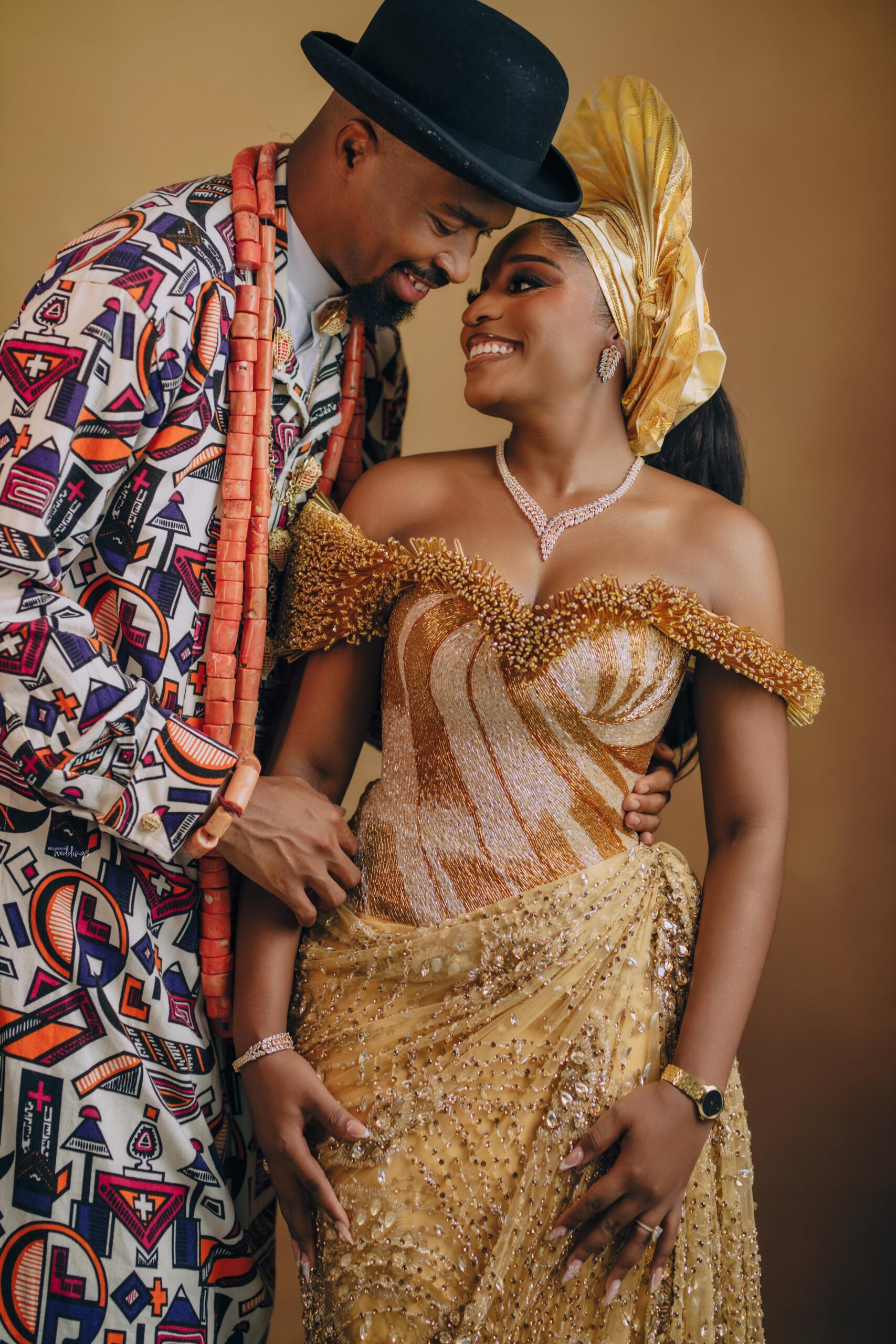
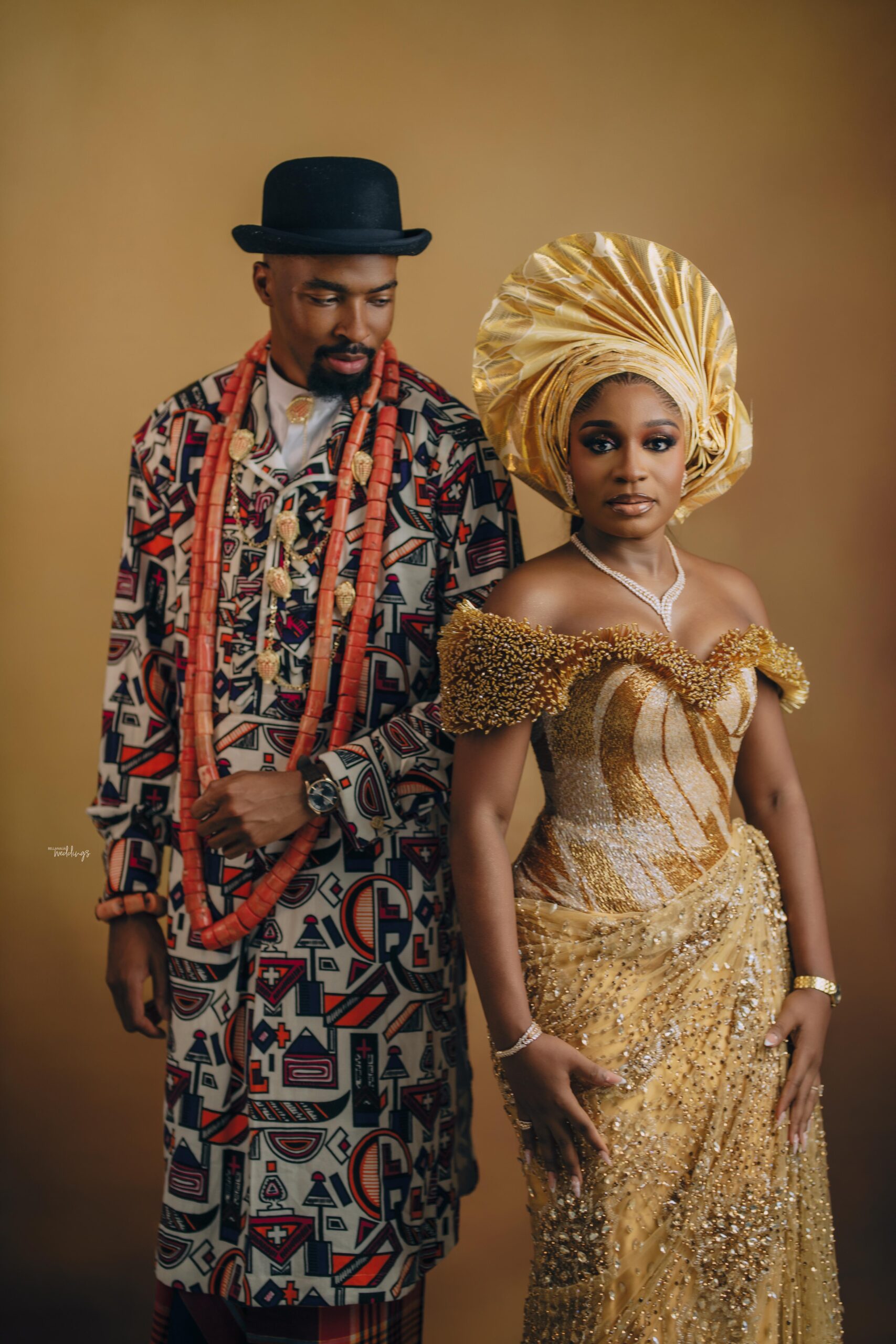
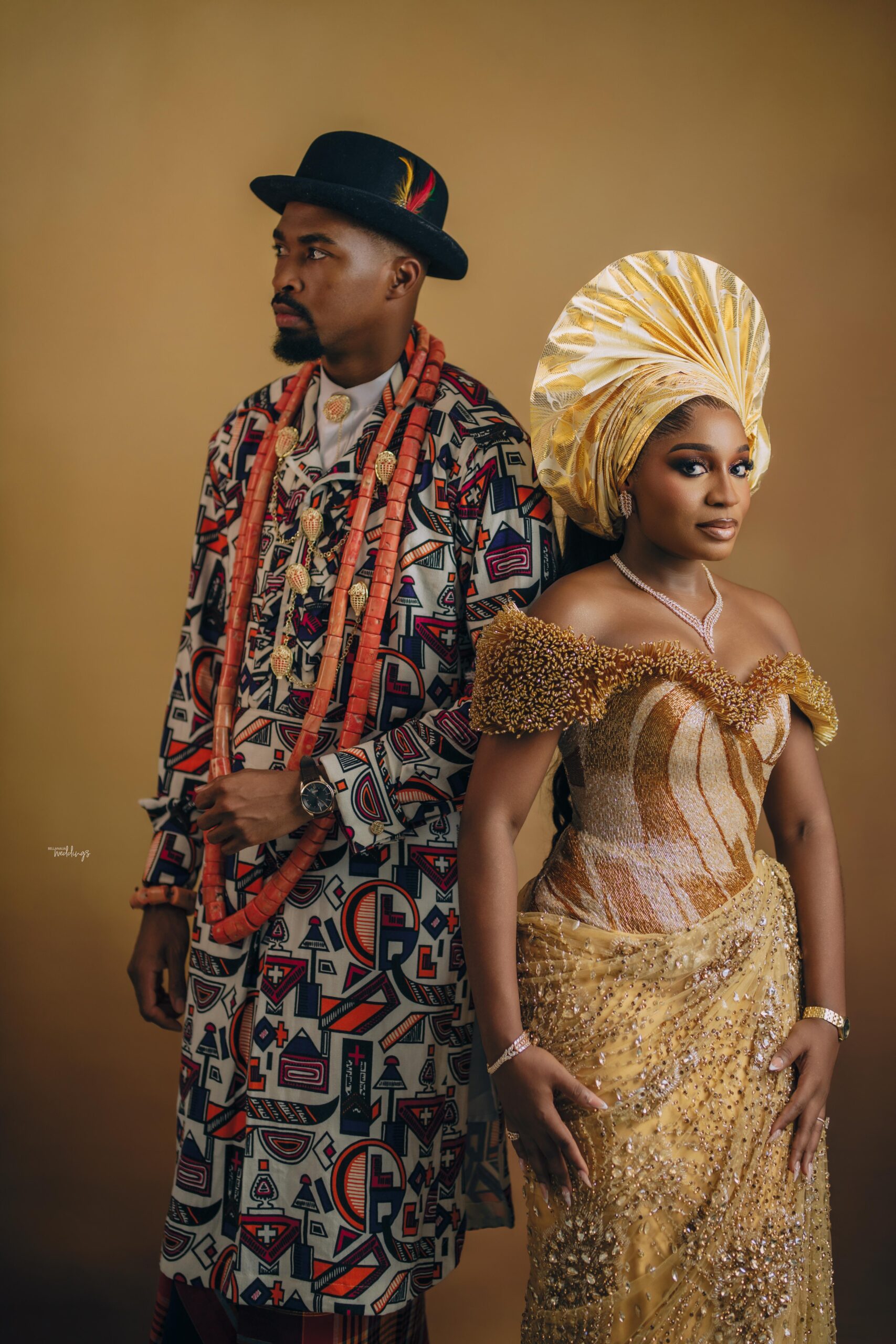
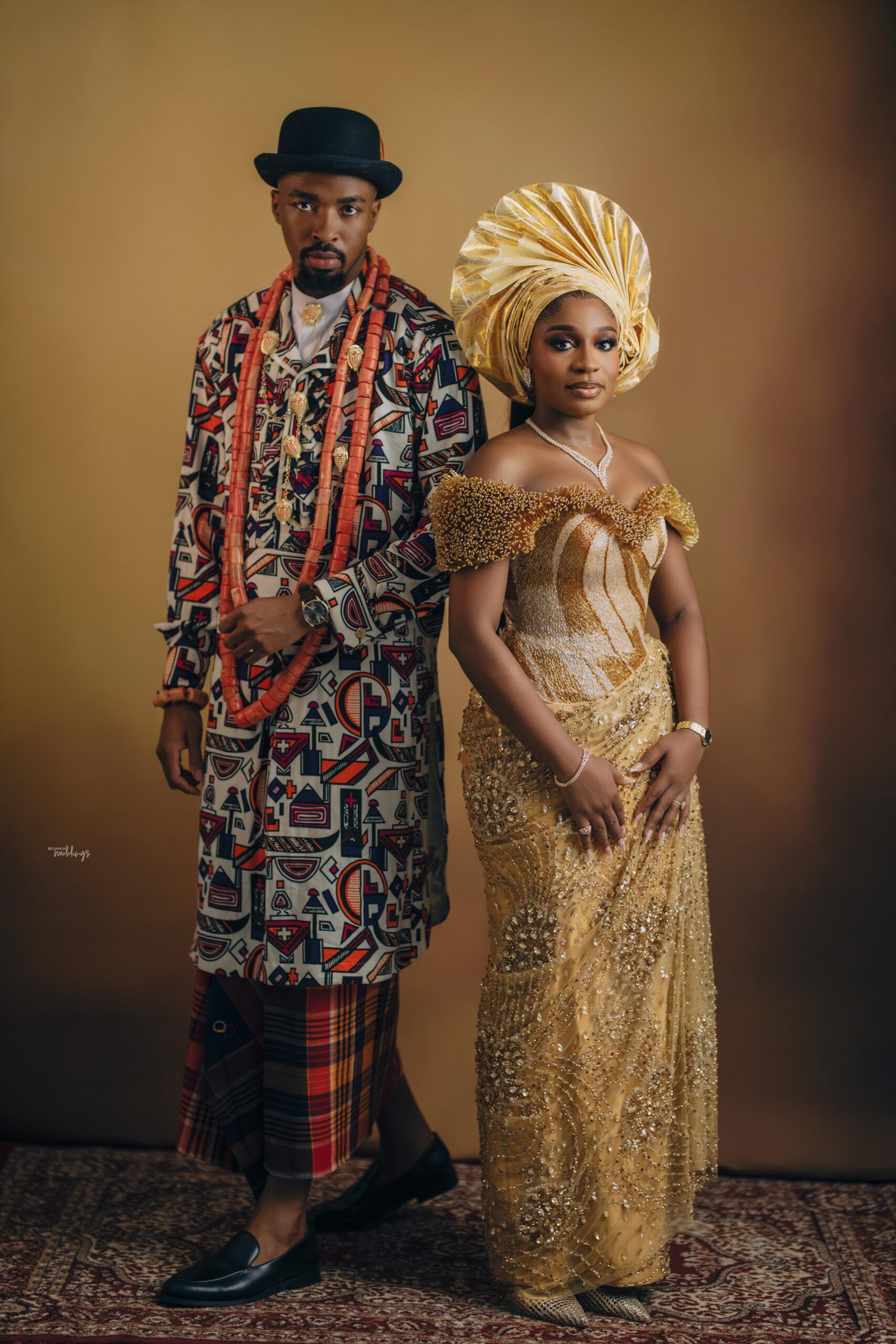
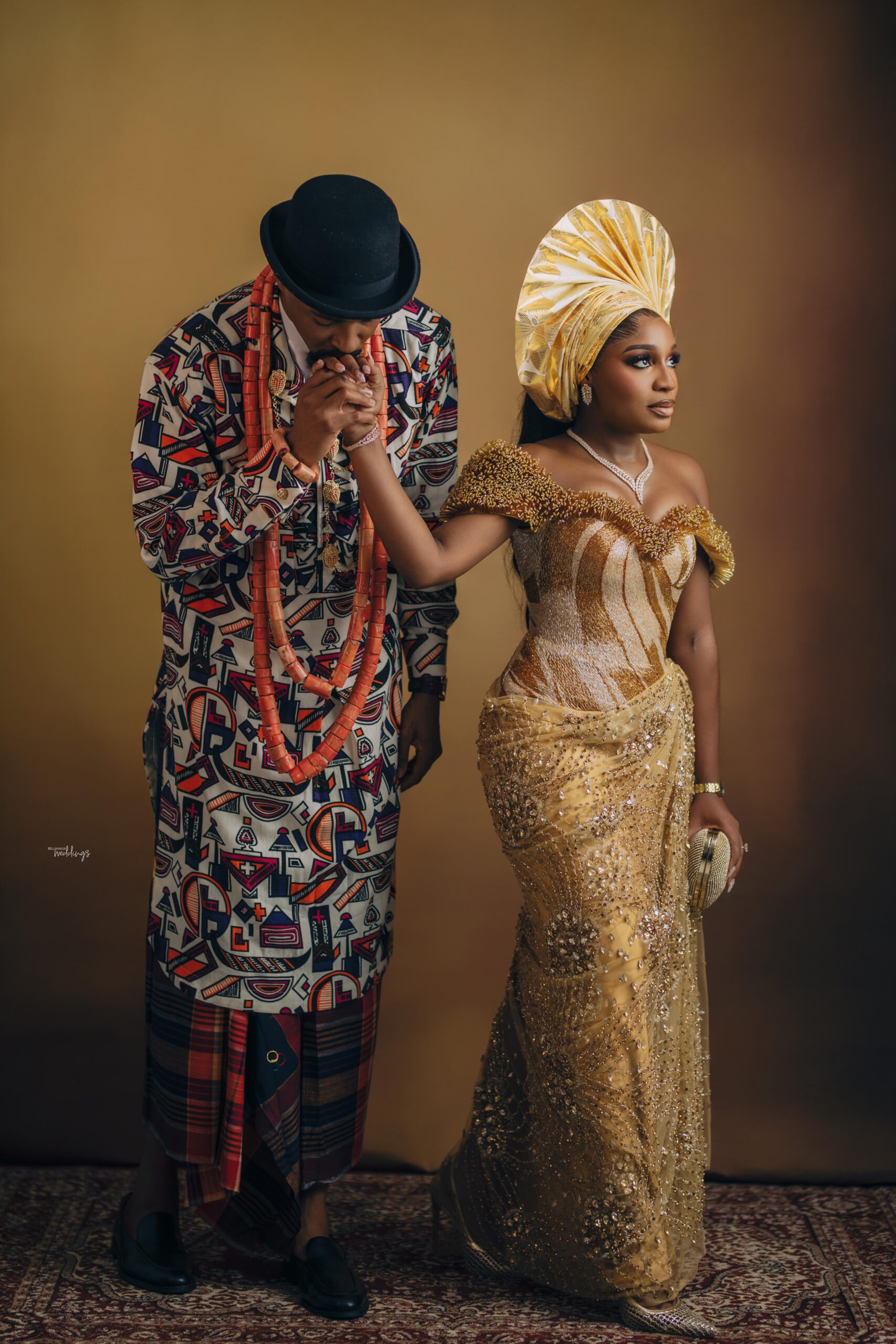
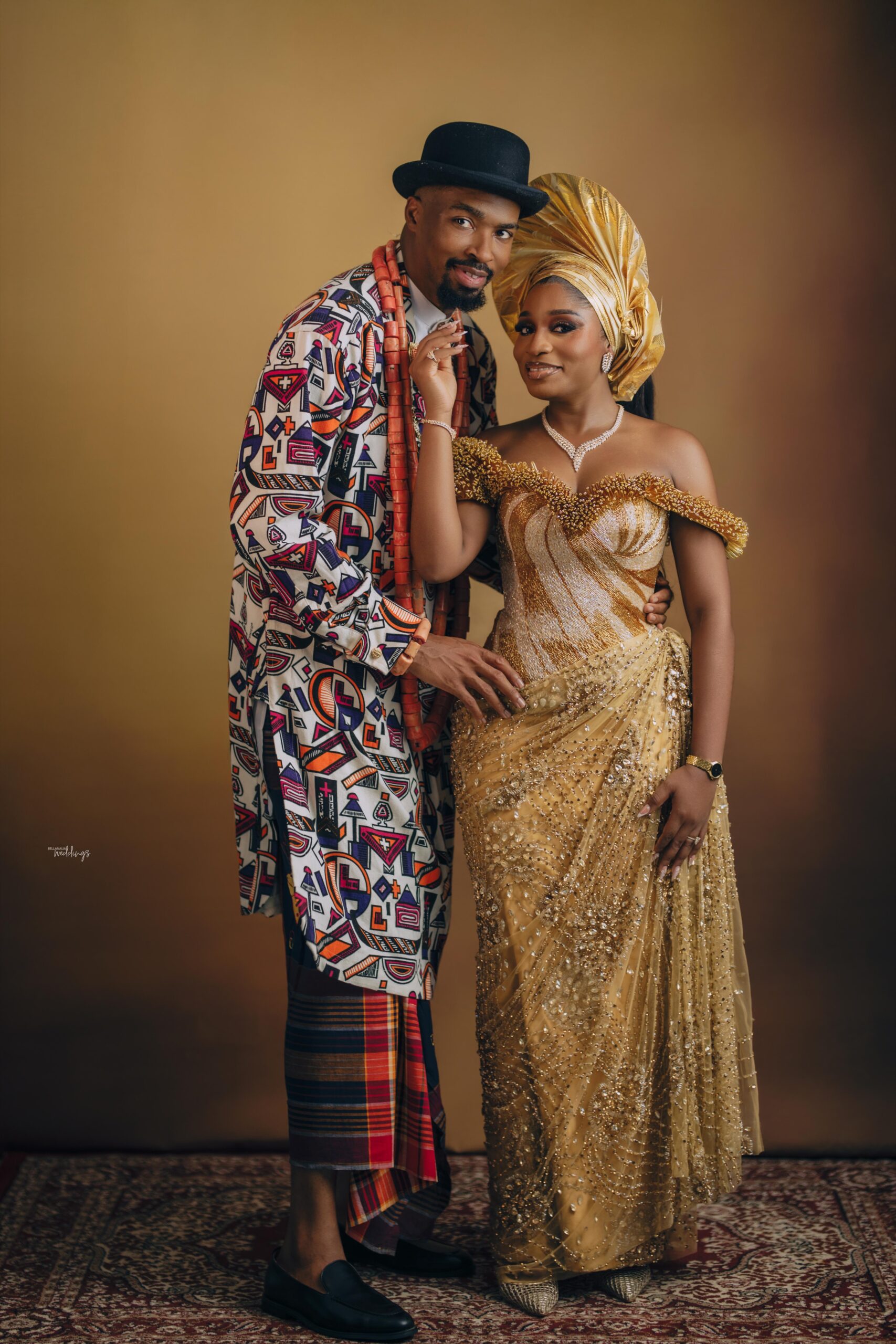
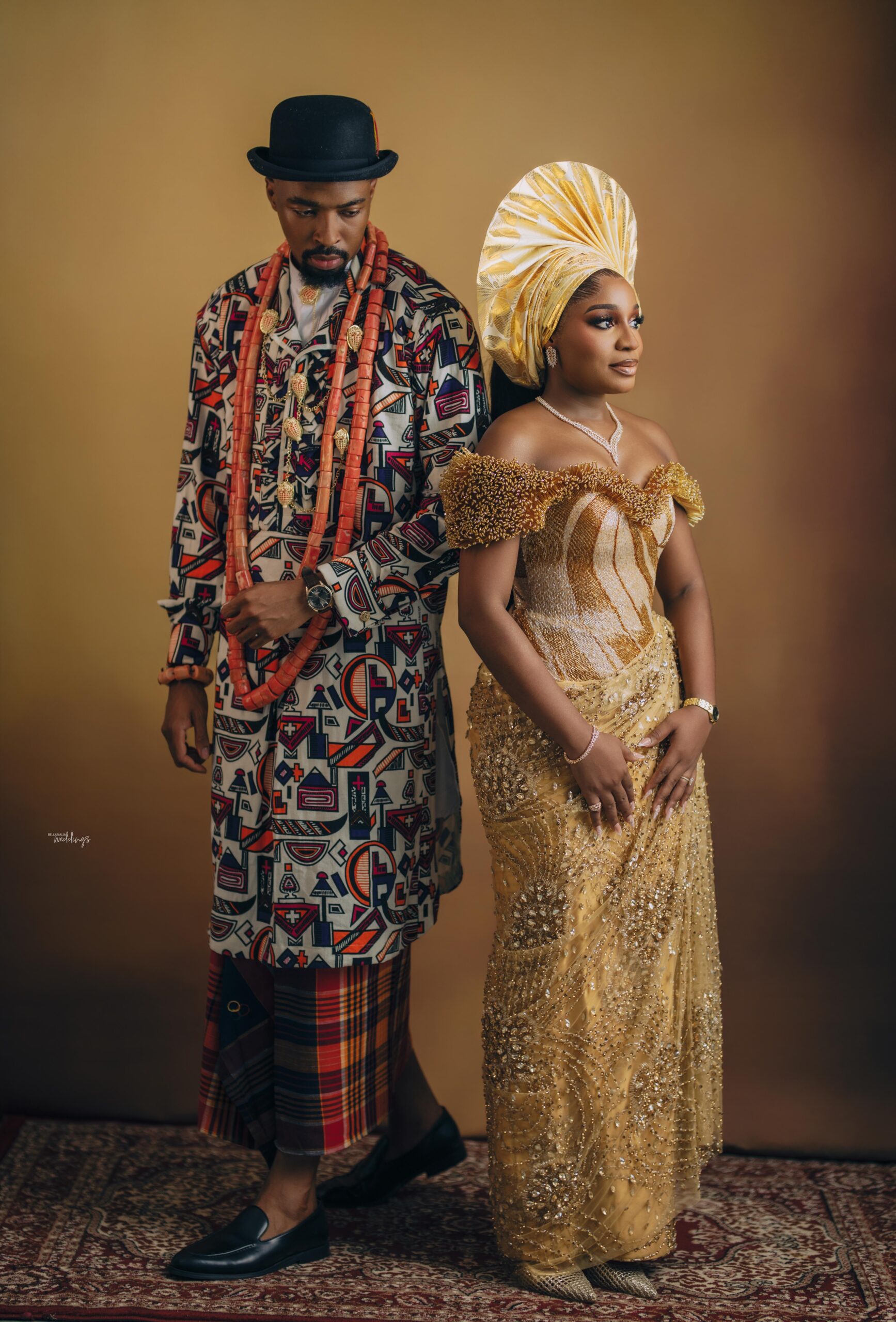
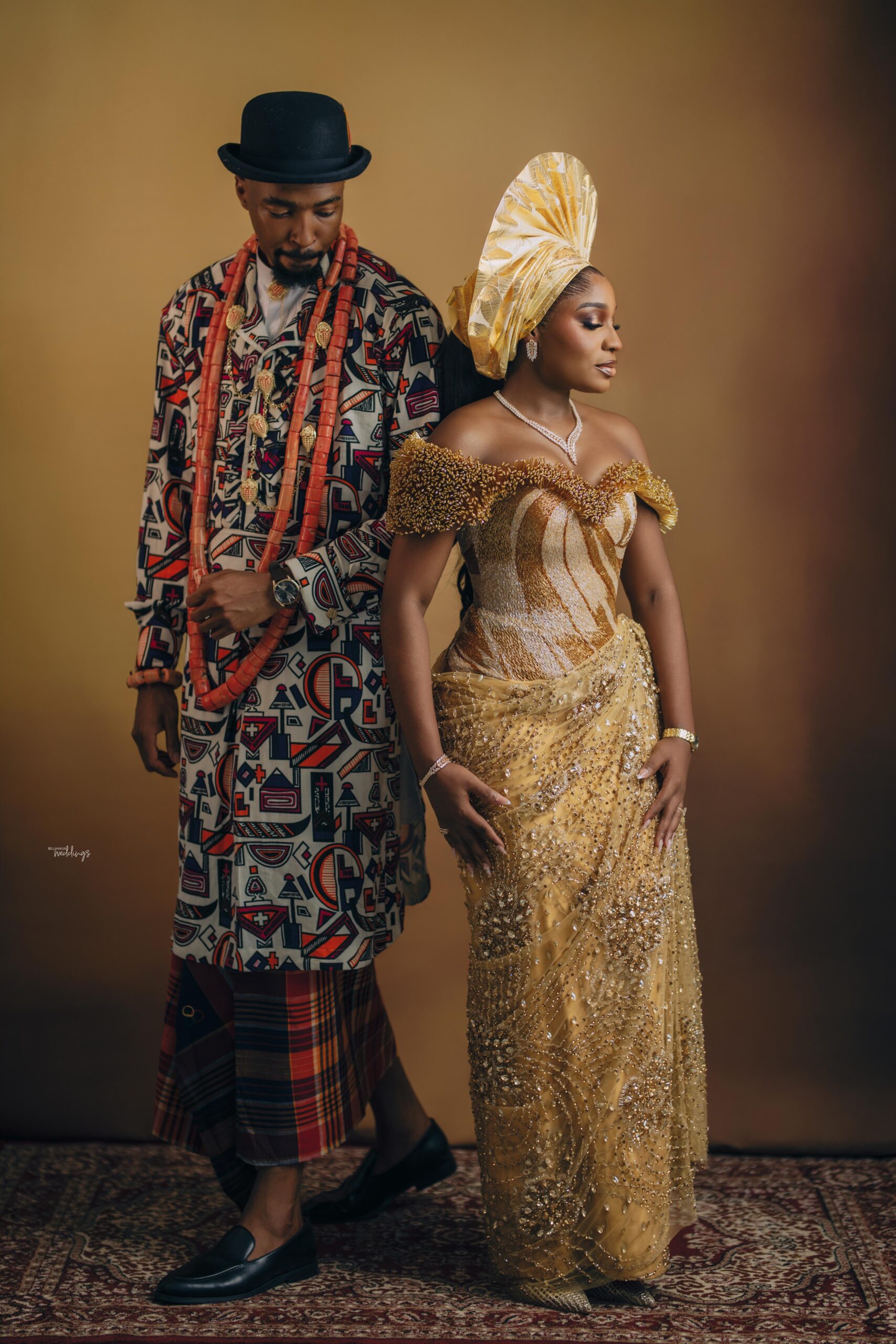
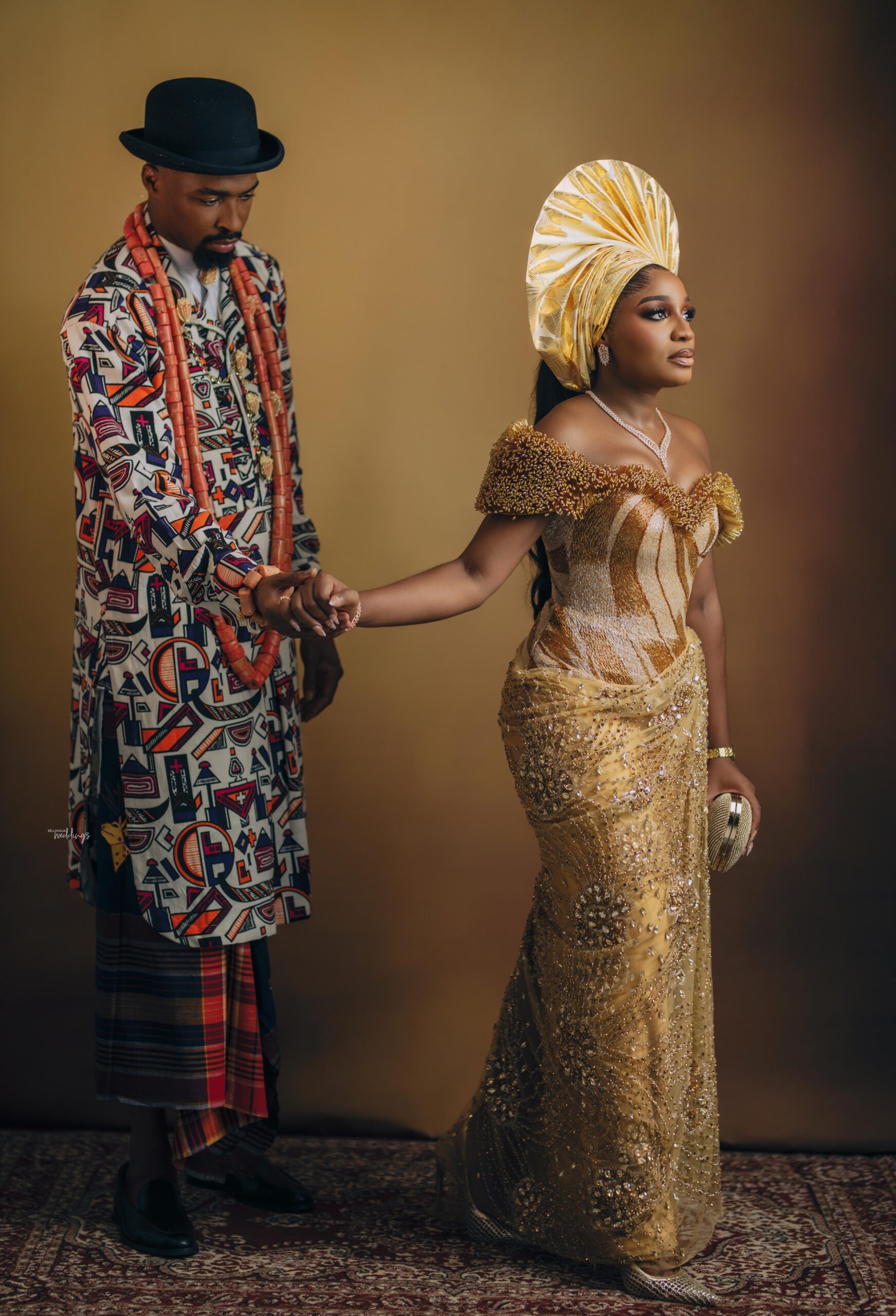
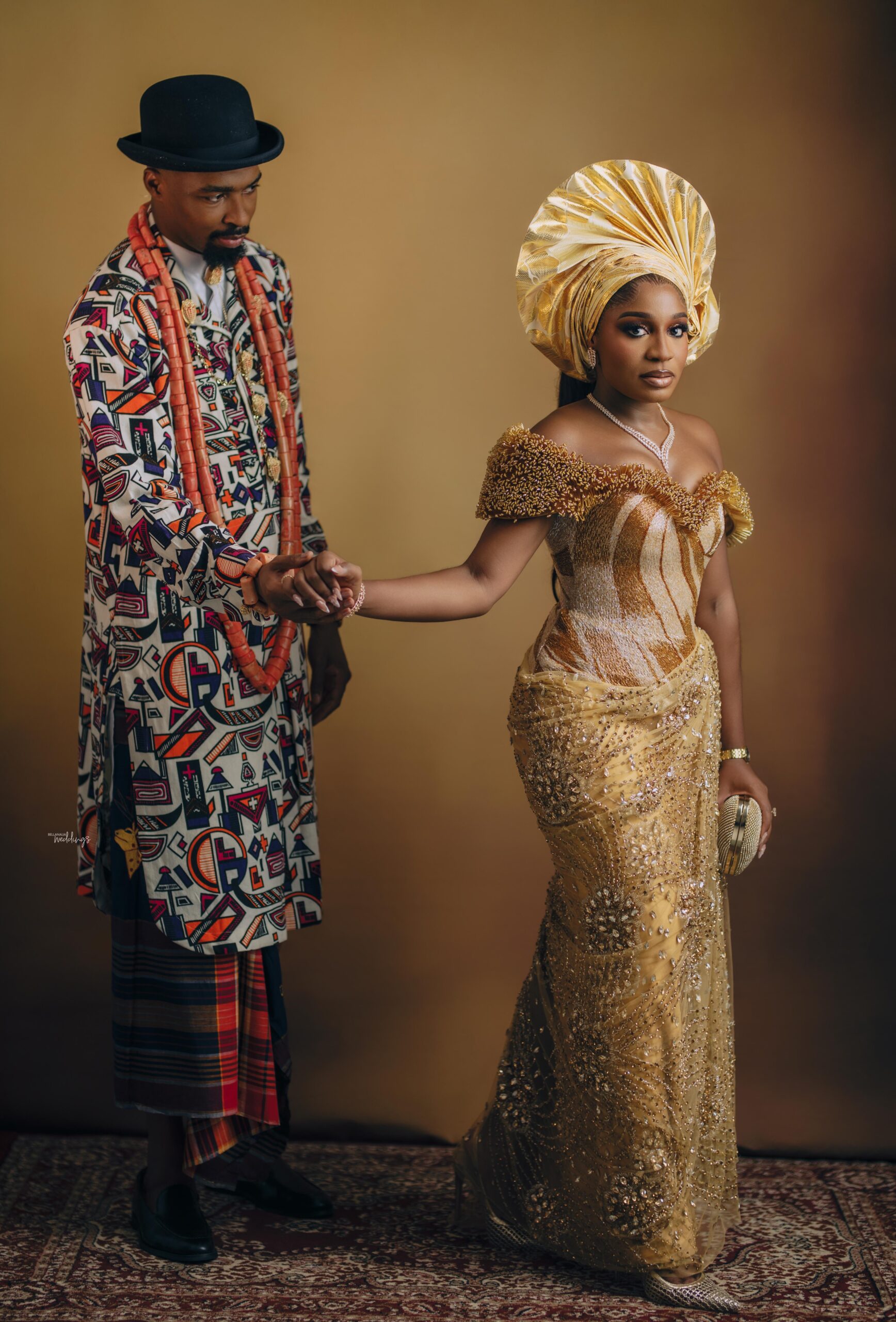


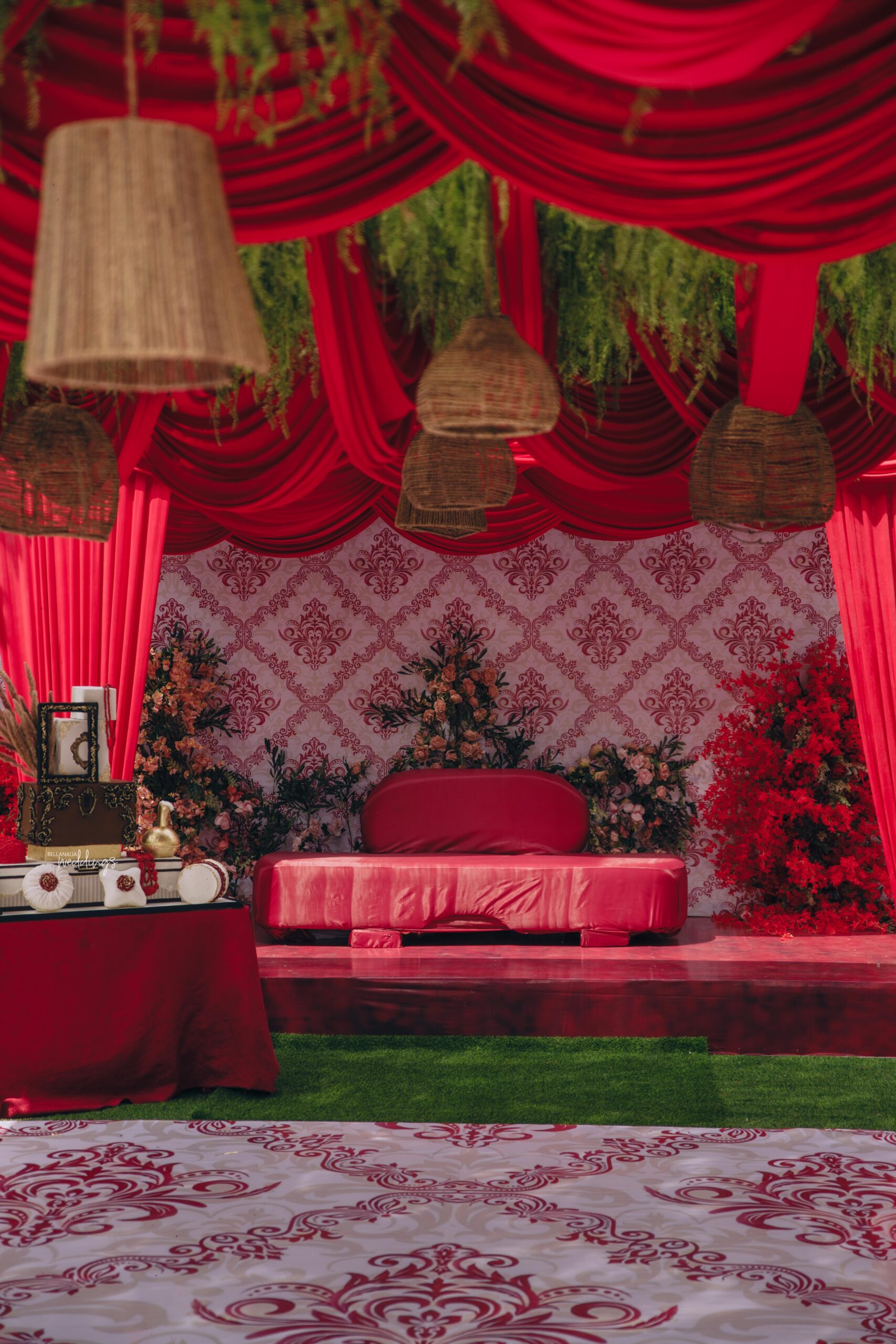






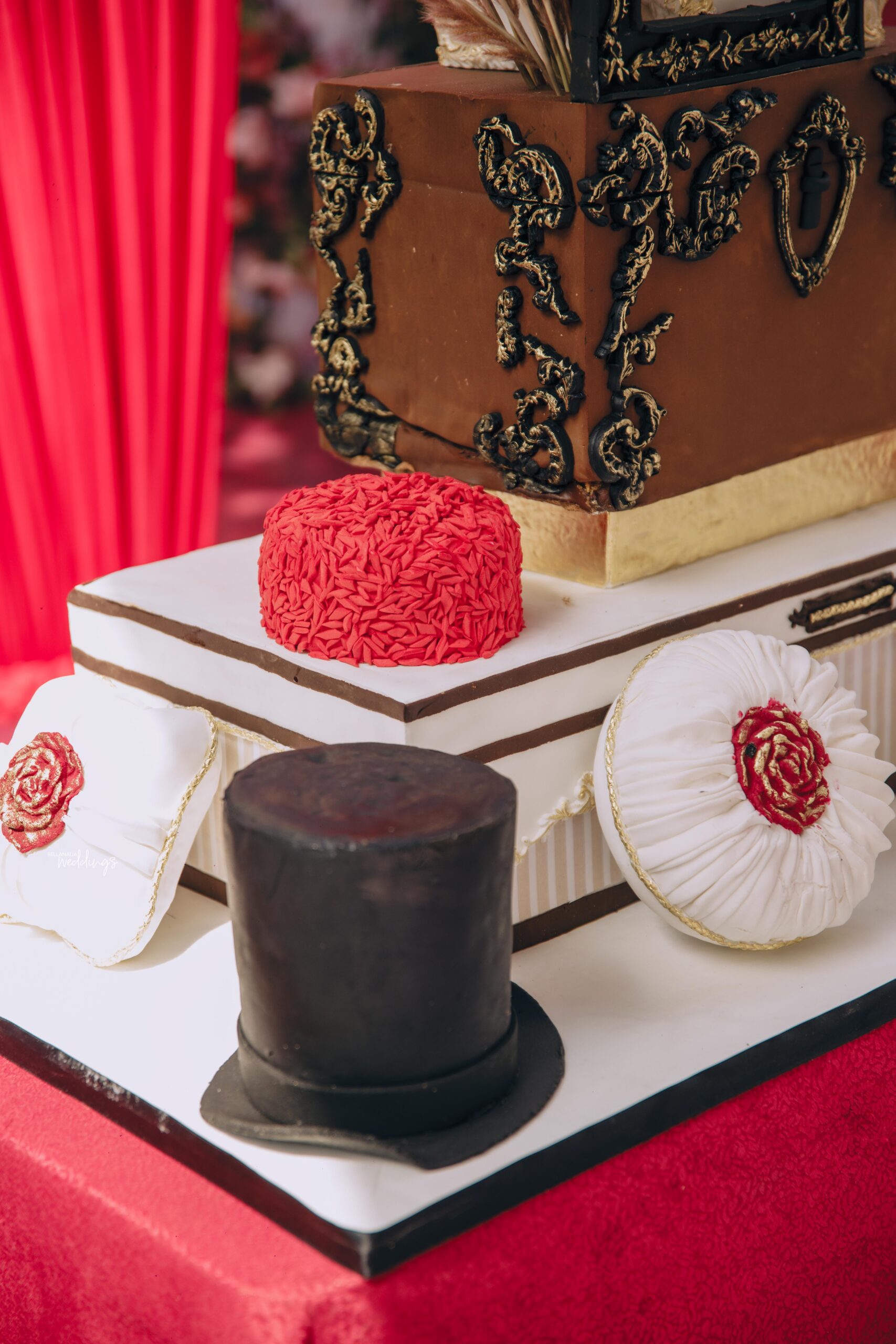
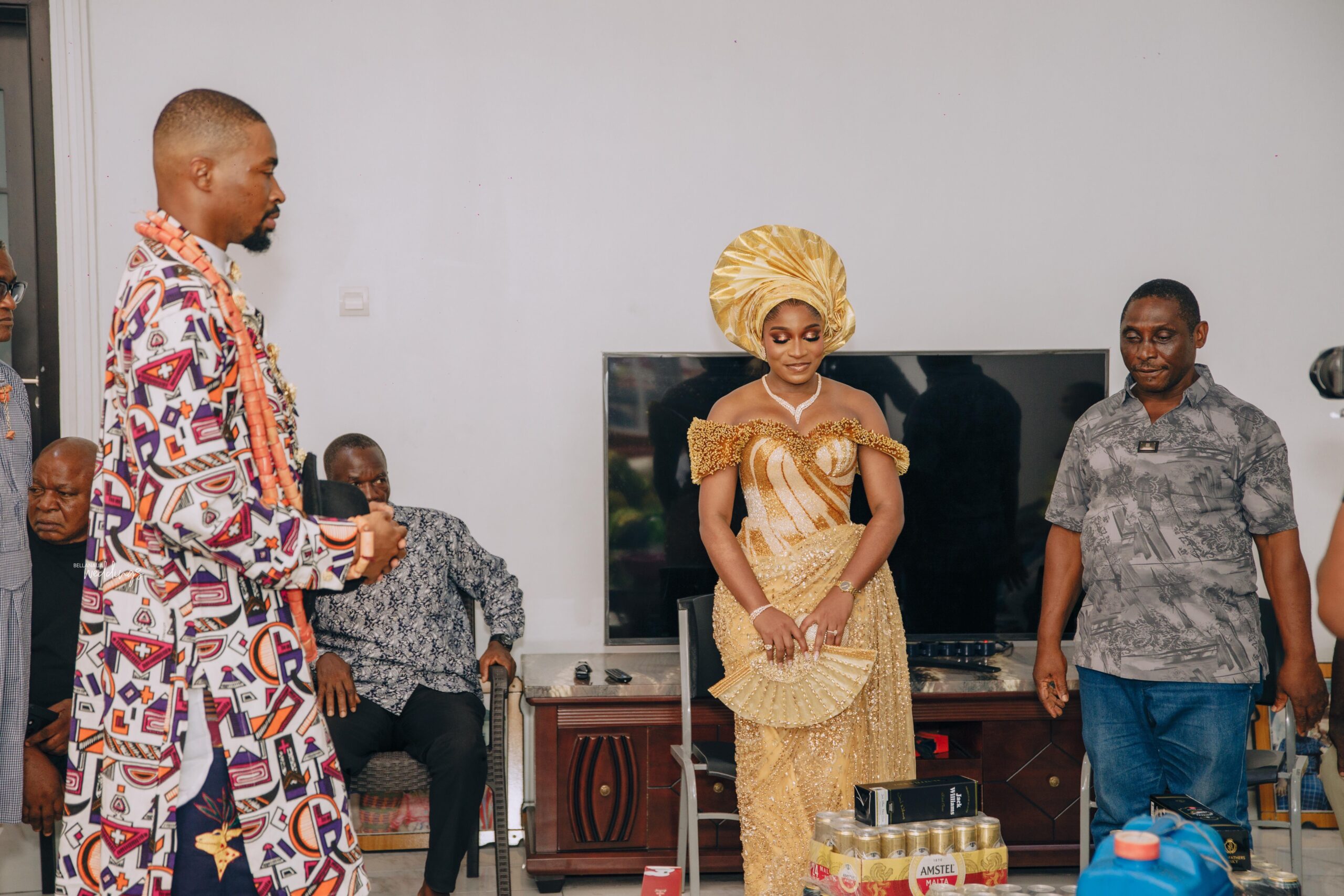
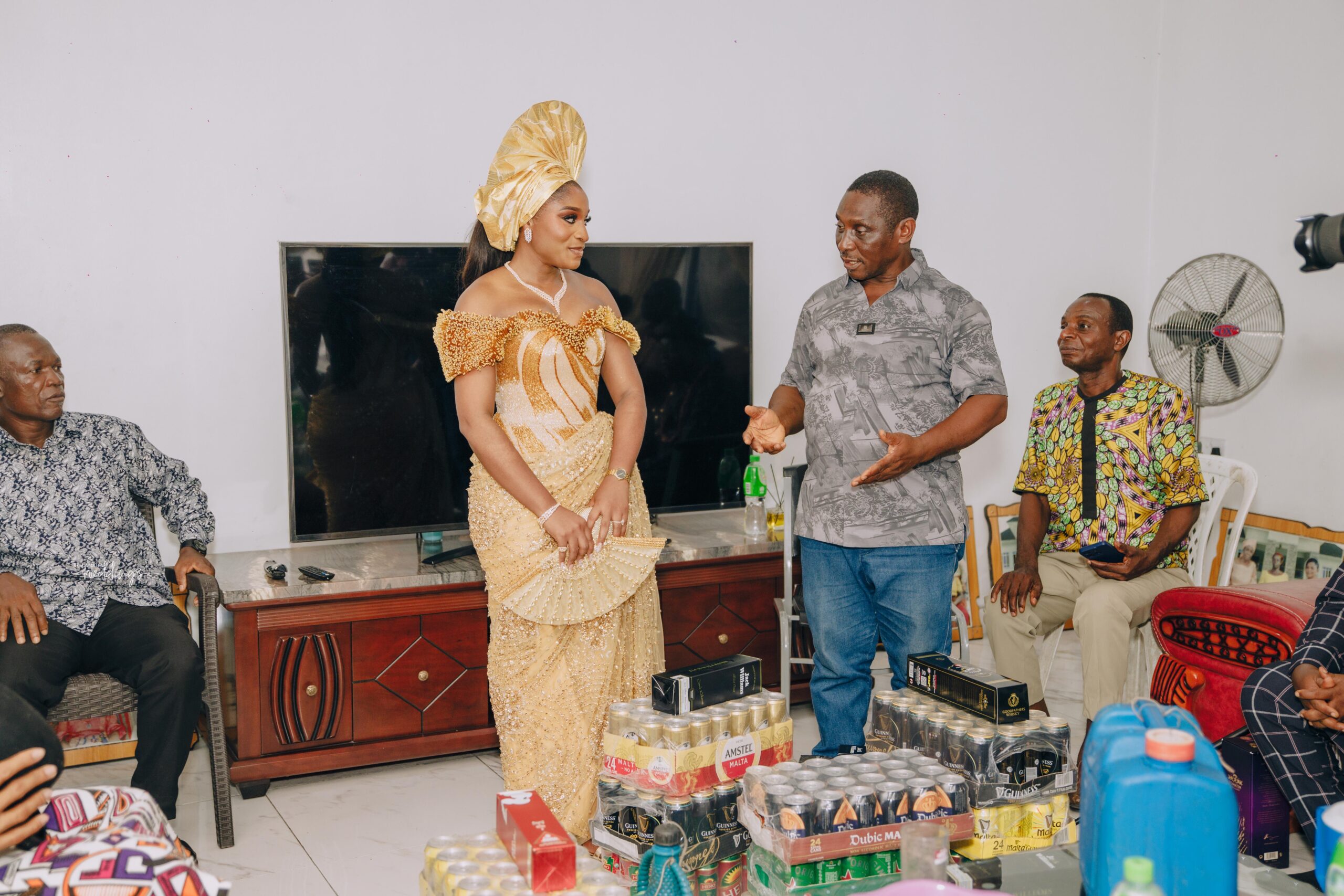
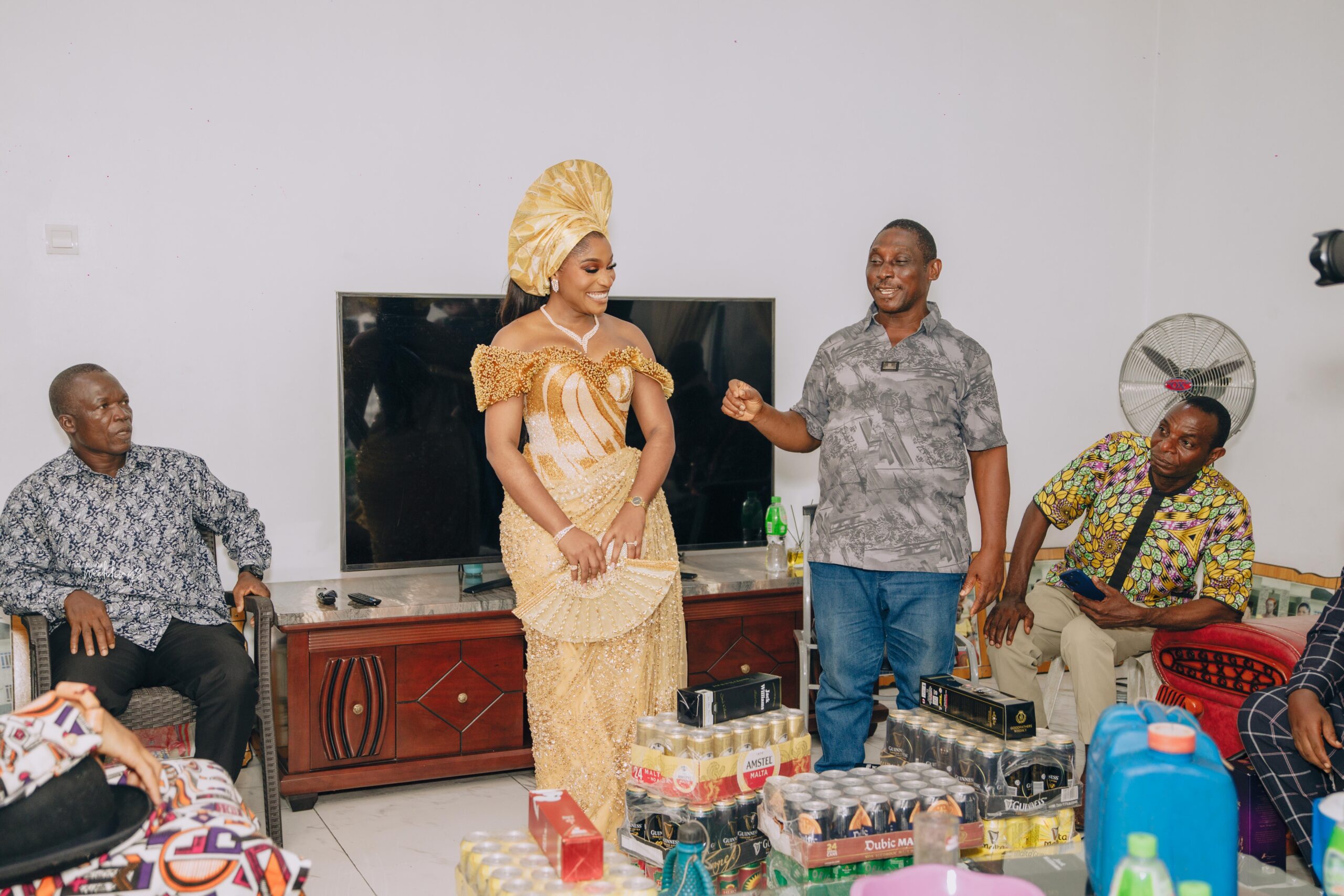


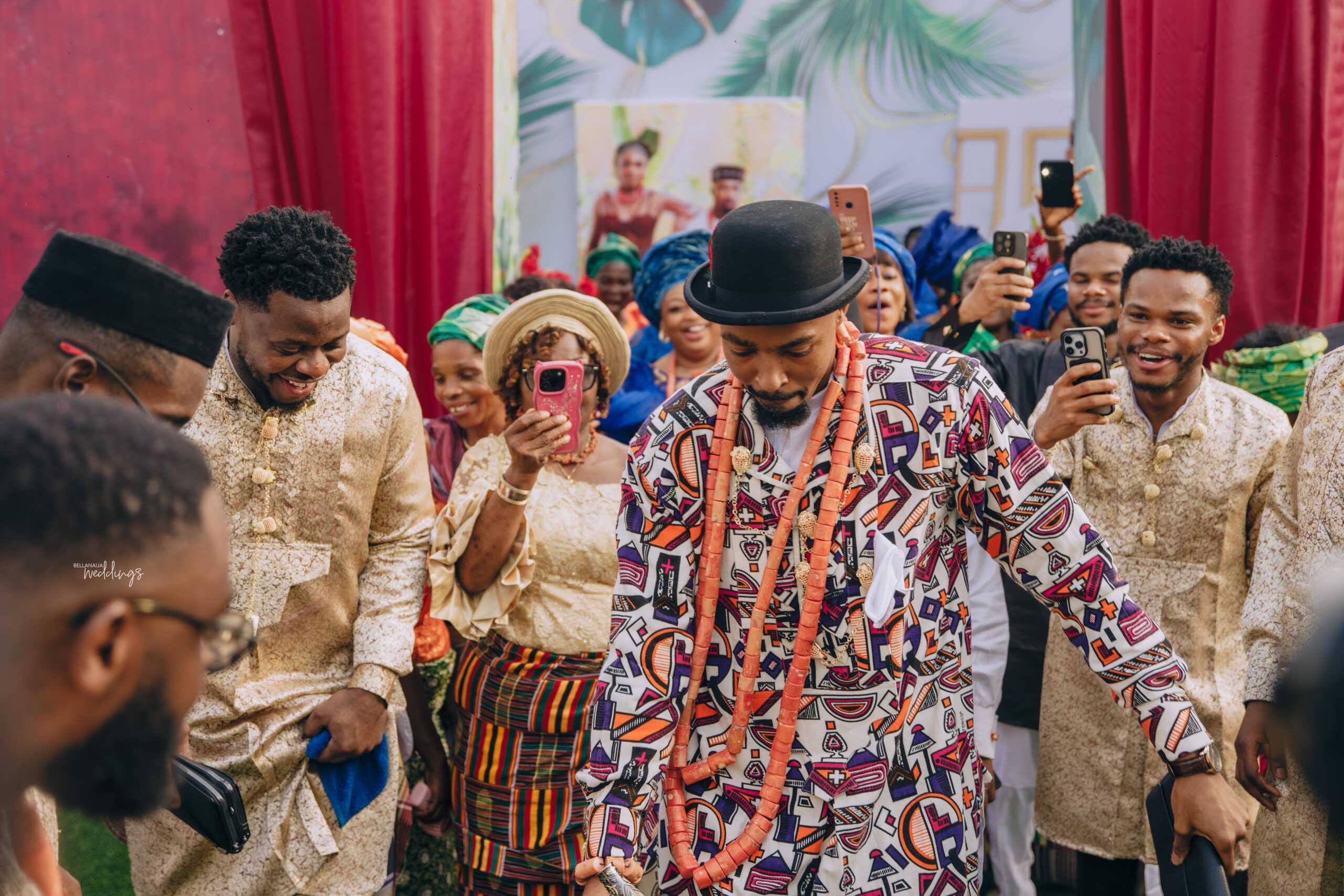
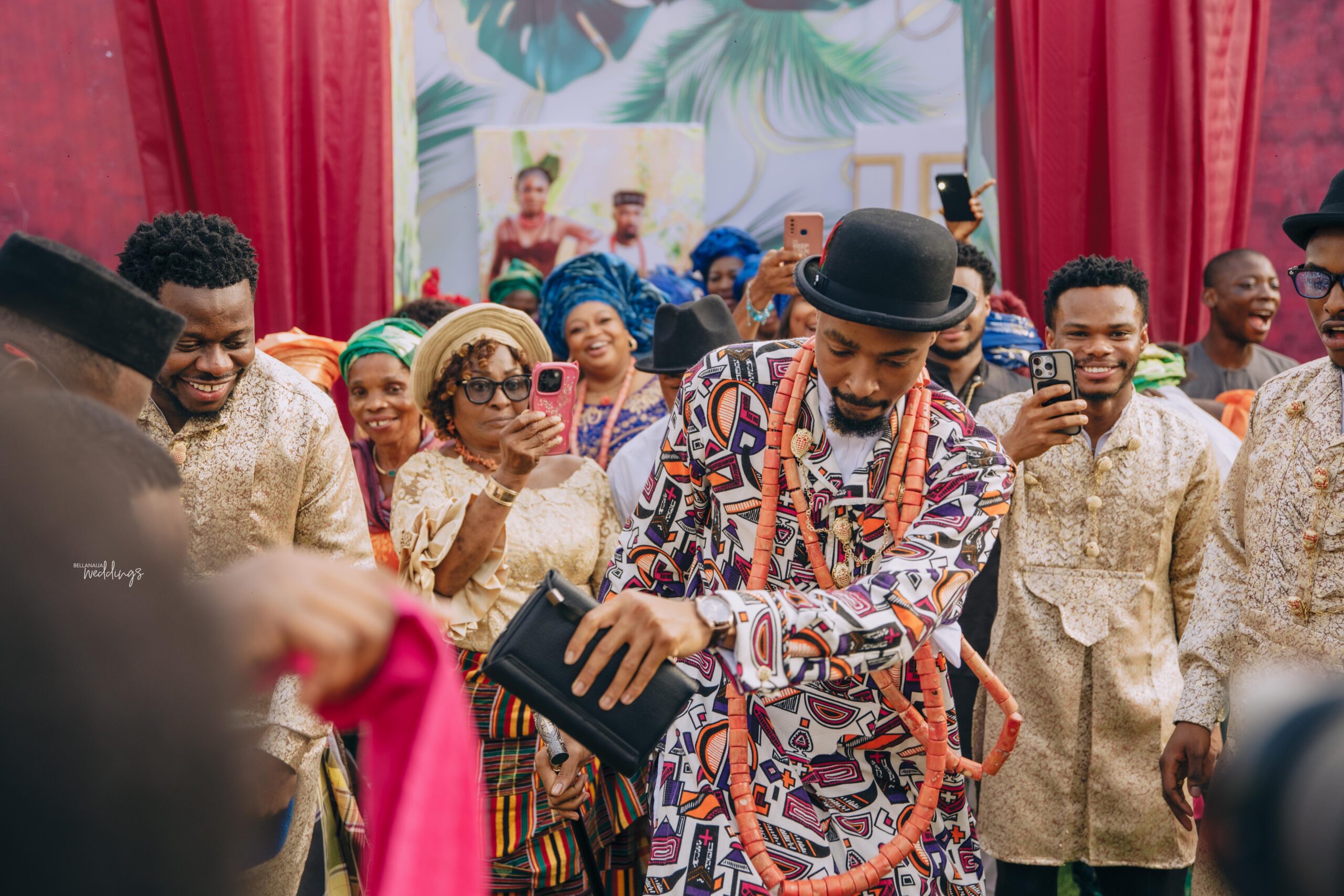
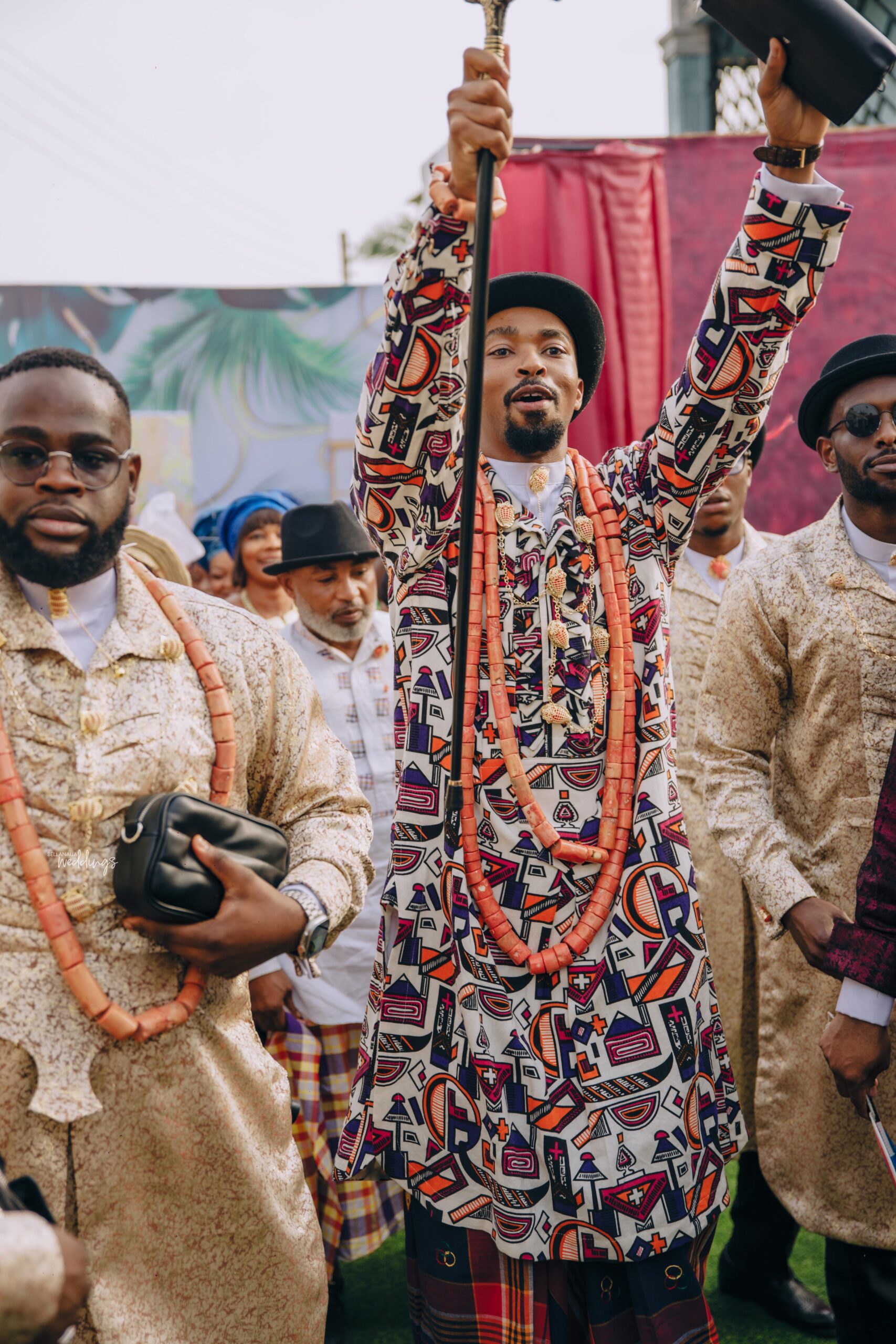
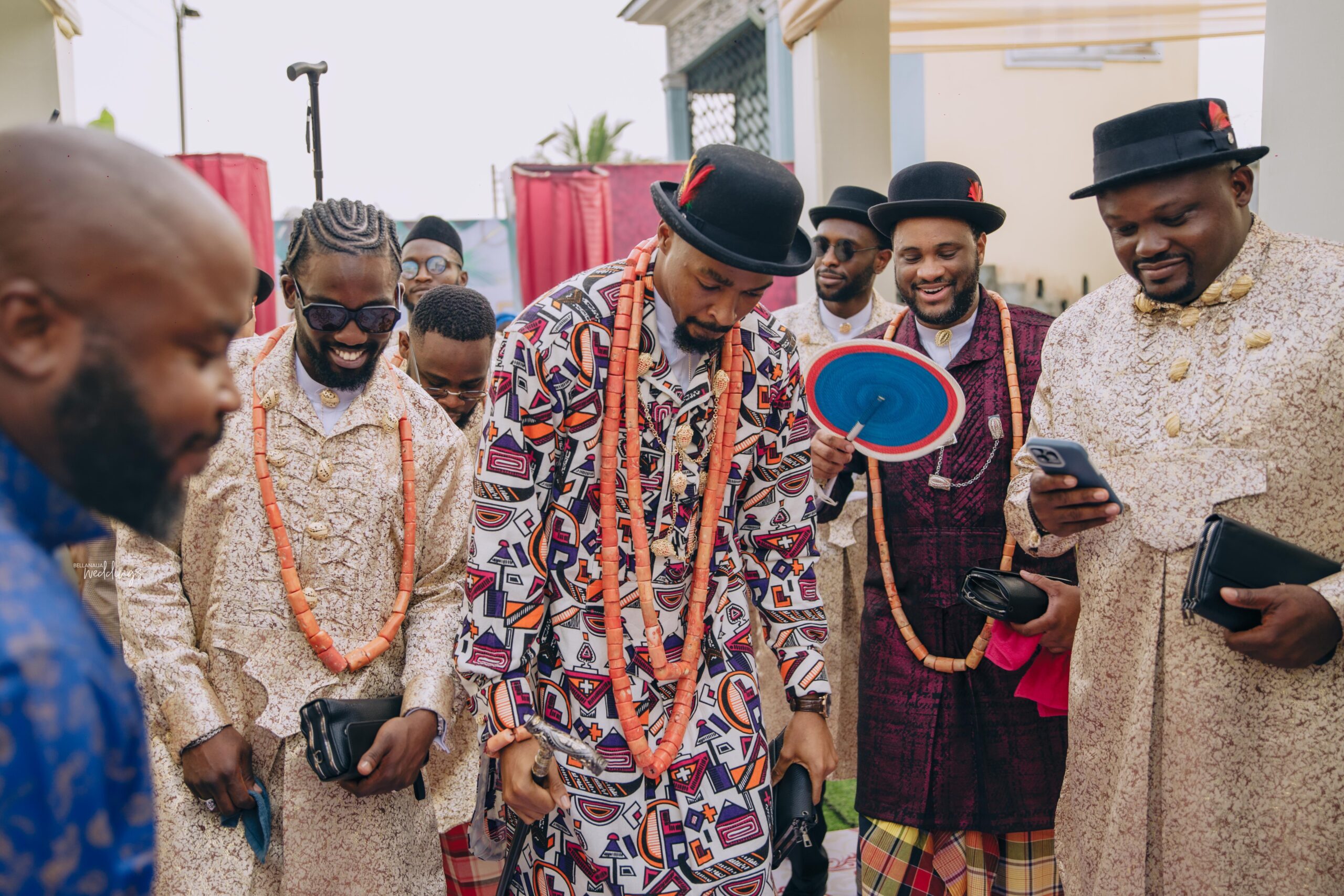

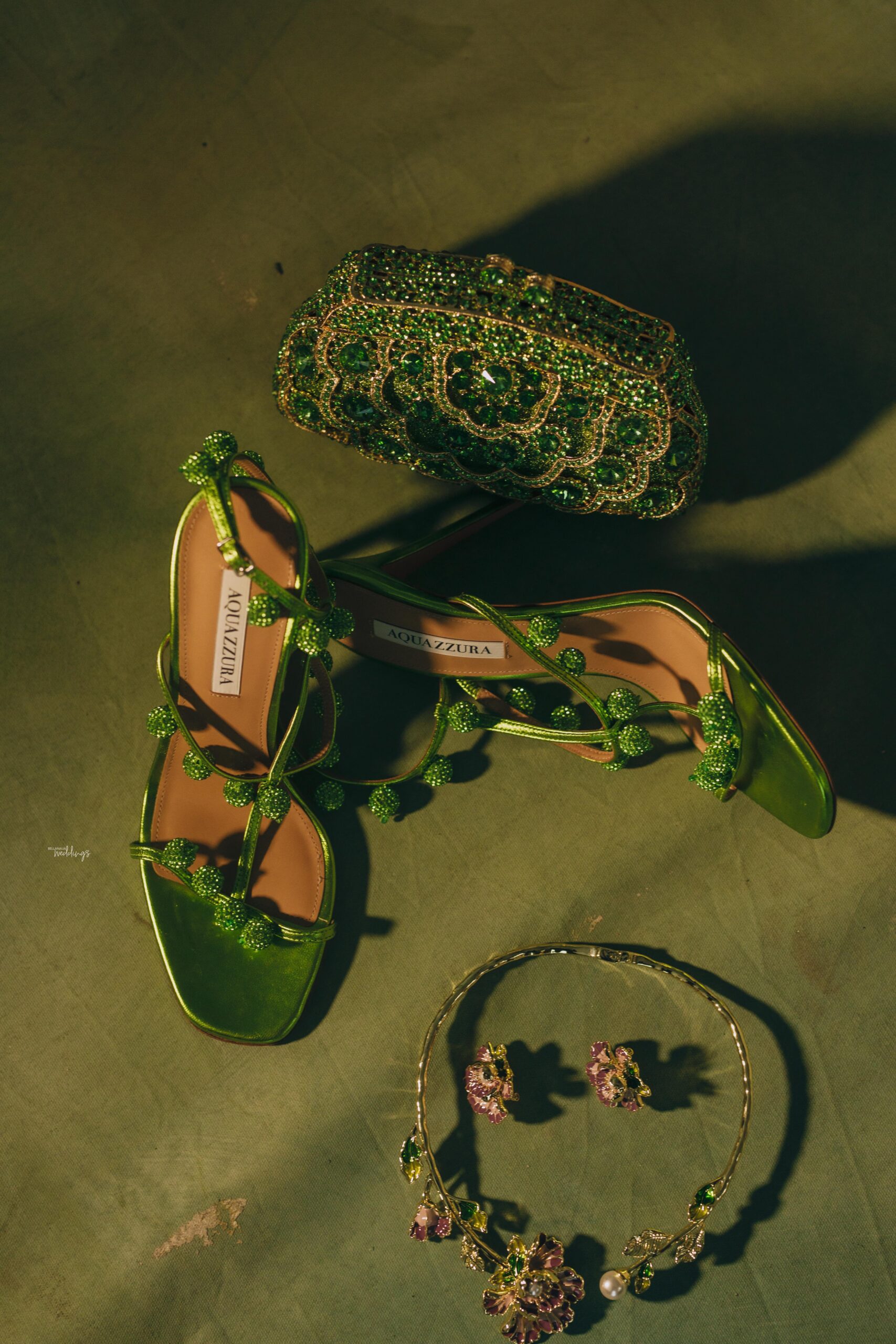
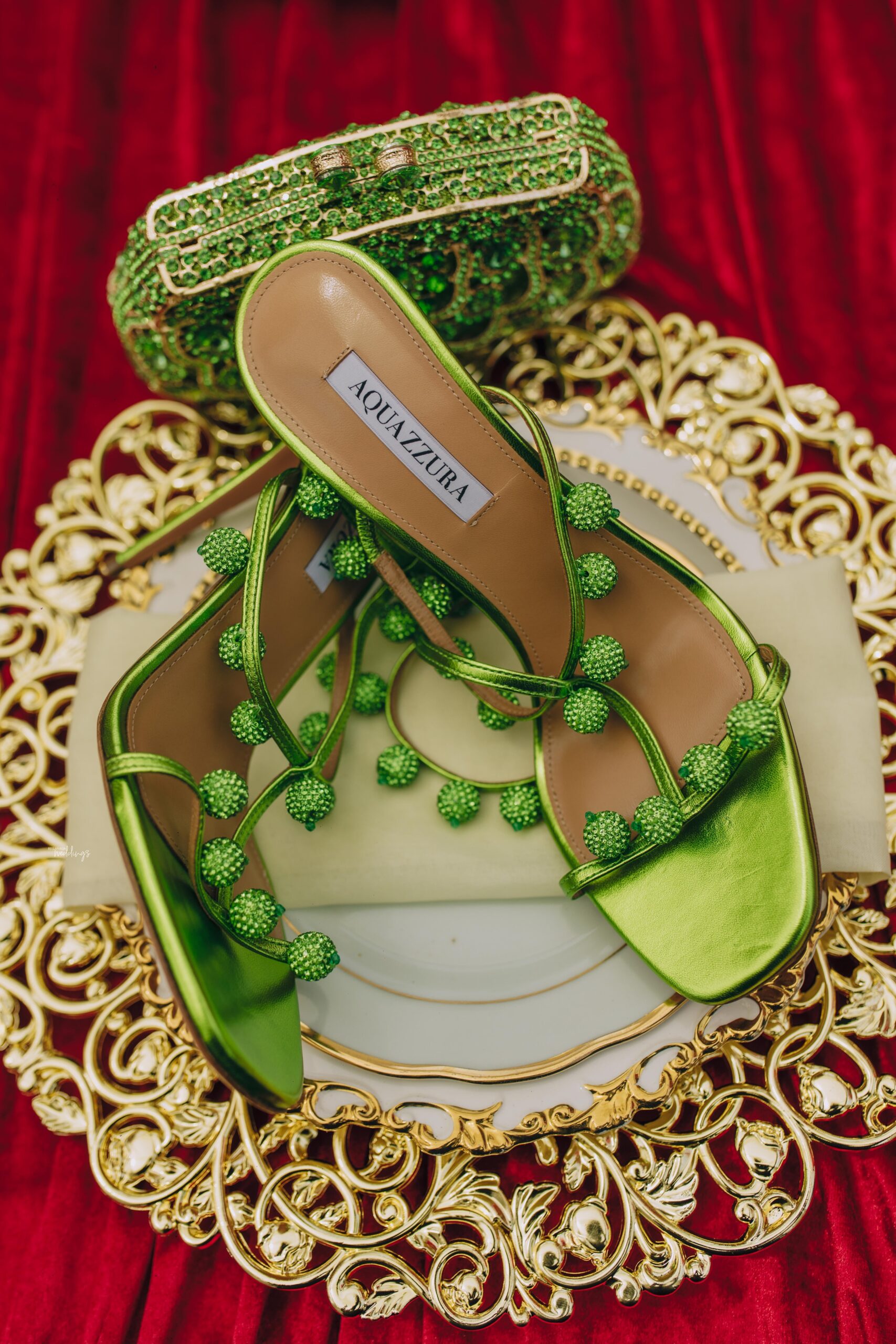
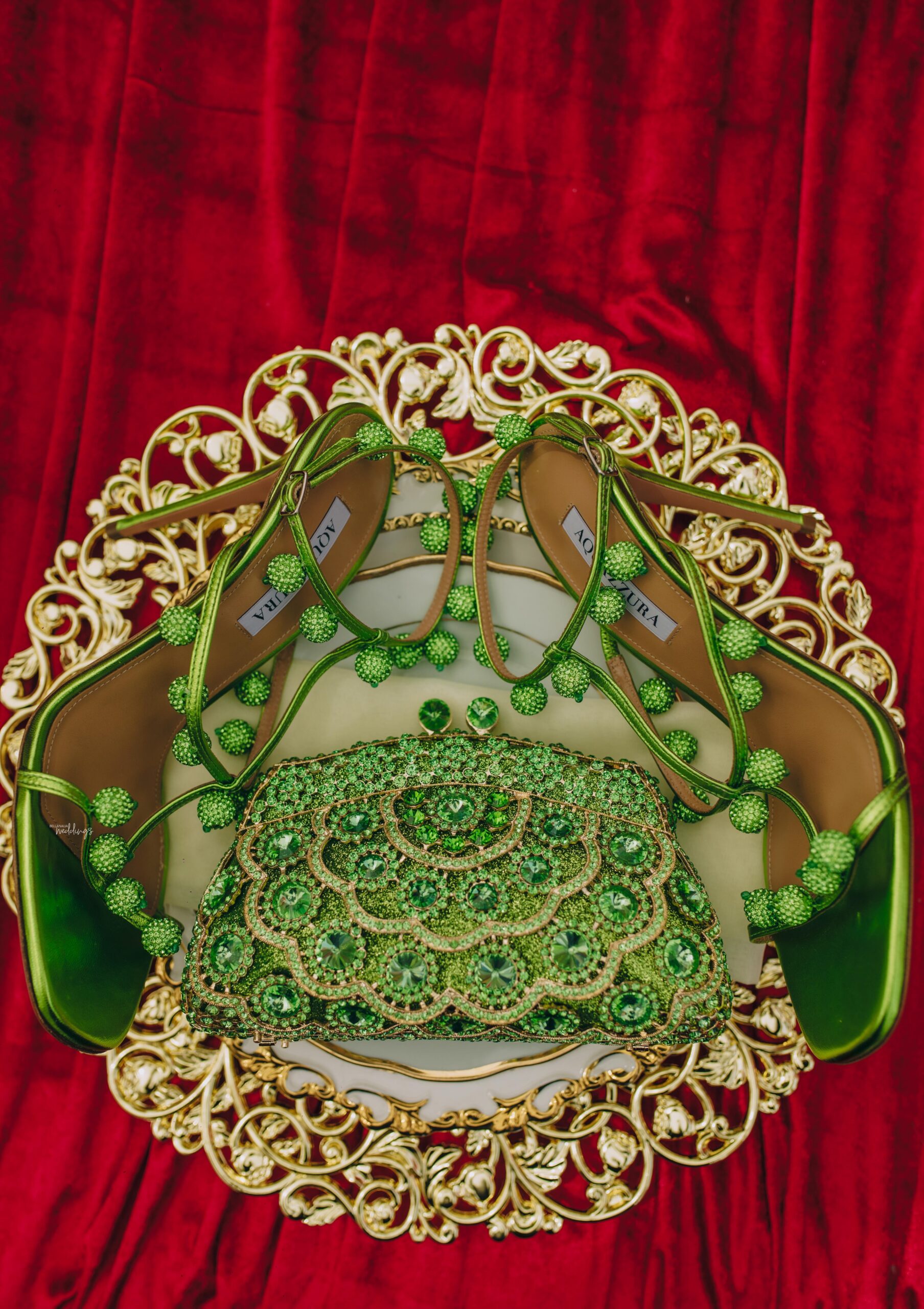
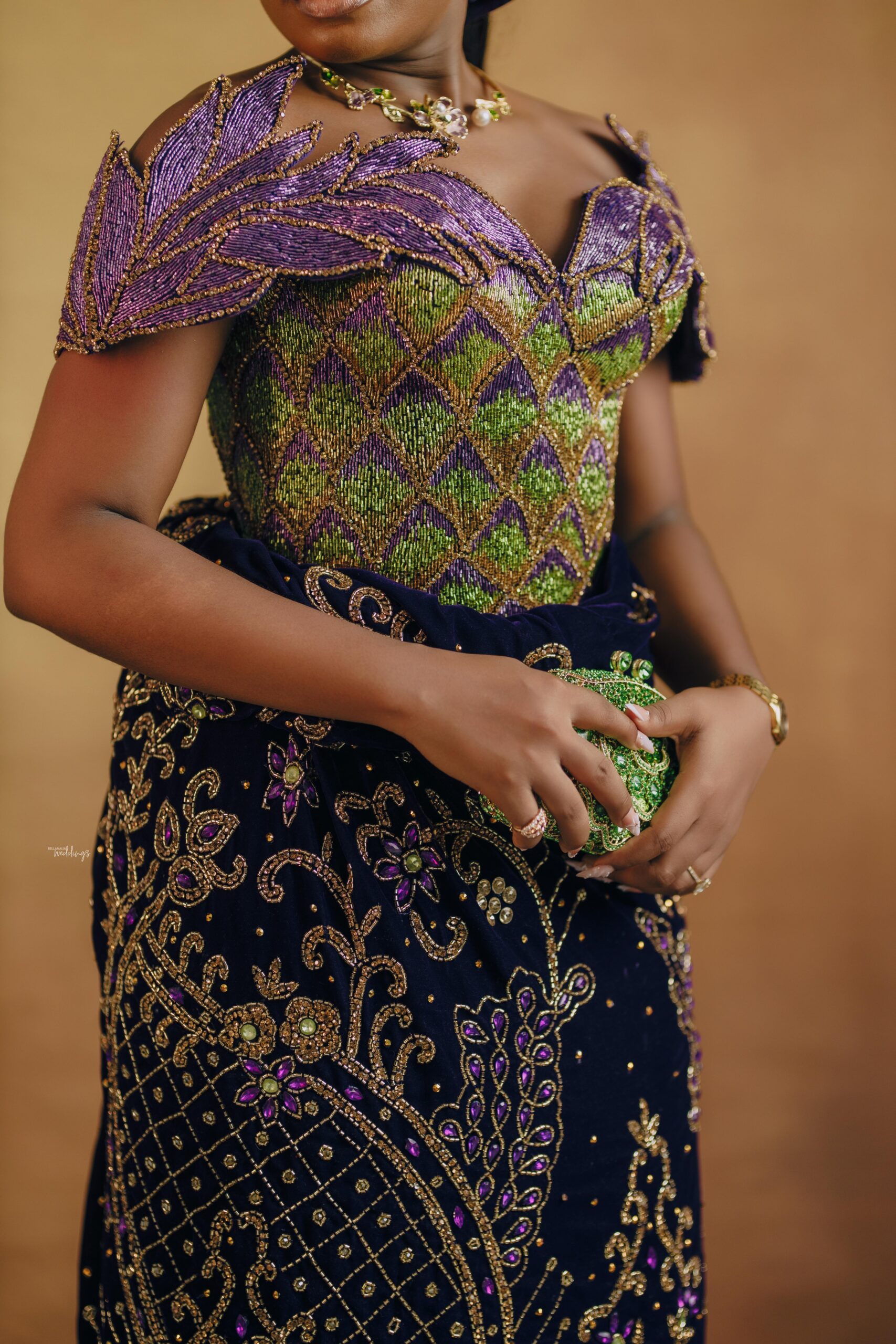
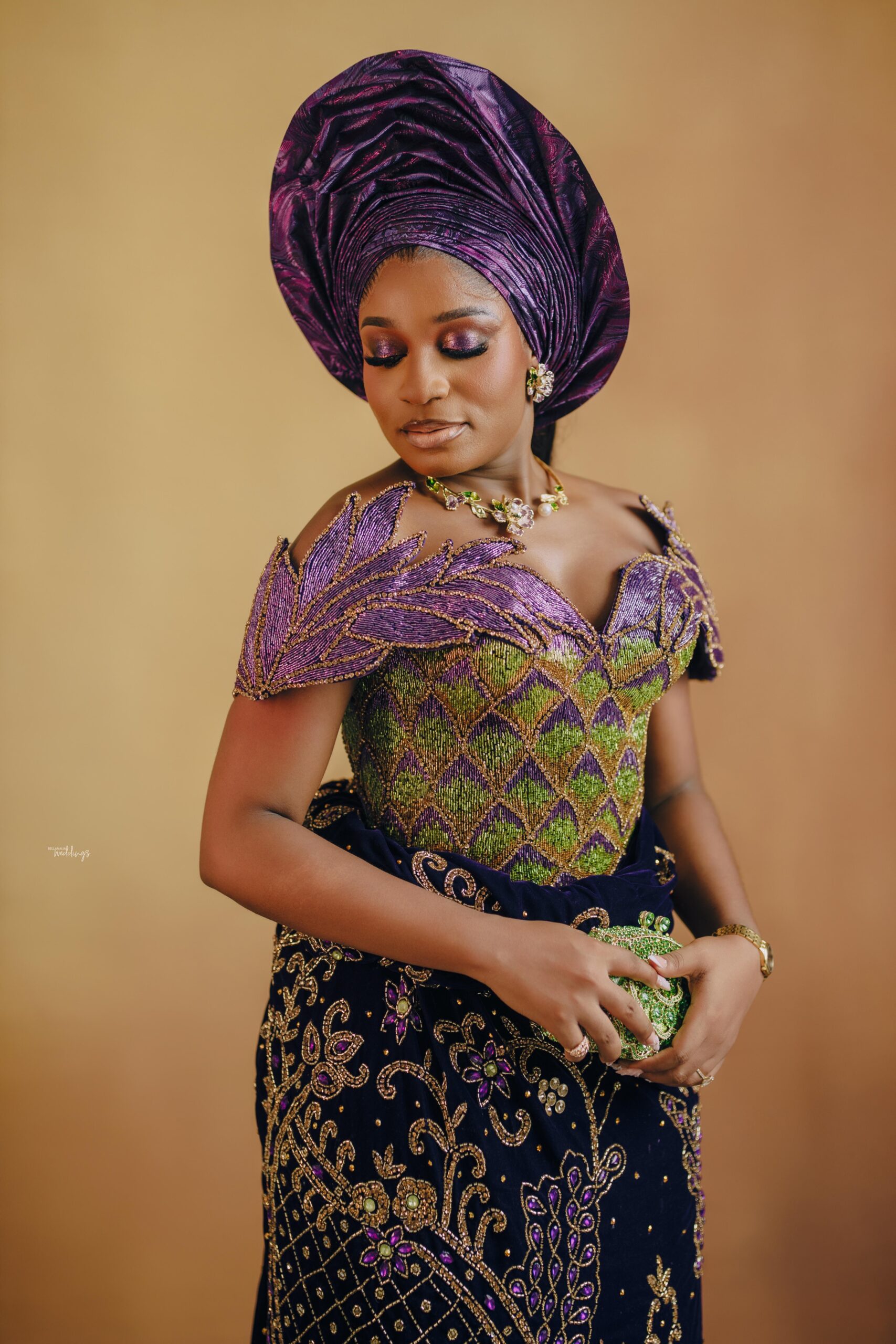
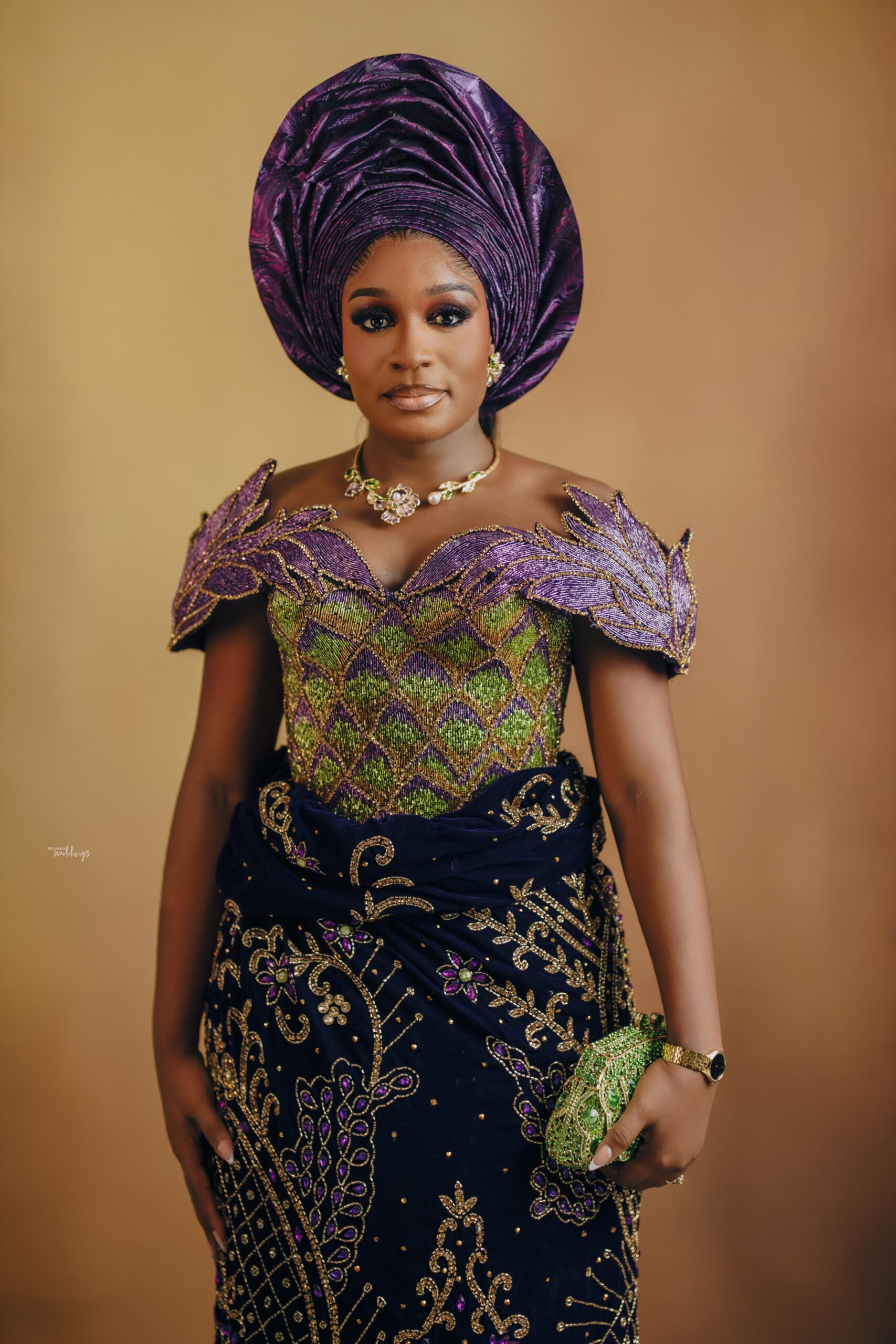
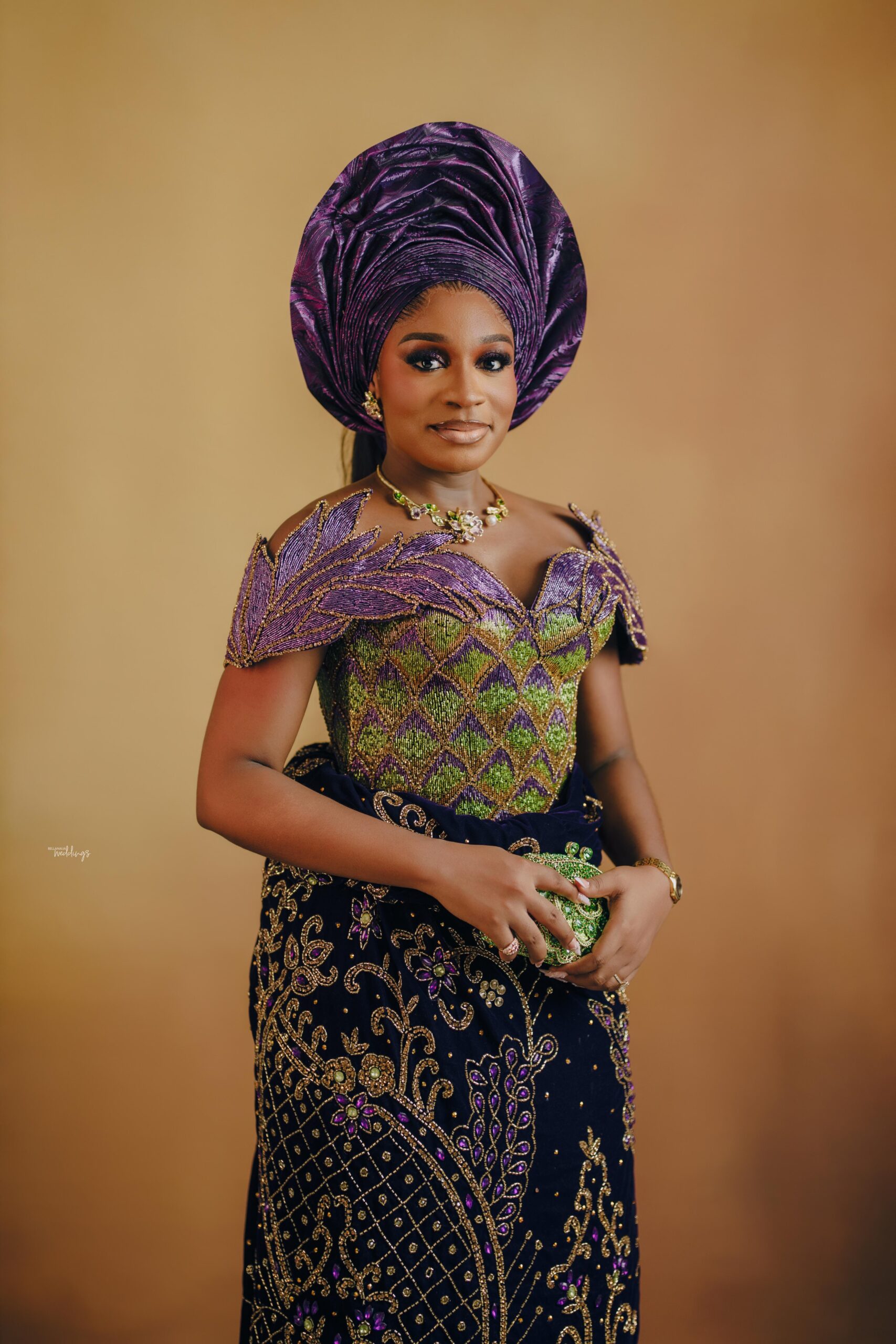
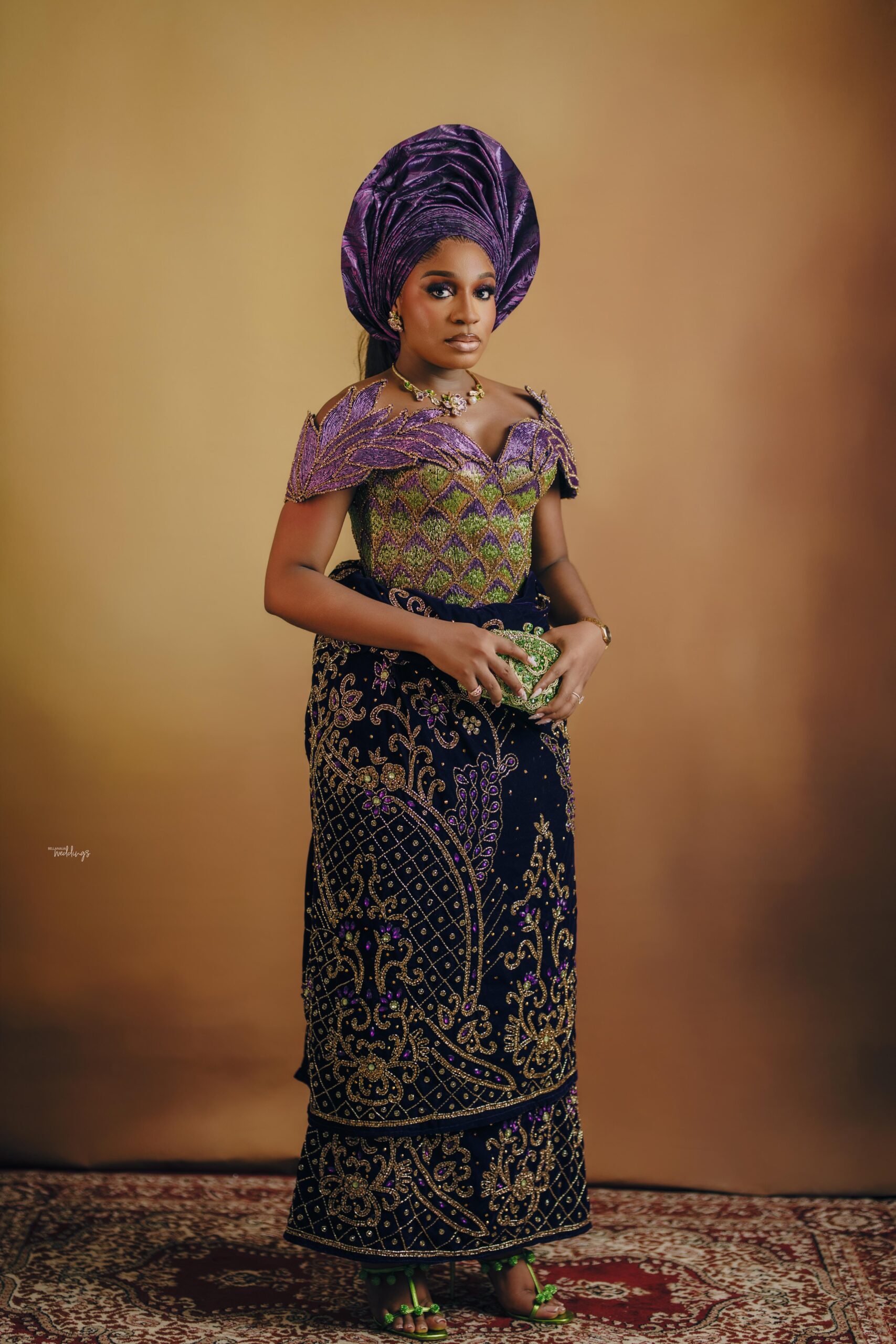
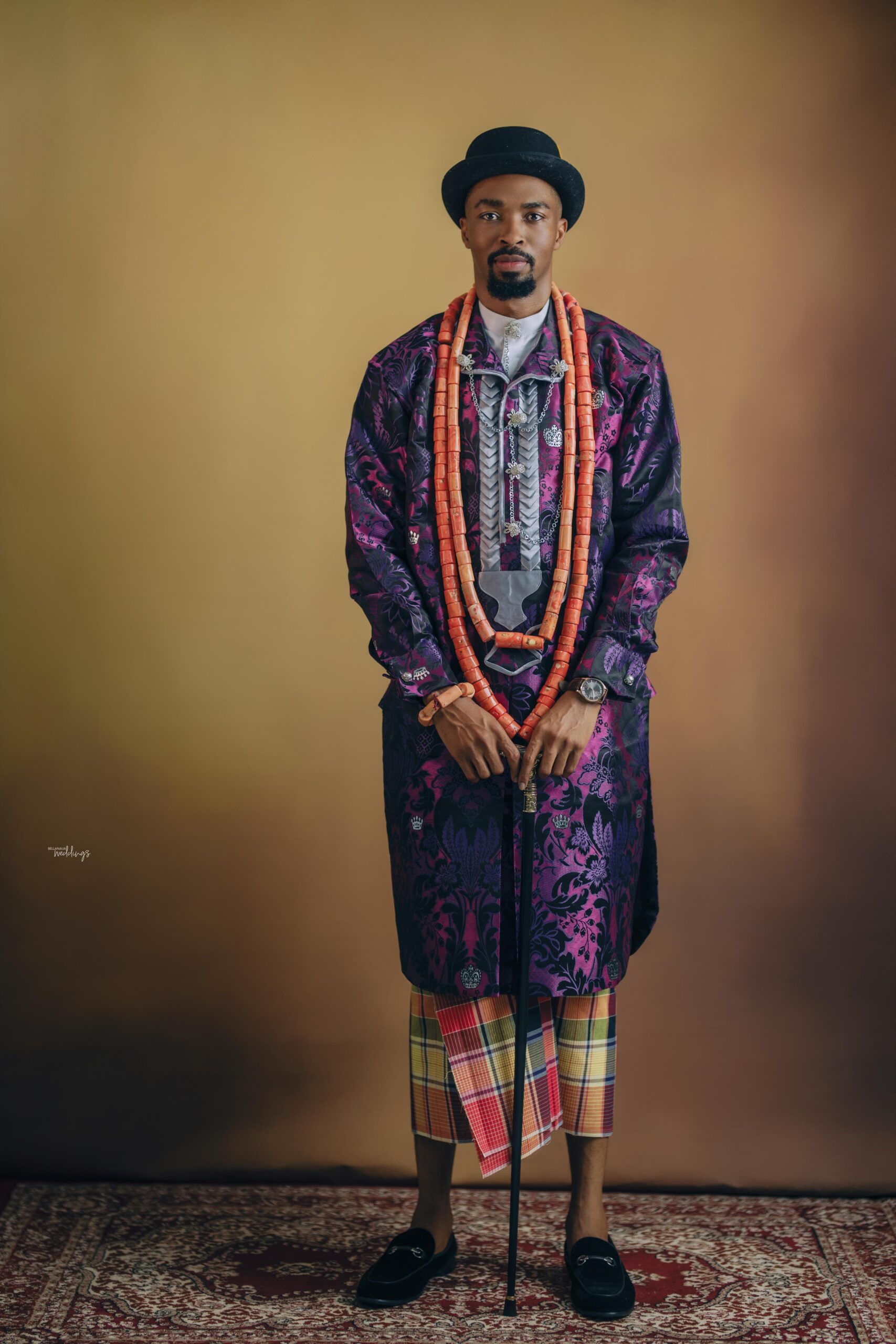
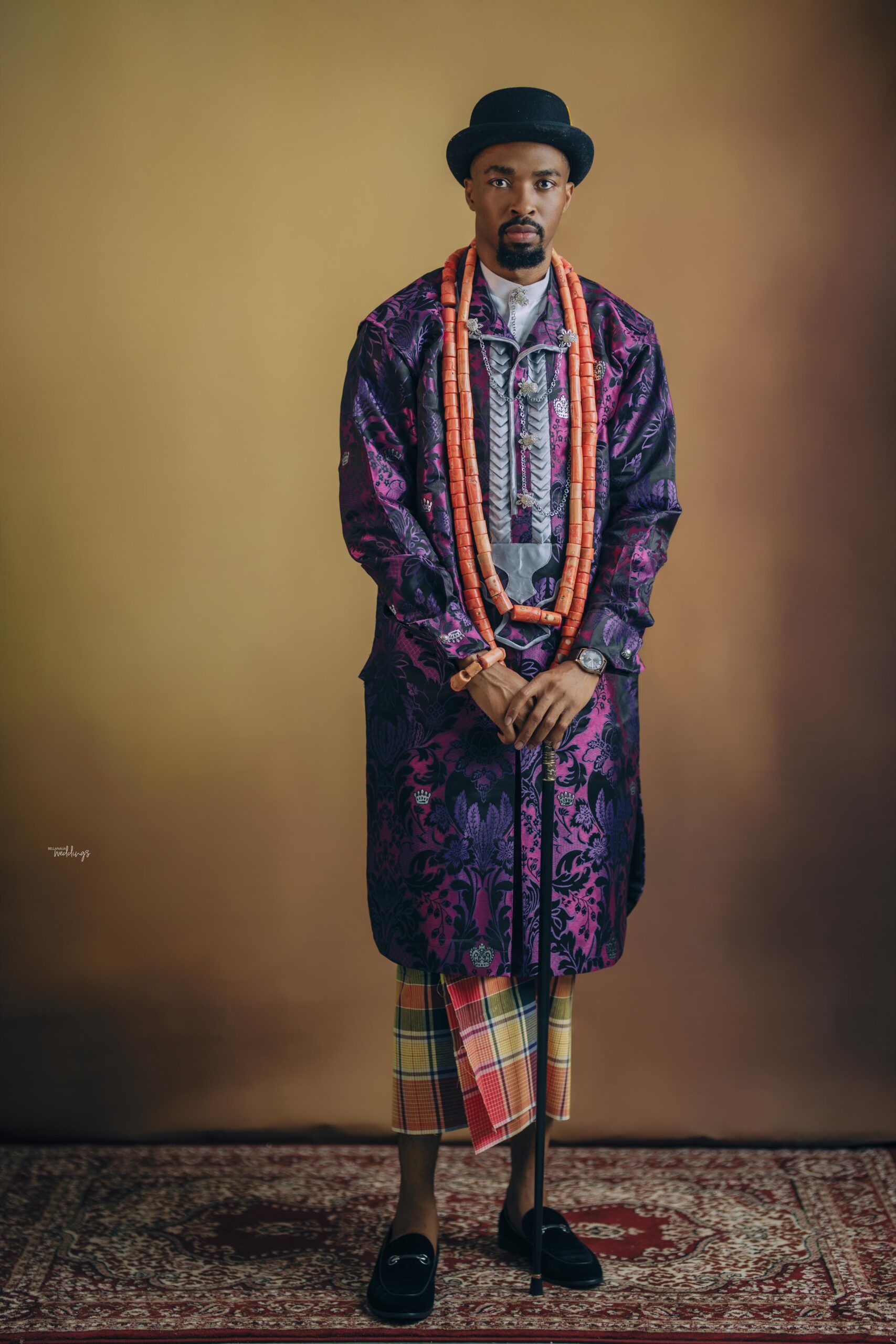
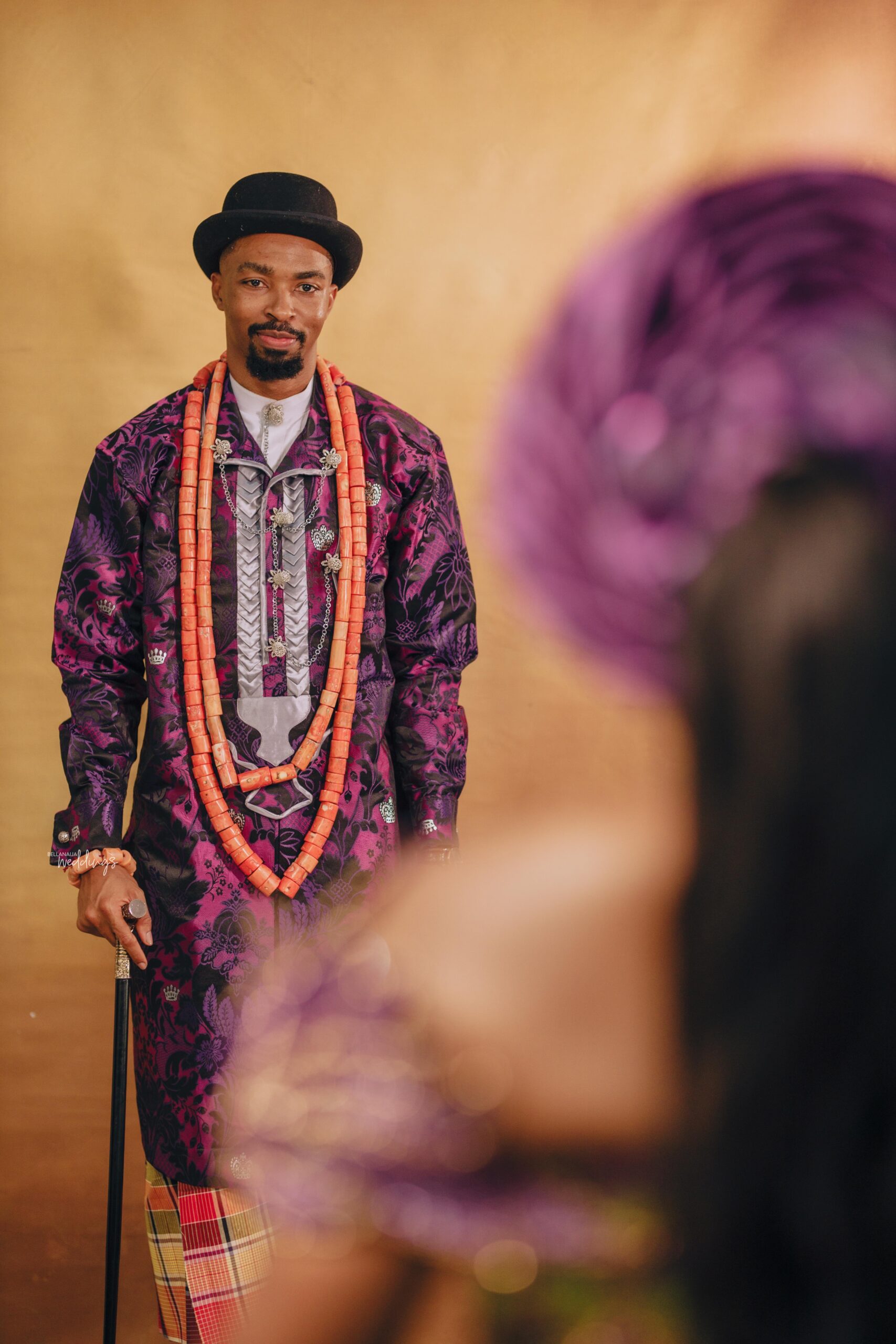
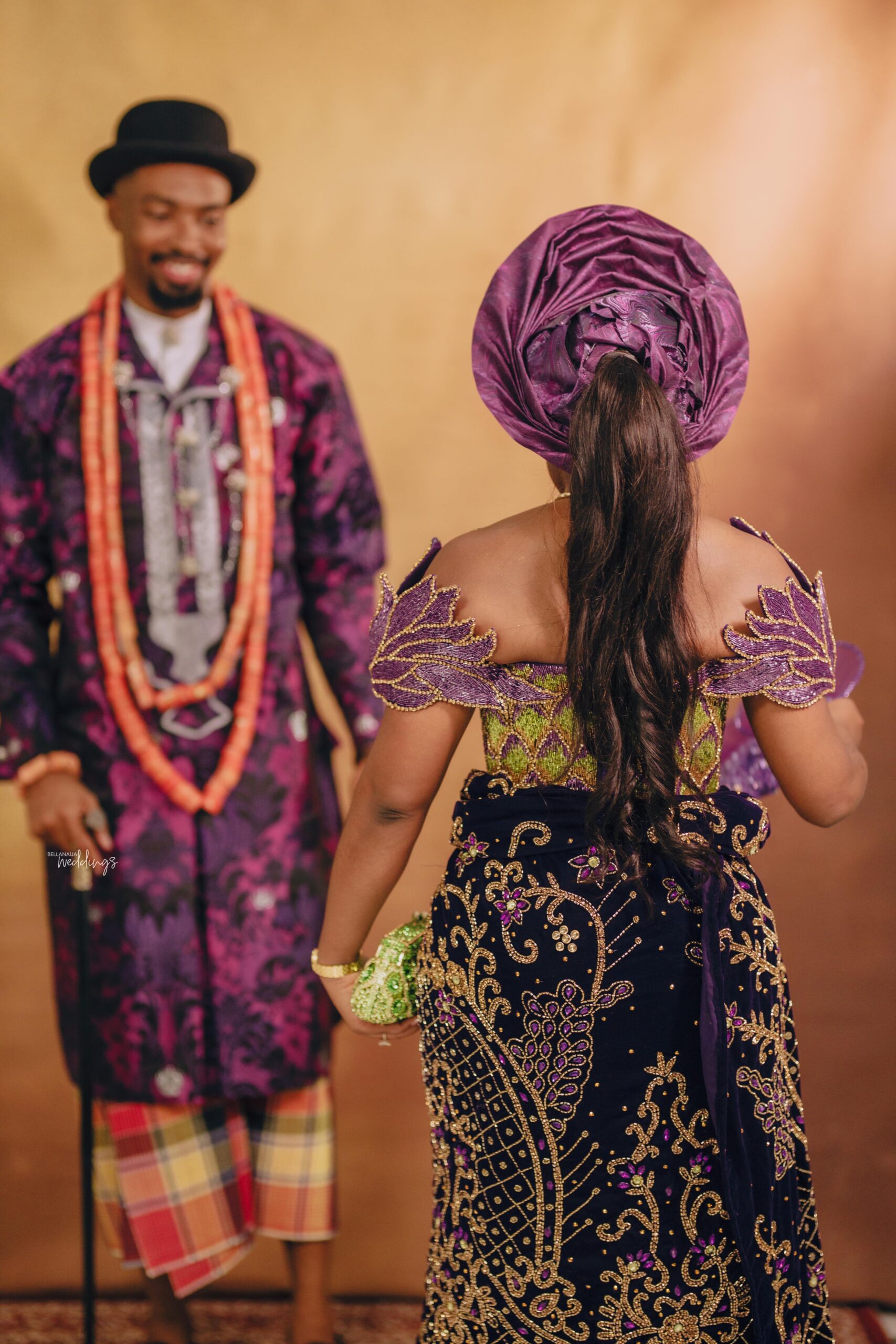
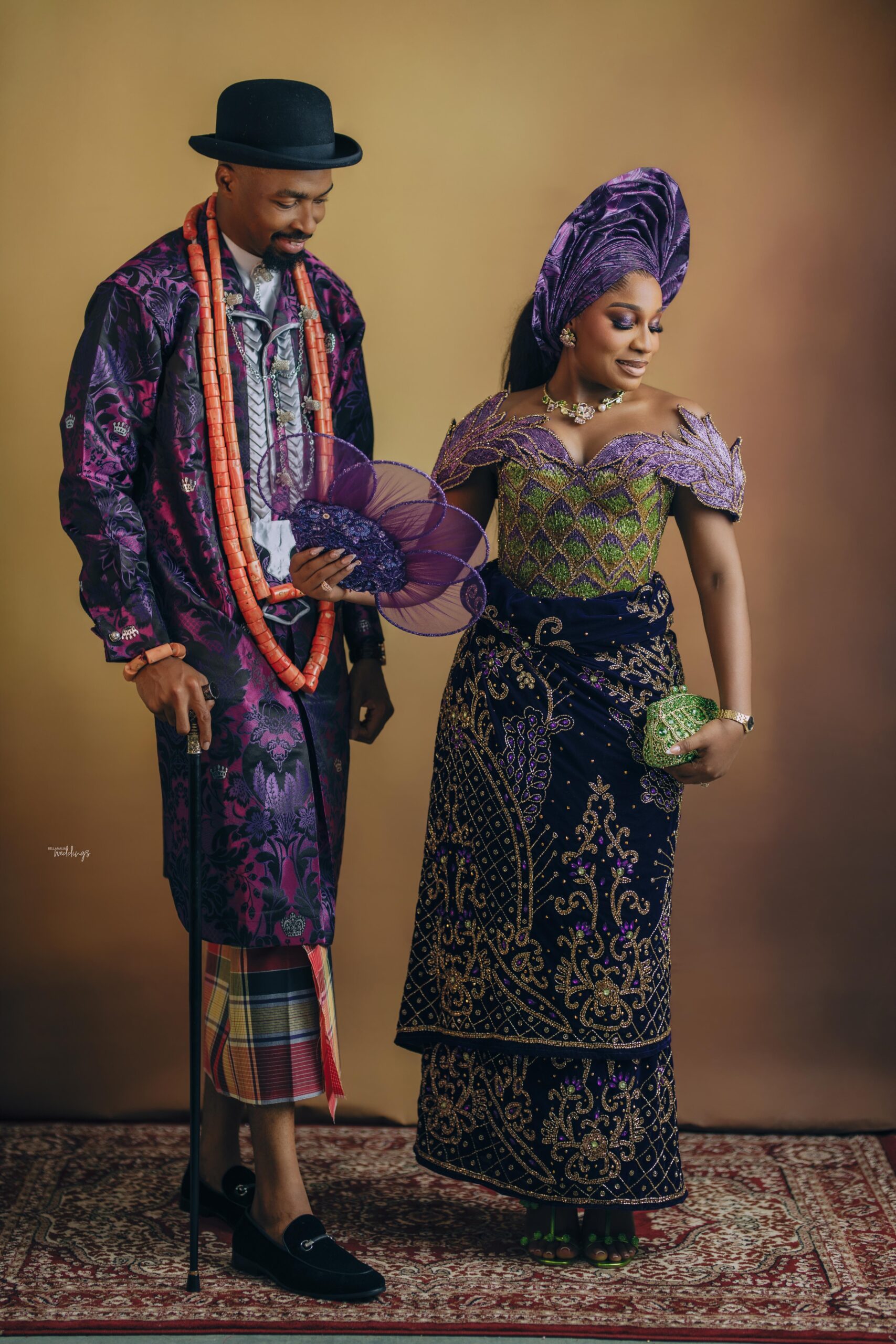
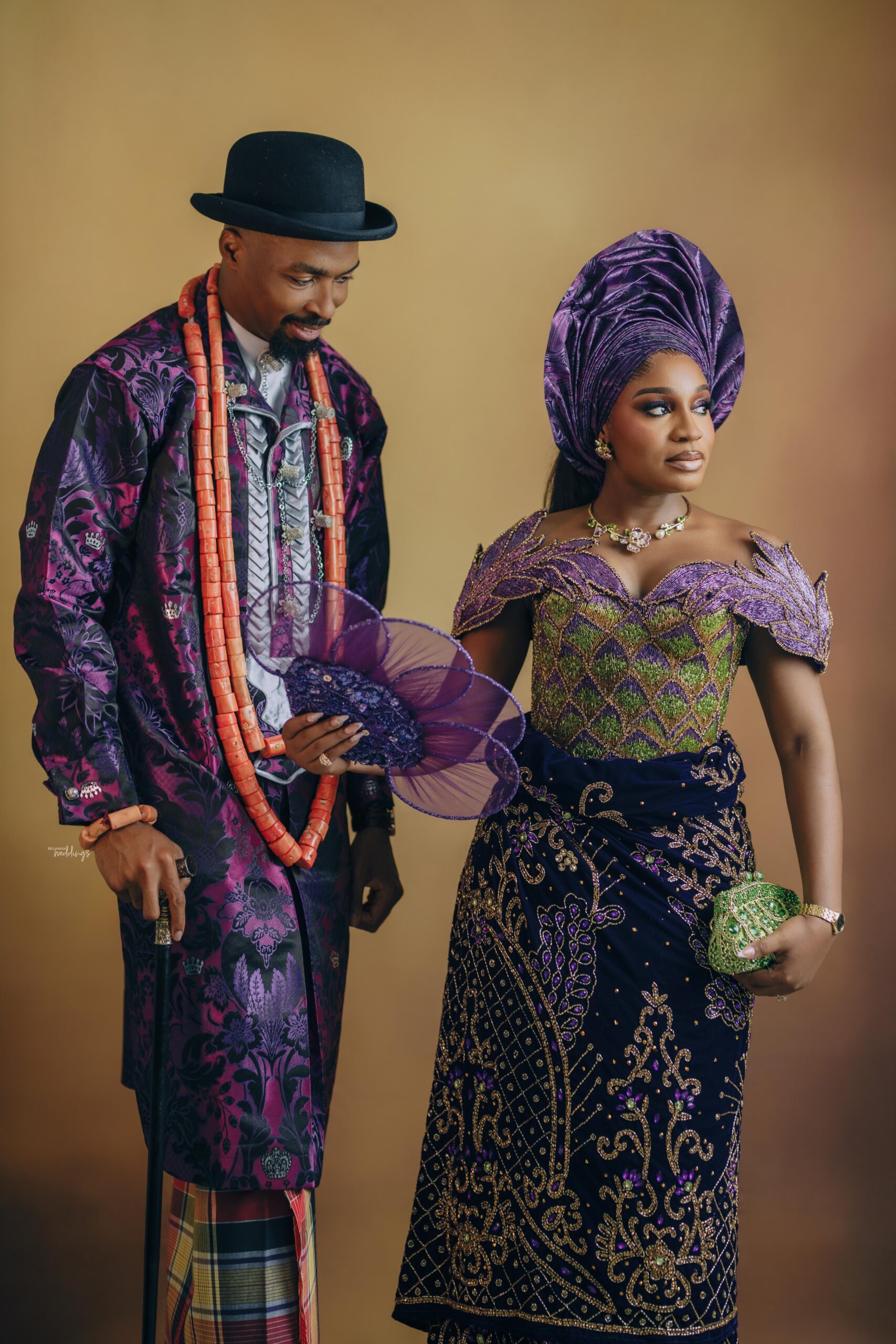
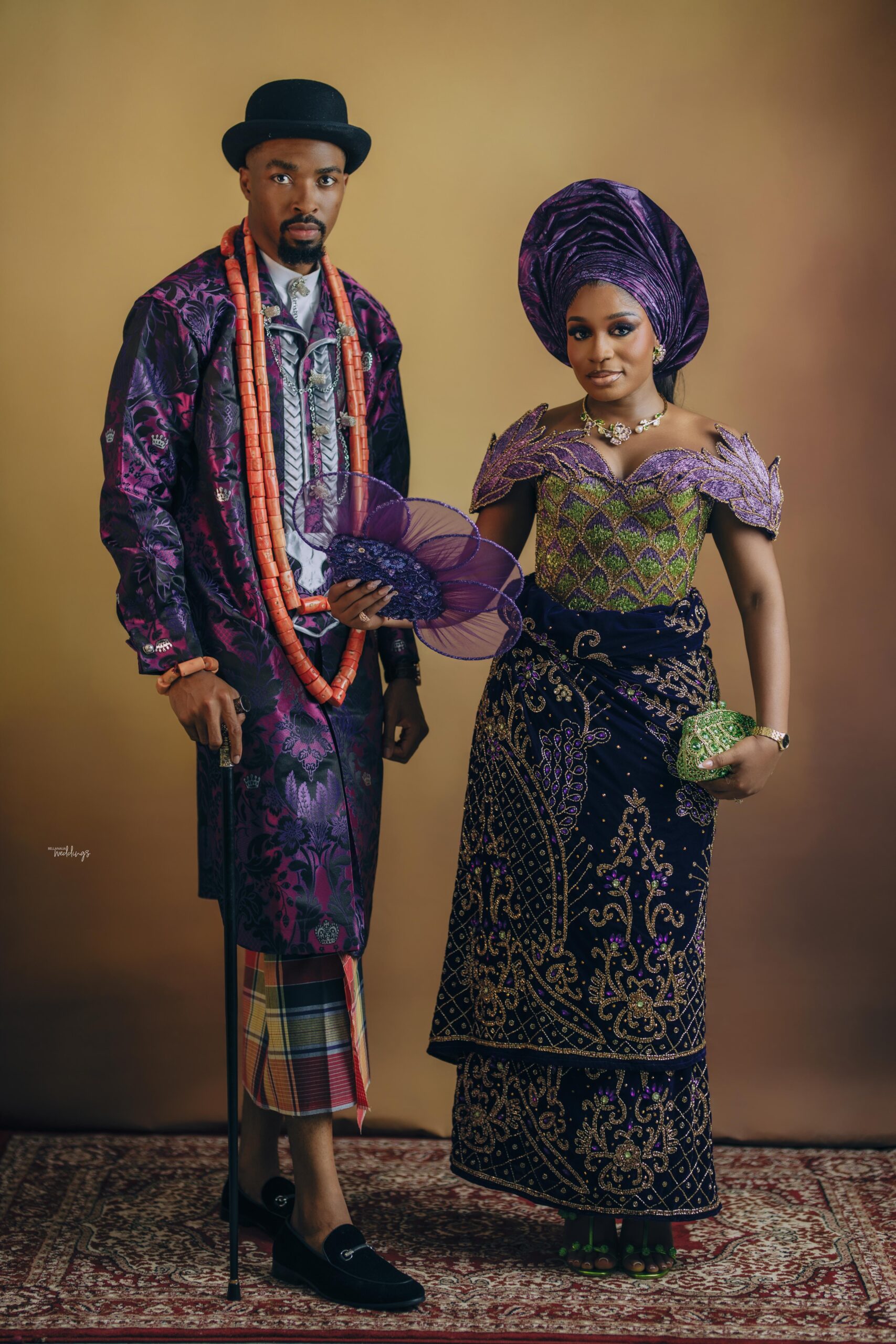
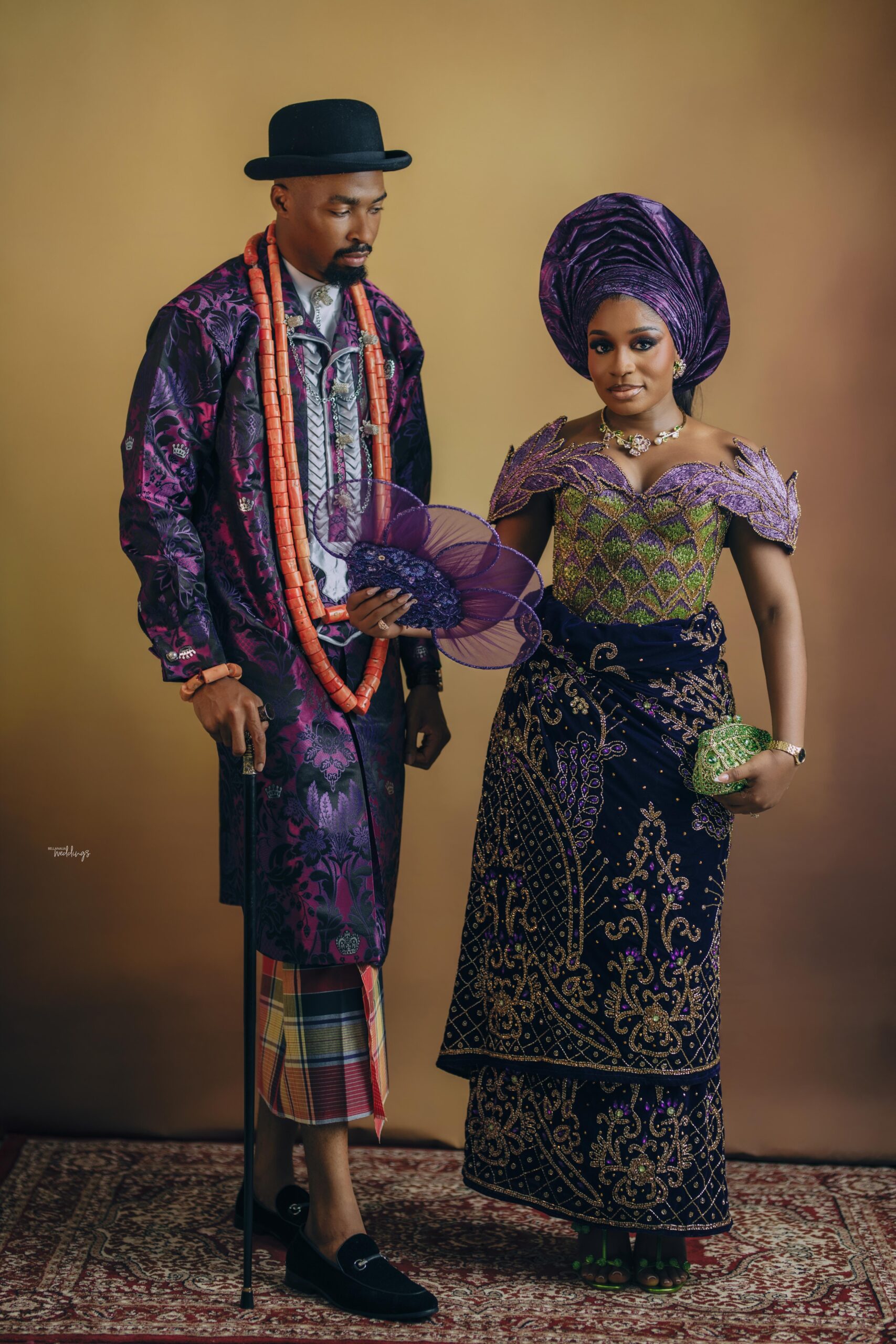
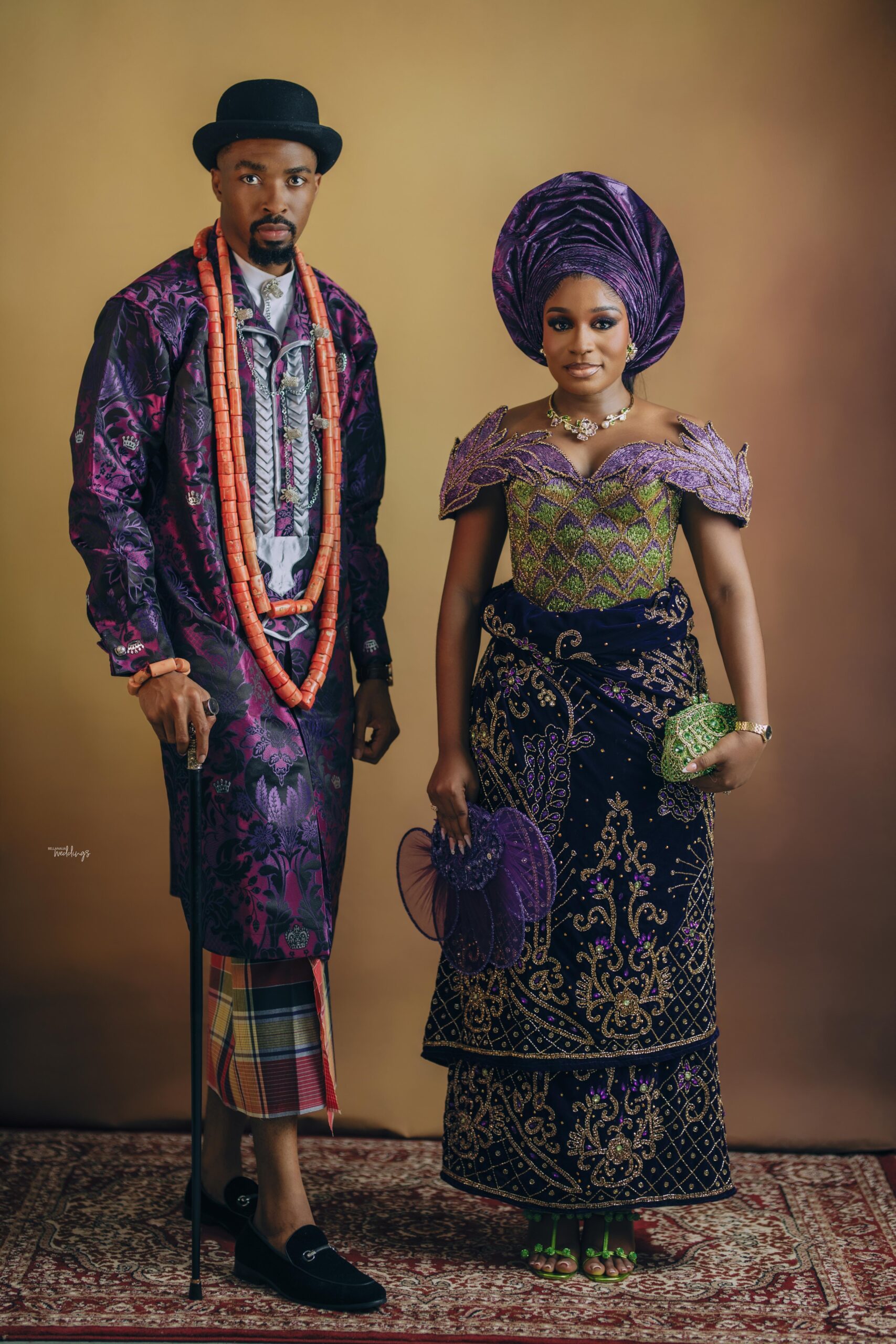
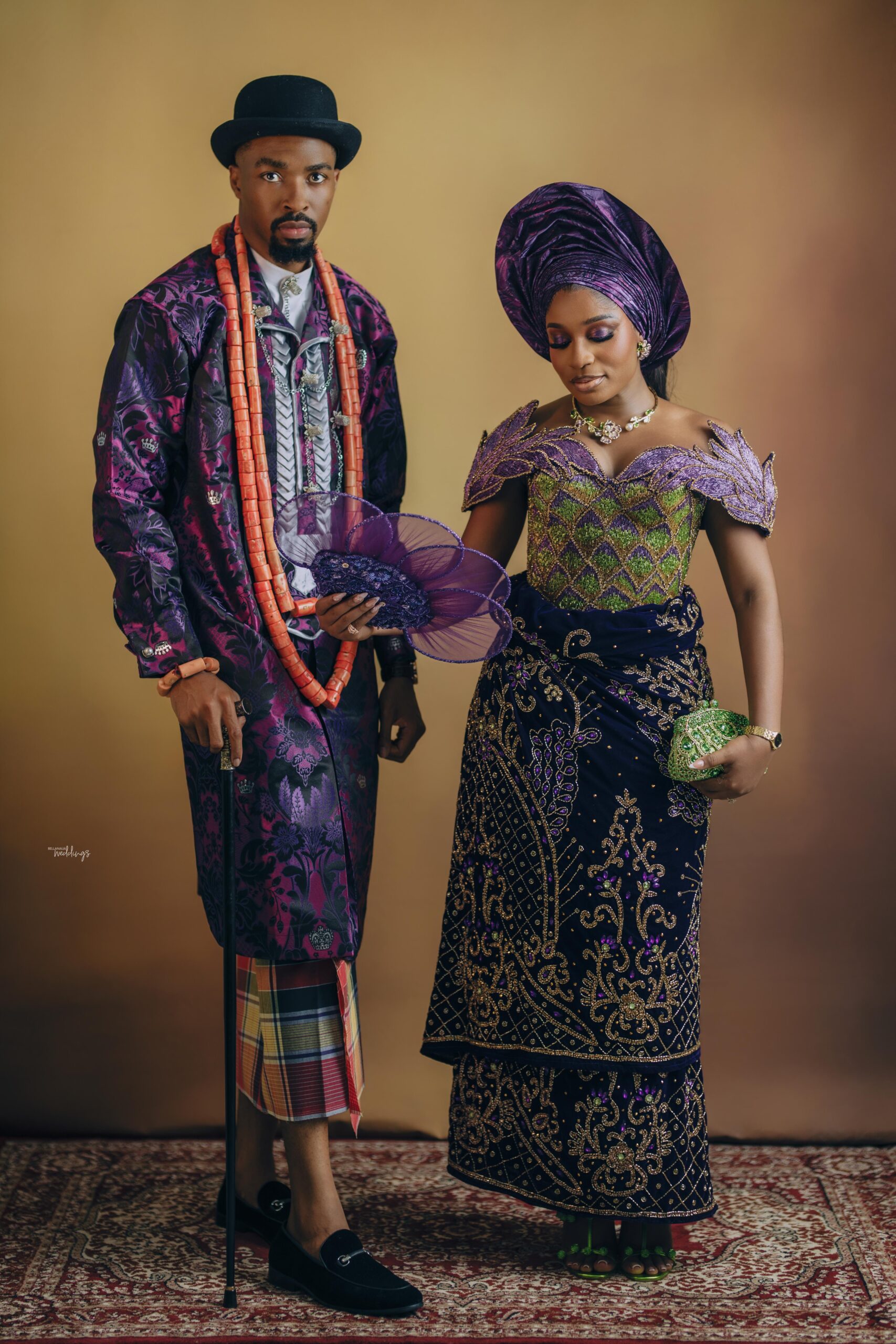
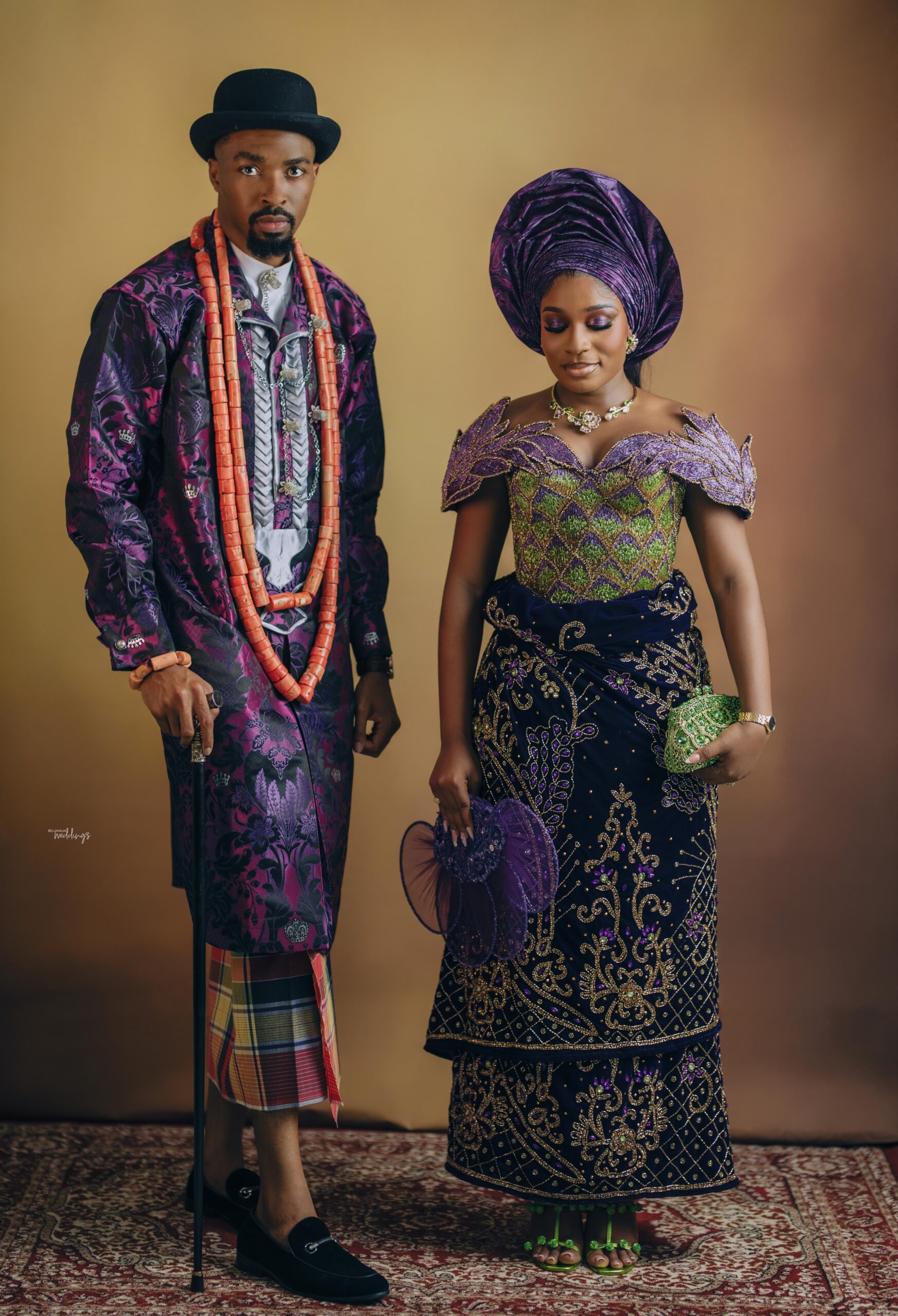
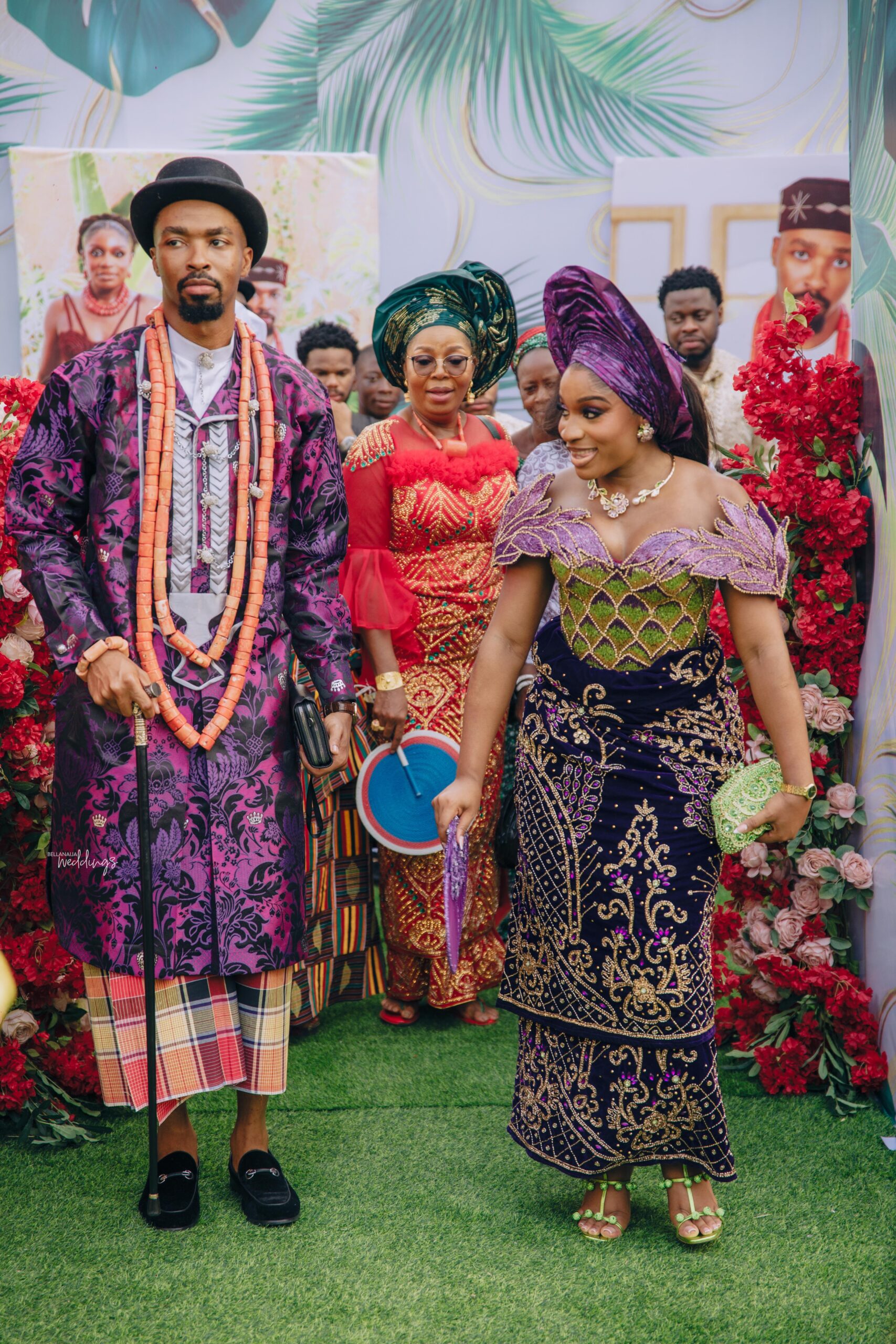
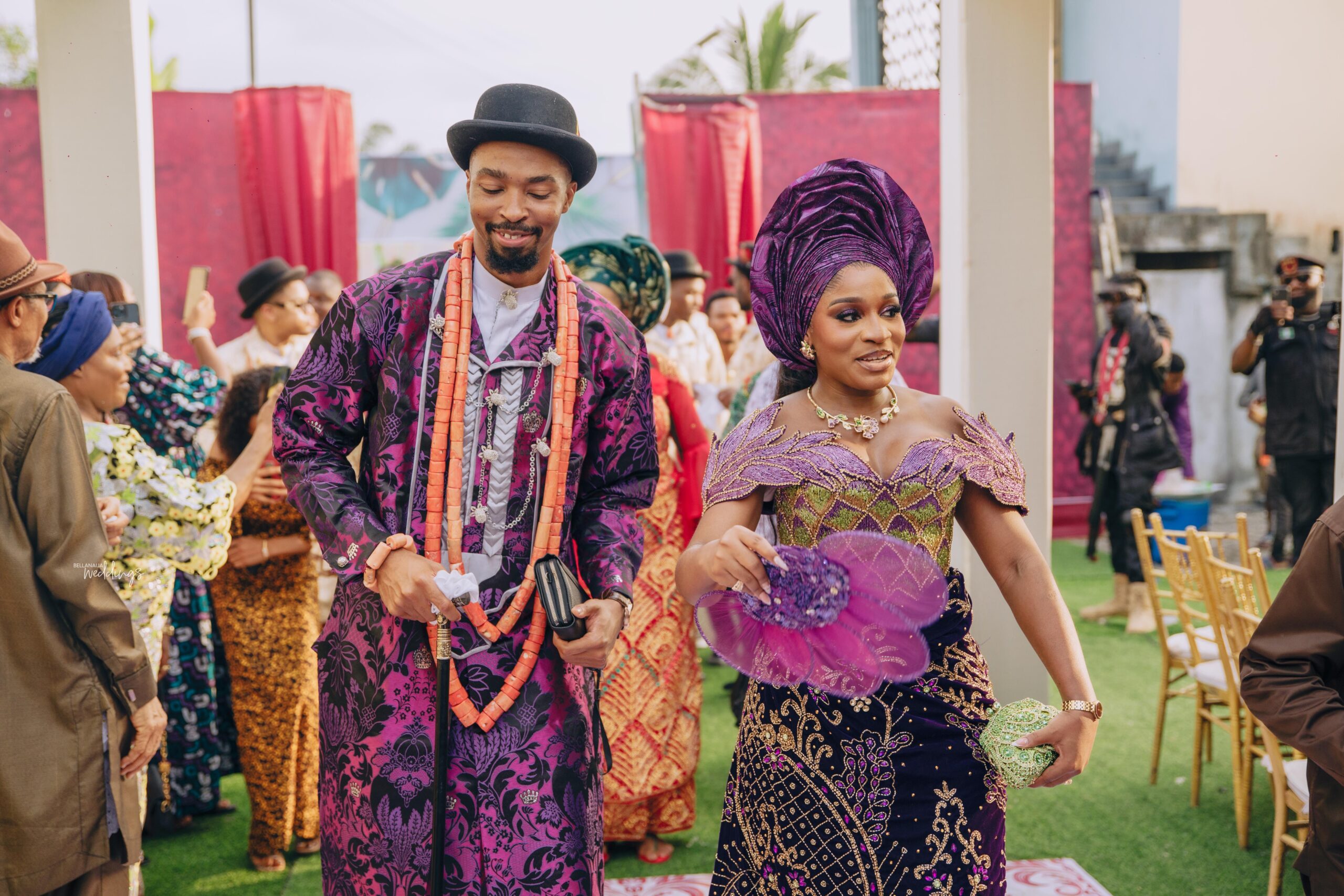
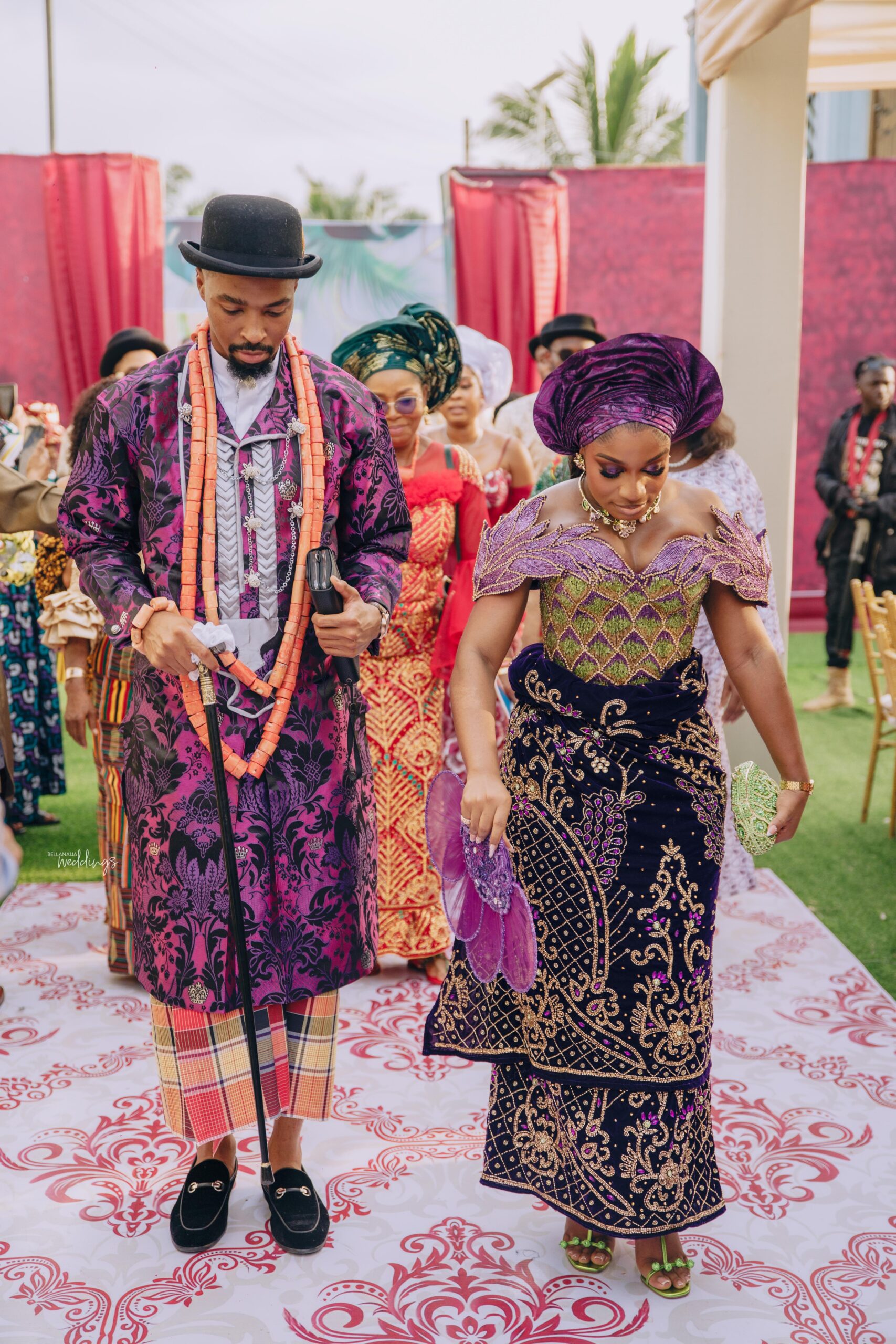
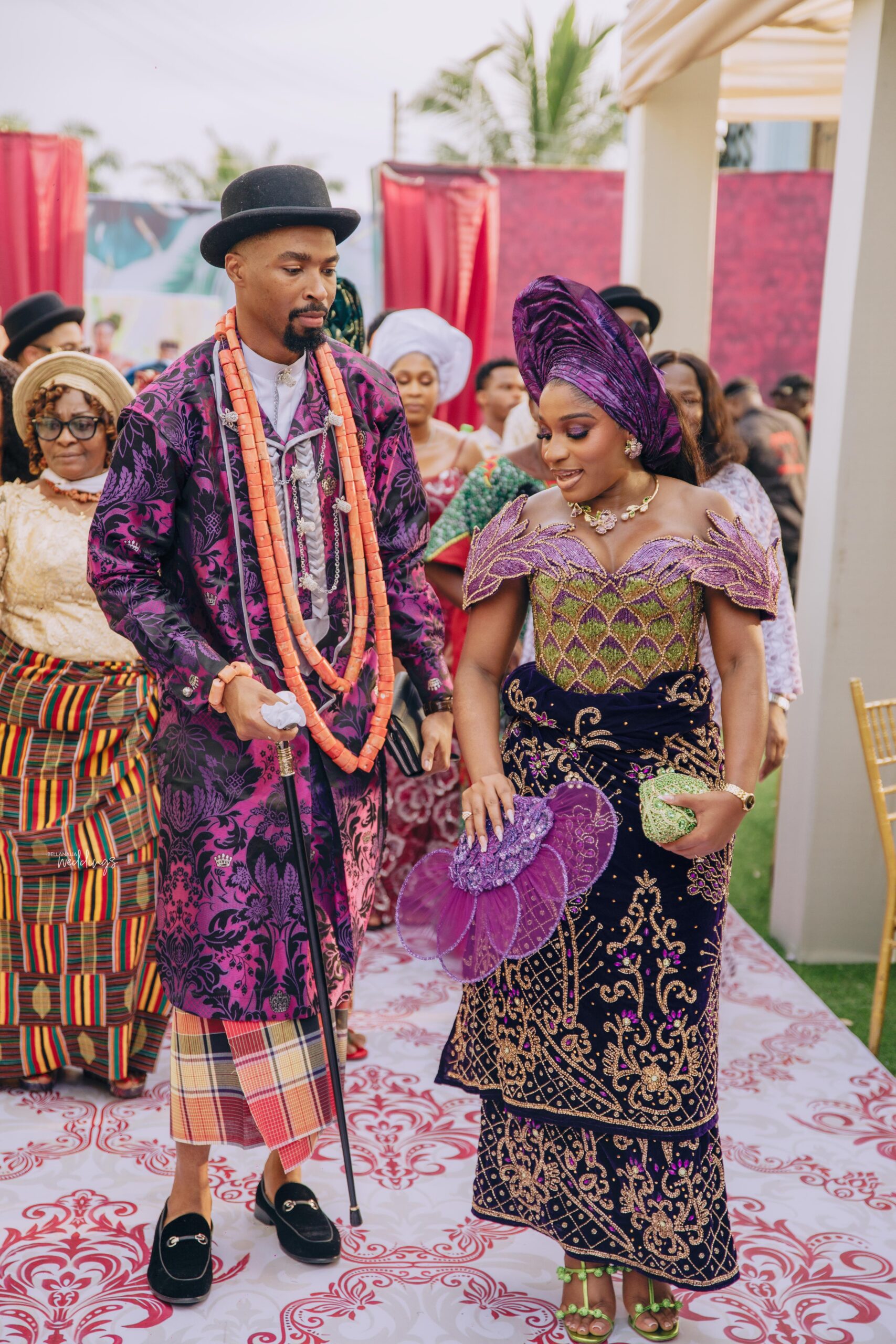
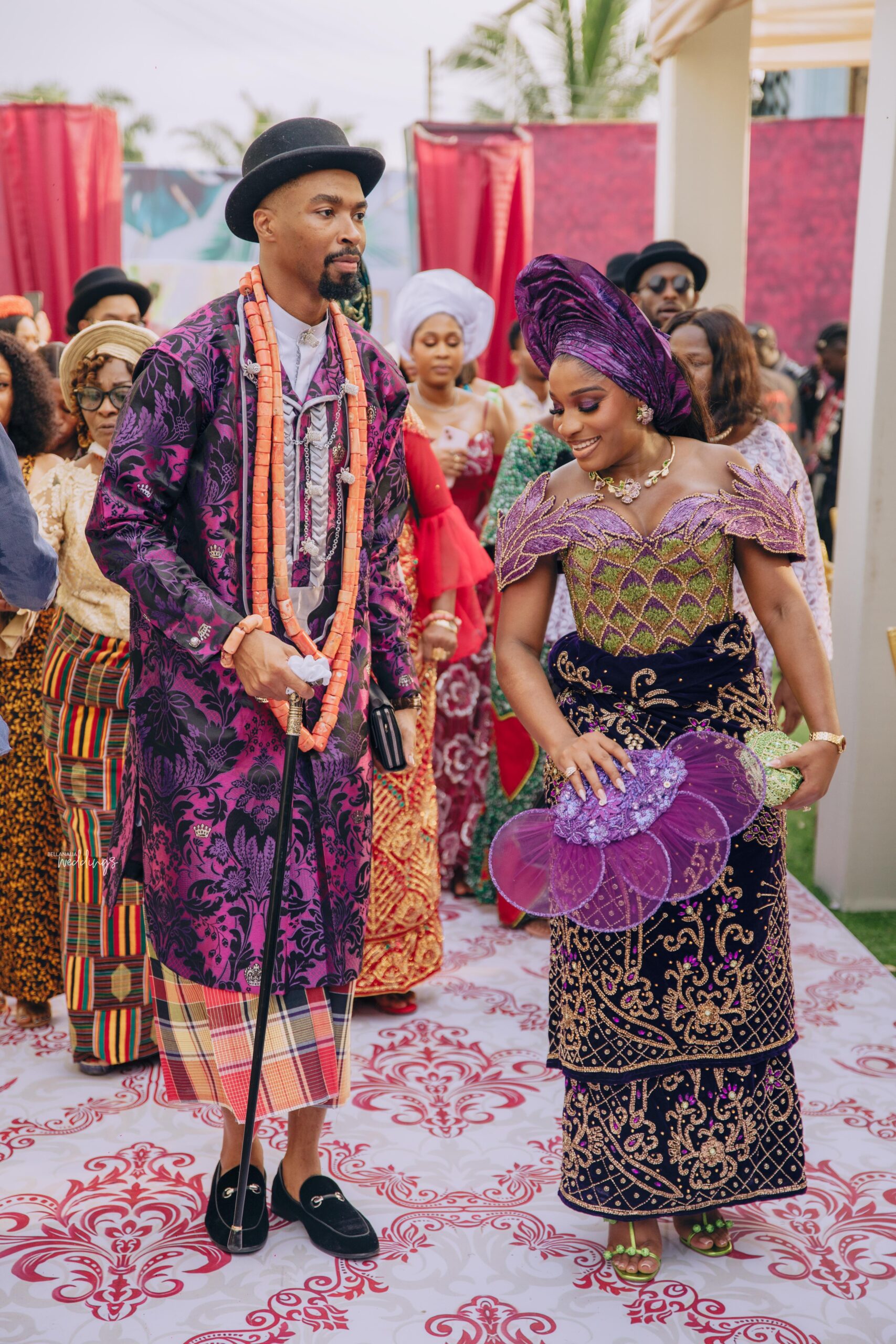
Credits
Bride @laurettabawo
Groom @bell_gam
Planner @whitepearleventz
Makeup @iheomabeauty
Hairstylist @styledbyveezy
Photography @lucasugoweddings
Videography @masterhandler_films

Get the Well Enough newsletter by Emilie Lavinia and make sense of the wild world of wellness
Get our wellbeing editor’s newsletter: Well Enough by Emilie Lavinia
Get the Well Enough email by Emilie Lavinia

We’ve all been there: the days where your body is made of lead, your head has a heavy mental band clanging inside and your stomach cramps are trying to kill you. The last thing you want to do is pull on your lycra and hit the gym. During these hours of period hell, the sofa, a hot water bottle and a large pack of biscuits are much more appealing, thank you very much. Yet, gyms are trying to drag us back in, kicking and screaming at any stage of our cycle.
The “Bloody Good Workout” strength class at London-wide fitness club Gymbox offers three training stations designed to be adapted to different intensities depending on an attendee’s menstrual phase. “Luteal, follicular or somewhere in between, this class teaches you to lift in sync with your body, not in spite of it,” claims Gymbox. “Because strength is not about ignoring your cycle. It’s about working with it.”
Anyone who’s menstruated knows the inevitable chaos that can ensue in any given month. First there’s the menstrual phase, when your uterine lining exits your body and hands you the gift of cramps, bloating, fatigue, irritability, low mood and depleted energy. Then there’s the follicular phase, where your brain encourages your ovaries to mature eggs with an increase of oestrogen, ramping us back up to energetic, focused and motivated humans. Next we get ovulation as we release an egg, which can make you either confident, social and lively, or anxious and moody (great). And, finally, the luteal phase, where we get a calming bump of progesterone to support potential pregnancy, before both levels of this and oestrogen drop, premenstrual syndrome (PMS) hits, and we’re back to reduced energy and irritability again.
With this rollercoaster in mind, altering how heavy a weight you’re lifting day to day sounds like it makes sense. TikTok is awash with personal trainers advising women how to tailor their workouts to their cycles and many are taking matters into their own hands with period tracking apps like Clue, Hormona, Flo, Glow, Natural Cycles and Flo Living – with or without a specialist gym class to guide them. In 2020, a survey conducted by Women’s Health found that 87 per cent of their readers cycle sync. Studies have, of course, confirmed that hormone fluctuations have an impact on women’s bodies. Hormones are chemical messengers that work on every single cell throughout our bodies and organs, so, when the levels fluctuate, it can affect our muscles and brains.
Yet, beyond these peaks and troughs, there’s very little evidence that cycle syncing can improve the benefits of exercise. One research paper in the journal Sports Medicine found that exercise performance may be “trivially reduced” during the follicular phase. However, in 2023, the Journal of Physiology found that menstrual cycle phases had no impact on female participants’ output in cycle trials compared to men.
Additionally, a separate paper published in Frontiers in Sport and Active Living found that it was “highly premature to conclude that short-term fluctuations in ovarian hormones appreciably influence acute exercise performance or long-term adaptations to resistance training. Thus, the development of RET [resistance exercise training] based on cyclical hormonal changes is not an evidence-based approach.” As the evidence currently stands, it’s seemingly all a load of nonsense.
GP and hormone expert Dr Louise Newson says that if women are routinely feeling awful because of their fluctuating hormones, this should be treated. We shouldn’t have to adapt our lives, or our exercise routines, to cope with exhaustion and pain. “If women are having to change their exercise routines because of their hormonal changes, they should be thinking about how to feel better,” says Newson. “We should all be able to exercise. We need to think about what’s causing it.”
Newson points to more severe conditions like Premenstrual Dysphoric Disorder (PMDD) – a hormone-related mood disorder that affects one in 20 of us – as potential reasons for women feeling unable to exercise. “They don’t want to go out, they feel very low in their mood, have reduced energy, reduced stamina, palpitations, dry skin, urinary tract symptoms. So yes, you could say don’t exercise on those days… But you wouldn’t say to a man for a few days a month, ‘oh, don’t do any weight training because your hormone levels have dropped.’”
open image in gallery
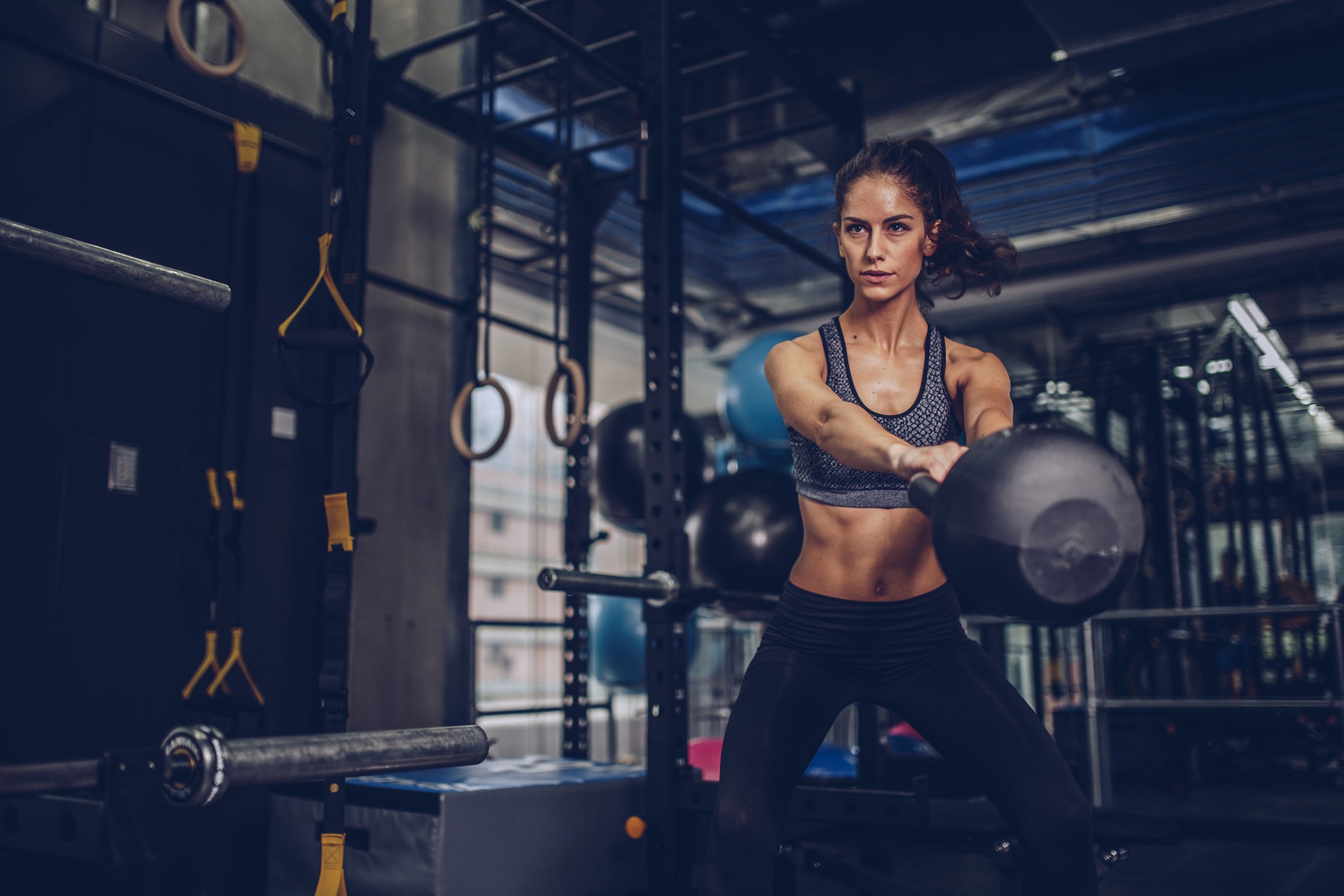
There’s little evidence that cycle syncing can improve the benefits of exercise (Getty/iStock)
Another common claim from social media nutritionists is that you can balance out your hormones with diet. While you can eat certain food groups (complete protein, healthy fats, complex carbs) to aid your body’s production of certain hormones, you can’t give a helping hand to what’s not there. “We should all be looking at our nutrition, regardless of hormones,” explains Newson. “But you can’t eat hormones. If there’s a hormonal problem, then eating food is not going to replace them.”
“If hormonal changes consistently make exercise significantly harder, or lead to severe physical and emotional symptoms that impact daily life, it could indicate an underlying hormonal imbalance or condition requiring medical attention,” echoes Dr Zahra Damji, GP and Women’s Health Lead at Boots Online Doctor, who adds Polycystic Ovary Syndrome (PCOS), Endometriosis, thyroid disorders, or nutritional deficiencies (e.g. iron, Vitamin D) as possible causes of depleted exercise tolerance.
If a drop in progesterone levels causes women to feel considerable and repeated exhaustion or low mood, Newson recommends taking a capsule or pessary of the hormone to balance the levels back out. “The problem is people seem to be scared of hormones,” she says of the sparse recommendations for hormonal treatment on our health service as it stands. “If people find that their mood is changing before their periods, they’re often given antidepressants or they go on the contraceptive pill and that doesn’t always help.”
Yet, these are the two top treatments currently listed on the NHS website. If women are noticing low mood or exhaustion on the days before or during their periods, Newson recommends replacing hormones like progesterone or estradiol on the days where levels drop. “Try for a few cycles and see if it helps,” she says. “I see a lot of women in their twenties and they’re literally saying ‘It’s transformational. I feel amazing. The same every month. I didn’t know it was legal to feel like this.’”
So, back to the gym. “Every woman’s cycle is unique, so a truly ‘cycle smart’ approach should encourage self-awareness and adaptation rather than a one-size-fits-all plan,” says Damji. “Ultimately, the most important science is your own body’s feedback; if a class doesn’t align with how you feel, it might not be optimal for your cycle,” she adds.
As you might have come to expect, you know your own body – and the experts all agree that you should listen to it. Train hard when you feel good, opt for something like yoga when you don’t – you don’t need an app’s permission for that. But if symptoms are making you sick, expert intervention could be needed. Periods shouldn’t be incapacitating any day of the month.

Sign up to IndyEat’s free newsletter for weekly recipes, foodie features and cookbook releases
Get our food and drink newsletter for free
Get our food and drink newsletter for free
January has a funny habit of swinging between extremes. On the one hand, there’s the collective urge to “be good” after a December defined by cheese boards, second helpings and the kind of desserts that don’t ask to be justified. On the other, it’s cold, dark and damp, and nobody genuinely wants to live on limp salads and good intentions alone.
The sweet spot, as ever, lies somewhere in the middle: food that feels restorative without tipping into joyless, and comforting without undoing all that new-year resolve.
That’s where this trio of recipes comes in. Pulled together by The Groovy Food Company, they’re quietly sensible rather than shouty about health – the kind of dishes you’d happily cook on a weeknight when you want something warming, filling and balanced, without feeling like you’re on a cleanse.
There’s a richly spiced aubergine curry that leans on lentils and whole spices for depth rather than excess oil, a Mediterranean vegetable soup lifted by salty, golden halloumi “croutons” (because January shouldn’t be entirely punitive), and a smoky take on baked beans that feels grown-up, indulgent and still very much anchored in comfort.
What unites them is that they don’t ask you to overhaul your entire way of eating. These are proper meals – bowls you can sink into, toast you actually look forward to – that just happen to tread a little lighter. They’re also refreshingly unfussy: store-cupboard spices, frozen veg doing a lot of the heavy lifting, and flavours that feel bold enough to banish the post-Christmas food fatigue many of us hit by mid-month.
Think of this as January cooking with its feet on the ground: nourishing, warming and realistic – and all the better for it.
Vegan aubergine curry
open image in gallery
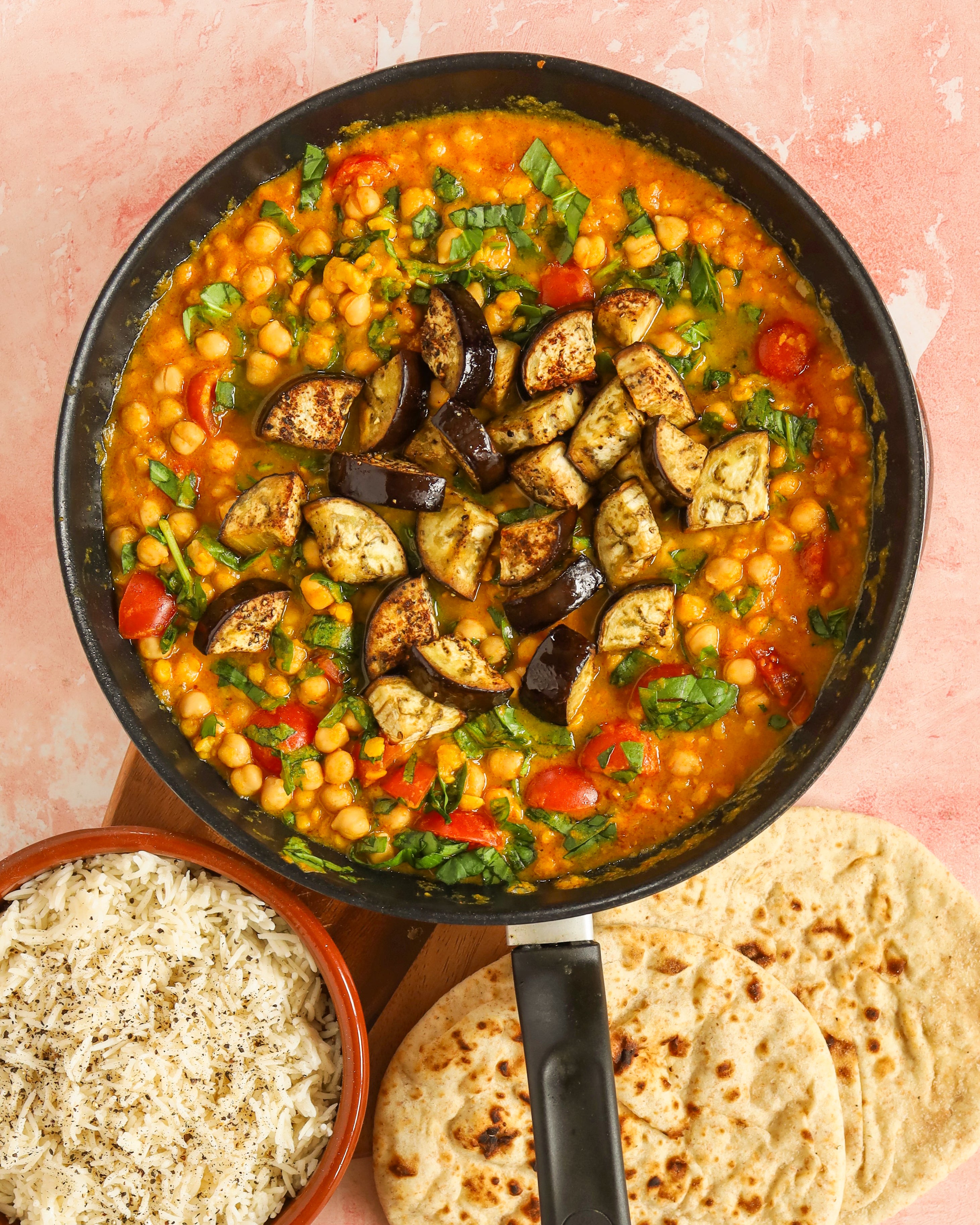
Aubergines fried until golden give this curry its richness, while lentils do the quiet work of making it properly filling (The Groovy Food Company)
Ingredients:
100g red lentils
3 sprays oil cooking spray
1 large onion, grated
400g tin cherry tomatoes
1 tsp ground turmeric
2 large aubergines, cut into 3cm chunks
2 tbsp groundnut oil
2 tsp cumin seeds
2 tsp ground coriander
4 cardamom pods, split
4 cloves garlic, crushed
Small bunch coriander, chopped
1 tsp garam masala
Rice and naan, to serve
Method:
1. Put the lentils, onion, tomatoes, turmeric and 1 teaspoon of salt in a pan with a tomato-tin of water.
2. Bring to a boil, then simmer for 20 mins until lentils are tender.
3. Toss the aubergines with the oil and seasoning. Fry in batches until golden and soft.
4. Return the aubergines to the pan, add spices (except garam masala) and cook 2 minutes.
5. Add the garlic, then the lentil mixture and 200ml water. Simmer for 20 minutes.
6. Stir in fresh coriander and garam masala, simmer for 2 minutes more. Serve warm with rice or naan.
Mediterranean vegetable soup with halloumi ‘croutons’
open image in gallery
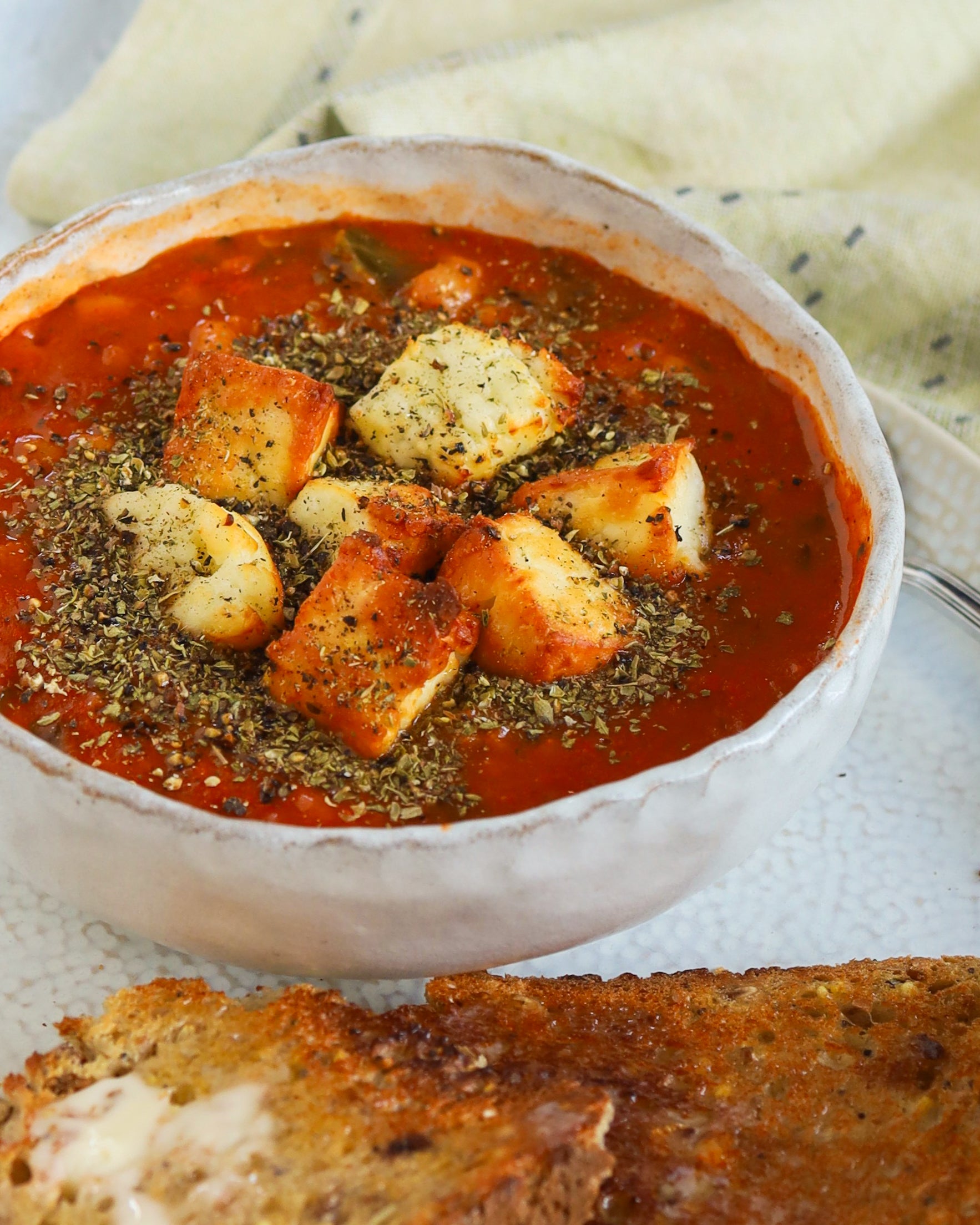
The kind of soup that feels virtuous right up until you add crisp, salty halloumi – and suddenly January looks a lot friendlier (The Groovy Food Company)
Ingredients:
3 sprays olive oil cooking spray
500g frozen chargrilled Mediterranean veg mix
4 celery sticks, finely sliced
2 garlic cloves, finely chopped
1 tsp onion granules
1 tsp dried mixed herbs
227g tin chopped tomatoes
600ml chicken stock
½ lemon, juiced
10g parsley, finely chopped
For the halloumi ‘croutons’:
2 sprays olive oil cooking spray
1 tbsp sesame seeds
200g halloumi, cut into 1cm cubes
Method:
1. Heat oil in a large saucepan. Cook the vegetable mix, celery and garlic for 10 minutes. Add onion granules, herbs, tomatoes and stock. Simmer 20 minutes. Season and finish with lemon and parsley.
2. For the croutons, spray a pan with oil, coat the halloumi in sesame seeds, and fry until golden (5-7 minutes).
3. Serve the soup topped generously with warm halloumi cubes.
Smokey baked beans on toast
open image in gallery
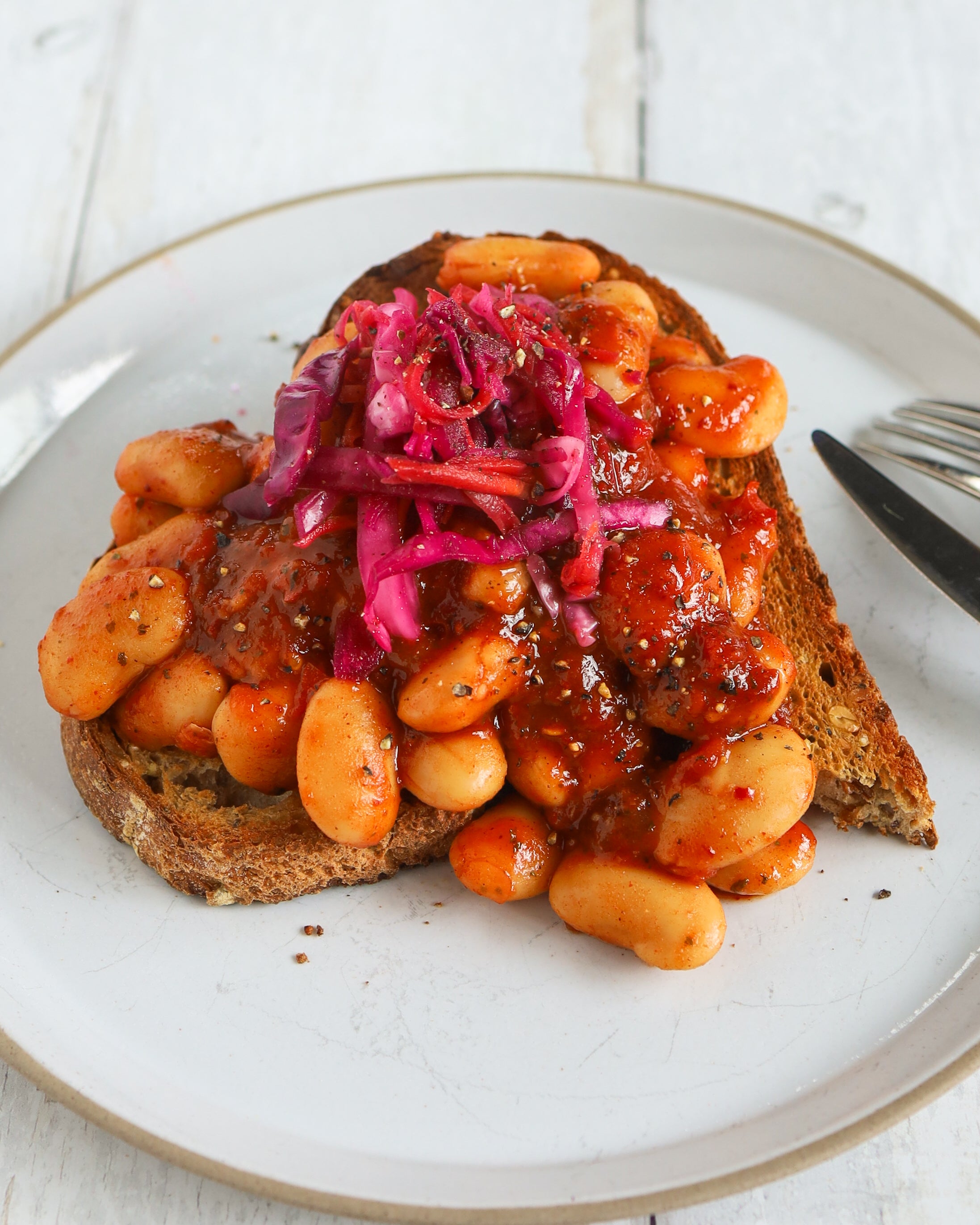
A grown-up take on baked beans, with smoky spice and chipotle sweetness turning a classic into something dinner-worthy (The Groovy Food Company)
Ingredients:
2 red onions
40ml apple cider vinegar
4 garlic cloves
200g bacon lardons
40ml olive oil
4 slices bread
2 tsp smoked paprika
1 dried bay leaf
3 × 400g tins cooked cannellini beans
50g The Groovy Food Company Chipotle Agave
Method:
1. Thinly slice half the onions and toss with vinegar, sugar and salt. Set aside.
2. Mince garlic and finely dice remaining onion. Cook lardons in a pan until crisp; set aside.
3. Add the olive oil to the pan, and fry the bread until golden. Remove.
4. Add the diced onion and garlic to the pan and cook for 6-8 minutes. Add the paprika, chipotle agave and bay leaf. Return lardons.
5. Add beans with liquid, simmer 4-5 minutes until thickened. Season well.
6. Spoon beans over toasted bread and top with pickled onions.
Recipes from groovyfood.co.uk

Stay ahead of the curve with our weekly guide to the latest trends, fashion, relationships and more
Stay ahead of the curve with our weekly guide to the latest trends, fashion, relationships and more
Stay ahead of the curve with our weekly guide to the latest trends, fashion, relationships and more
Thousands of pounds of ground beef have been recalled due to a dangerous health risk.
Mountain West Food Group, LLC, is recalling approximately 2,855 pounds of raw ground beef products, according to Saturday’s announcement from the Department of Agriculture’s Food Safety and Inspection Service.
The product was recalled because it may be contaminated with E. coli O26, a variation of “Shiga toxin-producing E. coli” that can cause severe illness, according to the agency’s report. The problem “was discovered during routine” tests and “the sampling results showed the presence of E. coli O26,” the report says.
The recalled raw ground beef is in 16-ounce, vacuum-sealed packages containing the label “FORWARD FARMS GRASS-FED GROUND BEEF.” It also has “USE OR FREEZE BY 01/13/26 EST 2083” on the side of the packaging.
The beef was sent to distributors who sold to six states: California, Colorado, Idaho, Montana, Pennsylvania, and Washington.
 Mountain West Food Group, LLC recalls ground beef to E. coli contamination risk (Getty Images)
There have not been any illnesses reported to date, but USDA is recommending that the product be thrown away immediately or returned to the place of purchase for a full refund.
People can become sick from E. coli O26 around 28 days after exposure, according to the USDA. People infected by the bacteria usually experience symptoms like diarrhea, which can be bloody, or vomiting.
“Some illnesses last longer and can be more severe. Infection is usually diagnosed by testing of a stool sample,” according to the report. “Vigorous rehydration and other supportive care is the usual treatment; antibiotic treatment is generally not recommended.”
Many different foods have been recalled in 2025 due to concerns about food-borne illness. In September, Nate’s Fine Foods of Roseville, California, recalled nearly 245,000 pounds of various pasta products after they were linked to a listeria outbreak, which began in August 2024.
The listeria outbreak resulted in six deaths and 27 illnesses across 18 states, as of November 2025.
According to the Centers for Disease Control and Prevention, listeria is a “bacteria that can contaminate many foods,” with infections caused by eating food with Listeria monocytogenes bacteria. Although symptoms can vary, a listeria infection can “cause invasive illness and intestinal illness.”
Short-term symptoms among healthy individuals with a listeria infection can include high fever, severe headache, stiffness, nausea, and abdominal pain. Listeria infection is the third leading cause of death from food-borne illness in the United States, killing roughly 260 people per year.
Food-borne illness is a serious health problem across the United States. Roughly 48 million people get sick and roughly 128,000 people are hospitalized from food-borne illness each year, and as many as 3,000 people die, according to the CDC.

Stay ahead of the curve with our weekly guide to the latest trends, fashion, relationships and more
Stay ahead of the curve with our weekly guide to the latest trends, fashion, relationships and more
Stay ahead of the curve with our weekly guide to the latest trends, fashion, relationships and more
Brooklyn Peltz Beckham chose to spend the holidays with his wife, Nicola Peltz Beckham, and his in-laws, amid his ongoing rift with his parents, Victoria and David Beckham.
The 30-year-old actor and her husband, 25, shared a series of photos Friday on Instagram, where they posed in front of a Christmas tree with Nicola’s parents, Nelson and Claudia Peltz. Nicola and Brooklyn also wore matching red, festive pajamas during the small get-together.
However, Brooklyn’s parents were noticeably absent from the celebration.
“We wish everyone a merry Christmas and a happy New Year filled with so much love, peace, and happiness,” Nicola wrote in the caption of her and her partner’s joint post.
Only two days before that, on Christmas Eve, Brooklyn shared a photo of himself holding his wife’s hand, “My everything x,” he wrote on his Instagram Story, with the image showing a tattoo on his hand that read: “Beautiful girl Nicola.”

open image in gallery
Brooklyn Beckham’s holiday celebration with his wife comes amid an ongoing rift with his family (@nicolaannepeltzbeckham/instagram).jpeg)
open image in gallery
Beckham spent the holidays with his wife and her family days after he was accused of blocking his parents on Instagram (@nicolaannepeltzbeckham/instagram)
Meanwhile, Victoria and David celebrated Christmas with their youngest son, Cruz. The fashion designer shared videos of their festivities on Instagram, including one of Cruz playing the guitar while his father got a home pedicure.
Another video showed David cutting down a Christmas tree, with Victoria humorously comparing him to Clark Griswold, the patriarch of the Griswold family in the National Lampoon’s Vacation film series.
Brooklyn’s celebration with his in-laws comes after reports emerged that David and Victoria had unfollowed him on Instagram. However, Cruz later posted on his Instagram Story to set the record straight.
“NOT TRUE. My mum and dad would never unfollow their son… Let’s get the facts right. They woke up blocked… as did I.”
A rumored rift between Brooklyn and his brother Romeo started in April over the latter’s girlfriend, Kim Turnbull, who allegedly briefly dated Brooklyn, according to TMZ.
Brooklyn and Nicola skipped Victoria’s Paris Fashion Week show in June, which TMZ claimed was because of Turnbull’s presence at the event. The couple also missed David’s birthday celebrations in May, which caused “tensions” between them and the Beckham family, according to People at the time.
However, Turnbull and Romeo reportedly broke up in June, after seven months of dating.
In August, Nicola and Brooklyn also shared pictures of their vow renewal ceremony, officiated by Nicola’s billionaire investor father, Nelson, with the Peltz family front and center of the nuptials. However, David and Victoria, and Brooklyn’s three younger siblings – Romeo, 22, Cruz, and Harper, 13 – were nowhere to be seen in the glamorous images.
Brooklyn finally broke his silence about the family drama a month later, telling the Daily Mail how he deals with chatter surrounding his personal life.
“There’s always going to be people saying negative things, but I have a very supportive wife,” he said. “Me and her, we just do our thing, we just keep our heads down and work. And we’re happy.”
He also claimed that he “never” worries about the headlines regarding his private life and relationships.
“Everyone is always going to say rubbish. I just try and do this, play some golf with some friends,” he added, referring to the celebrity golf event at the Ryder Cup, where he competed as part of Team Europe. “It’s good fun.”

The three-day Sample Sale, exclusively curated by Polo Avenue for its discerning clients and fashion-forward luxury shoppers, ends today. Marking the close of a carefully curated seasonal moment defined by exclusivity, sophistication and refined access.
Conceived as an intimate retail experience rather than a conventional sales event, the Sample Sale offer guests thoughtful access to an exclusive selection of sample pieces drawn from Polo Avenue’s prestigious fashion collection. Each piece reflects impeccable craftsmanship and exclusivity, elements rarely made available beyond internal presentations and private viewings.
Holding at 274, Kofo Abayomi Street, Victoria Island, Lagos, the Sample Sale offers a final opportunity today to own rare pieces that embody exceptional craftsmanship, renowned design, and the quiet confidence of exclusive luxury, available only today.
Since its opening, the experience has attracted clients who value quiet access, elevated service, and intentional curation over spectacle. Guests have enjoyed an unparalleled shopping experience that reflects Polo Avenue’s commitment to true luxury, where access is a privilege, relationships are prioritised, and every interaction is guided by discretion.
The conclusion of the Sample Sale marks the end of a rare moment of access, one that will not be extended or repeated.
For enquiries, please contact the Polo Concierge: 0901 999 9401 or visit here.
Sponsored Content

Amber Davies issued a playful complaint about the Strictly Come Dancing Christmas special scores on her TikTok page.
On Thursday (25 December), Scarlett Moffatt lifted the Silver Star trophy alongside professional dancer Vito Coppola, following their Cha Cha to “DJ Play A Christmas Song” by Cher, which scored them a perfect 40.
The Love Island winner and West End star wrote: “Watching the Strictly Xmas special seeing the judges give out 9s & 10s when it took me ten weeks of breaking my body to get those marks,” in the video, clarifying in the caption that it was a joke.

Sign up to our free Living Well email for advice on living a happier, healthier and longer life
Live your life healthier and happier with our free weekly Living Well newsletter
Live your life healthier and happier with our free weekly Living Well newsletter
You’re in the middle of the afternoon, eyelids heavy, focus slipping. You close your eyes for half an hour and wake up feeling recharged. But later that night, you’re tossing and turning in bed, wondering why you can’t drift off. That midday snooze which felt so refreshing at the time might be the reason.
Naps have long been praised as a tool for boosting alertness, enhancing mood, strengthening memory, and improving productivity. Yet for some, they can sabotage nighttime sleep.
Napping is a double-edged sword. Done right, it’s a powerful way to recharge the brain, improve concentration, and support mental and physical health. Done wrong, it can leave you groggy, disoriented, and struggling to fall asleep later. The key lies in understanding how the body regulates sleep and wakefulness.
Most people experience a natural dip in alertness in the early afternoon, typically between 1pm and 4pm. This isn’t just due to a heavy lunch – our internal body clock, or circadian rhythm, creates cycles of wakefulness and tiredness throughout the day. The early afternoon lull is part of this rhythm, which is why so many people feel drowsy at that time.
Studies suggest that a short nap during this period – ideally followed by bright light exposure – can help counteract fatigue, boost alertness, and improve cognitive function without interfering with nighttime sleep. These “power naps” allow the brain to rest without slipping into deep sleep, making it easier to wake up feeling refreshed.
But there’s a catch: napping too long may result in waking up feeling worse than before. This is due to “sleep inertia” – the grogginess and disorientation that comes from waking up during deeper sleep stages.

open image in gallery
Waking from a deep sleep can leave you sluggish for up to an hour (Getty Images)
Once a nap extends beyond 30 minutes, the brain transitions into slow-wave sleep, making it much harder to wake up. Studies show that waking from deep sleep can leave people feeling sluggish for up to an hour. This can have serious implications if they then try to perform safety-critical tasks, make important decisions or operate machinery, for example. And if a nap is taken too late in the day, it can eat away from the “sleep pressure build-up” – the body’s natural drive for sleep – making it harder to fall asleep at night.
When napping is essential
For some, napping is essential. Shift workers often struggle with fragmented sleep due to irregular schedules, and a well-timed nap before a night shift can boost alertness and reduce the risk of errors and accidents. Similarly, people who regularly struggle to get enough sleep at night – whether due to work, parenting or other demands – may benefit from naps to bank extra hours of sleep that compensate for their sleep loss.
Nonetheless, relying on naps instead of improving nighttime sleep is a short-term fix rather than a sustainable solution. People with chronic insomnia are often advised to avoid naps entirely, as daytime sleep can weaken their drive to sleep at night.

open image in gallery
Try not to sleep after 2pm, as it can push back your natural sleep schedule (Getty)
Certain groups use strategic napping as a performance-enhancing tool. Athletes incorporate napping into their training schedules to speed up muscle recovery and improve sports-related parameters such as reaction times and endurance. Research also suggests that people in high-focus jobs, such as healthcare workers and flight crews, benefit from brief planned naps to maintain concentration and reduce fatigue-related mistakes. Nasa has found that a 26-minute nap can improve performance of long-haul flight operational staff by 34 per cent, and alertness by 54 per cent.
How to nap well
To nap effectively, timing and environment matter. Keeping naps between ten and 20 minutes prevents grogginess. The ideal time is before 2pm – napping too late can push back the body’s natural sleep schedule.
The best naps happen in a cool, dark and quiet environment, similar to nighttime sleep conditions. Eye masks and noise-cancelling headphones can help, particularly for those who nap in bright or noisy settings.
Despite the benefits, napping isn’t for everyone. Age, lifestyle and underlying sleep patterns all influence whether naps help or hinder. A good nap is all about strategy – knowing when, how, and if one should nap at all.
For some it’s a life hack, improving focus and energy. For others, it’s a slippery slope into sleep disruption. The key is to experiment and observe how naps affect your overall sleep quality.
Done wisely, naps can be a valuable tool. Done poorly, they might be the reason you’re staring at the ceiling at midnight.
Talar Moukhtarian is an Assistant Professor in Mental Health at Warwick Medical School, University of Warwick
This article was originally published by The Conversation and is republished under a Creative Commons licence. Read the original article
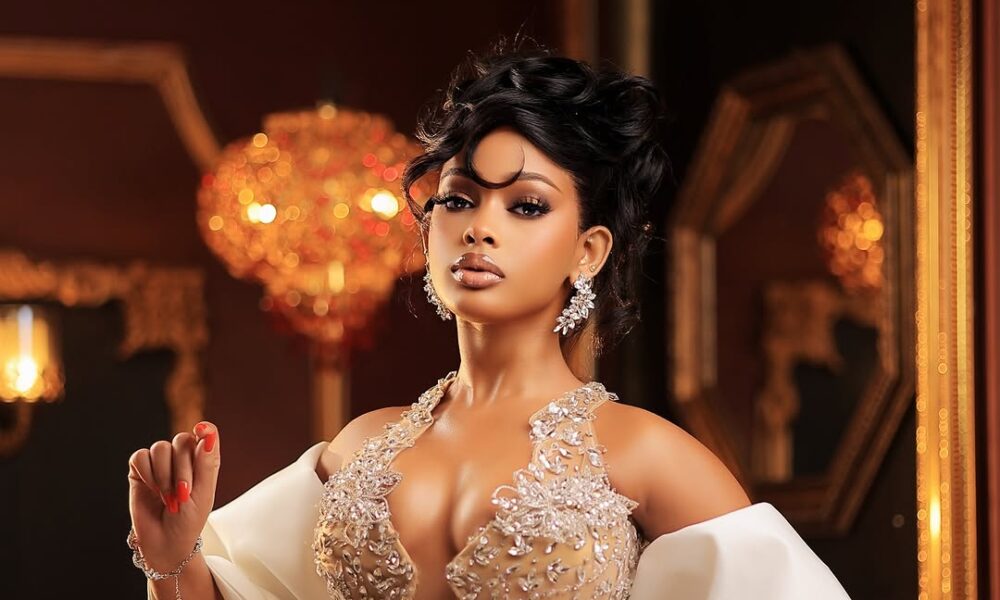
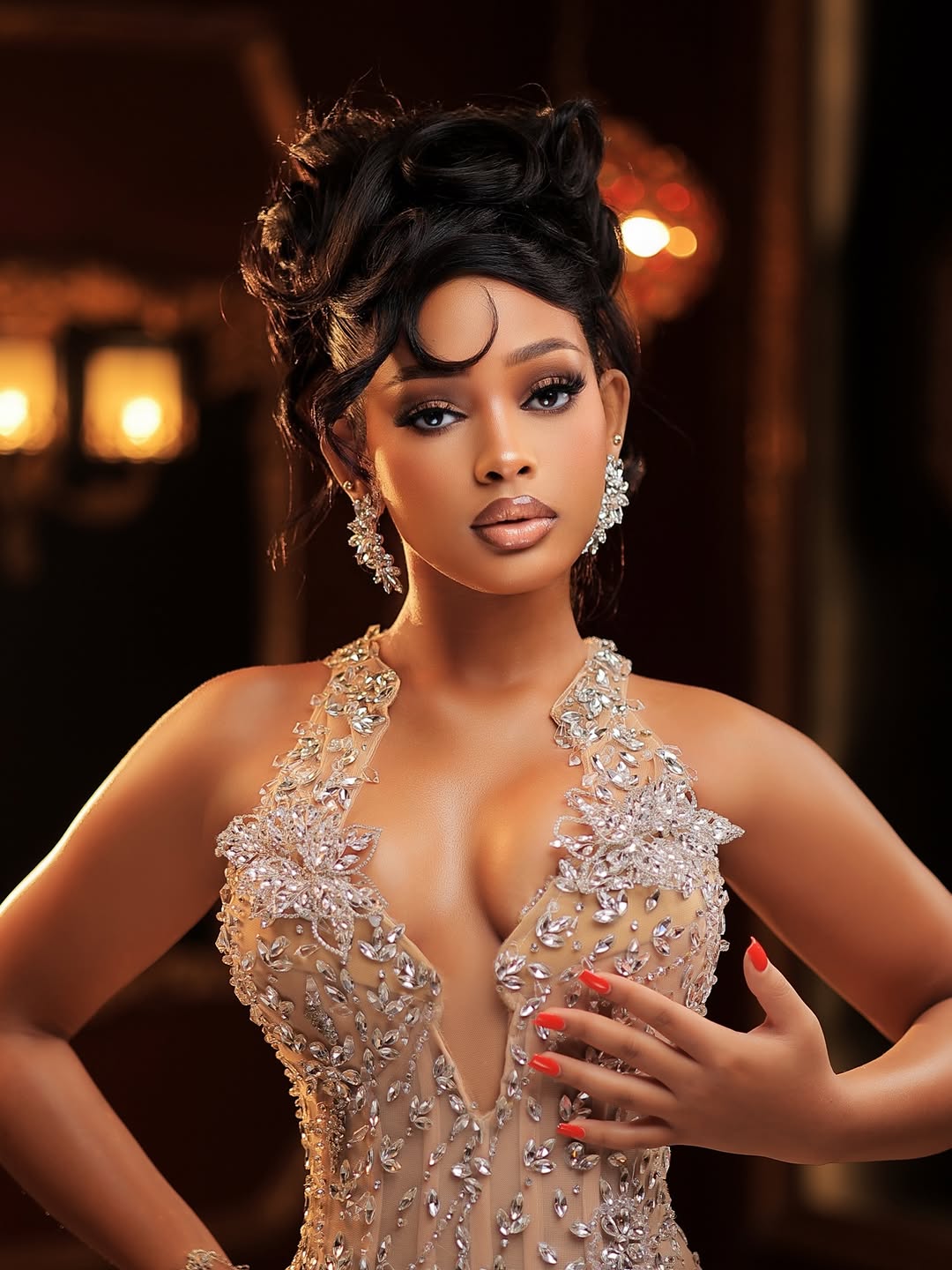
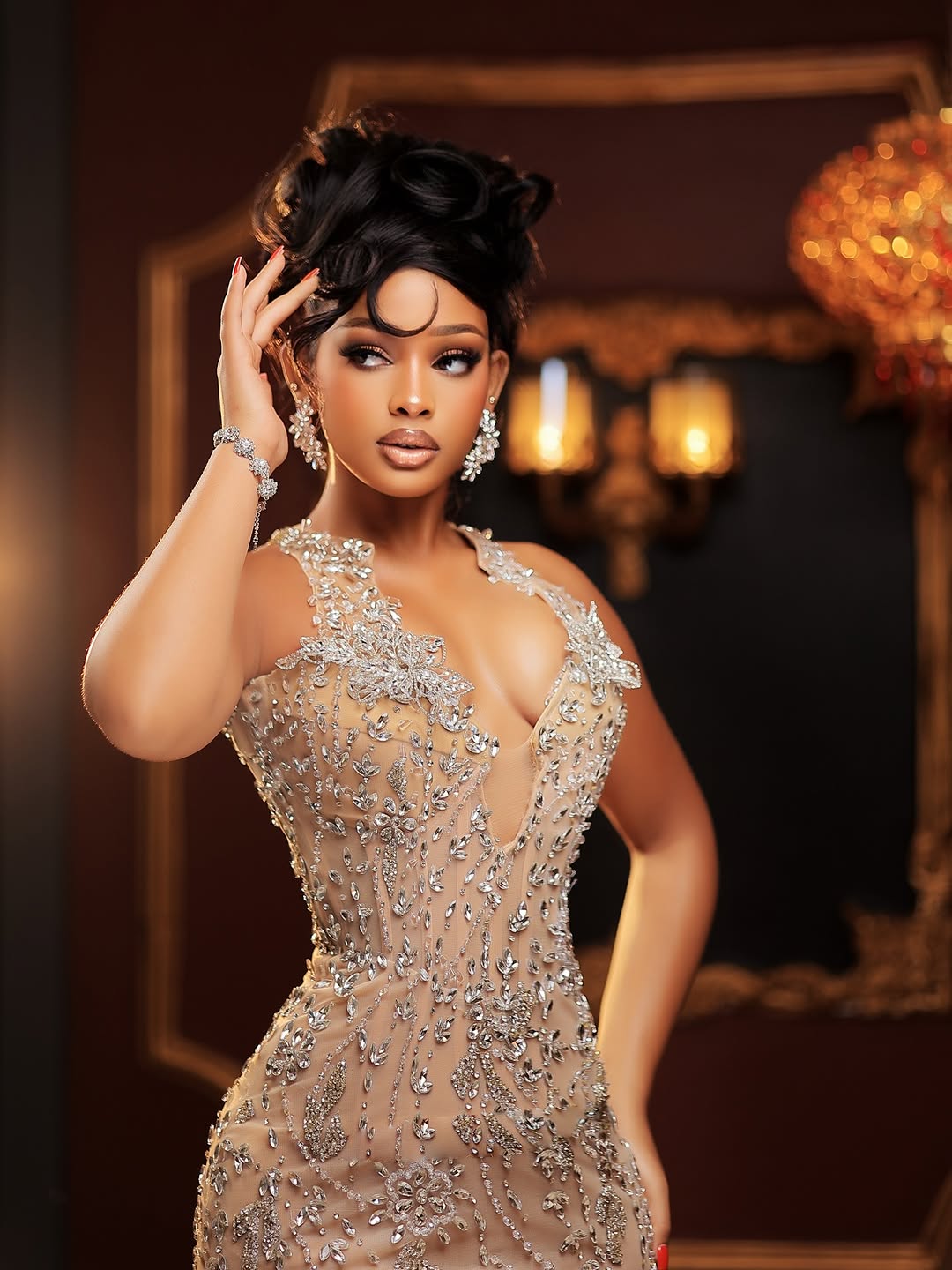
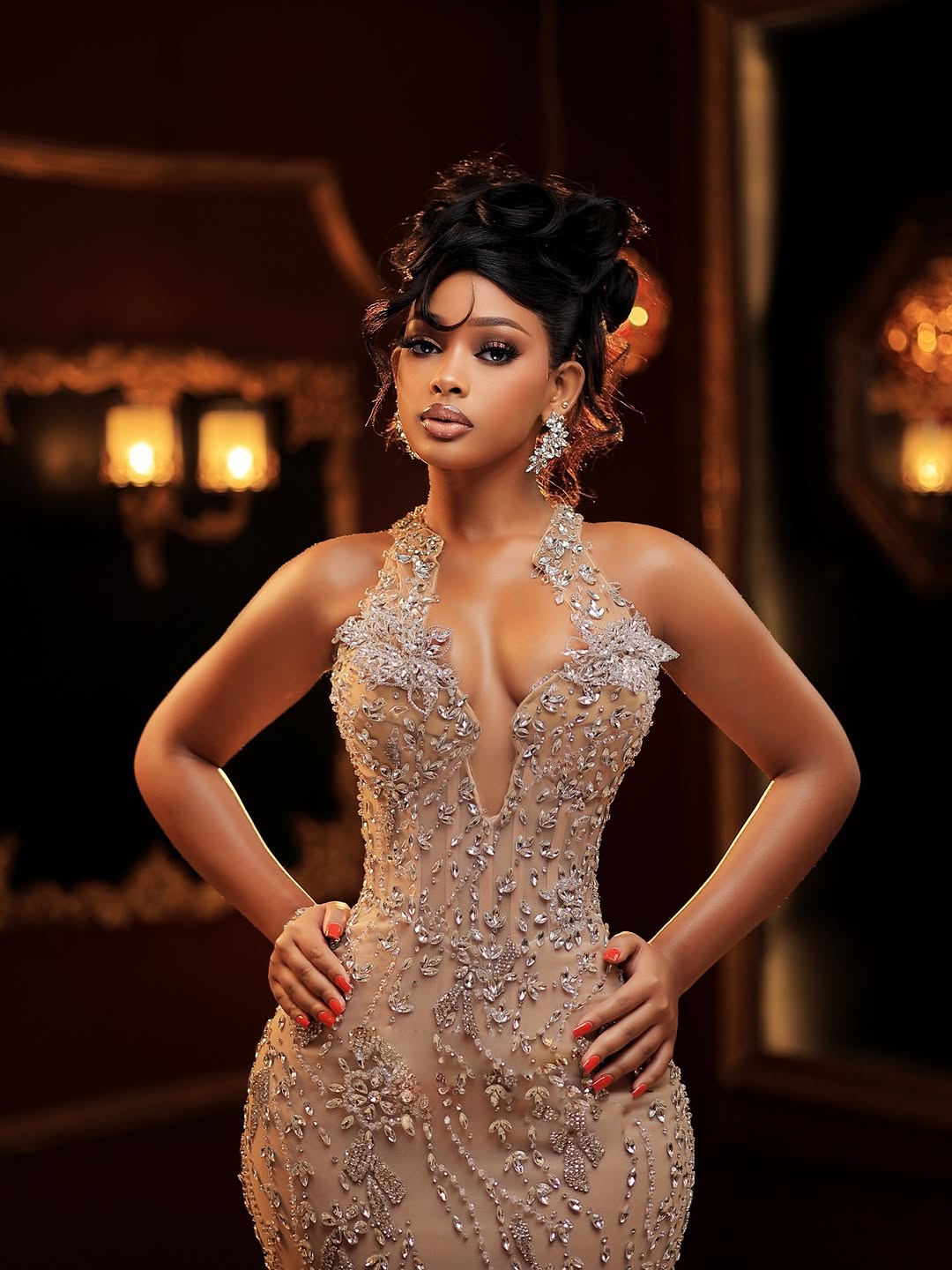
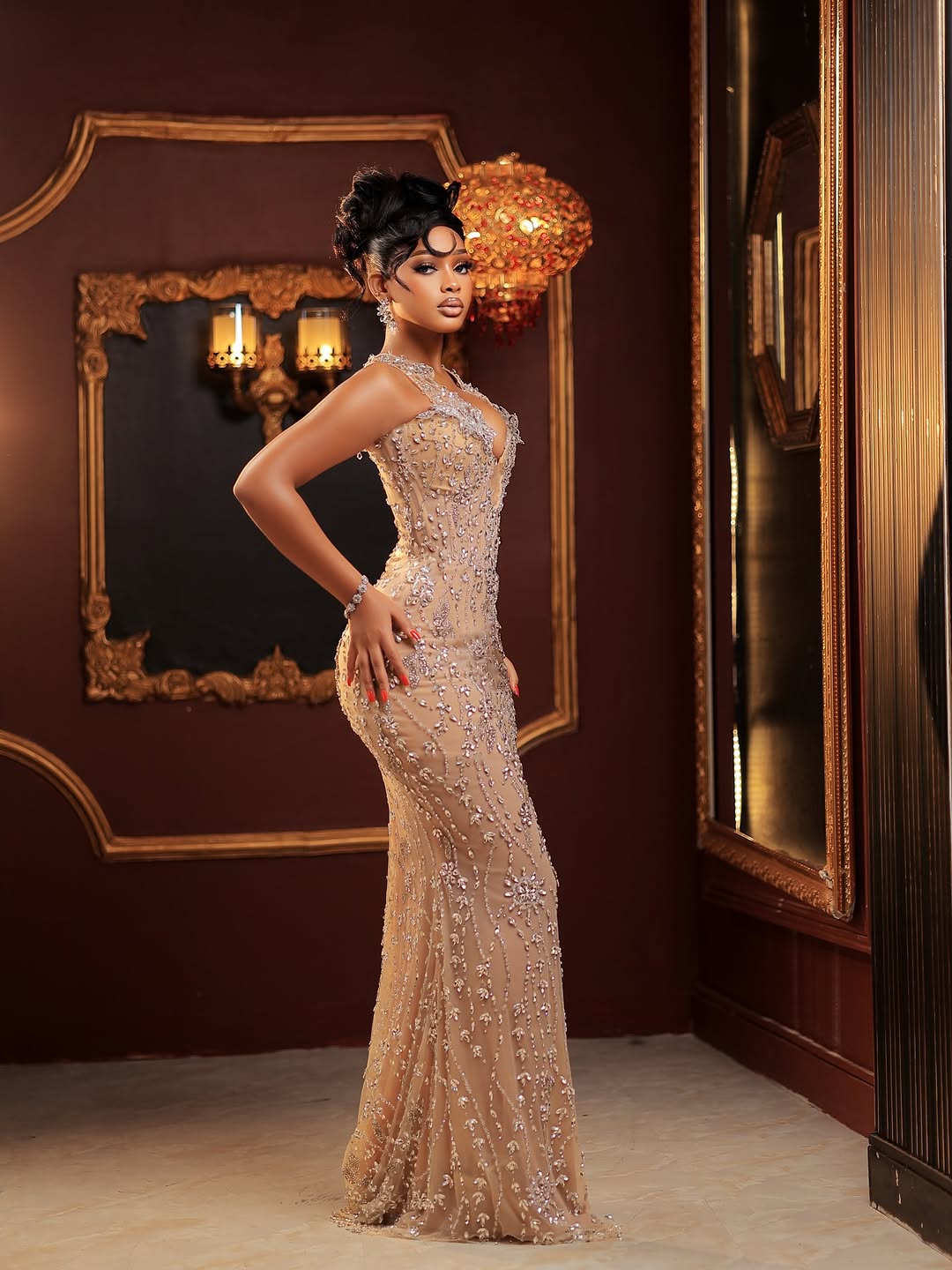
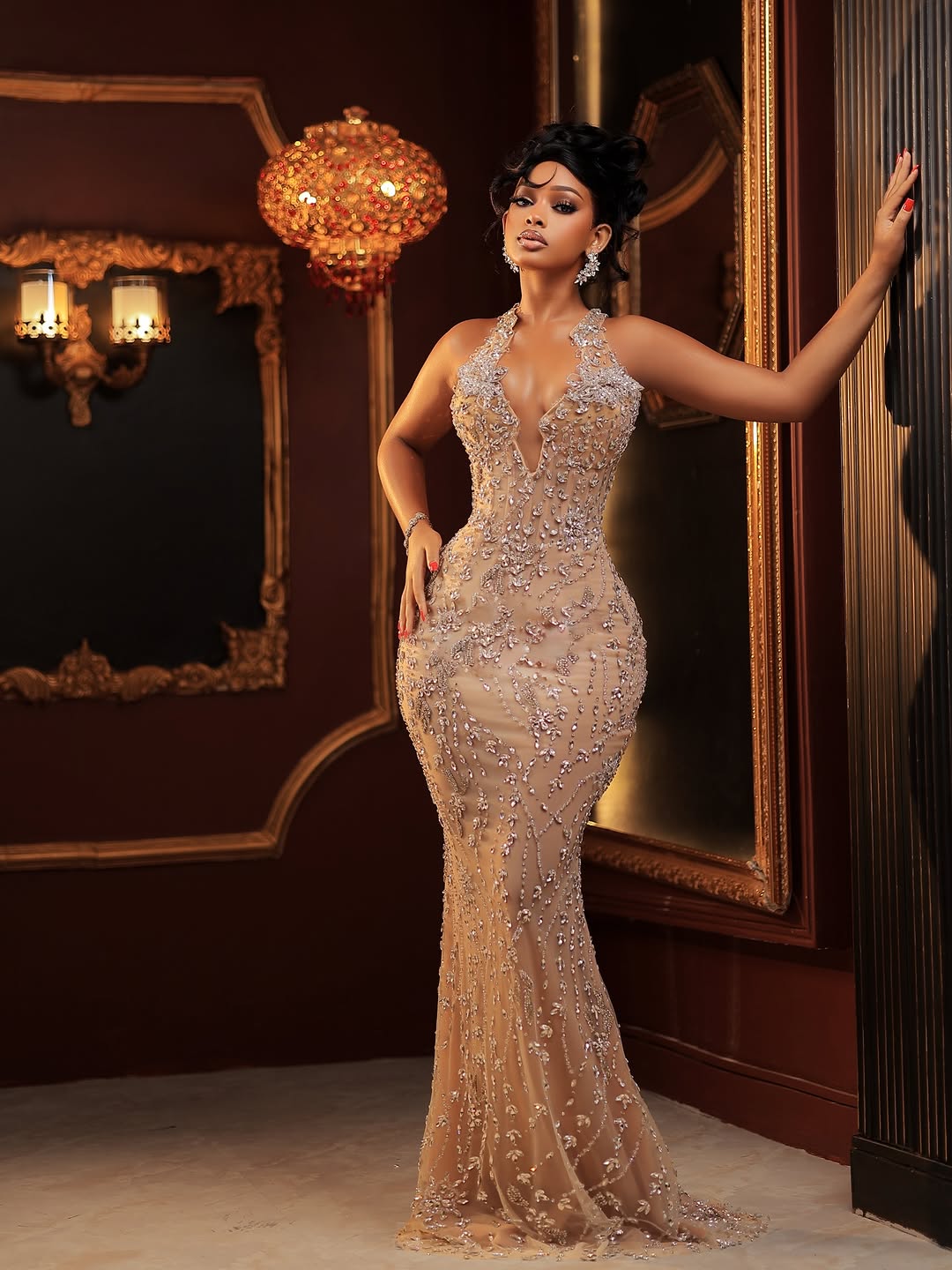
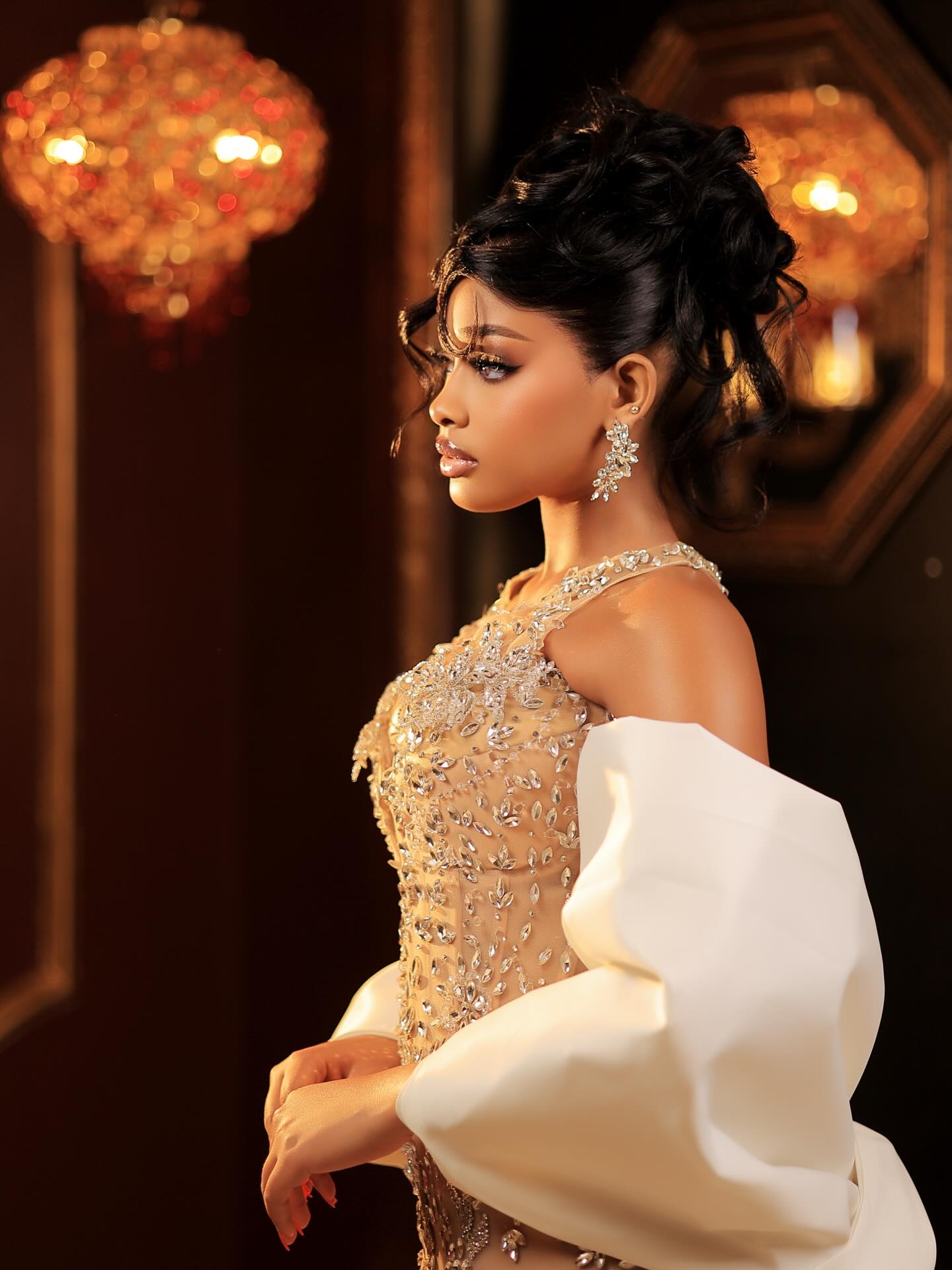
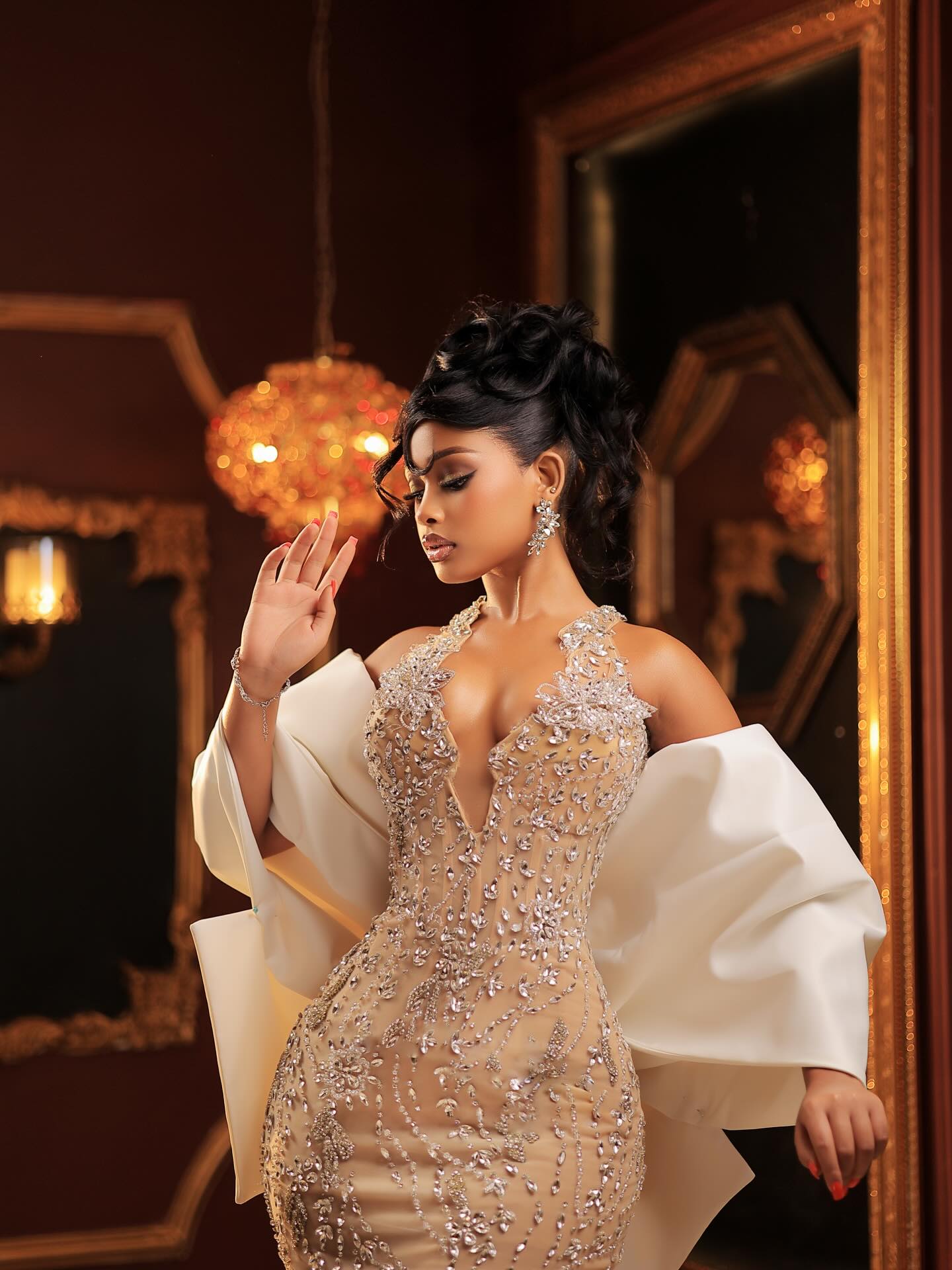
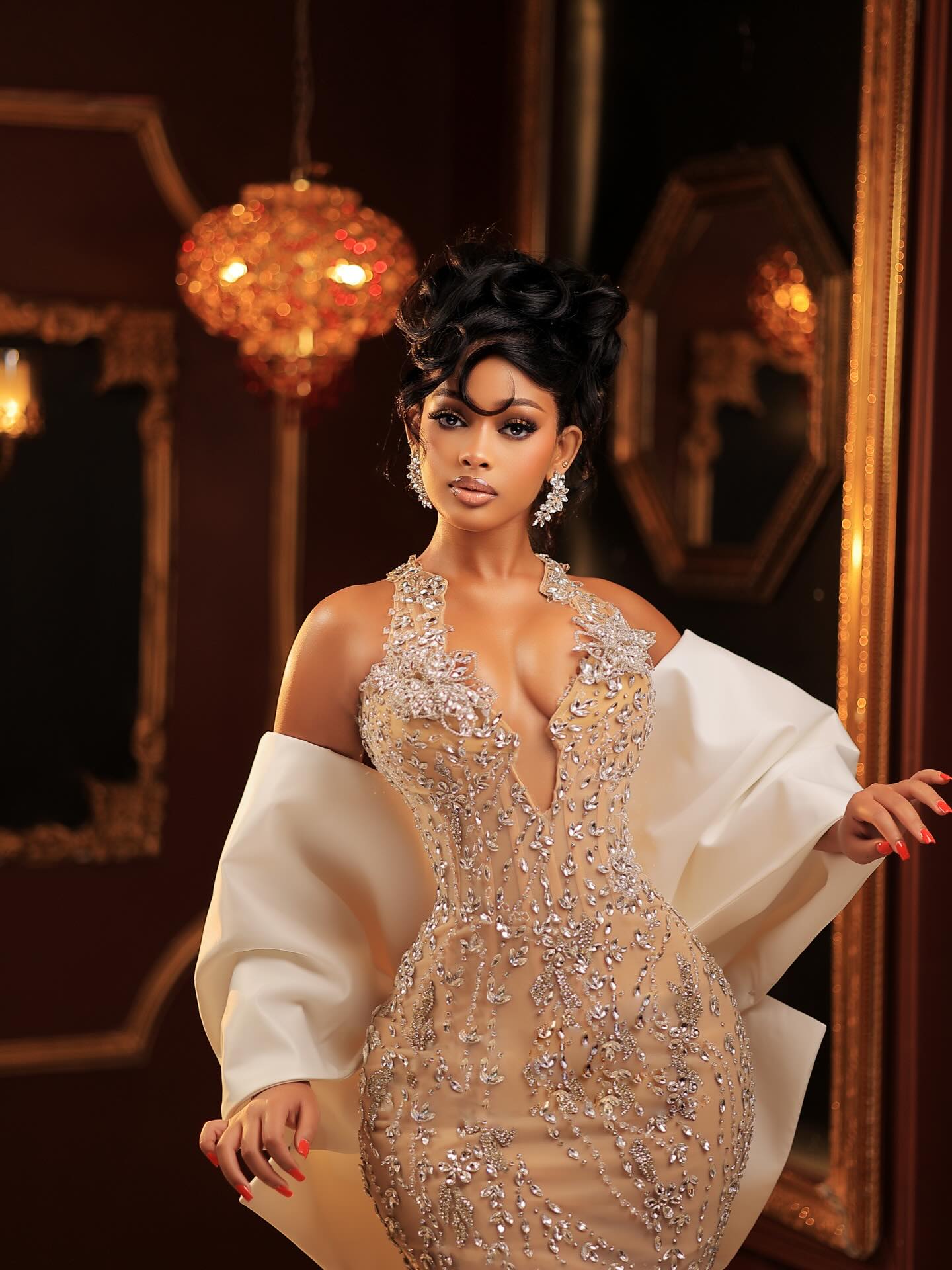
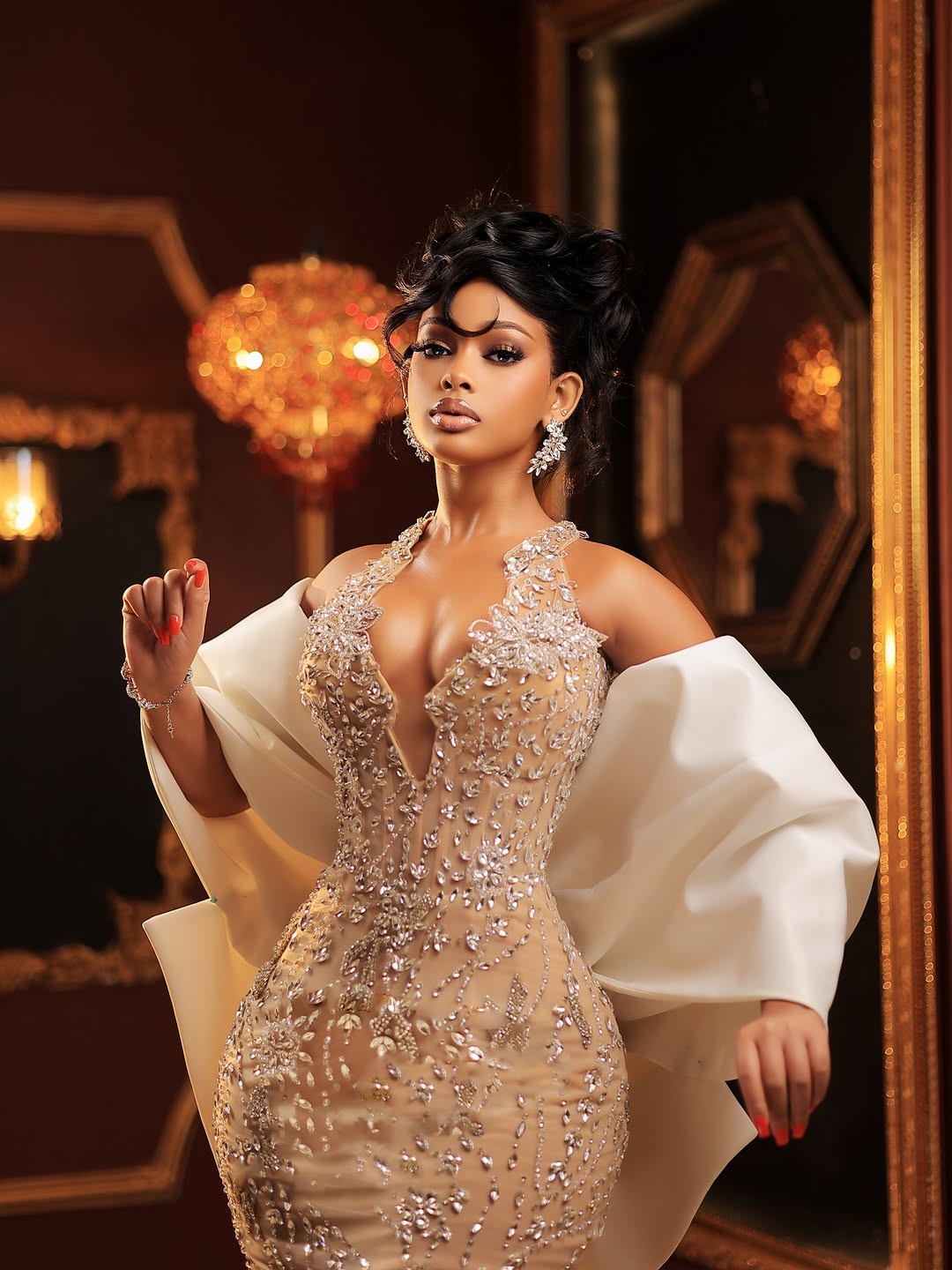
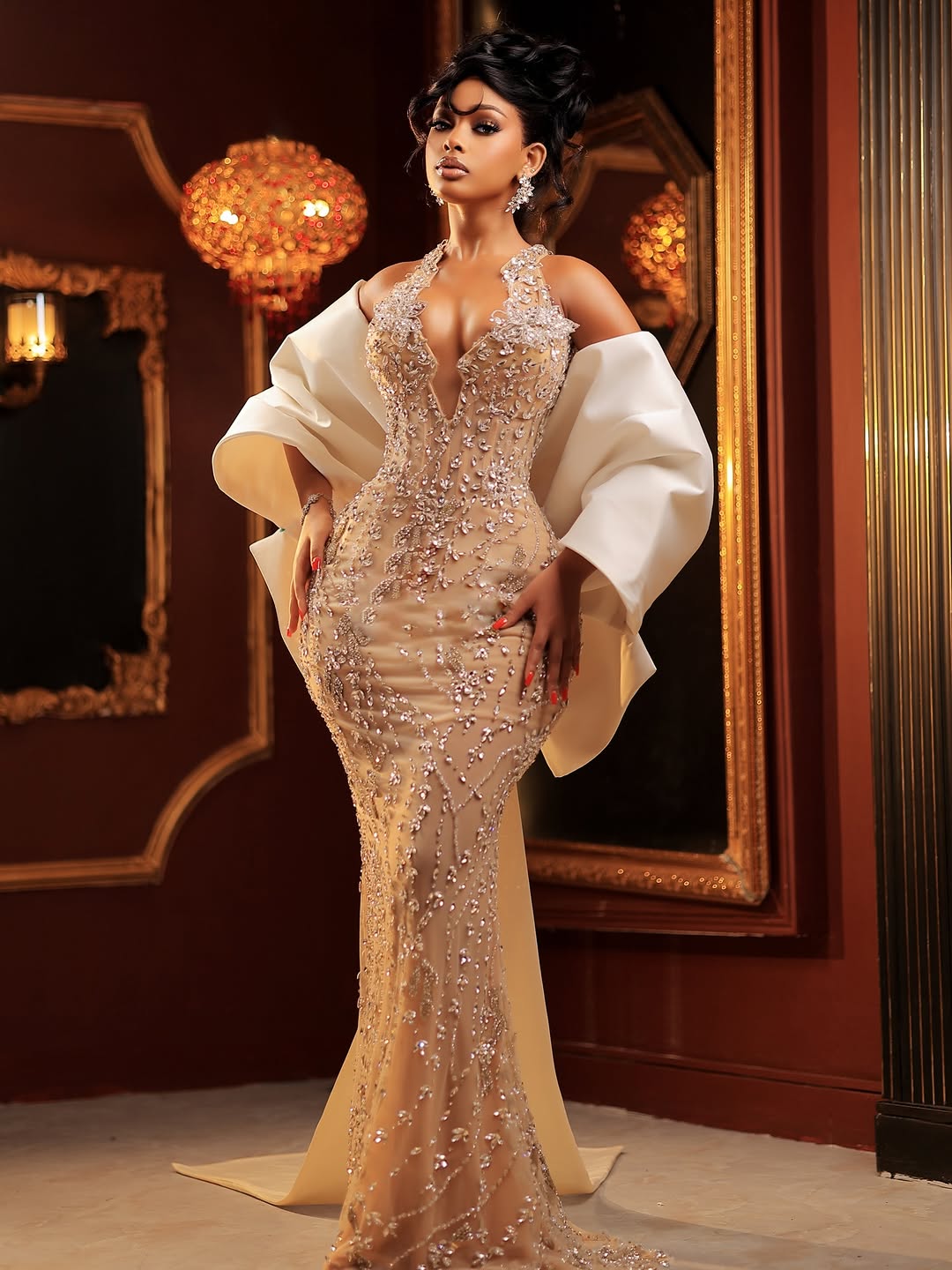
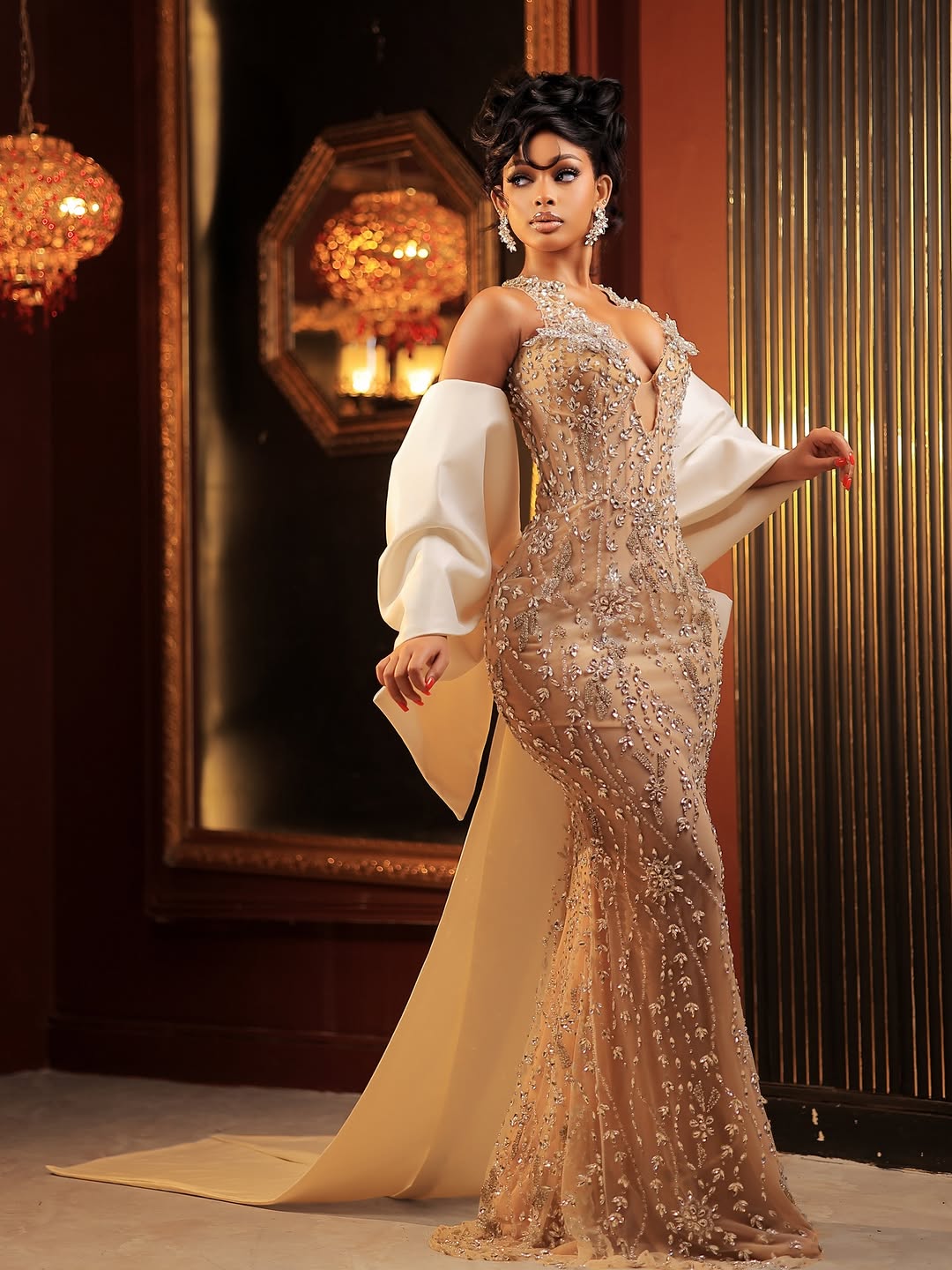
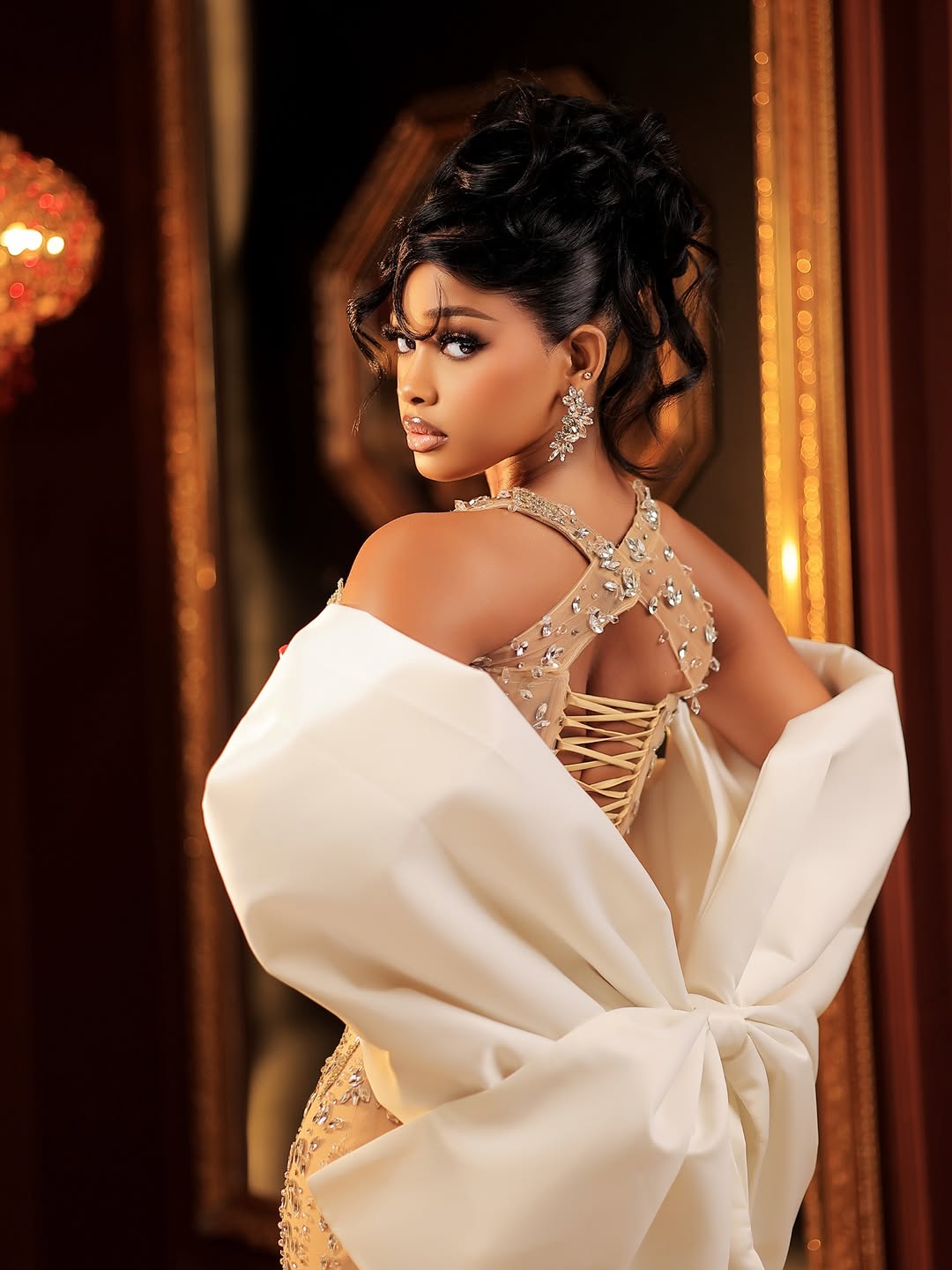
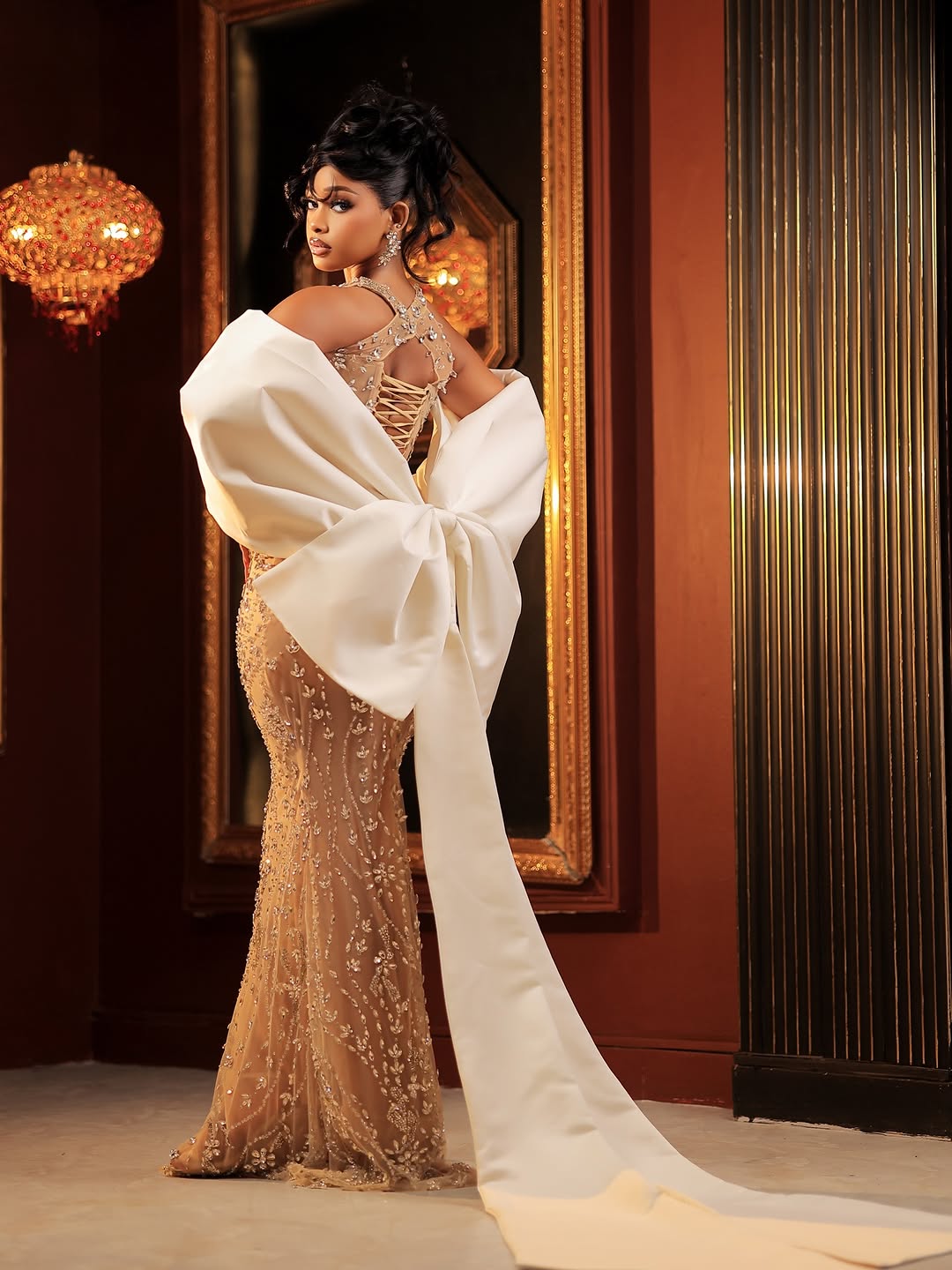
A two-in-one dazzling reception dress? How fabulous! If that’s a dream look you desire on your big day, here’s one that will give you much charm and grace as you twirl into forever.
Hers Uganda expertly designed this bedazzled illusion dress, very glamorous and luxurious. From the cutout plunging neckline to the full silhouette covered in crystals and the flowing bow drape, this look screams high fashion in the most enchanting, versatile way. Mbajja Sean delivered magic with this curly bun hairstyle, adding a romantic touch to the look. Then Glam by Keith brought the full ensemble to life with this beautiful, flawless makeup — utterly glowy and glamorous. This look is a masterpiece, for special queens on their special day. As you celebrate your beautiful union, this is one ensemble that will radiate your joy and sparkle while you dance the night away.
Enjoy the photos below and be inspired:
Credit
Dress @hers_uganda
Makeup @glam_bykeith
Hair @mbajja_sean
Jewelry @thesnstore
Photography @daville_256