
LIFESTYLE
The Royal Butler forecasts big 2026 for Prince William and family | Lifestyle


The Prince of Wales’s former butler has predicted a big 2026 for Prince William, the Princess of Wales, and their children.
Grant Harrold, also known as The Royal Butler, worked for the King and Queen Camilla, as well as William, Kate and Prince Harry up until 2011.
Speaking exclusively to The Independent, Mr Harrold lifted the lid on how Prince George will be getting used to his new role as he’s seen in public more often, as well as what’s in store for his grandparents over the next 12 months.












People fall in love with professional wrestling for many reasons. Some fans simply enjoy the idea of wrestlers throwing hands and the ensuing slugfest, while others view what wrestlers do as a form of entertainment. Some fans see wrestlers as real-life superheroes that mirror the eternal battle between good and bad. Then there are fans like us who are here for the storytelling.
Across the world of sports entertainment, regardless of whatever wrestling promotion you have been exposed to, you must have heard about a certain John Cena. John Cena is to my generation what Hulk Hogan was to the wrestling fans of the 1980s or what ‘Stone Cold’ Steve Austin was to the Attitude Era. A superstar who successfully crossed over. Watching his last in-ring performance a few weekends ago was like witnessing the end of an era for someone whom I grew up admiring.
Hustle, Loyalty and Respect
From humble beginnings at the developmental programme as “The Prototype”, John Cena put in the work. There is something about consequential people; you can love them or even hate them, but you can hardly ignore them. Whether you are team “Let’s Go Cena” or team “Cena Sucks!”, it’s hard to be indifferent. From wrestling house shows and weekend matches to getting called up to the main roaster with his official WWE television debut against Kurt Angle, it has been a wild ride. Cena was asked by the Hall of Famer to state the one quality he possessed that made him think he could walk into the ring and face the best. His answer was emphatic and iconic: “ruthless aggression”. Signalling that he was willing to do anything and fight anyone to earn his spot in the big leagues. For those who know how gruelling and physically demanding that craft is, having 726 televised matches under his belt as a performer is remarkable. Thanks to Cena’s embodiment of these tenets, the words have taken on a life of themselves outside the squared circle.
The Champ Is Here!
As his stellar in-ring career has come to an end, Cena retires as a grand slam champion. He’s the never-seen seventeen-time World Champion, five-time United States Champion, four-time Tag Team Champion, two-time Royal Rumble Winner and one-time Intercontinental Champion. Beyond the titles he won or lost, what really made Cena the leader of the Cenation is his “Never Give Up” attitude. A lot of people can relate to a performer who gets back up every time he gets knocked down. Who could ever forget that one time when Cena tore his right pectoral major muscle from the bone while performing a hip toss, and the doctors ruled him out of action for at least a year, but his will to get back in the ring saw him make a full recovery after only a few months. He showed up for the Royal Rumble at Madison Square Garden and ended the match as the last man standing. That picture of Cena as a kid holding a mock championship belt, ever before he became an actual world champion, just goes to show that this thing is a mindset.
An Abnormal Attitude Adjustment
Typically, most wrestlers intermittently switch from baby face characters to heel characters and vice versa, not John Cena. For almost a quarter of a century, Cena played a babyface character. (The closest he came to being a proper heel was during his Doctor of Thuganomics run, where he would drop disses on his opps.)
Earlier this year, on his retirement tour, the unthinkable happened. Cena turned heel! It wasn’t just that nobody saw that coming, but also the way it played out increased the shock value. It’s one thing for Cena to turn heel, it’s another thing for him to turn on the babyface of the company and to do it in cahoots with one of his greatest rivals ever, Dwayne ‘The Rock’ Johnson was wild. It was indeed the heel turn seen around the world. Some of us could understand the kayfabe behind the creative direction, but convincing much younger kids that the Cena they had loved and adored was now a bad guy was almost impossible. Even when he was popping off on the crowds, kids like the one at the Belgium PLE were still chanting, “I love you Cena!”
It was a lot to take in during that run, which is why in the defence of the creative, they didn’t really get their ducks in a row because there was simply no frame of reference on how to book a heel Cena. The idea of Cena, who, throughout his career, had drawn more eyeballs to the product, now being the same person to ruin wrestling, was a hard sell. We wrestling fans could tell that this year’s Summerslam was a direct response to the fallout of Wrestlemania 42, which many considered an anticlimax. Credit to Cena, he did his best to remain as professional as he could, but I’m sure lessons have been learnt by those running Gorilla.
Their Time Is Now
For someone who was presented with great opportunities by those before him, it was only fitting that on Cena’s final show that he paid it forward by putting the spotlight on the next generation of superstars. Cena made the open challenge for the United States Champion a thing where younger talents could test their mettle under the lights; a tradition that Sami Zayn and Ilja Dragunov have continued. Earlier this year, when I shared my thoughts on Wrestlemania 42, I had to put in a word for the NXT talents who gave a good account of themselves at Stand & Deliver that same weekend. One of those upstarts clearly stole the show: I wasn’t even trying to glaze him when I mentioned in that piece that people should watch out for the ruler, the bringer of war, the destroyer and champion of NXT, Oba Femi. To quote the great Booker T: “This brother got no bread, no water, just meat!” The past weeks have been buzzing because most wrestling fans found out what some of us have been saying for a long time: This guy is a generational talent. Bro has some insane aura; his mic work has greatly improved, and going mano-a-mano with the QB1, Cody Rhodes, was no small feat. Shout to Sol Ruca, Jevon Evans, Leon Slater and Joe Hendry, who also showed up and showed out. They should know that the main roaster is calling; so if they want some, they should come get some!
G.O.A.T.
The term “greatest of all time” has been used these days in ways that the essence has been lost; it has almost been reduced to a colloquial usage instead of a functional and objective description of what or who a person is. Regardless of how you slice it: in-ring work, merch sales, crossover appeal outside wrestling, connection with fans, most recognizable or relatable entrance music, quality of rivals, work rate, ability to cut a promo, dedication to non-wrestling obligations such as Make-A-Wish, longevity, ability to carry the company on his back, the influence on other wrestlers’ careers in terms of putting them over or mentoring them, John Cena’s overall contribution to the product makes him a compelling candidate for being described as the GOAT. He’s definitely on pro wrestling’s Mount Rushmore and is a certified first-ballot Hall of Famer.
We Can Finally See You!
For years, John Cena’s “You Can’t See Me” hand gesture has come to symbolise many things, including the fact that his rivals cannot see him coming. However, for the Cenation, it also represents the invincibility of their favourite character. We will miss the five moves of doom, which include the famous Five Knuckle Shuffle, the different t-shirts, the jorts, the sneakers, the patriotic salutes to the men and women in uniform, the signature run down the ramp with Stu and many other memories that came with Big Match John. I totally understand why most fans are crashing out owing to how the match with Gunther ended; they wanted to hold on to that image of Cena being the guy who never gave up. Gunther seemed to rob them of that closure. Despite the real-life heat he got, the Ring General even dared to show up on RAW like the Grinch who stole Christmas to rub it in some more by taking a victory lap and taunting the crowd. It further proves how invested the fans are in Cena and their eagerness to protect his legacy.
Thankfully, Cena will be involved in different capacities, and we will still get to see him, even if it may be in a suit. For all you have done for our childhoods and wrestling, thank you, Cena!

Sign up to our free Living Well email for advice on living a happier, healthier and longer life
Live your life healthier and happier with our free weekly Living Well newsletter
Live your life healthier and happier with our free weekly Living Well newsletter

For many of us, listening to music is simply part of the driving routine – as ordinary as wearing a seatbelt. We build playlists for road trips, pick songs to stay awake, and even turn the volume up when traffic gets stressful.
More than 80% of drivers listen to music on most trips. And many young drivers find it difficult to concentrate without it.
We tend to think music relaxes us, energises us, or helps us focus when we’re behind the wheel.
But the science paints a more complicated picture. Decades of studies show music can sharpen some aspects of driving and dull others. And it affects young drivers differently from more experienced ones.
How do researchers study driving and music?
Most studies use driving simulators, where participants drive through realistic road scenarios while researchers change only one thing: the music.
This allows precise measurement of indicators such as speed, reaction time, lane-keeping, braking, following distance, simulated collisions and even the driver’s physiological state under different music conditions.
Because everything else is held constant, any difference in driving performance can be attributed to the music.
Researchers have tested different music and driving scenarios in dozens of small studies – often with often conflicting conclusions. To make sense of these results, researchers combine them in “meta-analyses” to see broad patterns.
So, how does music affect our driving?
Meta-analyses show music changes how we drive in several ways.
Drivers listening to music tended to have more simulated collisions, poorer speed control and less stable following distances than those driving in silence.
Other outcomes, such as lane position, signalling errors and pure reaction time, show more mixed or inconsistent effects.
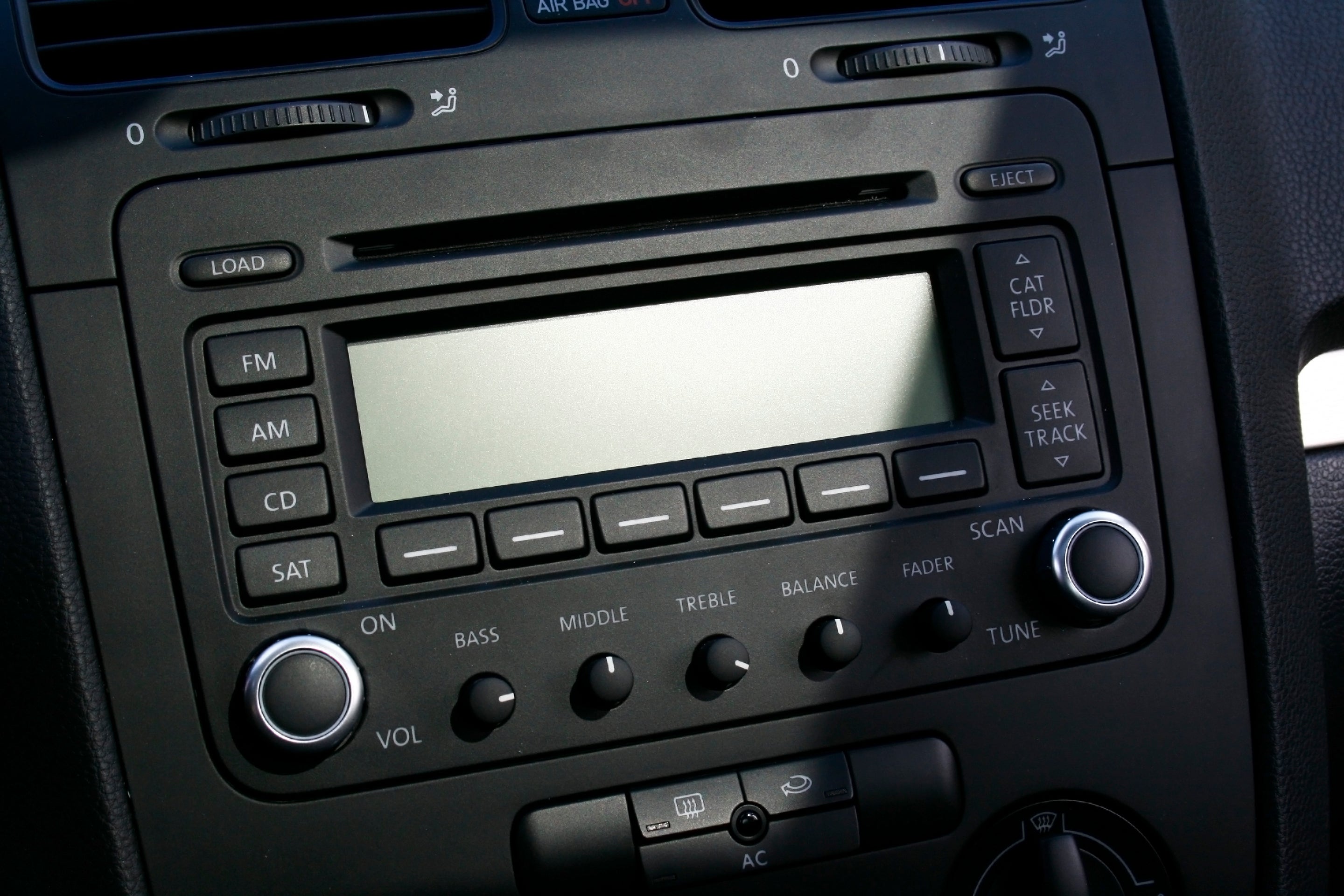
open image in gallery
Researchers have tested different music and driving scenarios in dozens of small studies (Getty)
Music often changes the driver’s heart rate and makes it more variable. It also increases their arousal and mental workload, meaning how mentally “busy” or stretched they are while trying to drive.
Music can also help tired drivers stay alert on long, monotonous stretches but only for a short window. The boost fades by about 15 to 25 minutes.
So music can make you feel better and more alert, for shorter distances, even while it’s adding extra cognitive load and competing with the main task of driving.
Does the volume and type of music matter?
Volume does influence driving, but the effects are more subtle than many assume.
High- and medium-volume music tend to nudge drivers’ speeds slightly upward, while low-volume music consistently leads to slower driving. These effects are small, but relatively consistent in direction.
Fast music has a bad reputation, but the pooled evidence is less clear-cut. One meta-analysis found no overall effect of tempo on driving performance for an average driver. But it’s slightly different if you’re a novice driver.
Individual studies still suggest that very high-arousal, aggressive tracks can nudge some drivers toward riskier behaviour and make them more prone to errors. But tempo by itself doesn’t neatly predict safety.
Music you choose yourself tends to be less distracting than music imposed on you. Drivers often select music to regulate their mood and arousal – and that can stabilise their driving.
Conversely, several experiments show researcher-selected or imposed music leads to poorer performance: more collisions and violations, especially when the driver doesn’t like the music.
So it’s not just the music itself, but your relationship with it, that shapes how it affects your driving. Familiar or preferred music tends to maintain mood and reduce stress without adding as much mental load.
Inexperienced drivers are more affected
Inexperienced drivers are more vulnerable to distraction from music.
One study of 20- to 28-year-old drivers found less-experienced drivers were far more disrupted by music than experienced drivers. When music was playing – especially upbeat, “happy” tracks – inexperienced drivers were much more likely to drift into speeding.
About the author
Milad Haghani is an Associate Professor and Principal Fellow in Urban Risk and Resilience at the University of Melbourne.
This article is republished from The Conversation under a Creative Commons license. Read the original article.
Experienced drivers didn’t, suggesting their experience acts as a buffer.
Another experiment found exposing young drivers to more aggressive genres such as metal or certain folk-pop led to higher speeds, more driving errors and reduced attention to road signs.
For novice drivers, fast-tempo music increased their mental load and reduced their ability to spot hazards. This meant they were slower or less accurate in their responses.
Slow music, on the other hand, didn’t raise inexperienced drivers’ mental load and even moderately improved their ability to respond to hazards.
So what does this mean for my driving?
For most people, familiar songs, calmer genres and moderate volumes tend to create the least interference, while still keeping you alert and in a good mood.
Extremely loud, unfamiliar or highly aggressive tracks are the ones most likely to push up your speed, distract you, or overload your thinking.
But if you’re a newer driver, try turning the volume down, or even switching the music off, in demanding conditions.

Your best friend is, in fact, one of life’s greatest blessings, a true ride or die. Someone who you can depend on without thinking twice, who genuinely celebrates your happiness as if it were theirs.
In today’s video, this stunning bride’s best friend indeed celebrated her big day in a wonderful way. He came through for the couple with a grand surprise gift! She was completely taken by surprise when she came out and saw the new car he had bought waiting outside. With much excitement, she hailed him and proudly declared that the wedding gift was for both her and her husband. You can clearly see how joyful she was, jumping and screeching with endless happiness. This sweet display of friendship and intentionality has warmed our hearts deeply, and we bet it would warm yours, too. 😍
Enjoy the video below:
The moment she saw the car for the first time

Stay ahead of the curve with our weekly guide to the latest trends, fashion, relationships and more
Stay ahead of the curve with our weekly guide to the latest trends, fashion, relationships and more
Stay ahead of the curve with our weekly guide to the latest trends, fashion, relationships and more

As the RSPB’s annual Big Garden Birdwatch approaches, many nature enthusiasts are preparing to participate in the world’s largest garden wildlife survey. Hundreds of thousands are set to record garden birds, contributing to a vital picture of their welfare.
For those who received a bird feeder over Christmas, or indeed any keen bird lover, a crucial question arises: are all feeders safe and suitable for the birds?
While the desire to support local wildlife and enhance personal wellbeing drives many to feed garden birds, the market is flooded with options, prompting concerns about which types might be best avoided.
Hayley Willmington, RSPB head of buying and merchandising, offers the following advice.
Features and feeders to avoid
Don’t go for feeders that aren’t easy to take apart or clean, or that require extra tools to do so.
Also, watch out for feeders with sharp perch edges or gaps, which could cause injury to birds.
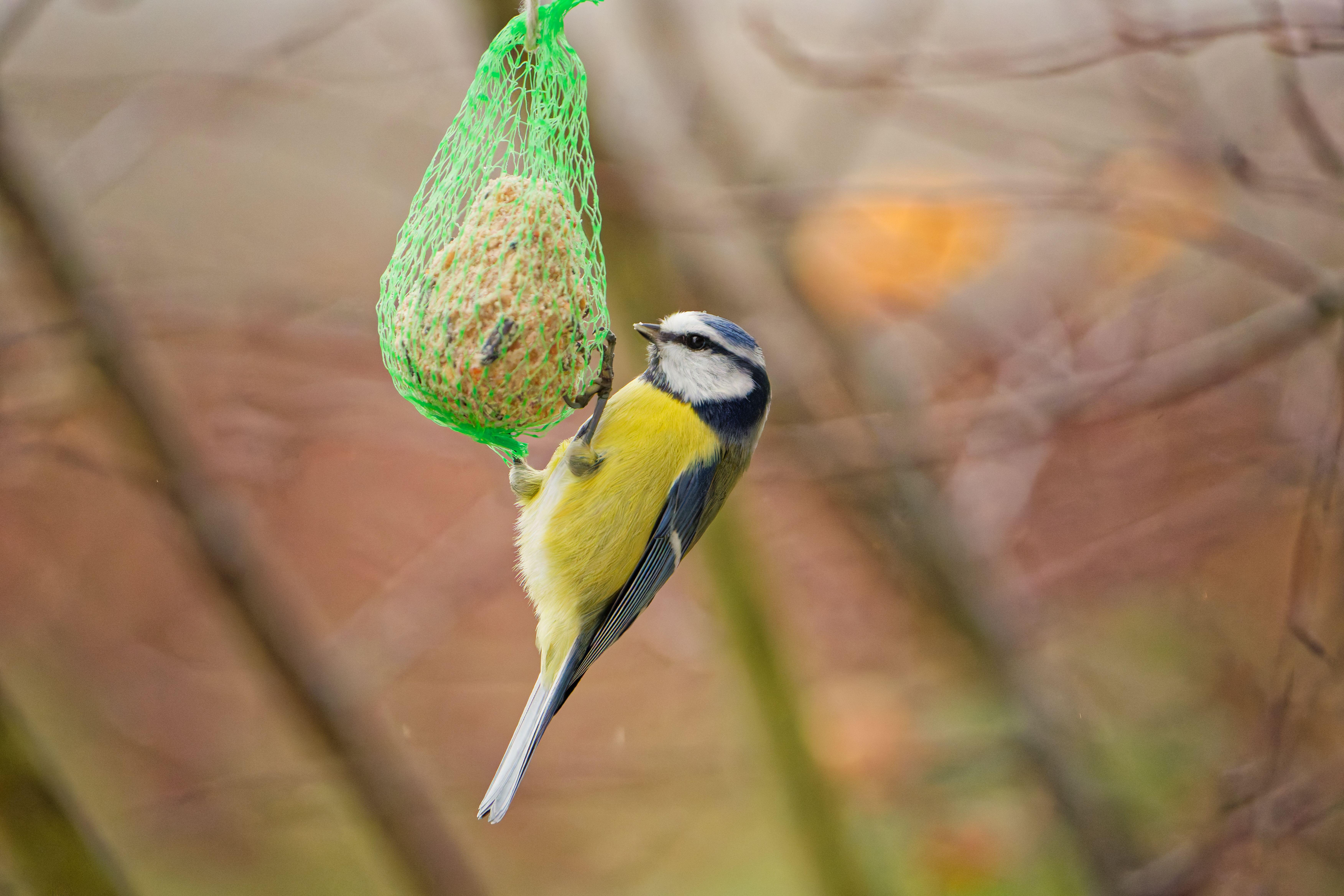
Avoid suet that comes in netting as birds could get beaks or feet trapped in it.
open image in gallery
Don’t go for netting feeders (Alamy/PA)
And avoid flat feeders including bird tables, but also flat trays beneath hanging feeders due to the potential for the spread of disease. There is evidence to suggest that damp food on flat feeding surfaces like bird tables can increase the risks of spreading disease among some garden birds, the RSPB says.
What feeders should you be using?
Hanging feeders are simple to set up, can be hung in various locations and are a great option for smaller gardens or balconies where space is limited, says the RSPB.
When selecting which style to use, or if you’ve been gifted one, key things to look out for are features that promote good standards of cleanliness and hygiene.
Use feeders which are well-constructed and can be easily taken apart for cleaning without the need for any additional tools. The material is also important, as this needs to be something non-porous such as glazed ceramic, plastic or powder coated metal.
Use feeders which keep out damp
The best-designed feeders will have good ventilation, waterproofing and drainage features. It’s also worth inspecting the perch shapes on a feeder, to make sure there’s no sharp edges or gaps which could cause injury and that they generally provide a comfortable perching position for feeding birds.
Be aware of types of feed to use with hanging feeders
Garden birds’ diets differ from species to species, so it’s important to reflect this variation in the provision of the feed you offer, says the charity. Suet pellet feeders often draw various species of the tit family, alongside nuthatches, while fat balls or cakes will appeal to tits as well as starlings.
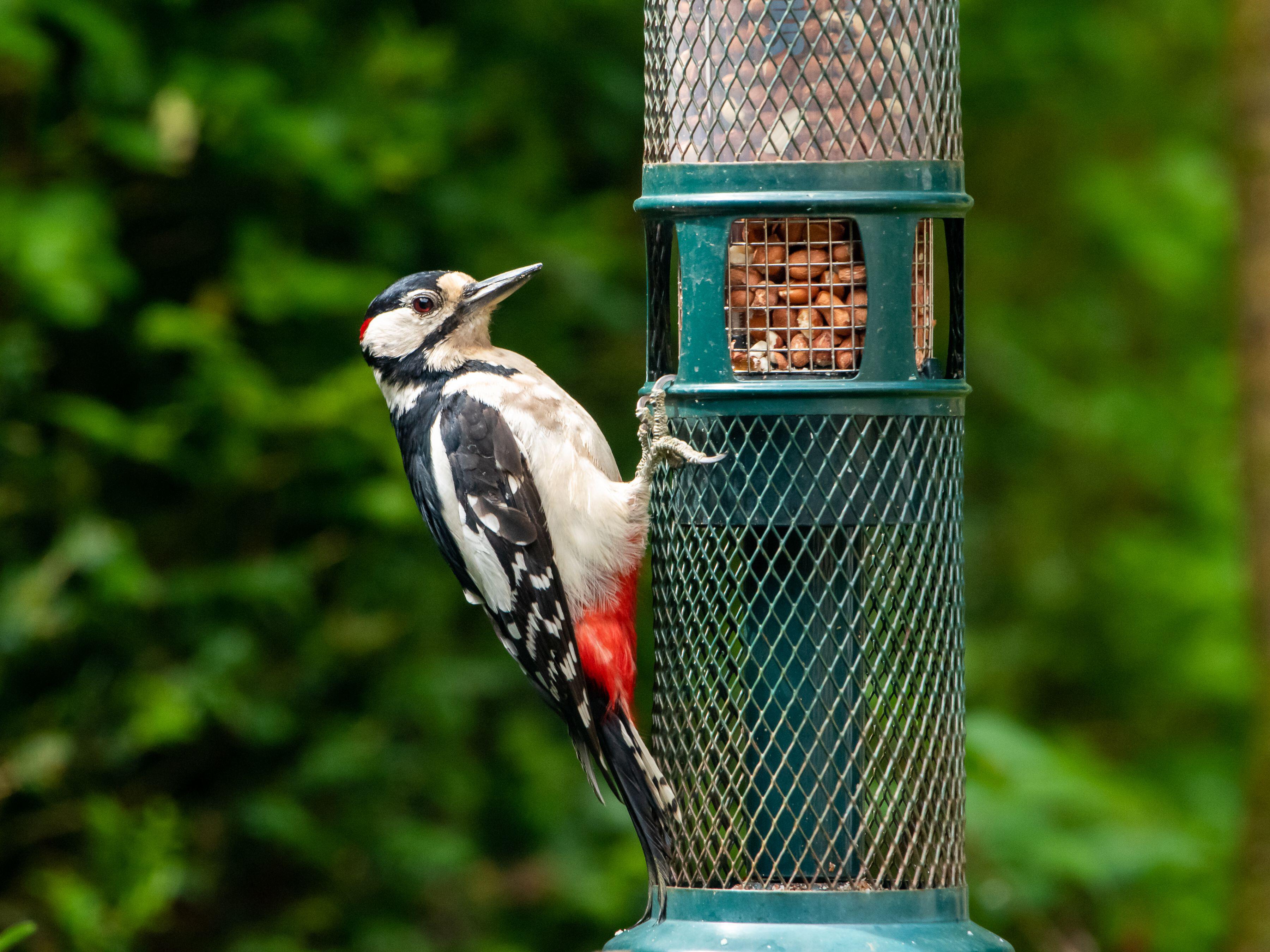
Peanuts tend to prove popular with tits, woodpeckers, nuthatches and siskins, and nyjer seeds are particularly well-suited to goldfinches and siskins (though ensure you use a specialist feeder with narrower port holes, to avoid the very fine seeds from falling to the ground). If you’d like to attract a broad range of visitors, then sunflower hearts are popular with a lot of garden species.
open image in gallery
Woodpeckers like peanuts (Alamy/PA)
Mealworms are also a nutritious treat for birds, which can be provided in a dome feeder or on a little tray. As with the other types of feed, only provide small amounts of mealworms that will be eaten quickly.
Be hygiene aware
Don’t let uneaten feed build up in a feeder, to reduce any chance of it becoming wet and contaminated. Only fill yours with as much feed as you would expect to be eaten within 48 hours.
Rotate the position of your feeders regularly, as this can avoid any build-up of debris or droppings underneath. It’s critical that dropped seed is cleared up regularly and disposed of, because the chances of it being contaminated are high.
Place feeders carefully
Make sure your feeders are spread out around the garden to help prevent birds congregating in a small area and that the feeders are placed high enough off the ground to be safe from ground predators and ideally a couple of metres away from some dense cover (like bushes), so that birds have a safe place to retreat to from aerial predators.
Keep them clean

open image in gallery
(Ben Andrew/rspb-images.com/PA)
Regular cleaning is essential. All feeders should be cleaned out and scrubbed (with a 5% bleach solution) at least every week – and if you’re also providing water for birds, this needs to be replaced with fresh water on a daily basis.
Registration is now open for Big Garden Birdwatch, which takes place from Jan 23-25.
LIFESTYLE
Funke Akindele’s “Behind The Scenes” Becomes Nollywood’s Biggest Film of 2025 After Crossing ₦1.1bn


Photo Credit: Funke Akindele/Instagram
Funke Akindele has added yet another major box office milestone to her record-breaking run in Nollywood.
Her latest film, “Behind The Scenes,” has crossed the ₦1.1 billion mark at the Nigerian box office just 19 days after its cinema release, officially becoming the highest-grossing Nollywood film of 2025 so far. The update was confirmed by FilmOne Entertainment, the film’s distributor, in a post shared on Monday.
According to FilmOne, “Behind The Scenes” has grossed a total of ₦1,109,463,846 since opening in cinemas, placing it among the most commercially successful films in Nigeria’s cinema history.
The distributor described the achievement as historic, noting that the film is now the fastest movie in West Africa to cross the ₦1 billion benchmark. FilmOne also revealed that the film recorded the highest single-day box office gross ever on Boxing Day, earning ₦129.5 million.
“Fastest film in West Africa to cross ₦1B+,” FilmOne said, adding that the film also achieved “the highest single-day gross ever on Boxing Day (₦129.5M).”
The company further disclosed that “Behind The Scenes” is currently the highest-grossing theatrical release of 2025, maintaining strong momentum weeks after its nationwide cinema debut.
FilmOne also highlighted Akindele’s continued dominance at the box office, stating that the success of “Behind The Scenes” extends her record-breaking streak in Nollywood. According to the distributor, she is “the only director to cross ₦1B+ at the box office three different times” and “Nollywood’s highest-grossing producer of all time.”
It added that Akindele has also become “the first filmmaker to deliver three consecutive ₦1B+ films in one calendar year,” a record yet to be matched in the industry.
“Thank you to everyone for the love and support so far. This win is for all of us,” FilmOne stated.
Before crossing the ₦1 billion mark, “Behind The Scenes” had already set multiple records. The film grossed ₦512 million within its first 12 days in cinemas, making it the highest-grossing Nollywood title of 2025 at the time. FilmOne also described as “the biggest opening weekend of 2025.”
The film held advanced screenings on December 10 and 11 before its official nationwide release on December 12. Within days, it crossed the ₦200 million mark and continued its steady climb at the box office.
Reacting to the milestone, Funke Akindele shared a message of appreciation to her supporters. “Over the years, I’ve always valued my fans, because without God and you, I am nobody. Thank you all for coming out to watch this movie and for supporting my brand through the years.”
This marks the third consecutive time one of Akindele’s films has crossed the ₦1 billion mark at the Nigerian box office, a feat unprecedented in Nollywood history. Following the massive success of “A Tribe Called Judah” (2023) and “Everybody Loves Jenifa” (2024), her latest blockbuster, “Behind The Scenes,” reached the milestone in just 17 days. This achievement officially makes it the fastest film in West African history to cross ₦1 billion, shattering the previous record held by her own films. With three 10-figure hits in a row, Akindele has further cemented her status as the highest-grossing Nollywood director and producer of all time.

Stay ahead of the curve with our weekly guide to the latest trends, fashion, relationships and more
Stay ahead of the curve with our weekly guide to the latest trends, fashion, relationships and more
Stay ahead of the curve with our weekly guide to the latest trends, fashion, relationships and more
Some of us love a building project, especially if the end goal is geared towards creating more room in your existing home.
And when it comes to a loft conversion, not only can it provide a significant amount of additional space, but the added bonus of an extra room… without the hassle or cost of upping sticks and moving.
Here, Costel Radescu, founder of CR Group, highlights top five things to consider before embarking on your loft conversion journey…
1. Planning permission
The first step is to check whether your loft conversion requires planning permission, underlines Radescu.
Some conversions can be completed under ‘permitted development,’ which allows certain work without formal approval.
Common examples include…
Dormer conversions: Often allowed under permitted development, as long as they don’t exceed the height of the existing roof; or extend beyond the roof slope, explains Radescu.
Velux or roof light conversions: Typically don’t require planning permission if the roof structure isn’t significantly altered, he says.
Hip to gable conversions: May be permitted if height and volume restrictions are met.
However, planning permission is required if…
“The property is in a conservation area. Your home is listed or in the curtilage of a listed building. Your conversion exceeds the volume limits of permitted development rights.
“Your builder or architect can advise,” says Radescu. “But it’s also worth checking your local council’s planning section online.”
He says useful resources include…
The Planning Portal: A national guide to planning permissions and permitted development.
Consulting a planning professional or architect: For tailored advice on your property and locality.
“Keep in mind, if planning permission is required, costs can vary widely, from around £300 to £2,000 for the application; and additional fees for design, surveys, and professional services.
“Knowing upfront whether you need permission will help you manage your budget more effectively.”
2. Budget, costs, and builder selection
As Radescu points out, a loft conversion is a significant investment – so having a clear budget is essential.
Moreover, he says costs vary depending on size, design, and materials used but suggests the following as a starting budget…
Basic loft conversion: £30,000–£60,000
Dormer conversion: £60,000–£90,000
Hip to gable conversion: £90,000–£120,000
Luxury/high-end conversion: £130,000+
It’s worth discussing your budget with your builder, adds Radescu, so they can advise on a loft conversion that can deliver what you need – but stick within your budget.
He says they can also advise on where to cut costs to deliver your main objective, especially if it’s as much space as possible.
Once you have a budget, consult at least three builders, he advises.
Key considerations to factor in include…
Quotes: Ask for detailed breakdowns of construction costs, design fees, and potential extras.
Project management: Ensure they handle planning permissions and approvals.
References and reviews: Check client feedback for reliability and quality.
Timeline: Understand expected completion and potential delays.
Warranty and aftercare: Confirm guarantees and post-build support.
“Local recommendations are invaluable,” highlights Radescu.
“Neighbours who’ve completed loft conversions can point you towards reliable builders who know the area and property type.
“Some [builders are] worth a slightly higher price for smoother, faster results,” he adds.
3. Design and space
Think carefully about how you want to use your new loft, advises the property renovation expert. “Will it be an extra bedroom with an ensuite? A home office or playroom?”
“Maximising natural light and efficient space use is key,” highlights Radescu.
“Remember, your existing loft space will be lost… so built-in storage like eaves cupboards or wardrobes is essential, unless you have alternative storage solutions.”
Garden sheds can supplement external storage, he suggests. He also says to plan carefully, as in-built storage may affect floor space.
He continues: “Window placement is crucial, consider whether a dormer or roof lights will provide the light and space you need.
“Planning now for maximum space will help avoid regrets later, even if it means stretching your budget slightly.”
4. Building regulations and safety
As Radescu explains, loft conversions must comply with building regulations covering structural integrity, insulation, and fire safety.
“While your builder should guide you, understanding the requirements yourself helps you make informed decisions.
“If your conversion impacts other parts of the home, especially open-plan areas, you may need fire doors or sprinklers.”
Knowing these requirements early can prevent unexpected costs, underlines Radescu. “And a good builder will discuss them during the initial consultation.”
5. Impact on property value
A loft conversion typically increases property value, but he says it’s wise to research similar homes in your area; or speak to a local estate agent to estimate potential returns.
“Consider this, will the money spent on your conversion exceed the potential increase in value? Even if not, property prices generally rise over time, so long-term value gains are likely.”
He continues: “Many homeowners choose to expand rather than move because they love their area, local schools, transport links, or neighbours.”
Understanding your potential return helps you decide on extra features and ensures your project aligns with your goals, outlines Radescu.
“Adding a loft conversion is a fantastic way to maximise space and improve your home.
“Doing your homework upfront ensures you stay informed, avoid overspending, and complete your project on time and within budget.”

Stay ahead of the curve with our weekly guide to the latest trends, fashion, relationships and more
Stay ahead of the curve with our weekly guide to the latest trends, fashion, relationships and more
Stay ahead of the curve with our weekly guide to the latest trends, fashion, relationships and more
Cynthia Erivo has spoken about the lengths she is willing to go to keep her voice in pristine shape.
The Wicked: For Good star said in an interview with The Hollywood Reporter published Monday how she has handled taking care of her voice throughout the years, filled with promoting both Wicked films, her album’s release in June, and performances at Coachella.
“I’m always taking care of it,” she told the publication about her voice. “I don’t drink. I don’t smoke. I’m a crazy person. I don’t eat anything on planes. I bring everything with me: my tea, my water.”
“Someone made a meme of the mug that I carry around because I have it with me everywhere. I have it in several different colors. I will not be without it because I want my tea to always be warm enough to hydrate me.”
Erivo continued: “That’s just how I exist. I will do whatever I need to make sure she’s okay — except apparently take a break.”
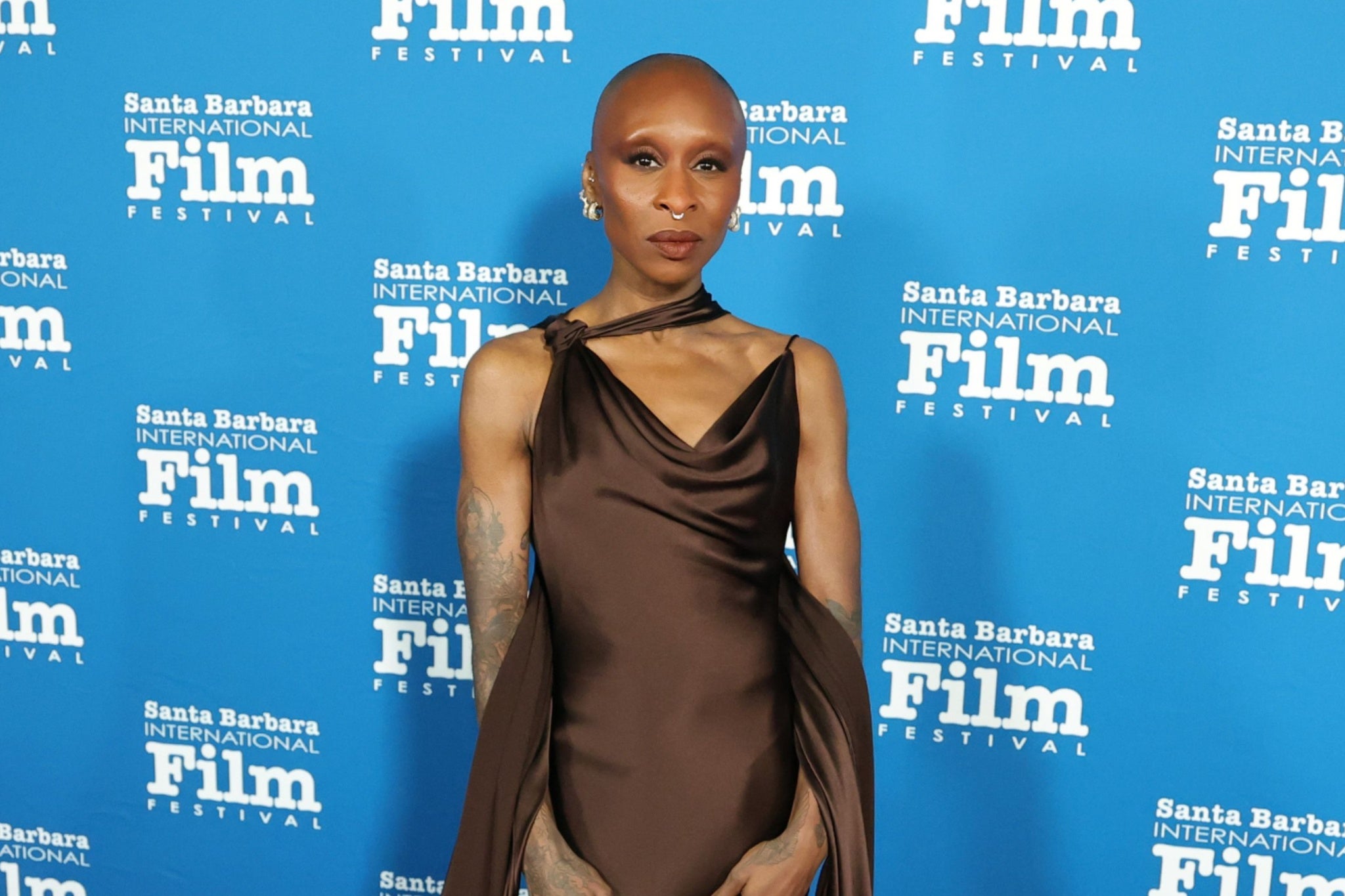 ‘I don’t drink. I don’t smoke. I’m a crazy person,’ Erivo said in a recent interview with ‘The Hollywood Reporter’ (Getty Images)
The Harriet actor explained that she chooses not to say no very often, noting that she will not turn down any opportunities that might “force me to find something else in my character.”
“The problem is a lot of those things are showing up right now, so I’m not saying no very often, but I do say no,” she said.
Currently, the actor and singer is rehearsing for her one-woman stage adaptation of Bram Stoker’s Dracula. The show will be running in London’s West End from February 3 to May 31.
Erivo will also be involved in Suzie Miller’s stage-to-screen Prima Facie and Tomi Adeyemi’s page-to-screen Children of Blood and Bone, which is expected in theaters on January 15, 2027.
Speaking to The Hollywood Reporter about her role in Children of Blood and Bone, she admitted just how hectic it was to be filming in the middle of awards season, which included horseback riding lessons, combat training and dialect coaching.
“We were doing all of that whilst doing awards season at the same time, and literally the day I had to get to South Africa to start hair, makeup, costume, all of that was the day after the Oscars,” she said. “My flight was in the morning. So, when I say the day after, I mean the night of the Oscars.”
She added, “I had to come home. My nails had to be changed that night because I had embellishments galore all over them, so we had to get it back down to zero, and then I got on a plane that morning; 5:00 a.m. I was in the car off to the airport.”
LIFESTYLE
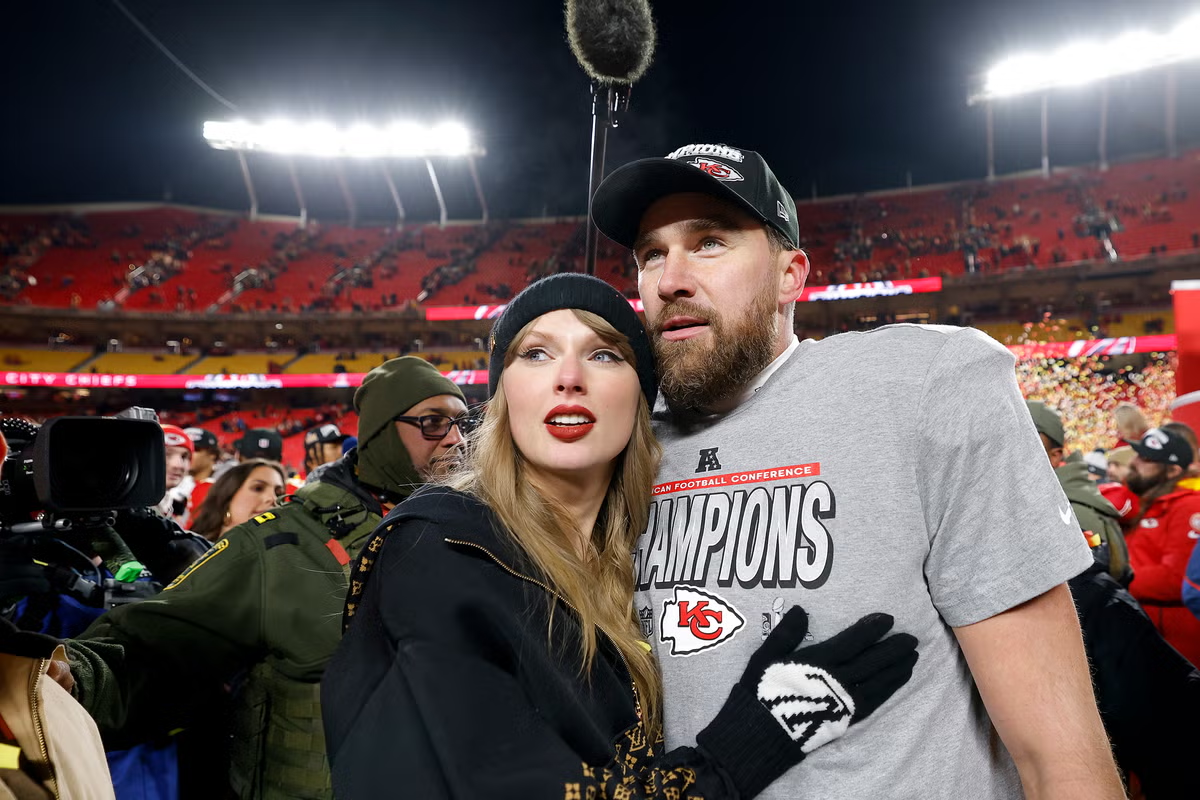
Taylor Swift and Travis Kelce leave Arrowhead Stadium employee in tears over Christmas gift
Stay ahead of the curve with our weekly guide to the latest trends, fashion, relationships and more
Stay ahead of the curve with our weekly guide to the latest trends, fashion, relationships and more
Stay ahead of the curve with our weekly guide to the latest trends, fashion, relationships and more
Taylor Swift extended her holiday generosity to fiancé Travis Kelce’s workplace this Christmas, as the couple reportedly surprised Arrowhead Stadium employees with cash gifts.
After Kelce’s Kansas City Chiefs lost to the Denver Broncos on Christmas Day, stadium employee Robyn Gentry shared the unexpected moment in a post to the Taylor Swift’s Vault Facebook group. She wrote that she was working through her end-of-season duties when security escorted in Kelce’s mother, Donna Kelce, along with the tight end and the Grammy-winning singer.
According to Gentry, the trio enthusiastically wished everyone a “Merry Christmas” before handing her an envelope. Inside was $600 in cash.
“They were gone, and I stopped to look at what was in my hand… $600,” Gentry wrote. “My whole paycheck for two weeks. I had just dropped that much for Christmas for eight kids.”
Gentry said she was so overwhelmed by the gesture that she began crying and couldn’t bring herself to spend the money. Instead, she framed one of the $100 bills as a keepsake and shared a photo of the framed bill alongside the remaining cash.

open image in gallery
Gentry explained that she could not bring herself to spend any of the $600 Swift and Kelce gifted her (Facebook/Robyn Gentry)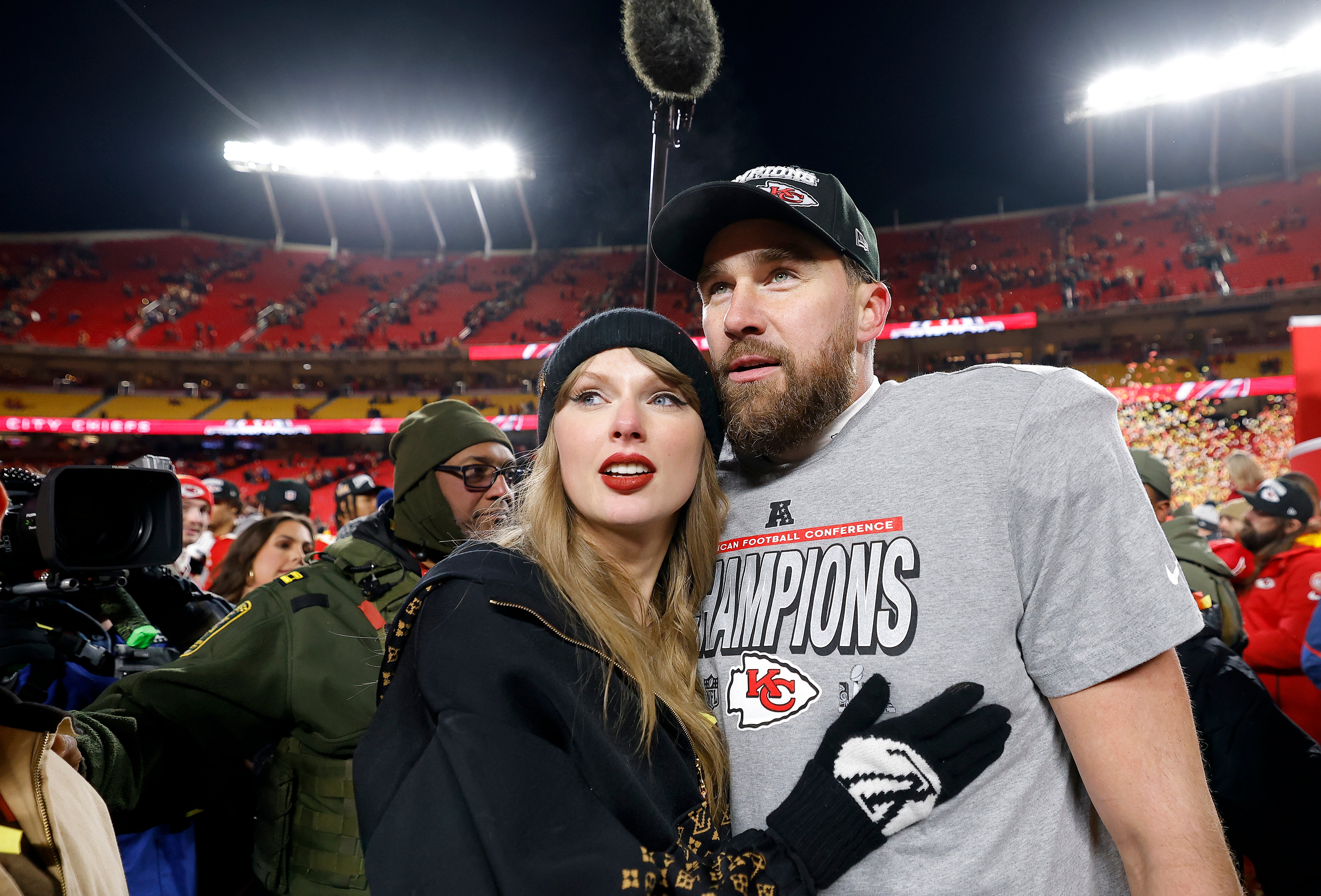
open image in gallery
Swift, Kelce, and his mother delivered Christmas Day gifts to Arrowhead Stadium employees (Getty Images)
“Taylor and Travis are beautifully kind people,” she wrote. “It’s very true — incredible and very kind people. Merry Christmas and happy birthday to me.”
Swift’s latest act of kindness follows renewed attention on how she rewarded members of her Eras Tour team for their work.
In her recently released docuseries The End of an Era, Swift offered a behind-the-scenes look at how she distributed bonuses to her tour crew. In the second episode, released earlier this month, Swift revealed that she prepared gifts for every team member at the end of each leg of the tour.
“Bonus day is so important,” Swift said in the series, explaining that she wanted to set a precedent that when a tour grosses more than expected, the people working on the road should share in that success.
While Swift did not disclose the specific amounts given to each team member, the docuseries captured their emotional reactions. In one clip, production assistant Max Holmes appeared stunned as he opened his envelope.
“I’m gonna pass out,” he said.
Swift also gathered her onstage crew — including dancers and band members — to personally hand out bonuses. Dancer Kameron Saunders read his handwritten note aloud.
“Dearest Kam, we’ve traveled the world like we set out to do. We’ve dazzled the crowds, but we’ve missed family too. My full gratitude doesn’t come from a bank, but here’s [bleep] dollars just to say thanks. Love, Taylor,” he read, as the rest of the crew erupted in tears.

Stay ahead of the curve with our weekly guide to the latest trends, fashion, relationships and more
Stay ahead of the curve with our weekly guide to the latest trends, fashion, relationships and more
Stay ahead of the curve with our weekly guide to the latest trends, fashion, relationships and more
As 2025 draws to a close, a cultural farewell is imminent. Labubus, Dubai chocolate’ and the “6-7” refrain, having defined the year, are passing.
Step aside. Your 15 minutes are up, and we’re moving on.
Deep six the ‘6-7’ gripes
This piece of youth slang, often accompanied by a distinctive juggling-esque, palms-up hand gesture, has become a hallmark of Gen Alpha’s communication.
Alongside terms such as “skibidi” and “rizz”, “6-7” has emerged as a significant source of irritation for many adults. Teachers and parents frequently express exasperation at its pervasive use, citing the sheer frequency, collective adoption and decibel level as primary annoyances.
While some adults might find themselves irked, the piece suggests a historical parallel, reminding grownies that their own youthful vernacular likely caused similar frustration in its time.
However, a distinct line is drawn for adults attempting to co-opt the phrase, with a firm admonition that such efforts yield “zero cool parent points.” As the year concludes, there’s a clear sentiment that some linguistic fads, like “6-7”, are best left behind.
 Alongside terms such as “skibidi” and “rizz”, “6-7” has emerged as a significant source of irritation for many adults. (AP Photo/Kiichiro Sato, archive)
Like most memes, there’s an origin story: rapper Skrilla’s “6-7” lyric in “Doot Doot (6 7),” for starters, along with Charlotte Hornet LaMelo Ball’s height. The 6-7-ness of it all blew up on TikTok and stayed put throughout 2025.
So what does it actually mean? Nothing, but it serves its purpose: To be random and to confuse the unfamiliar. It also did well as clickbait for Dictionary.com, which made the two numbers its word of the year.
Mission accomplished, “6-7.” Farewell.
Positive vibes only?
Maintain a positive mindset. At all times. No matter what.
Sorry, toxic positivity people, but that’s not how human emotion works, especially in these divisive times. Emotion shaming, in many ways, was on the march in 2025.
“Good vibes only.” “Don’t be so negative.” “It could be worse.” Sounds harmless, or even helpful, with empathy. Often, though, those words are shot like arrows to quelch legit feelings for no good reason.
Optimism in itself is a great thing, with numerous studies over the decades demonstrating a link between a positive outlook and good health outcomes. That said, check your “positive vibes only” demand at the door as we head into a new year. In other words, just let them…
Feel the feels. Get help if you need it. Suppression is oppression.
Protein, protein everywhere
Protein is a fundamental building block. We need protein. But does the average healthy adult need THIS much added protein? Big Food has produced an onslaught of high-protein processed foods, from Starbucks foam for drinks to Pop-Tarts, popcorn, cookies and muffins.
Here’s the thing, according to nutritionists: Your body is pretty good at making protein. You do need a small amount from food, unless you’re bulking or maxing. In which case, do you.
The amount of protein you need depends on your age, weight and personal nutritional needs. It’s especially important to make sure children and older adults get enough protein-rich foods.
That said, let’s leave behind the mass commodification of added protein in processed foods that just might not be so healthy to begin with.
Logic.
Say bye-bye to Labubu
The plush toy/charm/collectible famously known as Labubu has been around for a decade, but it’s only in the last year or so that the thing reached craze level in the U.S.
China’s Pop Mart began U.S. sales of the furry little monsters on key rings back in 2023. Now, they’re everywhere. Labubu hashtags on TikTok and Instagram have morphed into numerous search word combinations with millions of hits.
Boomers on down to kids collect Labubu and its pals, all of which sport pointy ears and serrated teeth. Rihanna, Kim Kardashian and Lisa of Blackpink have shown theirs off. So have David Beckham and Dillon Brooks.
Thank you Kasing Lung. Back in 2015, the Hong Kong-born artist and illustrator raised in the Netherlands created the character and a universe of monsters for picture books inspired by the tales of Nordic mythology he enjoyed as a child.
Peak saturation has been achieved. The new year may be just the right time to say labu-bye.
Taking sides to the nth degree
“There is unrest in the Forest. There is trouble with the trees. For the Maples want more sunlight. And the Oaks ignore their pleas.”
Consider that a parable, courtesy of a little band called Rush in the 1978 song “The Trees.” Sound familiar?
If 2025 was anything, it was about taking sides, as opposed to, oh let’s see, meaningful negotiation, civil discourse. How about just plain manners?
We fought over The Cracker Barrel logo. There was a protracted U.S. government shutdown amid the high-stakes schism that is politics and culture war in America.
We’re a house haunted by taking sides. We all know the issues. Will it take a generation to get us back to the table? Here’s hoping it happens sooner rather than later. While unlikely, we implore: Do better 2026.
“There is trouble in the Forest. And the creatures all have fled. As the Maples scream, ‘Oppression!’ And the Oaks, just shake their heads.”
You’re a barrel and you’re a barrel
They hug the hips. They widen at the thighs. They reach peak circumference around the knees. They taper at the ankles.
So wrote Vogue in 2023 about barrel jeans, a puzzling style then and now. The stakes got higher for the divisive look when Alaïa put them on the runway for fall-winter that year. There were others, too, with some saying the look was reminiscent of jodhpurs and 1920s workwear.
As Vogue noted, quite a few fashion editors loved them. So did Gigi Hadid and Blake Lively. Could it have anything to do with the notion that barrel pants look good on exactly one body type: theirs. Tall. Slim. Leggy.
Here in 2025, the rest of us try. We really, really do. Amplified volume is just so, well, troubling, for oh so many.
So where will our pants go in the new year? Somewhere a little less, well, weird would be nice.
Dubai chocolate, oh boy
When we weren’t navigating Labubu mania this year, what were we doing? Why, eating, making and procuring Dubai chocolate, of course. Or some variant thereof.
Dubai chocolate is to 2025 what sourdough starter was to pandemic lockdowns. Relentless. And, really, does anybody like/need that much filling in chocolate bars?
What is pistachio cream, tahini and crunchy kataifi pastry for the original filling has spun off wildly into other flavor profiles and products, including milkshakes and brownies. Amazon, Trader Joe’s, Walmart and Costco are in on the bonanza.
How did it all begin? With a pregnancy craving for Sarah Hamouda, the British Egyptian co-founder of FIX Dessert Chocolatier. She wanted creamy, crunchy and familiar, and came up with the “Can’t Get Knafeh Of It” chocolate bar in 2022, with help from chef Nouel Catis Omamalin.
Knafeh is a traditional Middle Eastern treat made of noodle-shaped toasted kataifi with a cheese layer, all soaked in a sweet syrup. Kataifi is a type of phyllo dough.
Hamouda and her husband, Yezen Alani, were working full-time corporate jobs in Dubai but left those gigs once their chocolate took over the world. They were helped along in a huge way by ASMR TikToker Maria Vehera, who crunched her way through one of their bars in 2023.
Vehera’s video has been viewed more than 140 million times.
Stuff yourselves silly with Dubai chocolate if you must, for now. But let’s modulate the craziness when 2026, and the next big thing, rolls around.
Over It runners-up
I’m available: Don’t be a 24-hour availability person in the new year. It’s not good for your health, and it shouldn’t be necessary to get ahead in life. Break the cycle!
AI slop: There’s no escaping AI, it seems, so get it right. Quality matters. Effort matters. Substance counts. Verbosity. Fabrications. Junk AI no more in 2026.
Sneaky little terms of agreement: Especially the ones that say, in their own words, “We can harass you with texts and emails forever, even if you unsubscribe.” Be gone!

Sign up to our free Living Well email for advice on living a happier, healthier and longer life
Live your life healthier and happier with our free weekly Living Well newsletter
Live your life healthier and happier with our free weekly Living Well newsletter
From severe winter storms and scorching heatwaves to unforeseen accidents like a delivery driver hitting a power line, electricity blackouts can strike without warning.
Their duration and external temperatures can render them serious, even life-threatening, regardless of the cause. Crucially, navigating a power cut safely hinges on adequate preparation.
Michael Coe, vice president for physical and cybersecurity programs at the American Public Power Association, emphasizes this, stating: “When thinking about preparedness, I always think about the old proverb of, ‘An ounce of prevention is worth a pound of cure.’”
Here is expert advice on how to remain safe during an outage and prepare for future disruptions.
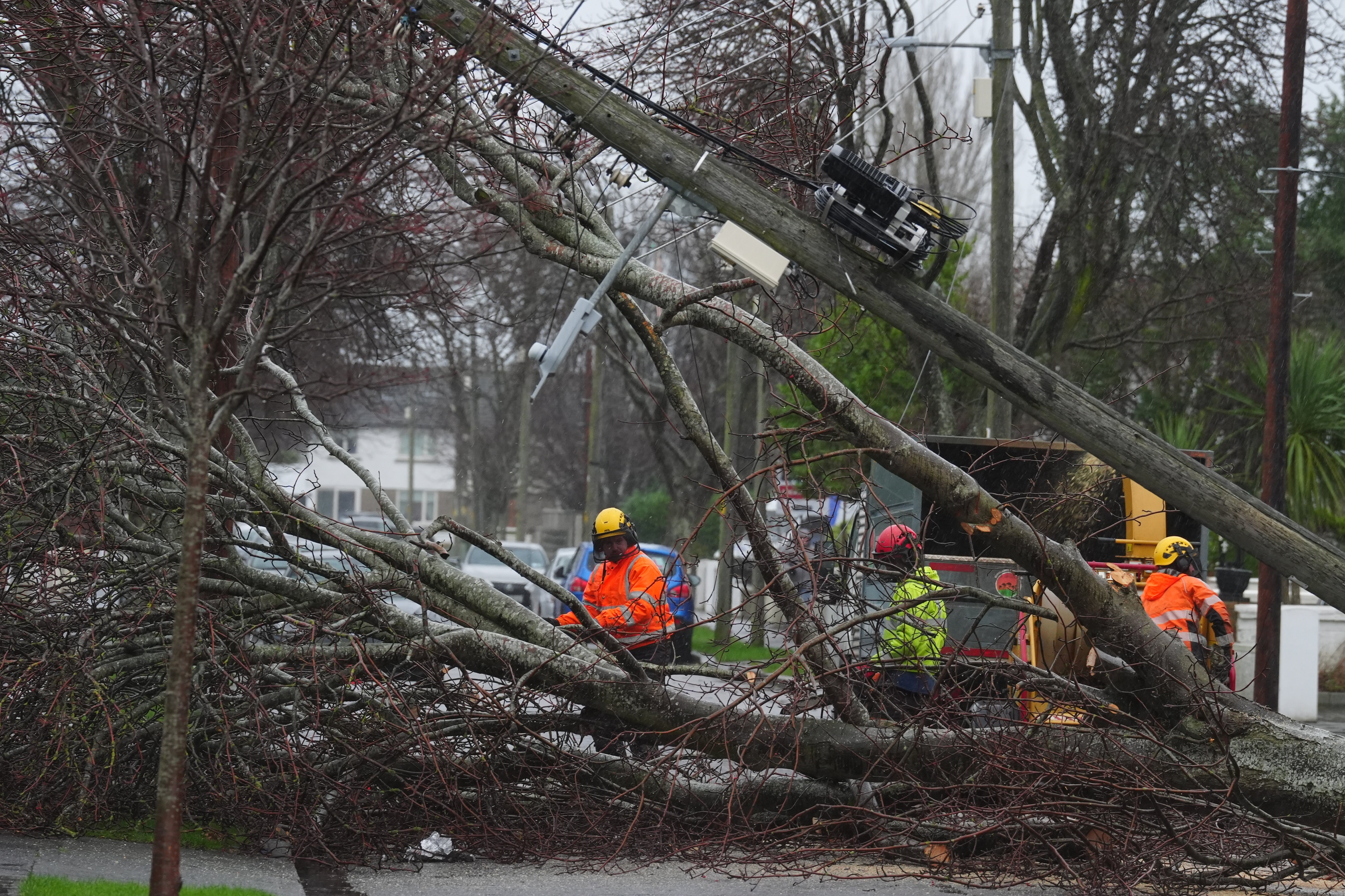 Blackouts can be vastly different experiences depending on where you live. (Brian Lawless/PA)
Before the blackout
How to prepare depends on your needs, said Denise Everhart, disaster executive with the American Red Cross. The answer is different if you have kids, pets or medical devices that require consistent power.
Coe said to inform your utility if you have critical medical devices that rely on electricity. Many providers post forms on their websites for customers to disclose these medical needs during outages. Customers can also call.
“There are ways to provide backup batteries or other types of energy so that if there is some type of power shut-off, that they wouldn’t be affected,” Coe said.
Everhart said that sometimes the best move is to evacuate if an outage would make things unsafe.
If you’re prepared to stick around, it’s time to break out the emergency kit. Ideally, it should contain:
- Two weeks of food, water, pet supplies and medicine
- Cash for a week, in case ATMs and credit card machines go down
- Flashlights, glow sticks or battery lanterns
- Backup phone batteries and charger cords
- Blankets in cold weather or extra water in hot weather
- Phone numbers of friends and family, written down in case your phone dies
- A solar-powered or hand-crank radio, to get emergency alerts if the cell towers stop working
The trick with food is finding something nutritional, edible and palatable. Peanut butter and jelly sandwiches are a good staple, as is canned food. But again, the right food depends on the family.
“Is your 6-year-old really going to eat a cold can of chili?” said Everhart.
Blackouts can be vastly different experiences depending on where you live. If you’ve got gas heat and live in a city, chances are you’ll still be able to take hot showers. If you’re on electric heat and rely on well water, you’ll likely have one good toilet flush left from what’s in the tank, and no running water.
Before the power goes out, Matthew Gonzales, executive director for the Consumer Energy Alliance Southwest Region, recommends filling the tub or a bucket with water so you can keep filling the tank and flushing the toilet.
Coe also said it’s important to sign up for emergency alerts from your utilities, your local police and other EMS facilities so you can know immediately if there are boil water notices, evacuation orders or other important messages.
When it gets dark
Once the power’s out, keep the fridge closed so it will stay cold. Coe said food can last up to four hours in a refrigerator and up to 48 hours in a freezer, but those numbers go down if the door keeps opening to let warmer air in.
Eat the perishable food first. If it’s as cold as a refrigerator outside, or about 37 degrees Fahrenheit (3 degrees Celsius), moving food outdoors can help it last longer. But it’s not a foolproof solution, since temperature can fluctuate. So if something smells, looks or tastes funny, don’t eat it.
Before using the water in your home, check to make sure the water is still safe to use. The Red Cross emergency app, for example, lists government alerts like boil water notices when the supply gets contaminated.
There are plenty of ways to stay warm when the power’s out. Folks with fireplaces and furnaces will still be able to use them. If that’s not you, hand warmers ($1), heated jackets ($100+), battery-powered heated blankets ($40+) and portable propane space heaters ($80+) can all help make short, cold outages more comfortable. The tanks that fuel those space heaters can fuel small gas camping stoves, too.
Don’t leave a space heater or candles unattended because that can cause a house fire, and don’t bring a generator inside because it can cause carbon monoxide poisoning, Everhart said. If it’s too hot or too cold to stay safe with what you’ve got, then it’s time to leave.
But before you do, check on your neighbors if you’re able to, Gonzales said.
Planning for next time
The best time to plan for a blackout is when there’s no imminent threat of one happening. Here are a few things to think about before the next one hits:
- Figure out how to open your garage door when the power’s out.
- Establish one place where you keep your keys, and have all your paperwork in one place in case you have to evacuate quickly.
- Come up with a plan B evacuation route that works if the main route is closed.
- If you’re taking public transportation, find out what their emergency routes look like.
- Save up for a larger generator. Those portable options that supply 5,000-10,000 watts can power small appliances like a microwave, refrigerator or a space heater, and keep phones charged. They typically cost $500-$1,000.
- Solar battery storage or reverse electric vehicle charging can help keep the power on when the rest of the grid goes down.
- Agree upon ways to contact or meet up with family or friends in case internet or phones stop working.
But for most outages, Everhart said, preparedness just isn’t that complicated.
“Have a kit, have a plan, have a way to get notified, and a way to notify people. That’s really preparedness in a nutshell,” she said.
LIFESTYLE
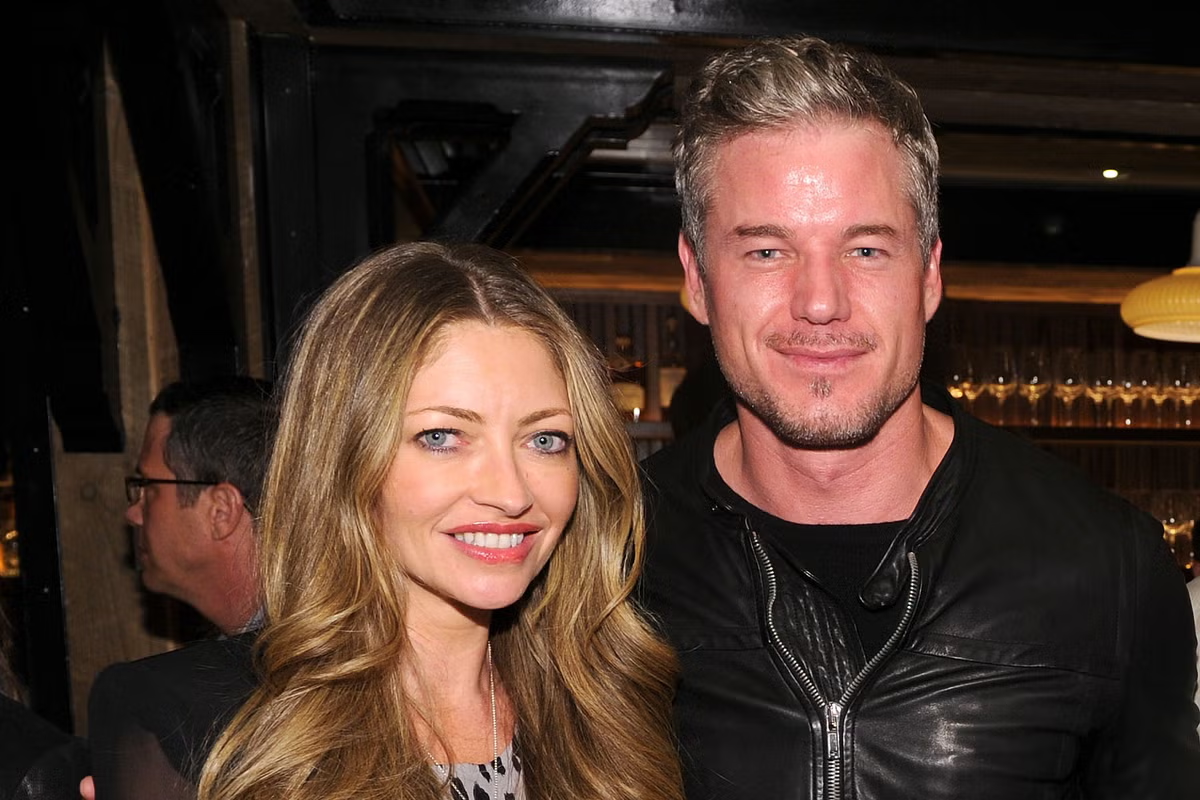
Eric Dane now in 24/7 hour care amid ALS diagnosis as estranged wife Rebecca Gayheart shares health update
Stay ahead of the curve with our weekly guide to the latest trends, fashion, relationships and more
Stay ahead of the curve with our weekly guide to the latest trends, fashion, relationships and more
Stay ahead of the curve with our weekly guide to the latest trends, fashion, relationships and more
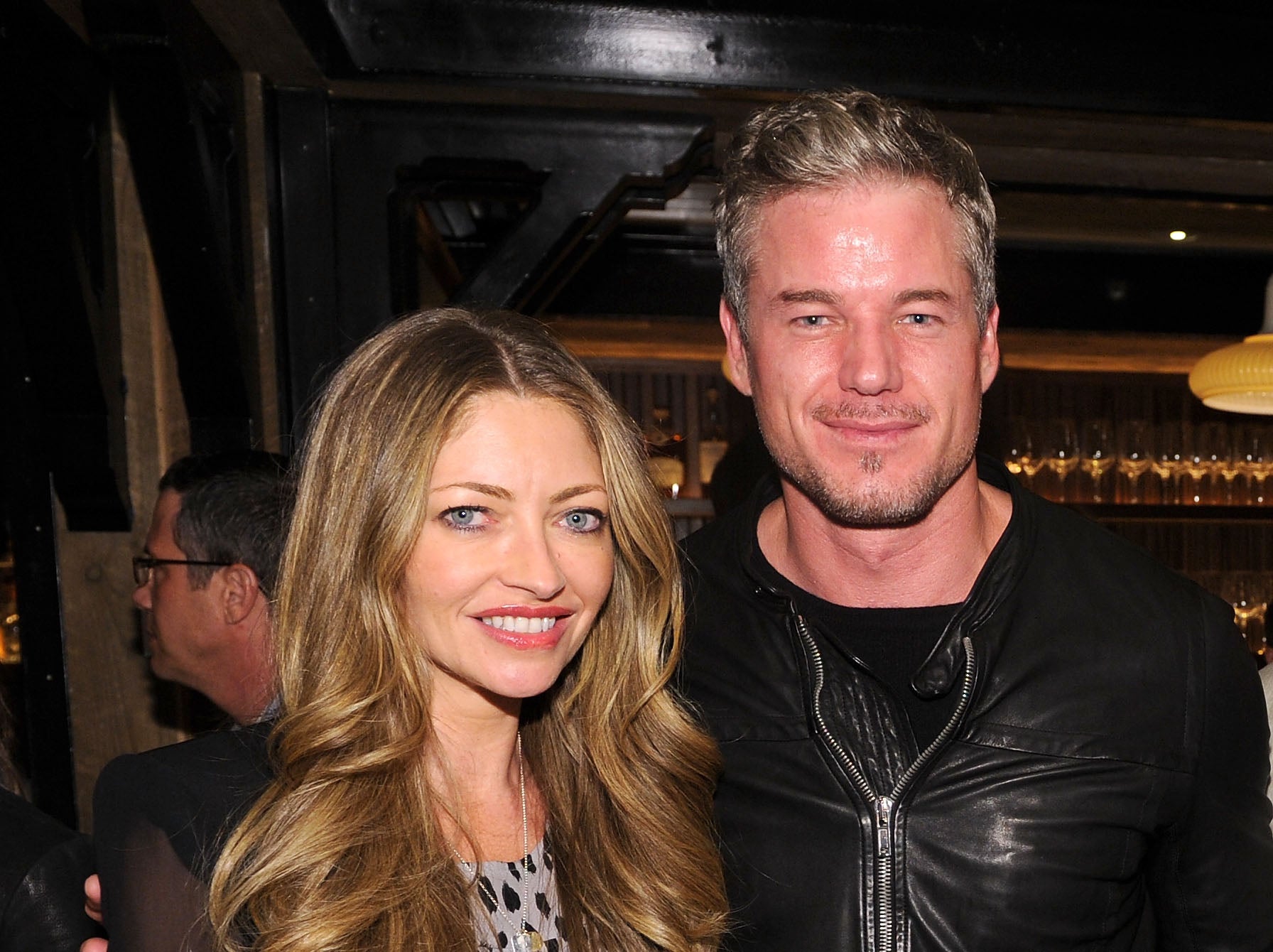
Eric Dane now receives around-the-clock care to help with his life-altering diagnosis of amyotrophic lateral sclerosis, his estranged wife has revealed.
The Grey’s Anatomy star, 53, who in April announced he was living with ALS, an incurable neurodegenerative disorder, has been legally married to Rebecca Gayheart since 2004. She filed for divorce in 2018; however, she later dismissed the petition in March to keep their family together amid Dane’s health challenges. They share two daughters.
In a new first-person essay penned for The Cut, Gayheart candidly shared that “Eric has 24/7 nurses now.”
Opening up about her hard-fought battle with the insurance company to get approval for full-time care, she recalled: “With the nurses, the woman from his insurance said to me, ‘You can keep applying, and I’ll keep denying,’ I was like, Oh? F that.
“I made it my mission. I was ‘locked in,’ as the kids would say. I crashed out, and then I locked it in. And we got it approved after two appeals.”
open image in gallery
Rebecca Gayheart and Eric Dane have been separated since 2018 (Getty)
open image in gallery
Dane recently appeared on ‘Brilliant Minds’ as a character with ALS (NBC)
She explained that “the week is divided into 21 shifts,” and during the times when the shifts aren’t covered, she fills in.
Reflecting on the time they’ve spent together since his diagnosis, Gayheart said: “It’s all been really positive, and I think it’s nice for the kids to see maybe a softer side of us. It’s not that they have the hopes of us being together — kids always dream of their parents getting back together, and I think now ours don’t because they understand the reality of the situation. And hopefully, what they see instead are two adults who are trying to be mature and focus on what’s important.”
While they’ve been separated for eight years, the Jawbreaker actor looks back fondly on their marriage.
“We had a really lovely marriage for a long time — we were married for 15 years — we created two beautiful girls,” she said. “But also, lots of s*** went crazy in our relationship, and it wasn’t good.”
Addressing the intricacies of their “very complicated” relationship, Gayheart explained: “We separated, but we never got a divorce; we were about to and then we didn’t. We haven’t lived in the same home for eight years; he’s dated other people, I’ve dated someone. It’s a very complicated relationship, one that’s confusing for people. Our love may not be romantic, but it’s a familial love.”

open image in gallery
Dane and Gayheart with their two daughters in 2017 (Getty Images)
Dane, who shot to fame as Dr. Mark Sloan on Grey’s Anatomy, has been vocal about his hopes to continue working despite his dwindling mobility.
“I’m fairly limited in what I can do physically as an actor, but I still have my brain, and I still have my speech, so I’m willing to just do about anything. I’ll take on any role,” he said earlier this month during a virtual panel with the I AM ALS organization.
“From here on out, it’s going to have to be ALS-centric. It’s going to be very difficult for me to play any other role. I’m fine with that. I’m grateful that I can still work in any capacity.”
Last month, Dane appeared on Brilliant Minds as a firefighter with ALS, his first on-screen role since he publicly shared his diagnosis.

Sign up to our free Living Well email for advice on living a happier, healthier and longer life
Live your life healthier and happier with our free weekly Living Well newsletter
Live your life healthier and happier with our free weekly Living Well newsletter
For many of us, listening to music is simply part of the driving routine – as ordinary as wearing a seatbelt. We build playlists for road trips, pick songs to stay awake, and even turn the volume up when traffic gets stressful.
More than 80% of drivers listen to music on most trips. And many young drivers find it difficult to concentrate without it.
We tend to think music relaxes us, energises us, or helps us focus when we’re behind the wheel.
But the science paints a more complicated picture. Decades of studies show music can sharpen some aspects of driving and dull others. And it affects young drivers differently from more experienced ones.
How do researchers study driving and music?
Most studies use driving simulators, where participants drive through realistic road scenarios while researchers change only one thing: the music.
This allows precise measurement of indicators such as speed, reaction time, lane-keeping, braking, following distance, simulated collisions and even the driver’s physiological state under different music conditions.
Because everything else is held constant, any difference in driving performance can be attributed to the music.
Researchers have tested different music and driving scenarios in dozens of small studies – often with often conflicting conclusions. To make sense of these results, researchers combine them in “meta-analyses” to see broad patterns.
So how does music affect our driving?
Meta-analyses show music changes how we drive in several ways.
Drivers listening to music tended to have more simulated collisions, poorer speed control and less stable following distances than those driving in silence.
Other outcomes such as lane position, signalling errors and pure reaction time show more mixed or inconsistent effects.
Music often changes the driver’s heart rate and makes it more variable. It also increases their arousal and mental workload, meaning how mentally “busy” or stretched they are while trying to drive.
Music can also help tired drivers stay alert on long, monotonous stretches but only for a short window. The boost fades by about 15 to 25 minutes.
So music can make you feel better and more alert, for shorter distances, even while it’s adding extra cognitive load and competing with the main task of driving.
Does the volume and type of music matter?
Volume does influence driving, but the effects are more subtle than many assume.
High- and medium-volume music tend to nudge drivers’ speeds slightly upward, while low-volume music consistently leads to slower driving. These effects are small, but relatively consistent in direction.
Fast music has a bad reputation, but the pooled evidence is less clear-cut. One meta-analysis found no overall effect of tempo on driving performance for an average driver. But it’s slightly different if you’re a novice driver.
Individual studies still suggest that very high-arousal, aggressive tracks can nudge some drivers toward riskier behaviour and make them more prone to errors. But tempo by itself doesn’t neatly predict safety.
Music you choose yourself tends to be less distracting than music imposed on you. Drivers often select music to regulate their mood and arousal – and that can stabilise their driving.
 One study of 20- to 28-year-old drivers found less-experienced drivers were far more disrupted by music than experienced drivers (Getty/iStock)
Conversely, several experiments show researcher-selected or imposed music leads to poorer performance: more collisions and violations, especially when the driver doesn’t like the music.
So it’s not just the music itself, but your relationship with it, that shapes how it affects your driving. Familiar or preferred music tends to maintain mood and reduce stress without adding as much mental load.
Inexperienced drivers are more affected
Inexperienced drivers are more vulnerable to distraction from music.
One study of 20- to 28-year-old drivers found less-experienced drivers were far more disrupted by music than experienced drivers. When music was playing – especially upbeat, “happy” tracks – inexperienced drivers were much more likely to drift into speeding.
About the author
Milad Haghani is an Associate Professor and Principal Fellow in Urban Risk and Resilience at the University of Melbourne. This article is republished from The Conversation under a Creative Commons license. Read the original article.
Experienced drivers didn’t, suggesting their experience acts as a buffer.
Another experiment found exposing young drivers to more aggressive genres such as metal or certain folk-pop led to higher speeds, more driving errors and reduced attention to road signs.
For novice drivers, fast-tempo music increased their mental load and reduced their ability to spot hazards. This meant they were slower or less accurate in their responses.
Slow music, on the other hand, didn’t raise inexperienced drivers’ mental load and even moderately improved their ability to respond to hazards.
So what does this mean for my driving?
For most people, familiar songs, calmer genres and moderate volumes tend to create the least interference, while still keeping you alert and in a good mood.
Extremely loud, unfamiliar or highly aggressive tracks are the ones most likely to push up your speed, distract you, or overload your thinking.
But if you’re a newer driver, try turning the volume down, or even switching the music off, in demanding conditions.

Guess Who Just Made Gifting in Africa Super Easy?
Let’s be honest, trying to get flowers or thoughtful gifts like chocolates, perfumes, cakes, etc. delivered quickly to your location or to a loved one in another city can be a big struggle!
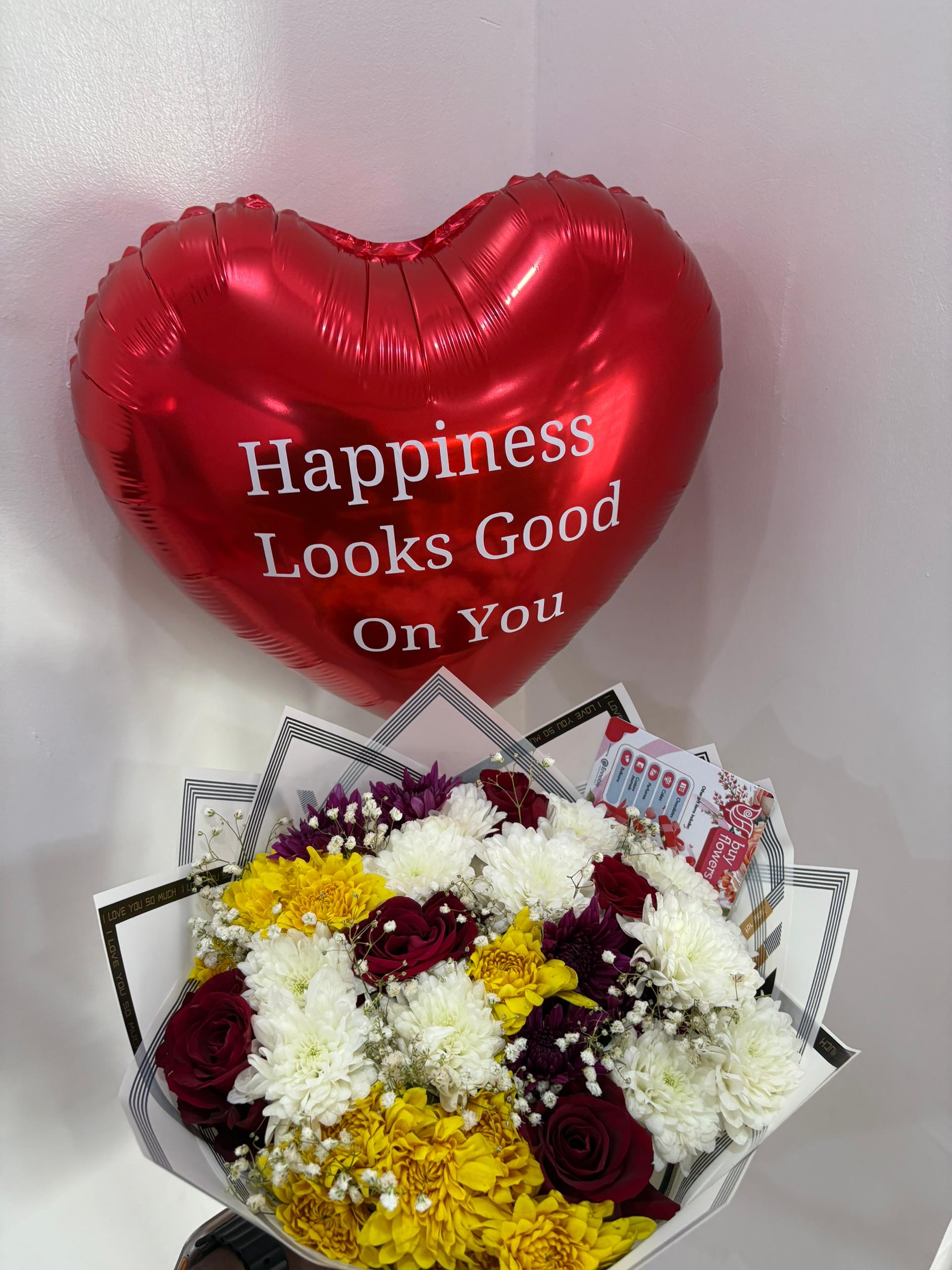
That’s why BuyFlowers is fast becoming everyone’s go-to plug for sending love gifts — not just across Nigeria, but now across Africa. Whether it’s a birthday in Abuja, an apology gift in Port Harcourt, a “just because” surprise in Lagos, or even a heartfelt delivery to Ghana, Kenya, or Tanzania, BuyFlowers delivers beautifully arranged flowers and premium gifts and they do it fast.

And now it gets even better — BuyFlowers has a mobile app.
You can download it and start sending gifts from anywhere in the world by clicking here. It’s designed to make gifting even faster, smoother, and more convenient.
The best part? You don’t even need to stress. With social delivery, you can place an order using just the recipient’s WhatsApp number, Instagram username, LinkedIn, X (Twitter), or even TikTok handle, and BuyFlowers handles the rest. No wahala. It’s giving pure convenience!
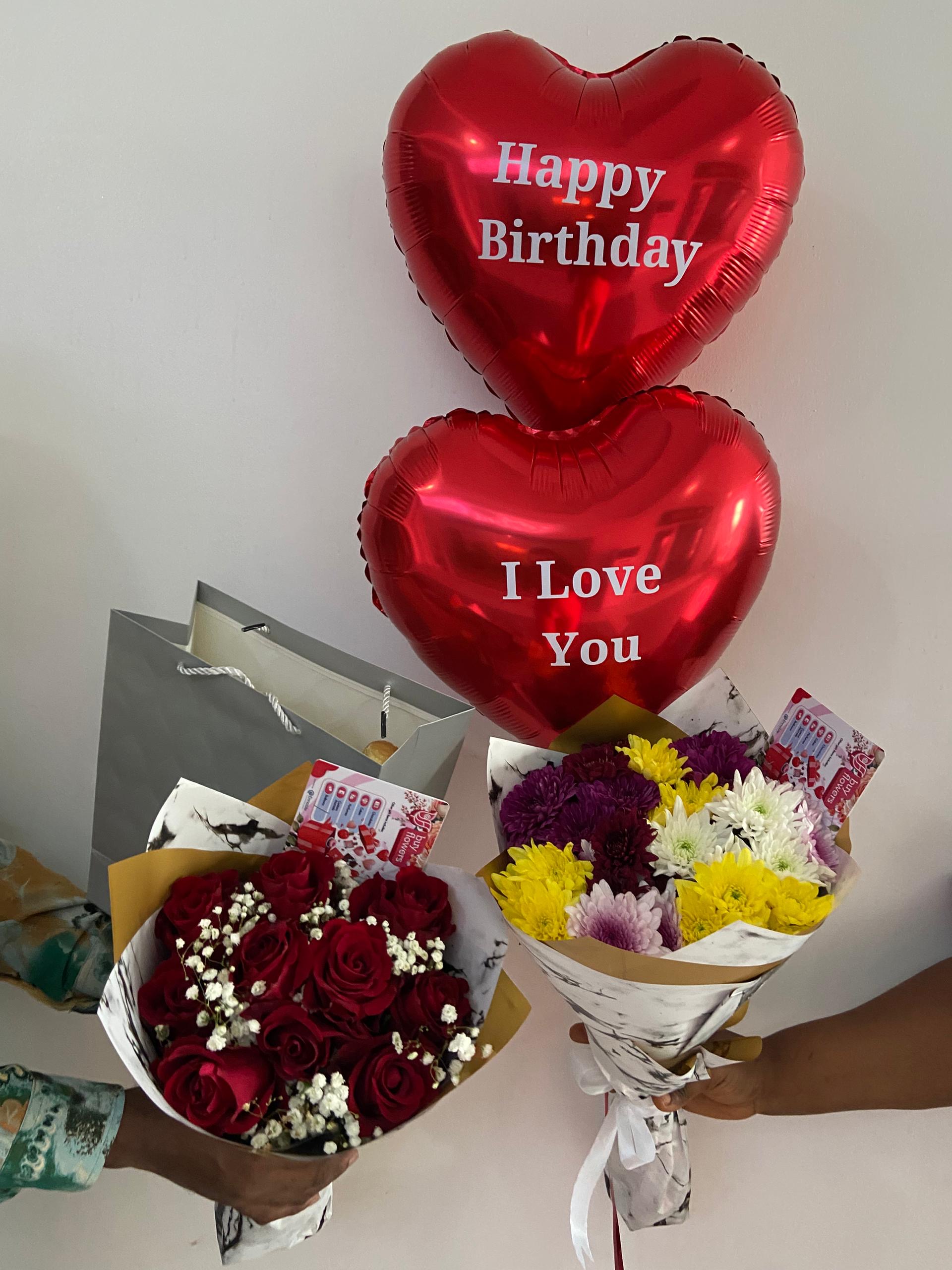
Payments are also seamless and global. You can now pay using Apple Pay, cards, and other international payment options, making it super easy to send love to friends and family from anywhere in the world.
And because BuyFlowers is feeling generous, they’re giving ₦5,000 off your first order when you use the code BELLANAIJA at checkout. Yes, you read that right, your bouquet or gift just got even more affordable!
So, what are you waiting for? Visit BuyFlowers.ng, sign up to unlock more exclusive discounts, download the app, and get ready to surprise someone you love. Distance is no longer an excuse.
Sponsored Content

Sign up to our free Living Well email for advice on living a happier, healthier and longer life
Live your life healthier and happier with our free weekly Living Well newsletter
Live your life healthier and happier with our free weekly Living Well newsletter
You stub your toe on the bedpost. Before your brain even registers the pain, a word explodes from your mouth – sharp, loud and oddly satisfying.
Far from being a simple slip in manners, swearing is a reflex rooted deep in the structure of the human body, drawing on networks in the brain and autonomic nervous system that evolved to help us survive pain and shock.
Research shows that a well-placed expletive can dull pain, regulate the heart and help the body recover from stress. The occasional outburst, it seems, isn’t a moral failure – it’s a protective reflex wired into us.
The impulse to swear begins far below the level of conscious speech. Most everyday language originates in the cerebral cortex, where ideas are shaped into words. Swearing, however, lights up a much older network – the limbic system, which governs emotion, memory and survival responses.
Important parts of the limbic system include the amygdala, which acts like an emotional alarm system, and the basal ganglia, a group of connected structures that help control movement and automatic behaviour, including instinctive vocalisation.
These areas send quick signals down the brainstem before the thinking part of the brain can respond. This is why the words come out so fast – it’s part of an ancient reflex that prepares the body to react to sudden shock or pain.
The outburst activates the autonomic nervous system, which temporarily raises heart rate, blood pressure and alertness. Muscles tighten as the motor cortex and spinal pathways prime the limbs for action – a reflexive brace that prepares the body to defend or withdraw.
 The impulse to swear begins far below the level of conscious speech (Getty Images)
Then the voice joins in, powered by a sharp contraction of the diaphragm and intercostal muscles that forces air through the larynx in a single, explosive exhalation. Even the skin responds: sweat glands activate and tiny electrical changes occur, with small beads of moisture marking the body’s emotional signature.
Deep inside the brain, the pituitary gland and the periaqueductal grey – a column of grey matter in the midbrain – release beta-endorphins and enkephalins, the body’s natural painkillers. These chemicals dull pain and create a faint sense of relief, turning language into a physical act – mobilising breath, muscles and blood before returning the body to calm.
This integrated response – from brain to muscle to skin – explains why a sharp expletive can feel simultaneously instinctive and satisfying.
How swearing dulls pain
Recent research shows that swearing can actually change how much pain people can handle. A 2024 review looked at studies on swearing’s pain-reducing effects and found consistent evidence that people who repeated taboo words could keep their hands in icy water significantly longer than those who repeated neutral words.
Another 2024 report found that swearing can also increase physical strength during certain tasks, further supporting the idea that the body’s response is real rather than merely psychological.
This suggests that the body’s reflexive vocalisation – the curse word – triggers more than just emotional release. One possible explanation is that a burst of automatic bodily arousal activates natural pain-control systems, releasing endorphins and enkephalins and helping people tolerate discomfort better.
What is less clear is the exact pathway – whether the effect is purely physiological or partly psychological, involving reduced self-consciousness, increased confidence, or distraction from pain. Importantly, the effect seems strongest among people who do not habitually swear, suggesting that novelty or emotional charge plays a key role.
About the author
Michelle Spear is a Professor of Anatomy at University of Bristol.
Swearing also helps the body recover from sudden stress. When shocked or hurt, the hypothalamus and pituitary release adrenaline and cortisol into the bloodstream, preparing the body to react. If this energy surge isn’t released, the nervous system can remain in a heightened state, linked to anxiety, sleep difficulties, weakened immunity and extra strain on the heart.
Studies of heart-rate variability – small changes between heartbeats controlled by the vagus nerve – show that swearing may cause a quick rise in stress, then a faster return to calm. This bounce-back, driven by the vagus nerve’s effect on the heart, helps the body settle down more quickly than if you held the words in.
Viewed anatomically, swearing is one of several reflexive vocal acts – alongside gasping, laughing, and shouting – shaped by ancient neural circuits. Other primates produce sharp calls under pain or threat, activating the same midbrain regions that fire when humans swear.
That emotional charge is what gives profanity its potency. The taboo word bridges mind and body, giving shape and sound to visceral experience. When released at the right moment, it is the nervous system expressing itself, a primal and protective reflex that has endured through evolution.
LIFESTYLE
Clock the Vibe: Inside Flytime Fest Featuring Davido, Asake, Olamide & Flavour, With Desperados

This year, Desperados showed up at the heart of big moments, clocking the vibe and adding a refreshing edge to some of December’s most anticipated entertainment experiences. With Central Cee, Rema, Davido, Olamide, Asake, and Flavour delivering back-to-back showstopping performances, Desperados set the tone and vibe with its self-expressive culture.
As part of Nigerian Breweries’ Legendary Christmas campaign, Desperados partnered with Flytime Fest 2025, beginning with the iconic Rhythm Unplugged on Sunday, December 21st, and extending through the full festival run, to connect with young audiences where culture, music, and shared energy naturally meet. From Monday, December 22nd, to Thursday, December 25th, the brand immersed itself in the rhythm of the festival, creating meaningful touchpoints that felt organic, expressive, and in sync with the attendees.
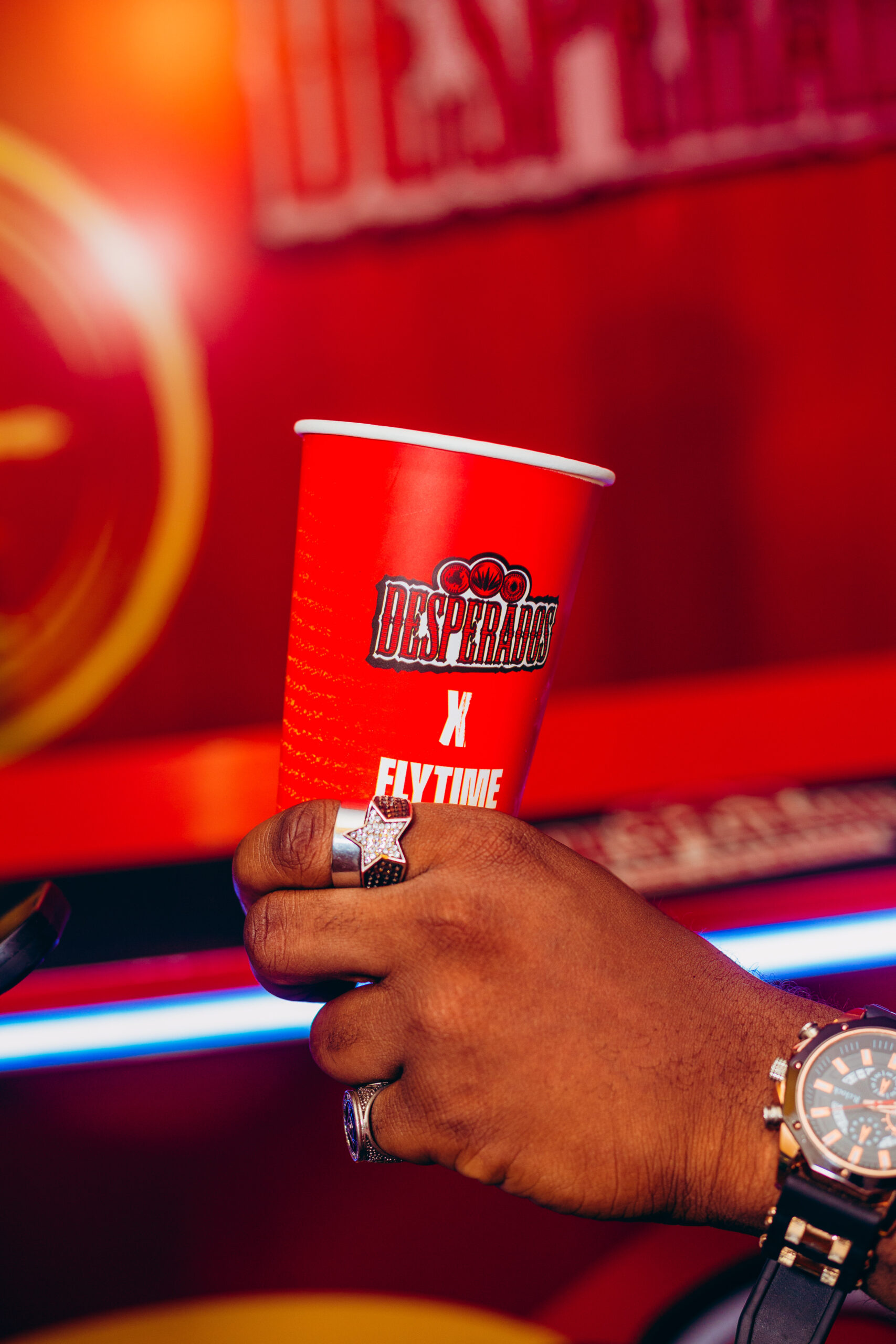
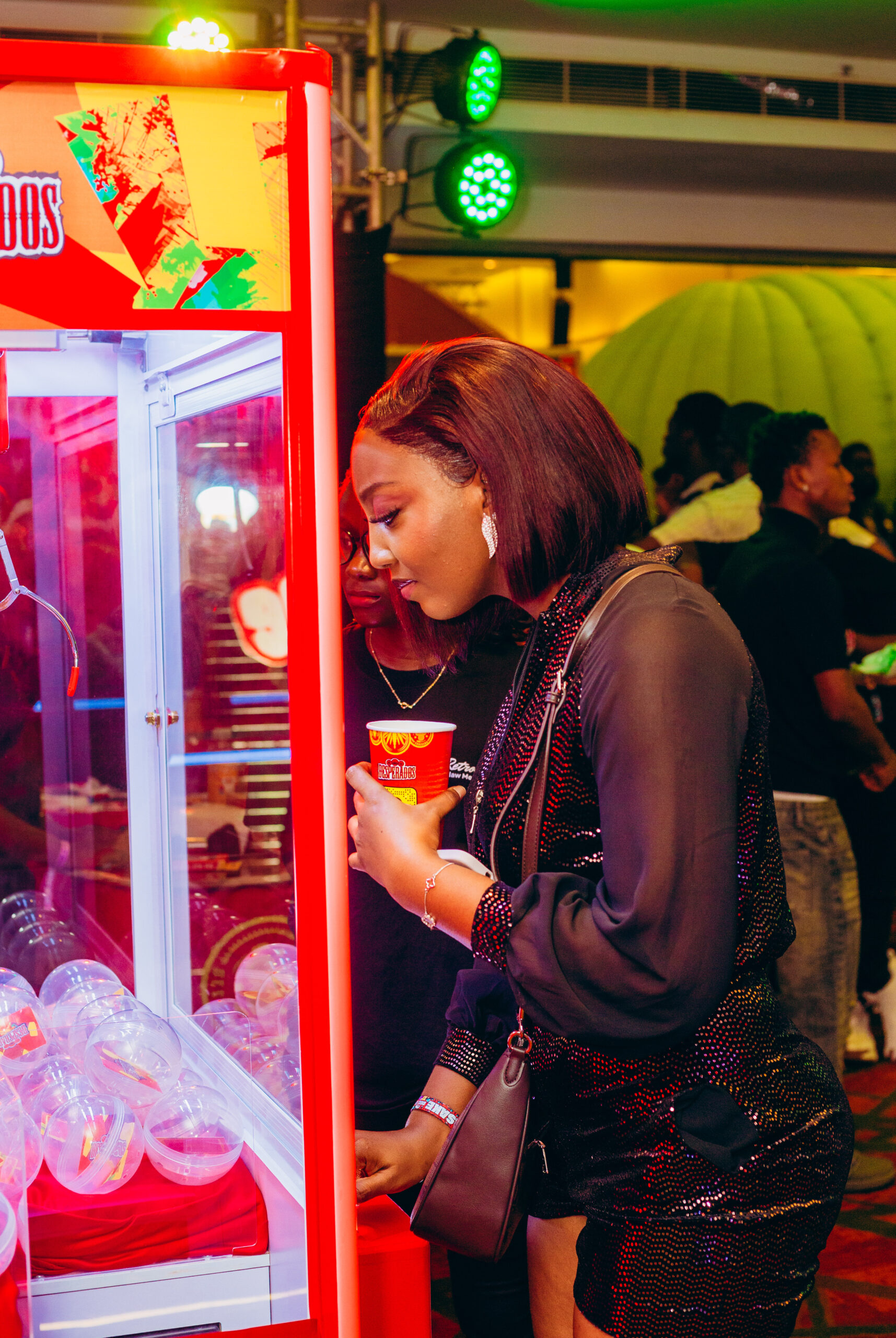
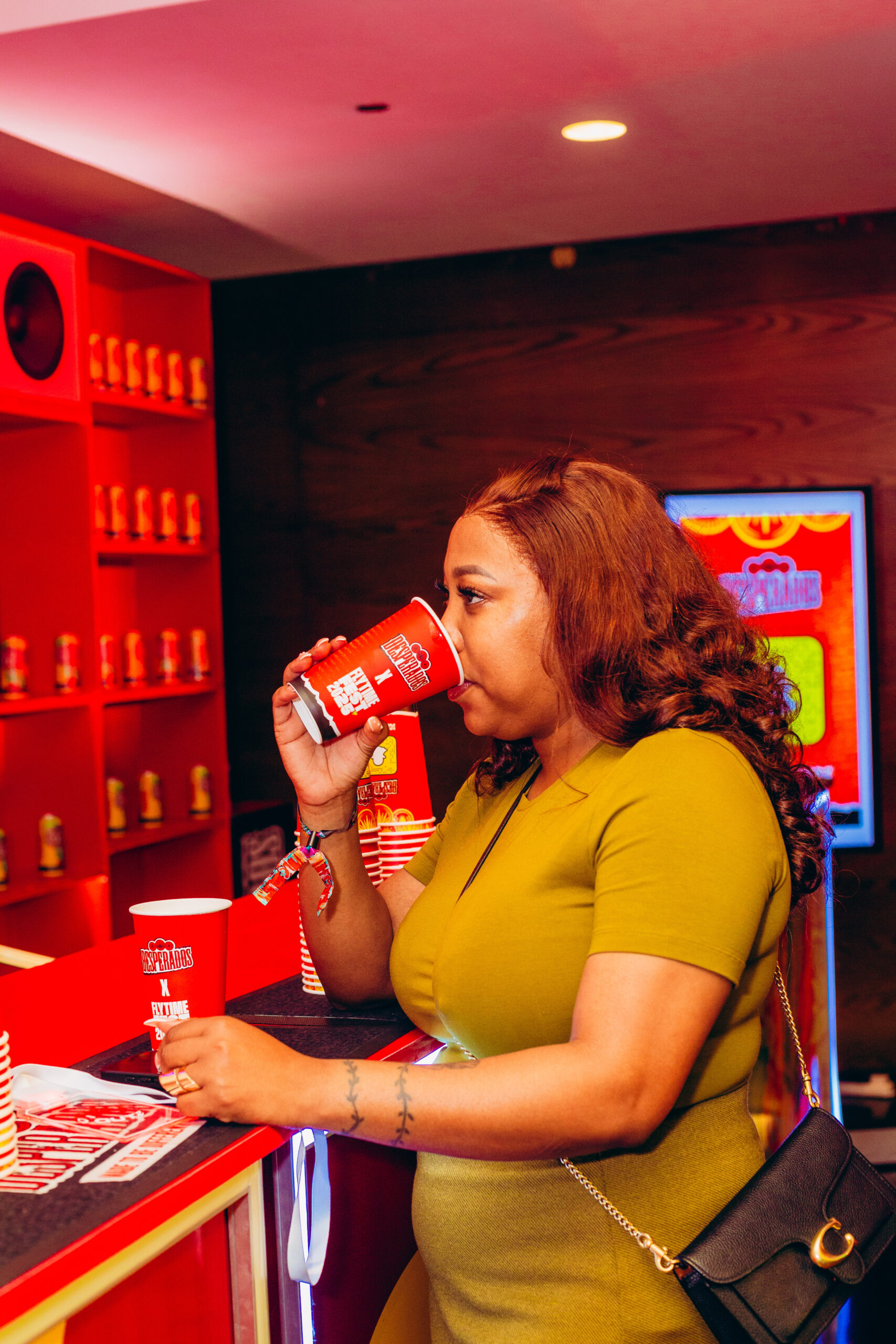
 At the Eko Convention Center, Desperados’ presence was built around experience. The brand space became a chill zone within the festival flow, where attendees could pause, engage, and refresh with Desperados. Through interactive games, sampling moments, and easy, natural interactions, festival-goers were invited to see, feel, and clock the vibe in real time.
 Beyond the booth, Desperados tapped into the energy unfolding across Flytime Fest – from the opening moments of Rhythm Unplugged to the anticipation before performances, the collective reactions when artists hit the stage, and the shared joy that defined each night. The content captured reflected the festival vibe, authentic crowd moments, live reactions, and the unmistakable pulse of December.
By staying close to the experience and letting the culture lead, Desperados positioned itself as a brand that understands the moment and moves with it. Flytime Fest 2025 became another chapter in the Desperados December story, one defined by presence, connection, and real vibes.
From the glow of the neon Desperados zone to the collective roar of hundreds singing in unison, from Rhythm Unplugged through the final nights of Flytime Fest, the festival was a living, pulsing, culture-defining moment, amplified by Desperados.
For more exciting updates, follow @desperadosng across all social media platforms.


Sponsored Content