
LIFESTYLE
Five common types of medication you shouldn’t have with coffee

Sign up to our free Living Well email for advice on living a happier, healthier and longer life
Live your life healthier and happier with our free weekly Living Well newsletter
Live your life healthier and happier with our free weekly Living Well newsletter
For many of us, the day doesn’t start until we’ve had our first cup of coffee. It’s comforting, energising, and one of the most widely consumed beverages in the world. But while your morning brew might feel harmless, it can interact with certain medicines in ways that reduce their effectiveness – or increase the risk of side effects.
From common cold tablets to antidepressants, caffeine’s impact on the body goes far beyond a quick energy boost. Tea also contains caffeine but not in the same concentrations as coffee, and doesn’t seem to affect people in the same way.
Here’s what you should know about how coffee can interfere with your medications – and how to stay safe.
1. Cold and flu medicines
Caffeine is a stimulant, which means it speeds up the central nervous system. Pseudoephedrine, a decongestant found in cold and flu remedies such as Sudafed, is also a stimulant. When taken together, the effects can be amplified – potentially leading to jitters or restlessness, headaches, a fast heart rate and insomnia.
Many cold medications already contain added caffeine, increasing these risks further. Some studies also suggest that combining caffeine with pseudoephedrine can raise blood sugar and body temperature, particularly important for people with diabetes.
Stimulant effects are also a concern when combining caffeine with ADHD medications such as amphetamines, or with asthma drugs such as theophylline, which shares a similar chemical structure to caffeine. Using them together may increase the risk of side effects such as a rapid heartbeat and sleep disruption.
2. Thyroid medication
Levothyroxine, the standard treatment for an underactive thyroid, is highly sensitive to timing – and your morning coffee can get in the way. Studies show that drinking coffee too soon after taking levothyroxine can reduce its absorption by up to 50 per cent.
Caffeine speeds up gut motility (the movement of food and waste through the digestive tract), giving the drug less time to be absorbed – and may also bind to it in the stomach, making it harder for the body to take in. These effects reduce the drug’s bioavailability, meaning less of it reaches your bloodstream where it’s needed. This interaction is more common with tablet forms of levothyroxine, and less likely with liquid formulations.

open image in gallery
Caffeine speeds up gut motility, giving the drug less time to be absorbed (Getty Images)
If absorption is impaired, symptoms of hypothyroidism – including fatigue, weight gain and constipation – can return, even if you’re taking your medicine correctly.
The same timing rule applies to a class of osteoporosis medications called bisphosphonates, including alendronate and risedronate, which also require an empty stomach and around 30-60 minutes before food or drink is taken.
3. Antidepressants and antipsychotics
The interaction between caffeine and mental health medications can be more complex.
Selective serotonin reuptake inhibitors (SSRIs), such as sertraline and citalopram, are a type of antidepressant medication widely used to treat depression, anxiety and other psychiatric conditions. Lab studies suggest caffeine can bind to these drugs in the stomach, reducing absorption and potentially making them less effective.
Tricyclic antidepressants (TCAs), such as amitriptyline and imipramine, are a class of older antidepressants that work by affecting the levels of neurotransmitters in the brain. They were among the first antidepressants developed and are less commonly used today, compared with newer antidepressants such as SSRIs, due to their potential for more side effects and higher risk of overdose.
About the author
Dipa Kamdar is a Senior Lecturer in Pharmacy Practice at Kingston University.
This article is republished from The Conversation under a Creative Commons license. Read the original article.
TCAs are broken down by the liver enzyme CYP1A2, which also metabolises caffeine. The competition between the two can slow drug breakdown, increasing side-effects, or delay caffeine clearance, making you feel jittery or wired longer than usual.
Clozapine, an antipsychotic, is also processed by CYP1A2. One study showed that drinking two-to-three cups of coffee could increase blood levels of clozapine by up to 97%, potentially increasing risks such as drowsiness, confusion, or more serious complications.
4. Painkillers
Some over-the-counter painkillers, such as those containing aspirin or paracetamol, include added caffeine. Coffee can speed up how quickly these drugs are absorbed by accelerating how fast the stomach empties and making the stomach more acidic, which improves absorption for some medications, such as aspirin.
While this may help painkillers work faster, it could also raise the risk of side effects like stomach irritation or bleeding, especially when combined with other sources of caffeine. Though no serious cases have been reported, caution is still advised.
5. Heart medications
Caffeine can temporarily raise blood pressure and heart rate, typically lasting three to four hours after consumption.
For people taking blood pressure medication or drugs that control irregular heart rhythms (arrhythmias), this may counteract the intended effects of the medication.
This doesn’t mean people with heart conditions must avoid coffee altogether – but they should monitor how it affects their symptoms, and consider limiting intake or switching to decaf if needed.
What can you do?
Coffee may be part of your daily routine, but it’s also a potent chemical compound that can influence how your body processes medicine. Here’s how to make sure it doesn’t interfere.
Take levothyroxine or bisphosphonates on an empty stomach with water, and wait 30-60 minutes before drinking coffee or eating breakfast.
Be cautious with cold and flu remedies, asthma treatments and ADHD medications, as caffeine can amplify side effects.
open image in gallery
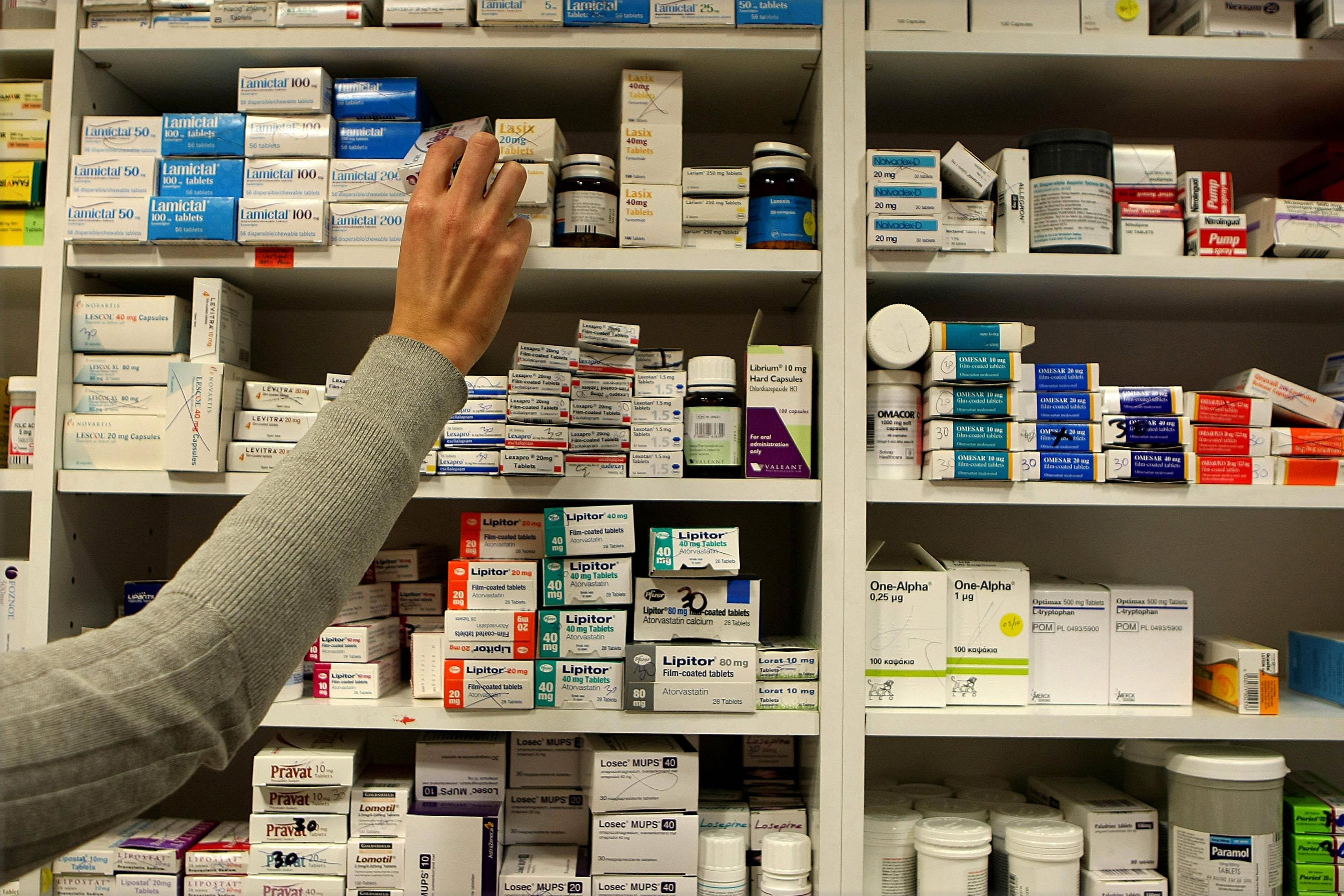
If you’re ever unsure whether your medicine and your coffee are a good match, ask your pharmacist or doctor (PA Wire)
If you’re on antidepressants, antipsychotics, or blood pressure drugs, discuss your caffeine habits with your doctor.
Consider reducing intake or choosing a decaffeinated option if you experience side effects like restlessness, insomnia or heart palpitations.
Everyone metabolises caffeine differently – some people feel fine after three cups, while others get side effects after just one. Pay attention to how your body responds and talk to your pharmacist or GP if anything feels off.
If you’re ever unsure whether your medicine and your coffee are a good match, ask your pharmacist or doctor. A short conversation might save you weeks of side effects or reduced treatment effectiveness – and help you enjoy your brew with peace of mind.
LIFESTYLE
Miss Universe contestant Gabrielle Henry still requiring 24-hour care weeks after fall as doctors share health update

Stay ahead of the curve with our weekly guide to the latest trends, fashion, relationships and more
Stay ahead of the curve with our weekly guide to the latest trends, fashion, relationships and more
Stay ahead of the curve with our weekly guide to the latest trends, fashion, relationships and more

The Miss Universe and the Miss Universe Jamaica organizations have issued an update on Miss Jamaica Gabrielle Henry’s health after she fell off the Miss Universe stage weeks ago.
Both organizations issued statements Monday explaining that Henry is still recovering from injuries sustained when she fell off the stage November 19 during the international major beauty pageant’s preliminary rounds held in Thailand.
According to the Miss Universe press release, Henry’s fall resulted in “an intracranial hemorrhage with loss of consciousness, a fracture, facial lacerations and other significant injuries.”
“She was immediately admitted to intensive care in Bangkok, where she remained in critical condition under constant neurological monitoring, and continues to require 24-hour specialist supervision,” the statement continued.
The release added that Henry will be relocated to Jamaica in the “coming days” with a full medical escort team and will continue to receive treatment at a hospital.
 Henry’s fall resulted in ‘an intracranial hemorrhage with loss of consciousness, a fracture, facial lacerations and other significant injuries,’ according to a press release (AFP/Getty)
In an additional statement made by the Miss Jamaica organization, Henry expressed her excitement to be going home, saying that she is “eagerly looking forward to my return home and to seeing everyone in the near future.”
As original footage of the incident circulated online, Henry could be seen posing at the front of the stage in an orange bejeweled gown and high heels when she abruptly fell to the ground.
Hours later, the Miss Universe Jamaica organization issued a statement on Instagram informing fans that she had been rushed to Paolo Rangsit hospital near Bangkok, where “medical professionals are attending to her care and have advised that she is not suffering from any life-threatening injuries.”
In an update shared last month, the organization explained in an Instagram Story that Henry’s sister, Dr. Phylicia Henry-Samuels, is currently with Henry and their mother, Maureen Henry, at the hospital where she is being treated.
According to Dr. Henry Samuels, however, “Gabby isn’t doing as well as we would have hoped, but the hospital continues to treat her accordingly.”
The pageant star will remain in the intensive care unit (ICU) for a minimum of seven days as “doctors continue their close monitoring and specialized care,” the statement read at the time.
Elsewhere in the update, the organization asked for “Jamaicans at home and across the diaspora to continue keeping Gabrielle in their prayers” during this “profoundly difficult time.”
“We respectfully ask the public and social media users to avoid sharing negative comments, misinformation, or speculation that may cause further distress to the family,” the statement continued.
“Our primary focus remains on Gabrielle’s recovery and the well-being of her loved ones. We kindly request continued compassion, sensitivity, and privacy as the family navigates this challenging period.”

Sign up to our free Living Well email for advice on living a happier, healthier and longer life
Live your life healthier and happier with our free weekly Living Well newsletter
Live your life healthier and happier with our free weekly Living Well newsletter
With winter weather just about in full swing, as some areas of the United States are covered with blankets of snow, it might be time to consider this season’s shoveling plans.
The American Heart Association has discovered that shoveling snow can place extra stress on a person’s heart no matter how old they may be, especially if they do not regularly exercise.
In a media release published by the AHA, Barry Franklin, director of preventive cardiology and cardiac rehabilitation at Corewell Health East, spoke in depth about the type of stress shoveling can place on a person’s heart, estimating that hundreds of people die every year either during or after shoveling snow.
“Shoveling a little snow off your sidewalk may not seem like hard work. However, the strain of heavy snow shoveling may be as or even more demanding on the heart than taking a treadmill stress test, according to research we’ve conducted,” Franklin said.
“For example, after only two minutes of snow shoveling, study participants’ heart rates exceeded 85 percent of maximal heart rate, which is a level more commonly expected during intense aerobic exercise testing. The impact is hardest on those people who are least fit.”
 It is recommended to push or sweep the snow instead of lifting and throwing it (Getty Images)
The expert explained the main ways shoveling can affect a person’s heart health, noting that it tenses a person’s muscles without moving the surrounding joints and is more taxing on the body compared to leg work. He also explained that blood pools in the lower half of the body instead of recirculating through the heart since shoveling involves mostly standing still.
Franklin also mentioned that when lifting heavy piles of snow, a person subconsciously holds their breath, which raises their heart rate and blood pressure. The last way shoveling affects a person’s heart health is simply being exposed to the cold air for a long period of time, which also increases a person’s blood pressure through the constricting of blood vessels.
These risks are specifically increased for people who may have preexisting heart risks such as obesity, being a former smoker, or having diabetes.
“We often see events in people who are usually sedentary, they work at a computer all day or get little or no exercise,” Franklin added. “Then once or twice a year they go out and try to shovel the driveway after a heavy snowfall, and that unexpected exertion can unfortunately lead to tragedy.”
For those who may be shoveling their driveways this season, Franklin suggests starting off gradually and keeping your mouth and nose covered. Instead of lifting and throwing the snow, it is recommended to push or sweep the snow, and if possible, invest in an automated snowblower.
LIFESTYLE
Omah Lay to Close Out a Banner Year with an Exclusive Headline Show at Motherland Festival on December 20th

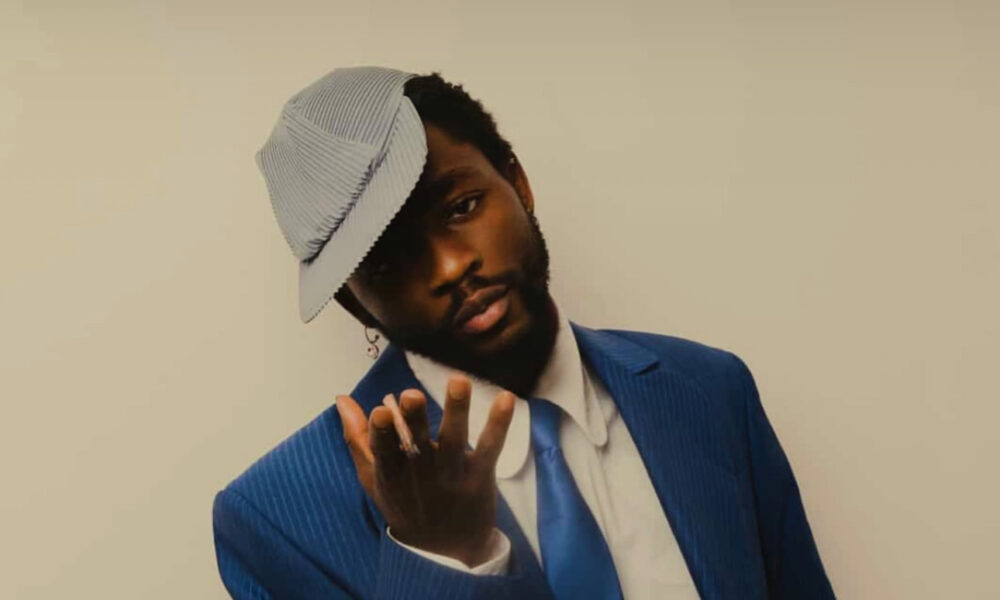
Afro-fusion sensation Omah Lay is set to headline the inaugural Motherland Festival on 20th December 2025, marking his only Lagos performance of the festive season.
The announcement comes on the heels of a landmark year for the singer who recently earned his first Grammy nomination for “With You”, his collaboration with Davido. The track was also confirmed as Nigeria’s most streamed song on Spotify this year.
In a joint statement, the co-founders of Motherland Festival expressed excitement over securing Omah Lay for the highly anticipated event.
“We’re excited that Omah Lay chose the Motherland stage as his only Lagos show this December. Fans from around the world will get their chance to celebrate the huge year he’s had in the centre of Afro-fusion and Afrobeats. Alongside Seyi Vibez, The Cavemen, Odumodu Blvck, Qing Madi, Mavo, DJ Obi, and more, Omah Lay will be giving our attendees a show they’ll never forget.”
Scheduled to run from December 18–20, the Motherland Festival promises to unite influential thinkers, global creatives, and cultural leaders for an immersive three-day experience in Lagos. The event is sponsored by First Bank and will be hosted at the Motherland Grounds, beside Oriental Hotel, Victoria Island.
Tickets for the festival are now available here.
Sponsored Content

Sign up to our free Living Well email for advice on living a happier, healthier and longer life
Live your life healthier and happier with our free weekly Living Well newsletter
Live your life healthier and happier with our free weekly Living Well newsletter
The UK Health Security Agency (UKHSA) says a new strain of mpox has been found in England.
Experts say the infection, found in a person who had recently returned from Asia, is the latest evidence for how the virus is circulating globally and evolving.
So what is mpox, and should we be worried about it?
What is mpox?
“Mpox, previously known as monkeypox, is a rare infection most commonly found in parts of central and east Africa,” says Dr Michael Brady, national advisor for LGBT Health at NHS England, and consultant in Sexual Health and HIV at King’s College Hospital in London.
“Mpox can be passed on from person to person through any close physical contact with mpox blisters or scabs.
“Once infected with mpox, it usually takes between five and 21 days for the first symptoms to appear.”
open image in gallery
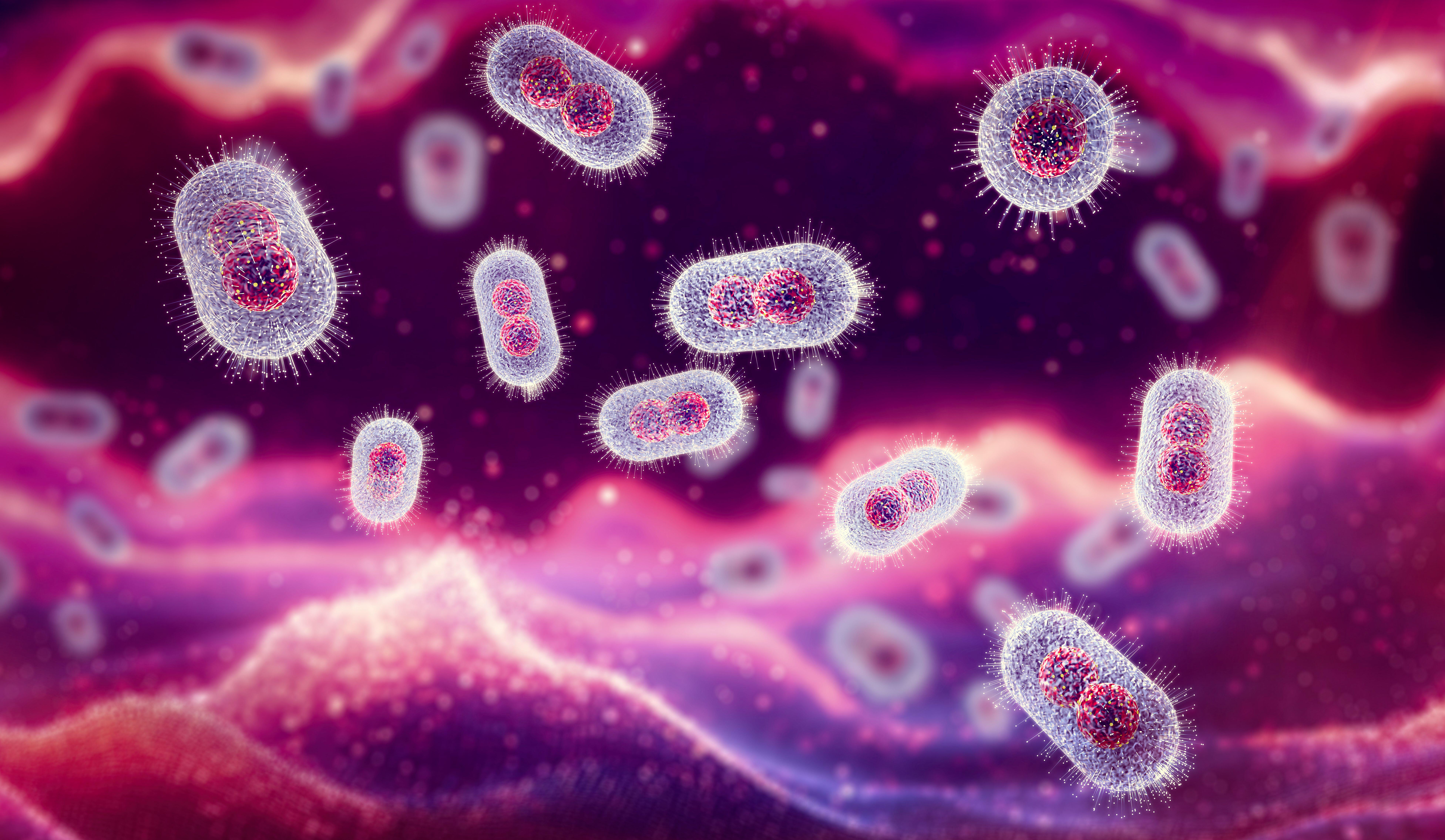
The virus is ‘zoonotic’ (Alamy/PA)
Dr Jon Roberts, professor of Health Protection at the University of the West of England, said mpox was “first seen in the late 1950s in laboratory monkeys with a human case noted in 1970”.
“The virus is ‘zoonotic’ – meaning it can affect different animals, including humans, although cases in humans have been rare.”
What are the symptoms?
“The first symptoms of mpox include a high temperature, headache, muscle aches and backache, swollen glands, shivering, exhaustion and joint pain,” says Brady.
“A rash usually appears one to five days after the first symptoms and can be on any part of the body.”
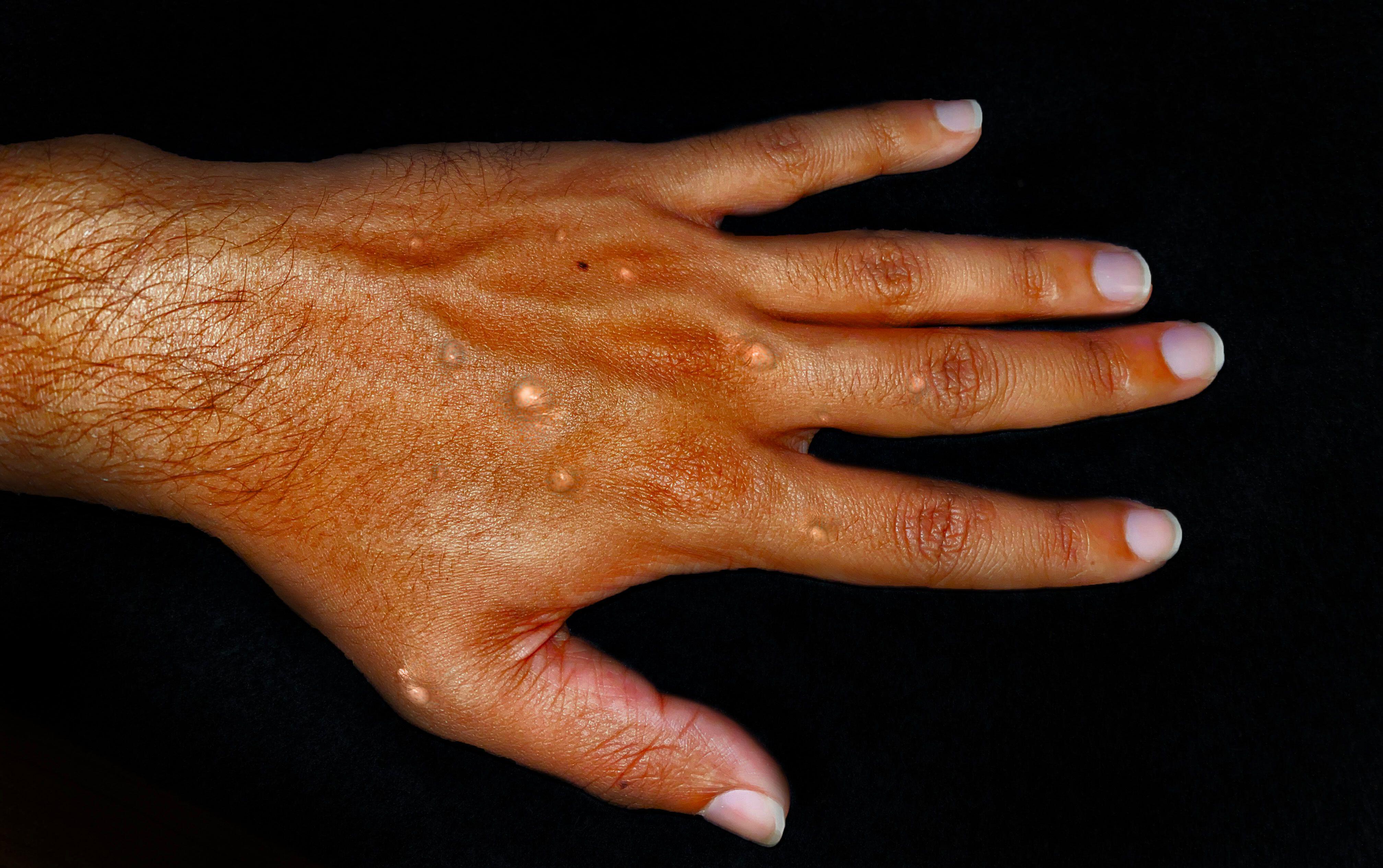
The rash then progresses from flat lesions to raised bumps, then fluid-filled blisters, which are often mistaken for chicken pox, and finally, scabs that eventually fall off.
Mpox can develop into more serious conditions, particularly in certain immunocompromised individuals, because they are more likely to experience severe symptoms and complications.
open image in gallery
Rash and blisters on a hand from a mpox infection (Alamy/PA)
“While most cases of mpox are mild, individuals with weakened immune systems, pregnant people, or those with underlying health conditions are at higher risk for severe complications,” says Dr Bruno Silvester Lopes, lecturer in microbiology at Teesside University, and researcher in pathogen spread and molecular epidemiology.
“Potential complications include secondary infections, where bacterial infections can occur in lesions or blisters due to scratching or improper care.
“And, in rare cases, the infection can lead to systemic complications like sepsis.”
Who is most at risk?
Dr Kathryn Basford at ASDA Online Doctor said those most at risk are “in close contact with someone with mpox, including household members, sexual partners, as well as healthcare workers, men who have sex with men, people with weakened immune systems, and individuals in regions where mpox is spreading.”
“People who have recently travelled to, or who have been in close contact with someone who has recently travelled to, areas of central or east Africa where there are outbreaks of mpox, are at higher risk of catching mpox.”
How can the symptoms be treated?
“Use over-the-counter pain relievers like acetaminophen or ibuprofen to reduce fever and alleviate body aches,” advises Lopes. “Keep the rash clean and covered to prevent infection and avoid scratching to reduce the risk of scarring and further infection.”
If symptoms flare up, it’s also important to stay hydrated and see your GP.
“Drink plenty of fluids to stay hydrated, especially if experiencing fever or if the rash affects eating or drinking,” recommends Lopes. “Consult your GP to seek medical advice for specific treatment options, and to discuss the potential use of antiviral medications if symptoms are severe.
“And, most importantly, follow isolation guidelines to prevent spreading the virus to others until you are no longer contagious.”
How likely am I to catch it in the UK?
“The risk to members of the public in the UK is low,” clarifies Roberts.
“Returning travellers from countries experiencing cases should be mindful and report symptoms to a healthcare professional, especially if they have been in direct contact with a known or suspected case.”
Should I be worried about mpox while travelling?
“It is important to follow general advice on safe travel to the country visiting,” says Roberts. “If travelling to an affected country, there are specific precautions recommended and can be found on the NaTHNac website.
“Anyone travelling to work in healthcare in an affected country should register with the UKHSA returning workers scheme.“

Dear Remi,
Now playing “Somebody That I Used to Know” by Gotye.
I walked into the bank, and my nostrils immediately flared. The air felt different; unfamiliar yet disturbingly familiar. The atmosphere had been quietly corrupted with memories I had worked so hard to bury. Something in me paused. And for a moment, I allowed myself to remember; to remember why this particular scent always carried weight. To remember what it meant.
I almost turned around and asked, “Who is wearing that perfume?”
It was as if it were urgent. Like I needed to know or something sinister would happen.
As if it mattered.
For one brief second, I wondered if he could suddenly be in Lagos. The last time I saw him was in Abuja, and we didn’t get to say a proper goodbye. He isn’t even in the banking sector, so it made no sense, but the thought still crossed my mind, uninvited.
In Akure, I found it too.
I would sniff the air like a dog following the scent of its owner. Until a corper wee dared to violate my memories. She wore the scent every day, and when I could not fight it anymore, I found comfort in it. I would compliment her every day. If she found it odd, she never showed any displeasure. It hurt then. Every sniff I took was torture to my lungs and heart. But it was the only thing I had left of him.
But Remi, it didn’t hurt today. Not in that bank hall.
It didn’t tug at me or crack me open. It didn’t send me spiralling into old emotions. It simply made me remember his name, his face, the ghost of a laugh we once shared.
For the longest time, I thought losing him would mean losing breath itself. I thought I would never be able to move on, that life would dim without him in it.
Yet here I am, confronted by the very fragrance that used to undo me, and all it does is stir a calm memory. The air felt rich with that sweet, intoxicating aroma (like candies mixed with something deeper, something I still can’t quite place), but it did not move me to sorrow. It only reminded me of what once was.
We used to be friends for several years before emotions rose like a storm and tried to destroy what we had. And even as the thread of our friendship frayed, I clung to it with a desperate loyalty, gripping it tightly with both hands, as if letting go would mean a kind of personal extinction.
I cannot remember the last thing we said to each other. I cannot recall the last conversation or the last silence. His face fades behind the shadows of the walls I have built carefully, intentionally, brick by brick. And still, in the deepest dark of my imagination, I can always make out that small scar on his forehead. Strange how one detail survives when an entire person dissolves.
So what am I really trying to say, Remi?
Maybe I forget with the same urgency with which I love. Maybe I let go with the same ferociousness with which I cling. I don’t know if it is a good thing. But for someone susceptible to repeated emotional onslaught, it is the safest thing.
Remi, why can’t I have them both?
***
Featured Image by Sora Shimazaki for Pexels.

Caraway Africa Nigeria Limited with two of its flagship brands Tasty Tom and De Rica within the Tomato mix category has unveiled the Millionaire Splash Promo. These brands are household names in the Nigerian culinary space.
The Tasty Tom x De Rica Millionaire Splash promo which aims to reward participating consumers with airtime and cash prizes while reinforcing the everyday relevance and presence of the brands, is available across the following product SKUs; Tasty Tom Tomato Mix (55g, 210g, 400g) and De Rica Tomato Mix (55g). The promo kicked off on the 15th of November 2025 and will run till 15th January 2026. Thus far, over 60 cash prize winners have been selected in the first seven days of the promotion and more customers are expected to win more.
To participate in the promo, customers are required to buy either Tasty Tom Tomato Mix (55g, 210g or 400g) or De Rica Tomato Mix (55g) promo pack, find the unique pin inside the pack and dial *8011*2*UNIQUE PIN#.
Each text guarantees a prize. Instant airtime and a chance to qualify for a daily or weekly draw to win 50,000 naira, 100,000 naira or the grand prize of 1 Million naira.
Entries will be identified by the mobile number of participants and the unique PIN. Airtime reward will be instantly disbursed and cash prize winners will be picked electronically. Five winners of 50,000 naira will emerge daily, Five winners of 100,000 naira will emerge daily and Two winners of 1 Million naira will emerge weekly.
Terms & Conditions Apply!
Connect with Tasty Tom Nigeria on Instagram, Facebook, YouTube or promo website for more information.
Sponsored Content

Stay ahead of the curve with our weekly guide to the latest trends, fashion, relationships and more
Stay ahead of the curve with our weekly guide to the latest trends, fashion, relationships and more
Stay ahead of the curve with our weekly guide to the latest trends, fashion, relationships and more
Starbucks may be giving fans another chance to score a viral bear cup this holiday season.
After the initial release of the $29.99 glass cold cup sent fans into a frenzy when they immediately sold out and were then being resold for triple the price on sites like eBay, the coffee chain posted a cryptic message Sunday to Instagram teasing another opportunity to purchase.
“Your chance is in the Starbucks app. Tomorrow, 12/8,” the caption read as a video played revealing a bear cup.
The Independent has reached out to Starbucks for additional information.
Fans already frustrated by the bear cup saga were not happy Monday morning when the Starbucks app was not revealing more information as promised.
“Anyone else checked the app and saw nothing,” one commented on the Instagram post while another wrote, “Im in the app right now! I don’t know what im looking for.”
“May the odds be in your favor,” someone else wrote.
Launched in early November alongside the return of Starbucks’ holiday menu, the 20-ounce cup is made for cold drinks — and crafted in the shape of an adorable bear, complete with black eyes and a nose on the front. A knitted green hat featuring the Starbucks logo tops the bear, and a matching green-and-white straw completes the festive look.
The drinkware also comes with a knitted green hat, featuring the Starbucks logo, on the bear and a matching green and white straw.
Upon launching, the bear cups were only available in stores, prompting customers to line up hours in advance to try to score one, but many were left disappointed. Some fans claimed only one or two cups were being sold in each store. The backlash was so loud that Starbucks was forced to issue an apology.
“The excitement for our merchandise exceeded even our biggest expectations and despite shipping more Bearista cups to coffeehouses than almost any other merchandise item this holiday season, the Bearista cup and some other items sold out fast,” a spokesperson for Starbucks said in a statement to The Independent. “We understand many customers were excited about the Bearista cup and apologize for the disappointment this may have caused.”
The company also told customers that “more exciting merchandise [is] coming this holiday season.”
More to follow
LIFESTYLE
U.S. Mission Nigeria Announces Nationwide “Made in America, Loved in Nigeria” Skit Contest

The U.S. Mission Nigeria has just dropped something exciting for creatives across the country — and it’s giving big opportunities. Say hello to the “Made in America, Loved in Nigeria” Social Media Skit Contest, a fun nationwide challenge celebrating how American products, ideas, and innovations show up in our everyday Nigerian lives.
From 1–8 December 2025, young Nigerians are invited to bring their creativity to life in short, punchy 90-second vertical skits. It could be how a gadget helps you stay productive, how a tool boosts your hustle, or how a cool idea from across the Atlantic fits perfectly into your daily flow. Whether it’s business, education, tech, creativity, or even your community — the theme is wide open, and the U.S. Mission wants to see your spin on it.
All you need to do is post your video publicly on YouTube, Facebook, or Instagram, tag @USinNigeria, and use the hashtags #MadeInAmericaLovedInNigeria and #TradeThatTransforms. The contest is open to Nigerians aged 18 to 45, and of course, everything must be completely original. You’ll also need to fill out the entry form and upload your eligibility and release form — nothing too stressful.
Your skit will be checked to make sure it meets the rules, then judged on creativity, storytelling, relevance to the theme, technical neatness, and audience engagement. Winners will be announced on 12 December 2025 on the U.S. Mission Nigeria social pages.
Now, to the part everyone wants to know: the prizes. The top creators will walk away with major gear — from a Sony A7 IV creative bundle to a Sony A7 III or even an iPhone 16 with a handheld gimbal. Plus, winners also get mentorship and features on U.S. Mission Nigeria’s platforms. So yes, it’s definitely worth shooting your shot.
If you want to get all the details, including the forms and rules, head over to madeinamericalovedinnigeria.com or send an email to [email protected].
Sign up to our free Living Well email for advice on living a happier, healthier and longer life
Live your life healthier and happier with our free weekly Living Well newsletter
Live your life healthier and happier with our free weekly Living Well newsletter
When I worked on the latest Global Burden of Disease cancer study, a global project that tracks cancer patterns and deaths across countries, I found myself pausing as the numbers loaded on the screen. Even as a scientist used to large datasets, the scale was hard to process.
Behind every line of code was a family who might lose a parent or child to a cancer that could have been prevented or treated earlier. The projections for South Asia and sub-Saharan Africa were especially stark.
It was clear that millions of people would be living and dying with avoidable cancers in the decades ahead unless something changed.
Infectious outbreaks or antimicrobial resistance are often labelled as global health crises. Yet a quieter crisis has been gathering force for decades. Cancer is rising across every region of the world, and the steepest increases are now occurring in countries with the fewest resources.
As part of the Global Burden of Disease 2023 Cancer collaboration, a worldwide partnership of scientists who produce comprehensive estimates of disease and mortality, I co-authored a large study tracking cancer trends from 1990 to 2023 and projecting what the world could face by 2050.
 Scientists now know that cancer affects all regions (Getty/iStock)
For many years, cancer was widely viewed as a disease of affluence, concentrated in high-income countries. Scientists now know that it affects all regions and that an increasing proportion of the burden falls on low and middle-income countries.
Many of these countries are now experiencing rapid lifestyle and environmental changes along with ageing populations, but without the parallel development of screening, diagnostic or treatment capacity. Our analysis highlights how quickly this transition is unfolding.
In 2023, our analysis estimated 18.5 million new cancer cases and 10.4 million deaths across 204 countries. Nearly one in six global deaths was caused by cancer. More than two-thirds of these deaths occurred in low- and middle-income countries, reflecting the scale of the challenge in regions where access to screening, pathology and treatment remains limited.
In our study, 41.7% of cancer deaths in 2023 were attributable to modifiable risks. Tobacco, alcohol, unhealthy diets, high body mass index, air pollution and harmful workplace or environmental exposures all contributed.
Millions of cancers could be prevented each year if governments strengthened public health policies and made healthier choices easier. Prevention is not only about people’s actions. It is shaped by political decisions about what people can afford, breathe, eat and encounter in their environments.
Using more than three decades of data, we modelled future cancer trends. By 2050, the world could be facing 30.5 million new cancer diagnoses every year and 18.6 million annual deaths, almost double today’s figures.
About the author
Vikram Niranjan is an Assistant Professor in Public Health in the School of Medicine at the University of Limerick.
This article was first published by The Conversation and is republished under a Creative Commons licence. Read the original article.
Population growth and ageing play a part, but broader shifts in lifestyle, urbanisation, air quality and economic development are also increasing exposure to cancer risks. Without major interventions, these trends will continue.
Addressing this crisis requires more than isolated initiatives. By investing in early diagnosis, governments can proactively offer screening for cancers such as breast, cervical and colorectal cancer saves lives but remains rare in much of the world. Prevention must be treated as a global priority.
Tobacco control, air-quality regulation, obesity prevention and workplace protections are well evidenced and urgently need strengthening. Health systems also require significant expansion, from pathology labs and trained oncology staff to reliable access to affordable treatments. High-quality data is essential too. Countries cannot plan or measure progress without robust cancer registries.
Cancer is no longer a condition that mainly affects older adults. In many regions, younger people are increasingly diagnosed with cancers historically seen later in life. For them, the consequences ripple far beyond health.
Education, employment, relationships and financial stability can all be disrupted overnight. Cancer becomes a societal issue as well as a medical one. It already touches many families and, without action, will affect many more in the coming decades.
The future is not fixed. Our projections are warnings rather than certainties. Policymakers, communities and people still have the chance to influence what the world will face in 2050. The next 25 years are critical. We have the knowledge to change course. What we need now is the collective will to act.

Yesterday’s premiere of “Behind the Scenes” was the sort of beautiful chaos we genuinely love. Beautiful, because everywhere you looked, someone was blooming in something delightful. Chaos, because choosing even five favourites felt impossible — the style moments were simply too many to keep up with.
The theme, Bloom Elegance (Evening Glam with Floral Accents), set the tone, and the stars truly bloomed in their own ways. Everyone brought something different to the carpet — floral touches, garden-inspired details, lively colours, and looks that felt personal yet perfectly aligned with the theme.
And it wasn’t just the outfits. The accessories did their own storytelling — bold earrings, colourful shoes, and pieces that added personality to each look. If the red carpet had a voice last night, it would still be talking.
We already admitted that narrowing this down to a top five would be unfair, so instead, here are the looks currently stealing our hearts