
LIFESTYLE
Access Bank DettyFusion to Elevate Fan Experience at 2025 Plutomania Live in Concert


Access Bank Detty Fusion has announced its support for the 2025 edition of the Plutomania Live in Concert.
Scheduled to hold on 20th December 2025 at the iconic Landmark Event Centre, Lagos, the concert will bring together premium entertainment that resonates with the vibrant spirit of an unforgettable holiday experience.
The one-day concert will feature a star-studded lineup that includes; Shallipopi, Famous Pluto among others. Fans are expected to have a night of immersive experience with a high-energy performance designed to delight music lovers.
As a trusted hub for premium entertainment and lifestyle experiences, Access Bank DettyFusion brings its signature flair, seamless access, and amplified visibility to Plutomania Live in Concert, ensuring fans enjoy a smooth, high-energy, and unforgettable night. With DettyFusion’s cutting-edge digital integration, attendees will enjoy seamless ticketing, exclusive experiences, curated side attractions, enhanced security and bespoke brand interactions that transform the night into much more than a concert, it becomes a full-sensory celebration.
The Concert has partnered with the Access Bank DettyFusion initiative and through this partnership, attendees can expect an enhanced festival experience infused with unique DettyFusion elements—bringing added convenience, engagement, and excitement to the 2025 edition.
Click here: DettyFusion initiative for details and updates about the concert.
Sponsored Content


Sign up for our free Health Check email to receive exclusive analysis on the week in health
Get our free Health Check email
Get our free Health Check email
King Charles has urged people to attend cancer screenings, as he opened up about his own diagnosis.
The 77-year-old monarch said he had been “deeply troubled” to learn that at least 9 million people in the UK are not up to date with the cancer screenings available to them, warning of missed opportunities.
In the personal message released on Friday in support of Stand Up To Cancer, he announced his own treatment would be rolled back in the new year in what he called a “personal blessing” following an “overwhelming” journey.
Leading cancer charity Cancer Research UK said that the King’s candour about his experiences battling the disease “can prompt others to check in on their health and speak to a GP if something is worrying them”.
Charles revealed he had been diagnosed with a form of cancer in February 2024. While Buckingham Palace has not specified what type of cancer he has, officials said it was discovered after treatment for an enlarged prostate revealed “a separate issue of concern”.
In his address, which was recorded at Clarence House two weeks ago, the King urged Britons to overcome “embarrassment” and make use of screening programmes, warning that early detection is “key”.

open image in gallery
The King has recorded a personal message as part of Stand Up To Cancer 2025 (PA Media)
Here is everything you need to know about getting a cancer screening.
Do I need a cancer screening?
In his broadcast, the King unveiled a new national Screening Checker that allows people to check their eligibility online.
The checker, provided by Cancer Research UK, can be accessed on the Stand Up To Cancer website here.
Cancer Research UK warns that the checker does not provide medical advice and should be used for information purposes only.
How can I get a cancer screening
Eligible people are usually automatically invited to cancer screening programmes, which are run by the NHS and Public Health Agency (PHA) in the UK and Northern Ireland.
But the Screening Checker can be used to see if you are eligible to take part in national programmes.
If eligible, Cancer Research UK says you will receive a screening invitation in the post that will explain the test and the pros and cons, which should help you to decide whether to go ahead.
open image in gallery
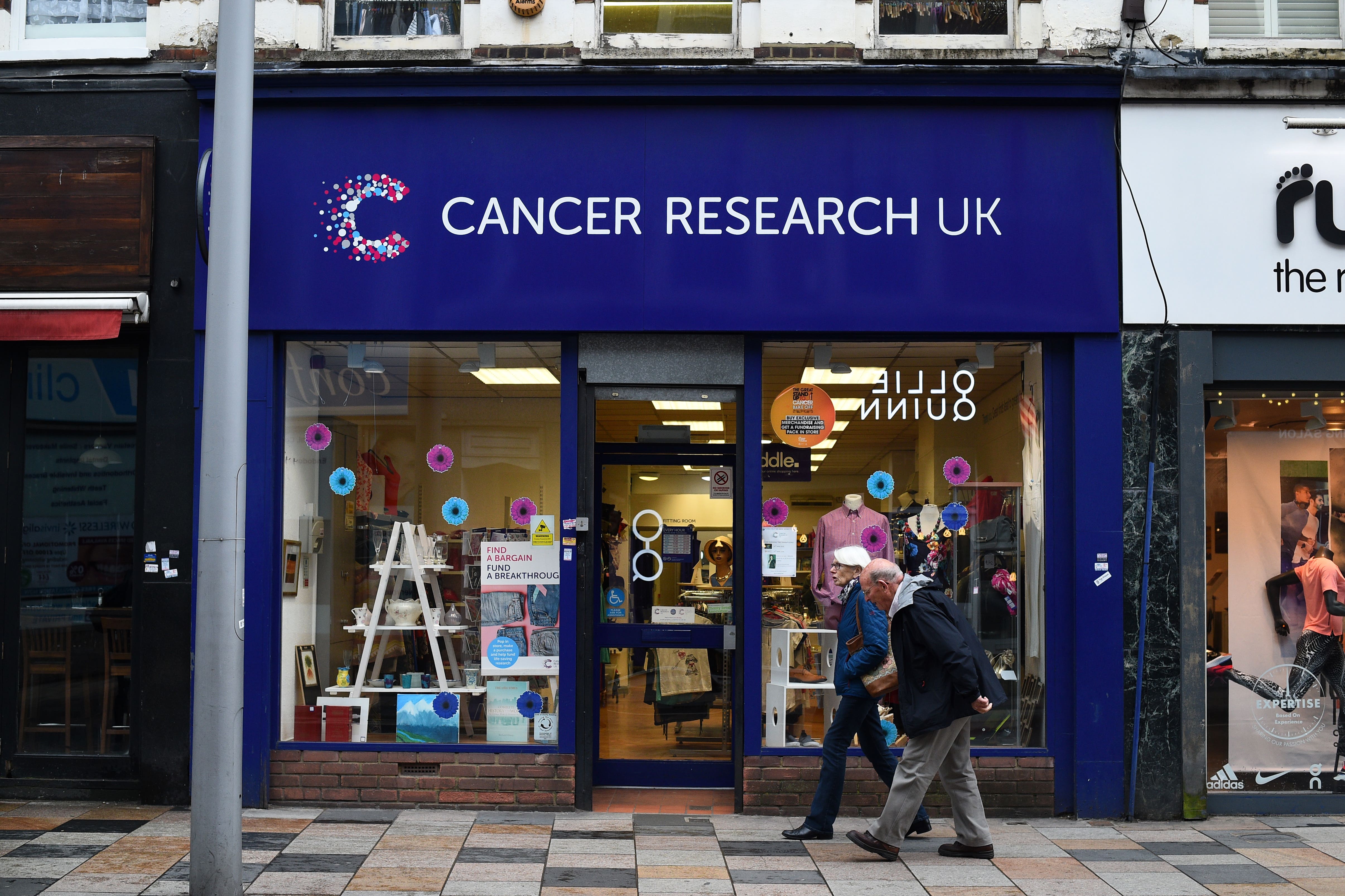
Cancer Research UK says that cancer screening saves thousands of lives each year (PA Archive)
It warns that while cancer screening saves thousands of lives each year, the tests are not perfect and there are some risks involved in taking part.
The charity explains that cancer screening is for people without symptoms, with the aim of spotting the disease at an early stage when treatment has a higher chance of success, or even to prevent it from developing in the first place.
What if I have symptoms?
Cancer Research UK advises people with symptoms or health concerns to contact their GP.
The checker and cancer screening are not for people who have symptoms.
If you have noticed something unusual or that concerns you, the charity urges you not to wait for a screening but to talk to your doctor as soon as possible, even if you have recently been screened.
It says: “They’ll want to hear from you and you won’t be wasting their time. In most cases, it won’t be cancer, but if it is, spotting it at an early stage can make a real difference.”

A white wedding is a heartwarming ceremony. From walking down the aisle to exchanging intimate vows. Surely, a look that’s just as divine as this moment is the perfect way to go.
For that effect, Turquoise Haute Couture designed this stunning dress. From the intricately beaded sheer neckline, sleeves and patterned silhouette to the flared, low skirt, this is one look that would have you radiating timeless elegance on your wedding day. The hair is a styled masterpiece, curled into a side-swept bun perfection by Hair by Angee. To tie the look together, Dher by Brown Beauty delivered this lovely makeup glam that’s soft and alluring If you’re a bride-to-be who desires something truly spectacular, then this look should be at the top of your list.
Enjoy the photos below and be inspired:






Credit
Coordination: @myrtleweddings
Hairstylists: @hairby_angee
Makeup: @dherbybrown_beauty
Designer: @turquoise_hautecouture
Photography: @oliver.dadson
Videography: @unclefii_studios @jb_visualss
Bridal Accessories: @lush_fabrics
Blogger: @wedwithmcb

Stay ahead of the curve with our weekly guide to the latest trends, fashion, relationships and more
Stay ahead of the curve with our weekly guide to the latest trends, fashion, relationships and more
Stay ahead of the curve with our weekly guide to the latest trends, fashion, relationships and more
The winter solstice, a phenomenon revered by ancient civilisations, continues to hold profound significance today as it heralds the official start of winter.
This annual event marks the shortest day of the year, characterised by the fewest hours of daylight, and conversely, the longest night. It is also the precise moment when the sun reaches its lowest daily maximum elevation in the sky.
The term “solstice” itself is rooted in Latin, combining “sol,” meaning sun, with “sistere,” which translates to “to come to a stop” or “make stand.”
While the Southern Hemisphere embraces the onset of summer, those residing north of the equator will observe the opposite – the inaugural day of winter. This year, the celestial event is set to occur on Sunday 21 December at 3:03 pm.
Depending on where you are in the UK, the exact length of the day will differ. In London, there will be 7 hours 49 minutes and 42 seconds of daylight. That means it is 8 hours and 49 minutes shorter than the June solstice.
While that means that the day is likely to be dark and dreary, the good news is that it also means that the days will get progressively longer, with more hours of daylight until the climax of the summer solstice.
The variation happens because the Earth orbits the sun at an angle of 23.4 degrees on its axis, according to the Royal Museums of Greenwich.
During the warmer periods, the North Pole is tilted towards the sun in the northern hemisphere, meaning longer daylight hours, while the southern hemisphere experiences the opposite. During winter the situation is reversed as the North Pole tilts away from the sun for the northern hemisphere.
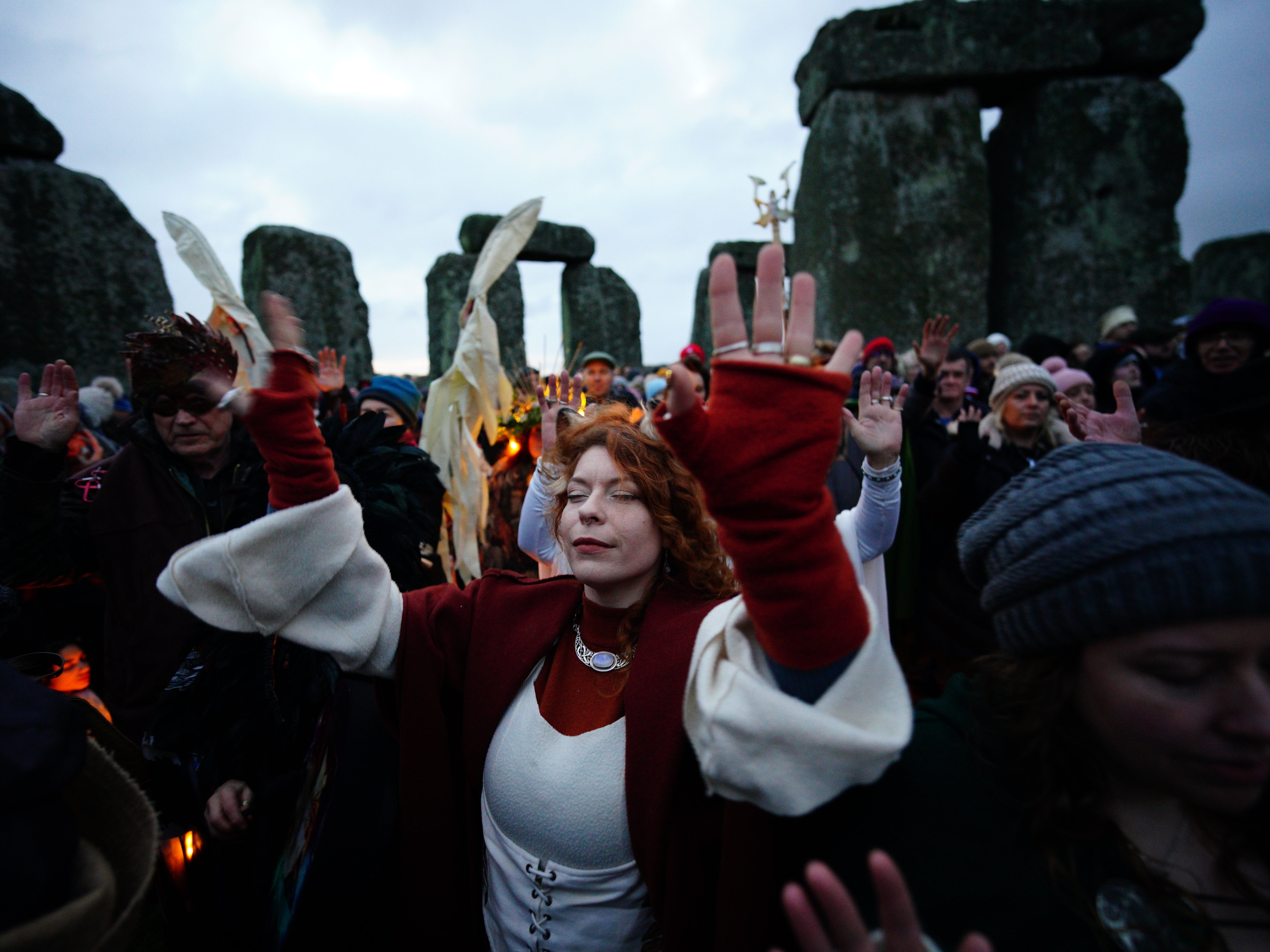 People take part in winter solstice celebrations at Stone Henge in December 2023 (PA)
Arriving on the same day across the globe, a solstice occurs when the sun reaches its lowest or highest point in the sky during the year as a result of the Earth’s axis tilting to or away from the sun.
For the Southern Hemisphere, it’s the opposite case, as 21 December marks the one day of the year with the longest period of sunlight.
Historically, the winter solstice has been of great importance to many cultures, such as Ancient Egypt and Ancient Rome, often as a marker for the passing seasons, and a possible time of rebirth.
In northern Europe, from the Faroe Islands to Estonia, Germanic peoples have long celebrated the event, which became known as Yule.
While Yule dates back to the Norse people, who celebrated the sun’s rebirth for 12 days, it was also celebrated by Anglo-Saxon pagans.
According to Pliny the Elder, in Britain, druid priests would mark the important date by gathering mistletoe and sacrificing bulls – which was also likely a practical measure to limit the number of mouths to feed during months of famine.
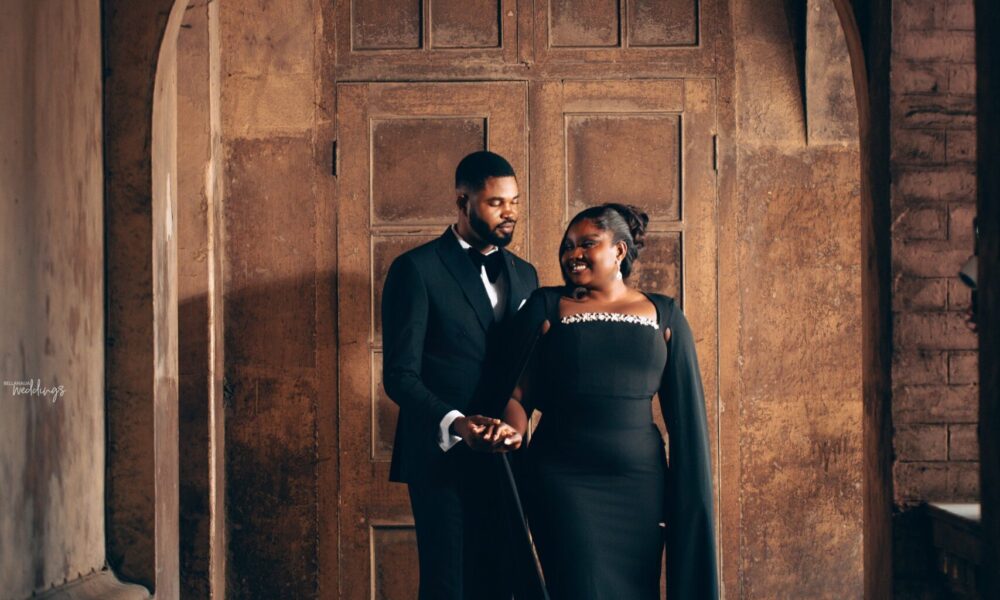
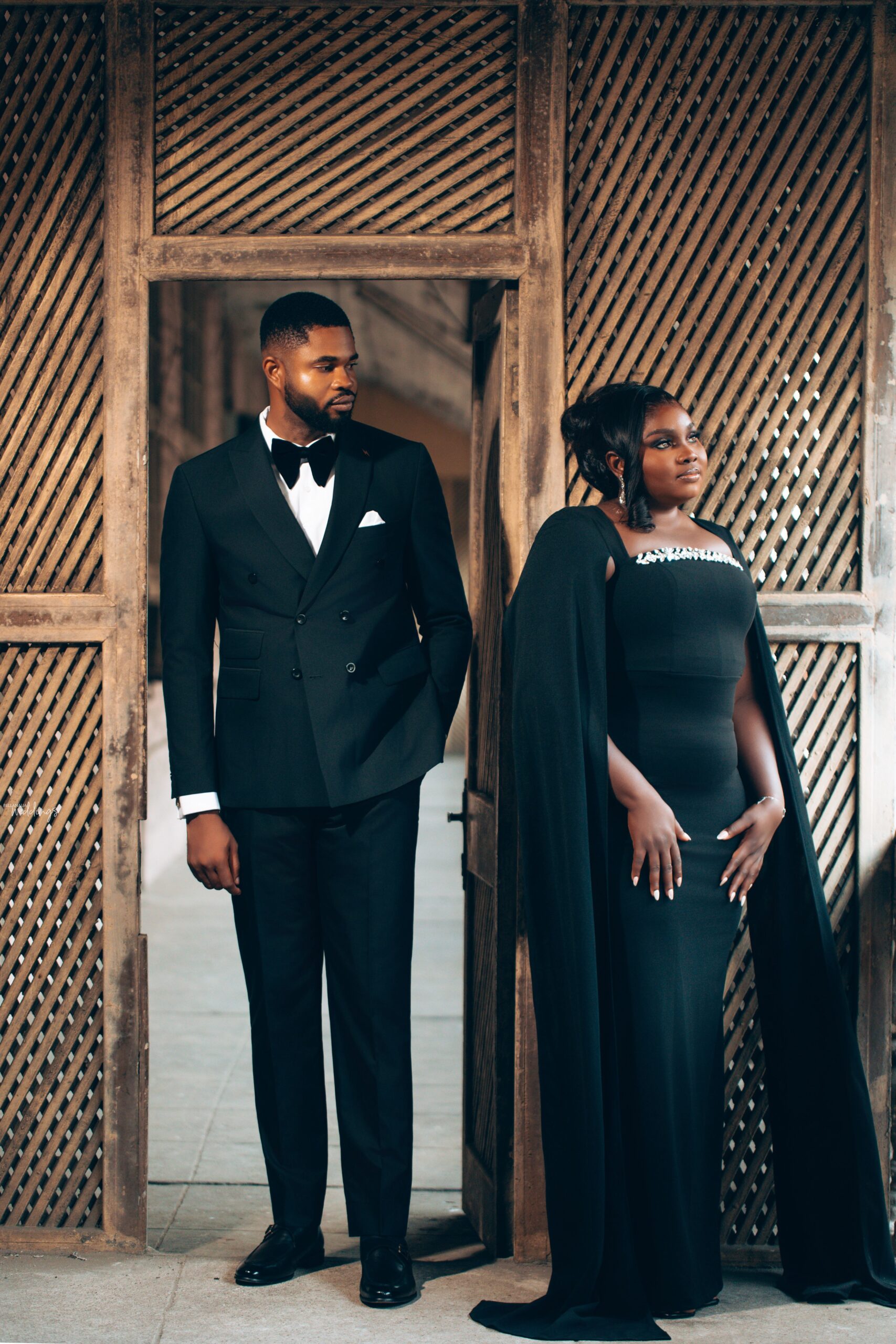
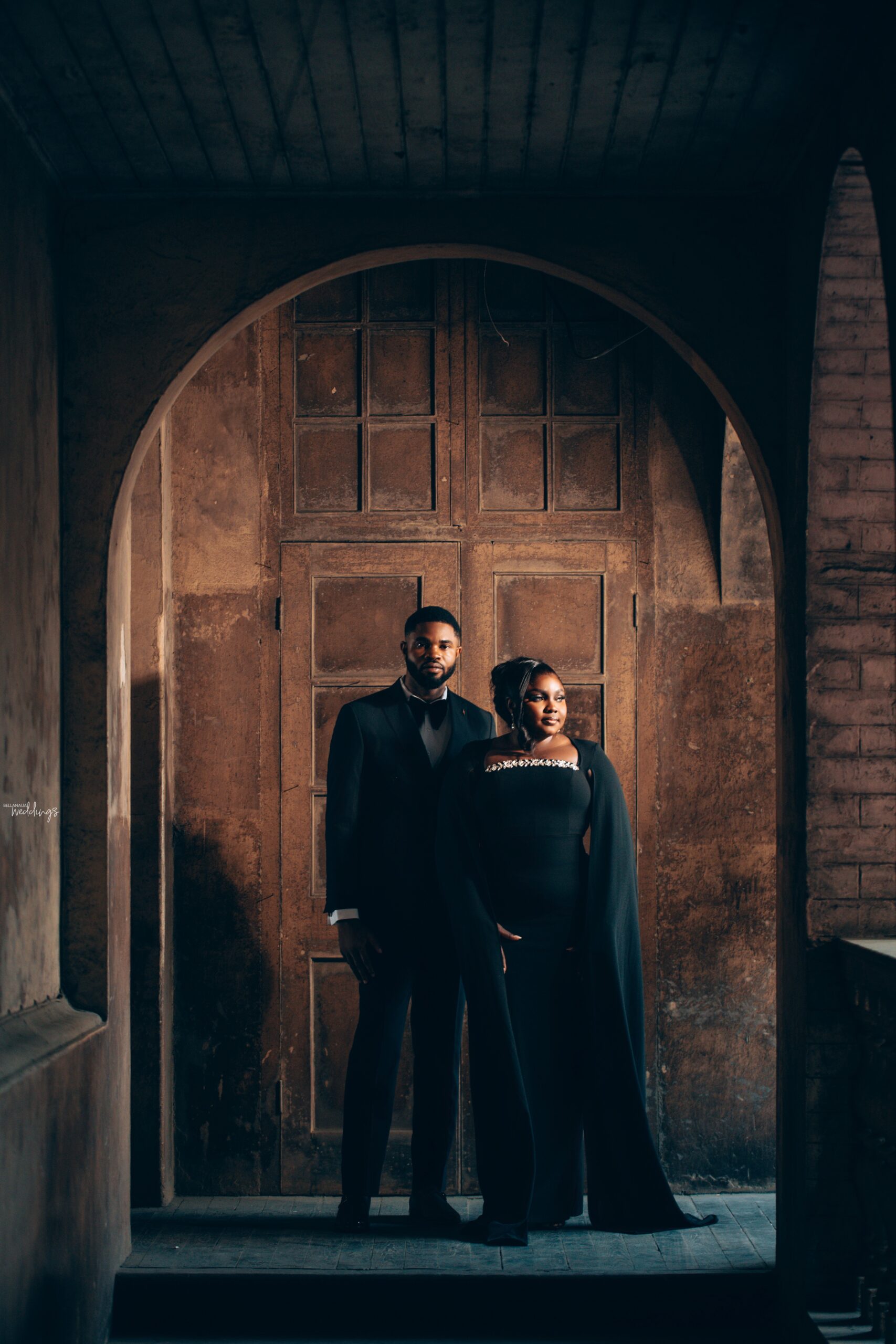
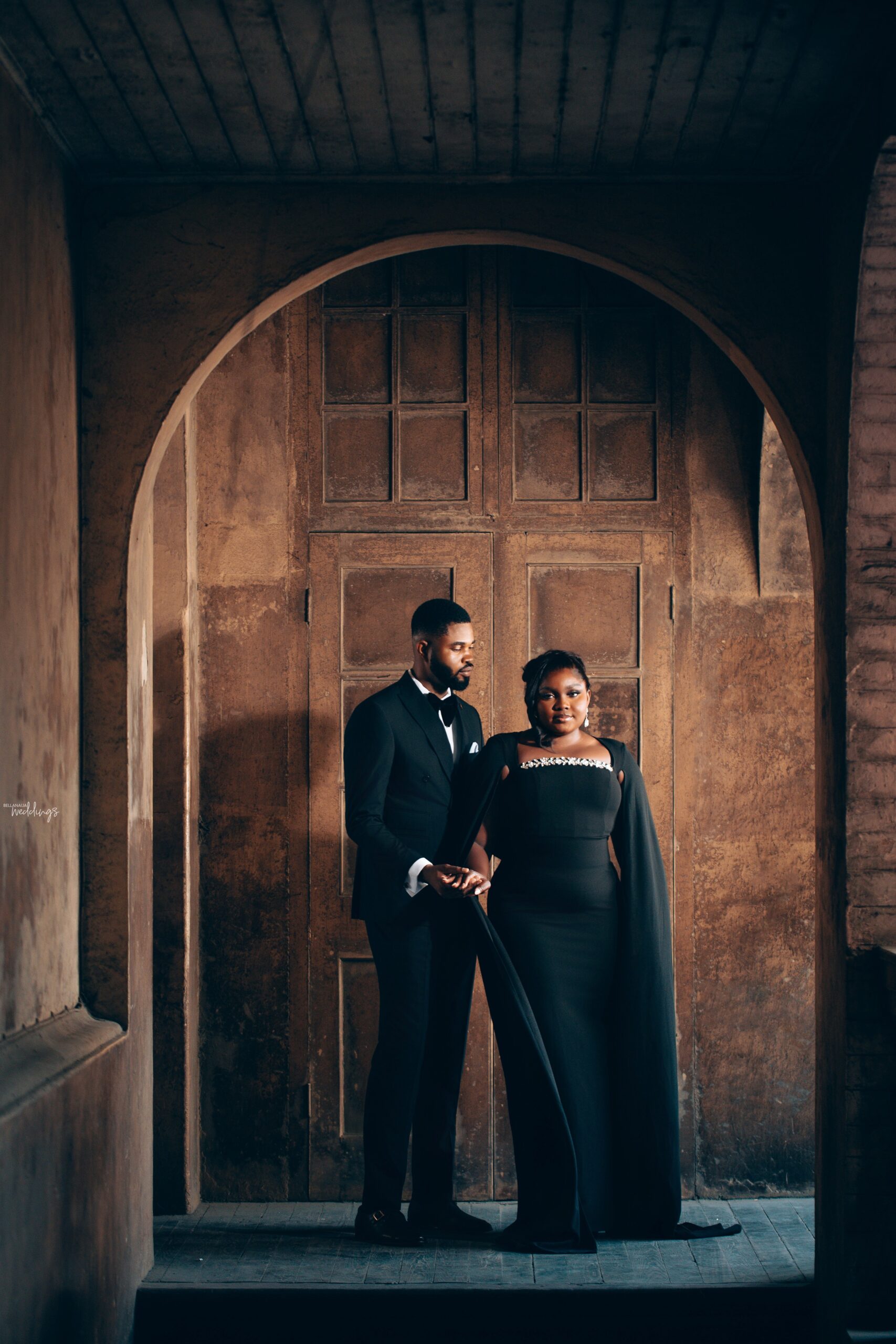
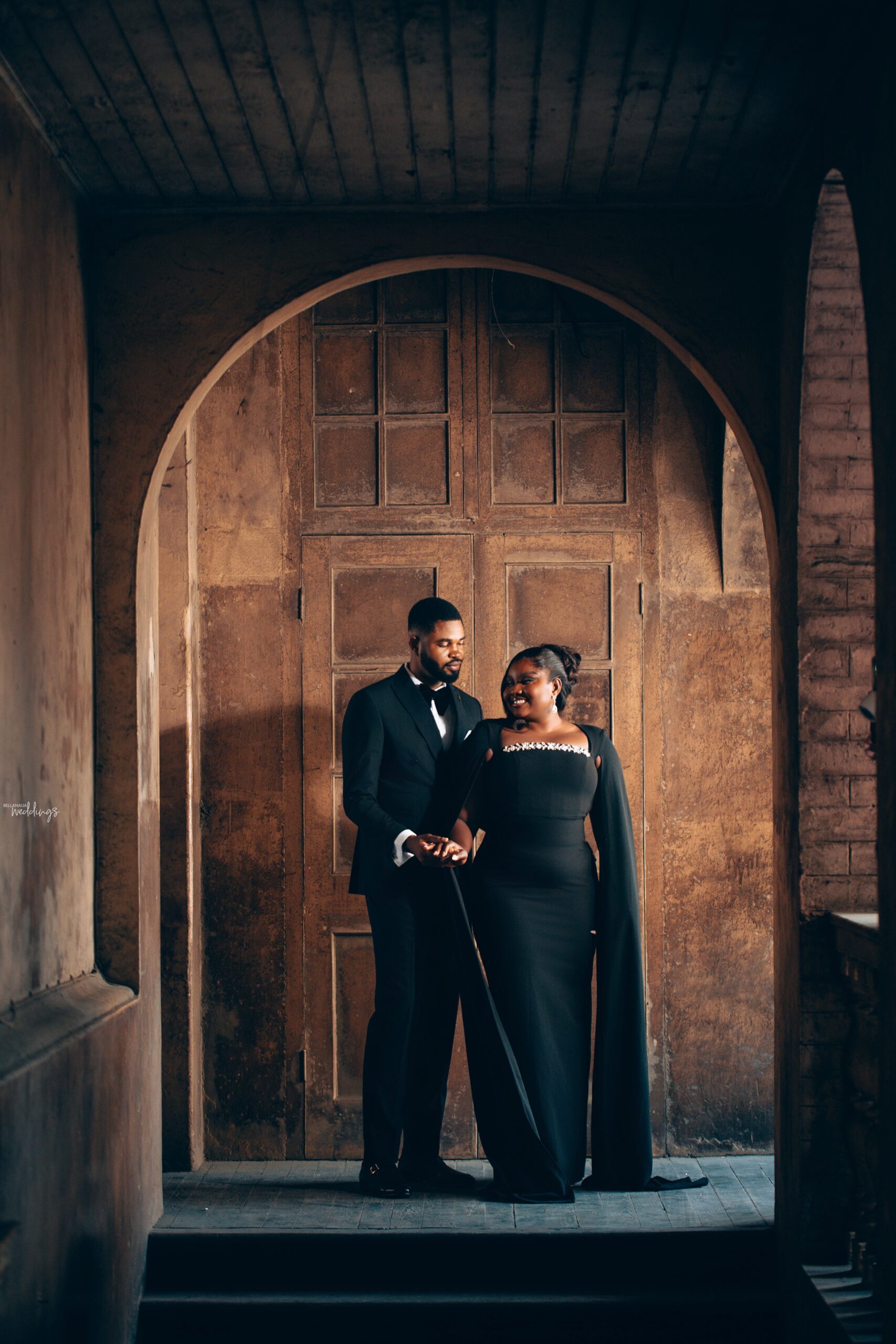
Sometimes, people come into our lives without us fully realising the beautiful impact they’ll have. But with time, intentions unfold, and you begin to see the love that had been hiding in plain sight.
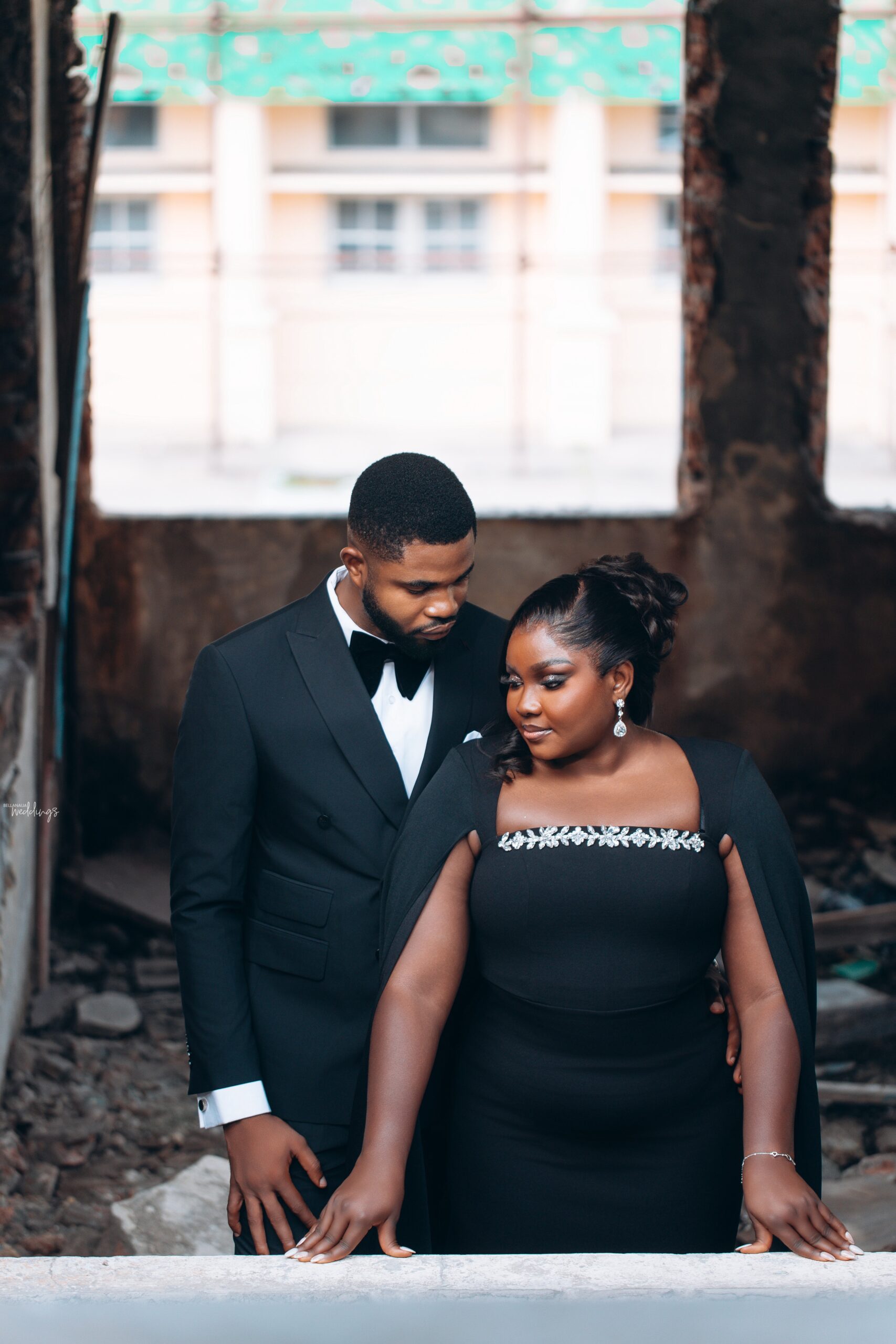
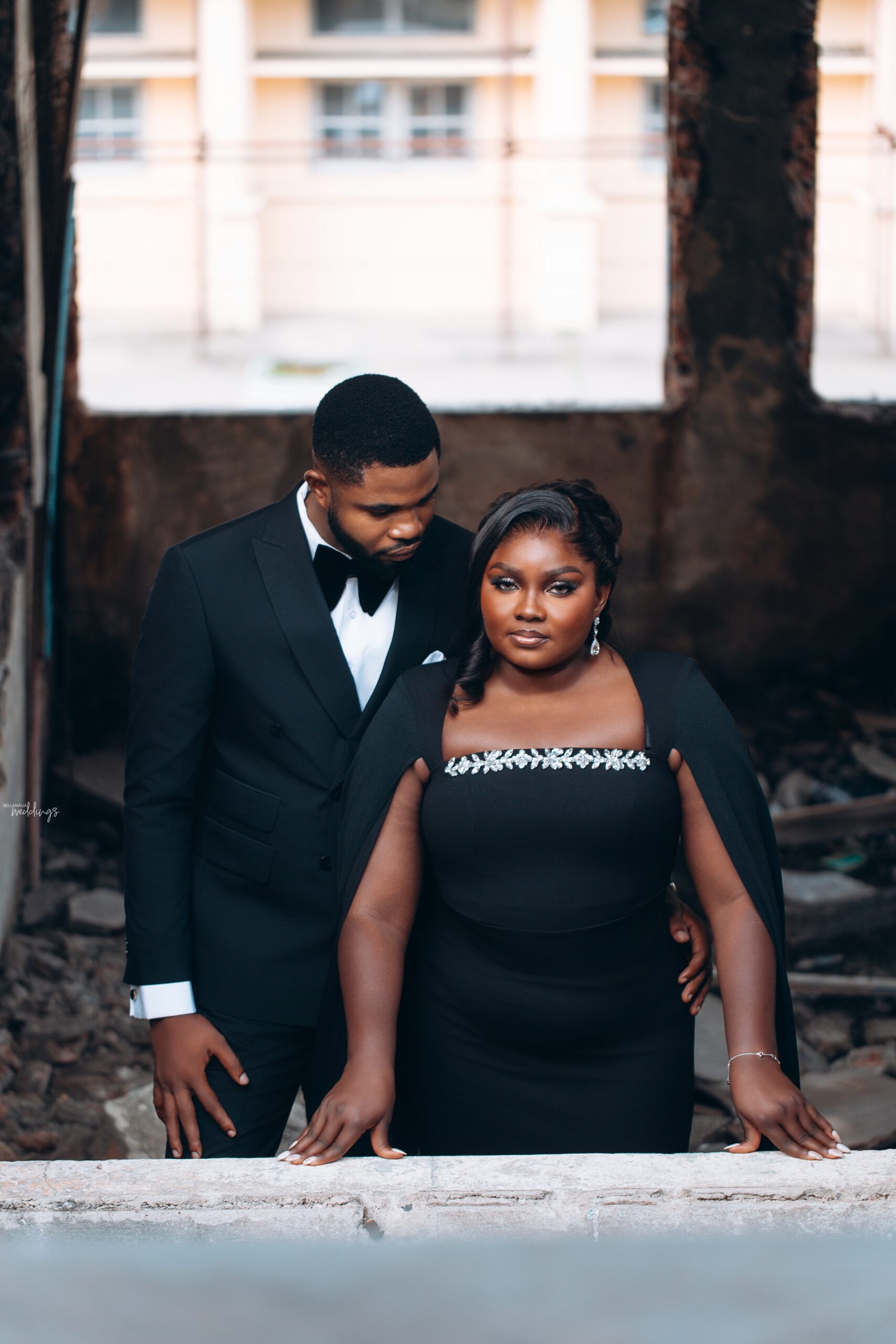
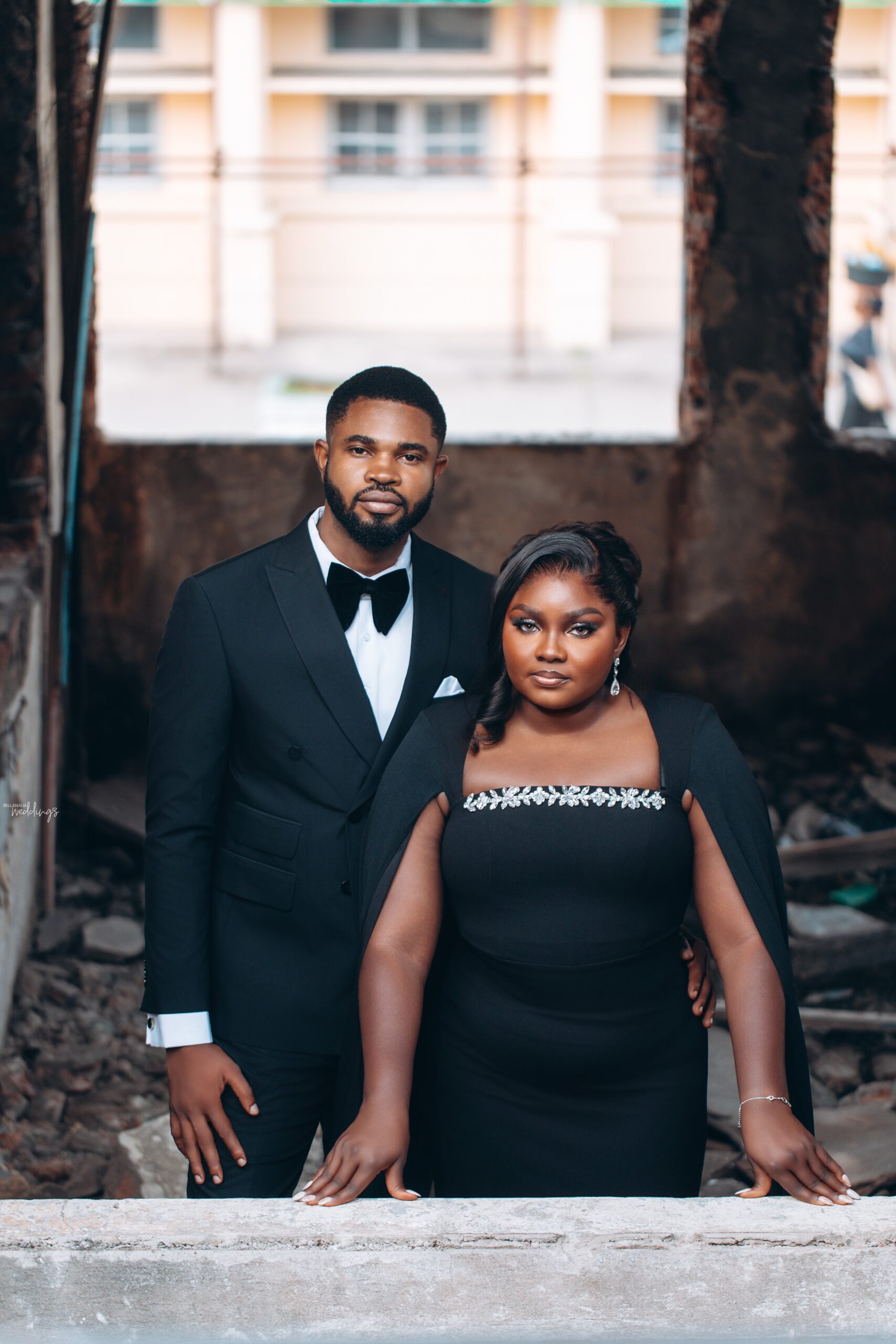
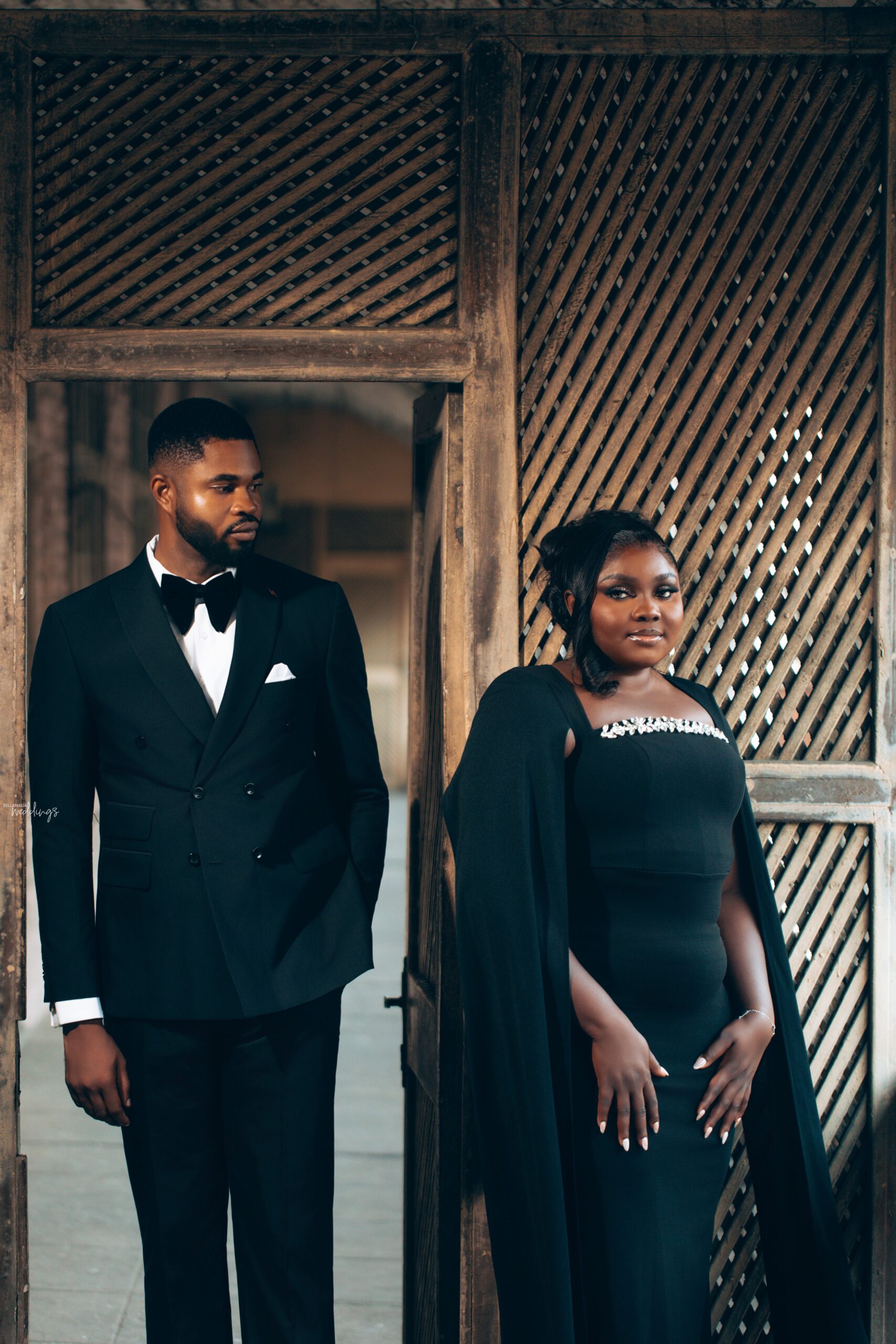
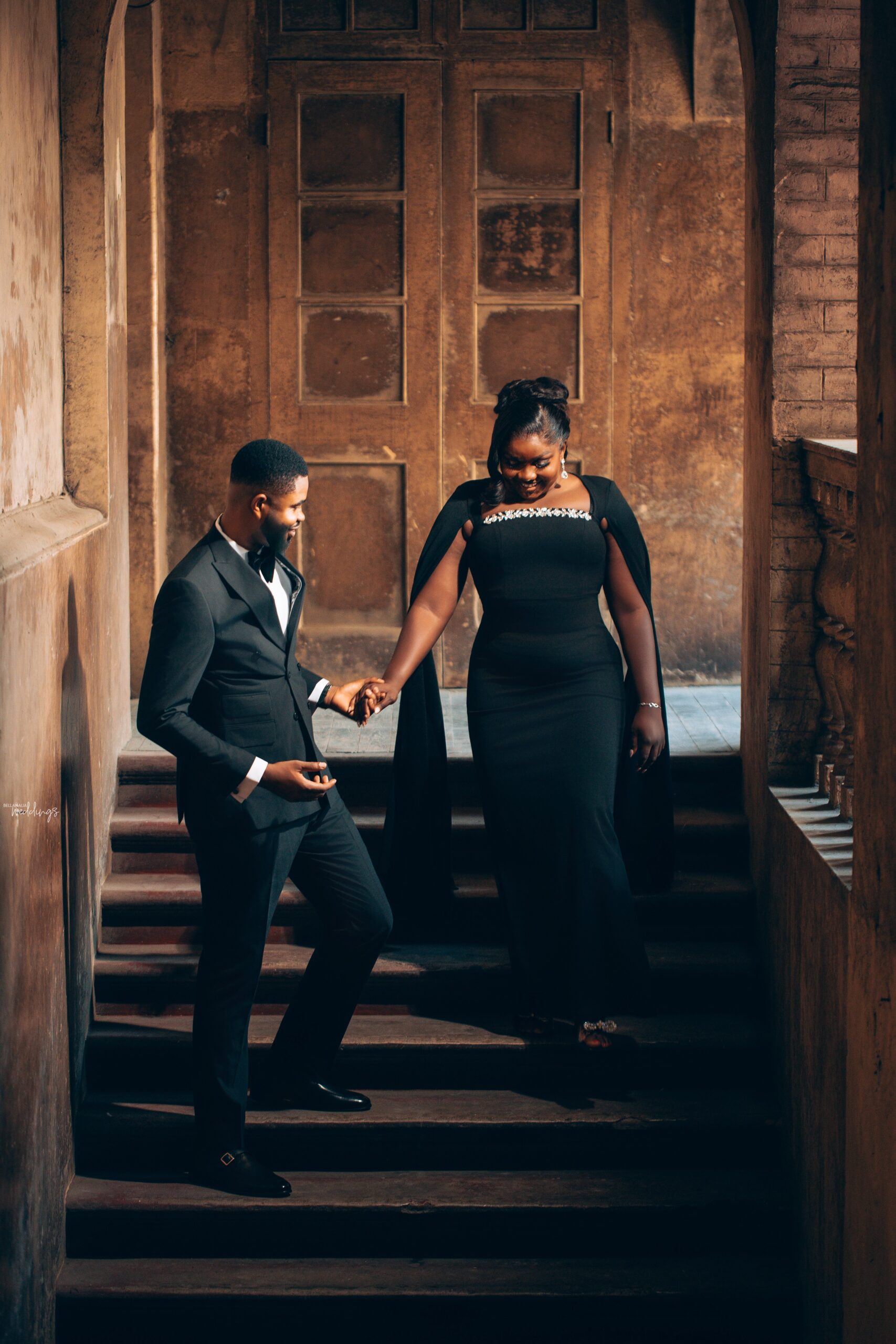
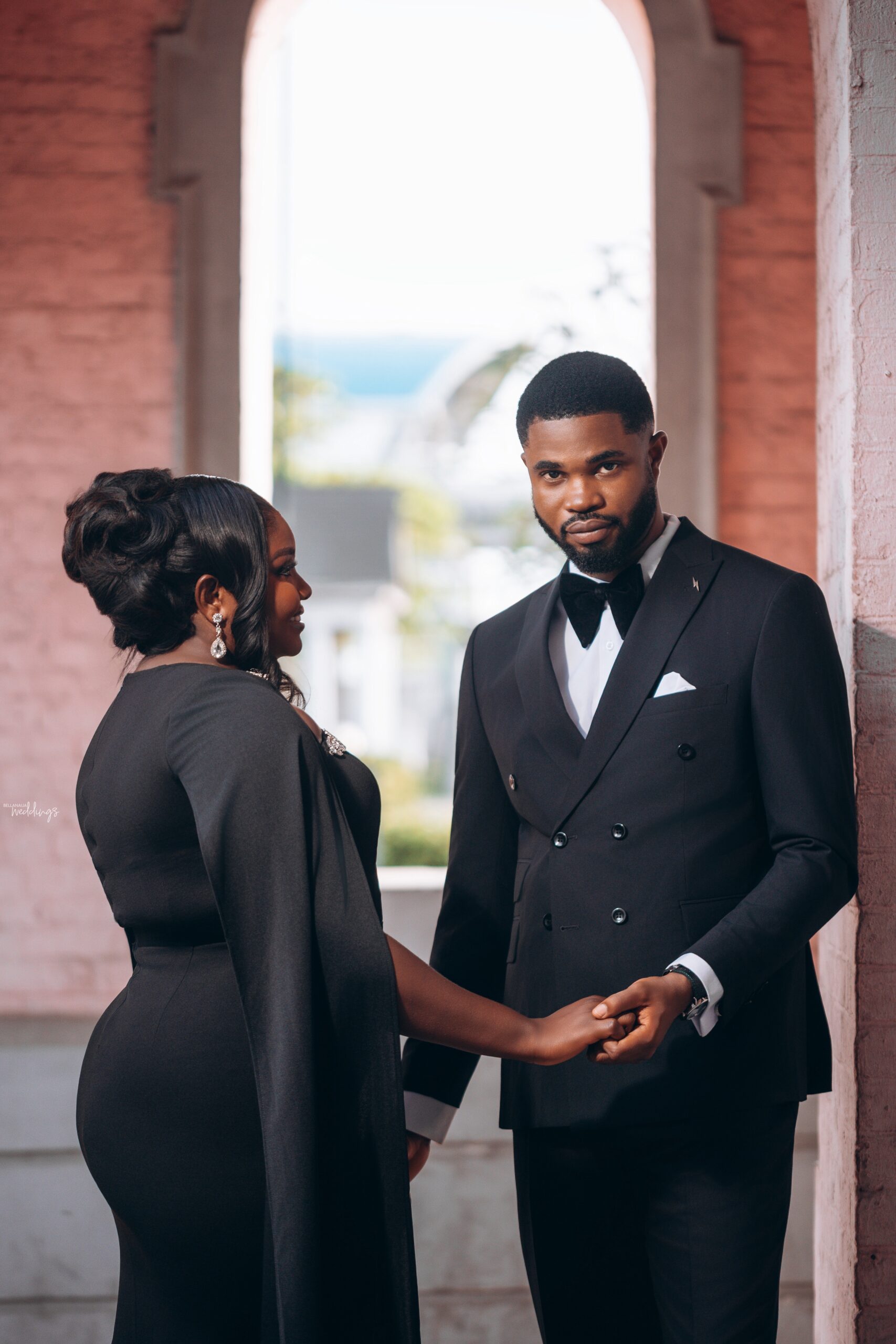
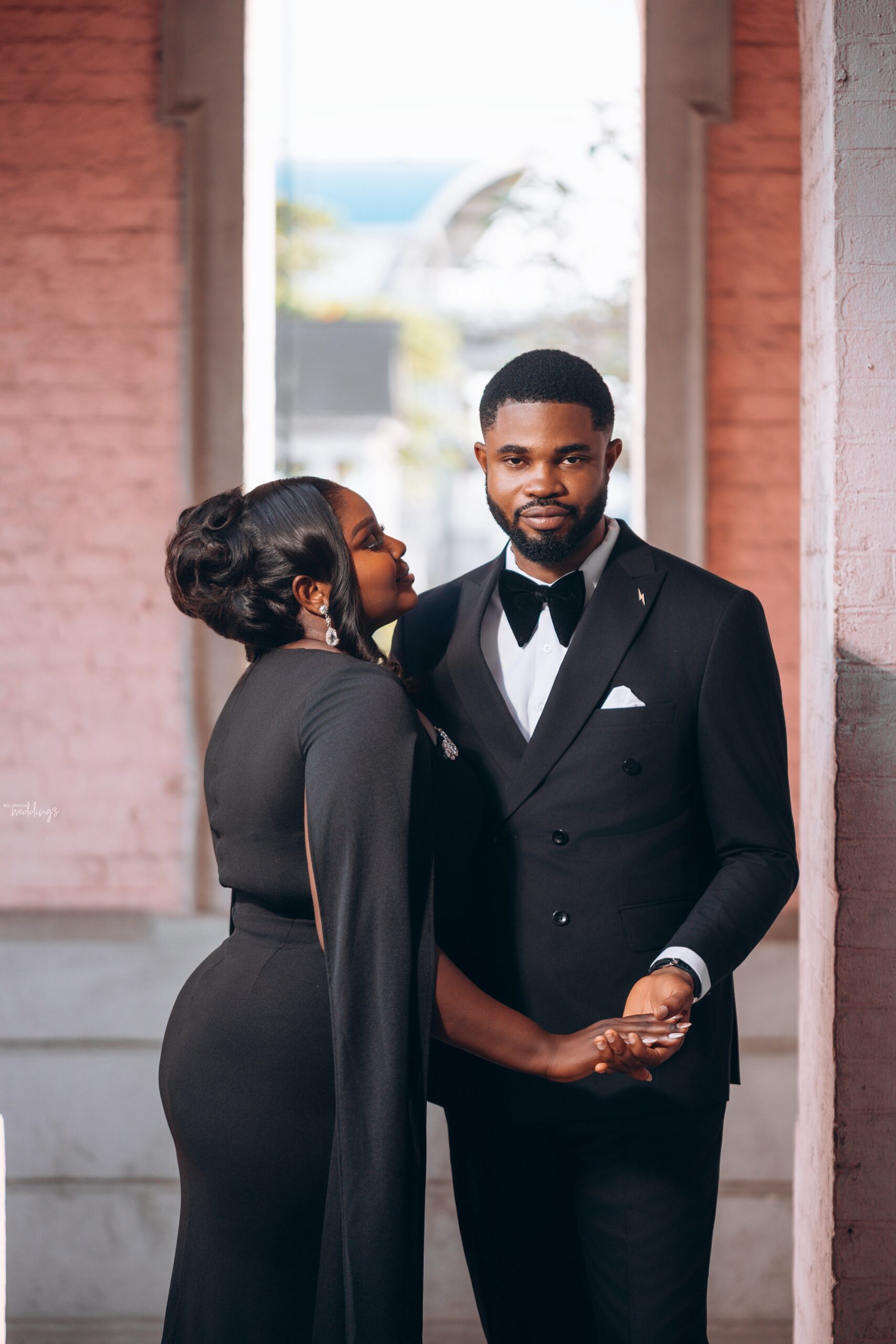
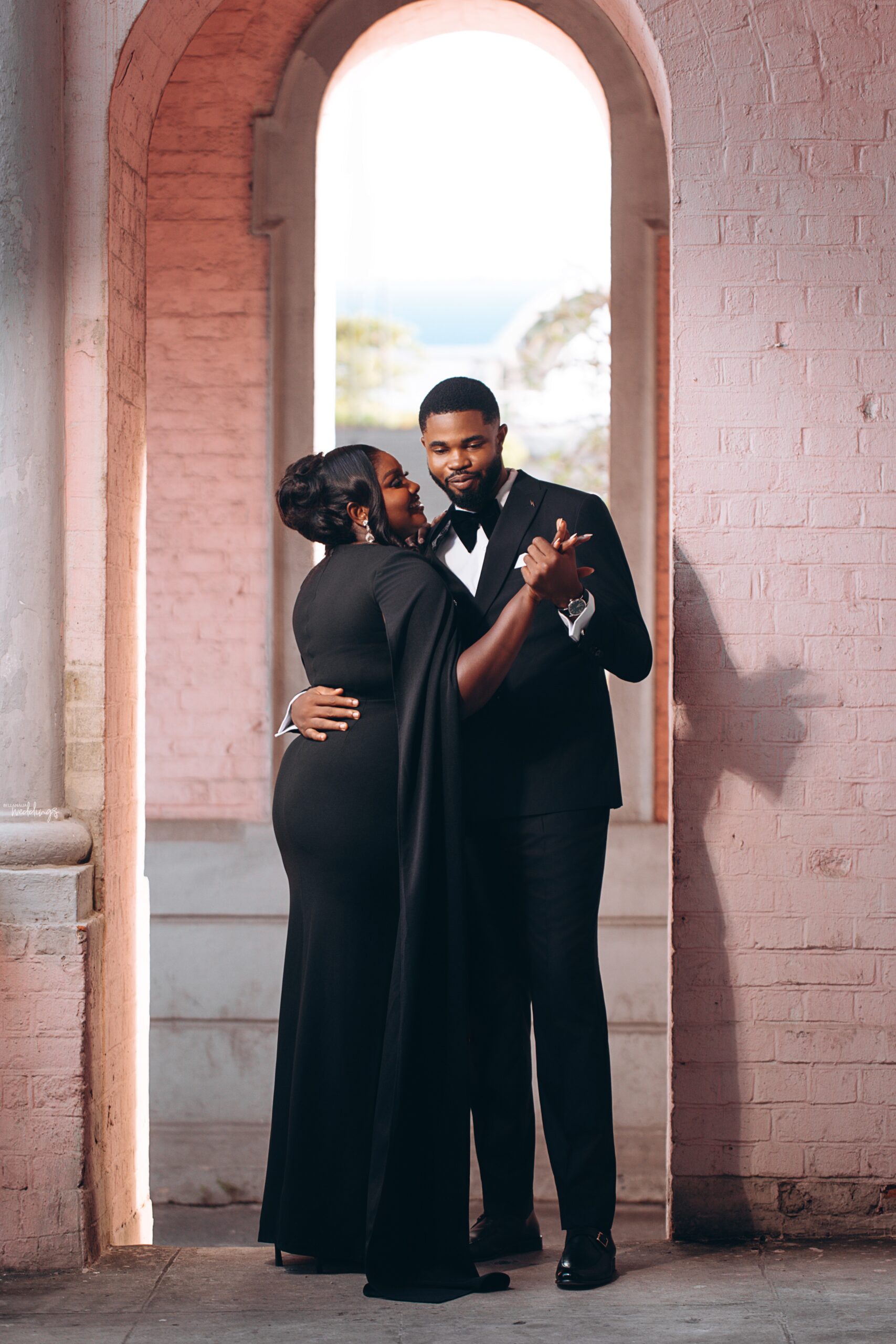
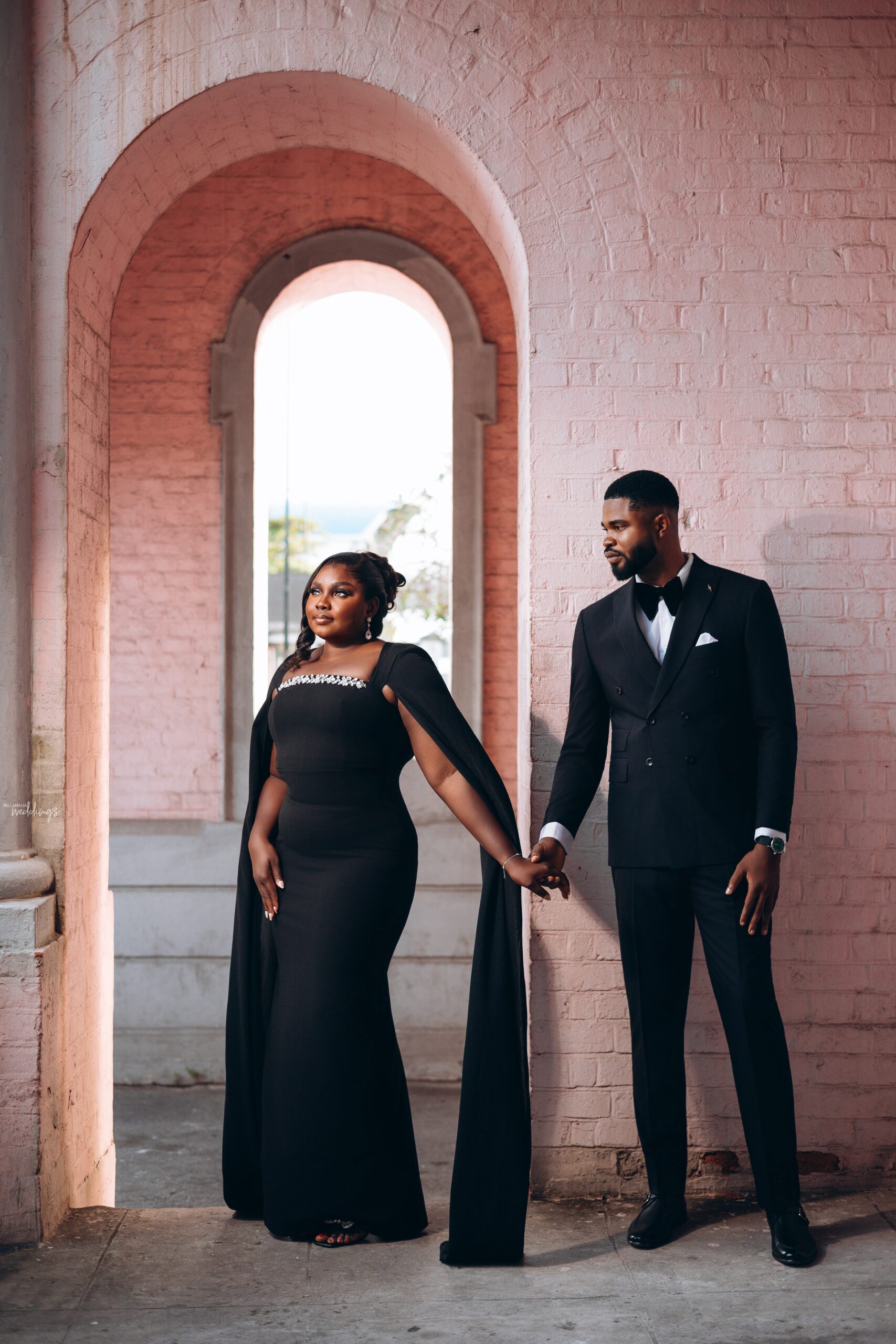
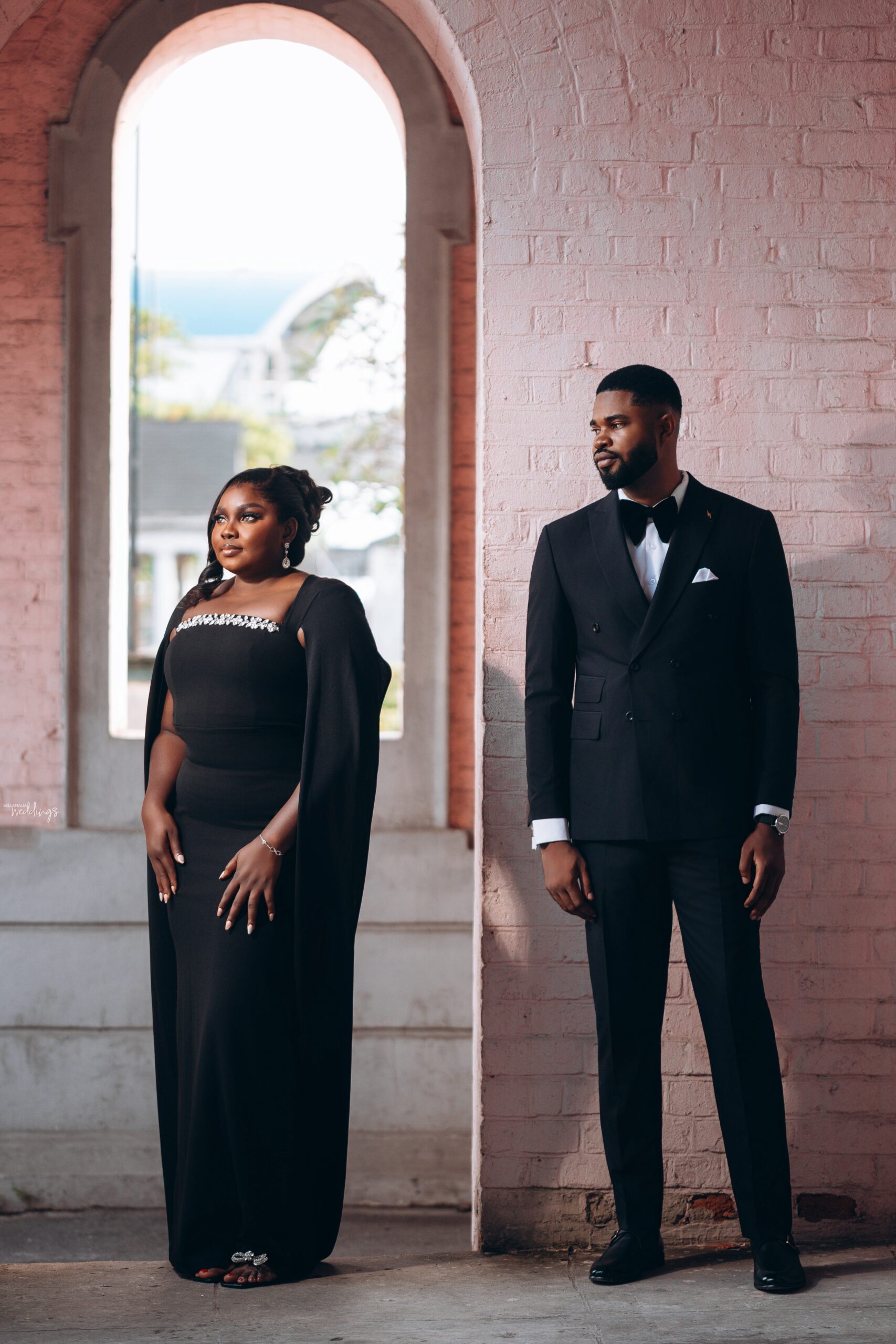
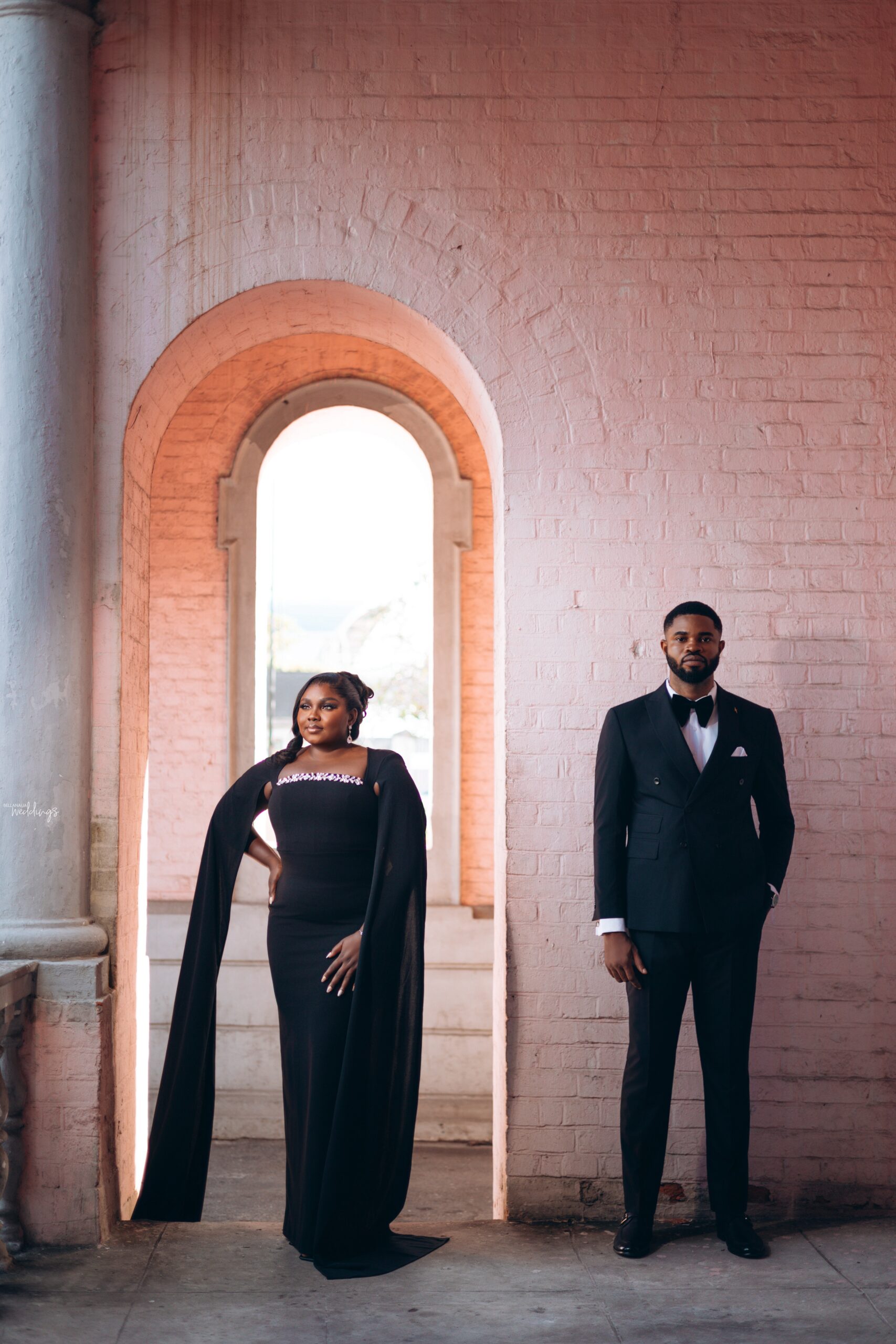
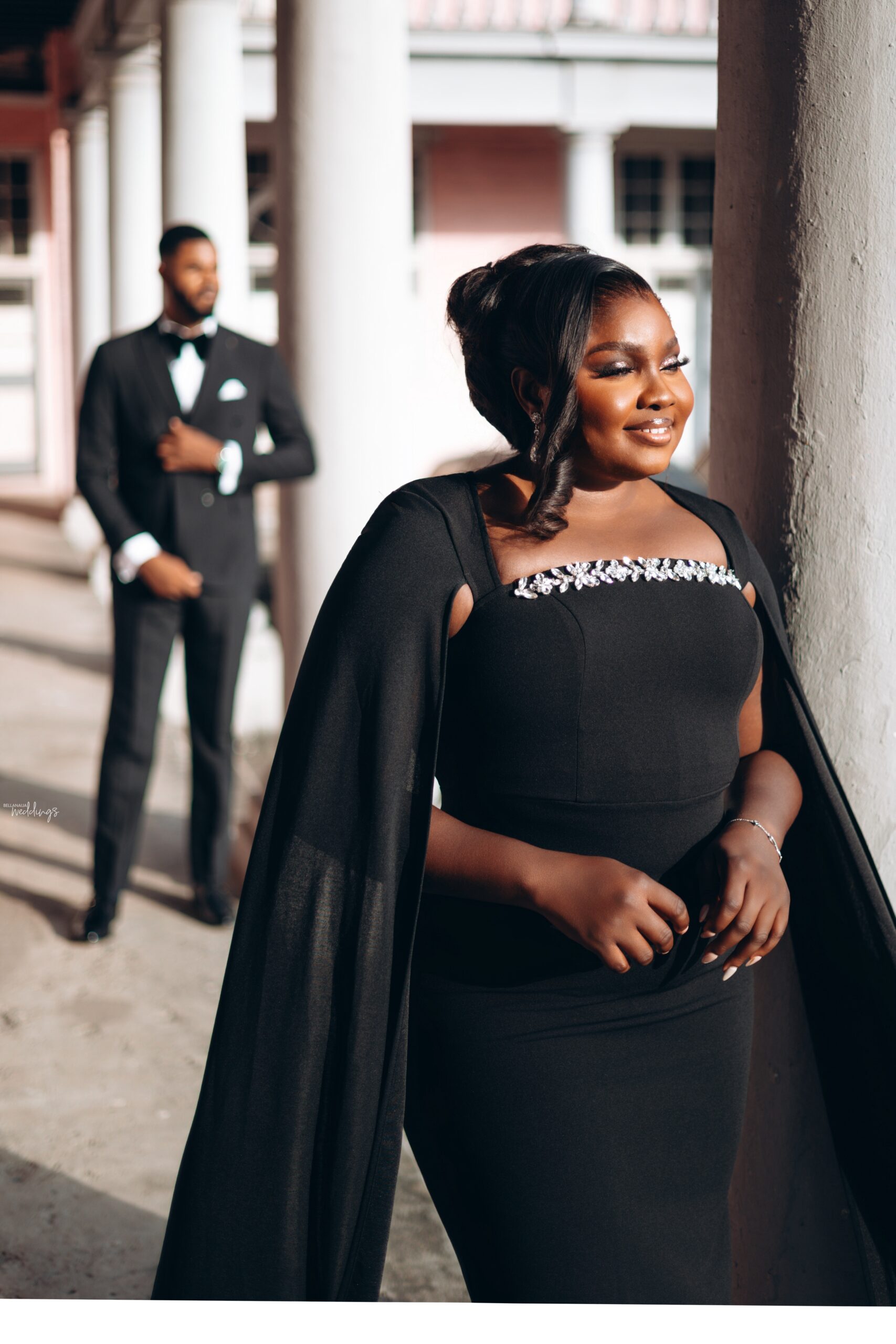
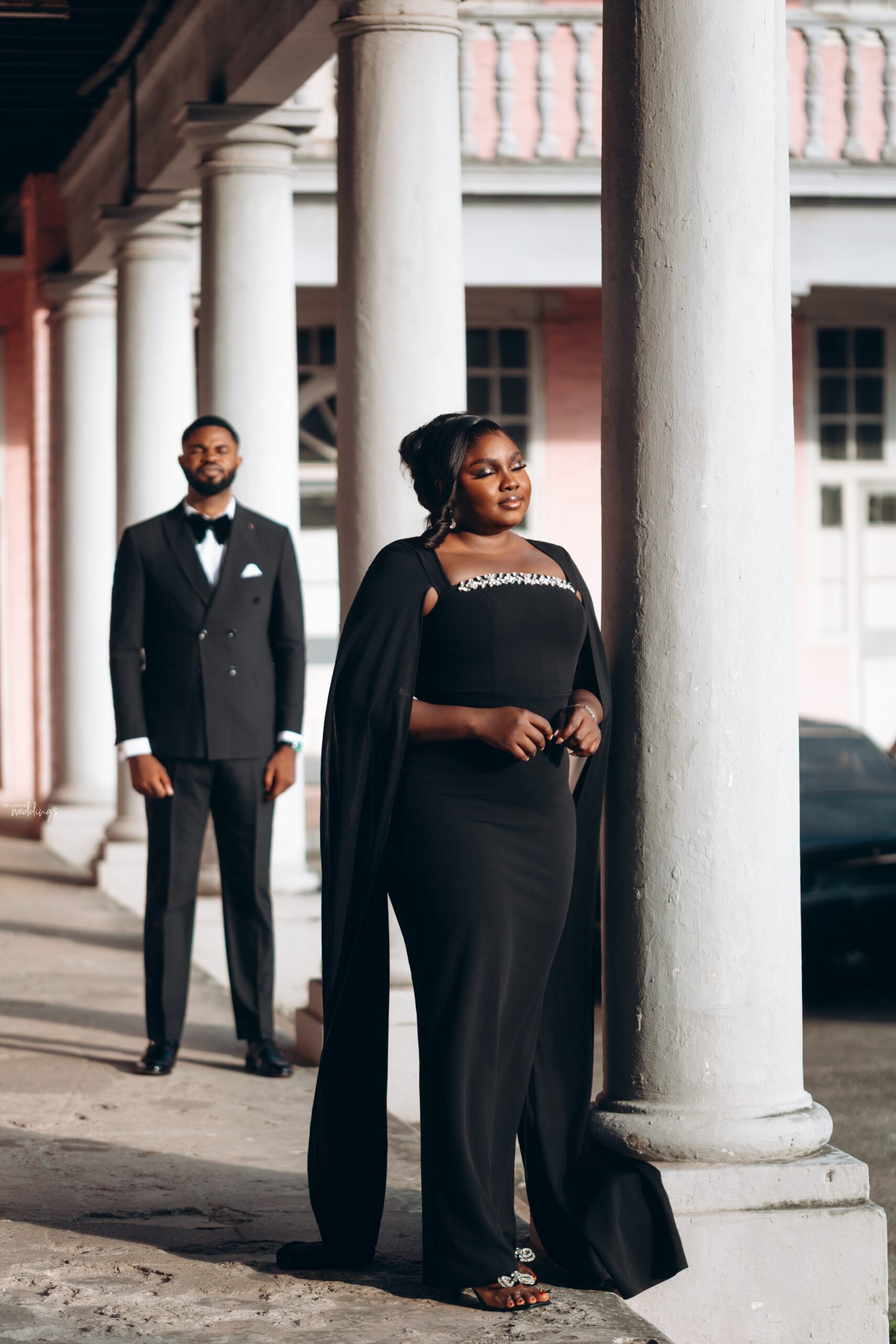
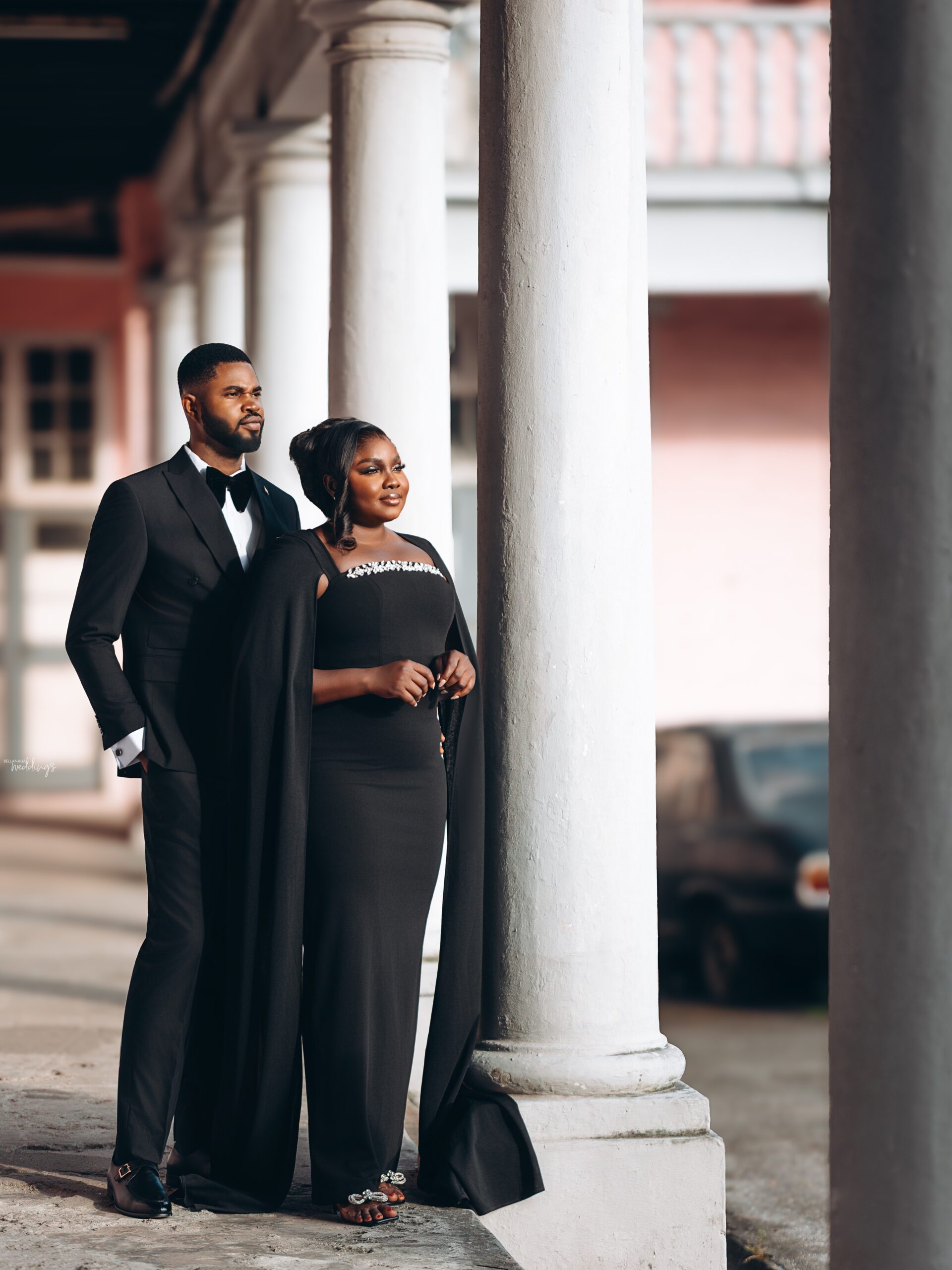
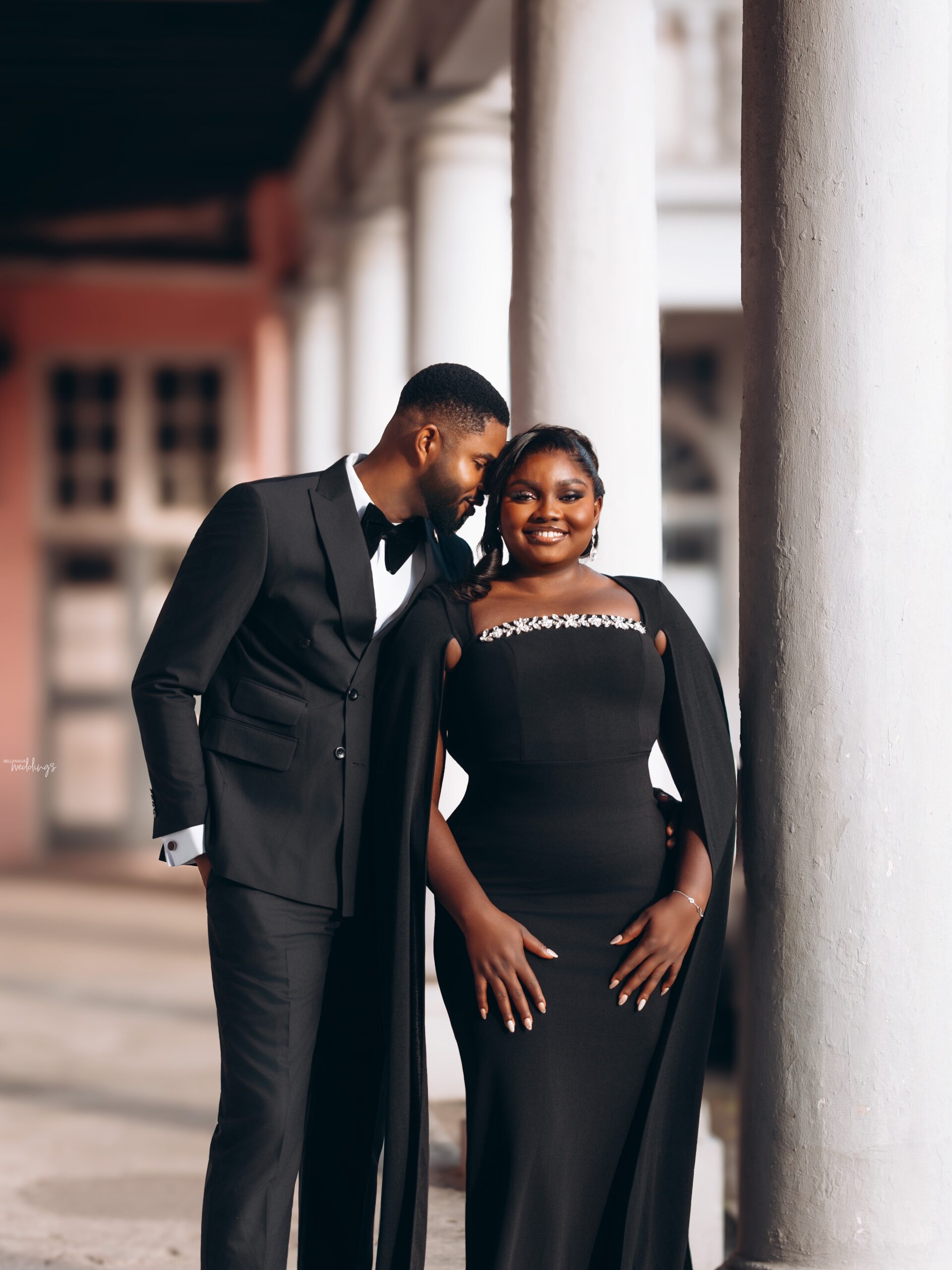
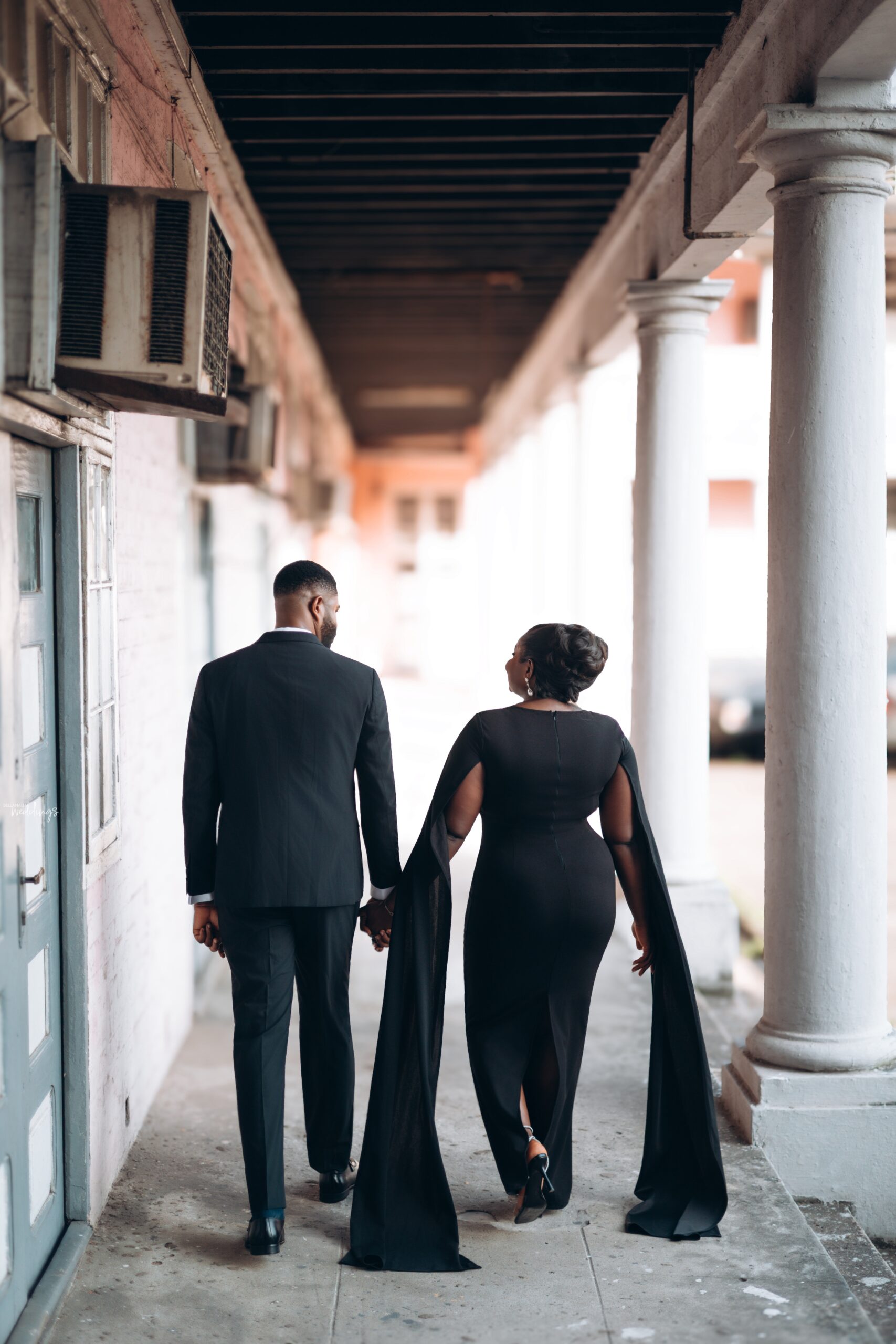
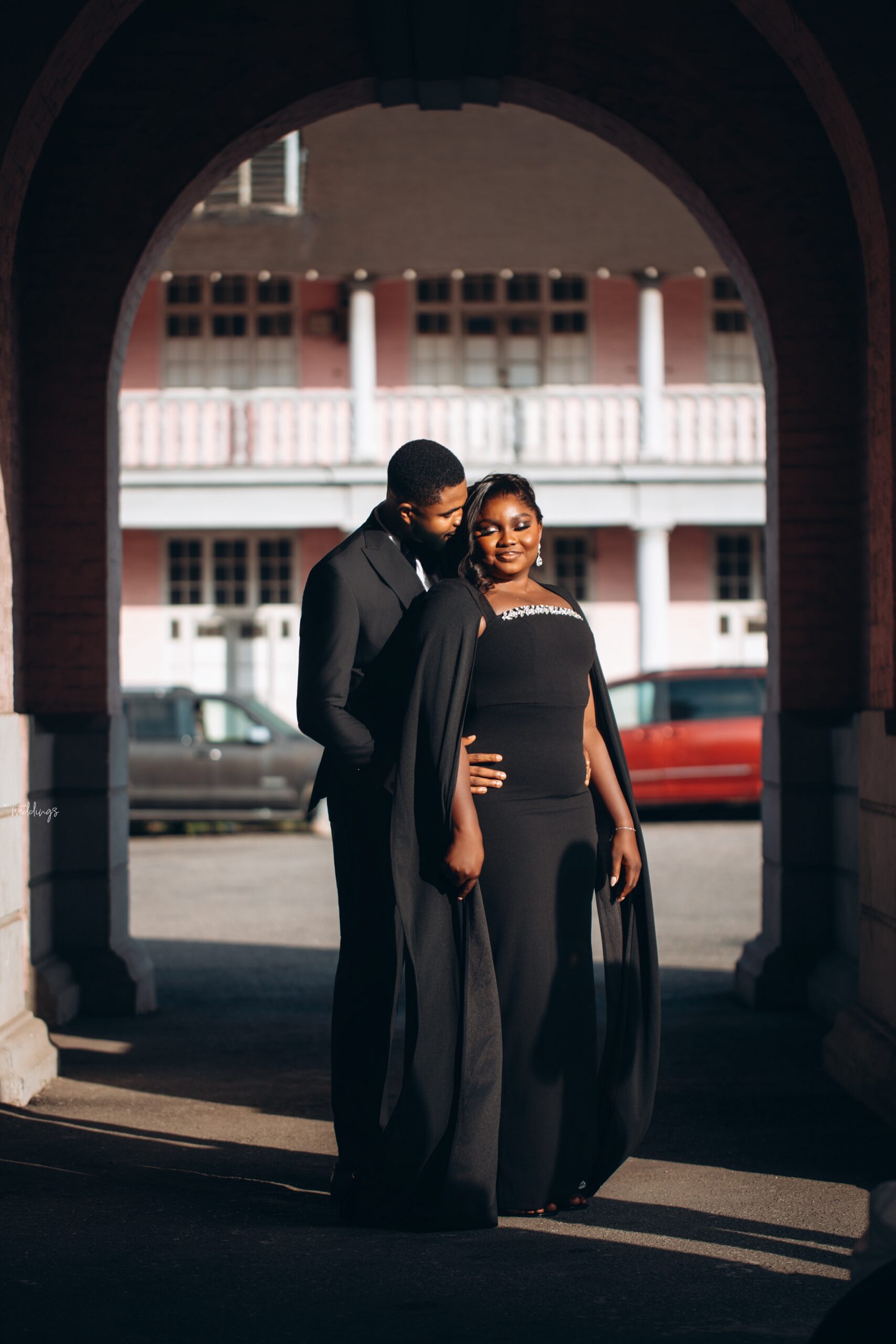
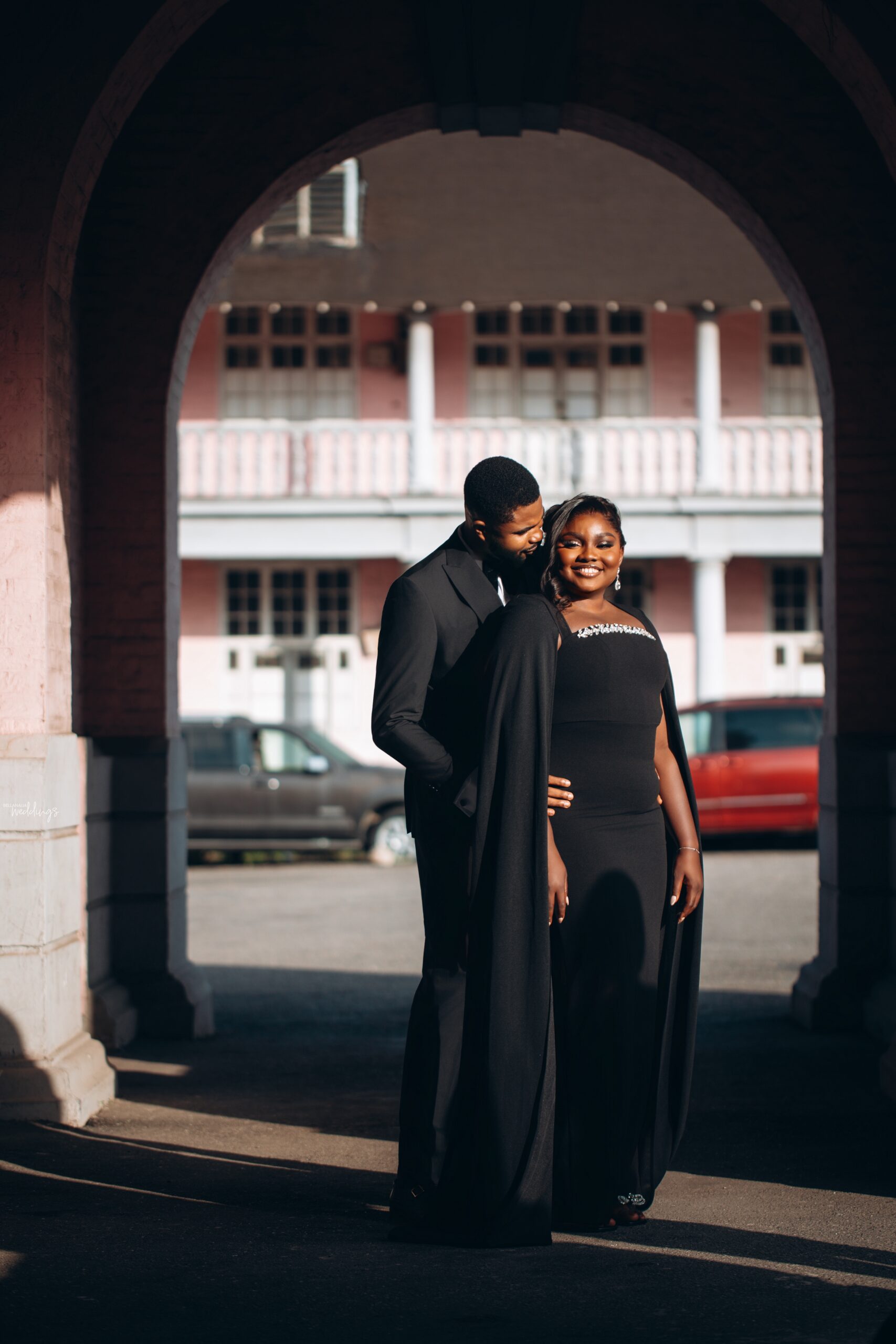
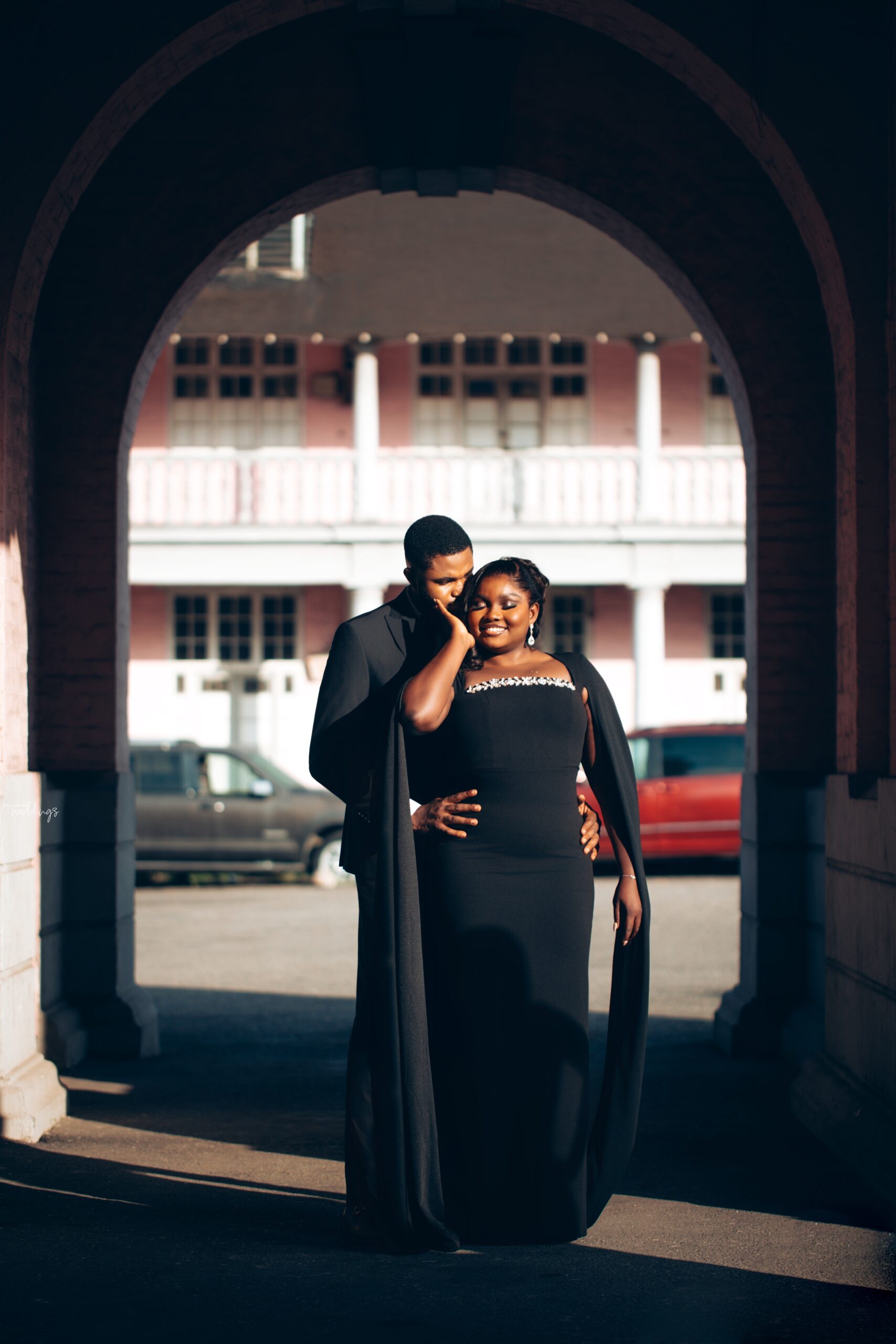
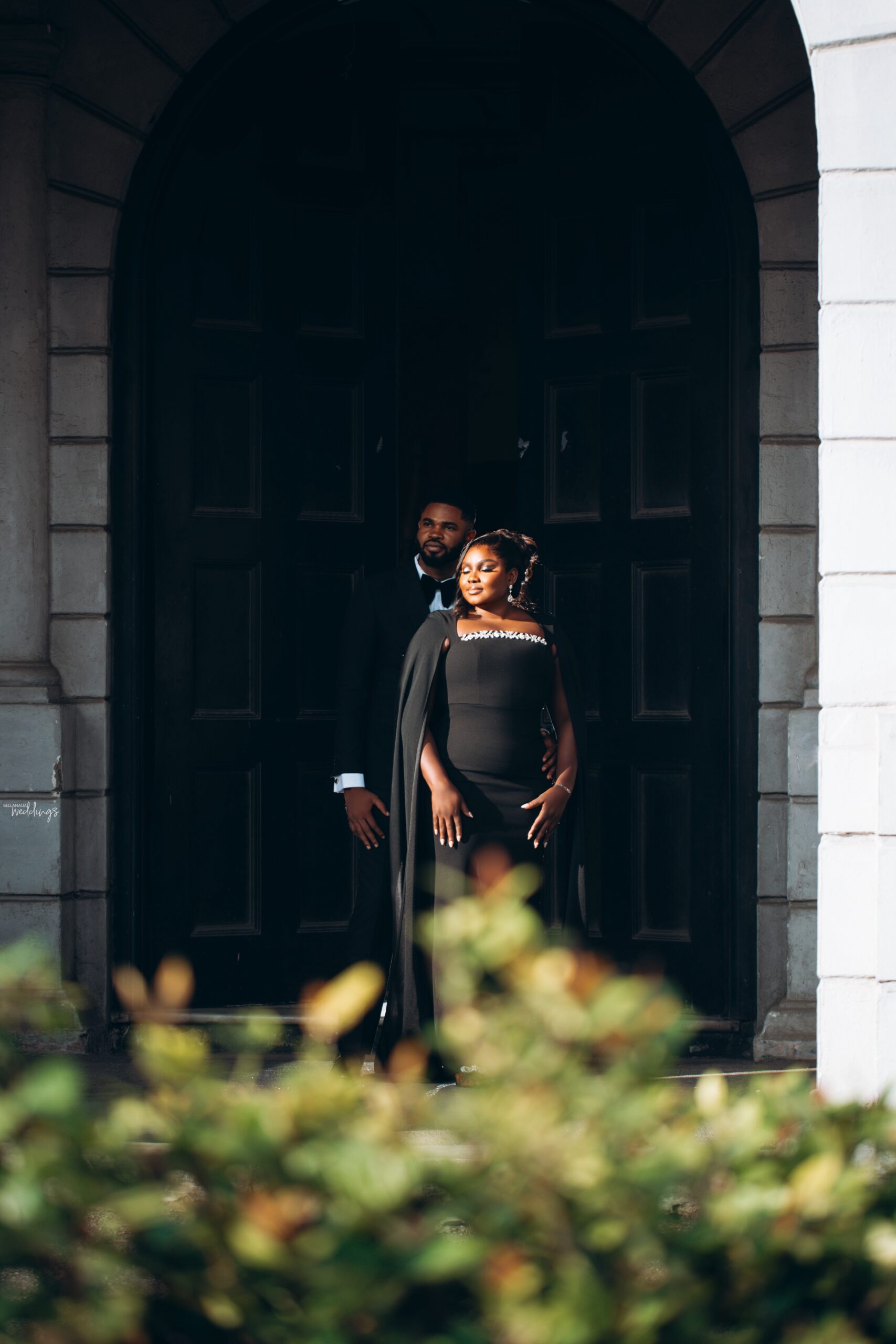
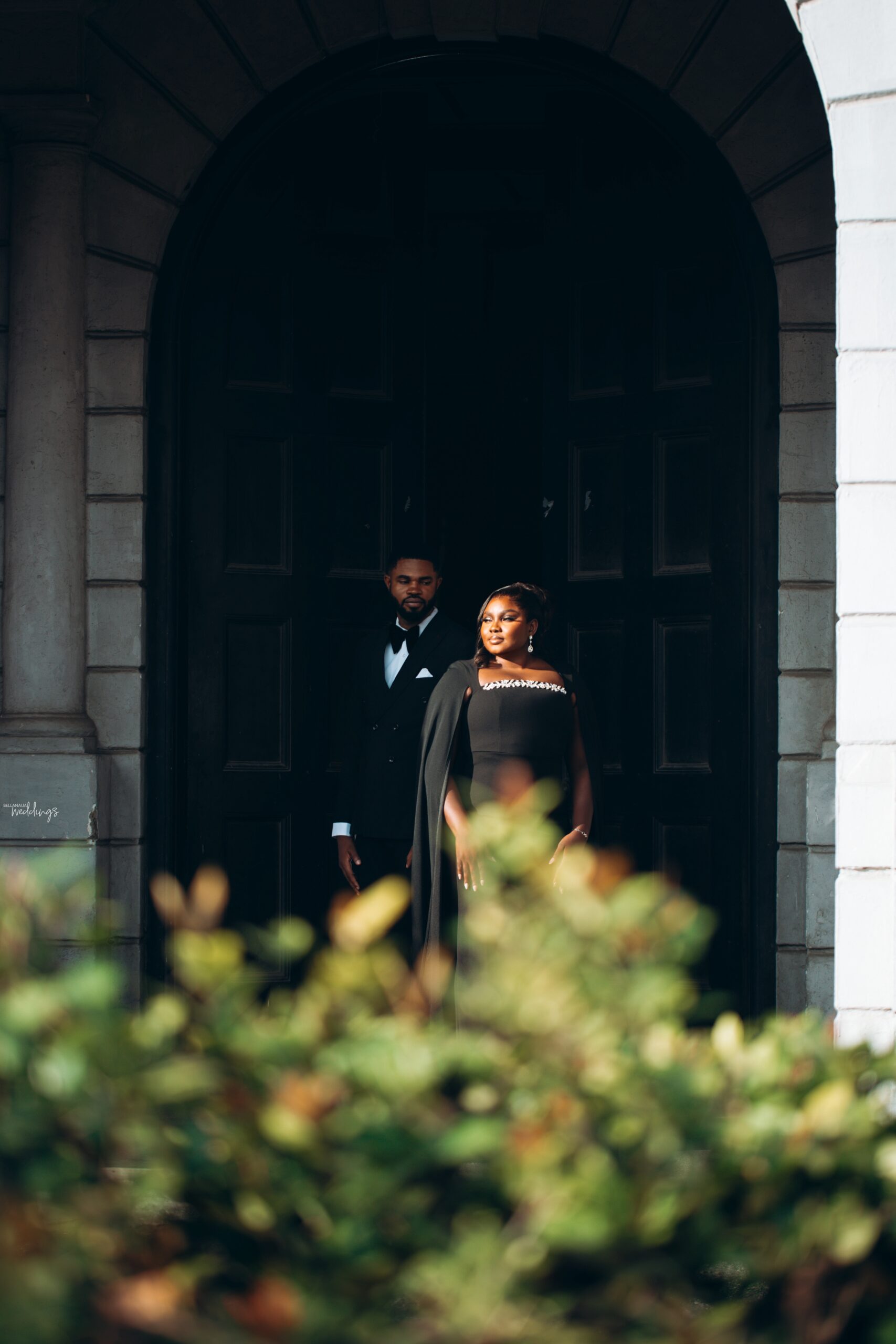
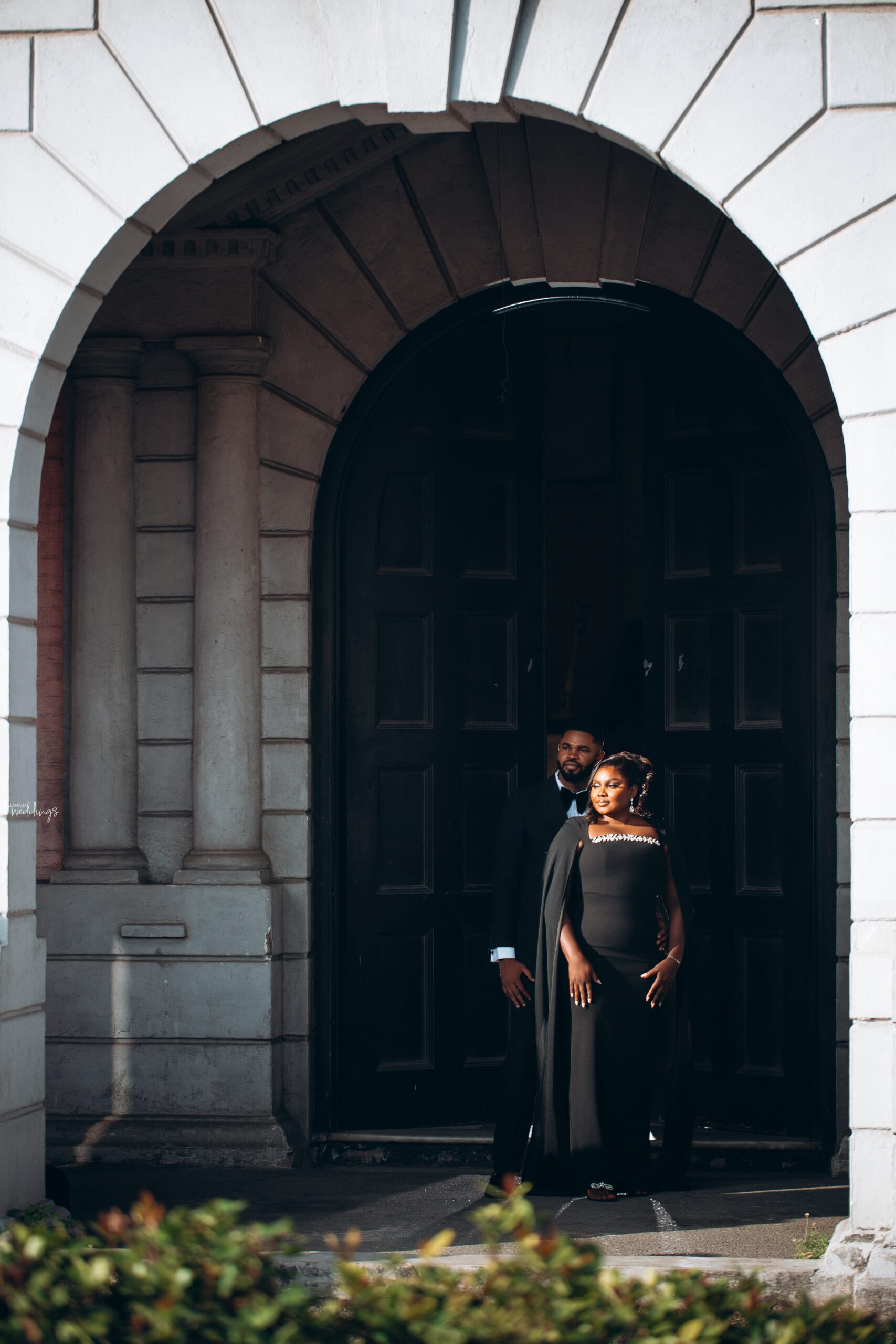
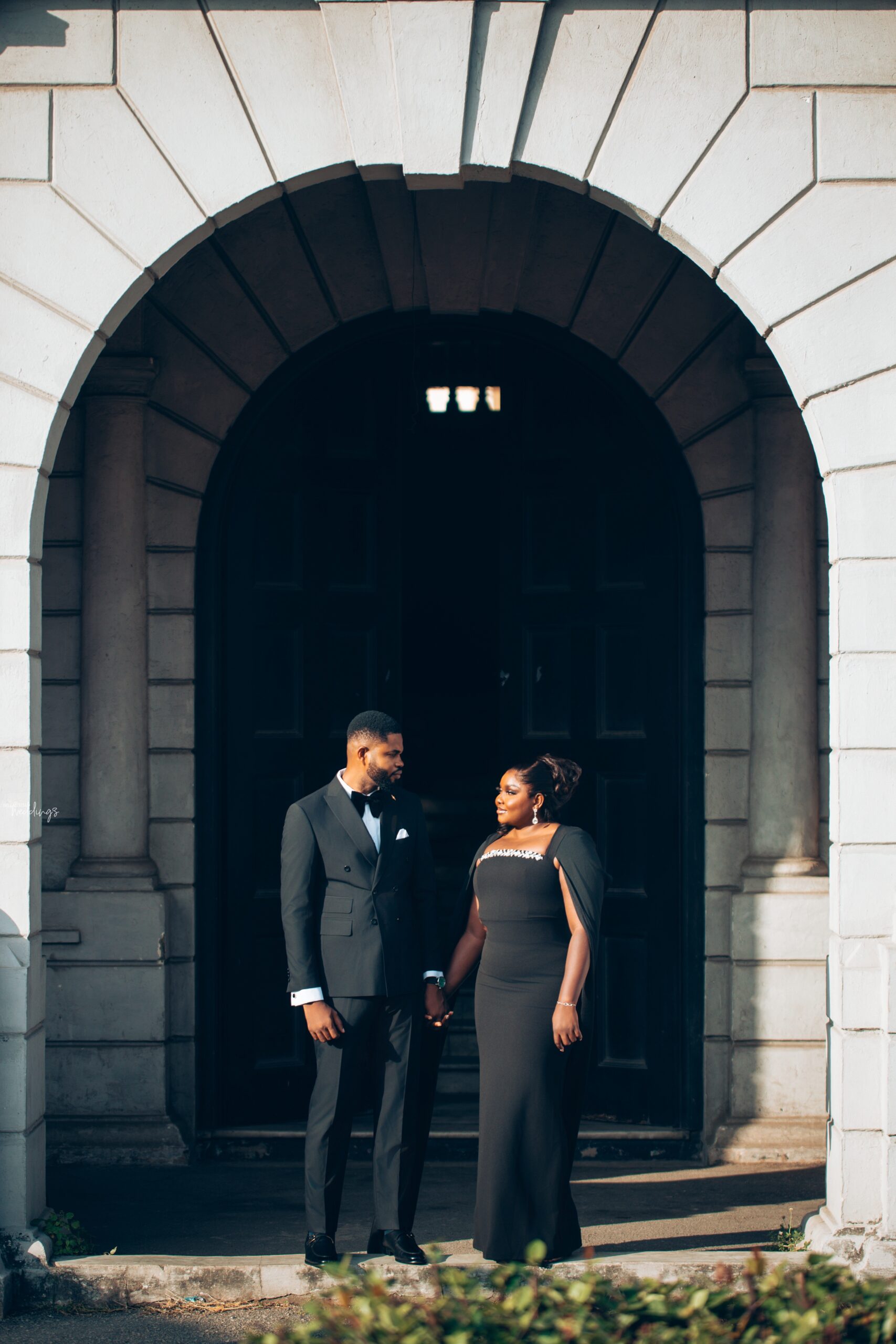
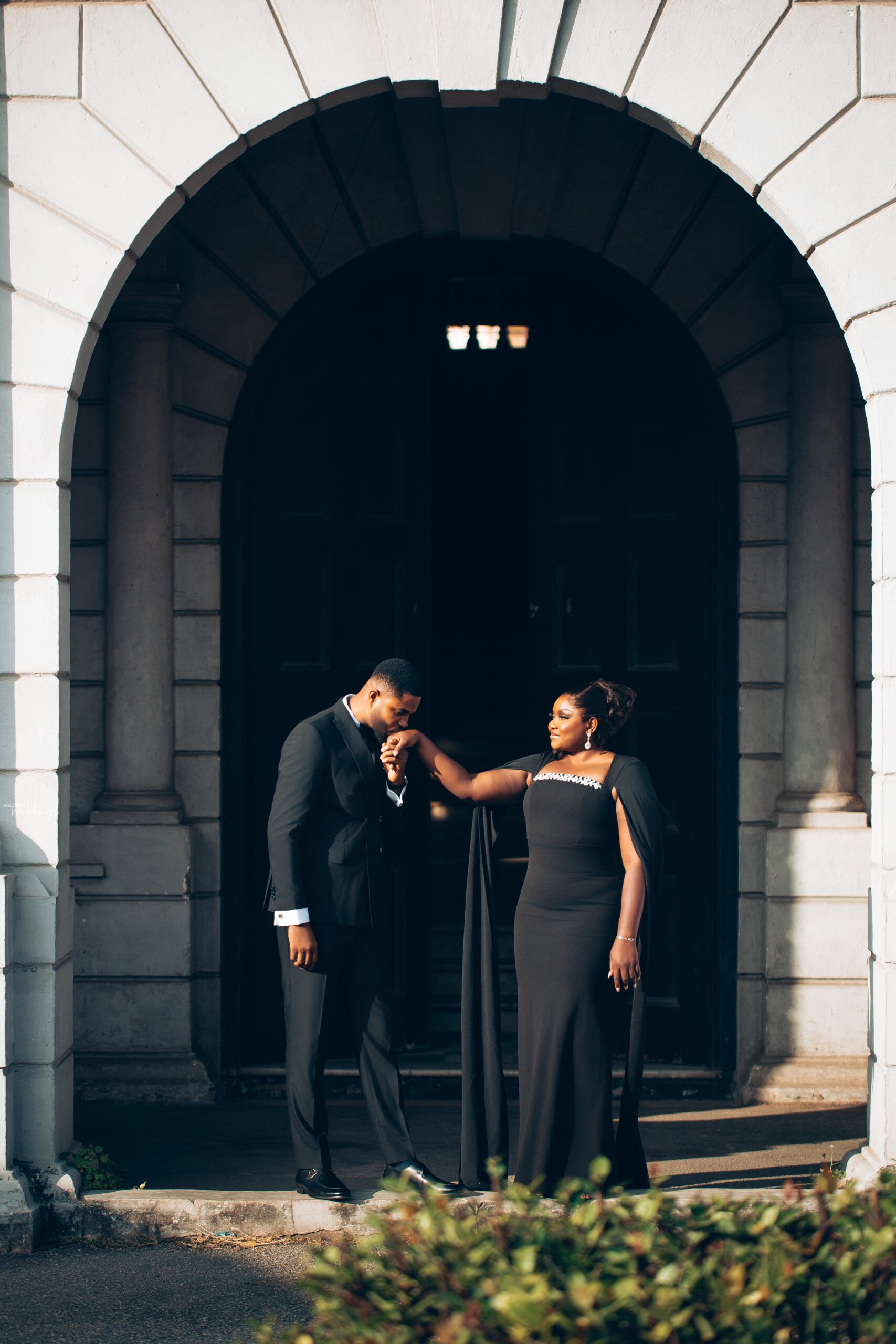
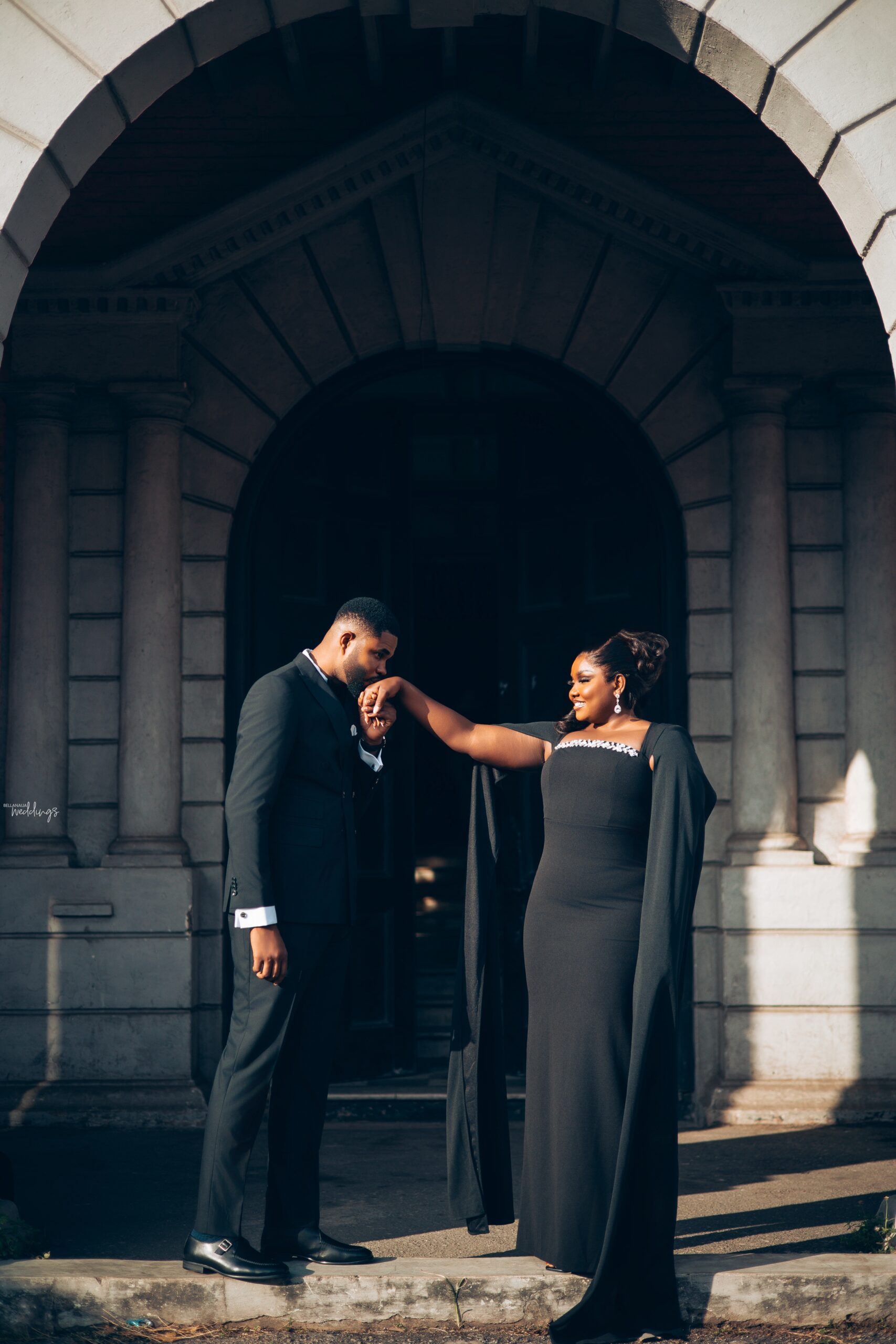
Olamide and Ayokunnumi’s love story began with a simple “hello,” and now it’s leading them to “I do.” What started as keeping in touch on social media slowly blossomed into something deeper, and seven years later, they’ve realised that sweet love had been brewing all along. Now, they’re set to spend the rest of their lives together, and their pre-wedding shoot beautifully captures the journey, the friendship, and the love that brought them here. They look so perfect together, and their photos would absolutely brighten your day.
Enjoy their pre-wedding photos and love story below:
How we met
As shared by The Couple
It started in 2018 with a simple Hello. This simple ‘hello’ would eventually set into motion a journey we never could have scripted ourselves. (What we tag as evidence of God’s sovereignty). From digital conversations, in-person interactions, the comfort of familiarity eventually set in, we soon discovered we shared not just common interests, but a deep-rooted faith that became the foundation of our relationship. We have watched each other grow through life’s different phases. As time passed, our friendship blossomed, we towed different parts of relationships (we both served and got served the proverbial breakfast at different points), but stayed in touch. We laughed over them, ranted, and consoled each other. Of course, we had our fights too (for the amebos 😝, those episodes are well behind us), but we always found our way back to each other.
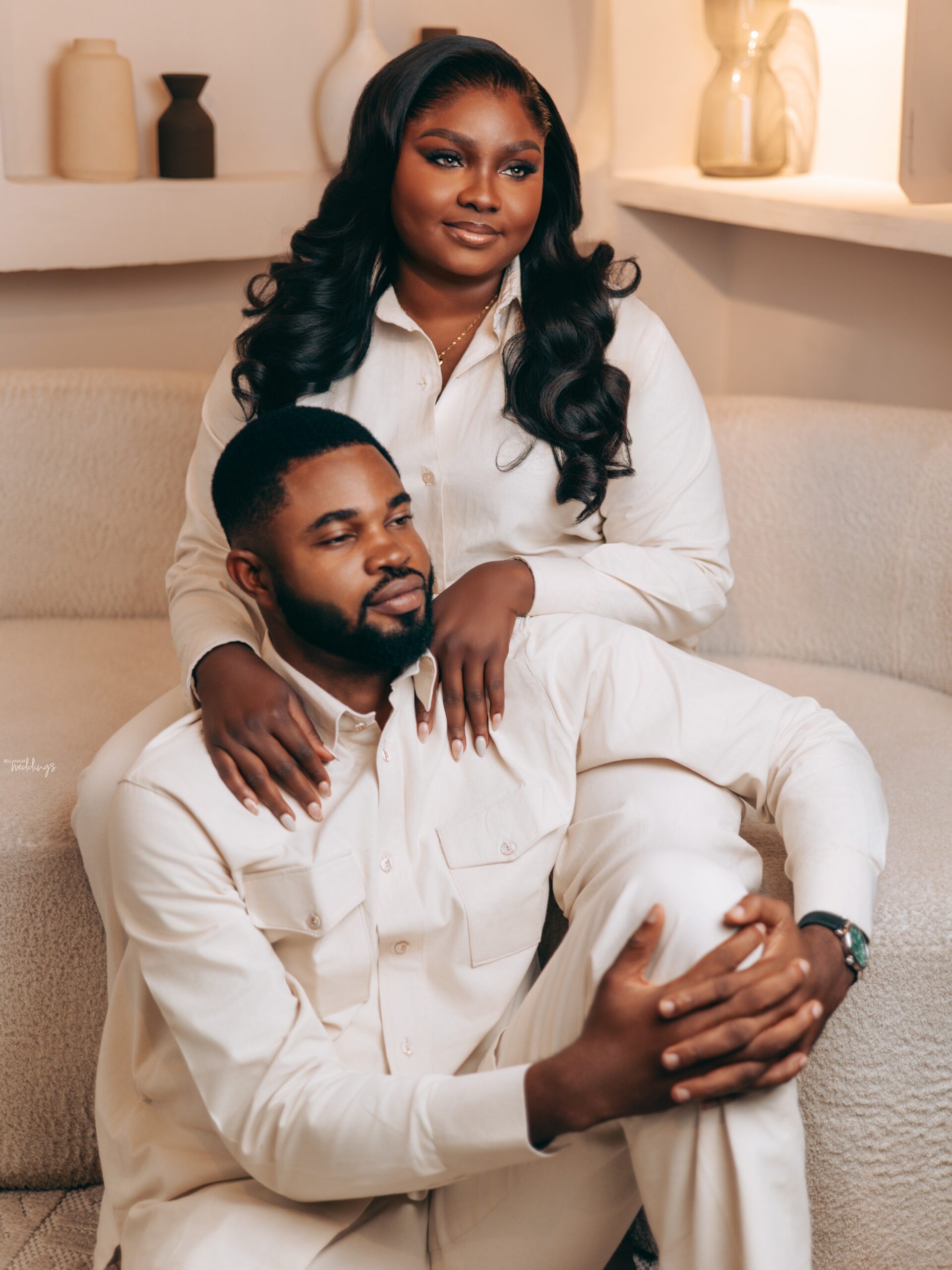
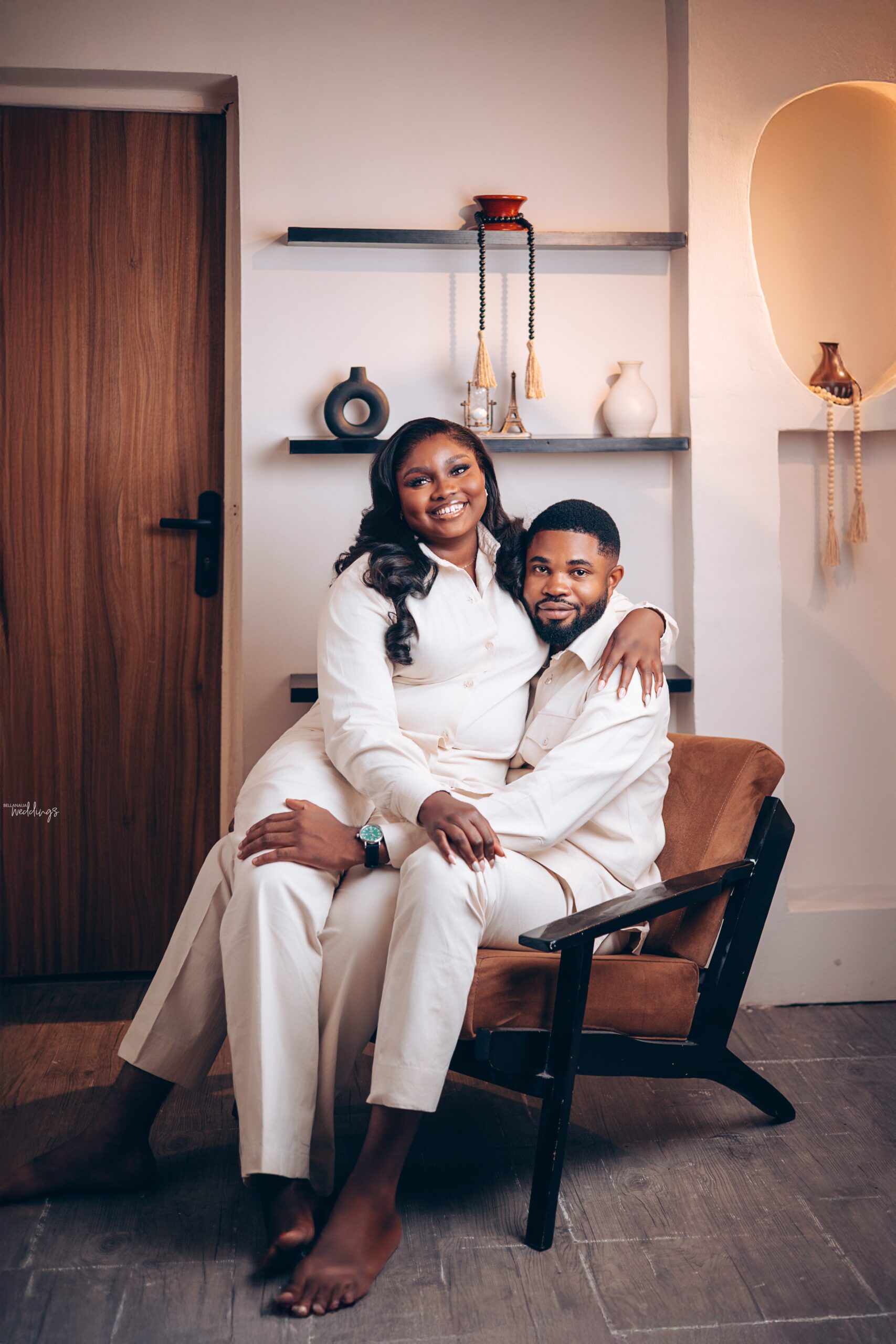
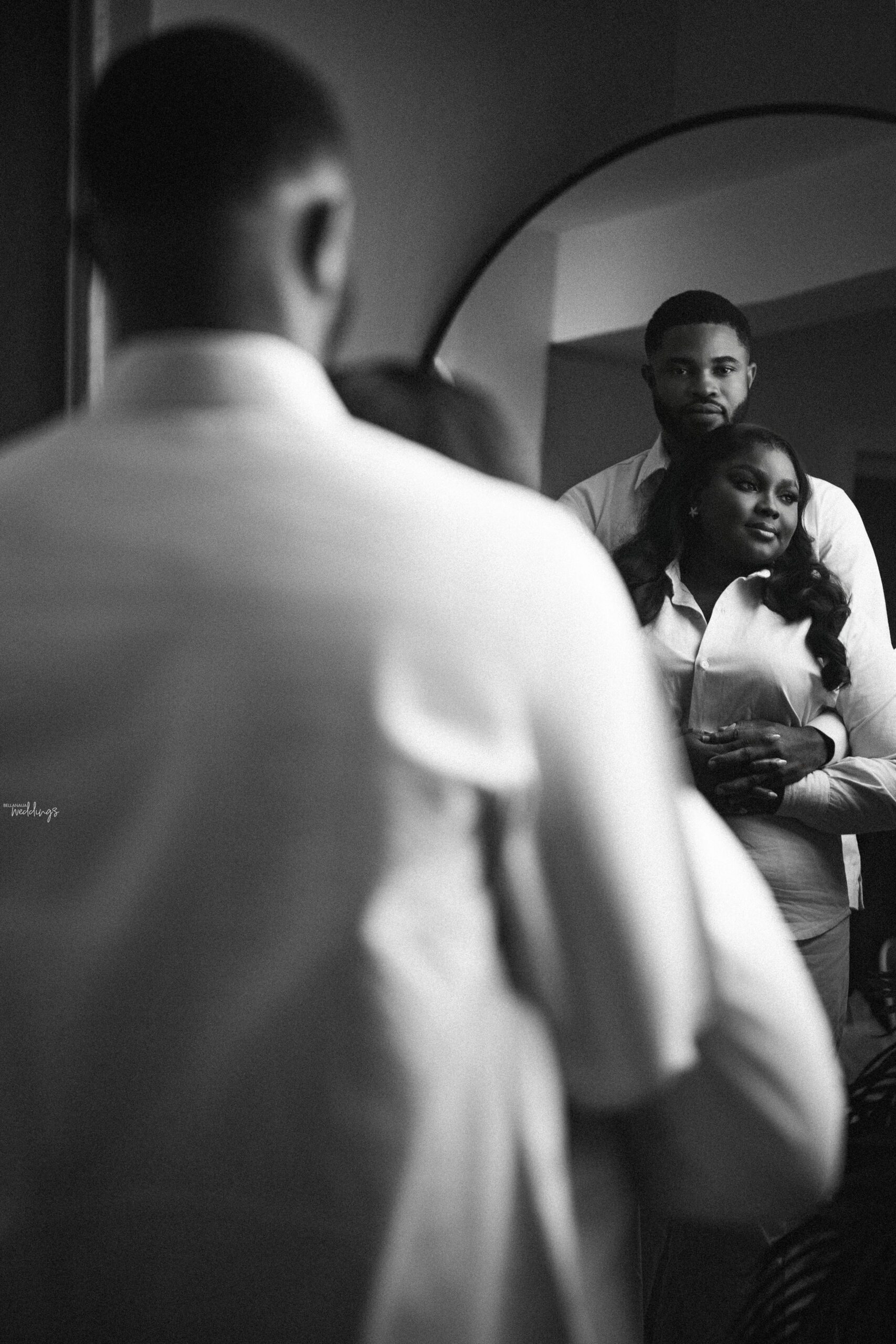
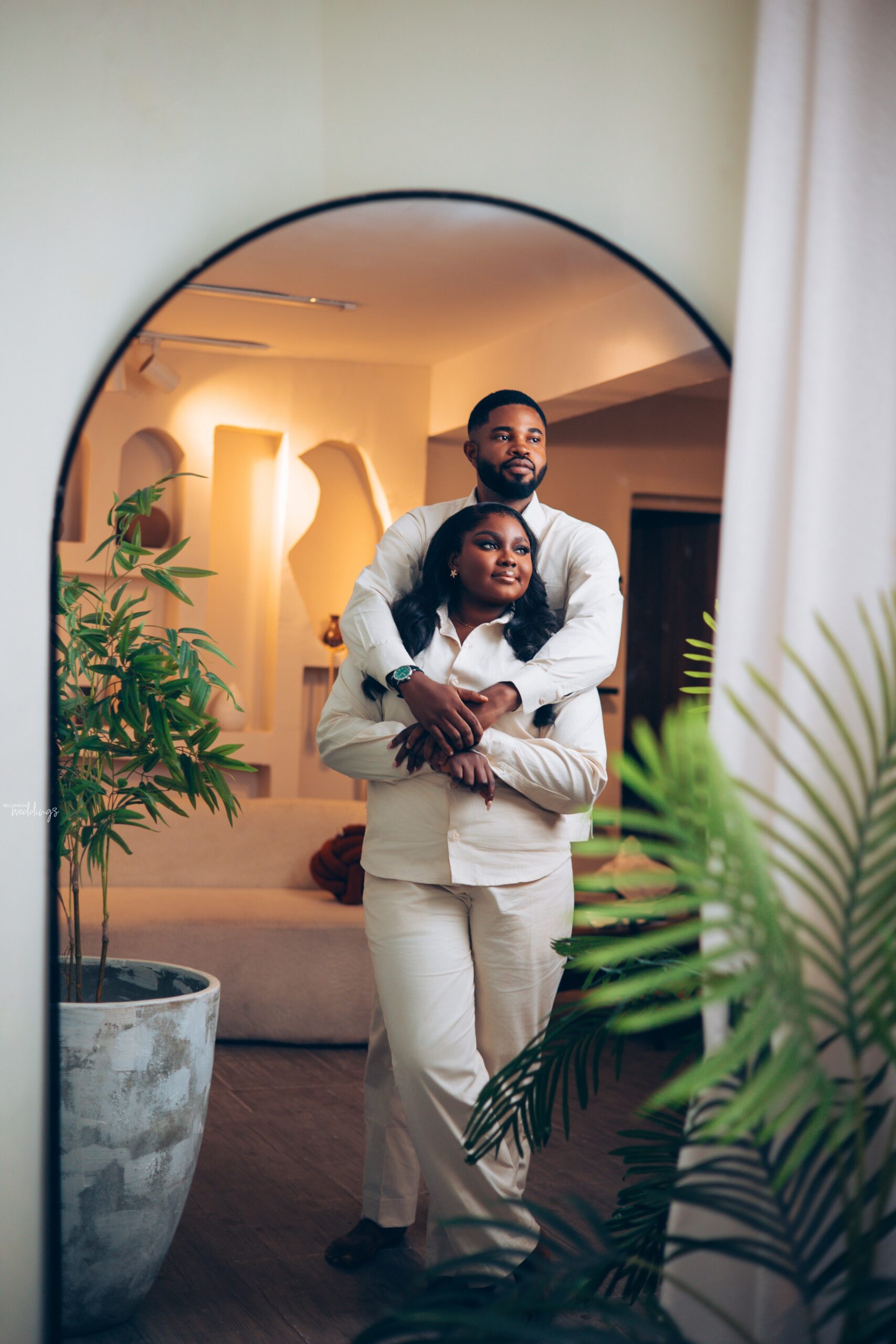
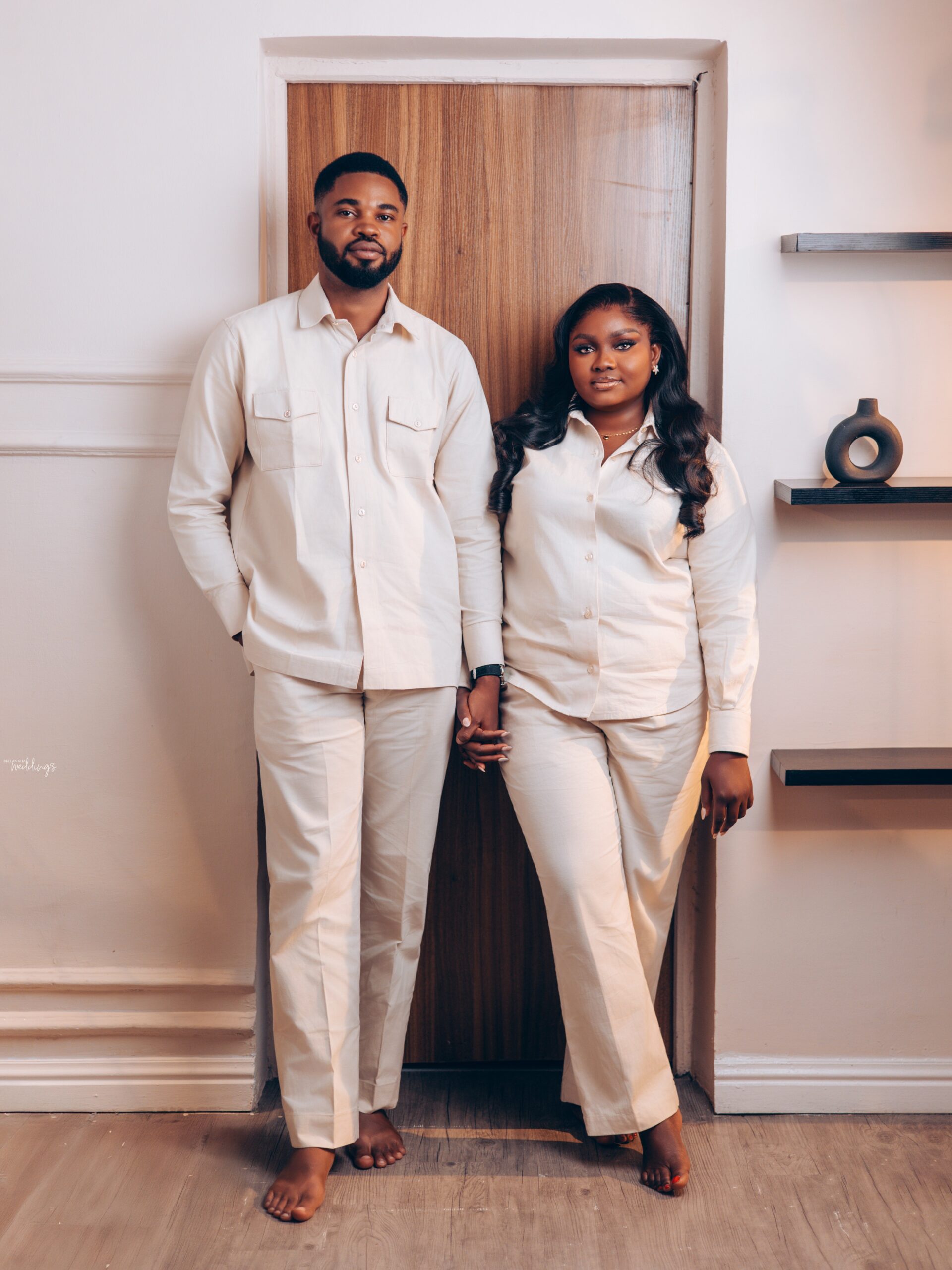 We shared stories that made our sides hurt with laughter, supported each other through work and life’s rollercoasters, and found joy in the little things – shared books, playlists, spontaneous conversations, and heartfelt prayers. Somewhere between the laughs and supporting each other, we realized this was more than friendship. This was home. With God’s help, we overcame the obstacles and chose to take this up a notch by doing forever together. As we prepare to begin this new chapter, our hearts are full of gratitude for our journey and for everyone who was part of our story. We can’t wait to celebrate the beginning of our next chapter with you.
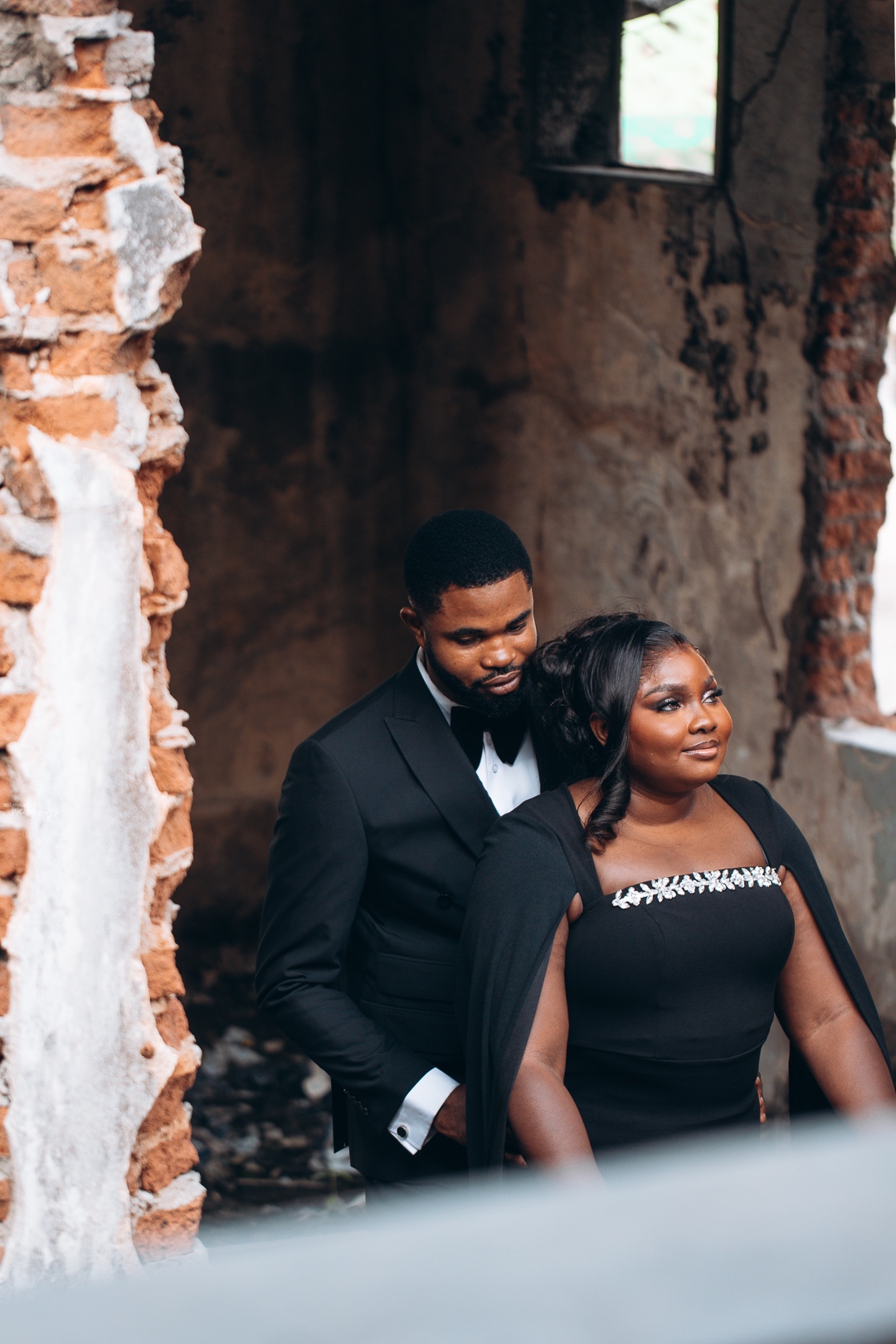
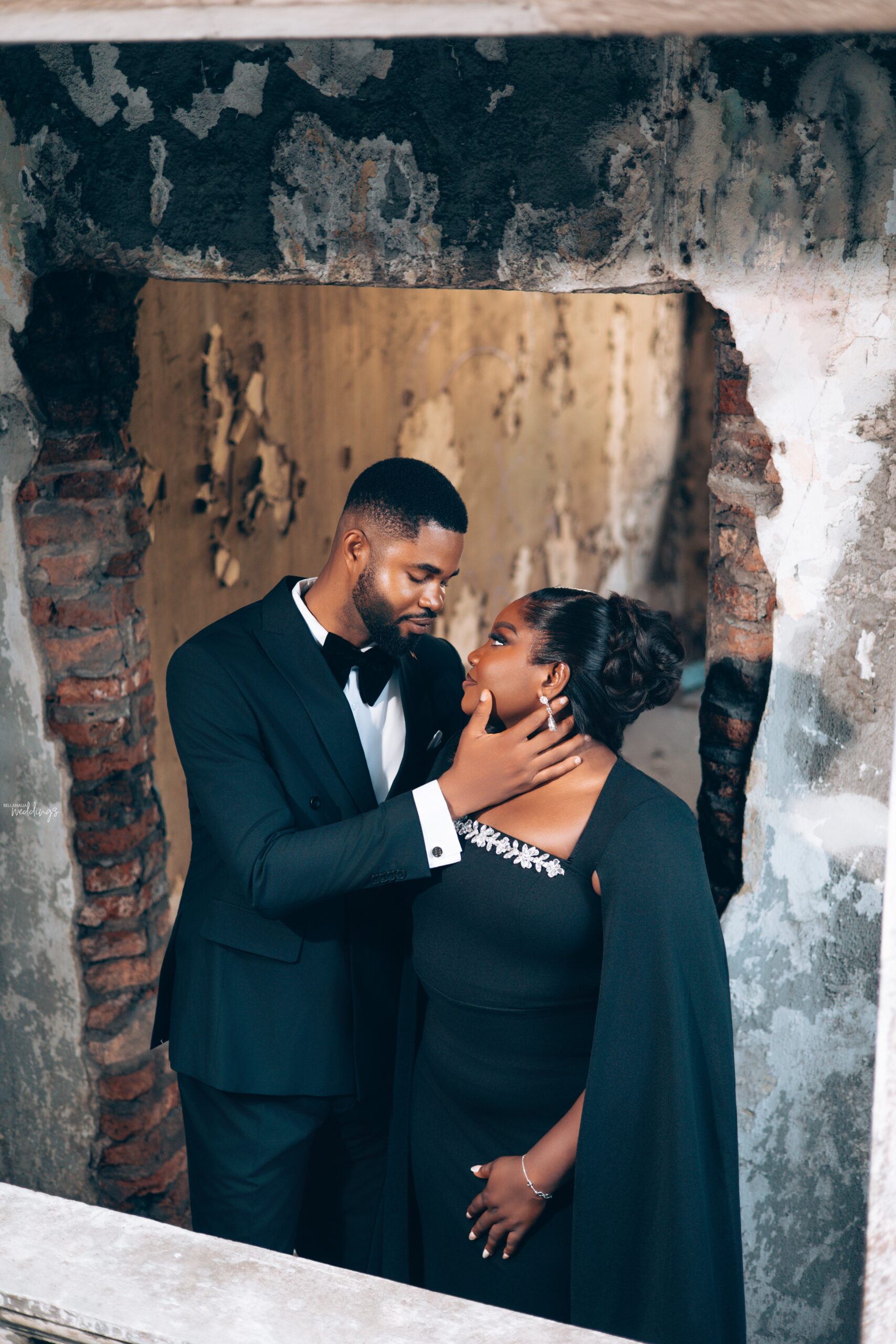
Credit
Bride: @girllikemabel
Groom: @iamthemelech
Photography: @onafuwaphotography
Makeup: @douyebeautyartistry
Hairstylist: @midey_millz
Bridal Coordinator: @_bridalconcierge
Stay ahead of the curve with our weekly guide to the latest trends, fashion, relationships and more
Stay ahead of the curve with our weekly guide to the latest trends, fashion, relationships and more
Stay ahead of the curve with our weekly guide to the latest trends, fashion, relationships and more
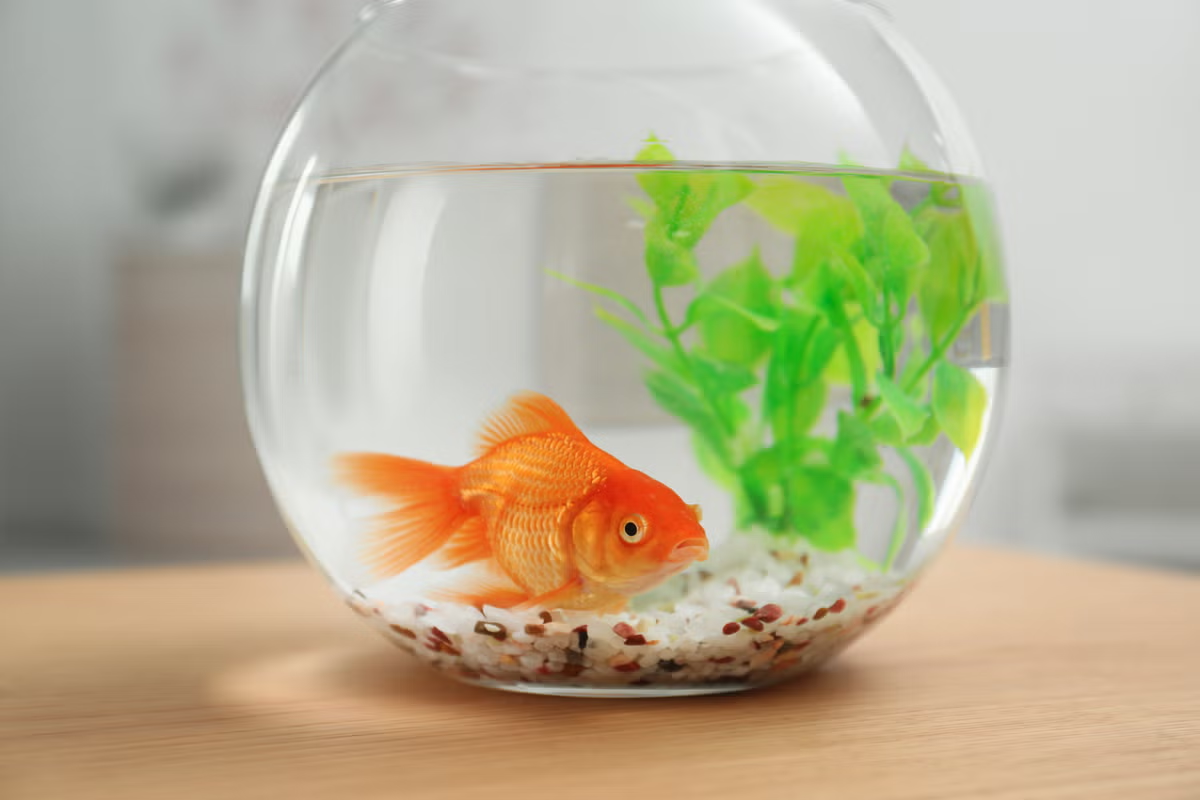
Ten years ago, a shocking headline captured the world’s attention: “Human beings now have an attention span shorter than that of a goldfish!”
This claim, though horrifying, was totally bogus. The stat in question – that our attention spans had shrunk to a meagre eight seconds – was founded on two spurious and unverified sources and widely spread by a Microsoft Ads “study” published in 2015.
Still, a lie can travel halfway around the world while the truth is still putting its shoes on, as the saying goes. The falsehood proved irresistible and was widely reported by global media outlets, including this very publication, before eventually being debunked. Perhaps it was so easy to believe because it backed up what everyone already suspected: that we were, collectively as a species, getting stupider. Or, if not stupider, certainly less adept at concentrating for any length of time.
The inexorable rise of TikTok has seen the proliferation of ultra-short-form content; according to one survey, nearly half of users find videos longer than a minute “stressful”, while analysis has shown that videos under 60 seconds get the most views and up to 15 per cent more engagement than those of a minute or more.
In fact, everywhere you turn, media seems to have undergone an evolution – or perhaps that should be devolution – shrinking down to appeal to our increasingly fractured focus. YouTubers cut out pauses in the edit to make their clips shorter, podcasts and voice notes offer the option to listen at double speed, and the average song length dropped to an all-time low of 3m 12s in 2019. An accompanying “attention deficit pop”-style genre has sprung up, comprised of blink-and-you-miss-them tracks designed for potential viral superstardom as the backdrop to social media posts. Music platforms such as Spotify have even changed the way that songs are being written – artists have to “front-load” a track with the hook to hold the listener’s attention past the first few seconds, otherwise they’ll skip the song.
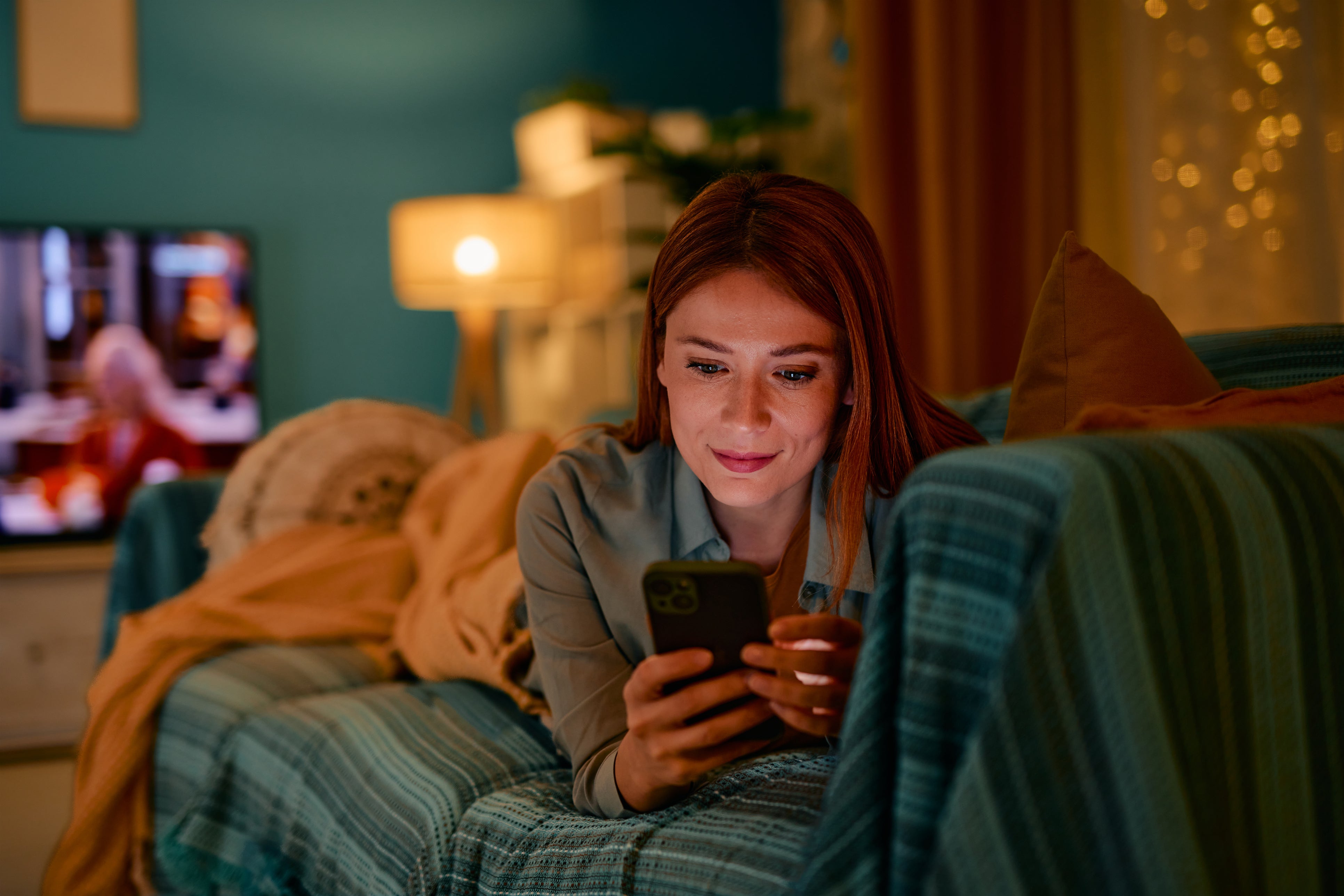
Meanwhile, movie cuts have become much more rapid and streaming services have started creating “second screen shows”, specifically designed to be consumed by the permanently distracted viewer while they simultaneously scroll on another device. Insiders have claimed that Netflix frequently instructs screenwriters to have characters “announce what they’re doing so that viewers who have this programme on in the background can follow along”.
open image in gallery
Second screen shows are designed to be ‘watched’ while scrolling on another device (Getty Images)
And that’s before we even get into the genre known colloquially as “brain rot”: nonsense, quickfire and often jarring video content with no discernible plot, typified by its repetitive and absurdist nature. One of the most famous examples is now Skibidi Toilet, an online series so popular that the word “skibidi” passed into common parlance (and the Cambridge English dictionary) as a slang word used primarily by children and young people.
Even if we haven’t quite hit goldfish levels, is there some truth to the assertion that human attention spans are dwindling? The short answer is a resounding “yes”, according to research. “We can reliably say, based on empirical, objective measures, that attention spans have decreased over a 20-year period,” says Professor Gloria Mark, a leading authority on the interplay between technology and concentration and author of Attention Span: Finding Focus for a Fulfilling Life. Back in 2003, when they started measuring attention spans, the average amount of time that an individual would focus on one screen before switching tasks clocked in at two-and-a-half minutes. By 2012, this had plummeted to one minute and 15 seconds. It’s now fallen once again to 47 seconds.
This shift is very recent in human history and, unsurprisingly, tied to technological advancements. “Things were pretty consistent for a very long time in the course of human evolution, and then, over the last 150 years, every generation has had some kind of fundamental shift in how we engage with the broader world,” says Professor Marian E Berryhill, a cognitive neuroscientist who specialises in working memory, perception and attention. We went from television, to computers, the internet, social media and smartphones in our pockets.
This last development has made distraction a constant companion. “It means that any passing little thought that hits your mind – like ‘Hmmm, I wonder if Tim Burton is still with Helena Bonham Carter?’ – makes you stop what you’re doing and check as if that were an important thing,” says Berryhill. “The fact that the immediacy of finding out is right at your fingertips means most of us fall victim to that kind of intrusive thought all the time.”
Any passing little thought that hits your mind makes you stop what you’re doing and check, as if that were an important thing
Marian E Berryhill
Are attention spans being moulded by the digital world or vice versa? It seems to be a little of column A, a little of column B. “People have these short attention spans, and so they’re being fed content to try to hold their attention,” says Mark. “And that content is short, and then people learn this pattern of not being able to pay attention. It’s a cycle.”
In other words, says Berryhill, “attention spans have become shorter because we have practised shorter attention spans.” It’s a chicken-and-egg affair. Or an attention arms race, you could call it; companies desperate to commandeer our attention have had to become increasingly loud and abrasive to cut through a world filled with competing stimuli.
The phenomenon of the double-screen, meanwhile, is literally changing our brains. Studies have shown that people who regularly use two or more media simultaneously – such as having a series streaming while doing an online food shop – have what’s called “lower cognitive control”. Scans have shown that the part of the brain that’s involved in things like emotional regulation and conflict monitoring is affected. And though rapidly switching attention between tasks might make us feel more productive, it actually impairs our ability to filter out distractions and makes us far more likely to make mistakes.
Likewise, the culture of listening to audio at 1.5 or two times the normal speed might give the impression of efficiency, yet we are “losing so much information”, says Mark. Plus we give ourselves no time to really mull over and digest what is being said; contemplation and deep thinking are fast becoming lost arts.
open image in gallery
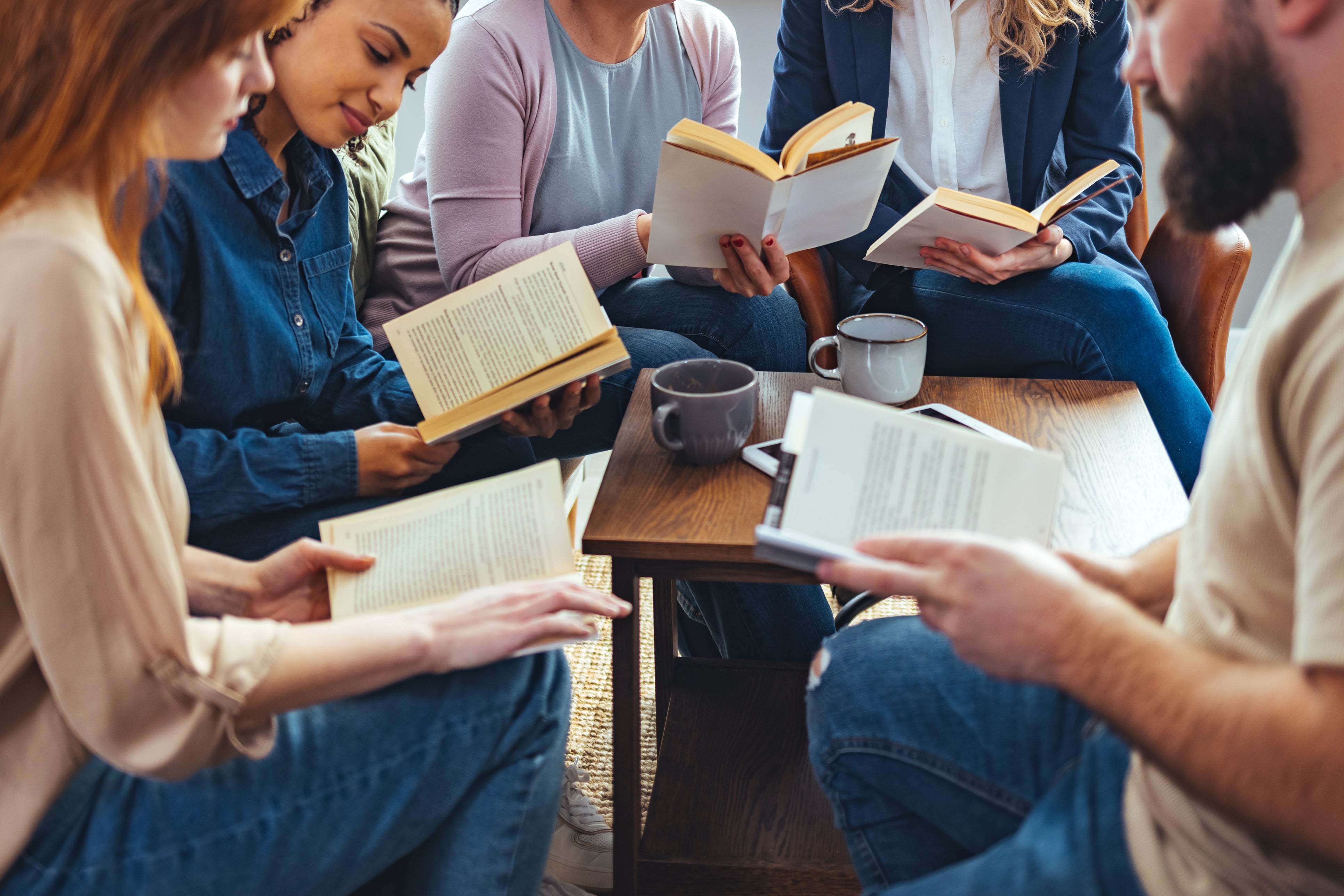
Literacy rates have stalled or declined across the Western world (Getty Images)
Alongside all of this, a pronounced decline in reading has been observed. A recent YouGov poll revealed that 40 per cent of British adults had not read a book in the past year, while a separate survey found that more than a third of UK adults have given up reading for pleasure. Young adults were less likely to read than all other age groups; children’s reading is now at its lowest level on record, according to The National Literacy Trust.
Last year, Sir Jonathan Bate, a professor of English literature at the University of Oxford, lamented the deterioration in students’ ability to get through books. Speaking to the BBC’s Today programme, he described how they used to be able to read three novels in a week; today “many students will struggle to get through one novel in three weeks”. He blamed this shift partly on “the attrition of attention span due to smartphones, six-minute YouTube videos and instant TikTok dopamine hits.”
It’s not just happening in the UK. One American professor told The Atlantic that his students “struggled to attend to small details while keeping track of the overall plot” when reading novels. Separately, researchers have discovered a 40 per cent drop in reading for pleasure over the last 20 years in the US. “Changes in attention spans, increasing demands on our attentions and frequent distractions are likely to make it harder to read,” says UCL’s Dr Jessica Bone, the study’s lead author.
Best-selling author Ian Rankin even suggested recently that writers should adapt for a modern audience. “We’ve already seen chapters getting shorter in novels, I think possibly to chime with people’s attention spans,” he said in an interview. “Maybe as people’s attention spans change, the literature will have to change with them.”
Maybe as people’s attention spans change, the literature will have to change with them
Ian Rankin
This decrease in reading for fun has also coincided with an alarming drop in literacy levels. A 2024 OECD report concluded that literacy rates were falling or stagnating right across high-income countries.
This matters for obvious reasons. According to Dr Bone, reading can have a huge range of potential benefits for cognition (vocabulary, reasoning, cognitive decline); psychological processes (emotional intelligence, empathy, imagination); mental health (stress, anxiety, depression, sleep); achievement (academically, at work); and for society (cultural understanding, sense of belonging, social identity).
But it could have even more dramatic implications for society. In a viral substack, journalist James Marriott posited that we’re heading toward a “post-literate society”, arguing that the natural end point of all of this will be the death of democracy. “More than 300 years after the reading revolution ushered in a new era of human knowledge, books are dying,” he writes. “The screen revolution will shape our politics as profoundly as the reading revolution of the 18th century. Without the knowledge and without the critical thinking skills instilled by print, many of the citizens of modern democracies find themselves as helpless and as credulous as medieval peasants – moved by irrational appeals and prone to mob thinking.”
As problematic as all this is for adults, it poses an even bigger danger for children and young people, who have grown up surrounded by devices and constant digital distraction. Adolescents are particularly at risk because their brains aren’t fully developed, particularly the parts responsible for self-control. “You get the gas, the ‘go’ signal, before you get the brakes,” says Berryhill. “When you have an endless supply of alluring sensory stimuli, it is very difficult to self-limit.”

open image in gallery
Children who use social media have been found to struggle with concentration (Getty Images)
The term “digital dementia” was coined by German neuroscientist and psychiatrist Dr Manfred back in 2012 to describe the cognitive decline he had observed among young people due excessive reliance on devices. One 2022 paper took the idea of “digital dementia” literally, predicting that too much screen time during children’s brain development increases the risk of developing Alzheimer’s disease and related dementias later in life.
And a major new study has found that children who spend a “significant” amount of time using social media see a significant erosion in their ability to concentrate; interestingly, the same pattern did not emerge for those whose screen time was primarily made up of watching television or playing video games.
In response to all this, there have been growing calls to introduce age limits for smartphones. Australia just took the unprecedented step of banning social media for children under the age of 16.
But no matter your age (and despite the possible doom spiral prompted by all of the above), it’s not too late to change. Though our attention spans may have shrunk over time, they can also be built back up – just like any other muscle. “There are ways we know of that can expand your attention span,” encourages Berryhill. “Practising mindfulness; putting your phone in another room; getting to break points and making those be the moments at which point you are allowed to check your devices or your email or whatever it is that causes you problems.”
There are plenty of hacks to help cut down on smartphone use: everything from apps to “boring-ify” your phone’s interface to devices like the Brick, which restricts access to pre-determined apps until you physically tap your phone to unlock it. There’s even been a “screen Sabbath” movement, whereby people regularly take an intentional day away from devices and spend it on more analogue pursuits, such as reading, walking, and spending time with friends and family.
When we don’t have the cognitive resources to focus, we do what’s easy. And what’s easy? Social media
Gloria Mark
“We can take regular, good, solid breaks”, to maximise rather than drain our attentional capacity, advises Mark. “The best break is to go outside in nature; we did some research and even 20 minutes in nature means people have better divergent thinking. It somehow helps us think much more clearly and generate ideas.”
Another important element is getting good quality sleep. One of Mark’s studies found that the more sleep participants got the night before, the longer they were able to focus the next day. On the flipside, the more “sleep debt” people accumulated over several days – getting only six hours a night when they need eight, for example – the more time they spent on social media. “The way I interpret it is that when we don’t have the cognitive resources to focus, we do what’s easy,” says Mark. “And what’s easy? Social media.”
The important thing to remember in all of this is that you are not “weak” for struggling to concentrate. Everything in today’s distractification culture is specifically designed to steal your attention, and the techniques used are tied to our most fundamental human instincts. “Sparkly, shiny, moving and loud things grab our attention – they say there is something new in the environment that you need to evaluate, which has evolutionary importance,” explains Berryhill. “You need to pay attention to that rustling in the grass, because you might be delicious. You have to orient yourself to changes in your environment – but we’re putting those changes into our own environment in the form of these tech portals.”
The most surefire way to grow your attention span? Put down the devices, remove the power of big tech and take back control of your own brain.

If you’re curious about “Big Daddy,” Tems’ track from her latest EP “Love Is a Kingdom,” you’re in luck. The singer-songwriter recently pulled up to Genius to break the song down, verse by verse, and the conversation was as honest and refreshing as you’d expect.
As she walks through the lyrics, Tems opens up about the inspiration behind the record and why she enjoys making music that makes her move, both physically and emotionally. “Big Daddy” carries that confident, grounded energy she’s known for, but it also leaves room for reflection. For Tems, the song is rooted in knowing who you are and standing firmly in that truth.
She also touches on the difference between real ambition and pretending to be someone you’re not, a theme that quietly runs through the track. It’s about self-belief without performance, confidence without the need for approval, and ambition that comes from within rather than external pressure.
Hearing Tems explain the lyrics in her own words adds another layer to the song. Each verse reveals intention, clarity, and the freedom she feels when creating music on her own terms. By the time she’s done, Big Daddy feels even more personal, and the message lands with greater weight.
If you loved the song already, this Genius breakdown makes it hit deeper. And if you’re just getting into “Love Is a Kingdom,” this is the perfect place to start.
Watch below

Nathaniel Bassey has gifted us with a new song and music video, and it feels like stepping into a cloud of worship. Titled “Odara,” this release comes ahead of his highly anticipated album, “Glory of His Presence,” set to drop in January 2026.
The new album promises a glory experience, an invitation to encounter the tangible presence of God through worship. But for now, “Odara” lets us bask in that glorious atmosphere. Perfect for the Christmas season and carrying that joy into the new year, the song radiates warmth, hope, and the sweetness of God’s manifest presence.
With every note and lyric, Bassey captures the essence of worship that draws you in. The music video mirrors this celebration, offering viewers a moment to pause, reflect, and rejoice. It’s a reminder of the beauty and majesty described in Revelation 7:9-10, where a great multitude stands in awe before the throne, worshipping and giving praise.
Watch below

Get the Well Enough newsletter by Emilie Lavinia and make sense of the wild world of wellness
Get our wellbeing editor’s newsletter: Well Enough by Emilie Lavinia
Get the Well Enough email by Emilie Lavinia
It’s no secret: Americans love chocolate.
Each person consumes an average of between 10 and 12 pounds of chocolate each year – nearly 3 billion pounds total. A recent study from the National Confectioners Association showed people in the U.S. enjoy chocolate and candy between two and three times a week.
But chocolate, which comes from cocoa harvested in West Africa and South America, isn’t just a sweet treat. Cocoa and chocolate have been shown to reduce stress and raise energy levels — effects that are greatly appreciated during the busy and at times, stressful holiday season.
One kind of chocolate reigns supreme when it comes to these and other health benefits. Dark chocolate contains more cocoa and less sugar than milk or white chocolate.
“Research continues to point to dark chocolate as having many health benefits,” the Mayo Clinic says.
open image in gallery
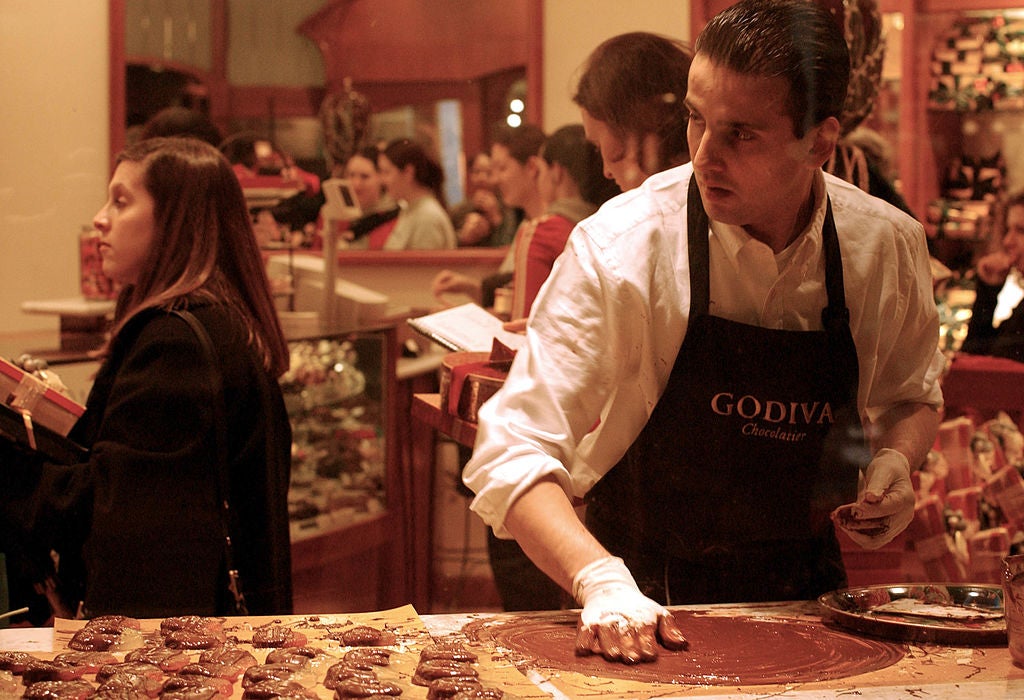
Eating dark chocolate has been proven to lower the stress hormone cortisol (Getty Images)
A blissful break
If you’re looking for a delicious way to reduce your stress levels, researchers say look no further than dark chocolate. A South Korean study showed people who ate 10 grams of dark chocolate, three times a day for three weeks, felt their mood improve.
Several separate studies have also shown that eating dark chocolate reduces levels of the stress hormone cortisol. Just a bite of a dark chocolate bar might be enough to feel the stress slide away, according to Hartford HealthCare.
“Also, the antioxidants in cocoa trigger the walls of you blood vessels to relax, lowering blood pressure and improving circulation,” the health care system noted. “Go for varieties that contain at least 70 percent cocoa.”
The higher the cocoa percentage in your chocolate, the more health benefits.
open image in gallery
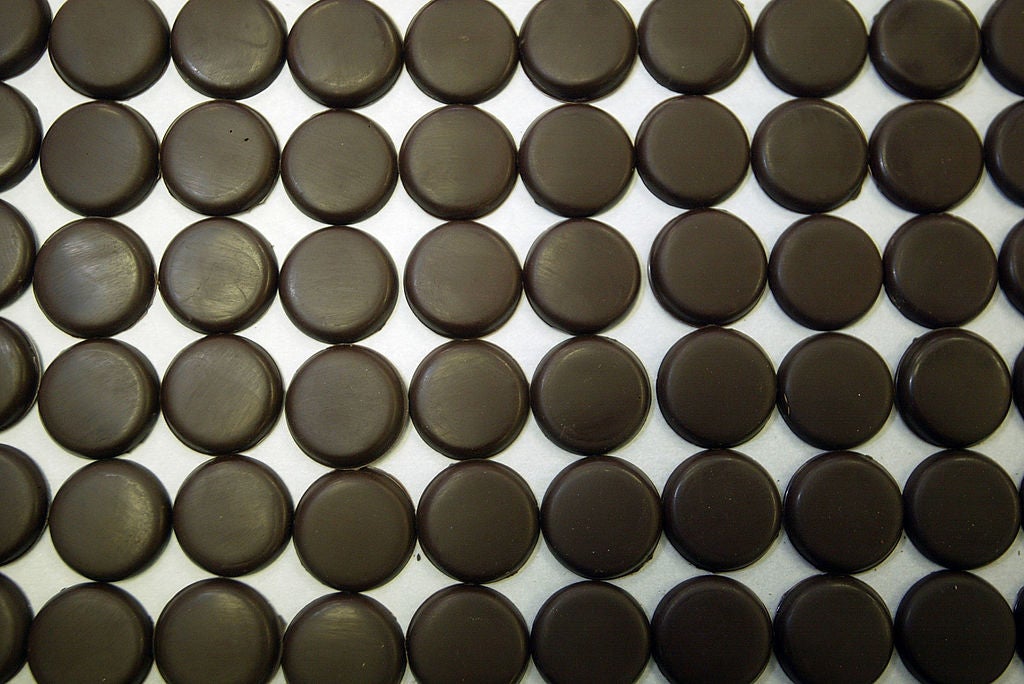
Dark chocolate is rich in flavonoids, which are antioxidants found in food that fight inflammation. (Getty Images)
Proof is in the (dark chocolate) pudding
Still, stress relief is not all that comes with a higher percentage of cocoa. “The higher percentage of cacao solids, the more flavonoids and the lower sugar,” registered dietitian Devon Peart told The Cleveland Clinic.
Dark chocolate is rich in flavonoids, antioxidants found in food that fight inflammation.
The flavonoids in chocolate have been shown to boost endurance in athletes by increasing blood circulation and reducing the amount of oxygen they use during exercise, Johns Hopkins Medicine says. People who eat dark chocolate can stay active longer.
Nearly all dark chocolate has energy-boosting caffeine, too. People can get 20 milligrams in 30 grams of dark chocolate, according to the chocolate-maker Lindt.
However, it’s still a much lower amount than the 96 milligrams in a cup of coffee.

Smokey Jollof rice is basically everywhere—at parties, family get-togethers, even on a regular lunch plate at home. It’s the reigning champ of comfort food, but let’s be honest… sometimes it feels like your taste buds need a little holiday. Enter Kikifoodies, ready to shake up the Jollof game with a bold twist she calls Sweet Jollof Rice. Think familiar, think comforting, but think with a hint of sweetness that makes you do a double-take and a happy dance at the same time.
For this, you start by cooking the meat and making the pepper base. Once that’s ready, the real magic begins. Heat up some oil in a pot, fry chopped onions until golden brown, then add tomato paste and let it fry for at least fifteen minutes. You’ll know it’s ready when the colour deepens to a rich red and starts to separate beautifully. Next, add the pepper mix base — no need to fry for too long since it’s already cooked — then season generously. After a good fry, pour in the meat stock and a little water, give everything a good mix, lower the heat, and allow it to simmer gently.
Once that’s done, wash the rice and fold it carefully into the mix. Give it another good stir, add some water, and let it cook until perfectly tender. Kikifoodies reveals her secret to making Sweet Jollof Rice irresistible: plenty of onions. They give the rice that subtle sweetness that sets this Jollof apart from the usual.
The end result is a beautifully rich, slightly sweet Jollof rice that tastes like celebration in every bite, perfect for when you want something familiar yet refreshingly different.
Watch below
Stay ahead of the curve with our weekly guide to the latest trends, fashion, relationships and more
Stay ahead of the curve with our weekly guide to the latest trends, fashion, relationships and more
Stay ahead of the curve with our weekly guide to the latest trends, fashion, relationships and more
To shower in the morning or shower at night – it’s one of the great daily routine debates. Chat to those who stand in the former camp and they’ll say the AM spritz under the shower head leaves them energised, alert and ready for the morning. Meanwhile, the PM apologists enthuse over sliding under their duvets sans the dirt of the day. Elsewhere, the greedy among us do both – and have the soaring water bills to show for it.
In the UK, over half (42 per cent) of us opt to shower in the morning, with the most popular times sitting at 7.45am and 7.54am. But as the number of us struggling to sleep skyrockets, with many people turning to magnesium or melatonin supplements for help, could it be that we’d be better off taking a soothing shower in the evening instead?
If you’re already half asleep after dinner, this could sound counterintuitive. Why wake yourself up with bright lights and blasting water when you could simply roll into bed? Well, the internet has the answer to this: dark showers, which are exactly what they sound like. Rather than turning the big light on, which is so stark and oppressive to the eyes that the chronically online have taken to calling it “homophobic”, young people are opting to turn the lights off completely when they shower after 5pm.
“It is one of the most healing experiences I’ve ever had,” raves one TikTok user. “I know showering in the dark sounds scary and unsafe, but trust me, you cannot bash it until you’ve tried it. I just had an out-of-body healing experience,” she claims. I try it and, while I don’t feel like I’ve ascended, I definitely do feel the type of calm you might experience post spa treatment or meditation. It’s undeniably cosy and comforting.
There are a billion wellness trends that have originated on social media, many of which have been proven to be complete nonsense – but this one actually has some surprisingly scientific legs. “In terms of sleep, studies have shown that taking a warm shower or bath before bed can help improve sleep quality and reduce time taken to fall asleep,” explains Dr Allie Hare, a sleep medicine consultant at Royal Brompton Hospital.
“This is likely to relate to the effect of the warm shower on reducing core body temperature, a key signal for sleep onset,” she adds. “Taking a shower under dim light conditions may also help to signal to the body that it is time for sleep because dim light is a signal for the release of one of the key hormones for sleep, melatonin.” Well, well, well. Look at that. Maybe you can put the supplements down after all.
And the pros don’t stop there. “Experiencing showering in the dark or dim light can support relaxation through mindful enjoyment of the experience,” Hare explains of the meditative side of dark showers. “This can help with winding down and switching off before bedtime, which can also help individuals fall asleep more easily.”

open image in gallery
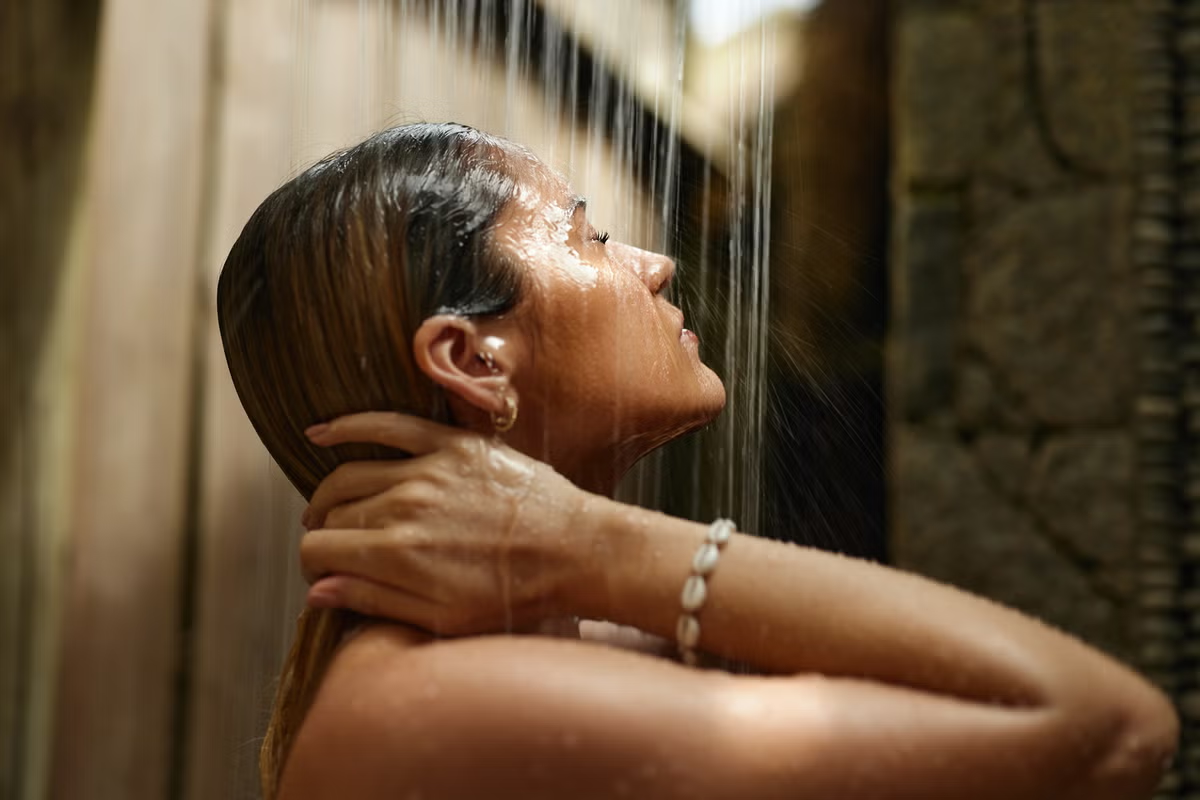
Soothing: Candles and low lighting can stimulate melatonin while harsh sources of light signal the brain to be alert (Getty Images)
If you want to really up the ante with the at-home spa energy, Hare even recommends incorporating fragrances like lavender in your shower gel or oils to enhance the sensory experience of your dark shower and further aid relaxation. “Gentle music can also help calm the mind, although some will find the sound of the water sufficiently relaxing in itself,” she adds. Read: no blasting out Beyoncé when you’re trying to wind down.
A word of warning before giving this a try: Clear the area of hazards. There is nothing calming or meditative about a dark shower if the practice sends you tumbling towards the bathroom floor in a naked heap. It’s a dark shower – not a pitch-black shower. And the experts advise always having at least one candle or alternative source of low light in the room to avoid complete darkness. “Dim lights will not interrupt the experience,” Hare assures, “but they can help to avoid accidents!”
Modern life is always encouraging us to do multiple things at once. So much so that you can even buy iPhone holders and wine glass stands to go in your shower on Amazon. You know, just in case you’re so scared to be alone with your own thoughts that you need a Netflix series and a bottle of Pét-Nat on hand to get through a 10-minute rinse.
In an era of maximising every minute, dark showering taps into a ritual of mindful bathing (snāna) that goes back as far as the Ayurveda system of medicine, which originated in India as far back as 5,000 years ago. So, dark showers are less of a passing trend and more of a return to a ritual designed to balance the mind, body and spirit with our environment. It might sound a bit woo-woo, but at a time when 73 per cent of us reported experiencing anxiety in the last fortnight, it could be just what we need.
“Showers in low light won’t solve severe or persistent sleep issues on their own,” says Dr Clare Rooms, clinical lead for Insomnia at Boots Online Doctor, “but they can be a helpful part of a relaxing pre-bed routine.” Plus, if you’re one of millions of renters living with mould spreading across your ceilings thanks to your landlord’s nonchalance, a dark shower could offer a break from reality in more ways than one. Enjoy.