
LIFESTYLE
Chinonso & Cross’ Wedding Was a Beautiful Overflow of Love, Culture, and Sweetness


There’s a tingling sensation that love leaves on the heart, and you can tell Chinonso and Cross feel it deeply. The former BBNaija star found his soulmate and chose the forever route, sealing their love in the most beautiful way.
The couple tied the knot in a vibrant Igbo traditional wedding, and we’re still basking in all the joy. They first stepped out in stunning isi agu outfits, proudly paying homage to their Igbo roots. Afterwards, they switched things up in radiant purple and lilac ensembles, serving us double doses of elegance and style.
From Cross’s energetic morning prep with his squad to the heartfelt prayers from his mum, and Chinonso’s graceful wine-carrying moment, their wedding was a beautiful overflow of love, culture, and sweetness — one we can happily relive over and over again. 😍
Check out the exciting highlights below:









Christmas is a very exciting time for communities of faith around the world, and over time, although the central message may seem to have been lost in the shuffle, owing to the plethora of events. Christmas means the mass celebration of Christ as a gift to humanity; Jesus as the fullness of the Godhead that incarnated as a man. Paul gives us a simple summary of the sequence of Jesus’ time on earth: “He appeared in a human body, was proved right by the invisible Spirit, was seen by angels. He was proclaimed among all kinds of peoples, believed in all over the world and taken up into heavenly glory.” Beyond the Nativity story, I will share some thoughts to provide more context, especially for contemporary commentators who espouse various ideas on the topic. These aren’t just didactic, they are apodictic – just dey with me.
Anno Domini Nostri Jesu Christi
Jesus’ earthly experience was so consequential that it shaped the very concept of time and civilisation to this day. These frames of reference B.C. (Before Christ) and A.D. (in the year of our Lord) were used to situate events. For example, if something happened or someone was born 600 years before Jesus walked the earth, it would be recorded as 600 B.C. If the same event happened 2025 years after Jesus walked the earth, it would be recorded as 2025 A.D. Why is this even important to state? Propaganda! Some people would rather you reject the evidence of your own eyes and ears. Some people always use pseudo-arguments to try and explain away God – let me share some famous examples.
There is a technique in philosophy known as reductio ad absurdum; it’s basically establishing proof by highlighting a contradiction in logic. For instance, some people claimed that human beings evolved directly from apes. In the last hundred years, I have neither read nor seen chimpanzees, gorillas and orangutans that have evolved into human beings. Have you? Are there similarities between humans and apes? Yes. Are we direct descendants of apes? No! The superior argument for me would be that God created human beings in His own image. Another example is the Big Bang theory; it postulates that the universe’s origin story started from a giant explosion in space. Question: Going by the law of entropy, how can the chaos caused by that singular bang create this impeccable level of order? Riddle me that.
The teleological arguments are evidently superior to me; the simple submission that God created the heavens and earth. God is the cause, and the cosmos (a Greek word which describes the universe as an orderly and harmonious system) is the effect. Where there is a design, there must necessarily be a designer – whether some people choose to acknowledge that designer as God, a higher power, some supreme being or just creator, it’s almost inconsequential. The calibration of the human body alone is an engineering marvel: do you know that it’s well-documented in scientific literature that the average human brain contains an average of 86 billion neurons? The reason why fingerprints are so critical to tech operations and forensics is that of the billions of human beings alive or dead, no two persons have the same minutiae or ridge patterns. Don’t even get me started on the complexities of DNA.
Nicole Muller, in her classic song, My Redeemer Lives, asked a powerful question many years ago: “Who taught the sun where to stand in the morning?” That wasn’t just a religious retort; it has scientific implications. You see, if the sun were to be too close to the earth, it’s not just that the average temperature of the earth would jump from the current average of fifteen degrees Celsius to about fifty degrees Celsius. The increased heat and radiation would certainly make Earth uninhabitable for most life forms. We would have a hotter and drier climate, which would cause more heat strokes, sunburns, dehydration and a spike in cardiovascular diseases. Plus, the increased gravitational pull would cause extreme tidal effects and ultimately disrupt the Earth’s orbit. What are the chances that all these intelligent and meticulous systems are happenstance? John lets us know that Jesus is the Word in the beginning who created all things. True science points to God; even the man considered as the greatest scientist of all time, Albert Einstein, submitted that he was “enthralled by the luminous figure of the Nazarene” and he “unquestionably” accepted the historicity of Jesus.
Alius Jesus?
What was the devil’s original sin? Hubris made him delusional enough to attempt to usurp God. What was his next best plan after the first one failed? Creating parallel systems to God. Fast forward to when Jesus walked the earth, he saw how people venerated Jesus as God, followed him for days with much dedication just to hear him teach, and his disciples were willing to die for him – he coveted that worship. When Jesus said he would build his ecclesia and the gates (operations) of hell could not stop it, that was a layered statement. One of the ways the gates of hell assault the ecclesia is to create parallels of it. Ecclesia is a Greek word that is loosely translated as “governing council”, established to further the will of God on earth – so it’s not surprising to see the proliferation of political ideologies that use religion to mask their real agenda.
Paul was familiar with these strategies, and he accordingly put the Galatians on notice: even if someone claiming to be a follower of God or an angel that claims to be from heaven appeared to them with another message that is different from the death, burial and resurrection of Jesus Christ, he should be anathematised. Over time, many people have tried to cosplay Jesus so badly – some have gone as far as curating their origin story and doctrines to appear as similar (or parallel) as possible. All the prophets pointed to Jesus; from Moses, Abraham, David, and Isaiah – this is why Jesus would say something like, “Abraham saw my day, and he was glad”. Again, Paul insisted that no foundation could be laid other than that which has been laid by Jesus Christ.
Paul was not fascinated by titles; even as a chief apostle, the Berean believers interrogated his submissions to know whether or not such claims were consistent with the gospel. This is a very critical reference because if you find yourself in any place where God is being professed, but the message or person cannot be interrogated based on sound scriptures, just know you have been introduced to a cult. He was not fascinated by claims of divine encounters; he was quick to point out that even the devil presents himself as an angel of light. The angel Gabriel, who appeared to Mary, professed Jesus to be the Son of God. Paul was particular about the inerrancy and sanctity of the gospel; his primary concern was Jesus and the implications of what he did for those who believed.
The Anti-Christ
Whilst Paul was one of the most consequential apostles not just of his day but also in the entire Body of Christ, we cannot dismiss that he was also an intellectual. Given his background in law, he understood the rudiments of making his case: factual foundation (collation of evidence, testimonies of credible witnesses and clarity of narrative), legal strategy (reference to extant laws, conventional legal thinking and anticipation of opposing arguments) and presentation (logical calibration of facts, compelling arguments and establishing credibility). In his second letter to the saints at Corinth, Paul describes a warfare that is as spiritual as it is ideological. It reads in part: “…every thought to the obedience of Christ”. John took it a step further by describing such a thought or spirit that doesn’t recognise Jesus as God in the flesh as anti-Christ.
One of the many profound insights that we can safely extrapolate from the chapter is that Anti-Christ is primarily a thought, ever before it is a supposed repdigit or some dark personality. Even the phraseology is intentional; one could presuppose that “anti-Christ” and “pro-devil” effectively mean the same thing – six and a half a dozen. However, his choice of words highlights the emphasis of that ideology – it’s defined by what it is against more than what it represents. In other words, it’s not a stand-alone ideology – it has to attack another ideology to gain relevance or oppose other people’s claims to validate its own.
If you clock this, then you will understand why, like clockwork, some people throw up certain pedestrian arguments during Christmas. Suddenly, you will hear that Jesus didn’t really come to the earth, debates about the colour of his epidermis would spring up from nowhere, and some would even assert that, based on their research, he was just one of the prophets. This is not just rage-bait; this is a calculated assault on faith. I wrote extensively about this last Christmas; you should look it up. Where propaganda fails, they resort to violence. This is why terrorists attack other people during the celebration of their own faith or culture.
I mentioned this in an essay last month, that phrase from Paul’s epistle to the faithful at Ephesus that it is rendered in Latin as “adversus insidias diaboli” – meaning that the real contention isn’t with human entities but against agendas and organised evils which continually oppose faith by violent force and occasionally through fraudulent or pseudo submissions. Paul was a menace when it came to exposing the strategies of the devil; this is why he would always punctuate his submissions by saying things like, “that you may know”. Bro was so effective at what he did that some people bound themselves by a religious oath to neither eat nor drink until they unalived him. Sounds familiar, right?
The Man Christ Jesus
When a person is perceived to be humble, we say in a manner of speaking that such a person is “down to earth”. How then do we describe the decision of God to leave his residence, which is the unapproachable light, to walk amongst mortal men? What is the word that describes the act of divinity choosing humanity? When the Creator elects to reside with the created, is that normal? Typically, religion is man’s pursuit or attempt to reach God. At Christmas, we celebrate God reaching out to man through the gift of Jesus. Paul uses a very interesting phrase, “the man Christ Jesus” – God in human form. God didn’t just come to save man; He became a man. Jesus could only be effective in his role as high priest if he was God enough to redeem and man enough to relate. Hence, the manager is only significant because it ultimately leads to the cross; the prophecy had become reality, the word had become flesh.
There are key imperatives about Christmas. It’s no surprise that Jesus, being the lamb that was slain from the foundations of the world, had to be born in a manger; the gist about the unavailability of rooms was just a cover story. In types and shadows throughout the Old Testament, he was the Lamb of God used for sin offerings. When he eventually came in the flesh, John pointed to him as the lamb that takes away the sin of the world. In the Garden of Eden, he was referenced as the seed of the woman. Isaiah would be more specific by saying a virgin woman shall conceive a son. Many years later, the angel Gabriel would bring the message of the Immaculate Conception in the Annunciation to a certain Mary in Nazareth.
Christmas is much more than the festivities; it is the acknowledgement of God becoming a man by the name Jesus. It’s about commemorating the prophecies and promises about salvation becoming a person. It’s about the love of God, which caused him to gift the world his best. So when someone wishes you a “Merry Christmas”, just know that’s a loaded statement.


Sign up to IndyEat’s free newsletter for weekly recipes, foodie features and cookbook releases
Get our food and drink newsletter for free
Get our food and drink newsletter for free
Preparing a festive feast at home presents a unique culinary Everest, even for the most seasoned cooks. Unlike the specialised roles within a professional restaurant kitchen, the home chef is tasked with single-handedly orchestrating an entire multi-course meal.
This demanding scenario underscores the paramount importance of precise timing, a point highlighted by acclaimed TV chef Rick Stein.
“When you’re cooking at home, you have to do everything,” Stein observes, “therefore your timing has to be really good. In a restaurant kitchen you’re doing four or five things really, and nothing else, also they’re all part of the same course.”
Stein, whose inaugural festive cookbook, Rick Stein’s Christmas, has recently been released, aims to demystify this complex process. He offers practical strategies to manage extensive preparations “to do it all painlessly.”
His core advice centres on the power of forward planning: “Don’t leave everything until Christmas morning, there are many, many things that you think need to be done at the last minute – they really don’t.”
His new collection of recipes, designed to be prepared over the fortnight leading up to Christmas, spans from elegant canapés – such as mini brioche toasts with whipped feta, fresh figs, and pickled walnuts – to sophisticated starters like Jerusalem artichoke soup with crispy bacon.
For show-stopping desserts, he suggests a semifreddo cheesecake with clementine and Campari syrup, or a classic Black Forest trifle. And, in true Stein fashion, seafood features prominently.

open image in gallery
Rick Stein and his wife, Sass (James Murphy/PA)
Here, the celebrated chef shares his essential tips for ensuring the main Christmas meal is a resounding success.
The Bird
For Stein, the traditional turkey or goose remains paramount. “I think Christmas is special in that it is about celebrating the same things or every year,” he explains.
“I really quite like the repetitiveness because it only comes around once a year. So turkey or goose with all the trimmings is what it’s all about. I would feel like I’d sort of let people down if it was just roast beef, even if it was absolutely wonderful roast beef.”
While his book does offer alternatives like venison bacon and prune shortcrust pie or glazed bone-in Christmas ham, the bird holds a special place.
The most common error with turkey, he notes, is “overcooking it. It’s just a big chicken really. The biggest mistake is getting too nervous and overcooking it. People worry they’re going to get food poisoning if it’s undercooked, which is very, very unlikely.”
His solution is simple: “Buy yourself a [oven] temperature probe to make sure you don’t overcook it. I think the safe temperature for a turkey is something like 70 degrees. Once you start going over that, you get this problem with dry meat.” He also suggests wrapping the bird in buttered muslin, but stresses that the ultimate goal is “really about not cooking it too long.”

open image in gallery
Rick Stein and his wife, Sass and son, Jack ((James Murphy/PA))
Gravy
Stein’s advice for gravy often surprises people: “Don’t make your gravy at the last minute.”
He advocates for preparing a rich stock the day before using giblets from a free-range turkey or goose, supplemented with chicken stock.
“I start with a little bit of duck fat and put a bit of flour in (I don’t like a lot of flour in my gravy). I cook that out, then make the gravy, because then I can absolutely make sure it’s quite intensely flavoured.”
On Christmas Day, with the gravy already made, he simply deglazes the roasting tray with some of the prepared gravy to capture all the rich pan juices.
Roast Potatoes
For Stein, roast potatoes are as crucial as the gravy. The secret lies in the parboiling: “I go for seven minutes in lightly salted water,” he advises.
“Seven minutes is enough if you’re using Maris Piper or King Edward, to make them a bit crumbly on the outside.” After draining, he shakes them vigorously in the pan or colander to roughen the edges, then sprinkles them with polenta or semolina for extra crispiness.
He often parboils them the day before, leaving them out rather than refrigerating, and always uses goose or duck fat for cooking. “But the secret, I think, is having a fairly firm potato and not in any way elastic. It’s got to have a sort of brittleness but not too brittle.”
Stuffing Choices
Stein prefers to cook stuffing separately rather than inside the bird. For goose, he opts for a sage and onion stuffing, explaining, “because goose is so rich, you want something quite bland to serve with it.” With turkey, which has a milder flavour, he suggests a chestnut or sausage meat stuffing, as “it can take a bit more flavour in the stuffing.”
Brussel Sprouts
Perhaps surprisingly, Stein admits to cutting corners with sprouts: “I have cut corners by buying pre-peeled from a supermarket.” He even conducted a blind taste test one year and found no discernible difference. Eschewing the classic chestnut and bacon combination, he prefers sprouts served simply.
“It’s not a sort of purity,” he clarifies. “It’s the balance of the whole meal. If you put stuff with every veg, they’re just fighting against each other.”
Rick Stein’s Christmas: Recipes, Memories & Stories for the Festive Season, published in hardback by BBC Books, is available now, priced £28. Photography by James Murphy.

Get the free Morning Headlines email for news from our reporters across the world
Sign up to our free Morning Headlines email
Sign up to our free Morning Headlines email

King Charles and Queen Camilla waved to crowds outside St Mary Magdalene church on the Sandringham estate as they led the royal family to their annual Christmas morning church service.
Charles and Camilla led the family on the short walk from Sandringham House to the church for the service, which started at 11am.
Andrew Mountbatten-Windsor was absent for a second year, having been stripped of his titles this year in a dramatic fall from grace.
His ex-wife Sarah Ferguson was also absent from the Sandringham party, but both their children Princess Beatrice and Princess Eugenie were present with their husbands.

open image in gallery
King Charles and Queen Camilla lead members of the Royal Family as they arrive for their traditional Christmas Day service (AFP via Getty Images)
open image in gallery
The service is held at at St Mary Magdalene Church on the Sandringham Estate (PA)
Hundreds braved the elements on the cold but sunny Christmas Day morning in Norfolk to watch as the royal family were greeted by Rev Canon Dr Paul Williams on the church steps.
Both Camilla and the Princess Royal opted for bright red coats for their Christmas day outing, with Camilla opting for black gloves with fur decoration.
King Charles was wearing a camel-coloured overcoat and waved at members of the public who lined the walk-way.

open image in gallery
Well-wishers wait for members of Britain’s Royal Family to arrive to attend the traditional Christmas Day service at St Mary Magdalene Church (AFP via Getty Images)
open image in gallery
Princess Beatrice and Edoardo Mapelli Mozzi attending the Christmas Day morning church service (PA)
The Prince and Princess of Wales were towards the back of the party walking down the drive, guiding their children Princess Charlotte, Prince George and Prince Louis.
The family stopped to speak to those gathered after the church service finished. Kate shook the hands of those waiting to see the family and share a few words with those who sat in wheelchairs at the front of the crowd. She gathered up flowers in her arms, gifted to her by well-wishers.
She was wearing a brown-check coat, with matching brown gloves and fascinator. Kate and Charlotte delighted TV viewers last night with a video of them performing a piano duet for a Christmas carol service.

open image in gallery
Jack Brooksbank and Princess Eugenie join the royal family at the church service (PA)
The performance of a piece of music by Scottish composer Erland Cooper was pre-recorded at Windsor Castle for the Together at Christmas broadcast on ITV1.
Accompanying the young family at Sandringham were Princess Anne and husband Vice Admiral Sir Tim Laurence, Anne’s daughter Zara Tindall and her husband, former England rugby player Mike Tindall.

open image in gallery
Catherine, Princess of Wales (C), holds hands with Prince Louis (L) and Princess Charlotte (AFP via Getty Images)
open image in gallery
Princess Charlotte attends the Christmas Day morning church service along with her family (PA)
Andrew, who last went to the Christmas Day service in 2023, is expected to move to Norfolk in the new year.
The former prince will move out of Royal Lodge in Windsor to an undisclosed property on the Sandringham estate, which is privately owned by his brother Charles.

open image in gallery
Members of the public wait for the royals to arrive at St Mary Magdalene (PA)
St Mary Magdalene, in its present form, dates back to the 16th Century and is used by the Royal Family when they are in residence at Sandringham. The church has also been used a site of celebration, such as for Princess Charlotte’s christening.
King Edward VII started the tradition of spending Christmas on the Sandringham Estate.
More follows on this breaking story…

Sign up to our free Living Well email for advice on living a happier, healthier and longer life
Live your life healthier and happier with our free weekly Living Well newsletter
Live your life healthier and happier with our free weekly Living Well newsletter

A glass or two of champagne with Christmas lunch. Some cheeky cocktails with friends to see in the New Year. There seem to be so many occasions to unwind with an alcoholic drink.
But if you’re taking certain medications while drinking alcohol, this can affect your body in a number of ways. Drinking alcohol with some medicines means they may not work so well. With others, you risk a life-threatening overdose.
Here’s what you need to know if you’re taking medication and plan to drink.
Why is this a big deal?
After you take a medicine, it travels to the stomach. From there, your body shuttles it to the liver, where the drug is metabolised and broken down before it goes into your bloodstream. Every medicine you take is provided at a dose that takes into account the amount of metabolism that occurs in the liver.
When you drink alcohol, this is also broken down in the liver, and it can affect how much of the drug is metabolised.
Some medicines are metabolised more, which can mean not enough reaches your bloodstream to be effective.

open image in gallery
Many medicines interact with alcohol (Getty/iStock)
Some medicines are metabolised less. This means you get a much higher dose than intended, which could lead to an overdose. The effects of alcohol (such as sleepiness) can act in addition to the similar effects of a medicine.
Whether or not you will have an interaction, and what interaction you have, depends on many factors. These include the medicine you are taking, the dose, how much alcohol you drink, your age, genes, sex and overall health.
Women, older people, and people with liver issues are more likely to have a drug interaction with alcohol.
Which medicines don’t mix well with alcohol?
Many medicines interact with alcohol, regardless of whether they are prescribed by your doctor or bought over the counter, such as herbal medicines.
1. Medicines + alcohol = drowsiness, coma, death
Drinking alcohol and taking a medicine that depresses the central nervous system to reduce arousal and stimulation can have additive effects. Together, these can make you extra drowsy, slow your breathing and heart rate and, in extreme cases, lead to coma and death. These effects are more likely if you use more than one of these types of medicine.
Medicines to look out for include those for depression, anxiety, schizophrenia, pain (except paracetamol), sleep disturbances (such as insomnia), allergies, and colds and flu. It’s best not to drink alcohol with these medicines, or to keep your alcohol intake to a minimum.
2. Medicines + alcohol = more effects
Mixing alcohol with some medicines increases the effect of those medicines.
One example is with the sleeping tablet zolpidem, which is not to be taken with alcohol. Rare, but serious, side effects are strange behaviour while asleep, such as sleep-eating, sleep-driving or sleep-walking, which are more likely with alcohol.

open image in gallery
Drinking craft beer? This can interact with some drugs to raise your blood pressure (AFP via Getty)
3. Medicines + craft beer or home brew = high blood pressure
Some types of medicines only interact with some types of alcohol.
Examples include some medicines for depression, such as phenelzine, tranylcypromine and moclobemide, the antibiotic linezolid, the Parkinson’s drug selegiline, and the cancer drug procarbazine.
These so-called monoamine oxidase inhibitors only interact with some types of boutique and artisan beers, beers with visible sediment, Belgian, Korean, European and African beers, and home-made beers and wine.
These types of alcohol contain high levels of tyramine, a naturally occurring substance usually broken down by your body that doesn’t ordinarily cause any harm.
However, monoamine oxidase inhibitors prevent your body from breaking down tyramine. This increases levels in your body and can cause your blood pressure to rise to dangerous levels.
About the authors
Nial Wheate is an Associate Professor of the Sydney Pharmacy School at the University of Sydney.
Jessica Pace is an Associate Lecturer at the University of Sydney.
This article is republished from The Conversation under a Creative Commons license. Read the original article.
4. Medicines + alcohol = effects even after you stop drinking
Other medicines interact because they affect the way your body breaks down alcohol.
If you drink alcohol while using such medicines, you may feel nauseous, vomit, become flushed in the face and neck, feel breathless or dizzy, your heart may beat faster than usual, or your blood pressure may drop.
This can occur even after you stop treatment, then drink alcohol. For example, if you are taking metronidazole you should avoid alcohol both while using the medicine and for at least 24 hours after you stop taking it.
An example of where alcohol changes the amount of the medicine or related substances in the body is acitretin. This medication is used to treat skin conditions such as severe psoriasis and to prevent skin cancer in people who have had an organ transplant.
When you take acitretin, it changes into another substance – etretinate – before it is removed from your body. Alcohol increases the amount of etretinate in your body.
This is especially important as etretinate can cause birth defects. To prevent this, if you are a woman of child-bearing age you should avoid alcohol while using the medicine and for two months after you stop taking it.
Myths about alcohol and medicines
Alcohol and birth control
One of the most common myths about medicines and alcohol is that you can’t drink while using the contraceptive pill.
It is generally safe to use alcohol with the pill, as it doesn’t directly affect how well birth control works.
But the pill is most effective when taken at the same time each day. If you’re drinking heavily, you’re more likely to forget to do this the next day.

open image in gallery
Yes you can drink while on the pill. But if you vomit within a few hours of taking it, the pill won’t work (Getty/iStock)
Alcohol can also make some people nauseous and vomit. If you vomit within three hours of taking the pill, it will not work. This increases your risk of pregnancy.
Contraceptive pills can also affect your response to alcohol as the hormones they contain can change the way your body removes alcohol. This means you can get drunk faster, and stay drunk for longer, than you normally would.
Alcohol and antibiotics
Then there’s the myth about not mixing alcohol with any antibiotics. This only applies to metronidazole and linezolid.
Otherwise, it is generally safe to use alcohol with antibiotics, as alcohol does not affect how well they work.
But if you can, it is best to avoid alcohol while taking antibiotics. Antibiotics and alcohol have similar side effects, such as an upset stomach, dizziness and drowsiness. Using the two together means you are more likely to have these side effects. Alcohol can also reduce your energy and increase how long it takes for you to recover.
Where can I go for advice?
If you plan on drinking alcohol these holidays and are concerned about any interaction with your medicines, don’t just stop taking your medicines.
Your pharmacist can advise you on whether it is safe for you to drink based on the medicines you are taking, and if not, provide advice on alternatives.

Sign up to our free Living Well email for advice on living a happier, healthier and longer life
Live your life healthier and happier with our free weekly Living Well newsletter
Live your life healthier and happier with our free weekly Living Well newsletter
Grey hair is an inevitable hallmark of ageing. It’s a visual reminder of the passing years and all the bodily changes that accompany it.
But emerging scientific research is challenging this simple narrative – revealing that those silver strands on our heads could be an outward sign of our body’s own intricate defences against cancer.
A new study in mice has uncovered the remarkable ways in which our bodies manage cellular damage – a process key in both ageing and cancer. In ageing, cellular damage gradually weakens and disrupts cell function. In cancer, unrepaired or faulty cells can trigger abnormal growth and tumour formation.
The work here has highlighted a surprising connection between the loss of pigment in our hair and the mechanisms that can keep deadly cancers at bay.

open image in gallery
(Alamy/PA) (Alamy/PA)
Melanocyte stem cells are at the heart of this discovery. These cells reside deep within the hair follicles and serve as a reservoir for melanocytes – the pigment-producing cells responsible for hair and skin colour.
Under normal circumstances, our melanocyte stem cells replenish these pigment-producing cells through cyclical regeneration, a process characterised by repeated phases of activity, resting and renewal in sync with the natural cycles of hair growth and loss. This grants a steady supply of pigment and thus vibrant hair colour throughout most of our lives.

open image in gallery
The study has found a surprising connection between the loss of pigment in our hair and the mechanisms that can keep cancers at bay (Getty/iStock)
But every day, our cells endure assaults on its own DNA (the genetic material inside our cells) from sources such as ultraviolet radiation, chemical exposure and even our own cellular metabolism process. This cellular damage contributes to both ageing and to the risk of cancers – such as melanoma, a type of skin cancer.
This new study sheds light on what happens when melanocyte stem cells deep within the supportive niche of the hair follicle sustain DNA damage – particularly a type of damage called double-strand breaks.
When this happens, the melanocyte stem cells can undergo a process called “seno-differentiation”. In essence, this means that the stem cells irreversibly mature into pigment cells – then disappear from the stem cell pool, leading to the gradual appearance of grey in our hair.
This protective process is tightly regulated by internal signalling pathways which allow the cells to communicate with each other. By removing these mature cells from the stem cell population, this prevents the accumulation and possible future spread of genetic mutations or DNA changes that could promote cancer.
About the author
Justin Stebbing is a Professor of Biomedical Sciences at Anglia Ruskin University.
This article was first published by The Conversation and is republished under a Creative Commons licence. Read the original article.
In a sense, each grey hair is a small victory of bodily self-sacrifice: a cell choosing to bow out rather than risk turning malignant.
Cancer link
The story doesn’t end there, however. Not all DNA damage triggers this protective process. In their experiments, the researchers exposed melanocyte stem cells in mice to potent cancer-causing chemicals as well as UV radiation. Remarkably, under these stressors, melanocyte stem cells were found to bypass seno-differentiation altogether.
Instead, signals from the surrounding tissues actually encouraged the damaged cells to self-renew and continue dividing – despite carrying genetic damage. This created a cellular environment ripe for the emergence of melanoma.
This research suggests that the fate of melanocyte stem cells appears to hinge on both the specific kind of damage they receive and on the molecular cues present in their micro-environment. Stressors such as chemicals or UV light, which cause the cells’ DNA strands to break, also cause the melanocyte stem cells to self-destruct by default. This same process causes grey hair.
But when under the influence of cancer cells, these damaged melanocyte stem cells persist – creating seeds from which melanoma can grow. Scientists describe this dynamic as “antagonistic fates” – where the same stem cell population can take two dramatically different paths depending on the circumstances.
Importantly, these findings reframe grey hair and melanoma not as unrelated outcomes, but as twin fates of the body’s ancient struggle to balance tissue renewal and avoid cancer. Greying is not itself a shield against cancer, but instead a byproduct of a protective process that eliminates risky cells.
Conversely, when the control mechanisms falter or are subverted by carcinogens, the door is left open for malignancy. This new understanding may also help begin to explain why we’re more likely to develop cancer as we get older.

open image in gallery
The findings have reframed grey hair and melanoma as part of the body’s struggle against tissue renewal and avoiding cancer (Alamy/PA)
Of course, it’s crucial to note the limits of these findings. Much of the pivotal evidence comes from experiments in mice. This means research still needs to be conducted in humans to understand if our melanocyte stem cells also function in a similar way. Biological differences between species, as well as complexities of human lifestyles and genetics, mean the picture for our own hair and cancer risk is nuanced.
Still, these discoveries open exciting avenues for both cancer research and ageing science. Understanding the signals that nudge stem cells toward differentiation or risky expansion could someday enable therapies to reinforce the body’s natural safeguards, potentially lowering cancer risk as we age.
There are broader implications as well. This information could help explain why some people develop melanoma even without having been exposed to clear risk factors – and why cancers and tissue degeneration so often go hand-in-hand in later life.
The story of grey hair is not just about vanity or the inevitable march of time. It’s about evolution, adaptation and the ceaseless vigilance of our bodies’ internal guardians. Those silver strands may be telling us something profound: that amid the competition between ageing and cancer, sometimes it’s worth sacrificing a pigment cell for the sake of the whole organism.

So, it’s Christmas Day and you’re flying solo. Maybe your plans fell through, maybe you’re far from family, or maybe—just maybe—you chose this for yourself. Whatever the reason, spending Christmas alone doesn’t have to feel lonely. In fact, it can be absolutely lovely.
The secret is to treat yourself with the same thoughtfulness you’d treat a cherished guest. Here’s how to make today genuinely special:
Create Your Own Christmas Morning Ritual
Start the day intentionally. Make your favourite breakfast, whether that’s pancakes, akara and pap, or a full English. Put on a playlist that makes you happy (Christmas songs are allowed, but so is Afrobeats). Light a candle. Wear something that makes you feel good, even if you’re not leaving the house. The vibe you create in the first hour sets the tone for the entire day.
Indulge Without Guilt
Today is not the day for “I shouldn’t.” Order that meal you’ve been craving. Open that bottle of wine you’ve been saving. Watch three films back-to-back if that’s what brings you joy. Binge that series everyone’s been talking about. The beauty of solo Christmas is that you’re not compromising with anyone’s preferences, it’s all about what you want.
Order In and Make It Special
If cooking feels like too much, absolutely order in. But here’s the thing—presentation matters. Set the table nicely. Use proper plates instead of eating from the container. Pour your drink into a glass. Light a candle. Make it feel like an occasion, because it is one.
Connect (But On Your Terms)
Being alone doesn’t mean being isolated. Video call your loved ones, even a 10-minute chat can lift your spirits. Join online Christmas gatherings or watch parties. Scroll through social media mindfully (enjoy the festive photos, skip the comparison trap). Send voice notes to friends. Connection doesn’t always require physical presence.
Do Something You Never Have Time For
When was the last time you had a whole day with zero obligations? Read that book gathering dust on your shelf. Start a puzzle. Try a new recipe. Reorganise your wardrobe. Learn something new on YouTube. Paint, write, dance in your living room. Solo time is precious, use it to do something that feeds your soul.
Remember: This Is Just One Day
If today feels hard, that’s completely valid. Christmas can amplify feelings of loneliness, and pretending otherwise doesn’t help anyone. Be gentle with yourself.
But if you can find even small pockets of joy today, chase them. Because spending Christmas alone isn’t about pretending you’re not alone, it’s about discovering that your own company can actually be pretty wonderful.
You’ve got this. Merry Christmas, love.

Stay ahead of the curve with our weekly guide to the latest trends, fashion, relationships and more
Stay ahead of the curve with our weekly guide to the latest trends, fashion, relationships and more
Stay ahead of the curve with our weekly guide to the latest trends, fashion, relationships and more

The magic of Christmas Eve often brings a unique question for children and adults alike: Where is Santa?
For 70 years, the North American Aerospace Defense Command (NORAD) has provided the answer, transforming its Cold War-era mission of monitoring skies for threats into a beloved tradition of tracking St Nick’s global journey.
Millions now check up on the jolly figure said to deliver presents around the world.
This Christmas Eve, over 1,000 dedicated volunteers will staff the 1-877-HI-NORAD hotline from 4am to midnight Mountain Standard Time, ready to field calls from eager Santa-seekers.
Some children, upon hearing Santa won’t show up if they’re not asleep, might drop the phone, while others simply wonder if St Nick will find them.
For the first time, those outside North America can also place calls via the programme’s website, offering Santa’s real-time journey in nine languages, including English and Japanese.

open image in gallery
Volunteers take phone calls from children asking where Santa is and when he will deliver presents to their house, during the annual NORAD Tracks Santa Operation (Thomas Paul/North American Aerospace Defense Command. via AP))
In 2024, about 380,000 calls flooded into a Christmas-decorated hangar at Peterson Space Force Base in Colorado Springs, NORAD’s home.
While Santa poses no threat, the same sophisticated combination of radar, satellites, and jets enabling NORAD’s year-round mission are deployed to track his progress.
Colonel Kelly Frushour, a NORAD spokesperson, explained that tracking begins precisely at the international date line over the Pacific Ocean.
She added that Rudolph’s distinctive, glowing nose emits a heat signature akin to a missile, which NORAD’s advanced satellites readily pick up.
The hotline often yields heartwarming and amusing interactions. Colonel Frushour recounted a memorable call last year from a young girl concerned that Santa was heading directly to the International Space Station, where two astronauts were reportedly stranded.

open image in gallery
Volunteers take phone calls from children asking where Santa is and when he will deliver presents to their house, during the annual NORAD Tracks Santa Operation (Thomas Paul/North American Aerospace Defense Command via AP)
“Thankfully, by the time the call was over, Santa Claus had moved on to another destination and the child was reassured that Santa was not trapped in space and was going to make it to her house later that evening,” Frushour said.
Michelle Martin, a NORAD staffer and Marine veteran, shared another touching story involving Henry, a man with special needs who faithfully calls every year. He once earnestly asked if the jet pilot escorting Santa through North America could leave a note for St. Nick, confirming Henry was safely in bed.
Martin explained that Santa travels “faster than starlight.”
She recalled telling him, “I don’t know that our pilot can catch up with him fast enough. He just waves and he goes.”
This cherished tradition began by a delightful, yet accidental, mistake in 1955. NORAD’s predecessor, the Continental Air Defense Command (CONAD), was then on high alert for any sign of a possible nuclear attack from the then-Soviet Union.
open image in gallery
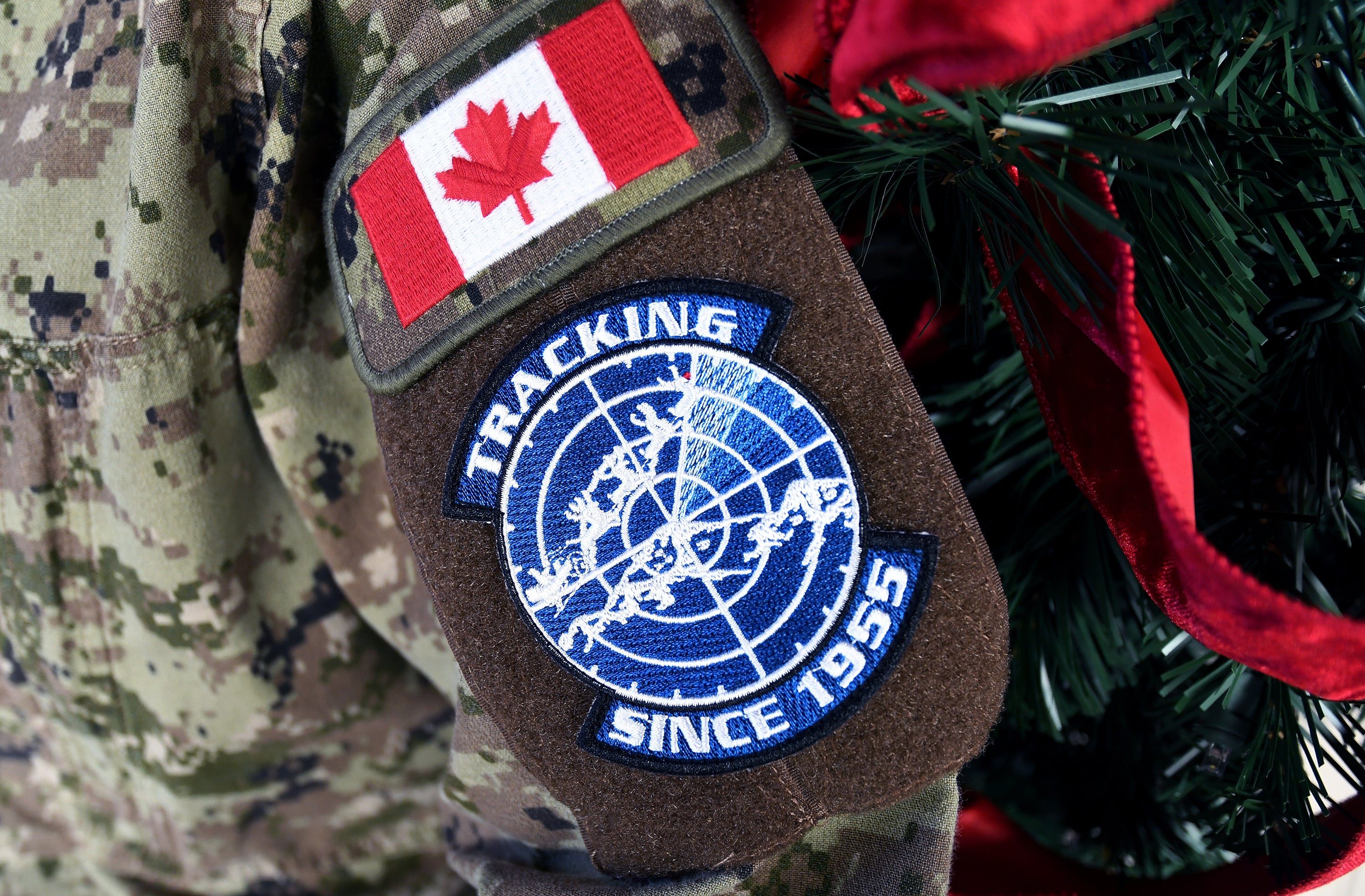
A patch representing the annual NORAD Tracks Santa Operation is seen on a military uniform sleeve at Peterson Space Force Base in Colorado Springs (AP Photo/Thomas Peipert))
A child mistakenly dialled the combat operations centre, asking directly to speak to Santa Claus. The commander on duty, Air Force Colonel Harry Shoup, unwilling to disappoint, immediately instructed his staffers to begin tracking Santa and to take calls from other children.
The initial phone call is widely believed to have stemmed from either a misprint or a misdial of a number included in a Sears advertisement in a Colorado Springs newspaper, which had encouraged children to call Santa.
The legend developed into the first call coming into a dedicated hotline that connected the command with a general in case of an attack. However, The Atlantic magazine in 2015 cast doubt on the notion of a “flood of calls” to a secret line, suggesting a public phone line was more probable and noting Colonel Shoup’s well-known flair for public relations.
In a 1999 interview with The Associated Press, Shoup vividly recalled his reaction upon realising what was happening, telling the first caller, “Ho, ho, ho, I am Santa.” He added: “The crew was looking at me like I had lost it.”

open image in gallery
Designer Michelle Reid prepares holiday decorations inside a hangar at Peterson Space Force Base (AP Photo/Thomas Peipert)
He then quickly instructed his staff on what was happening and told them to play along, too.
While the exact date of that pivotal first call remains unclear, by 23 December of that very first year, The Associated Press reported that CONAD was indeed tracking Santa’s progress.
CONAD soon evolved into the North American Aerospace Defense Command, which once operated inside the nearby Cheyenne Mountain complex.
This formidable network of tunnels had been blasted out of the mountain’s hard granite, specifically designed so NORAD officers could survive a nuclear attack, a stark contrast to its current festive role.
From a Cold War-era misdial to a global festive phenomenon, NORAD’s Santa tracking service continues to bring immense joy and enduring magic to millions worldwide, proving that even the most serious of organizations can wholeheartedly embrace the spirit of Christmas.

Sign up to our free Living Well email for advice on living a happier, healthier and longer life
Live your life healthier and happier with our free weekly Living Well newsletter
Live your life healthier and happier with our free weekly Living Well newsletter
A Californian mother has described her baby’s birth as a “miracle” after he developed outside her womb, hidden by a basketball-sized ovarian cyst, a situation so rare that doctors plan to document the case for a medical journal.
Suze Lopez, a 41-year-old nurse from Bakersfield, was unaware she was pregnant with her second child until days before giving birth to her son, Ryu.
Her pregnancy was an abdominal one, where the foetus grows in the abdomen rather than the uterus, a condition occurring in just 1 in 30,000 pregnancies. Those that reach full term are “essentially unheard of — far, far less than 1 in a million,” according to Dr John Ozimek, medical director of labour and delivery at Cedars-Sinai in Los Angeles, where Ryu was born. “I mean, this is really insane,” he added.
For months, Lopez believed her growing belly was due to an enlarging ovarian cyst, which doctors had been monitoring since her twenties.
She experienced none of the typical pregnancy symptoms, such as morning sickness or foetal kicks, and her irregular menstrual cycle meant a missed period raised no alarms. She and her husband, Andrew Lopez, even traveled abroad during this time.

open image in gallery
Defying all odds, Lopez and her son survived. On August 8, a medical team delivered an 8-pound (3.6-kilogram) baby (AP)
However, as abdominal pain and pressure intensified, Lopez decided it was time to have the 22-pound (10-kilogram) cyst removed. A routine pregnancy test, required before a CT scan due to radiation exposure, delivered the astonishing news: she was pregnant.
Lopez shared the news with her husband at a baseball game in August, presenting him with a note and a baby onesie. He recalled seeing her face, “and she just looked like she wanted to weep and smile and cry at the same time.”
Shortly after, Lopez sought help at Cedars-Sinai due to dangerously high blood pressure. Scans revealed her uterus was empty, but a nearly full-term fetus in an amniotic sac was nestled in a small space in her abdomen, near her liver. Dr Ozimek noted it appeared “mostly implanted on the sidewall of the pelvis, which is also very dangerous but more manageable than being implanted in the liver.”
Dr Cara Heuser, a maternal-fetal specialist not involved in the case, explained that most ectopic pregnancies, which implant outside the uterus, rupture and haemorrhage if not removed. Fetal mortality in such cases can be as high as 90%, with birth defects seen in about 1 in 5 surviving babies.
Defying all odds, Lopez and her son survived. On August 8, a medical team delivered an 8-pound (3.6-kilogram) baby while Lopez was under full anaesthesia, removing the cyst during the same surgery. She lost nearly all her blood, but the team controlled the bleeding and administered transfusions.
Andrew Lopez described his terror during the ordeal: “The whole time, I might have seemed calm on the outside, but I was doing nothing but praying on the inside. It was just something that scared me half to death, knowing that at any point I could lose my wife or my child.”
Both mother and baby recovered well. Ryu, named after a baseball player and a video game character, is now healthy and thriving. As his first Christmas approaches, Lopez feels “blessed beyond measure.”
“I do believe in miracles,” she said, looking at her baby. “God gave us this gift — the best gift ever.”

Photo Credot: Lagos Mag/Instagram
This Saturday, 27th December 2025, Lagos comes alive as its rich history is celebrated in one of the city’s most iconic events, the Eyo Festival. After eight years, the festival returns right in the middle of the festive season, turning Lagos Island into a sea of white. BellaNaija will be there, bringing you live updates from the heart of the action.
If you’ve never seen it in person, the Eyo Festival brings thousands of white-clad masquerades onto the streets of Lagos Island. Dressed head to toe in white, with flowing robes and distinctive Aga caps, the Eyos move through the city to the sound of chants and drums, carrying their Opambata staffs made from palm fronds. Roads are closed, movement slows, and for a few hours, Lagos follows a different rhythm.
It’s less spectacle for spectacle’s sake and more a living expression of Lagos history.
What Is the Eyo Festival All About?
The Eyo Festival, also known as the Adamu Orisha Play, is a traditional Yoruba celebration unique to Lagos Island. The masquerades represent ancestral spirits guiding departed souls to the afterlife, typically honouring deceased kings, chiefs, and prominent figures who’ve made significant contributions to Lagos.
The first recorded procession took place in 1854 for Oba Akitoye, and since then, the festival has only appeared when tradition calls for it. That rarity is part of what makes this return significant.
Five main Eyo groups take part, each recognised by the colour of their hats: Adimu in black, Laba in red, Oniko in yellow, Ologede in green and Agere in purple. Together, they form a procession that carries centuries of meaning.
This year’s festival is being staged in honour of four figures whose lives shaped Lagos in different ways. They include Abibatu Mogaji, the mother of President Bola Tinubu; Brigadier-General Mobolaji Johnson, Lagos State’s first military governor; Lateef Jakande, the state’s first civilian governor; and Michael Otedola, a former governor during the Third Republic.
Quick Facts About the Eyo Festival
- It’s Rare and Unpredictable: Unlike annual festivals, the Eyo only happens when tradition dictates—sometimes not for years. There have been periods when Lagos went 21 years without hosting it. The last one was in 2017.
- The Mystical Week of Preparation: A full week before the festival, the senior Eyo group (Adimu, identified by black hats) goes public with their staff on a Sunday, signalling the event will take place the following Saturday. Throughout the week, each Eyo group takes turns appearing daily.
- It’s Not Just About Performance: Traditionally, the festival served to escort departed Obas to the afterlife and usher in new leadership. It’s deeply spiritual, not merely entertainment.
- This Is Its First December Outing: Saturday marks the first time in history the Eyo Festival will be held during the festive season, making it a unique yuletide cultural experience.
Things to Know If You’re Attending
Planning to witness this spectacle? Brilliant choice. But there are important rules you absolutely must follow. These aren’t suggestions, they’re sacred traditions, and the masquerades are known to enforce them with their Opambata staffs.
The Prohibited List:
- Footwear: Shoes, sandals, and slippers are completely forbidden. You’ll need to go barefoot or be prepared to remove your footwear.
- Headwear: No hats, caps, or head-ties for men or women. The Suku hairstyle (cornrows converging at the centre and shooting upward) is also banned.
- Smoking: Cigarettes, pipes, and any form of smoking are strictly prohibited.
- Umbrellas: Even if the sun is blazing, umbrellas aren’t allowed.
- Photography: Photographing the sacred Orishas is forbidden, though you can take pictures of the Eyo masquerades.

Stay ahead of the curve with our weekly guide to the latest trends, fashion, relationships and more
Stay ahead of the curve with our weekly guide to the latest trends, fashion, relationships and more
Stay ahead of the curve with our weekly guide to the latest trends, fashion, relationships and more
A brand of gourmet milk chocolate bars has been urgently recalled due to an unlisted allergen.
The U.S. Food & Drug Administration is warning customers that 112 units of Fran’s Pure Bar Almondmilk Chocolate 46% Madagascar Plant-Based milk chocolate bars may contain hazelnuts that were not listed on the label.
The plant-based sweet was made by Fran’s Chocolates, Ltd. in Seattle and was sold in 1.1 oz packages at four stores in the area. It was sold online between October 9 and December 15.
The FDA announced the recall December 20, adding that one customer has already reported having an allergic reaction from the chocolate. No other illness or death has been noted. Fran’s did not immediately return The Independent’s request for comment.
The almond milk chocolate ingredient had been tested for trace amounts of hazelnuts and tested positive, leading manufacturers to discover it had been processed on the same equipment as other products, health officials said.

open image in gallery
Over 100 units of Fran’s Chocolate have been recalled ahead of Christmas. (AFP/Getty)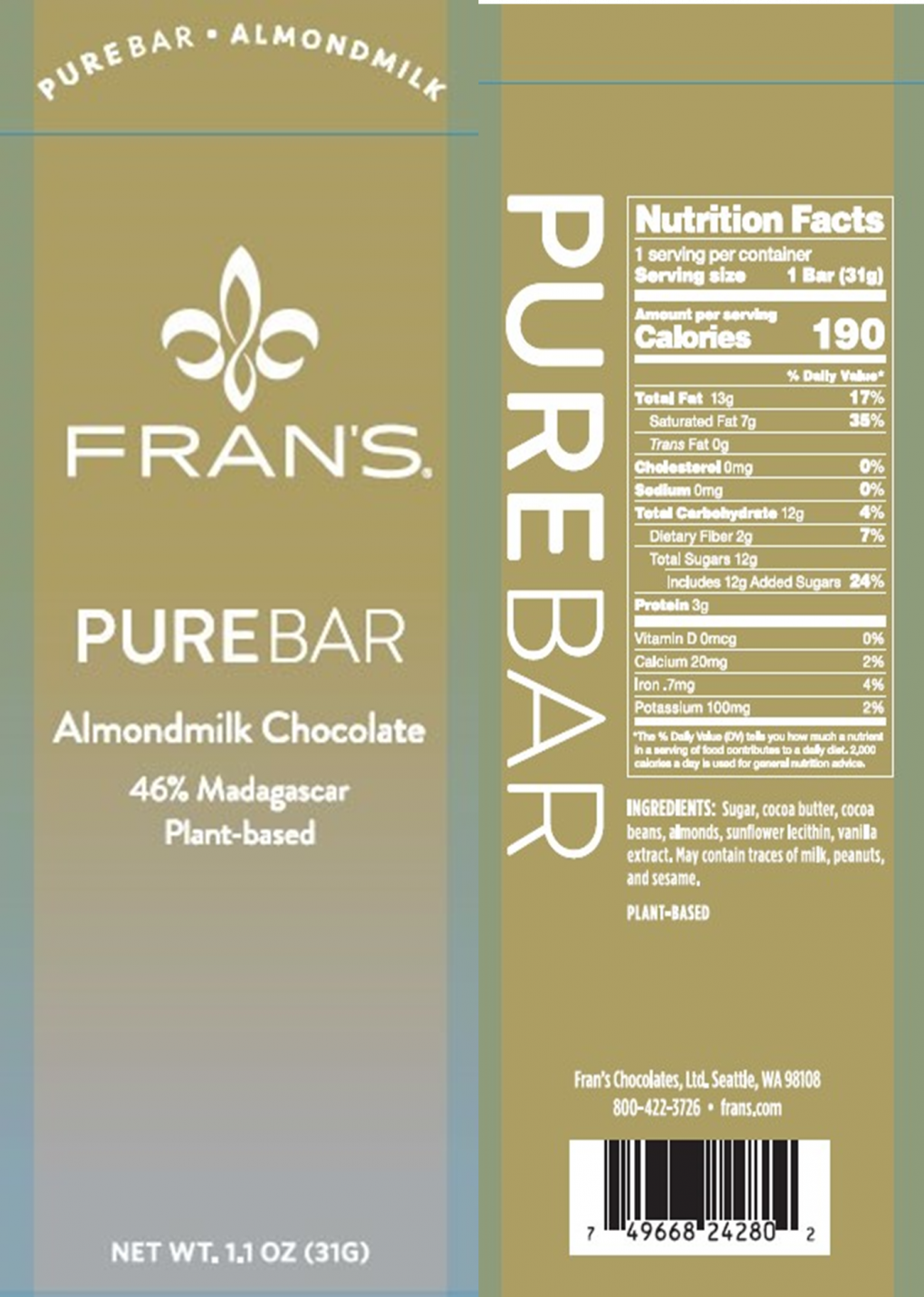
open image in gallery
Fran’s Chocolates is recalling Fran’s Pure Bar Almondmilk Chocolate 46% Madagascar Plant-Based because it has undeclared hazelnuts (US Food & Drug Administration)
“People who have an allergy or severe sensitivity to hazelnut run the risk of serious or life-threatening allergic reaction if they consume this product,” the recall announcement said. The chocolate bar already included traces of milk, peanuts, and sesame, according to its label.
Customers who have the chocolates are urged not to consume the product and to contact the company. The bars can be returned to the store for a full refund.
Tree nuts, including hazelnuts, are some of the most common allergens. About 3.5 million people in the U.S. have a tree nut allergy.
The chocolate bars are not the only sweet treat facing a recall this festive season. Holiday bark sold at Aldi has also been recalled due to the presence of undeclared allergens in two flavors of the dessert.
Silvestri Sweets Inc. issued a voluntary recall that was expanded on December 23 after there was a packaging mix-up with the Choceur-branded Holiday Barks that switched the bags of the Cookie Butter Holiday Bark and the bags of the Pecan, Cranberry & Cinnamon Holiday Bark.
That means meant that cookie butter flavor might contain undeclared pecans, while the pecan, cranberry & cinnamon flavor might contain undeclared wheat.
Aldi also recently recalled its Perfect Christmas Mozzarella Sticks in Blankets and urged customers not to eat them due to another allergy risk. The affected batch, which has a use-by date of December 15 and a barcode of 4069365328743, contained egg without the ingredient being mentioned on the label.

The sweetest bit of news to land on Christmas Eve is that the Kosokos are growing their family. And if you’re wondering which Kosokos, we mean Adekunle Gold and Simi, one of music’s most loved couples.
The announcement came quietly and beautifully through the music video for Adekunle Gold’s song “My Love Is the Same,” a track from his latest album “Fuji.” Released today, the video features Simi making a gentle appearance, her baby bump clearly visible, confirming that the couple are expecting another child.
As fans already know, “My Love Is the Same” is a reassurance song addressed to Adekunle Gold’s daughter, Adejare. It centres on staying emotionally present even when life feels heavy. The song speaks to long days, work pressures, and financial strain, while holding on to the promise that love remains steady. Lines like “I dey with you don’t you worry” and “Baby my love is the same” underline that sense of constancy, even in uncertain moments.
Adejare features prominently in the video alongside her dad. We see them laughing, singing, heading out on little adventures and sharing ice cream. Then, towards the end, she runs into her mum’s arms. Simi appears in a white cropped tee and jeans, her bump on full display, as Adejare hugs her tightly. It’s a simple moment that says everything.
Yes, you guessed right. Adejare is about to become a big sister.
Sharing his thoughts on Instagram, Adekunle Gold wrote, “No matter where I go, my home is the same… my love is the same. I’m grateful for my blessings and I’m grateful to be able to capture these moments with my favourite people in the world.”
A lovely surprise, and a Christmas gift wrapped in music, family and love.

Stay ahead of the curve with our weekly guide to the latest trends, fashion, relationships and more
Stay ahead of the curve with our weekly guide to the latest trends, fashion, relationships and more
Stay ahead of the curve with our weekly guide to the latest trends, fashion, relationships and more
From gingerbread houses to frosted sugar cookies, sweets are everywhere you turn with the holiday season in full swing. If you have a big sweet tooth, you may be looking at healthier options, like sugar-free cookies or low-carb treats. But the truth is that they might not be better for you after all.
Many Americans were worried about their sugar consumption this year and considered alternatives. The International Food Information Council’s 2025 Food & Health survey found that 75 percent of Americans were trying to reduce or avoid having sugar this year, with 22 percent opting for a “sugar-free” option when available. In addition, the global sugar-free confectionery market is estimated to grow from $42.5 billion in 2023 to $84.3 billion by 2032, according to Dataintelo, a market research and consulting firm.
Dietitians believe that the rise in sugar-free options is a result of fear-based messaging about actual sugar. “Myths like sugar being addictive or causing diseases like diabetes or cancer have been circulating in the wellness space for ages, and they just can’t seem to die. Sugar has a place in a well-balanced diet,” Alison Swiggard, a Registered Dietitian Nutritionist in Portland, Maine, told The Independent.
Health risks have also been linked to sugar substitutes. Researchers from the American Academy of Neurology recently found that people who, on average, ate more than 190 milligrams of sweeteners each day for a year had 62 percent faster declines in cognitive and memory skills than those who consumed 20 milligrams.
So, should you be calling sugar-free desserts the healthier option when compared to your usual sweet treats? Here’s what experts have to say.

open image in gallery
Sugar substitutes in sugar-free foods have been linked to faster cognitive decline (Getty/iStock)
Artificial sweeteners can hurt your gut
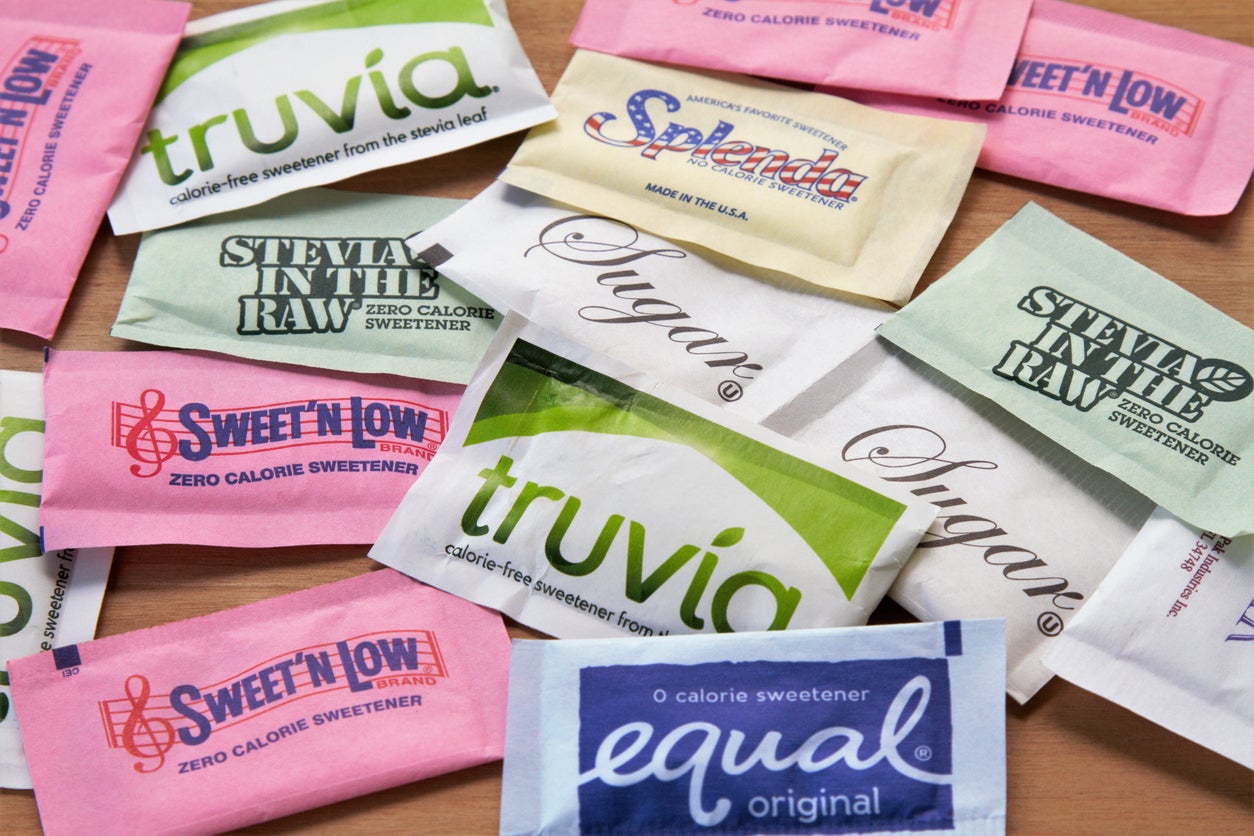
Having too much of one thing is never good — including sugar-free desserts. While they are aimed to fulfill sugar cravings without the extra calories, they often have artificial sweeteners, like sucralose, aspartame, or stevia, that can actually increase the desire for other foods.
According to Avery Zenker, a Registered Dietitian in Ontario, Canada, artificial sweeteners have been linked to an altered appetite, increased inflammation, and gut microbiome disruption, which is “an imbalance in the types of microorganisms in your body” that can make you more vulnerable to infections, according to the Cleveland Clinic.
“There’s decent evidence they alter the gut microbiome, and disrupt gut barrier function (i.e., contribute to ‘leaky gut’),” she told The Independent, referring to a condition where the intestinal lining is damaged, leading to bloating or food sensitivities. “Some people experience headaches or digestive symptoms from artificial sweeteners,” Zenker continued. “On their own, artificial sweeteners don’t have strong health benefits and may harm health.”
Sugar alcohols in sugar-free treats can cause digestive discomfort
Swiggard reiterated her concern about the ingredients in sugar-free drinks and foods. While sugar alcohols, like erythritol, xylitol, sorbitol, and maltitol, make these items taste sweet, they can also irritate the gut when consumed in large quantities.
“Sugar alcohols are not fully absorbed in the digestive tract, meaning they travel to the large intestine where bacteria ferment them, which can lead to more gas production, bloating, cramping, and loose stools,” she explained.
open image in gallery
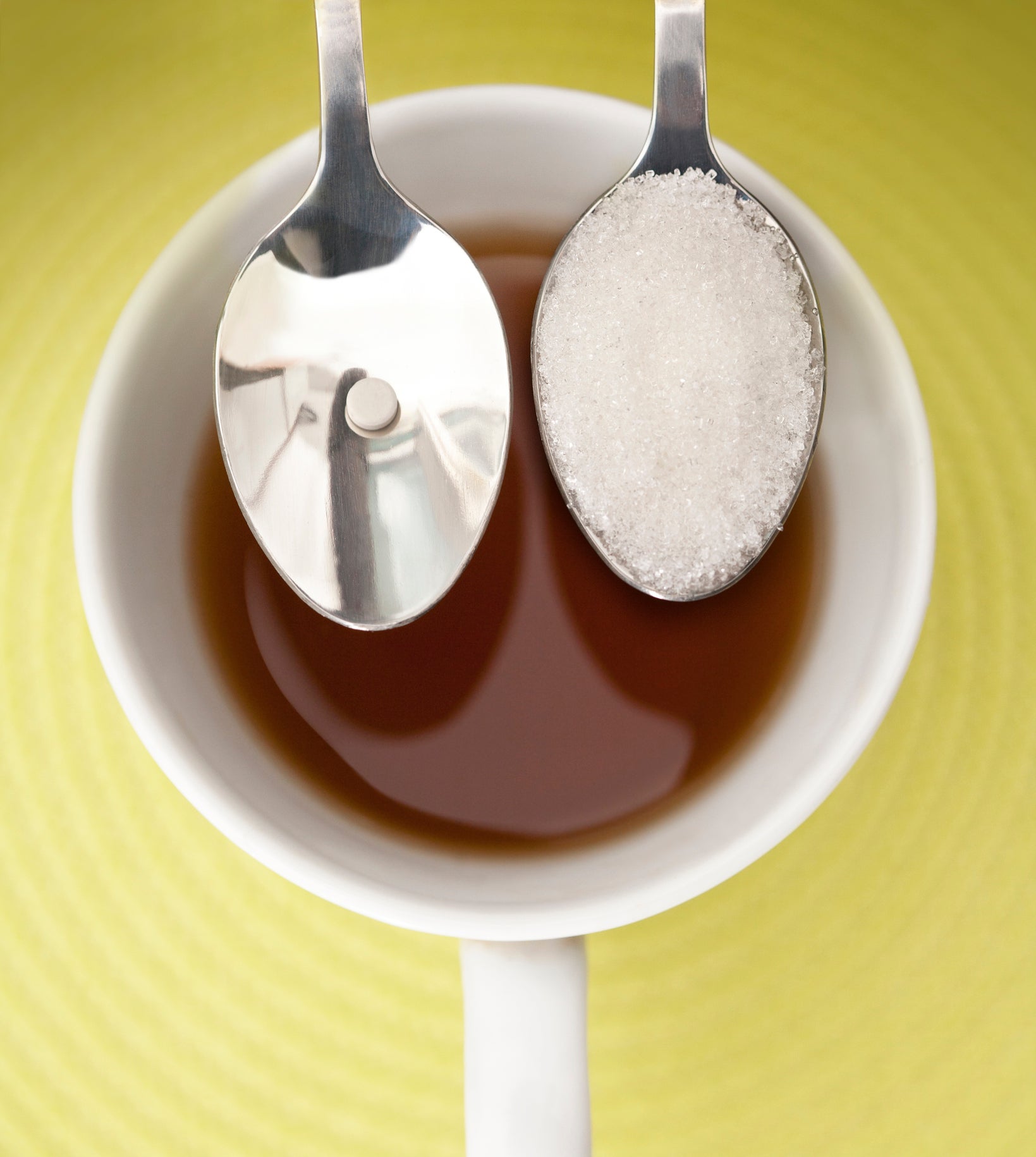
Artificial sweeteners have been linked to digestive issues (Getty Images)
Sugar-free treats can be high in saturated fats
Sugar-free foods have butter and palm oil to maintain flavor, moisture, and structure. However, these ingredients are saturated fats, which have their own downsides.
“Excessive intakes of saturated fat are linked to increased health risks, including cardiovascular disease and high cholesterol. Replacing saturated fats with unsaturated fats significantly reduces mortality and cardiovascular events in research,” Zenker explained.
Sugar-free desserts use refined carbohydrates
Some sugar-free desserts have a significant amount of refined carbohydrates, like wheat flour and starches. Zenker warned that consuming too many refined carbs can result in weight gain and systemic inflammation, and worsen insulin sensitivity, which is what keeps blood sugar levels stable.
“The glucose from refined carbs is rapidly absorbed into the bloodstream, increasing blood sugar levels. Excessive intake of refined carbs can still worsen insulin sensitivity, blood sugar regulation, and type 2 diabetes risk,” she said.
“Replacing added sugar with refined carbohydrates in sugar-free desserts has minimal benefit and may worsen certain health risk markers, especially when the refined carbohydrates are high-glycemic index foods like rapidly digestible starches,” she added.
Should you be having sugar-free desserts at all?
open image in gallery
Dietitians say we should consider having our usual sweets in a more relaxed way this holiday (Getty Images)
Of course, there are benefits to replacing sugar with artificial sweeteners, like lessening the risk of tooth decay and cavities, according to the Mayo Clinic. For some people, artificial sweeteners can be a short-term way to help lose or manage weight and are consumed for medical reasons, like diabetes.
Still, Swiggard recommended reading the ingredients labels on sugar-free desserts. She also encouraged people to reflect on why they’re eating these foods to begin with.
“If sugar-free options feel genuinely satisfying and supportive, they can absolutely be part of holiday eating. If they feel like a rule that doesn’t actually satisfy, it may be more nourishing (physically and emotionally) to enjoy traditional desserts in a relaxed way,” she explained.
For those looking to make a dessert without added sugar or artificial sweeteners, Zenker recommended using natural sweeteners.
“Using whole food sweeteners like dates, bananas, and applesauce can be nutrient-dense alternatives to sugar,” she said. “They still contain sugar, but it’s not linked as strongly to the health risks of refined sugar.”
Like every other year, Nigerian artists showed up in 2025. From stellar singles, EPs, to albums, the artists keep giving the world a reason to return to Afrobeats. From established superstars like Davido, Burna Boy and BNXN to rising stars like FOLA, Shallipopi, the Nigerian music scene has yet again delivered projects blending Afrobeats with R&B, hip-hop, amapiano and international influences, further exporting the Nigerian sound to global audiences.
In no particular order, these are albums released this year:
Auracle – Shallipopi
Every year since his breakout in 2023, Shallipopi has made it a tradition to release an album every year. In 2025, riding on the success of Laho, later supported by Burna Boy, Shallipopi released in third studio album, “Auracle.” He titles his albums distinctively, and they are obvious in the previous two: Presido La Pluto and Shakespopi.
Blue Disco – Young John
Young John is one of the few Afrobeats producers who became an artist. After previous successful albums, Young John came back with another spectacular album featuring Wizkid, Asake, Olamide and a host of others. Blue Disco is Lojay’s second full-length album.

No Signs of Weakness – Burna Boy
It may seem as though a year has never passed with a Burna Boy album. The African Giant, once again, came all out in 2025 to release No Signs of Weakness. It is Burna Boy’s eighth studio album.

FOLA – Catharsis
The breakout star of the year, arguably, is Fola. His brilliance was properly introduced in 2025, and he rode on the momentum to release an album. His debut album. The album was one of the most-streamed albums this year.

Davido – 5ive
In his fifth studio album, 5IVE, Davido flexed his amapiano muscles. Most of the tracks on the album are amapiano-infused but are also delectable to the ears. It is no surprise that a song off the album, With You, featuring Omah Lay, earned Davido another Grammy nomination.

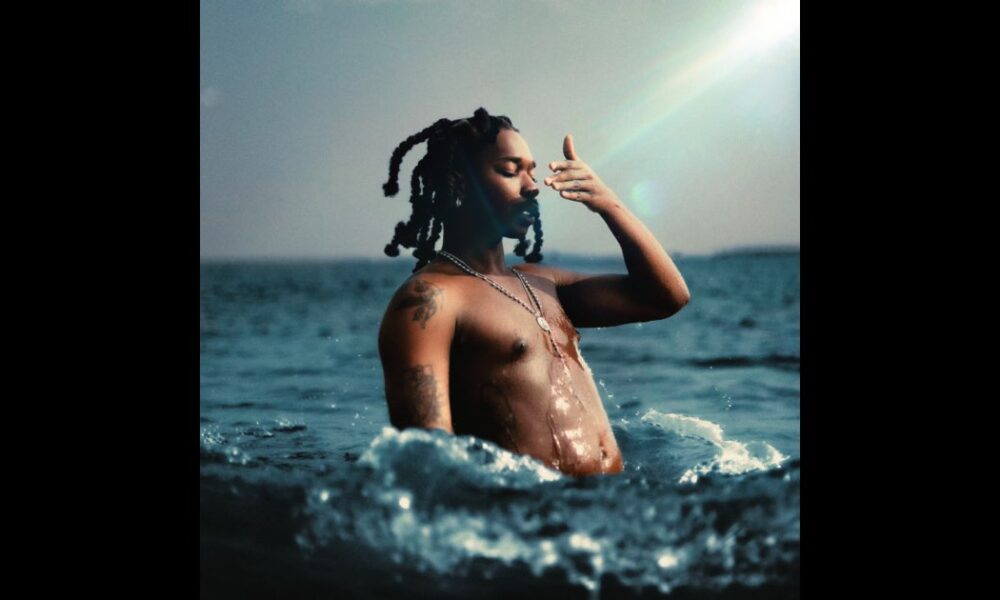
Adekunle Gold – Fuji
Adekune Gold says Fuji is his best album yet, despite having five other songs in his catalogue. He taps into his roots in Fuji and delivers to the best of his ability.

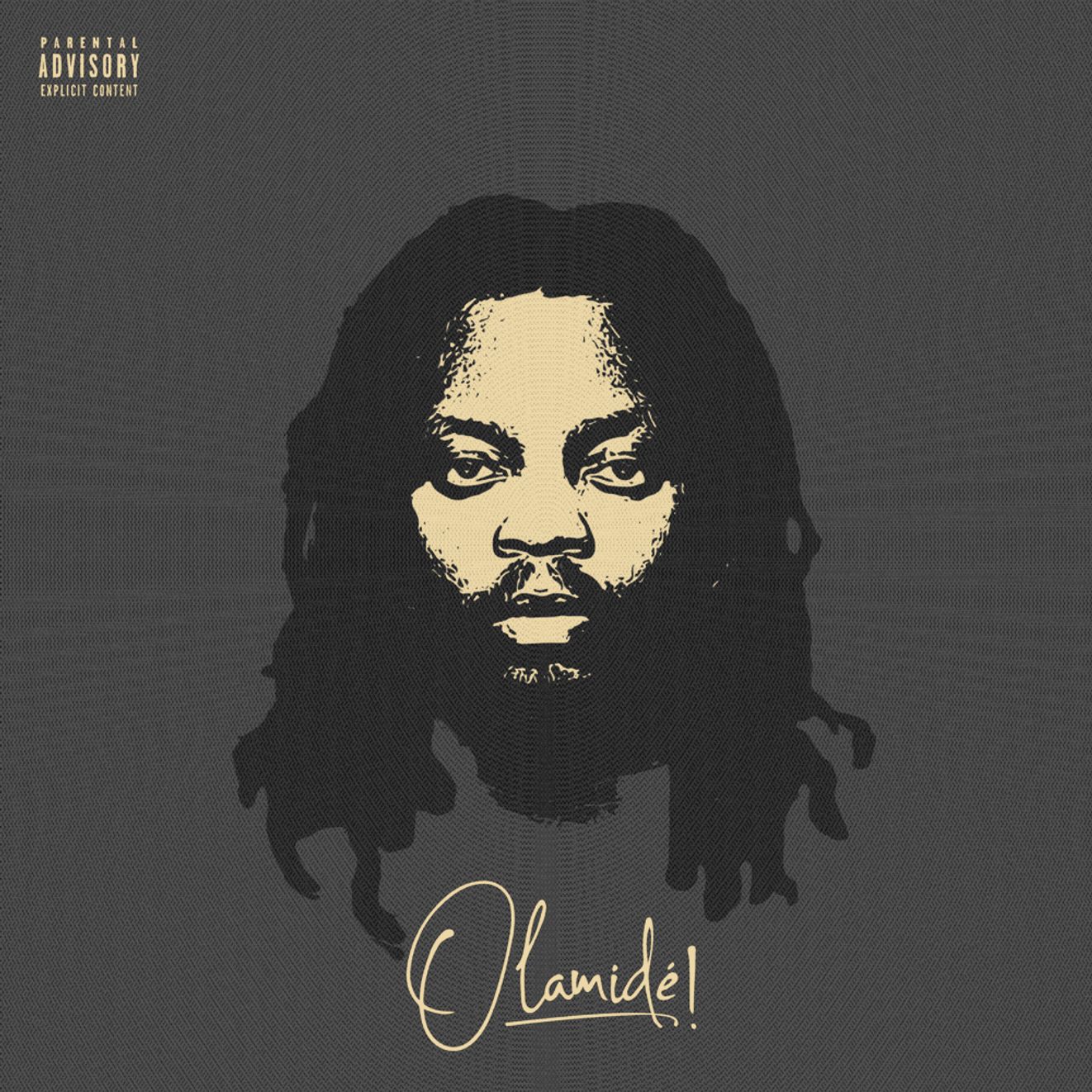
Olamide – Olamide
Olamide said in 2022 that Unruly was going to be his last album, but he has since released two projects, Ikigai Vol. 1 and Olamide, an eponymous album. Olamide is Olamide’s 11th studio album. The album further explores his range of adapting to the demands of the ever-demanding industry.
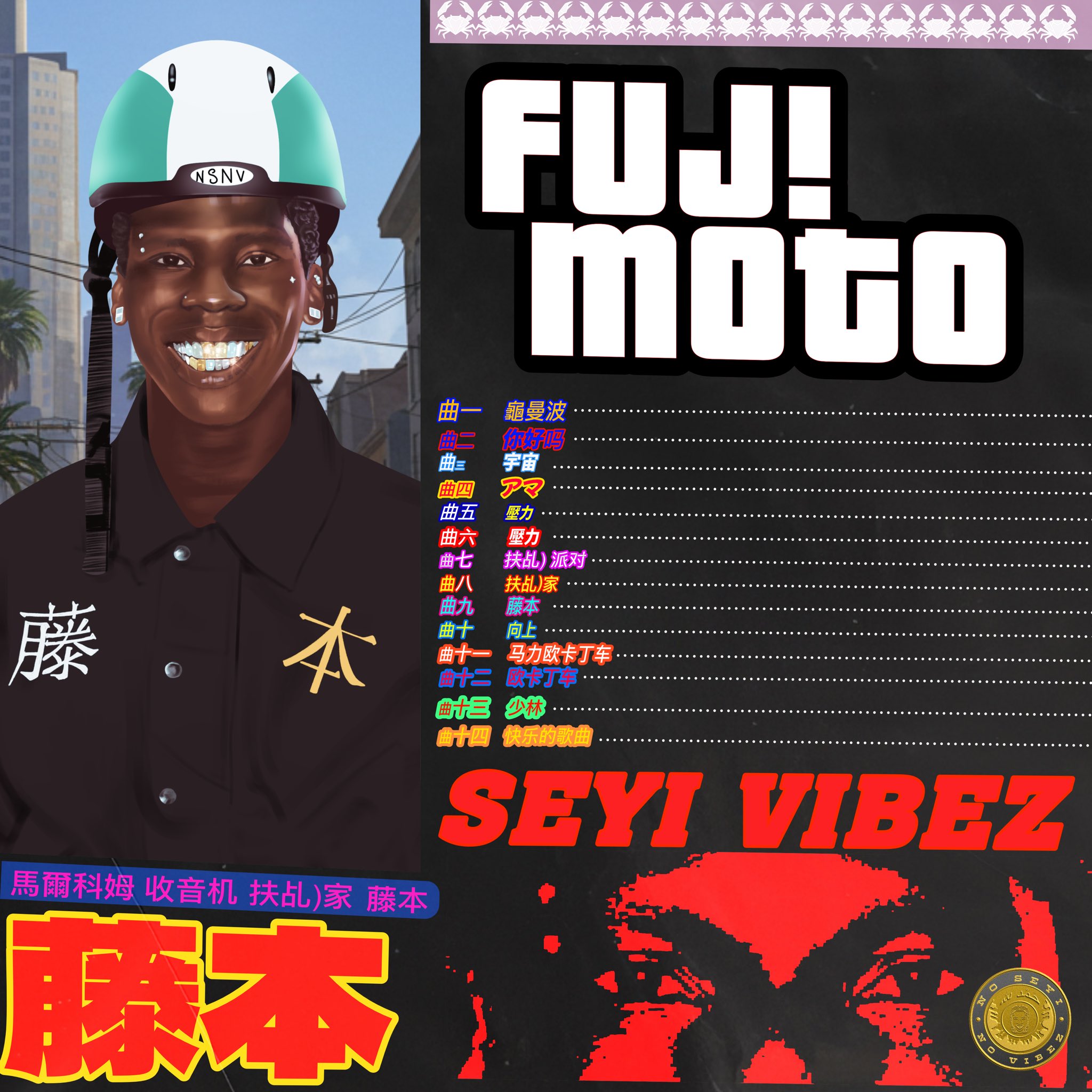
Seyi Vibez – Fuji Moto
Sleep for a second, and Seyi Vibez has dropped another before you open your eyes. Even though he relaxed more this year, he couldn’t leave out the year without releasing an album. While the album includes all the songs from the EP, Child of Africa, which he previously released earlier in the year, he added songs that are even more melodic and the core Seyi Vibez sound.
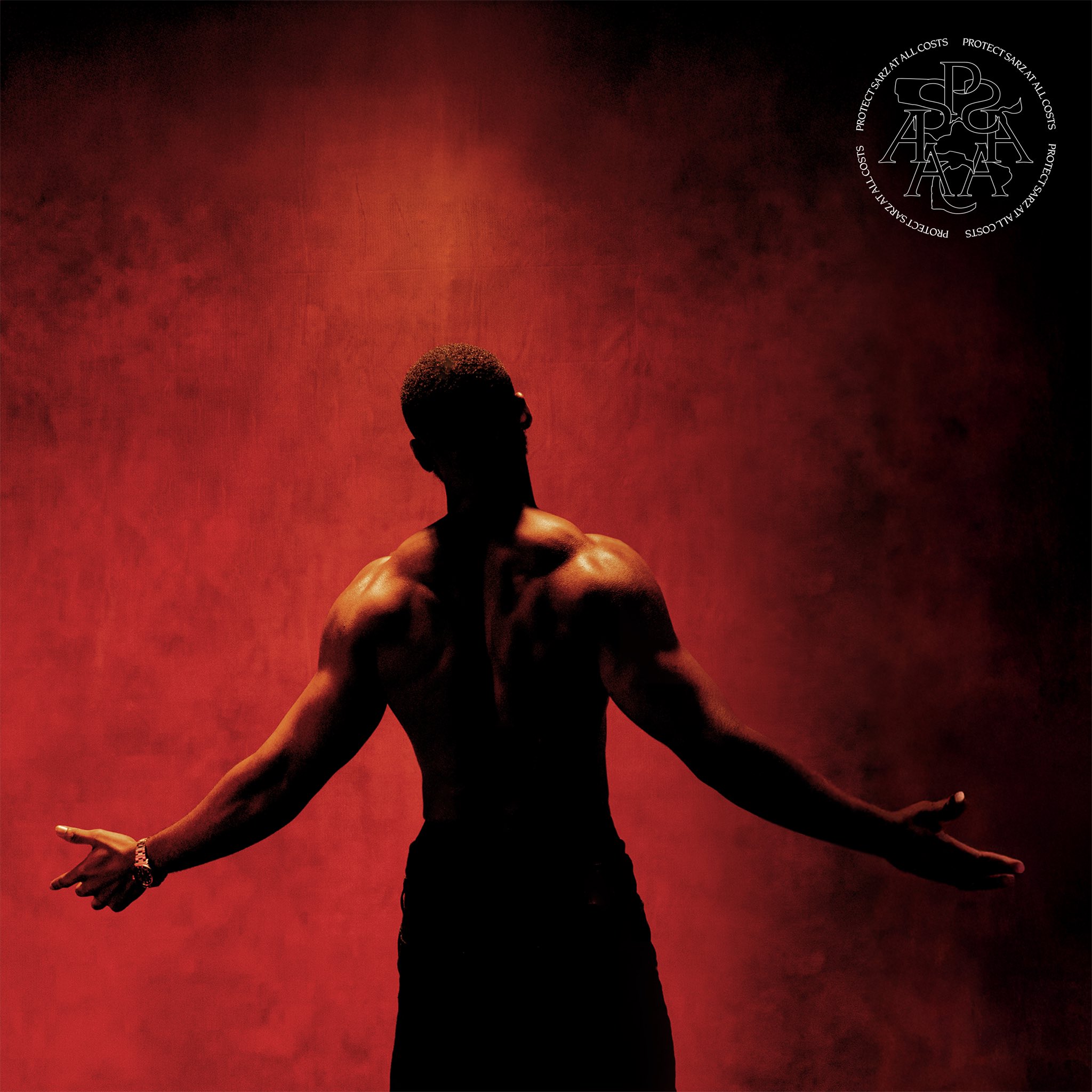
Protect Sars At All Costs – Sarz
Sarz does not sing often, but he has the manpower to release an album featuring other artists. As a producer, his discography and impact are undeniable. Protect Sars At All Costs is his debut album, and the album shows why Sarz is one of the major stakeholders in the Nigerian music scene.
Captain – BNXN
As the album implies, BNXN is the captain of his own journey. It was argued that BNXN sounds the same on his songs, but he’s always been lyrically different. He sounds the same, he’s not saying the same. Captain is his second studio album, and it was a stellar body of work.

No Excuses – Blaqbonez
Who said rap is dead in Nigeria when Blaqbonez still exists? Without giving any further excuses, Blaqbonez released a critically acclaimed album, No Excuses, with ACL, a track off the album, which particularly gained momentum when it was released.

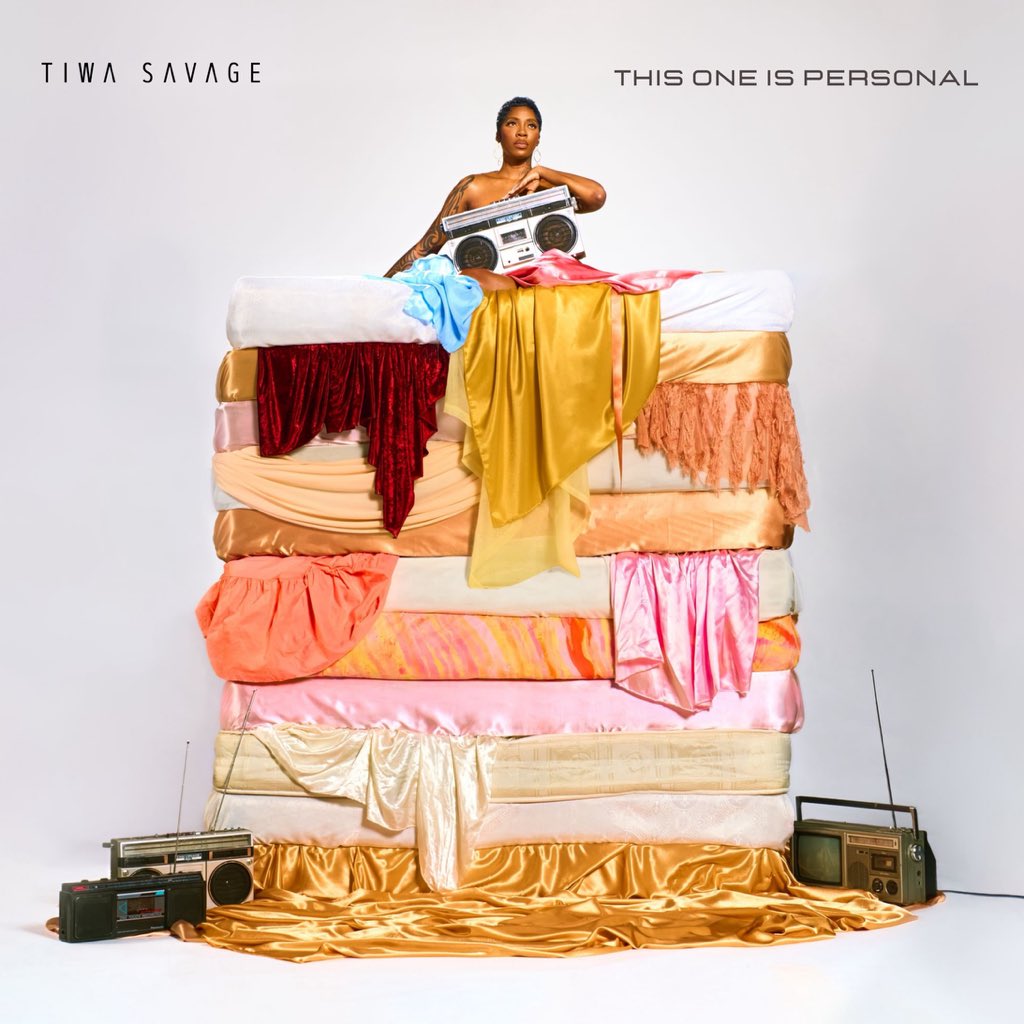
This One is Personal – Tiwa Savage
Tiwas Savage was emotionally personal on her fifth studio album, This One is Personal. Tiwa Savage’s pen game is brilliant, as evident in the album.
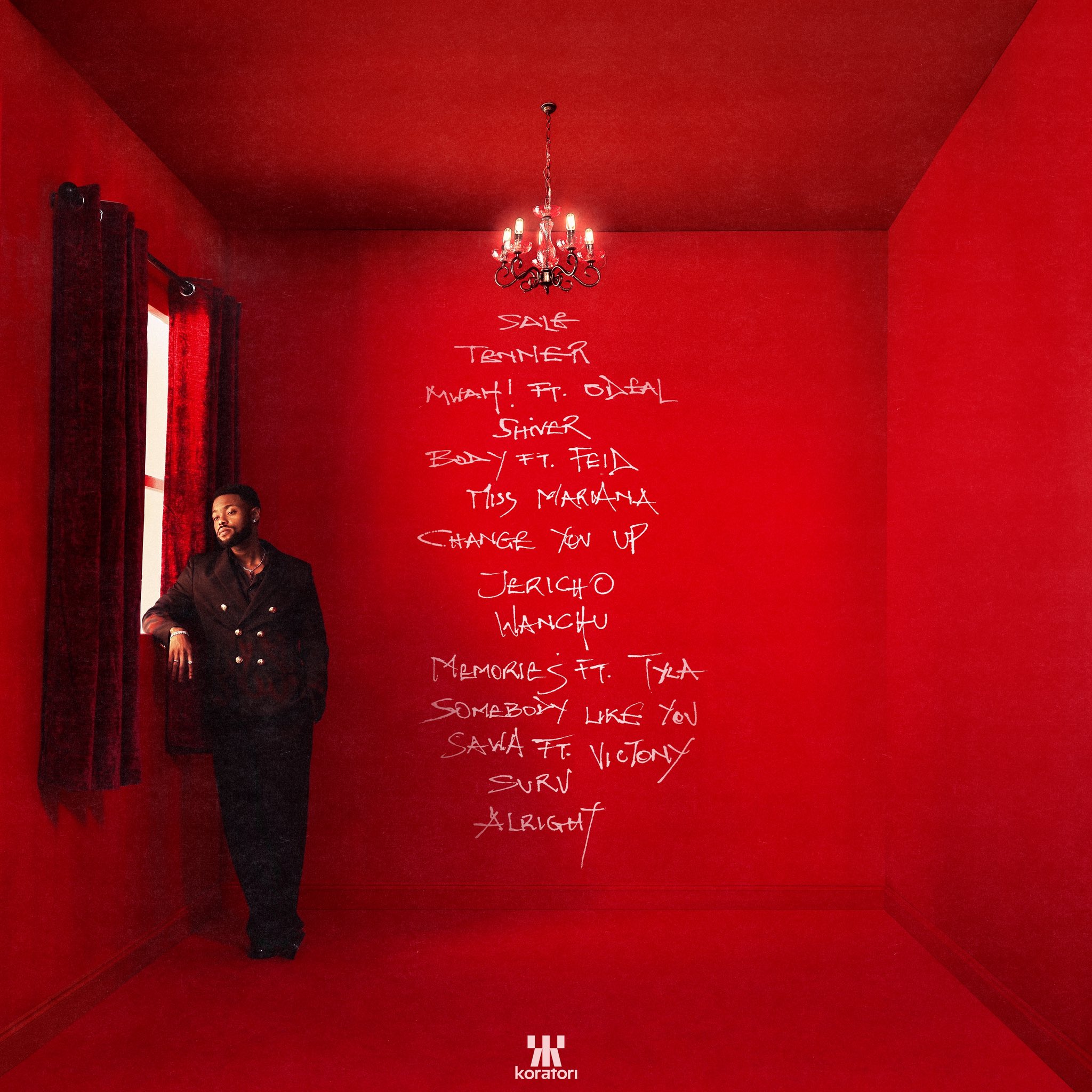
XOXO – Lojay
Lojay is a core lover boy. His gospel is love. In his debut album, XOXO, he explores this core. XOXO is going to be one of Lojay’s best albums in years to come.
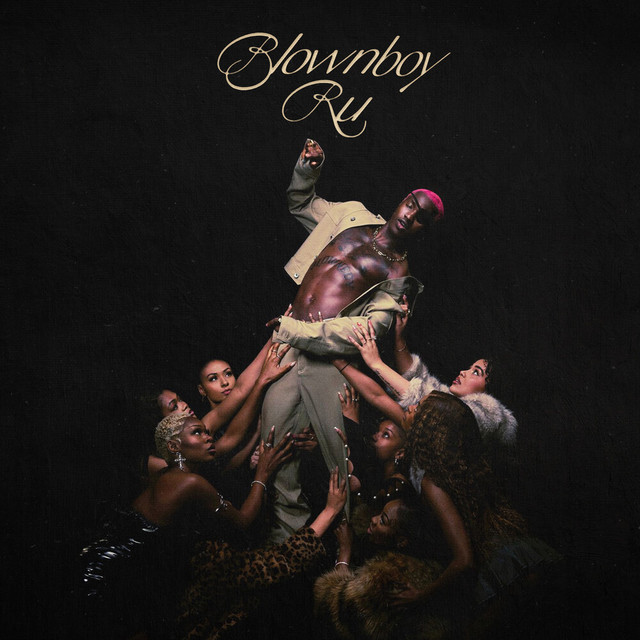
Blown Boy Ru – Ruger
Ruger presents as a typical playboy, and his previous projects exude that. However, the intentionality in Blown Boy Ru sounds different. Ruger allowed himself to make this album.
Magixx – I Dream in Color
Magixx’s debut album, I Dream in Color is a 13-track project that weaves Afrobeats with R&B and neo-soul, exploring love, resilience and personal growth through emotive songwriting and smooth vocal delivery, quickly making it one of the year’s standouts.

Unfinished Business – ID Cabasa
As the title implies, ID Cabasa’s Unfinished Business is a project about unfinished business. He reimagined some of his previously produced and released songs like Olufunmi, Photocopy, Eni Duro and others.
The Machine is Coming – Odumodublvck
Odumodublvck’s The Machine is Coming is a prequel album to The Machine is Here.
The Machine is Here – Odumodublvck
Odumodublvck’s The Machine is Here is the actual album released after the prequel, The Machine is Coming.
Are there other albums we might have missed? Go ahead and share them with us.
Sign up to our free Living Well email for advice on living a happier, healthier and longer life
Live your life healthier and happier with our free weekly Living Well newsletter
Live your life healthier and happier with our free weekly Living Well newsletter
Vegan beauty is arguably in its prime, having evolved from products with bland packaging and inconsistent formulas to now frequently outperforming their traditional counterparts.
Karen Spinner, head of sales and marketing at the Vegan Trademark, clarifies the definition: “a product has no animal ingredients and no animal-derived products, [which is] also cruelty free – so no animal testing.”
However, Spinner notes that a cruelty-free label does not automatically signify a vegan product.
The beauty industry frequently incorporates animal derivatives, with common ingredients that can mislead consumers including “squalene, that’s an extract of shark’s liver, you’ll often find in deodorants, lip balms and moisturisers.”
“Ambergris, which comes from fat of the intestine of the sperm whale – that’s used in the perfume industry,” Spinner explains.
“And something doing the rounds on TikTok [are] vanilla perfumes. It’s very trendy at the moment, and lots of vanilla perfumes have a have an animal by product called castoreum, which is secreted from the castor sacs of beavers.
“Then obviously you’ve got cochineal, which is for pigment, created by crushing insects – you find that in lots of lipsticks, blushes and nail polishes.”
If you’re planning on dipping your toe into veganism this Veganuary, the best vegan products are those you wouldn’t even realise are fully plant-based and cruelty-free.
So, here are the vegan beauty staples worth making room for in 2026.
Best vegan skincare
Good skin underpins beauty today, with some of the biggest trends like ‘glass skin’ and ‘hazy cheeks’ relying on the health and vibrance of bare skin.
And luckily, some of the most effective formulas on the market are entirely vegan.

open image in gallery
(Aesop/PA)
Aesop Parsley Seed Facial Cleanser, £30
Aesop is often associated with luxurious self-care, but many consumers don’t realise that its also vegan, Leaping Bunny-approved and certified B Corp.
The Parsley Seed Facial Cleanser is one of the brand’s most enduring formulas, designed with urban living in mind.
The gel-based cleanser removes makeup, SPF and daily pollution without stripping the skin barrier – something that’s particularly important for combination or city-stressed complexions.
Rich in antioxidant botanicals, it leaves skin feeling balanced – not tight – making it a reliable everyday option for those who want effective plant-based cleansing without overcomplicating their routine.
open image in gallery
(Medik8/PA)
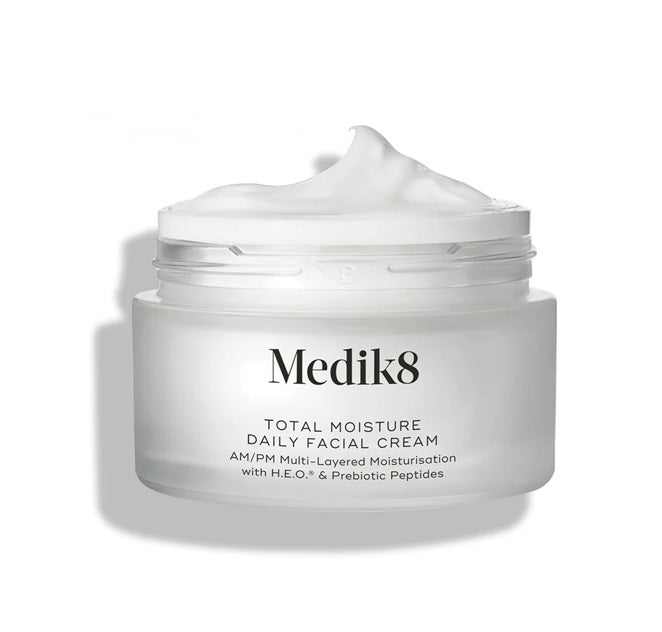
Medik8 Total Moisture Daily Facial Cream, £48
Medik8 is a science-led skincare brand trusted by beauty lovers and dermatologists alike – and many users may not even realise its formulas are vegan.
Certified vegan by the Vegan Society, Medik8 is a science-based skincare brand, and one of its bestsellers is the daily moisturiser.
It’s non-comedogenic, meaning it doesn’t clog pores, and is suitable for both dry and oily skin types thanks to its perfected combination of prebiotic peptides, ceramides and lipids for ultimate hydration without excess grease.
Best vegan bases
Base make-up has historically been the hardest category for vegan beauty to get right. But more recently, vegan formulas are being perfected due to consumer demand.
“The vegan society’s own research carried out in 2021 found that 40% of the women in the UK who always buy vegan beauty aren’t actually vegan,” Spinner says, showing the growth in conscious consumerism.
open image in gallery
(Ultrasun/PA)
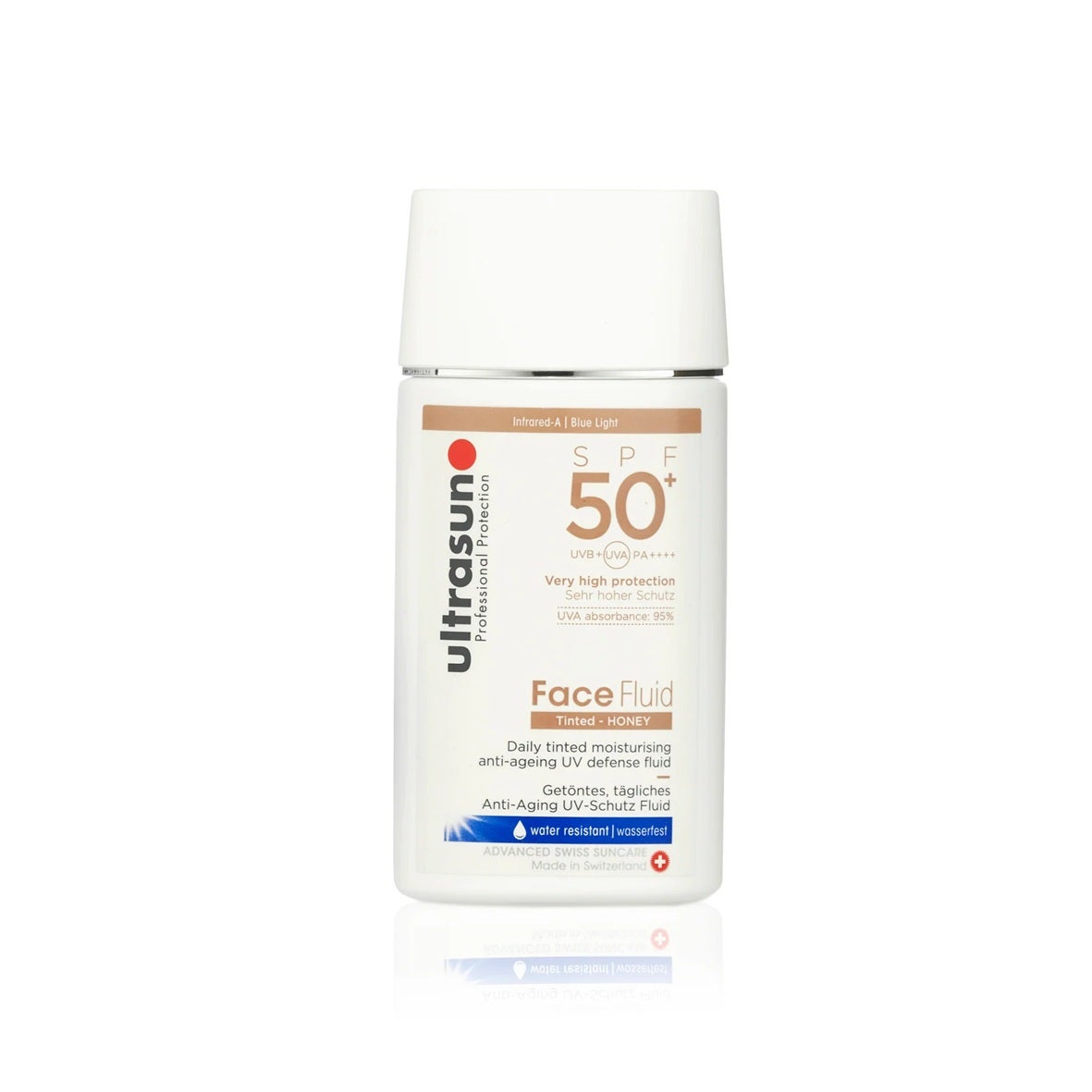
Ultrasun Face Fluid Tinted SPF50+, £28
Not all Ultrasun products are vegan, as many of their lip products contain beeswax, however this tinted fluid is vegan and the perfect base all year round.
A rare hybrid that delivers broad-spectrum sun protection alongside sheer, skin-evening coverage. Lightweight and non-greasy, it works well for everyday wear and is especially useful if you prefer minimal makeup with maximum protection.
open image in gallery
(Merit Beauty/PA)
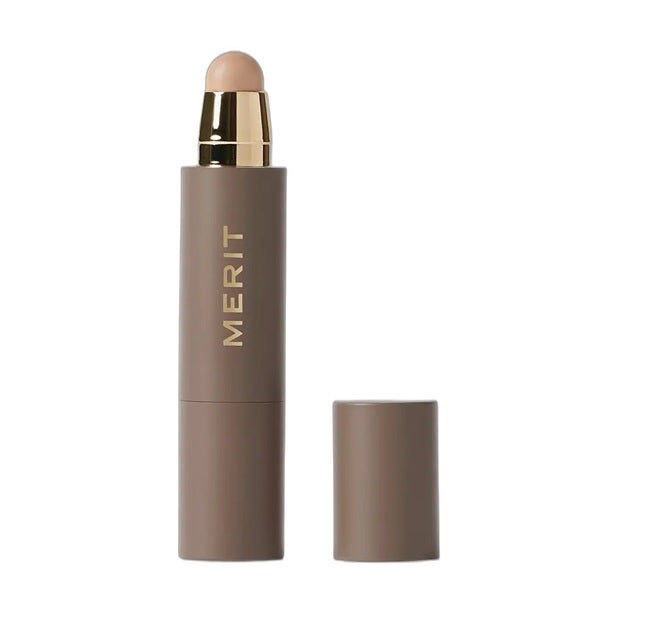
Merit The Minimalist Perfecting Complexion Stick, £34
Merit has built its reputation around pared-back, skin-first make-up that prioritises ease and wearability. The Minimalist Complexion Stick reflects that ethos perfectly, sitting somewhere between a concealer and a foundation.
The creamy vegan formula blends effortlessly with fingers or a brush, offering buildable coverage that still looks like skin. Ideal for evening out redness, dark circles or blemishes, it still has a natural pay-off looking light and unfussy.
Best vegan eye make-up
Vegan formulas no longer compromise on pigment or longevity, and some of 2025’s best eye products were in fact vegan.
open image in gallery
(Vieve/PA)
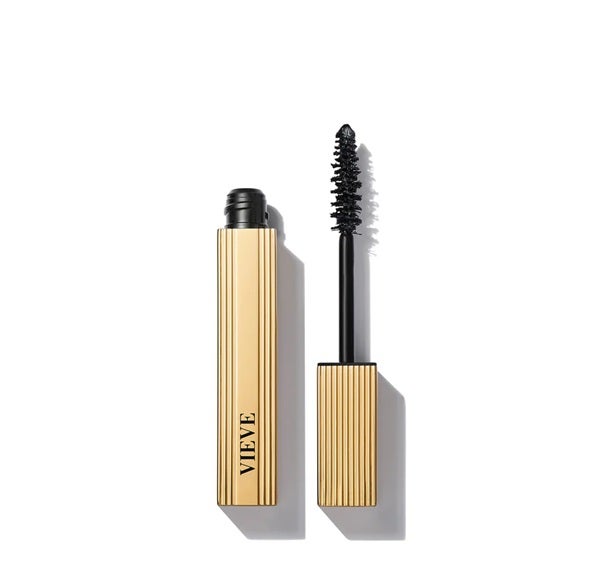
Vieve Icon Mascara, £26
Certified as vegan and cruelty-free by PETA, the influencer-slash-YouTuber founded beauty brand, Vieve has made waves this year.
Launched in 2020 by Jamie Genevieve, Vieve has created viral products including its balmy foundation hybrid and its eye products.
The Vieve mascara is a standout, it delivers volume and definition without flaking or stiffness. The formula builds well, making it suitable for both natural daytime looks and fuller evening lashes, without drying out over time.

open image in gallery
(E.l.f Cosmetics/PA)
E.l.f. Cosmetics No Budge Shadow Stick, £7
E.l.f Cosmetics is an old-school vegan brand, which is double-certified cruelty free by both PETA and Leaping Bunny.
It’s cream eyeshadow is a practical, long-wearing shadow that delivers colour in one swipe. It sets quickly without creasing, making it reliable for fast routines or long days when you don’t want to think about touch-ups.
Best vegan body care

open image in gallery
(Grove England/PA)
Grove England Anemone Body Wash, £45
Made and manufactured in the south of England, Grove England is a hidden gem for luxury vegan body care. However, it’s important to note that while they claim vegan status, they don’t prominently display a third-party certification logo (like Vegan Society or Leaping Bunny), so it is still important to check the ingredients list and manufacturing information of their products.
This neroli and cedarwood scented body wash however is vegan according to its ingredients, and contains antioxidants, vitamin B5 and amino acids which leaves skin nourished and radiant.

open image in gallery
(PureSeoul/PA)
Aromatica Embrace Body Lotion Neroli and Patchouli, £27, PureSeoul
Aromatica is a K-beauty brand that has boomed in popularity this year. All their ingredients are all ECOCERT certified, vegan-friendly and are not tested on animals.
This body lotion is one of their hero products, it leaves the body hydrated thanks to its pure shea butter, while the vegan formula means it absorbs well – even on damp skin – without leaving a sticky or greasy residue.
Why vegan beauty feels different now
Recent years has seen a rise in demand for vegan beauty products, mainly due to rising ethical concerns, health consciousness (as people are becoming more aware of how processed animal products react with the skin) and environmental awareness.
“Over 52% of [the Vegan Society’s] market is cosmetics and beauty,” says Spinner, “people always think food when they think vegan, but actually cosmetics, beauty and personal care is the biggest market for us.”
It seems that now is as better time than any to test out some vegan beauty products, starting with easy swaps such as a beeswax lip balm with a candelilla wax balm.
Swaps don’t have to be a compromise, and in many cases, they can actually be an upgrade.

Sign up to our free Living Well email for advice on living a happier, healthier and longer life
Live your life healthier and happier with our free weekly Living Well newsletter
Live your life healthier and happier with our free weekly Living Well newsletter
The festive season has a reputation for undoing good habits such as eating well and exercising. Normal routines disappear, days become less structured and exercise habits can fade. The solution to staying active is not more willpower, but smarter planning. Research shows that simple, practical strategies can help people stay active through Christmas and into the new year.
At this time of year, articles often focus on the calorie content of festive foods and drinks, alongside advice on how to “burn off” festive indulgence. However, guilt-based motivation is ineffective in the long term.
You are more likely to stick with exercise when it feels rewarding rather than forced. This is known as intrinsic motivation, which comes from enjoying the activity itself, rather than exercising due to pressure, guilt or external rewards. Behaviour change research shows that physical activity habits are more likely to last when they are easy to start and driven by intrinsic motivation.
For example, someone is more likely to maintain a running habit because it improves their mood or helps them decompress, rather than because they are trying to burn a specific number of calories.
To support intrinsic motivation, it helps to choose activities you enjoy or are curious about and avoid rigid rules. Exercises should match your current ability and offer a sense of progress, such as improvements in strength, technique or stamina. Clear, achievable progress increases enjoyment and commitment. Training with others, joining group classes or sharing progress can also help sustain motivation.
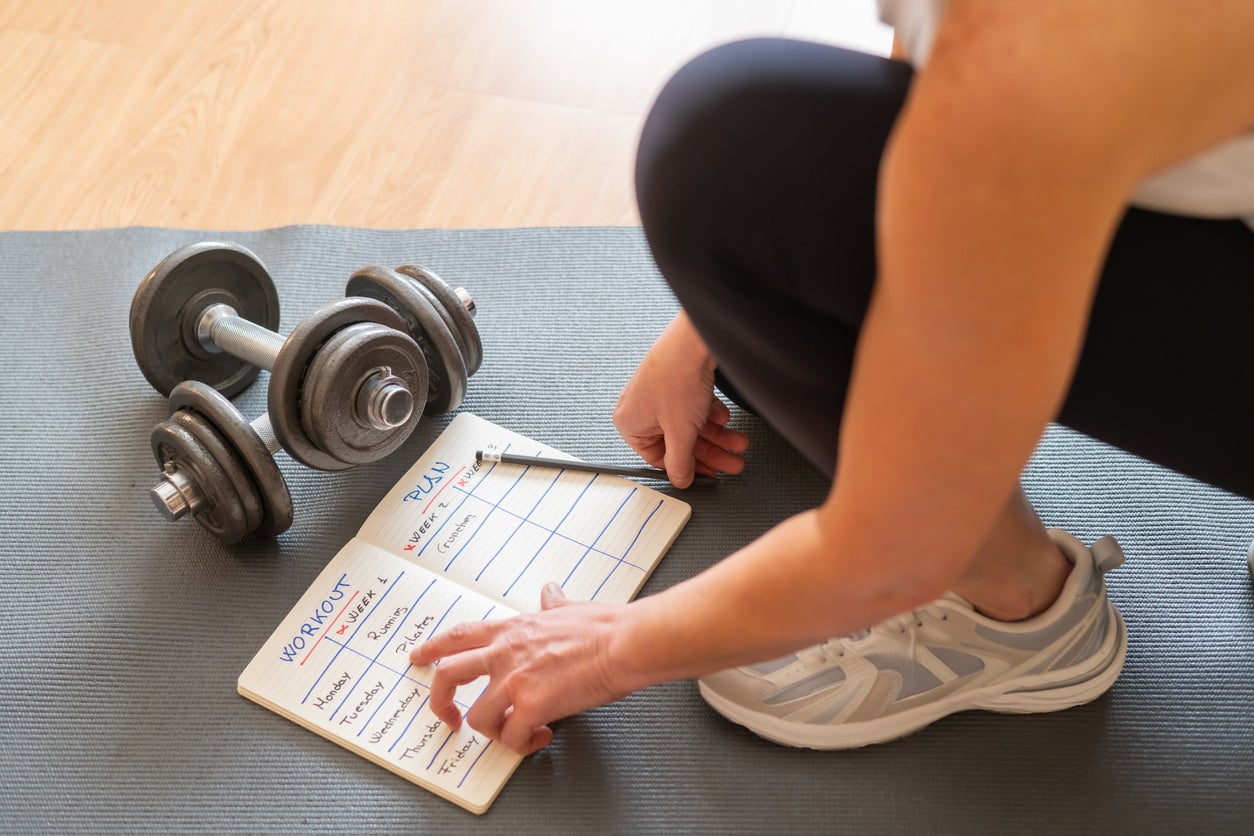
open image in gallery
The solution to staying active is not more willpower, but smarter planning (Getty)
Most people do not stop exercising over Christmas because they lose motivation. Instead, their routines change. Late nights, travel, disrupted schedules, limited gym access or exercising in unfamiliar places create practical barriers. In many cases, exercise habits fade because of logistics, not a lack of desire.
In behavioural science, anything that makes a behaviour harder to start than it needs to be is described as friction. Even small obstacles can increase the effort, time or mental energy required to begin, making people more likely to delay or abandon the behaviour.
Friction is often subtle. Forgetting login details for a fitness app, not knowing what workout to do, or wondering whether there is enough time for a session to be “worth it” can be enough to derail exercise plans. Each small obstacle adds hesitation and increases the chance of giving up.
Reducing friction makes it far easier to maintain fitness over Christmas. This can be done by preparing in advance, simplifying choices and making the first step as easy as possible.
Prepare and plan ahead
Preparing ahead of time reduces delays and procrastination. Keep a gym bag packed or lay out workout clothes the night before. If you train with music or podcasts, have them ready. Create a default route for outdoor activities such as running or cycling so you don’t have to decide where to go.
When routines change, the type of exercise often needs to change too. Many people turn to social media or YouTube for ideas, but the sheer number of options can lead to decision fatigue, where repeated choices drain mental energy and make it more likely that exercise is postponed altogether.

open image in gallery
When routines change, the type of exercise often needs to change too (Getty/iStock)
To avoid this, bookmark a small number of go-to workouts on your phone and label them by duration and location. For example:
15 minutes | Bodyweight cardio | Home – Star jumps x 20 Mountain climbers x 20 Step-ups x 20 High skips x 20 Rest 1 minute Repeat for five rounds
Choose workouts for the week in advance where possible. Use a fixed rotation of three or four sessions, such as full-body strength, a 30-minute run, then full-body strength again. Limiting options reduces decision fatigue and makes starting easier.
Simplify
When time is limited or the gym is busy, effective workouts can still be completed in under 30 minutes using time-efficient training methods.
1. Circuits
In the gym, instead of resting between sets on one machine, move between exercises that target different muscle groups. For example, rotate between chest press, seated row, leg press, shoulder press, lat pulldown and a core exercise. If equipment is unavailable, substitute with a similar movement using dumbbells or bodyweight.
2. Supersets
Pair exercises that work different muscle groups and perform them back to back, such as a dumbbell chest press followed by a chest-supported row.
3. Drop sets
After completing a set, reduce the weight by 20% to 30% and continue until fatigue. Repeat for two to four drops.
4. Myo reps
Choose a weight you can lift for 12 to 15 repetitions. After the first set, rest briefly, then perform mini sets of three to five repetitions, rest for 20 seconds. Keep going until until you can’t complete 3 reps.
Drop sets and myo reps are effective for muscle growth. For maximum strength goals, traditional or cluster sets are more appropriate.
About the author
Paul Hough is a Lecturer in Sport & Exercise Physiology at the University of Westminster.
This article is republished from The Conversation under a Creative Commons license. Read the original article.
Metabolic conditioning
Metabolic conditioning involves short bursts of high-intensity exercise that challenge both muscles and the cardiovascular system. It is particularly useful when time is limited.
1. Circuit training
Plan a circuit of several exercises. Perform each exercise for 30 to 60 seconds then move to the next exercise. Rest for one to two minutes after completing all the exercises and repeat for multiple rounds.
2. Every minute on the minute circuits
At the start of each minute, complete a set number of repetitions and rest for the remainder of the minute before starting the next exercise.
3. Tabata intervals
Alternate 20 seconds of high-intensity exercise with ten seconds of rest. Complete eight intervals (one block), then rest for two to three minutes. Repeat this for two to three blocks.
4. As many reps as possible
Select four or five exercises with target reps for each exercise. Set a timer for 12 to 20 minutes and cycle through the exercises continuously, aiming to complete as many rounds as possible.
Even during the disruption of the festive season, it is possible to stay active. Skipping exercise entirely until January risks losing fitness and breaking momentum. Evidence-based strategies that reduce friction and make exercise easy to start are far more effective than relying on willpower. By keeping workouts simple and accessible, you can maintain fitness through Christmas without having to start again in the new year.